
35,000+ smart investors are already getting financial news, market signals, and macro shifts in the economy that could impact their money next with our FREE weekly newsletter. Get ahead of what the crowd finds out too late. Click Here to Subscribe for FREE.
Canada Day BBQs have a way of turning a simple grocery run into a surprisingly expensive cart. A few packs of meat, fresh toppings, drinks, buns, sauces, and snack trays can climb quickly, especially when shoppers are buying for a crowd and watching for last-minute deals. With food prices still under pressure in Canada, small choices at the store can make a real difference.
These 21 grocery items deserve closer attention before the long-weekend grill gets fired up. Some are worth checking for price swings, shrinkflation, sodium, quality, expiry dates, or food-safety handling. Others simply look like easy BBQ staples until the final receipt tells a different story.
Ground Beef for Burgers
21 Grocery Items Canadians Should Watch Closely Before Canada Day BBQs
- Ground Beef for Burgers
- Steak Packs
- Chicken Thighs and Drumsticks
- Hot Dogs and Wieners
- Sausages
- Burger Buns
- Hot Dog Buns
- Corn on the Cob
- Tomatoes
- Lettuce and Salad Greens
- Onions
- Cheese Slices
- BBQ Sauce
- Ketchup, Mustard, and Relish
- Potato Chips
- Potato Salad
- Watermelon
- Strawberries
- Ice Cream and Frozen Treats
- Pop, Sparkling Water, and Juice
- Bagged Ice
- 19 Things Canadians Don’t Realize the CRA Can See About Their Online Income
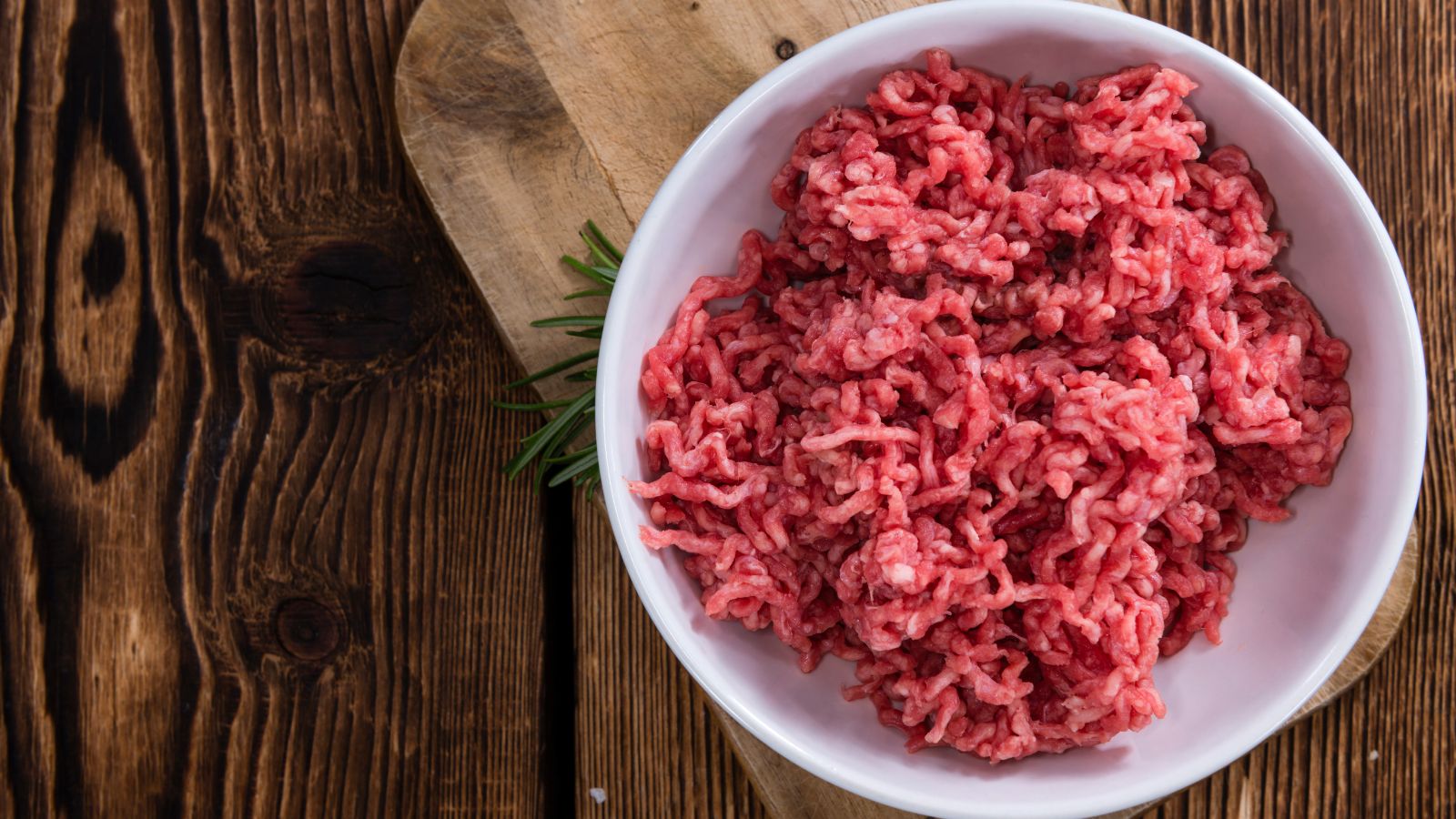
Ground beef is often the first item in a Canada Day BBQ cart, but it is also one of the easiest places for a grocery bill to jump. Burgers feel casual and affordable until the package size, fat content, and price per kilogram are compared side by side. A family pack may look cheaper, while a smaller “lean” or “extra lean” tray can quietly cost much more per serving.
The label matters as much as the price. Ground meat has more surface area than whole cuts, which is why safe cooking is important for backyard burgers. Patties should be cooked with a thermometer rather than judged by colour alone, since a browned outside does not guarantee a safe centre. Hosts feeding children, older relatives, or guests with weaker immune systems should be especially careful with storage, thawing, and cross-contamination.
Steak Packs
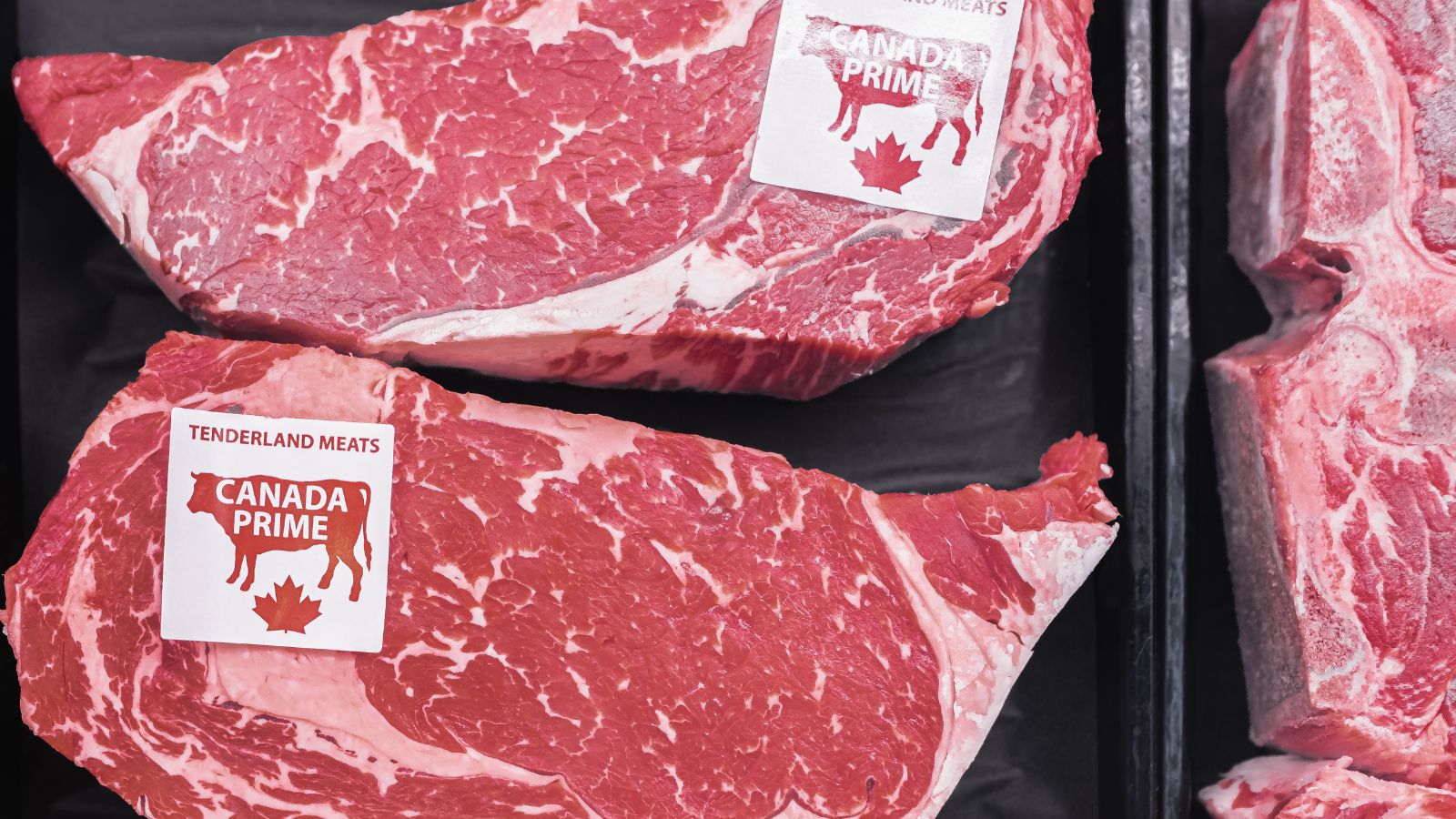
Steak carries a Canada Day feeling all its own, but the sticker shock can be real. Ribeye, striploin, tenderloin, and sirloin can vary dramatically in price, even when packages sit beside each other in the same cooler. A “premium grilling steak” label may sound like a shortcut to quality, yet thickness, marbling, and trimming often tell more than the package name.
Shoppers should also watch multi-steak packs closely. One thick steak and two thinner ones may cook unevenly, creating frustration at the grill. Mechanically tenderized beef needs extra attention because piercing can move bacteria from the surface into the meat. For a crowd, a less glamorous cut sliced after grilling can stretch further than individual steaks while still feeling generous on a shared platter.
Chicken Thighs and Drumsticks
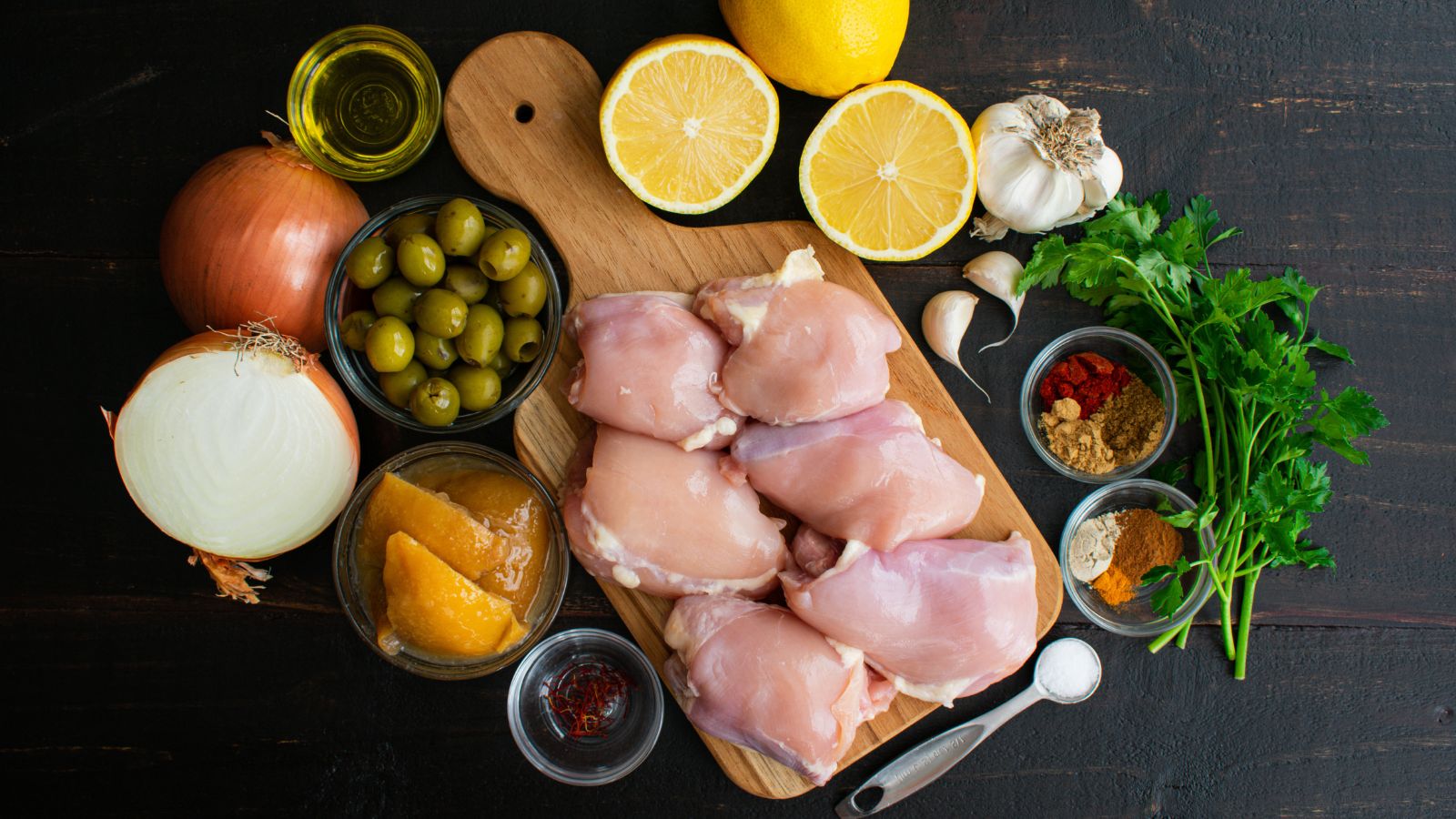
Chicken thighs and drumsticks can be a practical BBQ choice when beef prices feel too high. Dark meat is often more forgiving on the grill because it stays juicy longer than boneless breasts. Still, it pays to compare fresh, frozen, seasoned, and family-size formats. A low advertised price may depend on buying a large tray that needs to be cooked or frozen quickly.
Food safety is the major watch point. Chicken should not share plates, tongs, cutting boards, or marinade with cooked food unless everything has been properly washed or replaced. Bone-in pieces can brown beautifully on the outside while staying undercooked near the bone. A thermometer helps prevent the classic BBQ mistake of serving chicken that looks ready but has not reached a safe internal temperature.
Hot Dogs and Wieners
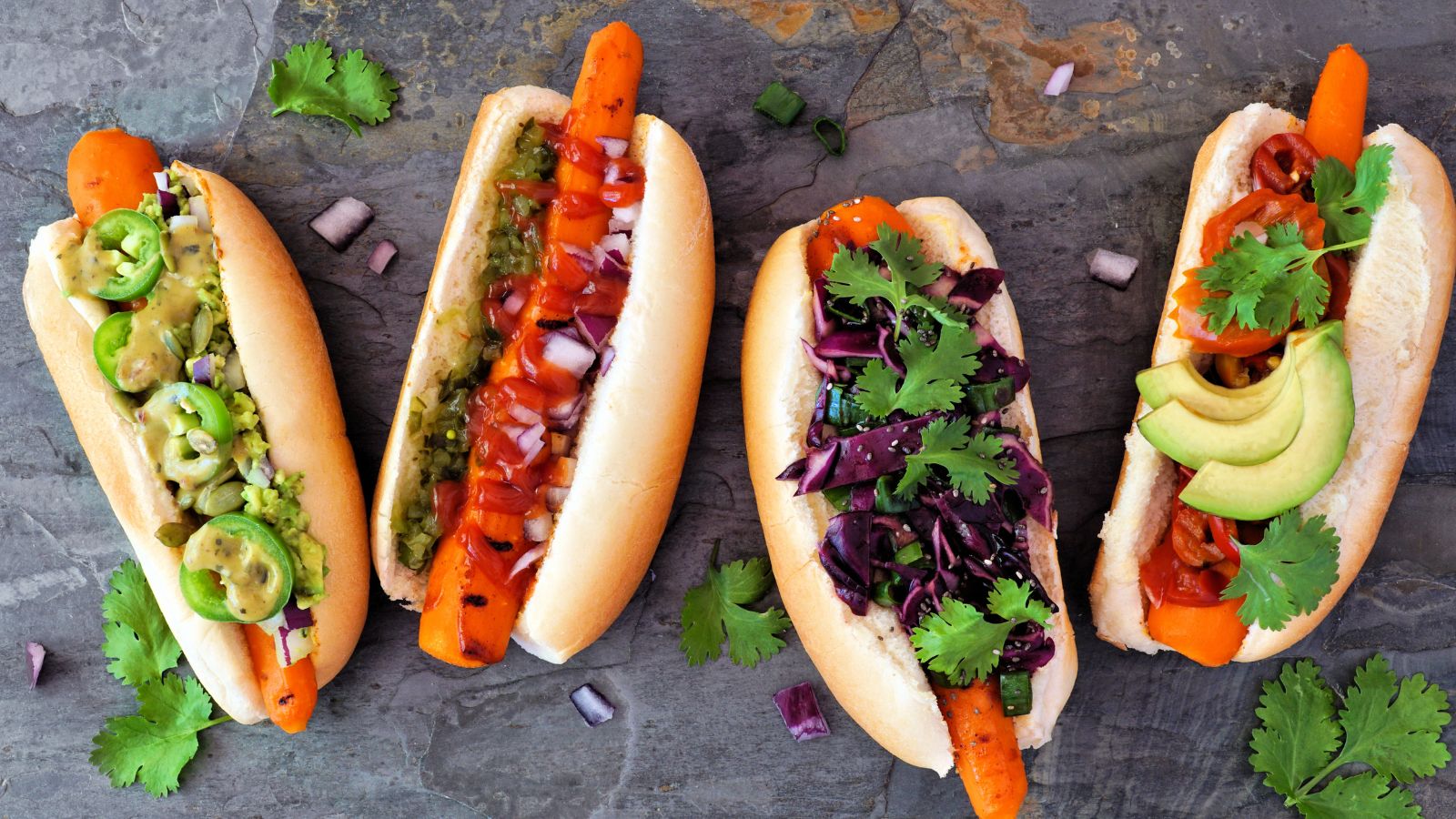
Hot dogs are popular because they are quick, predictable, and kid-friendly, but they deserve more scrutiny than many shoppers give them. Prices can vary widely between beef, pork, chicken, turkey, jumbo, all-beef, plant-based, and “natural” versions. The cheaper pack is not always the better value if it contains fewer pieces, smaller wieners, or more water and fillers.
Nutrition labels are worth reading before tossing several packs into the cart. Hot dogs and other processed meats can be high in sodium and saturated fat, and some households may prefer lower-sodium options when serving them with salty chips, pickles, condiments, and cheese. Because hot dogs are ready-to-eat but still perishable, they should be kept cold before grilling and reheated thoroughly, especially when feeding vulnerable guests.
Sausages

Sausages can look like a better deal than steak while still bringing big flavour to the grill. Italian, honey garlic, bratwurst, chorizo-style, turkey, chicken, and plant-based sausages all compete for attention before Canada Day. The catch is that the package price can hide major differences in size, meat content, sodium, and casing quality.
Fresh sausages need careful cooking because they are usually raw inside, not just waiting to be warmed. Splitting them open too early can dry them out, while rushing them over high heat can burn the outside before the centre is safe. Shoppers should check whether sausages are raw, smoked, fully cooked, or partially cooked. That small wording difference changes both grill time and food-safety risk.
Burger Buns

Burger buns rarely look expensive on their own, but they become noticeable when multiple packs are needed. Brioche, pretzel, potato, sesame, whole wheat, gluten-free, and slider buns can sit at very different price points. A premium bun may be worthwhile for a smaller gathering, but for a large BBQ, the difference between store-brand and specialty packs can add up quickly.
Freshness matters because buns often turn dry or crumbly before the long weekend is over. Shoppers should check best-before dates and gently feel the pack for softness. Oversized buns can also make normal patties look small, pushing hosts to buy larger burgers or extra toppings. A simple toasted bun can make a budget pack feel better without paying premium bakery prices.
Hot Dog Buns
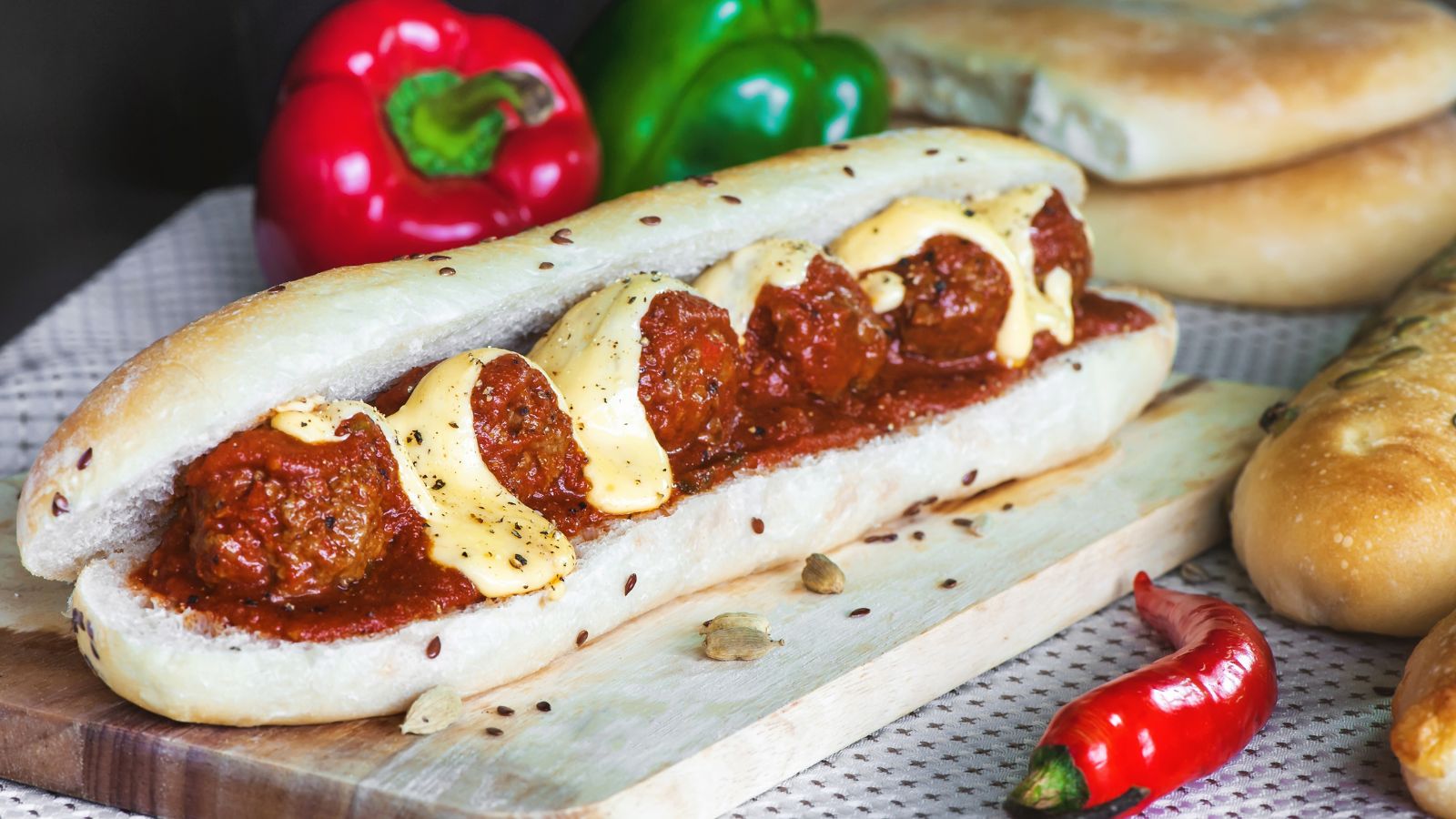
Hot dog buns are easy to forget until the grill is already hot. The biggest issue is mismatch: packs of hot dogs and packs of buns often do not contain the same number. That can lead to extra buns, extra wieners, or a last-minute run to the store. For large Canada Day gatherings, counting servings before checkout saves waste and irritation.
Texture is another watch point. Some buns collapse under juicy sausages, chili, onions, sauerkraut, or heavy condiments. Others are sliced too shallowly and split apart when filled. Shoppers buying for children may prefer softer buns, while sausage-heavy menus may need sturdier rolls. Looking at the bun count, size, and freshness can prevent one of the most ordinary but annoying BBQ problems.
Corn on the Cob

Corn on the cob is a summer classic, but timing matters. Early-season corn can be more expensive, less sweet, or imported from farther away before local supplies become abundant. Around Canada Day, availability can differ by province and growing conditions, so shoppers should avoid assuming every display is equally fresh or equally local.
The husk tells a story. Bright green husks, moist silk, and plump kernels are better signs than a giant bargain bin full of drying ears. Pre-shucked corn looks convenient, but it can lose moisture faster and may cost more per cob. For a crowd, corn is still a strong value when bought carefully because it fills plates, suits most diets, and feels festive with butter, herbs, or spice.
Tomatoes

Tomatoes can make burgers, salads, and skewers feel fresh, but they are also vulnerable to price swings and quality disappointments. Greenhouse tomatoes, field tomatoes, grape tomatoes, cocktail tomatoes, and heirloom varieties all behave differently in both price and texture. A small clamshell may look harmless until its per-kilogram price is compared with loose tomatoes.
Ripeness should guide the purchase. Tomatoes that are too soft may not survive transport, while pale, hard tomatoes may taste flat on burgers. For BBQs, slicing tomatoes should be firm enough to hold shape but ripe enough to bring acidity and sweetness. If prices are high, using tomatoes in a chopped relish or salad can stretch fewer pieces across more servings.
Lettuce and Salad Greens
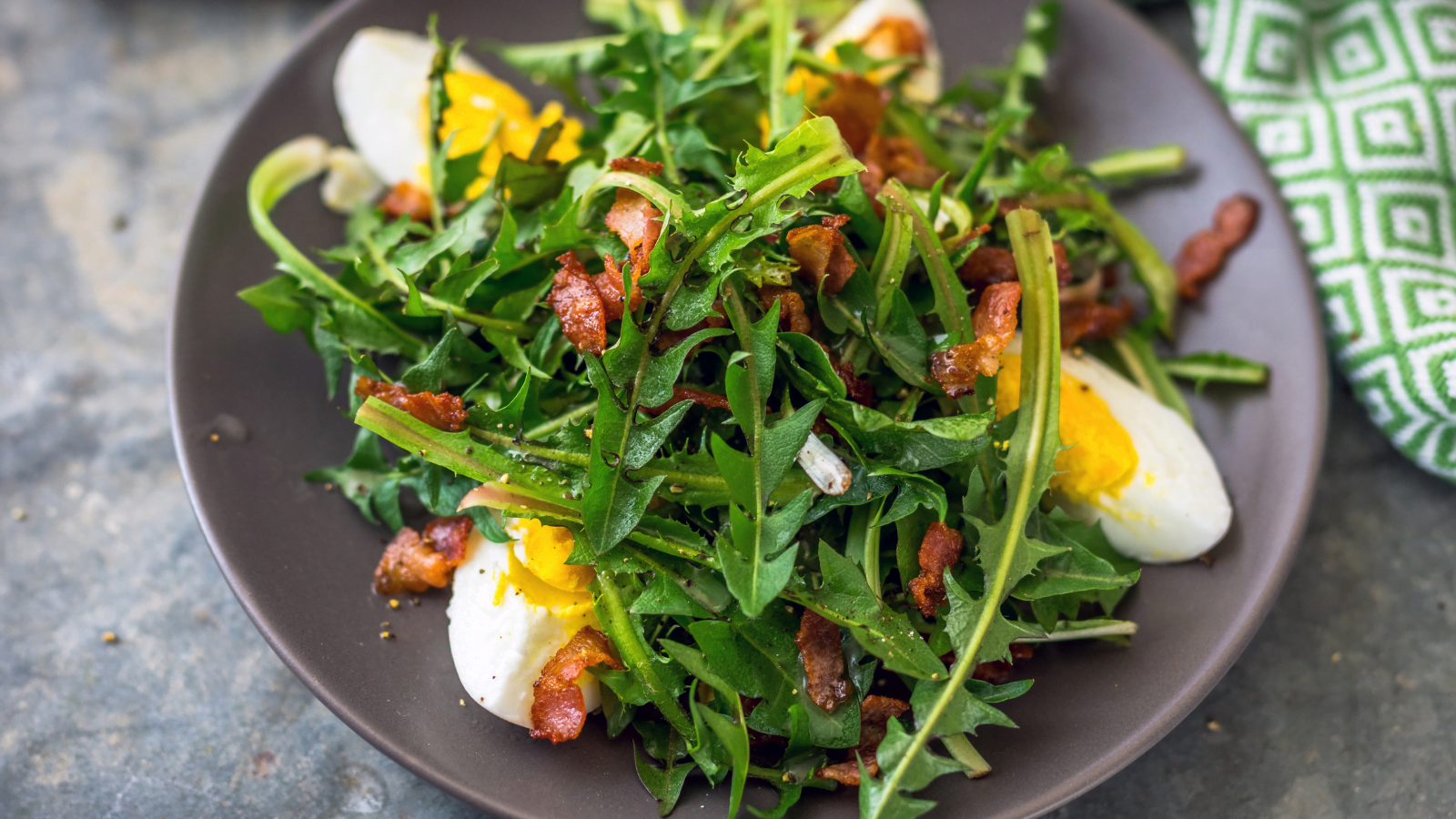
Lettuce plays a quiet role at BBQs until it wilts, browns, or costs more than expected. Romaine hearts, iceberg heads, spring mix, spinach, and pre-washed salad kits all come with different trade-offs. Bagged greens save time but may cost more and spoil faster once opened, especially during warm-weather hosting.
For burgers, sturdy lettuce usually performs better than delicate greens. Iceberg brings crunch, romaine holds shape, and spring mix can turn limp under warm patties. Shoppers should check for moisture buildup, slimy edges, and best-before dates on packaged greens. A head of lettuce may require more prep, but it can be cheaper and more durable for a long afternoon of outdoor eating.
Onions

Onions are one of the best-value BBQ ingredients, but they still deserve attention. Red onions, yellow onions, sweet onions, green onions, and pre-sliced options all serve different purposes. A bag of yellow onions may be inexpensive for grilling, while a single red onion can be better for burger toppings or quick pickles.
The watch point is waste. A large bag is only a bargain if the household will use it before sprouting or soft spots appear. Pre-cut onions save tears and prep time, but they cost more and lose freshness quickly. For Canada Day BBQs, onions can stretch the menu by adding flavour to burgers, sausages, skewers, potato salad, and grilled vegetable trays without requiring expensive ingredients.
Cheese Slices

Cheese slices can quietly raise the cost of a burger night. Processed slices melt reliably and come in tidy packs, while cheddar, Swiss, mozzarella, gouda, and plant-based slices can cost more but offer stronger flavour. The best choice depends on the menu: a bold cheese may allow smaller portions, while mild slices may disappear two at a time on each burger.
Package size is important. Some packs have fewer slices than expected, and thicker slices can reduce the count even when the package looks similar. Sodium and saturated fat can also be high in some processed cheese products. Shoppers planning a big BBQ should count likely servings, compare price per 100 grams, and decide whether every burger actually needs cheese.
BBQ Sauce

BBQ sauce looks like a small add-on, but it can affect both budget and nutrition. Store shelves often include smoky, honey, spicy, bourbon-style, sugar-free, organic, and regional sauces at very different prices. Premium bottles can be worth it for a special dish, but they may disappear quickly if guests use them as a general condiment.
The label is worth checking because sugar, sodium, and serving sizes vary. A two-tablespoon serving may not sound like much, yet many people use more on ribs, chicken, burgers, and dipping plates. Thick sauces can also burn over high heat because sugars caramelize quickly. Brushing sauce near the end of grilling can protect flavour, reduce scorching, and make one bottle go further.
Ketchup, Mustard, and Relish

Classic condiments are easy to overlook because they seem inexpensive and familiar. Yet Canada Day gatherings can drain bottles quickly, especially when hot dogs and burgers dominate the menu. Multi-packs, squeeze bottles, and larger formats may be better value, but only if they will be used after the holiday.
Shoppers should check the fridge before buying duplicates. Half-full bottles often hide in the door, leading to unnecessary spending and clutter. Nutrition labels may also matter for households watching sodium or sugar, particularly with relish and sweet ketchup. For a crowd, setting condiments out in smaller bowls and refilling as needed can keep bottles cleaner, reduce waste, and prevent them from sitting in the sun too long.
Potato Chips

Potato chips are the unofficial sound of a BBQ table, but they are also a classic shrinkflation item to watch. A bag may look familiar while containing fewer grams than expected. Flavoured, kettle-cooked, low-sodium, party-size, and store-brand chips can vary widely in price per 100 grams, even when the shelf tags look close.
Chips also invite overbuying. Hosts often grab several flavours “just in case,” then end up with opened bags that go stale. A smarter approach is to buy fewer large bags, add a lower-cost snack like popcorn or pretzels, and open more only when needed. For guests with allergies or dietary limits, checking labels for milk, gluten, mustard, or other seasonings is worth the extra minute.
Potato Salad

Potato salad can be homemade, deli-made, or sold in tubs, and each version has a different risk profile. Prepared salads save time, but they may cost more per serving than making a simple batch with potatoes, eggs, herbs, and dressing. Deli containers also vary in texture, with some tasting fresh and others feeling heavy or overly sweet.
Temperature control matters because creamy salads are perishable. They should stay chilled until serving and should not sit outside for a long afternoon. Smaller serving bowls are safer than placing the whole container on a picnic table. Shoppers buying prepared potato salad should check best-before dates, storage instructions, and whether the container looks properly sealed.
Watermelon
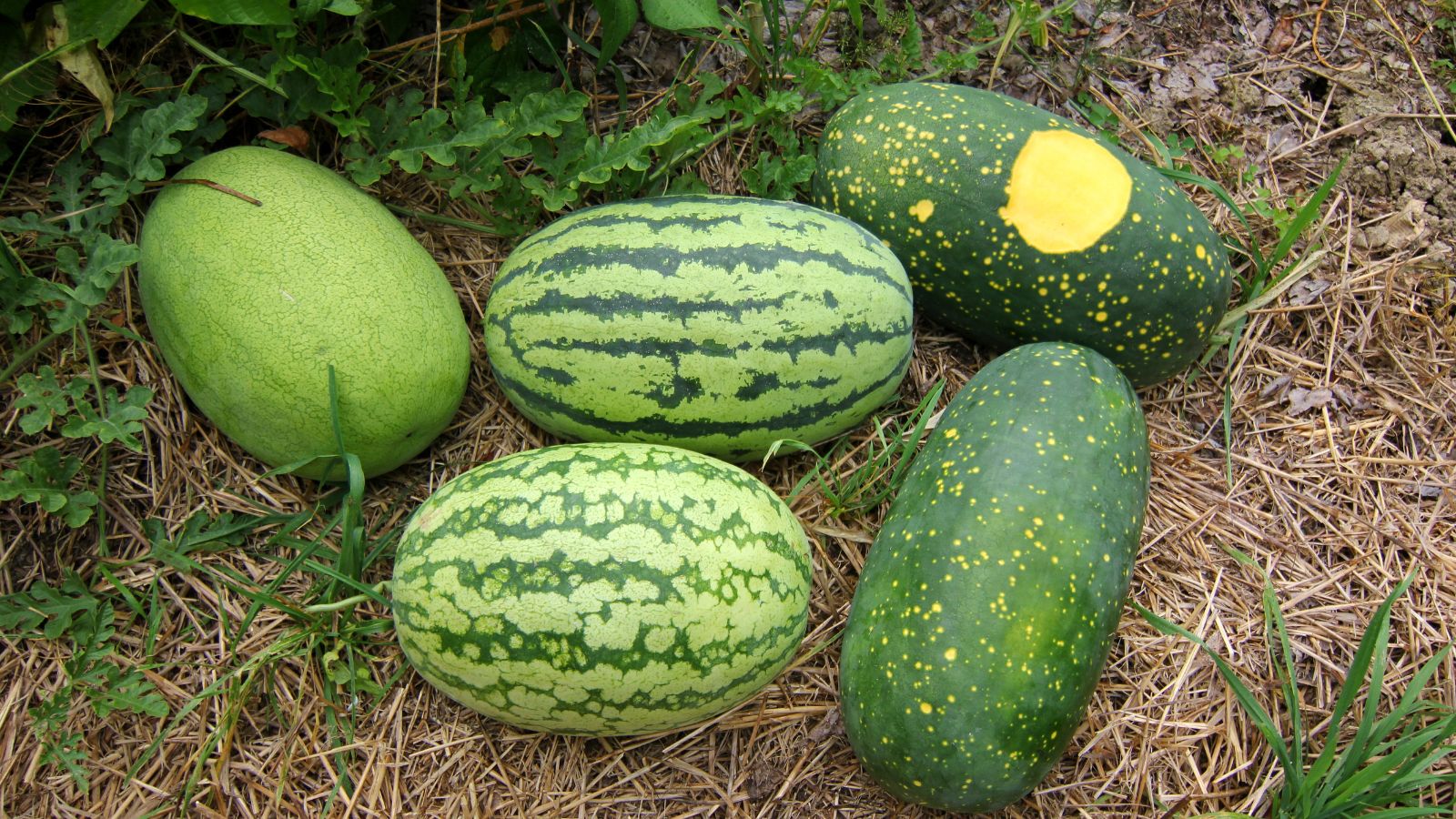
Watermelon feels like an affordable crowd-pleaser because one large melon can feed many people. Still, it is worth comparing whole melons, mini melons, pre-cut cubes, and fruit trays. Pre-cut watermelon is convenient but usually costs more and has a shorter shelf life. Whole watermelon offers better value if there is time and space to cut it safely.
The food-safety step many people forget is washing the rind before slicing. A knife can drag bacteria from the outside into the flesh. Once cut, watermelon should be refrigerated and kept cold in a cooler if served outdoors. For a Canada Day BBQ, cutting it into spears or cubes shortly before guests arrive keeps it crisp and reduces waste.
Strawberries
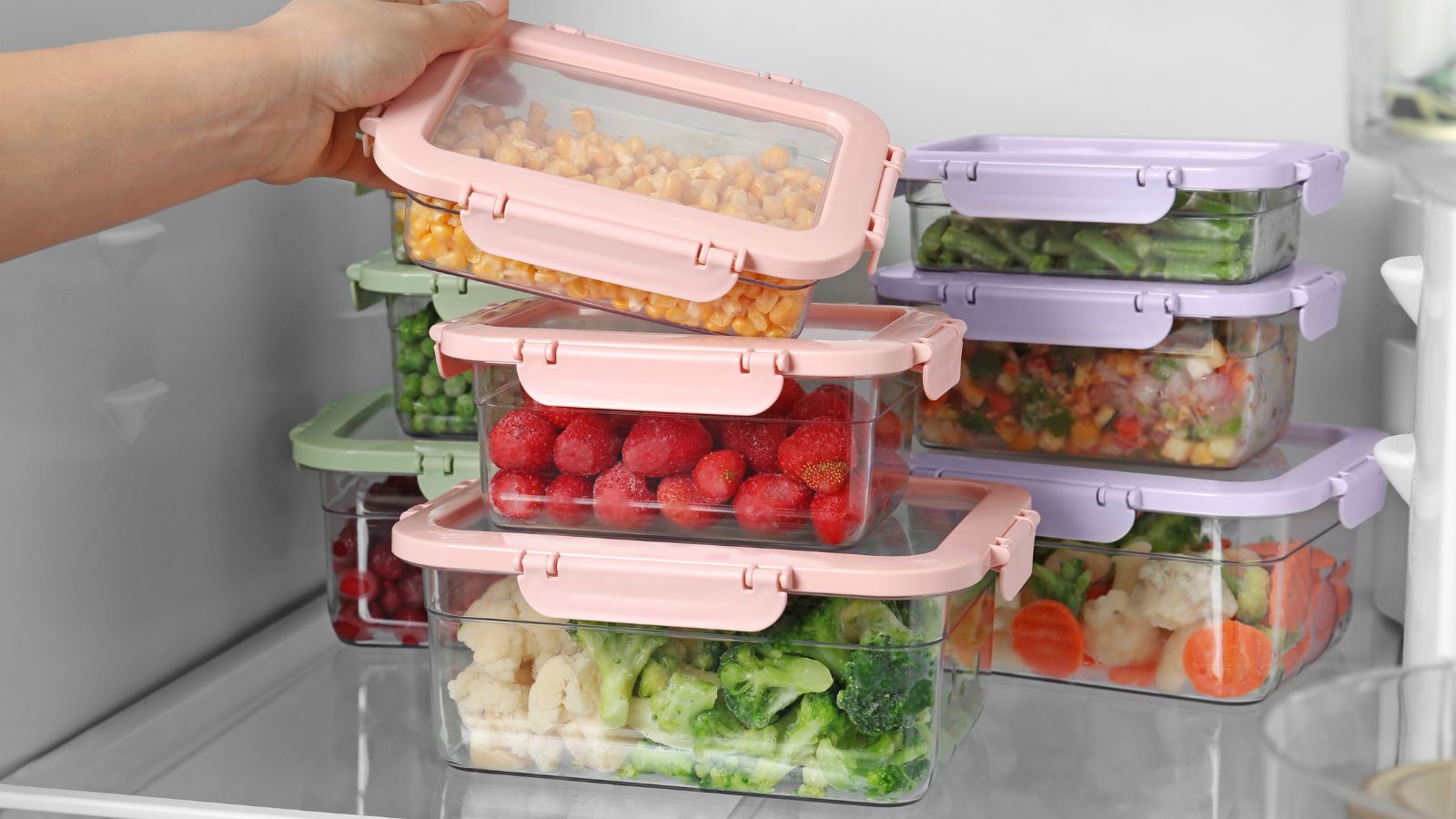
Strawberries are strongly tied to early summer in many parts of Canada, which makes them a tempting Canada Day dessert. Local berries can be excellent when the season lines up, but rain, heat, transport, and demand can affect both price and quality. A big container is not a bargain if the bottom layer is bruised or mouldy.
Shoppers should inspect the package from all sides and look for bright colour, fresh green caps, and minimal moisture. Strawberries spoil quickly once washed, so rinsing them just before serving helps preserve texture. If berries are expensive, mixing them with melon, yogurt, or a simple cake can stretch the flavour without needing several premium-priced clamshells.
Ice Cream and Frozen Treats

Ice cream, cones, popsicles, and freezies can turn a BBQ into a summer memory, but they create practical challenges. The freezer aisle often promotes multi-buy deals, yet package size, butterfat style, dairy-free claims, and novelty branding can change the real value. A tub may serve more people than individually wrapped treats, but cones and bars are easier for outdoor crowds.
Melting is the hidden cost. A long grocery trip, hot car, or overpacked freezer can leave ice cream icy, refrozen, or messy before dessert. Shoppers should pick frozen items last, use insulated bags, and get them home quickly. For large gatherings, serving smaller portions from the freezer in waves can prevent waste and keep dessert from turning into soup.
Pop, Sparkling Water, and Juice

Drinks can rival meat as a major BBQ expense. Pop, sparkling water, lemonade, iced tea, juice boxes, and sports drinks often appear in multi-buy promotions that encourage bigger purchases than needed. The unit price matters because cans, two-litre bottles, mini-cans, and cases can differ sharply in value and convenience.
Sugar content is another consideration, especially when sweet drinks are paired with desserts, sauces, and salty snacks. Sparkling water or unsweetened iced tea can help balance the cooler without making the spread feel austere. Hosts should also plan enough plain water. On a hot Canada Day afternoon, chilled water is not just a budget choice; it is often the drink people reach for most.
Bagged Ice

Bagged ice is one of the easiest items to forget and one of the most annoying to buy late. Convenience stores and gas stations may charge more than grocery stores or warehouse clubs, especially on busy holiday weekends. A cooler full of drinks, raw meat, and frozen treats can require more ice than expected.
Food safety makes ice planning more important. Ice used to keep raw meat cold should not become ice for drinks. Separate coolers help: one for beverages, one for perishable food, and one backup bag that stays sealed as long as possible. Shoppers should check whether the bag is solidly frozen or already clumped, since partially melted ice disappears faster once the BBQ begins.
19 Things Canadians Don’t Realize the CRA Can See About Their Online Income

Earning money online feels simple and informal for many Canadians. Freelancing, selling products, and digital services often start as side projects. The problem appears at tax time. Many people underestimate how much information the CRA can access. Online platforms, banks, and payment processors create detailed records automatically. These records do not disappear once money hits an account. Small gaps in reporting add up quickly.
Here are 19 things Canadians don’t realize the CRA can see about their online income.
This Options Discord Chat is The Real Deal
While the internet is scoured with trading chat rooms, many of which even charge upwards of thousands of dollars to join, this smaller options trading discord chatroom is the real deal and actually providing valuable trade setups, education, and community without the noise and spam of the larger more expensive rooms. With a incredibly low-cost monthly fee, Options Trading Club (click here to see their reviews) requires an application to join ensuring that every member is dedicated and serious about taking their trading to the next level. If you are looking for a change in your trading strategies, then click here to apply for a membership.