35,000+ smart investors are already getting financial news, market signals, and macro shifts in the economy that could impact their money next with our FREE weekly newsletter. Get ahead of what the crowd finds out too late. Click Here to Subscribe for FREE.
A grocery bill can rise even when the price tags appear strangely familiar. Shrinkflation works by changing the amount received rather than relying solely on an obvious price increase, making the shift easy to miss during a routine shopping trip. Statistics Canada found that 29.6% of eligible grocery items it tracked experienced shrinkflation between 2021 and 2023, showing that package downsizing was far from an isolated phenomenon.
Manufacturers often make the actual packaging decisions, while retailers determine shelf prices, promotions, private-label specifications and product presentation. That distinction matters. These 20 ways Canadian stores expose shoppers to shrinkflation show how smaller quantities can blend into ordinary merchandising even when the legal weight, volume or count remains visible on the package.
The Sticker Price Stays Put While the Package Gets Smaller
20 Ways Canadian Stores Use Shrinkflation Without Calling It That
- The Sticker Price Stays Put While the Package Gets Smaller
- The Price Falls Slightly, but the Value Falls Faster
- Familiar Price Points Survive Even When the Product Does Not
- A Multipack Loses One or Two Pieces
- The Count Stays the Same but Each Portion Gets Smaller
- Store Brands Can Shrink Too
- A “New Look” Can Arrive With a New Quantity
- The Container Still Looks Almost the Same
- Odd-Sized Packages Make Memory Less Useful
- Paper Products Lose Sheets Instead of Rolls
- Bigger-Sounding Packages Can Distract From Unit Value
- A Sale Tag Can Make a Smaller Package Feel Like a Bargain
- Multi-Buy Promotions Can Hide a Smaller Base Unit
- Loyalty Prices Shift Attention Toward the Discount
- Old and New Package Sizes Can Temporarily Share a Shelf
- In-Store Prepared Foods Can Be Resized at the Retail Level
- Smaller Catch-Weight Packs Can Lower the Ticket Without Lowering the Rate
- The Package Contains Fewer Servings Even When the Serving Size Stays Familiar
- A Bundle Can Keep Its Identity While Losing Total Product
- Promotions Can Reset What Shoppers Think the “Normal” Price Is
- Unit Pricing Is the Number That Shrinkflation Cannot Easily Hide
- 16 Costco Canada Habits That Could Be Costing Shoppers More Than They Save
The classic form of shrinkflation is remarkably simple: the package contains less, while the familiar shelf price remains unchanged. A 500-gram product might become 450 grams without moving from its usual price point. The checkout total therefore looks normal, but every gram has become more expensive. Statistics Canada treats this type of quantity reduction as a price increase when calculating the Consumer Price Index because the consumer is receiving less for the same money.
Canadian food-labelling rules make the new quantity visible rather than secret. Most consumer prepackaged foods must display their net quantity on the principal display panel in metric units. The difficulty is that regular shoppers rarely memorize whether last month’s crackers weighed 225 grams or 200 grams. They tend to remember the brand, package colours and approximate shelf price instead. That gap between what must legally be disclosed and what people actually notice is precisely where shrinkflation can become difficult to spot.
The Price Falls Slightly, but the Value Falls Faster
Shrinkflation does not always require the shelf price to remain literally identical. A smaller package can receive a modest price reduction while still becoming substantially more expensive by weight or volume. Imagine a package dropping from 500 grams at $5 to 425 grams at $4.75. The shopper sees a lower dollar figure, yet the cost per 100 grams rises from $1 to roughly $1.12. The package became cheaper to buy but worse value to consume.
That distinction matters because household budgets operate in two different ways. The checkout price determines whether a purchase fits today’s budget, while the unit price determines how far that purchase actually stretches. Government consumer guidance specifically recommends per-unit comparisons because smaller quantities can cost the same or even somewhat less while delivering poorer value. For families repeatedly replacing staples such as cereal, coffee or snacks, a few apparently modest differences can accumulate into a noticeably higher monthly cost without producing a dramatic jump on any single receipt.
Familiar Price Points Survive Even When the Product Does Not
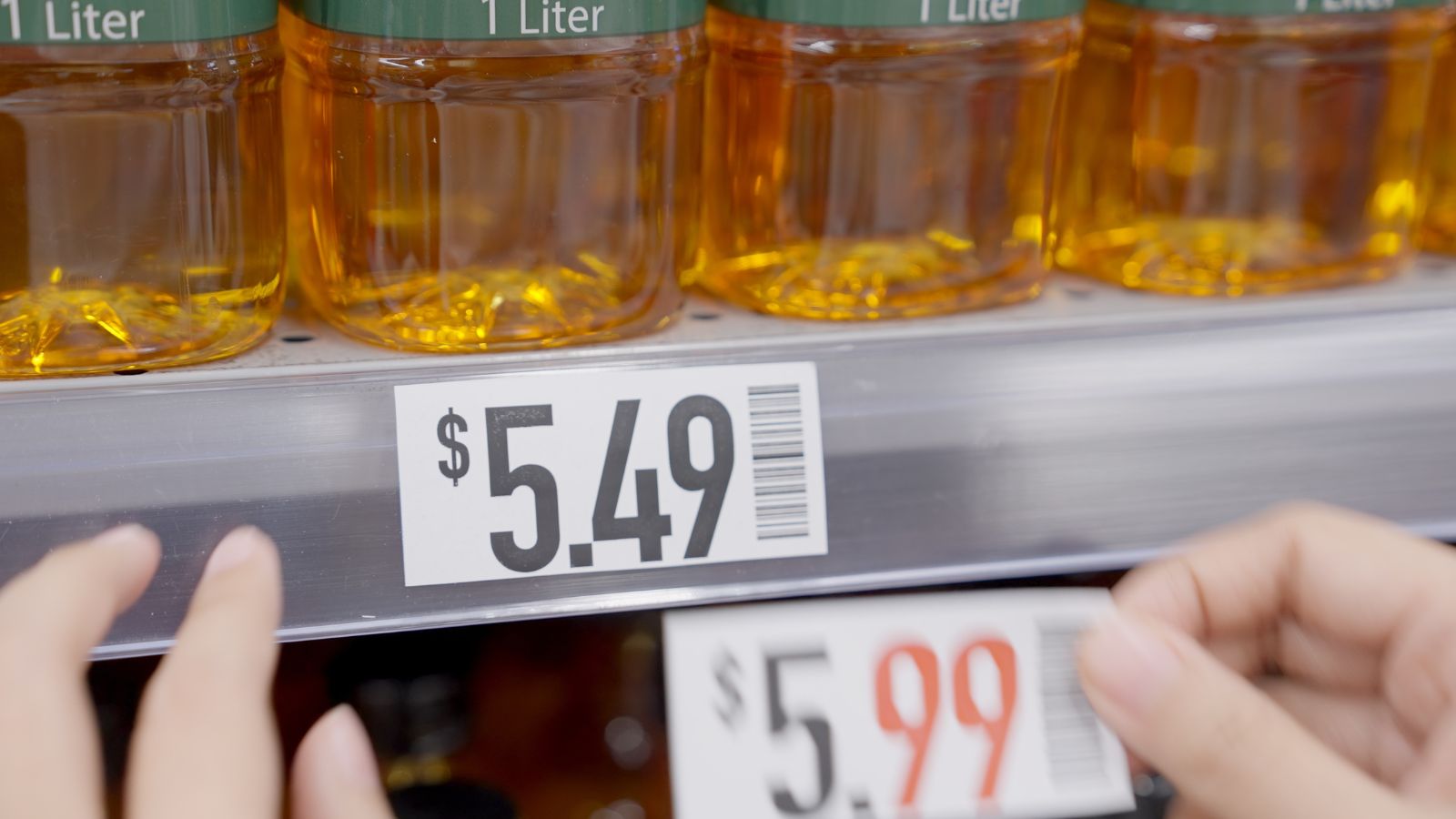
Certain prices become mentally attached to everyday products. Shoppers become accustomed to seeing an item around $2.99, $4.99 or another familiar level and may notice immediately when that number jumps. Reducing quantity offers another way for a product to absorb higher costs while leaving that reference price relatively stable. Academic research on shrinkflation has found that consumers often react more negatively to downsizing once they recognize it, partly because they regard it as less transparent than a straightforward price increase.
Canadian retail research also shows that regular and promotional prices can behave differently depending on whether a store follows an everyday-low-price, high-low or hybrid pricing strategy. Shrinkflation fits naturally into a world where keeping a recognizable sticker price has commercial value. A package can become lighter while the most visible number remains reassuringly familiar. Nothing about maintaining a particular price proves deliberate deception, but it demonstrates why quantity deserves as much attention as the dollar figure on the shelf.
A Multipack Loses One or Two Pieces
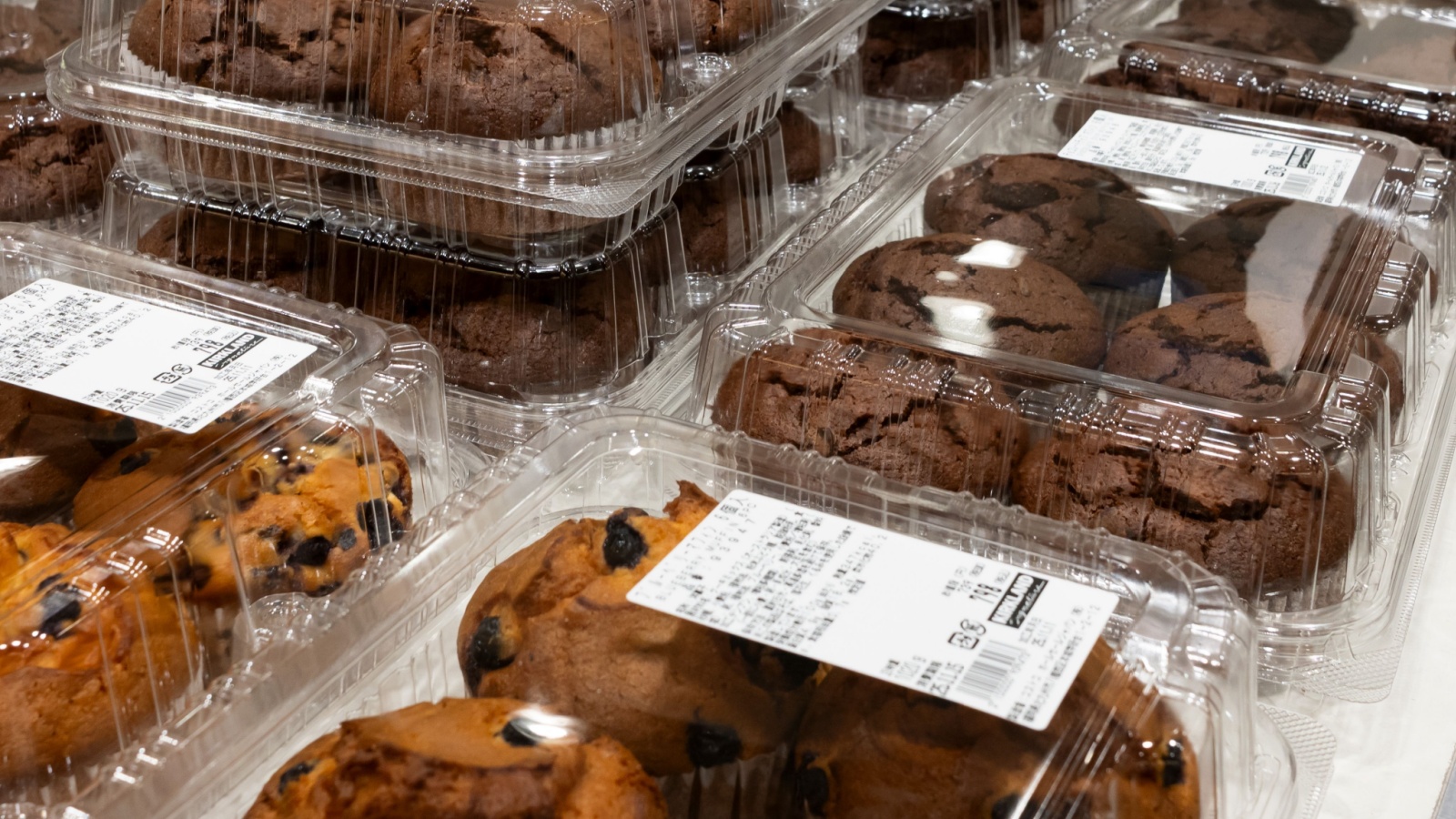
Sometimes the box barely changes while the arithmetic inside it does. A carton that once held 10 packets may contain eight, or a snack multipack may lose one individually wrapped portion. The shelf price can remain familiar because the outer product still appears to perform the same job: one box of oatmeal, one carton of snacks or one package of bars. Unless the shopper remembers the previous count, the reduction can blend easily into a normal packaging update.
Canada has already produced real-world examples. Reporting highlighted by McGill University in 2024 found that some President’s Choice products appeared in reduced quantities, including an instant oatmeal range that lost two pouches per box. Canadian regulations require appropriate net-quantity information, including numerical count for products where count is the relevant method. The reduction therefore need not be hidden to be overlooked. A parent grabbing a familiar breakfast product may recognize the box instantly yet discover several days later that it simply does not last as long.
The Count Stays the Same but Each Portion Gets Smaller

A package can still announce “six,” “eight” or “twelve” pieces while quietly reducing the weight of each individual piece. That creates a particularly subtle form of downsizing because the count remains psychologically reassuring. Twelve bars are still twelve bars, even when each bar is lighter. A household accustomed to thinking in portions rather than grams may not notice the difference until lunches start feeling smaller or the package disappears faster because people compensate by eating more than one.
Canadian food rules provide safeguards around total net quantity and nutritional serving information, but they do not freeze a commercial product permanently at its historical size. Companies can redesign products as long as current labels comply with the applicable requirements and are not misleading. This distinction is important: a smaller bar is not automatically unlawful simply because an earlier version was larger. Shrinkflation operates through the comparison between old and new value. Without an old wrapper nearby, that historical comparison can be surprisingly difficult for an ordinary shopper to make.
Store Brands Can Shrink Too

Private-label products often occupy the value-conscious part of a grocery aisle, which can make downsizing especially noticeable when it occurs. Because a retailer owns or controls a private label, changes to those products also complicate the familiar argument that grocery chains are merely passive middlemen caught between shoppers and national-brand manufacturers. In the private-label aisle, retailers can have substantially more influence over product specifications, sourcing, packaging and positioning.
A Canadian example emerged in 2024 when Radio-Canada reporting, summarized by McGill University, identified reduced sizes among several President’s Choice products. Reported examples included lighter hot-chocolate mix and smaller packages of frozen fruit, cookies and snack bars, alongside the reduced oatmeal pouch count. The observations did not mean every private-label product had been downsized, nor that private labels are necessarily worse value than national brands. They demonstrated something more practical: switching automatically to a house brand does not eliminate shrinkflation risk. The same comparison of present quantity, price and unit cost still matters.
A “New Look” Can Arrive With a New Quantity

Packaging redesigns are normal. Brands refresh logos, colours, fonts and containers for countless legitimate reasons. The trouble begins when a redesign and a quantity reduction happen at roughly the same time, because the visual change can break the shopper’s memory of what the old package contained. Instead of comparing a 450-gram bag with a nearly identical 400-gram bag, the customer sees what appears to be a newly presented product and may never make a direct before-and-after comparison.
Canadian reporting on reduced private-label sizes has documented situations in which newly labelled products appeared alongside seemingly similar older versions with different weights. Behavioural research helps explain why transparency matters: experiments published in Marketing Science found that consumers viewed product downsizing more negatively than economically comparable price changes and associated that reaction strongly with perceptions of deceptiveness. A redesign is not proof that a company intended to conceal a reduction. It can, however, make a perfectly disclosed quantity change far less obvious during a fast grocery trip.
The Container Still Looks Almost the Same

Visual size can be an unreliable guide to quantity. A manufacturer may alter the height, width, depth or internal shape of packaging while preserving the overall appearance shoppers recognize. Canadian law does place limits on how far packaging can go. The Canadian Food Inspection Agency states that unjustified under-filling that creates misleading empty space can be unacceptable, and non-food packaging rules likewise prohibit containers from being filled in a manner that reasonably misleads consumers about quantity.
Those rules do not mean two packages containing different amounts must look dramatically different. Products may require legitimate headspace, protective packaging or redesigned dimensions, and small geometric changes can be difficult to perceive on a crowded shelf. That is why holding two containers side by side is not always enough. The apparently “same-sized” jar or box may contain less even when its legal net quantity is clearly printed. Familiar package proportions are useful for brand recognition, but they are a poor substitute for reading grams, millilitres or counts.
Odd-Sized Packages Make Memory Less Useful

Round quantities are easy to remember: one litre, 500 grams, a dozen pieces. Once packaging moves to 946 millilitres, 425 grams or another less memorable quantity, historical comparisons become harder. Not every unusual size represents shrinkflation; cross-border packaging standards, manufacturing systems and product design can all produce unconventional quantities. The problem appears when an awkward new size replaces a larger familiar one without a corresponding improvement in unit value.
Canada’s labelling regime anticipates a wide variety of measurements. Food quantities are generally declared by weight, volume or count depending on the product, and U.S. measurements may sometimes appear alongside the required metric declaration when applicable. For shoppers, however, mathematical accuracy does not guarantee intuitive clarity. A change from 500 grams to 454 grams represents a reduction of just over 9%, but few people calculate that while pushing a cart. Once products stop arriving in convenient benchmark quantities, remembering whether the latest version is smaller becomes another small cognitive chore.
Paper Products Lose Sheets Instead of Rolls

Shrinkflation extends beyond food. Toilet paper and paper towels can keep the same number of rolls while reducing the number of sheets on each roll. A package still containing twelve rolls therefore looks unchanged in the most obvious respect, even though the household receives fewer usable sheets. International analyses have repeatedly identified paper products among categories affected by downsizing, and a U.S. Government Accountability Office review found notable unit-price increases among downsized paper towels.
Canadian rules are particularly useful here because prepackaged non-food products such as toilet tissue have detailed quantity requirements. Competition Bureau guidance says labels may have to disclose the number of rolls, the number of perforated units per roll and the number of plies. The information needed to compare packages therefore exists, but comparing it can feel more like homework than shopping. Terms such as “mega” or “double” attract attention more quickly than the smaller sheet-count numbers that reveal how much paper is actually inside.
Bigger-Sounding Packages Can Distract From Unit Value

Retail shelves are filled with products described as larger, jumbo, mega or intended for heavier household use. Those descriptors naturally suggest better value, but the reliable way to establish value is still the quantity received for the price paid. A physically bigger package may indeed be cheaper per 100 grams or per unit, yet shoppers should not assume that outcome without checking. Price architecture changes frequently enough that the supposedly economical format can lose some of its advantage after downsizing.
Canada’s Office of Consumer Affairs promotes unit pricing specifically because different package sizes make direct price comparison difficult. Standardizing both choices to a price per 100 grams, litre or other common measure removes much of the marketing noise. Shrinkflation makes that calculation even more important because an old rule of thumb may no longer work. A household may have learned years ago that the largest box of a favourite product was the bargain. Once quantities and prices are adjusted, that conclusion deserves to be tested again rather than treated as permanent.
A Sale Tag Can Make a Smaller Package Feel Like a Bargain

Shrinkflation and discounts can coexist. A product may be downsized and then appear on promotion, making the sale price the dominant visual message. A shopper who remembers paying $5 for the older package may be pleased to see the new one advertised for $4.49. Yet if the quantity has fallen enough, the discounted version can still cost more per gram than the larger package did at its old regular price.
This is one reason historical price memory can fail. Most people remember what an item “usually costs” more readily than exactly how many grams were in the version purchased six months ago. Canadian consumer authorities recommend unit pricing as a defence against this problem because it exposes how much a promotion actually buys. Competition law also places restrictions on materially misleading ordinary-price claims, so retailers cannot simply invent reference prices without consequence. Even a legitimate sale, however, says nothing about whether the package itself has recently shrunk. “Twenty per cent off” and “twenty per cent less product” answer completely different questions.
Multi-Buy Promotions Can Hide a Smaller Base Unit

“Two for $6” or “three for $10” encourages shoppers to calculate the deal by package rather than by weight. If each package has become smaller, the promotion may still sound generous while the amount of food carried home declines. The mathematics can become surprisingly messy: shoppers must compare the multi-buy price, individual price, current package quantity and sometimes the quantity sold during an earlier promotion.
Quebec’s updated consumer rules illustrate why multi-buy presentation deserves attention. When eligible food products are promoted as multiple purchases, provincial requirements regulate how the set price and individual-unit price must be displayed. Those rules improve transparency, but they cannot preserve the historical size of the package itself. A three-for deal involving smaller bags remains a three-for deal. The practical question is whether the total grams or millilitres bought for that amount are still competitive. Promotions create urgency and a visible headline number, while shrinkflation sits quietly in the quantity declaration a few centimetres away.
Loyalty Prices Shift Attention Toward the Discount

Member prices and loyalty offers add another layer of arithmetic. A shelf may show a regular price beside a lower price for members, encouraging attention to the amount “saved.” That discount can be perfectly genuine while the underlying product has also been downsized. A customer may therefore compare today’s member price with today’s regular price rather than comparing today’s package quantity with what the same product contained previously.
The Competition Bureau’s 2026 examination of Canada’s food supply chain explicitly identified retail-pricing practices including loyalty programs, shrinkflation and skimpflation among the issues worth examining. That does not mean loyalty programs are themselves shrinkflation or that a retailer uses them deliberately to conceal downsizing. It does show how several pricing mechanisms now operate simultaneously in the grocery aisle. The more numbers presented—regular price, member price, points earned, promotional price and package quantity—the easier it becomes for one of them to dominate attention. Unit cost remains the cleanest common denominator.
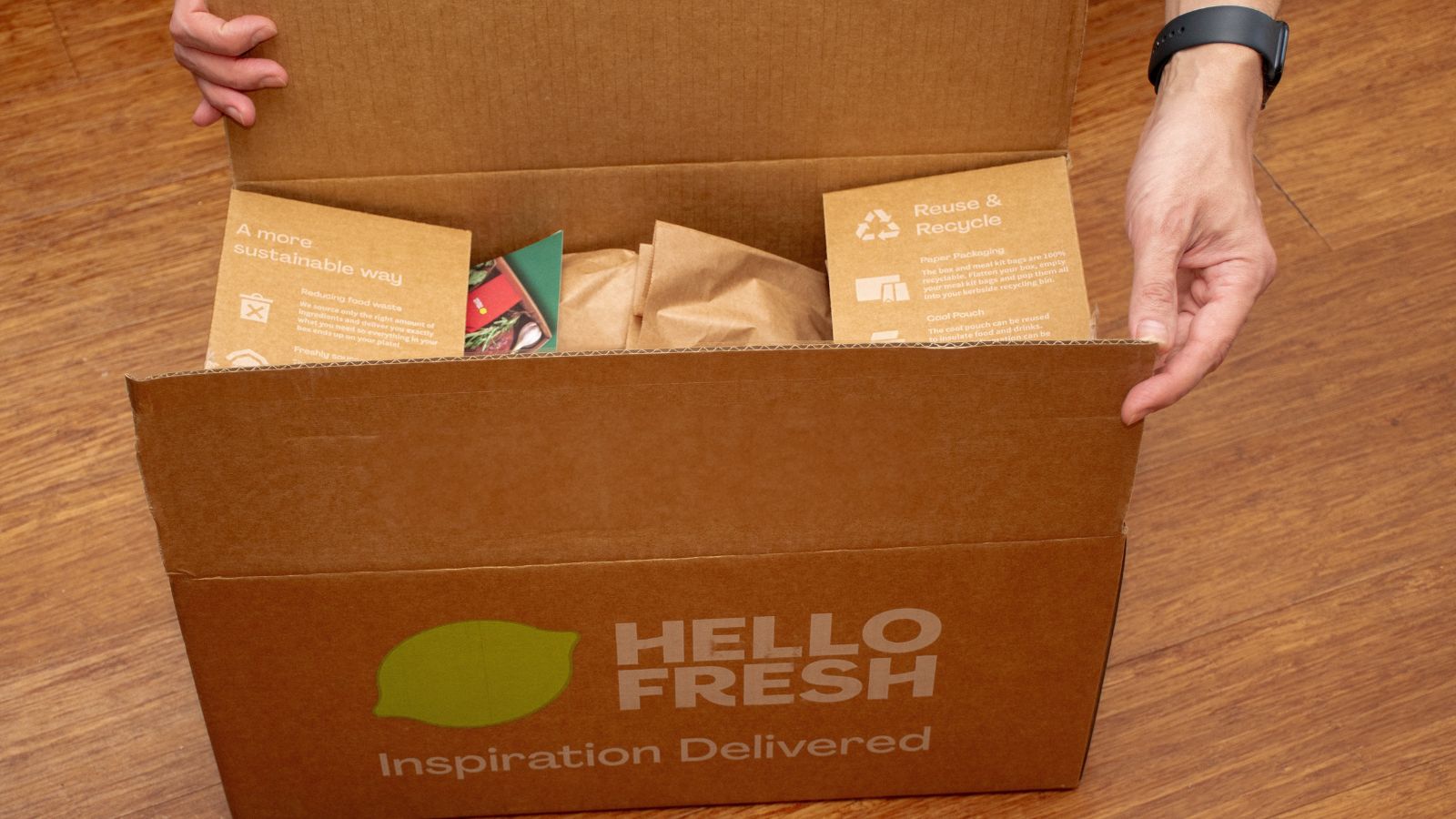
Product transitions do not always happen in a single clean overnight switch. Existing inventory can remain in stores while newly sized packages arrive, creating brief periods when two visually similar versions circulate at once. For an attentive shopper, that overlap can provide the best evidence of shrinkflation because the old and new quantities can be compared directly. For everyone else, it can simply look like a minor packaging refresh or different production batch.
Canadian reporting on President’s Choice downsizing described newly labelled items appearing alongside seemingly identical products with different weights, creating exactly the kind of comparison that is otherwise difficult after older inventory disappears. Once the larger version has been sold through, the smaller package becomes the new normal and memory begins to fade. This transitional moment matters because shrinkflation is easiest to verify while both versions are physically available. Photographs, receipts and unit-price records can reveal a change that becomes far less obvious several months later when only the revised package remains.
In-Store Prepared Foods Can Be Resized at the Retail Level

Shrinkflation is usually discussed as something manufacturers do, but supermarkets also package food themselves. Bakery products, deli items, prepared meals and foods divided from bulk can be weighed or counted at the retail location. When the retailer controls both the packaging format and the selling price, it can create the same economic effect as conventional shrinkflation if a standard container or portion becomes smaller without a proportionate price reduction.
Canadian regulations still impose quantity rules. CFIA guidance covers foods packaged from bulk at retail and catch-weight products, including how net quantity can be displayed. A smaller tray of prepared pasta priced at the same amount as last season’s larger tray would therefore not become invisible simply because it was assembled inside the store. The quantity remains the key comparison. This category deserves particular attention because shoppers may not have a factory package with a long-established printed size to use as a reference; the store’s own portion can quietly become the baseline.
Smaller Catch-Weight Packs Can Lower the Ticket Without Lowering the Rate
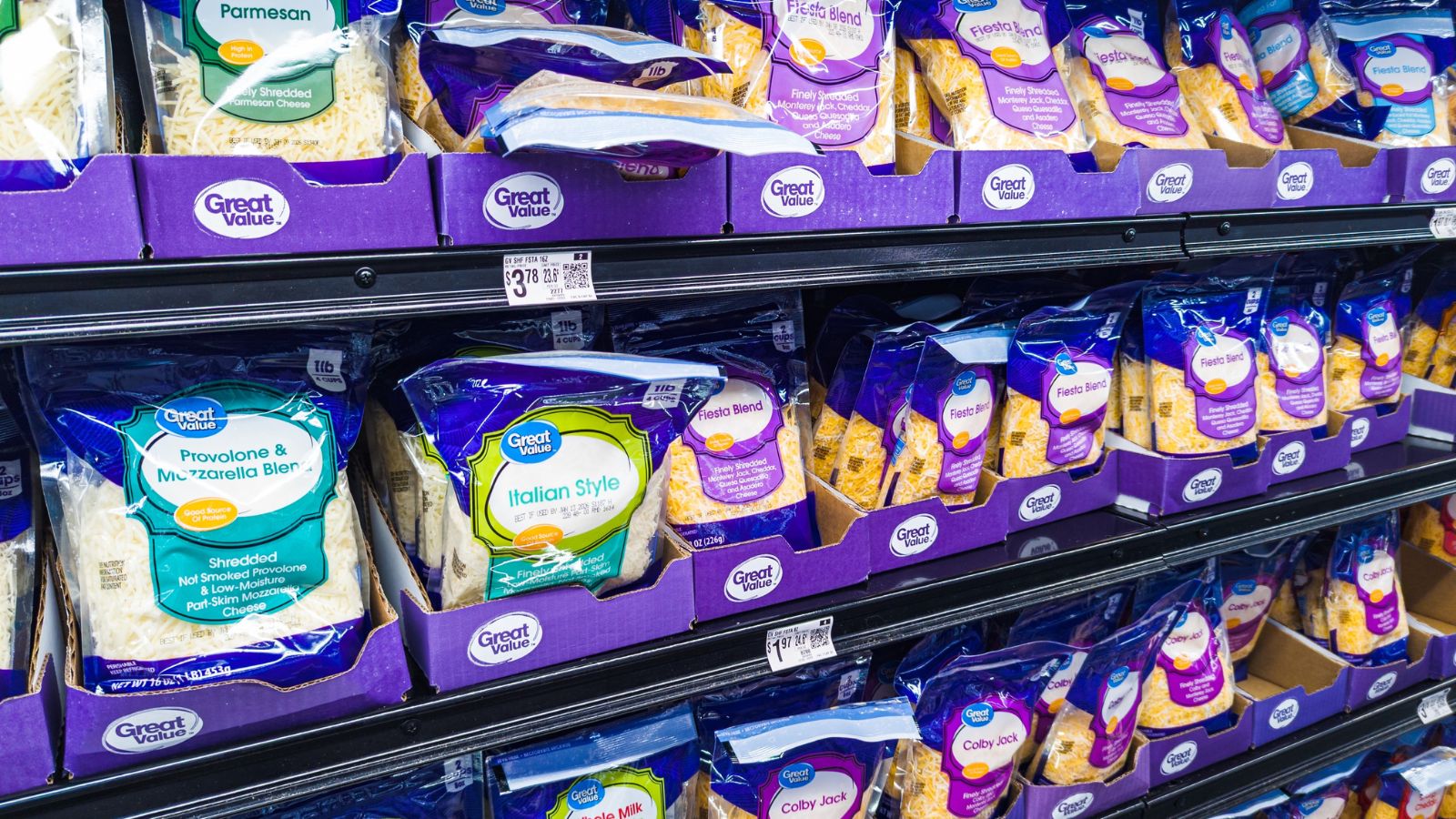
Meat, cheese and other catch-weight foods introduce a related but different phenomenon. A retailer can offer smaller individual packages, producing a lower total sticker price even when the price per kilogram is unchanged or higher. Strictly speaking, that is not textbook shrinkflation when the unit price is unchanged; the shopper is simply buying less. But the effect can resemble shrinkflation at household level because a familiar purchase suddenly contains less while the most noticeable ticket remains affordable.
Canadian rules recognize catch-weight foods as products that cannot normally be portioned to a predetermined fixed quantity and are therefore sold in varying amounts. Their labels provide the information needed to separate package affordability from actual value. A $9 tray may look friendlier than an $11 tray, but its price per kilogram tells whether anything became cheaper. During periods of tight household budgets, smaller packs can genuinely help shoppers control spending. The key is not to confuse a lower checkout commitment with a lower underlying price.
The Package Contains Fewer Servings Even When the Serving Size Stays Familiar

A downsized package naturally produces fewer servings when the amount consumed per serving remains similar. That can be easy to miss because shoppers often look at calories, sodium or protein “per serving” without calculating how many such servings remain in the container. A tub that once covered five breakfasts may now cover four, even though the Nutrition Facts panel still presents information using a familiar serving amount.
Canada has tightened comparability by linking serving sizes for many foods to regulated reference amounts. CFIA guidance explains that these reference amounts are designed to reflect quantities typically consumed at one sitting and help shoppers compare similar products. That means manufacturers cannot simply manipulate every serving size however they please to disguise a smaller package. Still, nutrition information answers a different question from package value. The Nutrition Facts table describes what is in a serving; the net quantity tells how much food was purchased. Shrinkflation becomes visible only when both pieces of information are considered together.
A Bundle Can Keep Its Identity While Losing Total Product
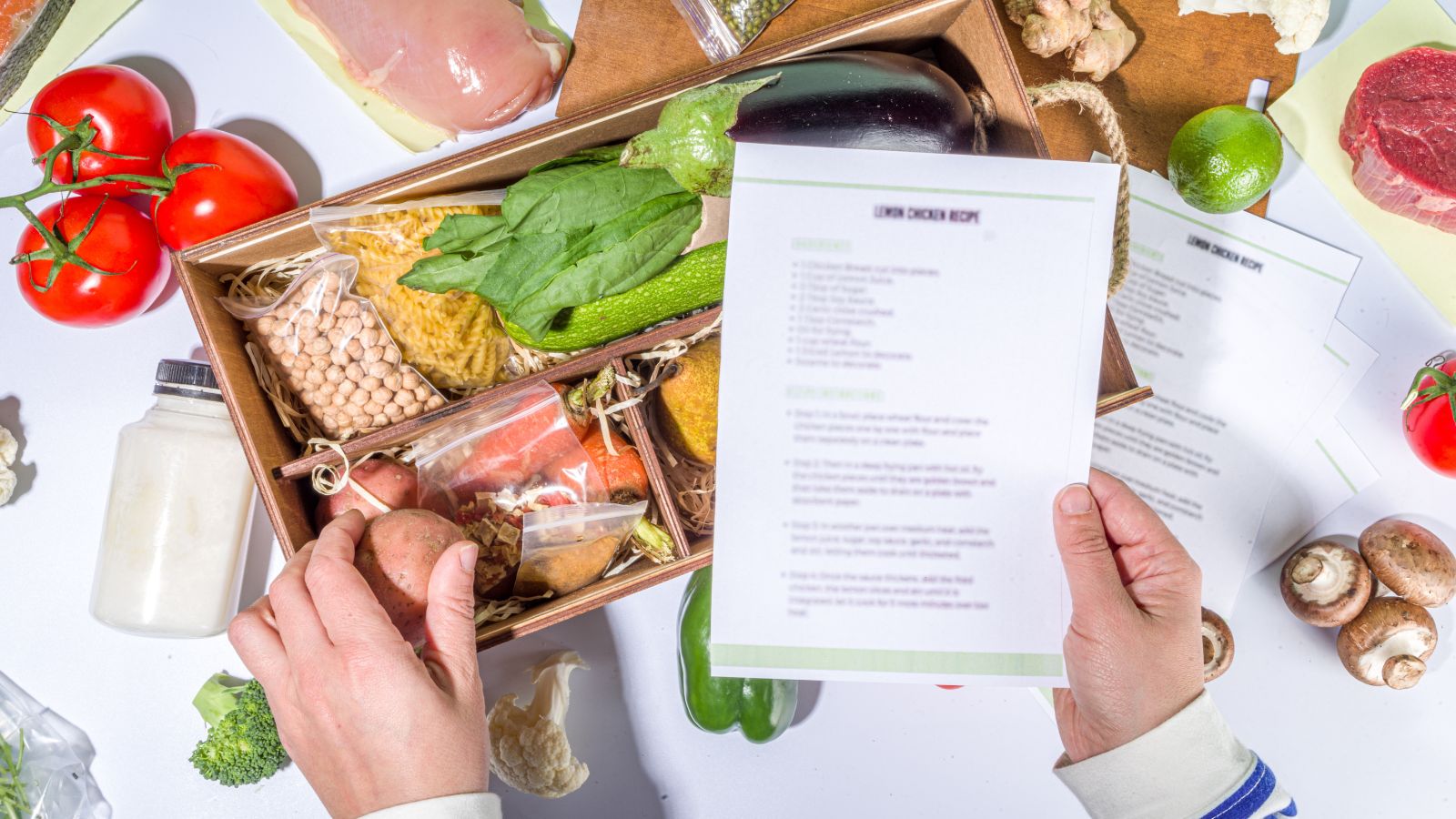
Bundles are another place where shrinkflation can hide in plain sight. A beverage case, snack assortment or meal kit can retain the same overall identity while reducing the number or size of its components. The customer still buys “a case,” “a variety pack” or “a kit,” which makes it tempting to treat the bundle as an unchanged unit even when the total quantity has fallen.
Canadian labelling rules address packages containing multiple labelled products. Depending on the configuration, declarations can include the number of products and total or individual net quantities. A soft-drink package, for example, can be described through both the number of cans and their individual volume. That creates several dimensions along which a bundle may change: fewer cans, smaller cans or both. The best comparison therefore uses total volume or total weight rather than the bundle’s marketing identity. Twenty-four containers are not equivalent to twenty-four larger containers simply because both packages are called a case.
Promotions Can Reset What Shoppers Think the “Normal” Price Is
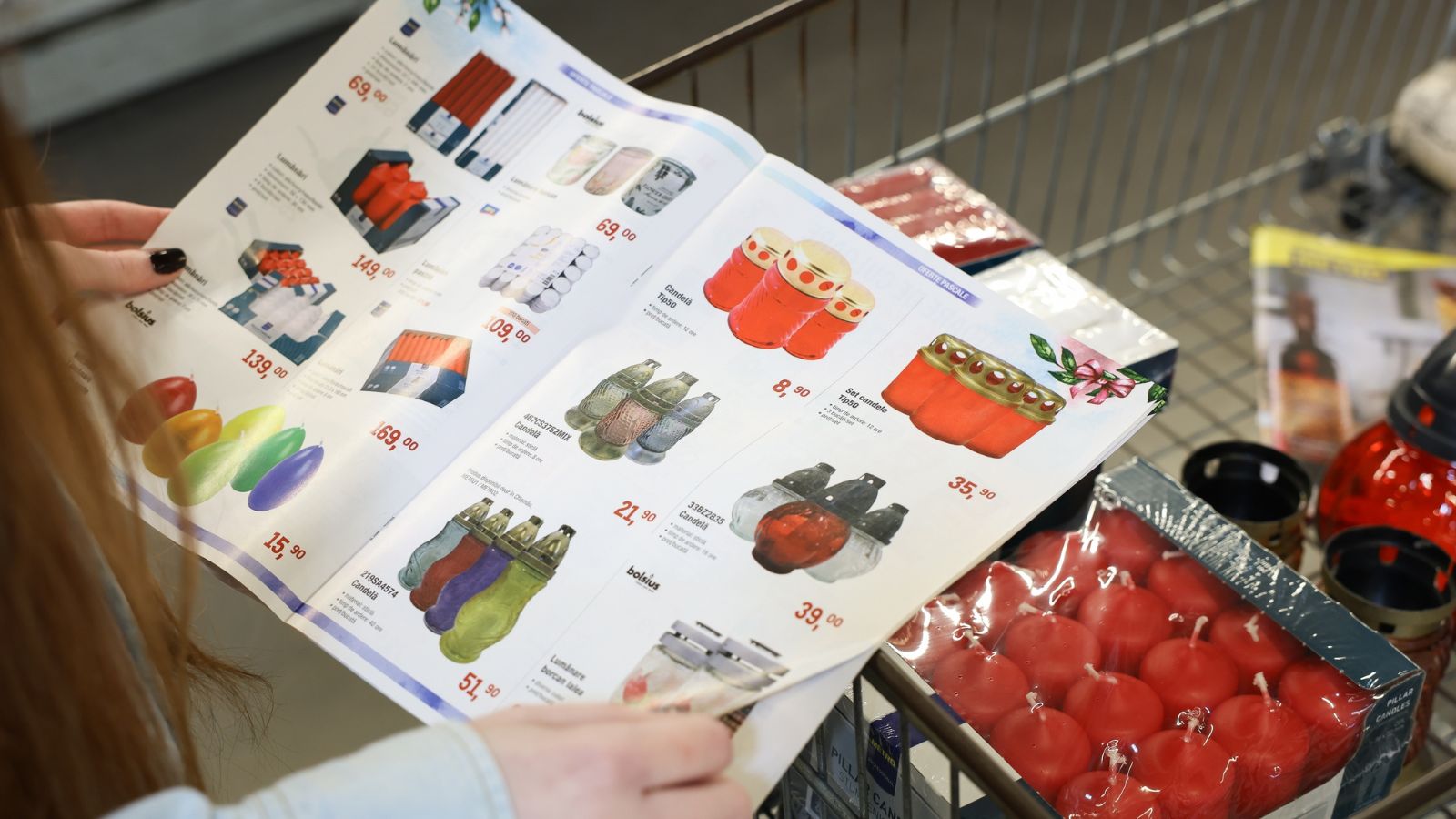
Shrinkflation becomes harder to track when package changes occur amid frequent promotions. A product may move between regular prices, flyer specials, temporary discounts and loyalty offers while its size also changes. After several cycles, a shopper can remember that the item “used to be cheaper” without knowing whether the difference came from a higher regular price, a weaker discount, a smaller package or some combination of all three.
Research using Canadian store data has found that the interpretation and rigidity of regular versus sale prices varies across retail formats. That matters because a historical comparison based only on whichever price happened to be visible last time can be misleading. Shrinkflation adds a second moving variable—the quantity itself. The clean comparison is therefore not old sticker price versus new sticker price. It is old unit price versus new unit price, adjusted to the same quantity. Once both price and package size are allowed to move, intuitive memory becomes a poor accounting system.
Unit Pricing Is the Number That Shrinkflation Cannot Easily Hide
Most shrinkflation tactics become much less mysterious when the price is standardized to a common amount. A 425-gram package at $4.49 and a 500-gram package at $4.99 may be difficult to judge quickly. Express both as dollars per 100 grams and the better value becomes obvious. This is why Canada’s Office of Consumer Affairs says unit pricing can help consumers identify situations where they are paying the same or more for a smaller quantity.
Access to standardized unit pricing is not identical across Canada. Quebec has specific requirements for grocery unit-price information, while federal consumer-policy work has examined the case for broader standardized approaches. Statistics Canada’s own inflation measurement operates on the same underlying principle: quantity changes must be accounted for when assessing genuine price movement. Shrinkflation works best when shoppers focus on the package rather than the amount inside it. Unit pricing reverses that equation. It converts changing boxes, bottles, counts and promotions back into one comparable measure of what each dollar actually buys.
16 Costco Canada Habits That Could Be Costing Shoppers More Than They Save

The Executive Membership can feel like an obvious upgrade because the 2% annual reward sounds straightforward. For households that spend heavily at Costco Canada, the extra fee may be easy to justify. But the habit becomes costly when shoppers upgrade first and calculate later. A Gold Star Membership costs less, while Executive costs more and only pays off if eligible annual spending is high enough to offset the difference.
16 Costco Canada Habits That Could Be Costing Shoppers More Than They Save
This Options Discord Chat is The Real Deal
While the internet is scoured with trading chat rooms, many of which even charge upwards of thousands of dollars to join, this smaller options trading discord chatroom is the real deal and actually providing valuable trade setups, education, and community without the noise and spam of the larger more expensive rooms. With a incredibly low-cost monthly fee, Options Trading Club (click here to see their reviews) requires an application to join ensuring that every member is dedicated and serious about taking their trading to the next level. If you are looking for a change in your trading strategies, then click here to apply for a membership.