
35,000+ smart investors are already getting financial news, market signals, and macro shifts in the economy that could impact their money next with our FREE weekly newsletter. Get ahead of what the crowd finds out too late. Click Here to Subscribe for FREE.
Canada’s reputation for kindness has always drawn jokes from louder nations. Polite manners, quiet diplomacy, and soft language often get mistaken for passivity. But time keeps showing something sharper beneath the calm. When pushed, Canadians rarely meet force with noise. They respond with resolve, creativity, and unexpected firmness. From global conflicts to cultural confrontations, calm choices repeatedly produced stronger outcomes than bluster ever did. Here are 20 times Canadian kindness was mistaken for weakness—and proven wrong.
The Suez Crisis That Redefined Peacekeeping (1956)
20 Times Canadian Kindness Was Mistaken for Weakness—And Proven Wrong
- The Suez Crisis That Redefined Peacekeeping (1956)
- Refusing the Iraq War Without Burning Bridges (2003)
- Rescue During the Iran Hostage Crisis (1979)
- Standing Up to Apartheid Diplomatically (1980s)
- Canada’s Olympic Doping Stand (1988)
- Veterans Welcoming Haitian Refugees (2010)
- Standing Firm Against Saudi Retaliation (2018)
- The Harper Arctic Patrol Expansion (2014)
- Resettling Syrian Refugees Rapidly (2015–2016)
- NAFTA Negotiations That Saved Key Protections (2018)
- COVID Vaccine Diplomacy (2021)
- Canada’s Stand Against Apartheid Pressure (1986–1990)
- Shelter for Vietnam War Resisters (1965–1975)
- Pierre Trudeau’s Moscow Visit (1971)
- Creation of UN Peacekeeping (1956)
- Humanitarian Leadership After the Haiti Earthquake (2010)
- Syrian Refugee Resettlement (2015–2017)
- Arctic Sovereignty Through Cooperation (1990s–Present)
- Leading Global Internet Governance Reform (2018–2022)
- Indigenous Reconciliation as Active Leadership (2015–Present)
- 22 Groceries to Grab Now—Before another Price Shock Hits Canada
When Britain and France moved into Egypt in 1956, the world braced for escalation. Canada stepped forward quietly instead of taking sides. Lester Pearson proposed deploying a neutral peacekeeping force. Critics said diplomacy would fail. They believed military pressure was the only language understood. Canada stayed steady and drafted solutions instead of threats. The United Nations adopted the peacekeeping plan. Forces stabilized the region without further bloodshed. Pearson later received the Nobel Peace Prize. What began as cautious dialogue became a lasting model for conflict control. Kindness set rules stronger than warfare.
Refusing the Iraq War Without Burning Bridges (2003)

In 2003, global momentum favored invasion of Iraq. Canada listened before choosing restraint. Jean Chrétien declined military involvement without theatrics. Critics labeled the stance timid. They assumed refusing pressure meant surrendering influence. Canada emphasized evidence over emotion. Officials stated the UN process wasn’t complete. The country absorbed significant diplomatic criticism. Yet time validated caution as major claims collapsed worldwide. Canada preserved alliances while avoiding a costly military entanglement. Veterans avoided deployment. Public trust remained intact. Canadian credibility strengthened rather than weakened abroad.
Rescue During the Iran Hostage Crisis (1979)
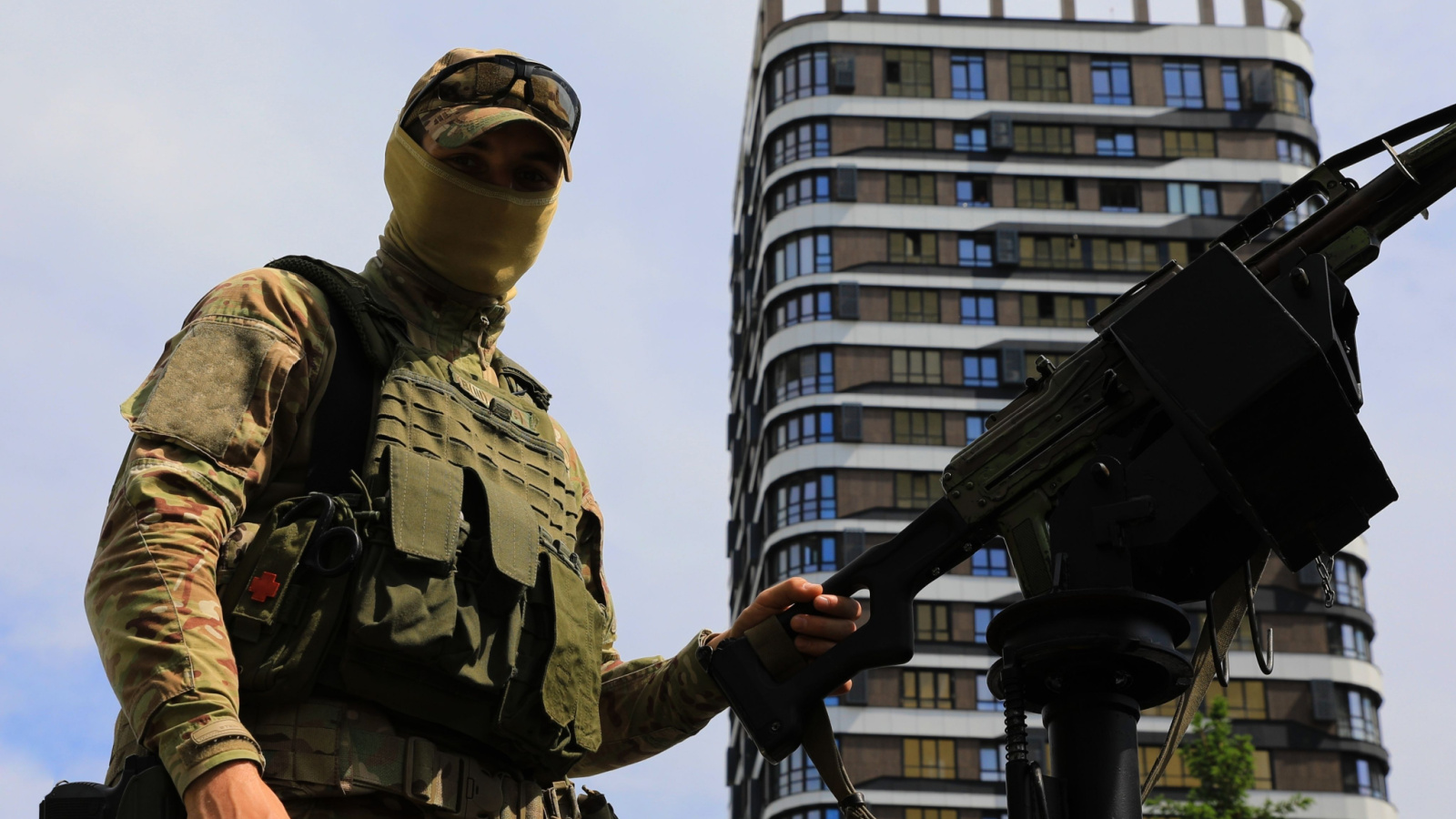
When six U.S. diplomats escaped capture in Tehran in 1979, Canada acted discreetly. Ambassador Ken Taylor hid the group in safe houses. Fake passports were arranged calmly. No attention was drawn until extraction succeeded. The entire plan relied on quiet courage. Critics labeled neutrality a lack of backbone. The effort demanded risk, not timidity. Diplomats could have been executed if discovered. Canada shielded lives without spectacles or speeches. Americans escaped unharmed aboard a commercial flight. Later, the operation became known globally as the Canadian Caper.
Standing Up to Apartheid Diplomatically (1980s)
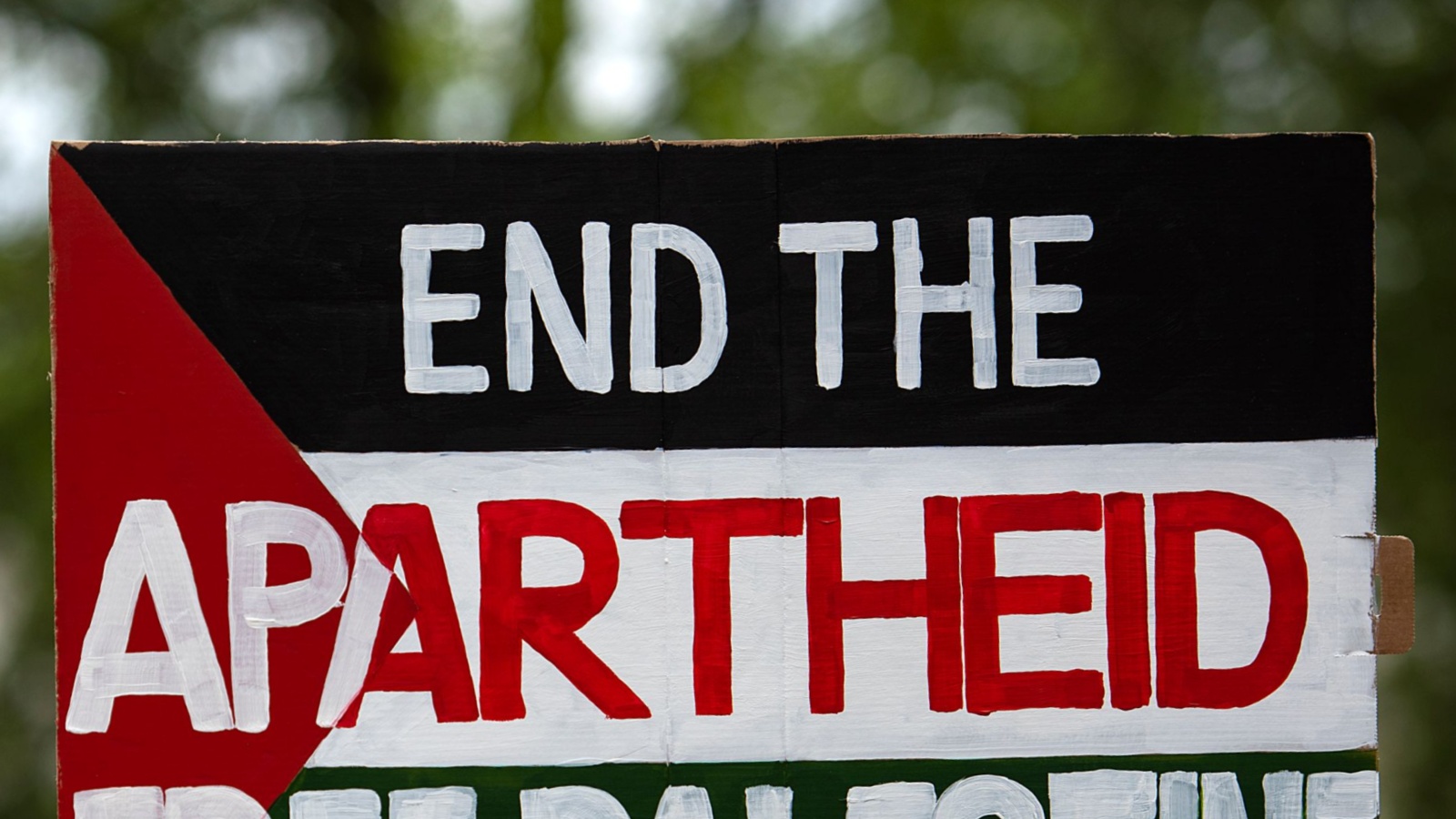
Through the 1980s, larger nations hesitated confronting apartheid directly. Economic interests muted many responses. Canada chose persistent ethical pressure. Brian Mulroney pushed Commonwealth leaders toward trade sanctions. Closed-door negotiations replaced public shouting. Critics dismissed the approach as symbolic. Those sanctions compounded international pressure on South Africa’s regime. Nelson Mandela later praised Canada’s advocacy openly. The country helped tip global momentum toward reform. Firm kindness gained influence where confrontation alone stalled.
Canada’s Olympic Doping Stand (1988)

After sprinter Ben Johnson’s 1988 doping scandal, international criticism fell hard on Canada. Many expected deflection. Canada chose public accountability instead. Full investigations launched quickly. The Dubin Inquiry exposed systems failures clearly. Support programs overhauled national training. Anti-doping reforms followed. Critics said transparency would weaken Canada’s sports reputation. The opposite happened. Policy leadership restored credibility faster than silence would have. Canada became a strict compliance leader in athletics.
Veterans Welcoming Haitian Refugees (2010)

After Haiti’s devastating earthquake in 2010, Canada responded swiftly. Troops delivered aid rather than weapons. Thousands of refugees received emergency entry permits. Critics warned about security risks. The effort saved families without incident. Communities mobilized housing and health resources rapidly. Canada accepted responsibility without slowing decisions. The process became a humanitarian benchmark. Refugees integrated successfully across provinces. Compassion proved operationally strong. Crisis response reinforced international respect rather than vulnerability.
Standing Firm Against Saudi Retaliation (2018)
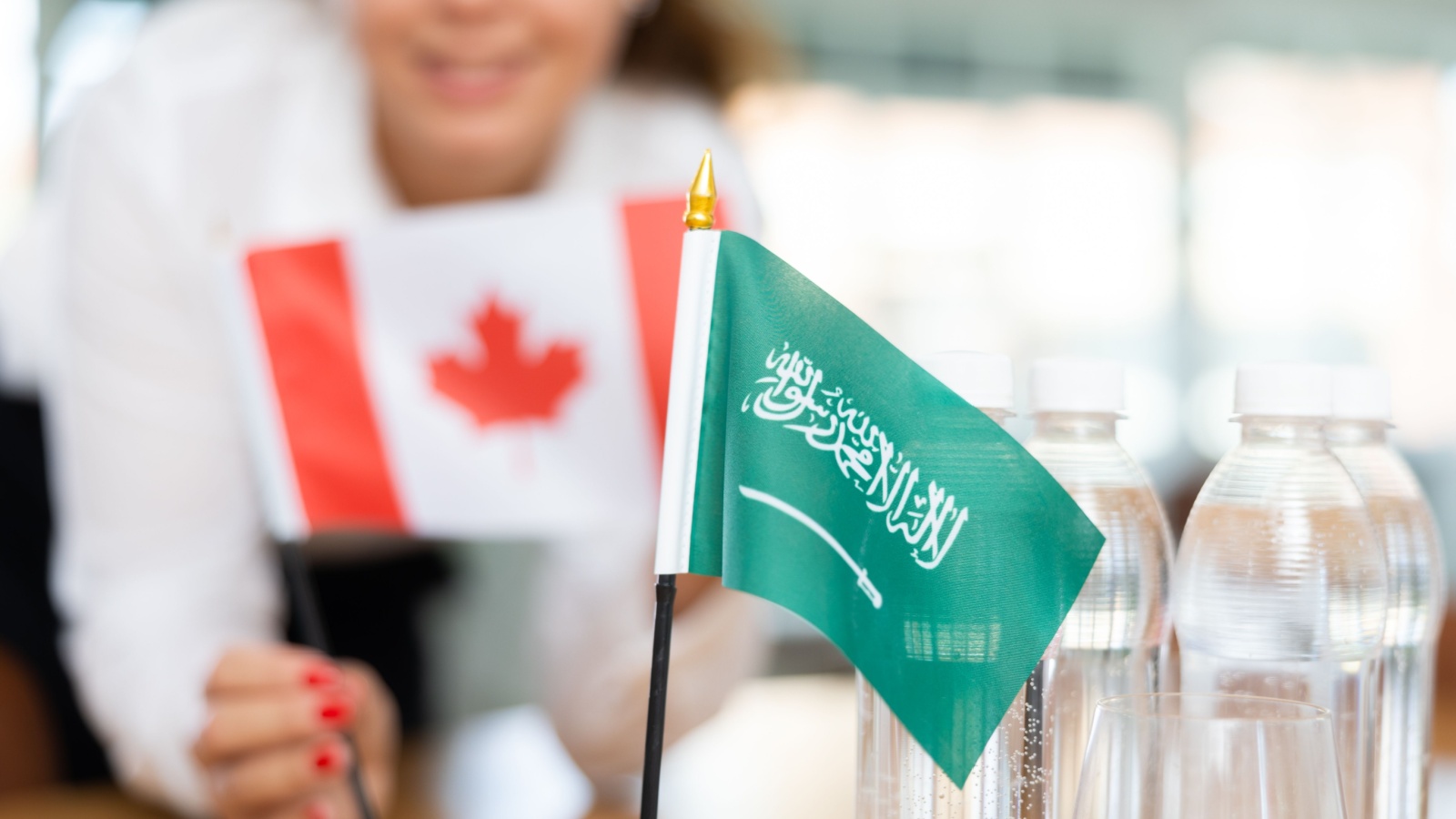
In 2018, Canada tweeted concern over Saudi human rights arrests. Retaliation followed immediately. Trade ties were threatened. Diplomats were expelled. Critics urged Canada to apologize publicly. Officials refused to retract statements. The stance carried economic risks. Canada maintained diplomacy without backtracking. Other nations soon echoed similar rights language. Canada absorbed short-term pressure yet held credibility intact. Consistency proved powerful. Respect replaced intimidation over time. Calm principle held steady against wealth-fueled pressure.
The Harper Arctic Patrol Expansion (2014)

Global Arctic interest surged around 2014. Nations began aggressive claims signaling strength through military posture. Canada chose investment over confrontation. Infrastructure expanded. Scientific mapping increased presence. Indigenous stewardship guided activity. Critics wanted louder assertions. Canada demonstrated sovereignty through consistent development rather than sabre-rattling. Patrol bases strengthened logistical control. Diplomatic relationships stayed stable. Kindness toward indigenous partnership reinforced legitimacy. Authority rooted itself quietly in permanence.
Resettling Syrian Refugees Rapidly (2015–2016)

Syrian refugee resettlement increased worldwide reluctance. Canada moved differently. Paperwork tightened timelines. Military flights transferred families directly. Communities prepared before arrivals. Critics warned of strain. Integration proved effective nationwide. Employment organizations engaged early. Language programs expanded quickly. Families stabilized faster than forecasted. Canada showed immigration compassion works when organized firmly. Kindness paired with logistics overcame scepticism.
NAFTA Negotiations That Saved Key Protections (2018)

During 2018 NAFTA talks, pressure tactics escalated from U.S. leadership. Many expected Canada to cave. Chrystia Freeland used steady negotiation. Public demeanor stayed cordial. Private talks stayed tough. Dairy concessions limited damage. Cultural protections survived intact. Dispute resolution mechanisms remained active. Critics believed politeness masked weakness. Outcomes showed the opposite. Canadian priorities largely held. Professional civility shielded national interests better than open hostility could have.
COVID Vaccine Diplomacy (2021)

When vaccine shortages hit developing nations in 2021, Canada donated millions of doses early. Critics claimed the move weakened domestic supplies. Procurement planning proved sufficient. Canada balanced global need and national protection. Doses reached vulnerable countries rapidly. International trust strengthened. Health partnerships expanded. The effort reinforced Canada’s humanitarian reputation without compromising public safety. Kindness multiplied outcomes rather than diluted resources. Responsibility enhanced national standing worldwide.
Canada’s Stand Against Apartheid Pressure (1986–1990)

In the late 1980s, global leaders avoided direct confrontation with South Africa’s apartheid government. Canada’s tone remained polite but unyielding. In 1986, Prime Minister Brian Mulroney pushed for strict economic sanctions within the Commonwealth. Larger allies hesitated, worried about trade backlash. Canada stayed steady despite diplomatic friction. Public speeches focused on moral clarity rather than political theatrics. Critics saw excessive courtesy masking indecision. Results proved otherwise. Canada’s pressure helped isolate the regime during crucial reform years. By 1990, Nelson Mandela was released from prison, and international consensus strengthened. Mandela later thanked Canada for its consistent stance.
Shelter for Vietnam War Resisters (1965–1975)

During the Vietnam War, Canada quietly opened its doors to American draft resisters. The policy began in the late 1960s and expanded into the 1970s. Canadian border officials never advertised the decision boldly. Politicians used mild language centered on compassion and autonomy. Some critics accused Canada of passive opposition to U.S. policy. The numbers told a stronger story. Over 30,000 Americans settled in Canada during this period. They became teachers, entrepreneurs, and community leaders. Integration occurred without diplomatic grandstanding. Canada reshaped North American social history through quiet acceptance.
Pierre Trudeau’s Moscow Visit (1971)

In 1971, Prime Minister Pierre Trudeau visited the Soviet Union during peak Cold War tension. Many expected cold formality or propaganda theatre. Trudeau arrived with charm and courtesy instead. Critics feared Canada looked submissive in global communist circles. The visit opened unexpected channels for dialogue. Trade agreements followed. Cultural exchanges expanded. Diplomatic contacts normalized. Trudeau demonstrated that respectful conversation could bridge ideological chasms. Canada preserved NATO commitments while expanding diplomatic trust. No alliances weakened. No principles surrendered. The friendly tone built strategic access that louder nations lacked.
Creation of UN Peacekeeping (1956)

During the Suez Crisis in 1956, global tensions flared dangerously. Canada proposed an alternative approach. Lester Pearson introduced UN peacekeeping to separate combatants. Some leaders interpreted the idea as weak compromise. Military powers doubted its authority. Pearson persisted with calm negotiation. His strategy prevented escalation. International forces stabilized the conflict zone. Canada’s method proved transformative. Peacekeeping became a global standard. Pearson received the Nobel Peace Prize in 1957. The achievement proved diplomacy grounded in respect can reshape warfare itself.
Humanitarian Leadership After the Haiti Earthquake (2010)

After Haiti’s devastating earthquake in January 2010, Canada responded immediately. Military engineers, doctors, and aid workers mobilized without ceremony. Public messaging stayed measured. Media attention remained minimal compared to larger donor nations. Critics questioned the quiet approach. Results told another story. Canada helped reestablish Port-au-Prince airport operations rapidly. Medical teams treated thousands. Long-term rebuilding partnerships followed. Canada became one of Haiti’s most reliable allies during recovery years. Assistance continued beyond the headlines. Politeness translated into persistence.
Syrian Refugee Resettlement (2015–2017)

Beginning in late 2015, Canada pledged mass refugee resettlement. International sceptics predicted security risks and integration breakdowns. Government messaging emphasized calm welcome. No dramatic declarations followed. Communities mobilized voluntarily. Airports greeted families with volunteer coats and meals. By 2017, over 44,000 Syrians had been resettled successfully. Employment and school enrolment rates exceeded expectations. Criminal activity remained negligible. Canada disproved the fear narrative with lived outcomes. Politeness appeared naive. The organization proved sharp. Cultural adaptation proceeded without major disruption.
Arctic Sovereignty Through Cooperation (1990s–Present)

Canada’s Arctic strategy drew criticism in the 1990s. Analysts claimed Canada relied too heavily on dialogue rather than force. Instead of troop showmanship, Canada strengthened northern partnerships with Inuit leaders. Infrastructure investments expanded local presence. Research stations and patrol programs increased quietly. Legal frameworks supported sovereignty claims methodically. By the 2010s, Canada’s ownership assertions gained strong international recognition. No sabre-rattling occurred. No military escalation followed.
Leading Global Internet Governance Reform (2018–2022)

As online misinformation surged globally, Canada avoided heavy censorship rhetoric. In 2018, officials advocated collaborative platform accountability. Multinational working groups followed. Canada convened forums focused on transparency and digital ethics. Skeptics doubted that dialogue would change corporate behaviour. It did. Global platforms adopted revised reporting standards. Regulatory cooperation increased across democratic nations. Canada’s leadership came through consensus building rather than sanctions. Results arrive quietly but undeniably.
Indigenous Reconciliation as Active Leadership (2015–Present)

Beginning in 2015, Canada enacted reconciliation policies slowly but deliberately. Public apologies sparked criticism for lacking material substance. Behind the scenes, land agreements expanded. Water infrastructure funding rose. Education protections advanced. Some accused Canada of symbolic politeness without power. Change accumulated steadily. Over time, Indigenous representation increased in governance. Funding mechanisms strengthened community autonomy. Kindness was mistaken for hesitation. The ongoing progress shows purposeful transformation unfolding through patient partnership.
22 Groceries to Grab Now—Before another Price Shock Hits Canada

Food prices in Canada have been steadily climbing, and another spike could make your grocery bill feel like a mortgage payment. According to Statistics Canada, food inflation remains about 3.7% higher than last year, with essentials like bread, dairy, and fresh produce leading the surge. Some items are expected to rise even further due to transportation costs, droughts, and import tariffs. Here are 22 groceries to grab now before another price shock hits Canada.
22 Groceries to Grab Now—Before another Price Shock Hits Canada
This Options Discord Chat is The Real Deal
While the internet is scoured with trading chat rooms, many of which even charge upwards of thousands of dollars to join, this smaller options trading discord chatroom is the real deal and actually providing valuable trade setups, education, and community without the noise and spam of the larger more expensive rooms. With a incredibly low-cost monthly fee, Options Trading Club (click here to see their reviews) requires an application to join ensuring that every member is dedicated and serious about taking their trading to the next level. If you are looking for a change in your trading strategies, then click here to apply for a membership.