35,000+ smart investors are already getting financial news, market signals, and macro shifts in the economy that could impact their money next with our FREE weekly newsletter. Get ahead of what the crowd finds out too late. Click Here to Subscribe for FREE.
A summer border crossing can look deceptively simple: load the vehicle, follow the highway south and answer a few questions at the inspection booth. In reality, one expired document, forgotten snack or unfamiliar rule can turn an easy getaway into a lengthy delay.
Requirements also differ according to citizenship, travel method, destination, passengers and what is packed in the vehicle. Rules that apply to a Canadian citizen may not apply to a permanent resident, while families, pet owners and NEXUS members have additional responsibilities. These 20 checks cover the documents, declarations, insurance details and practical preparations Canadians should review before crossing an international border this summer. A few minutes of preparation can prevent missed reservations, unexpected expenses and uncomfortable conversations with border officials.
Make Sure Every Traveller Has the Right Document
20 Things Canadians Should Check Before Crossing the Border This Summer
- Make Sure Every Traveller Has the Right Document
- Confirm Visa, ESTA and Dual-Citizenship Requirements
- Review Advisories and Emergency Information
- Consider Admissibility and the Purpose of the Trip
- Prepare the Documents Needed for Children
- Check Crossing Hours, Construction and Wait Times
- Verify That the NEXUS Lane Can Be Used
- Carry Vehicle Registration and Insurance Information
- Confirm Permission for a Rental, Leased or Borrowed Vehicle
- Inspect the Vehicle and Everyone’s Belongings
- Declare Food, Plants and Agricultural Products
- Remove Cannabis, CBD and Related Products
- Pack Medication in Properly Labelled Containers
- Complete the Current Requirements for Pets
- Count Cash and Monetary Instruments
- Review Firearm, Ammunition and Weapon Restrictions
- Understand That Digital Devices May Be Examined
- Verify Travel Medical Insurance
- Save Receipts and Understand Personal Exemptions
- Check Alcohol, Tobacco and Vaping Limits
- 19 Things Canadians Don’t Realize the CRA Can See About Their Online Income

Canadian citizens aged 16 and older generally need a valid passport or another Western Hemisphere Travel Initiative-compliant document when entering the United States by land or water. Accepted alternatives can include certain trusted-traveller cards and enhanced driver’s licences. However, availability and acceptance vary, making a valid Canadian passport the most dependable option for most travellers.
The document should remain valid for the entire stay and match the traveller’s name on reservations and other paperwork. Children aged 15 and younger may be permitted to use citizenship documents at a land or water crossing, but carrying a passport usually reduces uncertainty, especially when plans could change. A family intending to drive across the border may unexpectedly decide to fly home after a breakdown or emergency. Canadian citizens normally need a Canadian passport to board a commercial flight back to Canada, so relying on a birth certificate alone can remove that flexibility.
Confirm Visa, ESTA and Dual-Citizenship Requirements
A Canadian address does not automatically create the same entry rights as Canadian citizenship. Canadian permanent residents and other foreign nationals living in Canada may require a passport, U.S. visa, Electronic System for Travel Authorization approval or another document, depending on their citizenship and immigration circumstances. The requirements should be checked for every person in the vehicle rather than assumed to be identical.
Canadian citizens travelling on a Canadian passport generally do not need an ESTA for an ordinary visit to the United States. By contrast, a resident of Canada who holds a passport from a Visa Waiver Program country may need authorization under that program. Dual Canadian-U.S. citizens should also remember that U.S. law generally requires them to enter the United States using a U.S. passport. A group can therefore contain three travellers with three different document requirements, even when everyone lives at the same Canadian address and is leaving for the same weekend.
Review Advisories and Emergency Information

Border documents are only part of the preparation. The Government of Canada maintains destination-specific travel advice covering entry rules, crime, natural disasters, health concerns, local laws and regional security conditions. Because conditions can change during the summer, the advisory should be checked when the trip is booked and again shortly before departure.
Canadians can also use the free Registration of Canadians Abroad service to provide contact and itinerary information. Registration allows the federal government to send notifications during events such as wildfires, severe storms, civil disturbances or other emergencies. This can matter even on a familiar trip to the United States. A family driving to a national park, for example, could encounter road closures or evacuation orders hundreds of kilometres from the nearest Canadian consular office. Saving insurance numbers, emergency contacts and the contact details for the nearest Canadian government office creates an additional layer of protection if normal travel plans suddenly unravel.
Consider Admissibility and the Purpose of the Trip
A passport allows a traveller to request entry, but it does not guarantee admission. U.S. border officers determine whether a visitor is admissible and whether the stated purpose of the trip is credible. Canadians with a criminal record may face difficulties regardless of how old or seemingly minor the offence is. A Canadian record suspension or pardon is not automatically recognized for U.S. entry purposes.
Travellers should address possible admissibility issues before arriving at the booth rather than hoping they will not be noticed. Those taking an unusually long trip may also benefit from carrying evidence that they remain residents of Canada, such as return plans, employment obligations or proof of a Canadian home. Border officials may ask questions when someone appears to be spending more time in the United States than in Canada. Similarly, a person bringing tools, business materials or professional equipment should be prepared to explain whether the trip involves work, since employment-related travel can require different authorization than tourism.
Prepare the Documents Needed for Children
A child travelling without both parents or all legal guardians should generally carry a signed consent letter. Global Affairs Canada recommends the letter even for a one-day land-border trip. It demonstrates that the absent parent or guardian knows about and approves the travel, helping officials distinguish an ordinary family vacation from a possible custody or child-abduction concern.
The letter should include useful contact information and details about the trip. Families with shared custody should also carry relevant custody documents, while a child travelling with grandparents, a sports team or family friends may need written authorization from the appropriate adults. Canadian children should have their own passports when travelling outside Canada, and a provincial birth certificate may provide additional supporting identification. A parent arriving in a separate vehicle can unintentionally complicate the situation, so adults responsible for a child should ideally approach the border in the same vehicle. Even when no letter is requested, having one can prevent additional questioning or calls to an absent parent.
Check Crossing Hours, Construction and Wait Times
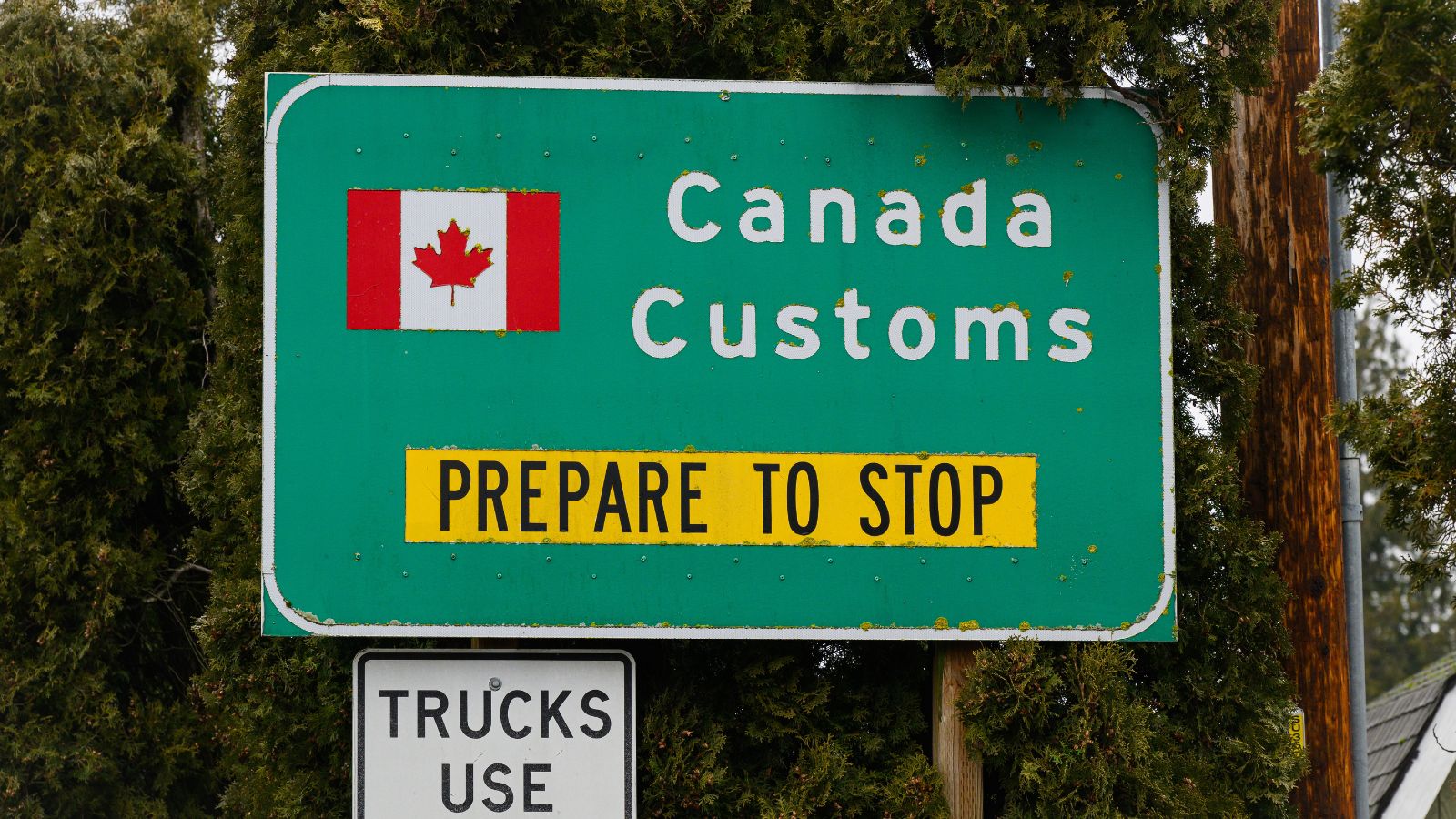
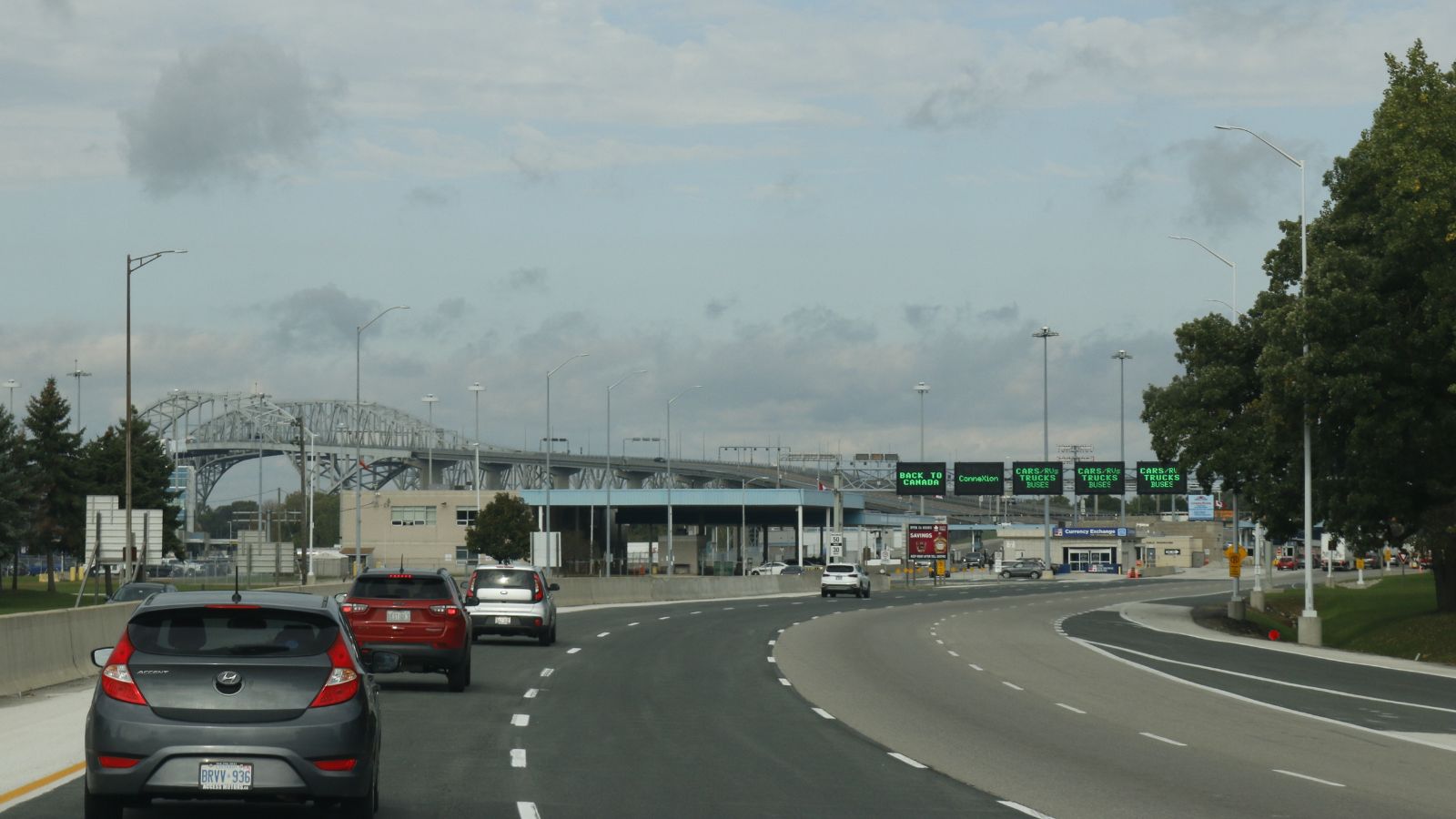
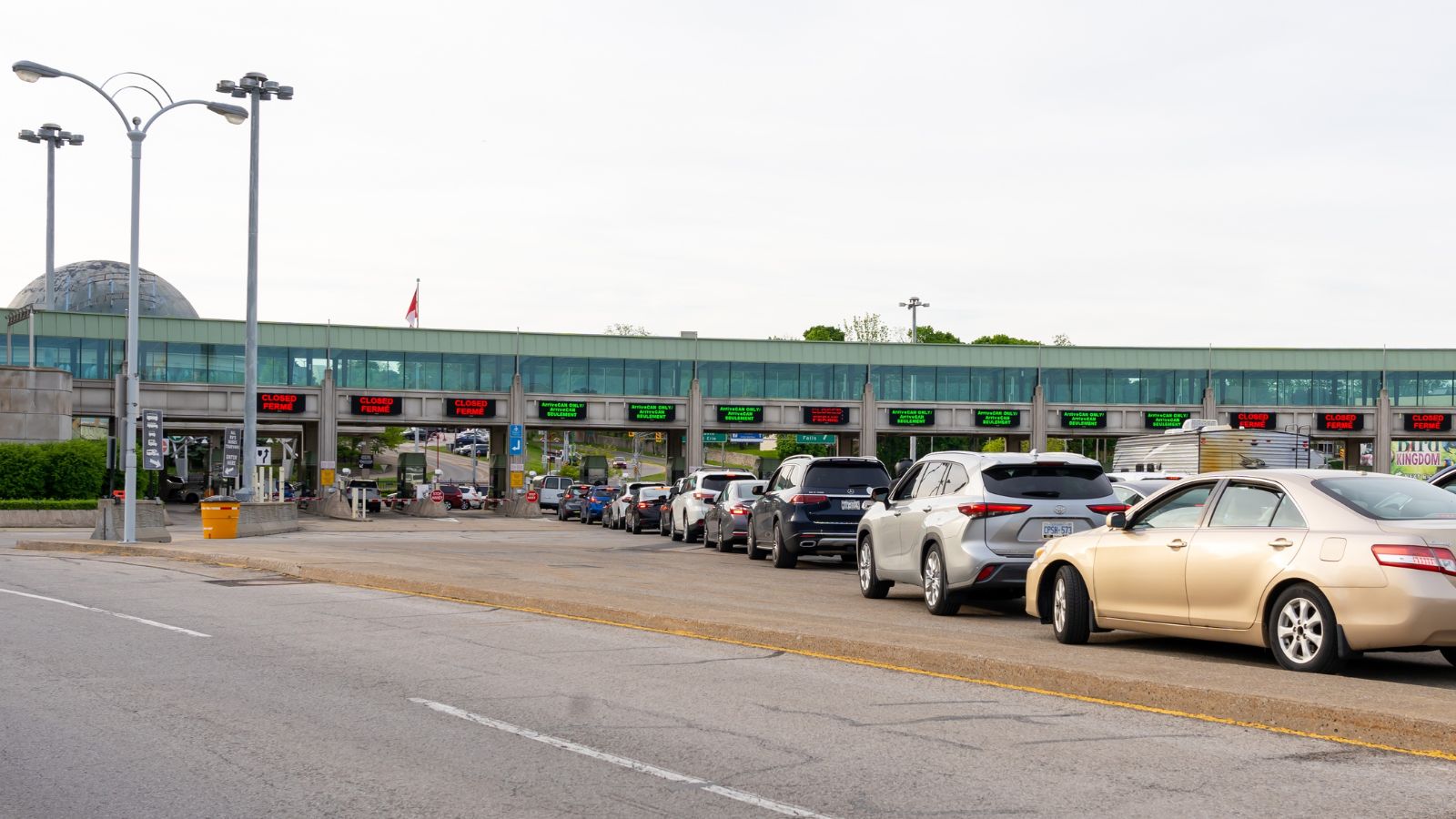
Not every border crossing operates around the clock. Smaller ports may follow limited or seasonal schedules, while maintenance, staffing changes and construction can affect larger crossings. Travellers should confirm the official hours for both sides of the route rather than relying solely on a mapping application, which may direct a vehicle to the closest crossing without recognizing that it is closed.
The Canada Border Services Agency publishes estimated wait times for 29 of the busiest land crossings, and U.S. Customs and Border Protection maintains its own wait-time information. The estimates can change quickly during long weekends, major events and Sunday-evening return periods. In 2026, CBSA has also warned that redevelopment at the Saint-Bernard-de-Lacolle crossing could produce higher-than-normal waits until winter 2027. Checking bridge alerts, tunnel conditions and alternate crossings can save more time than leaving only a few minutes earlier. Travellers should still bring water, fuel and patience because an enforcement action or traffic collision can transform a short queue into a lengthy delay.
Verify That the NEXUS Lane Can Be Used
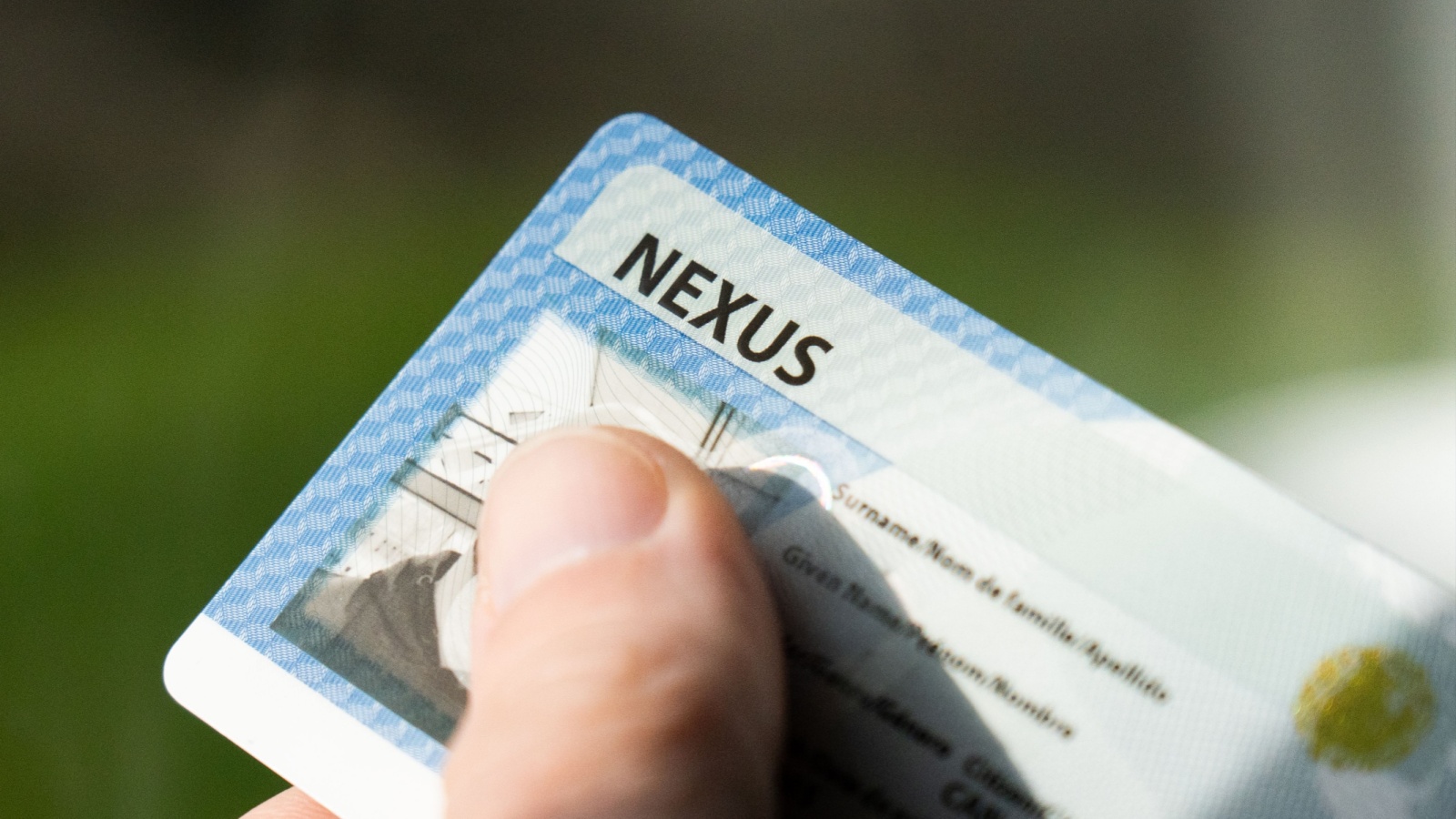
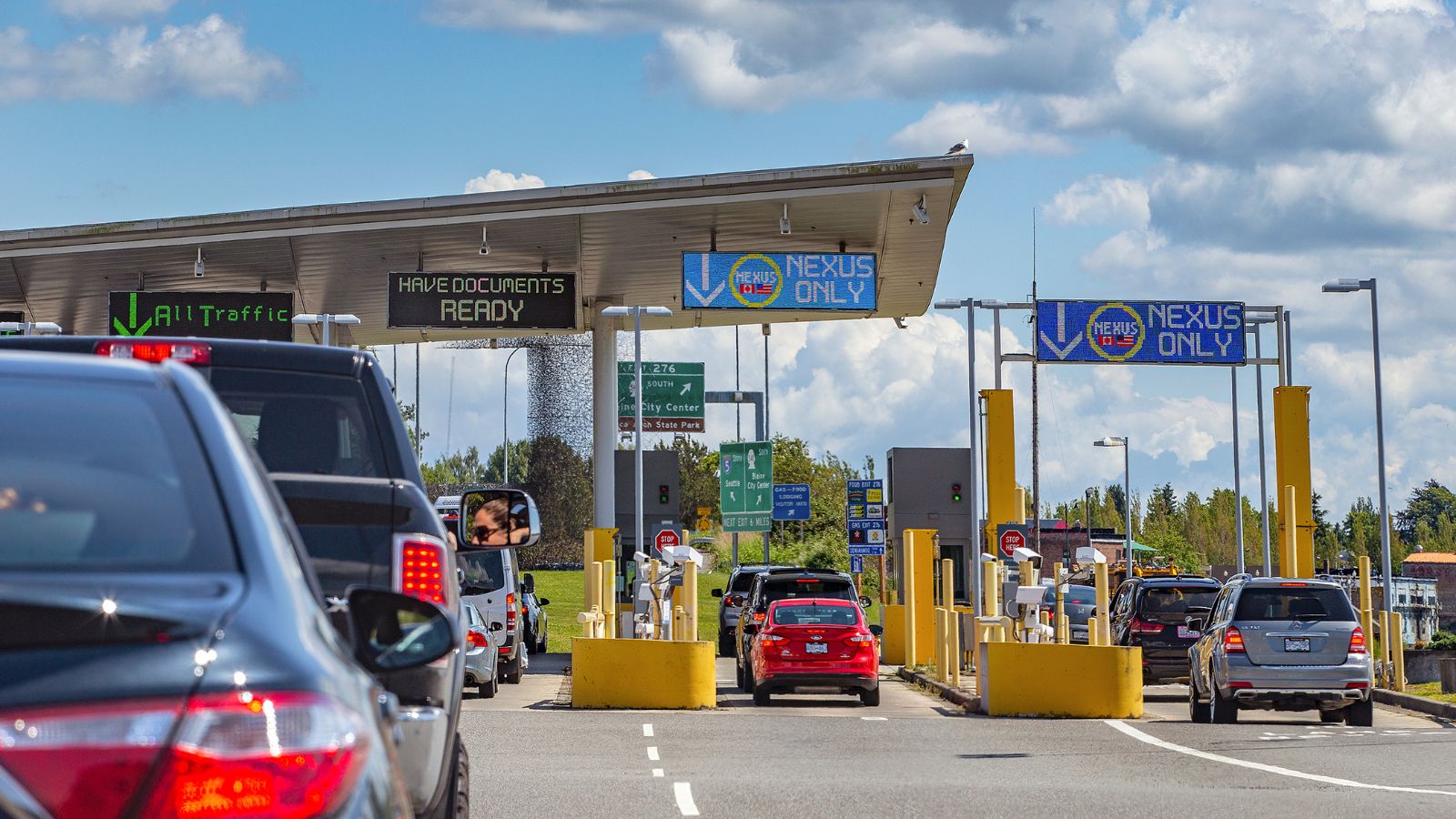
A NEXUS card can shorten a crossing, but it does not remove declaration requirements. Everyone in a vehicle using a dedicated NEXUS lane must be a member, regardless of age, and each person must have a valid card. A member travelling with a non-member child, friend or relative must use a regular inspection lane.
Members are still responsible for declaring purchases, gifts, food and currency. Canadian rules also state that travellers should not use NEXUS procedures when carrying certain restricted, controlled or prohibited goods, commercial merchandise, firearms requiring permits or CAN$10,000 or more in currency or monetary instruments. CBSA lists dedicated NEXUS lanes at 18 land crossings, but their operating hours can differ from the general passenger lanes. A common mistake occurs when a family assumes the cardholder can bring everyone through the expedited lane. That misunderstanding can result in referral to another inspection area and may place the trusted-traveller membership under unnecessary scrutiny.
Carry Vehicle Registration and Insurance Information

A valid Canadian driver’s licence is generally accepted for driving in the United States, but motorists should also carry current vehicle registration and proof of insurance. Many U.S. states require drivers to produce insurance documentation during a traffic stop or after a collision. A digital insurance card may be accepted in some places, but a paper copy remains useful when a phone is damaged, discharged or unavailable.
The policy should be reviewed before departure to confirm that coverage extends into the United States and that liability limits remain appropriate. Drivers may also want to verify collision coverage, roadside assistance, towing distances and procedures for reporting an international claim. A minor crash can become complicated when a Canadian motorist does not know which insurer number to call or whether a repair shop must be pre-approved. Registration information should match the vehicle and owner, and any recently renewed documents should replace expired copies in the glove compartment before the car reaches the border.
Confirm Permission for a Rental, Leased or Borrowed Vehicle

Travellers using a vehicle they do not own should verify that they are permitted to take it across the border. Rental companies can impose geographic restrictions, require advance approval or offer different insurance arrangements for international travel. The fact that a rental vehicle has Canadian licence plates does not mean every contract permits it to enter the United States.
A driver borrowing a vehicle from a relative, employer or friend should carry written authorization from the registered owner, along with registration and insurance information. Leaseholders should review their agreement for similar restrictions. Anyone renting after arriving in the United States should also check the rental company’s identification requirements. U.S. government guidance notes that some foreign visitors may need both their home licence and an international driving permit, depending on state law and company policy. Written permission may never be requested, but it can quickly answer questions about why the driver’s name does not match the registration and whether the vehicle has been taken without the owner’s consent.
Inspect the Vehicle and Everyone’s Belongings
The driver should know what is inside the vehicle before reaching the inspection booth. Government travel advice warns motorists to be careful about whom and what they transport because a driver can become implicated in a passenger’s conduct or belongings. That principle makes a pre-trip inspection more important when several friends are sharing a vehicle.
Old shopping bags, borrowed coolers, forgotten cannabis products, ammunition, food and unlabeled packages can create serious problems. Roof boxes, trailers and spare-wheel compartments should be checked, particularly if the vehicle was recently loaned to someone else. Travellers should never agree to carry a sealed package for a casual acquaintance without knowing exactly what it contains. A realistic example is a friend placing cannabis edibles in a shared cooler without telling the driver because the products were legally purchased in Canada. At the border, the driver cannot safely assume that claiming ignorance will end the matter. Every occupant should review personal luggage and answer declaration questions honestly.
Declare Food, Plants and Agricultural Products

Packed lunches and road-trip snacks can attract more scrutiny than travellers expect. U.S. authorities require travellers to declare meats, fruits, vegetables, plants, seeds, soil, animals and plant or animal products. The item may ultimately be permitted, but the decision belongs to the inspecting agriculture specialist rather than the traveller.
Restrictions change in response to plant diseases, livestock outbreaks and regional pest conditions. An apple that crossed without difficulty during a previous trip may not be admissible under current conditions or may be restricted because of its country of origin. Homemade meals can be harder to assess when ingredients are unclear, while commercially packaged goods with readable labels are usually easier to inspect. Travellers should keep food accessible and retain original packaging where practical. The safest approach is to declare every agricultural item, including pet food and snacks containing meat. Declaration does not automatically mean confiscation; failing to mention an item can produce a much more serious enforcement problem than surrendering a prohibited sandwich.
Remove Cannabis, CBD and Related Products
Cannabis may be legal in Canada and in several U.S. states, but an international border is governed by federal law. Bringing cannabis across the Canadian border without a Health Canada permit or exemption is a serious offence. CBSA specifically includes products and oils containing THC or CBD, and a physician’s prescription does not replace the required federal authorization.
U.S. Customs and Border Protection likewise warns that marijuana remains illegal under U.S. federal law. Travellers should remove dried cannabis, edibles, vape cartridges, oils and related products from vehicles, bags and jacket pockets before leaving home. CBD items should not be assumed safe merely because they are non-intoxicating or sold openly in Canada. The same caution applies to residue and forgotten products stored in a centre console. Crossing with cannabis can lead to seizure, questioning, denied admission and other legal consequences. A final vehicle check is particularly important when the car is regularly used to transport legal cannabis within Canada.
Pack Medication in Properly Labelled Containers
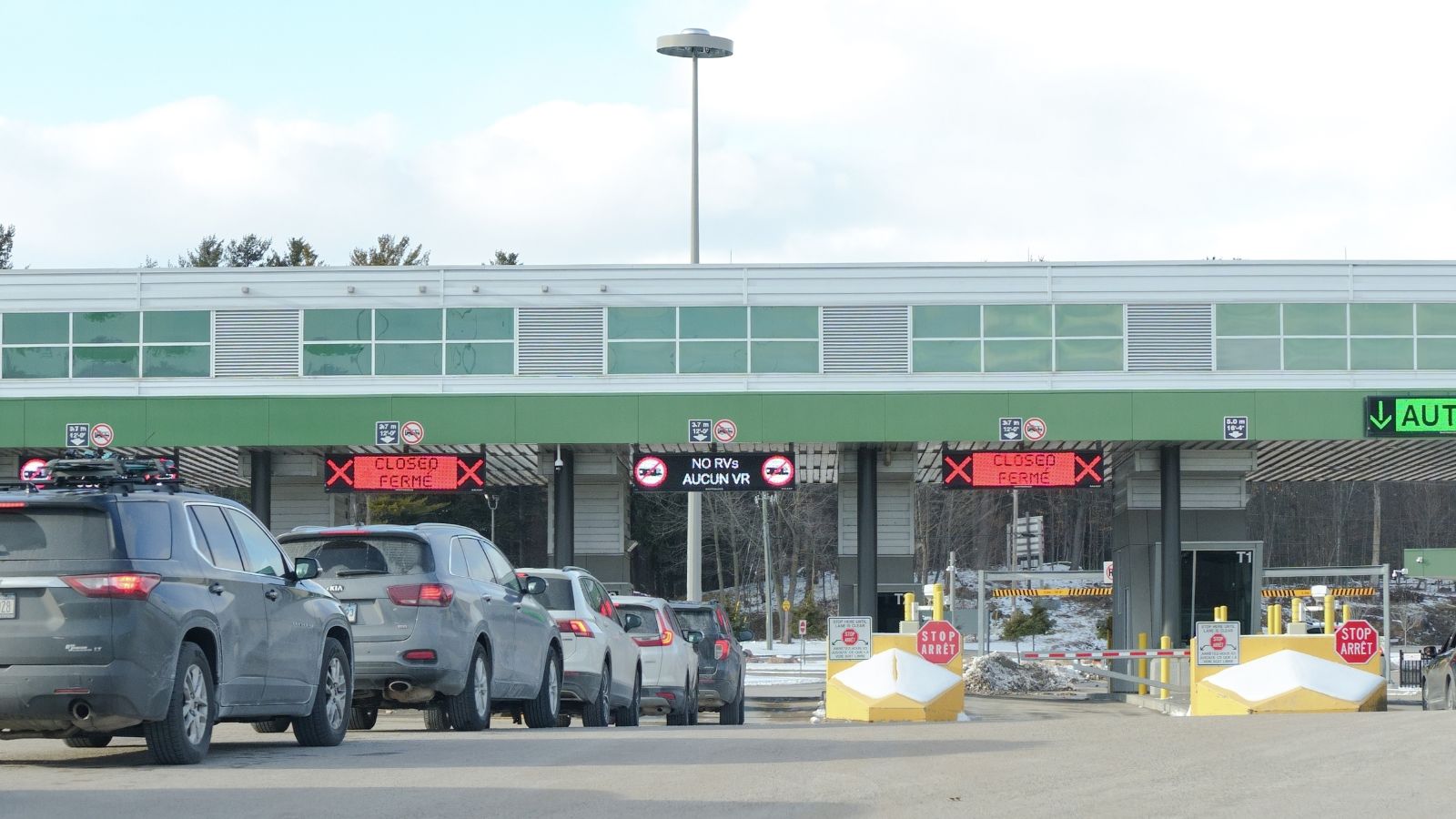
Prescription and over-the-counter medication should remain in original labelled packaging whenever possible. U.S. Food and Drug Administration guidance recommends carrying the doctor’s prescription on the container and limiting quantities to personal use, with 90 days commonly used as a practical guideline. When original packaging is unavailable, a copy of the prescription or a physician’s letter can help explain the medication.
Controlled drugs require additional care. Health Canada generally limits travellers carrying narcotic or controlled prescription drugs into or out of Canada to the smaller of one course of treatment or a 30-day supply. Different limits can apply to targeted substances such as certain benzodiazepines. Medication should be prescribed to the traveller or to a person under the traveller’s care who is accompanying them. A weekly pill organizer may be convenient at home, but it gives a border officer little information about what the tablets are or why they are being carried. Travellers should also confirm that each drug is legal at the destination.
Complete the Current Requirements for Pets

Pet paperwork should be reviewed well before departure because animal-entry rules can change independently of ordinary traveller requirements. Every dog entering or returning to the United States must be accompanied by a CDC Dog Import Form receipt. For a dog that has been only in dog-rabies-free or low-risk countries, including Canada, during the previous six months, the receipt is generally the only required federal form.
The dog must still appear healthy, be at least six months old and have a microchip detectable by a universal scanner. One form is needed for each dog. A receipt can generally be used for multiple entries from the same listed country for six months, provided the dog’s travel history does not trigger stricter rules. State-level requirements may also apply. Returning to Canada can involve proof of rabies vaccination, depending on the animal’s age and circumstances. Travellers should check pet food restrictions as well, since a permitted dog does not automatically make every bag of meat-based food admissible.
Count Cash and Monetary Instruments
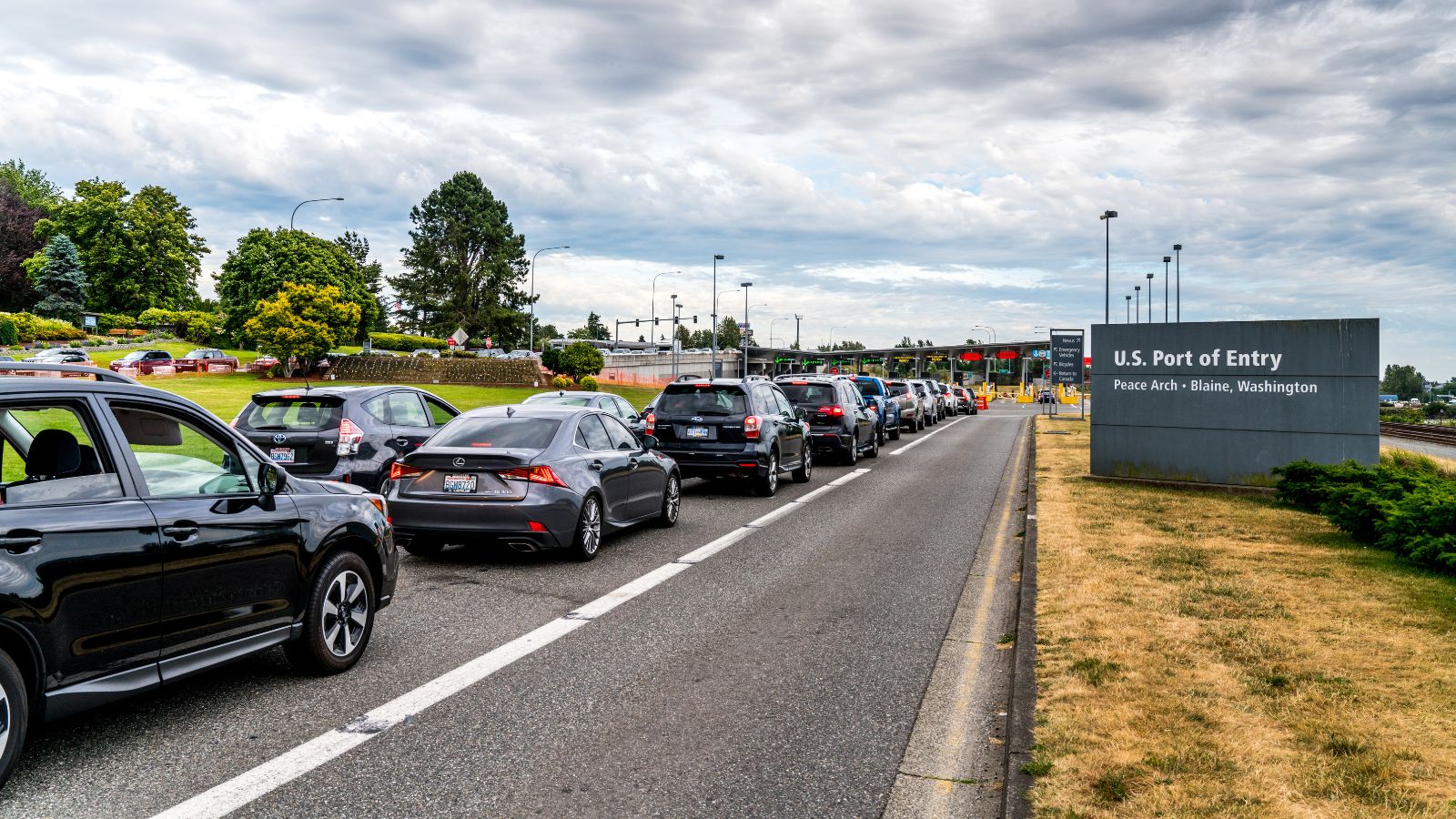
There is no general prohibition on carrying a large amount of money across the border, but reporting rules apply. Anyone entering or leaving the United States must report currency and monetary instruments exceeding US$10,000. Canada similarly requires travellers to declare currency or monetary instruments valued at CAN$10,000 or more when entering or leaving the country.
The calculation can include Canadian and foreign cash, travellers’ cheques, money orders, bank drafts and other reportable instruments. Travellers should not assume the threshold applies separately to each currency or each envelope. Authorities consider the combined value, and group or jointly controlled funds can raise additional questions. A family carrying money for a property deposit or major purchase should keep records showing its legitimate source and intended use. Declaration does not create a tax or automatically lead to seizure. The danger comes from failing to report the funds accurately, which can result in detention of the money and possible civil or criminal consequences.
Review Firearm, Ammunition and Weapon Restrictions
Firearms, ammunition and weapons require specialized research before any international trip. Canadian and U.S. rules differ, and legality in a home province does not guarantee that an item can be imported, exported or carried at the destination. CBSA encourages ordinary travellers to leave firearms and weapons at home unless the trip has a legitimate purpose and every permit requirement has been satisfied.
Firearms must be declared, and prohibited weapons cannot simply be brought into Canada by a visitor. Items such as certain knives, firearm components, ammunition, defensive sprays, stun devices and fireworks may also be restricted or prohibited depending on their characteristics and destination. Hunters and sport shooters should contact the appropriate authorities well in advance rather than attempting to complete unfamiliar paperwork at the booth. Families should inspect camping bins and emergency kits because a defensive item stored legally for domestic use may create difficulty at an international crossing. Concealment or a false declaration can turn a paperwork issue into a far more serious enforcement matter.
Understand That Digital Devices May Be Examined
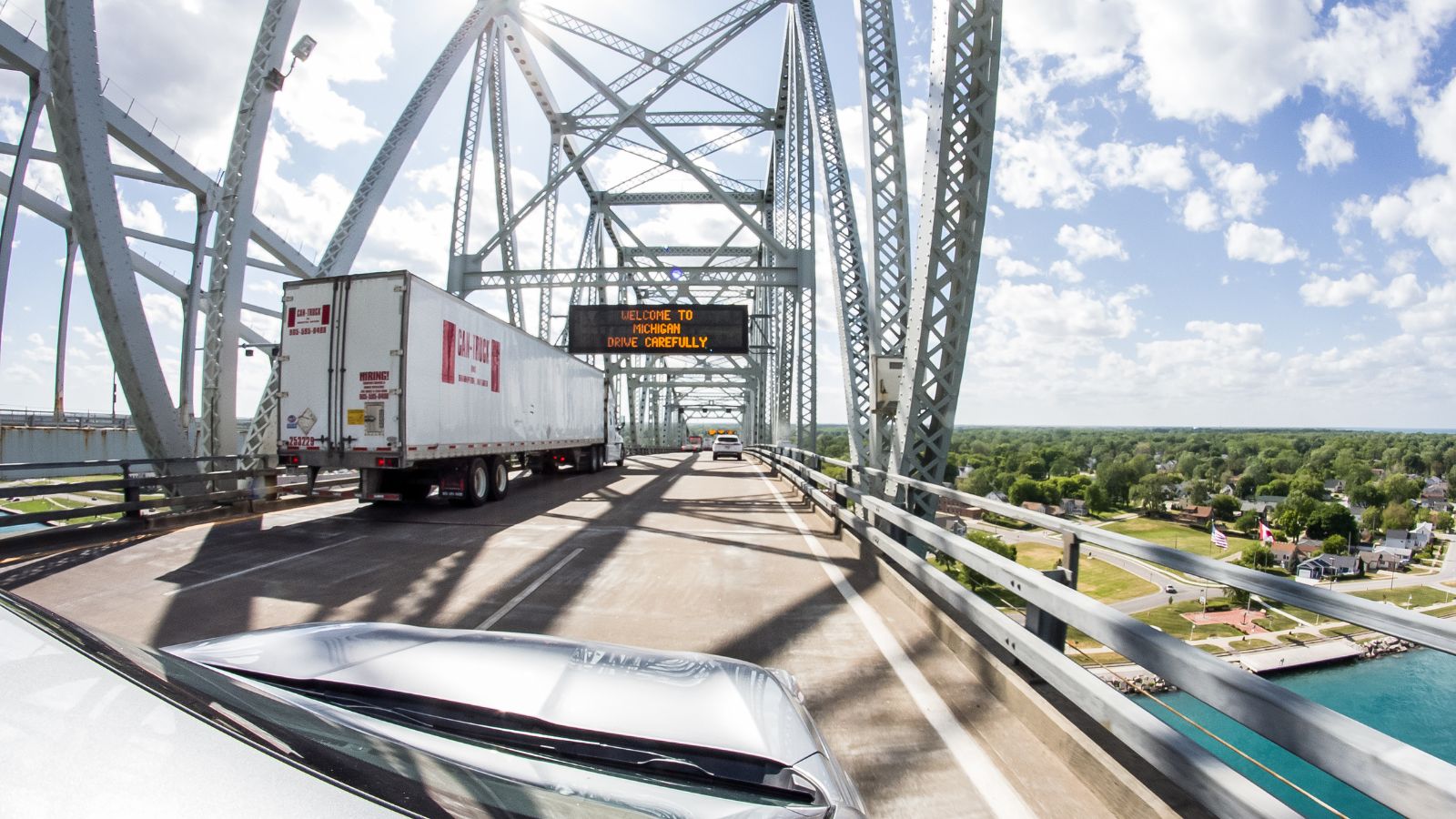
Smartphones, tablets, cameras and laptops can be examined at an international border. U.S. Customs and Border Protection states that electronic-device searches occur on rare occasions during the inspection process. CBSA similarly says examinations are conducted when officers have indicators or concerns that border laws may have been contravened rather than as a routine step for every traveller.
CBSA statistics show that only 0.007 percent of travellers and their goods processed between November 2017 and December 31, 2025, were subjected to a personal digital-device examination. However, 38 percent of those examinations detected a customs- or immigration-related contravention. Travellers should therefore avoid treating a device as legally untouchable simply because it contains personal or business information. Sensitive work data should be managed according to an employer’s travel-security policy, and essential information should be backed up before departure. Devices should contain lawful material, while travellers should be prepared to respond calmly and truthfully if an officer asks questions about them.
Verify Travel Medical Insurance
Provincial and territorial health plans may cover none or only a small portion of medical costs outside Canada, and they generally do not pay foreign bills up front. The Government of Canada does not pay a traveller’s hospital bill, medical evacuation or air ambulance expenses. This makes medical insurance important even for a short drive across the border.
A policy should cover emergency treatment, hospitalization, medical evacuation and repatriation. Pre-existing-condition clauses, stability periods, trip-duration limits and exclusions for certain activities should be reviewed carefully. Coverage included with a credit card or employee benefit package may apply only when specific conditions are met. Consider a traveller who develops severe abdominal pain during a two-night shopping trip. The distance from home does not prevent the U.S. hospital from billing for emergency imaging, treatment or surgery. Travellers should carry the insurer’s emergency telephone number and policy details, since many companies require immediate contact before arranging transfers or approving major expenses.
Save Receipts and Understand Personal Exemptions

Every purchase, gift, prize and duty-free item acquired outside Canada must be declared when returning. Keeping receipts together makes the process faster and helps officers calculate the correct value. Vehicle repairs or alterations completed abroad must also be reported, a detail that can surprise motorists who had tires, bodywork or mechanical repairs completed during the trip.
Canadian residents returning after at least 24 hours may claim a personal exemption of up to CAN$200, but alcohol and tobacco are excluded. If the total exceeds CAN$200, duties and taxes can apply to the entire amount. After at least 48 hours, the exemption rises to CAN$800, and eligible alcohol and tobacco can be included within prescribed limits. There is no personal exemption for a same-day shopping trip. Travellers should not divide one expensive item artificially among family members or hide purchases in luggage. Declaring an item does not always mean a large bill, while failing to declare can lead to seizure and penalties.
Check Alcohol, Tobacco and Vaping Limits

Alcohol, tobacco and vaping products must be declared when returning to Canada. After an absence of at least 48 hours, an eligible traveller may include one alcohol allowance in the personal exemption: up to 1.5 litres of wine, 1.14 litres of alcoholic beverages or 8.5 litres of beer or ale. Provincial or territorial age requirements and import limits still apply.
The duty-free tobacco allowance can include 200 cigarettes, 50 cigars, 200 grams of manufactured tobacco and 200 tobacco sticks, subject to applicable rules. Current exemptions also address vaping products, including limits based on liquid or solid quantities and the number of devices or immediate containers. Stamping requirements can affect the duty charged on tobacco and vaping products. Travellers returning from a same-day trip should not assume that a duty-free store creates a personal exemption; the length-of-absence rules still govern. Products should remain accessible for inspection, and quantities above the allowance should be declared so that officials can assess any duty, taxes or provincial levies properly.
19 Things Canadians Don’t Realize the CRA Can See About Their Online Income

Earning money online feels simple and informal for many Canadians. Freelancing, selling products, and digital services often start as side projects. The problem appears at tax time. Many people underestimate how much information the CRA can access. Online platforms, banks, and payment processors create detailed records automatically. These records do not disappear once money hits an account. Small gaps in reporting add up quickly.
Here are 19 things Canadians don’t realize the CRA can see about their online income.
This Options Discord Chat is The Real Deal
While the internet is scoured with trading chat rooms, many of which even charge upwards of thousands of dollars to join, this smaller options trading discord chatroom is the real deal and actually providing valuable trade setups, education, and community without the noise and spam of the larger more expensive rooms. With a incredibly low-cost monthly fee, Options Trading Club (click here to see their reviews) requires an application to join ensuring that every member is dedicated and serious about taking their trading to the next level. If you are looking for a change in your trading strategies, then click here to apply for a membership.