
35,000+ smart investors are already getting financial news, market signals, and macro shifts in the economy that could impact their money next with our FREE weekly newsletter. Get ahead of what the crowd finds out too late. Click Here to Subscribe for FREE.
Canada has a long history of proactively addressing societal, environmental, and technological challenges before many other nations. From establishing universal healthcare to pioneering wildlife conservation, the country consistently implemented innovative solutions that prioritized public well-being and sustainability. Here are 20 problems Canada solved before anyone else.
Universal Healthcare Accessibility
20 Problems Canadians Solved Before Anyone Else
- Universal Healthcare Accessibility
- Nationwide Public Broadcasting Model
- Early Adoption of Chip and PIN Payments
- Creation of a National Park System
- Development of Modern Peacekeeping
- Advanced Weather and Climate Monitoring Systems
- Smoke Free Public Spaces Policies
- Ice Road Engineering and Winter Infrastructure
- Nationwide Recycling and Waste Diversion Programs
- Regulation of Food Safety and Packaging Standards
- Large-Scale Freshwater Management Policies
- Emergency Alert Broadcasting System
- High Standard Aviation Safety Regulations
- Cross Country Rail Connectivity Solutions
- National Multiculturalism Policy
- Early Legal Protections for Same Sex Marriage
- Wildlife Protection and Conservation Models
- Universal Child Benefit Systems
- Modern Forest Fire Management Techniques
- Nationwide Immunization Strategies
- 21 Products Canadians Should Stockpile Before Tariffs Hit

Canada’s universal healthcare system emerged from a need to provide consistent access to medical services regardless of income or location. Provinces began adopting publicly funded models in the mid-twentieth century, eventually forming a national framework that prioritized preventive care and equitable treatment. This shift reduced financial barriers for millions and set a global example for affordability and accessibility. Canada solved core issues early by focusing on physician coverage, hospital services, and standardized patient rights. These foundations allowed the system to evolve into one of the world’s most stable healthcare models. It remains a benchmark for fair and universal access.
Nationwide Public Broadcasting Model

Canada established its public broadcasting system to ensure that citizens across vast regions received consistent access to news, culture, and education. The model focused on national unity and public service, offering programming that reflected regional voices and linguistic diversity. The system addressed challenges faced by private broadcasters in remote areas and built a reliable, publicly accountable network that strengthened civic engagement. By creating a stable funding structure and prioritizing Canadian content, the country solved media accessibility issues before many others. Today, it continues to serve as a framework for balanced reporting and cultural preservation across a geographically large nation.
Early Adoption of Chip and PIN Payments

Canada moved quickly to adopt chip and PIN technology as a response to rising fraud and outdated magnetic stripe systems. Financial institutions coordinated national upgrades that improved payment security and reduced counterfeit card incidents. The adoption process was streamlined through early standard setting, strong regulatory support, and collaboration with retailers. This transition gave Canadians safer transactions years before other major markets implemented similar systems. The result was a secure and efficient payment environment that set a global benchmark. Canada’s early action demonstrated how coordinated modernization of financial infrastructure can reduce risk and improve daily economic activity.
Creation of a National Park System
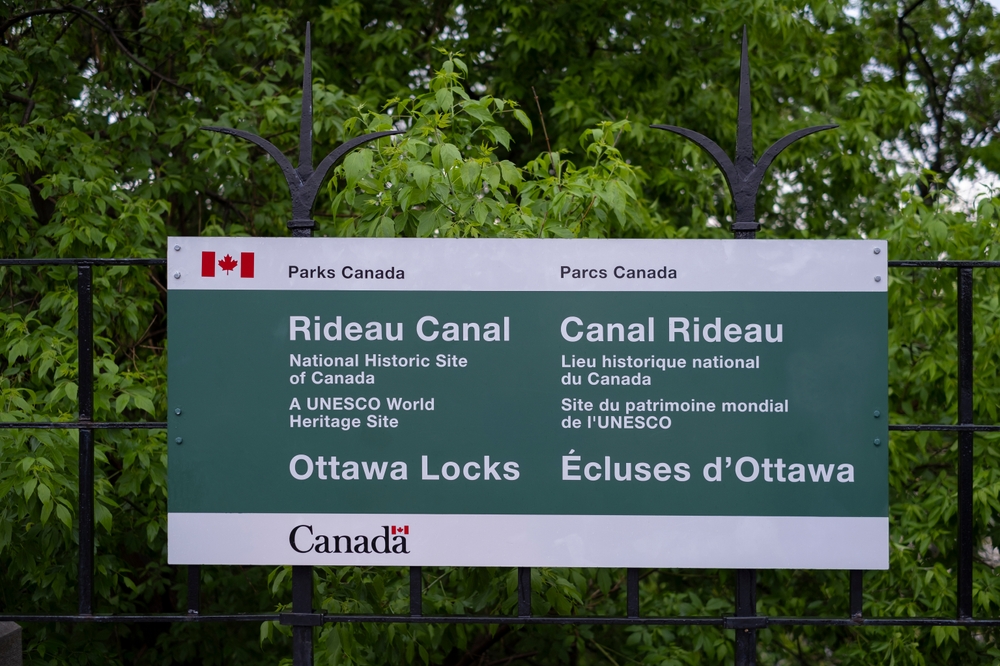
Canada began establishing its national parks to protect natural landscapes and ensure public access to preserved wilderness. The early system addressed threats from industrial expansion and unregulated tourism by setting aside large areas for conservation. Over time, the parks expanded to include diverse ecosystems across provinces and territories. This approach supported long-term environmental protection and allowed Canadians to enjoy nature responsibly. Canada’s national park framework became a global model for balancing ecological preservation with public use. The system remains one of the country’s most successful environmental achievements and showcases how early planning created a lasting conservation network.
Development of Modern Peacekeeping

Canada played a significant role in shaping modern peacekeeping during the mid-twentieth century by supporting multilateral cooperation and conflict monitoring. The country helped establish frameworks for neutral intervention, international observation, and humanitarian protection. Early involvement in global missions allowed Canada to refine operational standards that influenced later international policies. The approach provided a practical alternative to unilateral military action and strengthened global stability. By participating in diverse missions, Canada contributed to early conflict resolution strategies that continue to guide international efforts. The country remains recognized for its early leadership in reliable and disciplined peacekeeping operations.
Advanced Weather and Climate Monitoring Systems

Canada developed advanced weather and climate monitoring systems to address its diverse geography and extreme seasonal conditions. Early investments in radar networks, satellite integration, and national data sharing improved forecasting accuracy and public safety. These systems supported critical sectors including transportation, agriculture, and emergency management. Canada’s early adoption of coordinated monitoring helped reduce climate-related risks and created a scientific foundation that influenced global standards. Continuous upgrades strengthened long-term planning and environmental resilience. The country’s foresight allowed it to manage severe weather with reliable information, making it one of the early leaders in climate monitoring excellence.
Smoke Free Public Spaces Policies

Canada introduced smoke-free public space policies to protect citizens from secondhand smoke and reduce long-term health risks. Early regulations targeted workplaces, restaurants, and public buildings, addressing concerns supported by growing medical evidence. Provinces coordinated their efforts to create consistent standards that were later adopted nationally. These policies helped reduce smoking rates and improve overall public health outcomes across communities. Canada implemented these protections before many other countries, demonstrating the benefits of proactive health regulation. The approach set a foundation for future wellness initiatives and remains an example of how clear policy decisions can improve population health.
Ice Road Engineering and Winter Infrastructure

Canada developed ice road engineering practices to support remote communities, mining operations, and northern supply routes during harsh winters. Early innovations focused on load testing, ice thickness monitoring, and safe route planning across frozen lakes and rivers. These systems allowed essential goods to reach areas without permanent roads. Canada refined construction standards through decades of field experience, making its winter infrastructure methods internationally recognized. The country solved logistical challenges long before similar practices were adopted elsewhere. Ice roads remain a vital seasonal link in the North and demonstrate how engineering solutions were adapted to extreme environments early on.
Nationwide Recycling and Waste Diversion Programs

Canada introduced comprehensive recycling and waste diversion programs to manage rising landfill use and environmental concerns. Municipalities adopted early curbside recycling systems that later expanded into national frameworks for plastics, paper, organics, and electronics. These programs improved waste reduction rates and encouraged responsible disposal habits across the population. Canada implemented producer responsibility policies that held manufacturers accountable for packaging impacts long before similar global moves. The country’s coordinated approach helped reduce landfill pressures and promoted sustainable behavior. Today, these systems remain strong examples of how early policy development improved environmental outcomes and influenced recycling programs worldwide.
Regulation of Food Safety and Packaging Standards

Canada strengthened food safety by creating mandatory inspection systems and strict packaging standards to protect consumers. Early regulations addressed contamination risks, labeling accuracy, and consistent storage requirements across multiple industries. The national framework unified provincial systems and created reliable oversight that many countries later adopted. These policies helped prevent foodborne illnesses and improved trust in commercial products. Canada’s early commitment to safety testing and transparent labeling set a foundation for modern regulatory practices. The system remains a benchmark for food quality assurance and demonstrates how proactive regulation solved critical public health concerns before international standards matured.
Large-Scale Freshwater Management Policies

Canada created large-scale freshwater management policies to safeguard lakes, rivers, and watersheds that serve millions of people. Early efforts targeted pollution control, sustainable usage, and cross-border water agreements. These policies protected critical ecosystems and ensured long-term water availability for households, industry, and agriculture. Canada’s proactive approach addressed challenges related to contamination, overuse, and climate variability before they became global concerns. Coordinated national and provincial strategies allowed the country to manage one of the world’s largest freshwater reserves effectively. The system remains a model for responsible resource management supported by research, monitoring, and long-term planning.
Emergency Alert Broadcasting System

Canada developed an early emergency alert broadcasting system to warn the public about severe weather, local hazards, and urgent safety threats. The system integrated television, radio, mobile networks, and online platforms to ensure timely information reached people across all regions. This coordinated framework improved response times and reduced risk during emergencies. Canada’s early adoption of standardized alert protocols set a foundation for future digital warning technologies. The system provided clear instructions during critical events and has been widely recognized for reliability and accessibility. Its development addressed communication challenges before many countries implemented similar nationwide alert networks.
High Standard Aviation Safety Regulations

Canada established strict aviation safety regulations to manage its vast airspace and diverse weather conditions. Early policies focused on pilot training, aircraft maintenance, airport safety, and regulatory oversight. These measures reduced accident rates and built a strong safety culture within the aviation sector. Canada addressed operational risks through modern navigation systems, weather protocols, and structured compliance audits. The country implemented many of these standards before similar international frameworks were formalized. As a result, its aviation safety record became a respected global benchmark. The system continues to evolve and supports safe travel across one of the world’s largest geographic regions.
Cross Country Rail Connectivity Solutions

Canada developed national rail connectivity to link distant regions and support economic growth across rural and urban areas. Early projects focused on overcoming geographic barriers and creating reliable east-to-west transportation routes. These efforts solved long-distance travel and freight challenges before many other nations built comparable systems. Rail connectivity improved trade, supported local economies, and strengthened national unity. The country’s early investment in railway infrastructure created efficient corridors that continue to serve as essential transport routes. Canada’s long-standing commitment to rail solutions remains a key example of how early planning solved major logistical challenges.
National Multiculturalism Policy

Canada introduced a National Multiculturalism Policy to promote inclusion and recognize cultural diversity across the country. Early initiatives emphasized equal opportunities, protection of minority languages, and celebration of heritage while integrating newcomers into society. Government programs provided funding for cultural organizations and supported community initiatives. These policies encouraged social cohesion and reduced discrimination, creating a model for other countries to follow. By valuing diversity proactively, Canada addressed potential social tensions before they became widespread issues elsewhere. The policy has strengthened Canadian identity, fostering understanding between communities and establishing long-term benefits for education, employment, and civic participation.
Early Legal Protections for Same Sex Marriage

Canada legalized same sex marriage nationwide in 2005, providing early legal protections for LGBTQ+ individuals. Provincial courts and federal legislation supported equality in family law, adoption, and inheritance rights. The decision followed a strong civil rights advocacy movement and extensive judicial review. By recognizing same sex partnerships before many countries, Canada ensured equal protection under the law and advanced social acceptance. Legal frameworks were implemented nationwide, including registration, spousal benefits, and anti-discrimination provisions. This early action positioned Canada as a global leader in LGBTQ+ rights and influenced international human rights discussions, demonstrating how proactive legislation can create long-term societal benefits.
Wildlife Protection and Conservation Models
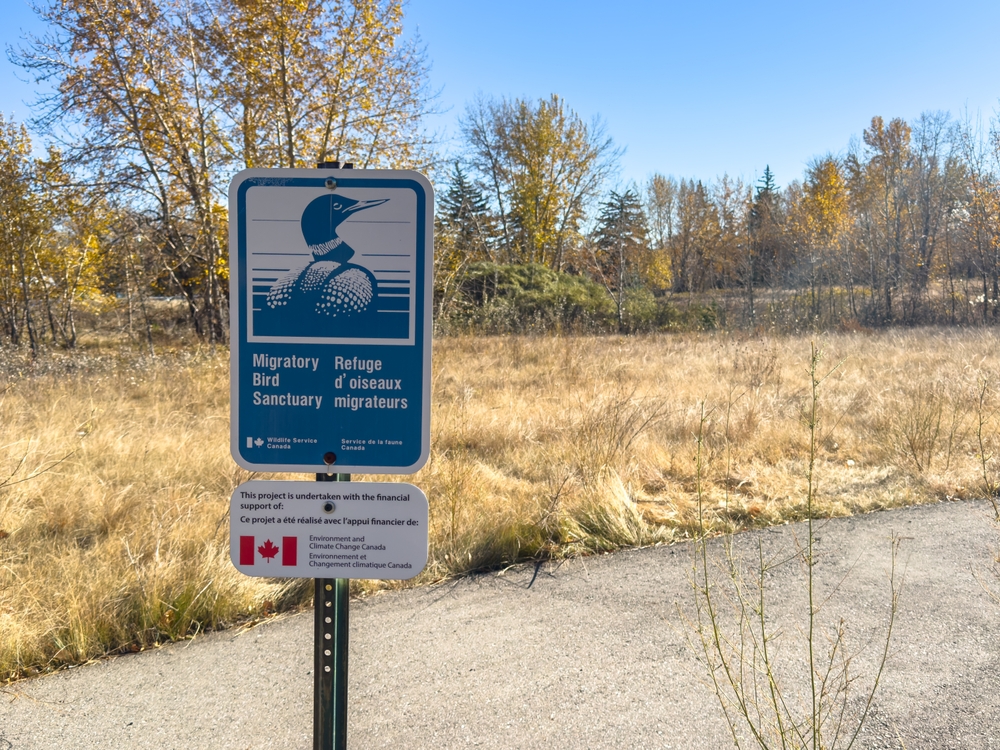
Canada pioneered wildlife protection programs to safeguard endangered species and natural habitats. Early conservation models established national parks, wildlife reserves, and strict hunting regulations. These initiatives were backed by research and government oversight to ensure biodiversity and ecosystem sustainability. Programs included public education on environmental stewardship and species monitoring to prevent extinction. By adopting these practices early, Canada mitigated ecological damage and inspired similar conservation strategies internationally. The country continues to implement innovative policies for wildlife corridors, marine protection, and species recovery programs. Canada’s proactive approach shows how early action can preserve natural resources while balancing human development needs.
Universal Child Benefit Systems

Canada created universal child benefit systems to support families and improve child welfare. Early programs provided financial assistance to households regardless of income, helping to reduce poverty, improve nutrition, and ensure access to education. Policies included tax credits, direct payments, and support for childcare services. These measures strengthened family stability and enhanced long-term economic opportunities for children. Canada’s early adoption of comprehensive child benefits influenced similar policies in other nations. The system addressed immediate financial needs while promoting long-term societal gains, including higher educational attainment, better health outcomes, and stronger community engagement, making it a model for family-centered social policy.
Modern Forest Fire Management Techniques

Canada developed modern forest fire management techniques to protect communities, ecosystems, and timber resources. Early strategies included controlled burns, firebreak construction, aerial surveillance, and rapid response teams. Research-driven methods allowed authorities to predict fire behavior, reduce damage, and implement efficient evacuation plans. Coordination between federal, provincial, and local agencies ensured resource sharing and training programs for firefighting personnel. By implementing these techniques early, Canada mitigated the impact of large-scale forest fires and improved safety standards. The country’s approach has become a reference for wildfire management internationally, demonstrating how early investments in infrastructure, technology, and training can prevent natural disasters from becoming crises.
Nationwide Immunization Strategies

Canada implemented nationwide immunization strategies to protect public health and prevent disease outbreaks. Early programs standardized vaccination schedules, tracked coverage rates, and ensured access in urban and rural communities. Policies targeted children, vulnerable populations, and remote regions to reduce transmission of preventable diseases. Public education campaigns promoted compliance and trust in vaccines. By acting proactively, Canada reduced morbidity and mortality rates, setting global benchmarks for vaccination programs. Coordinated national efforts and research partnerships allowed for rapid response to epidemics. The strategy demonstrated how early, organized public health initiatives can save lives, limit economic disruption, and strengthen national healthcare systems.
21 Products Canadians Should Stockpile Before Tariffs Hit

If trade tensions escalate between Canada and the U.S., everyday essentials can suddenly disappear or skyrocket in price. Products like pantry basics and tech must-haves that depend on are deeply tied to cross-border supply chains and are likely to face various kinds of disruptions
21 Products Canadians Should Stockpile Before Tariffs Hit
This Options Discord Chat is The Real Deal
While the internet is scoured with trading chat rooms, many of which even charge upwards of thousands of dollars to join, this smaller options trading discord chatroom is the real deal and actually providing valuable trade setups, education, and community without the noise and spam of the larger more expensive rooms. With a incredibly low-cost monthly fee, Options Trading Club (click here to see their reviews) requires an application to join ensuring that every member is dedicated and serious about taking their trading to the next level. If you are looking for a change in your trading strategies, then click here to apply for a membership.