
35,000+ smart investors are already getting financial news, market signals, and macro shifts in the economy that could impact their money next with our FREE weekly newsletter. Get ahead of what the crowd finds out too late. Click Here to Subscribe for FREE.
Canada’s northern regions are home to unique challenges, from extreme climates to remote geography, yet these communities have achieved remarkable successes that often go unnoticed. Through innovation, resilience, and local leadership, northern Canadians have transformed harsh environments into thriving hubs of research, culture, and sustainable development. Here are 19 Canadian successes hidden in the north.
Northern Mining Operations Driving Global Resource Supply
19 Canadian Successes Hidden in the North
- Northern Mining Operations Driving Global Resource Supply
- Arctic Research Stations Advancing Climate Science
- Indigenous-Led Tourism Initiatives Preserving Culture
- Renewable Energy Projects in Remote Northern Communities
- Northern Wildlife Conservation Programs
- Ice Road Logistics Supporting Remote Economies
- Northern Healthcare Outreach and Telemedicine Services
- Community-Led Education Programs in the North
- Arctic Shipping Route Development and Management
- Northern Infrastructure Projects for Connectivity
- Remote Fisheries Management and Sustainable Harvesting
- Polar Science and Environmental Monitoring Stations
- Northern Arts and Cultural Preservation Projects
- Innovative Housing Solutions for Extreme Climates
- Remote Communication Networks and Technology Hubs
- Disaster Preparedness and Emergency Response in the North
- Indigenous-Led Governance Models and Land Stewardship
- Arctic Sports and Recreational Programs Promoting Community
- Environmental Advocacy and Policy Influence from Northern Communities
- 21 Products Canadians Should Stockpile Before Tariffs Hit

Canada’s northern mining sector plays a critical role in supplying essential minerals and metals to the global market. Operations in regions like Yukon, Northwest Territories, and Nunavut extract gold, nickel, diamonds, and rare earth elements, supporting technological, industrial, and energy sectors worldwide. Despite challenging climates, northern mines have established efficient logistics, environmental safeguards, and community engagement programs. Indigenous partnerships ensure local benefits, while technological innovations improve safety and productivity. These operations contribute significantly to Canada’s economy and global influence.
Arctic Research Stations Advancing Climate Science

Canada’s Arctic research stations are at the forefront of global climate science, monitoring temperature changes, ice melt, and ecosystem shifts. Facilities such as Alert and Cambridge Bay host multidisciplinary teams studying permafrost, greenhouse gas emissions, and polar weather patterns. Data collected informs national and international climate policies, adaptation strategies, and scientific models. Collaboration with universities, Indigenous communities, and international research organizations ensures comprehensive insights. These stations also support technological development in remote sensing and environmental monitoring.
Indigenous-Led Tourism Initiatives Preserving Culture
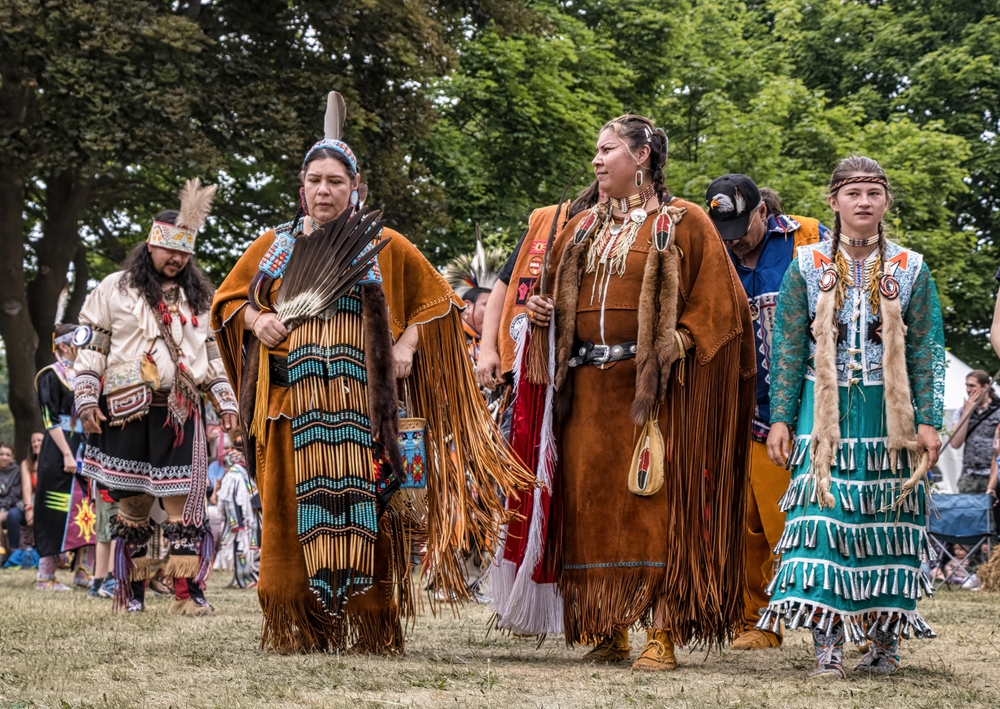
Indigenous communities in Canada’s northern regions have developed tourism initiatives that showcase culture, history, and natural landscapes. Experiences like guided cultural tours, traditional storytelling, and artisan craft workshops allow visitors to engage authentically with Indigenous heritage. These programs support local economies while preserving languages, traditions, and ecological knowledge. Partnerships with regional tourism boards and sustainable business practices ensure long-term viability. Training programs provide employment opportunities and leadership development for community members.
Renewable Energy Projects in Remote Northern Communities

Remote northern communities face high energy costs due to reliance on diesel imports. Canada has invested in renewable energy projects, including solar, wind, and small-scale hydroelectric systems, to reduce emissions and increase reliability. Projects in Nunavut, Northwest Territories, and northern Quebec combine modern technology with community-led management. Solar grids and wind turbines are designed to withstand extreme weather conditions. These initiatives improve energy independence, lower utility costs, and create local jobs.
Northern Wildlife Conservation Programs
Canada’s northern regions host unique ecosystems and endangered species requiring specialized conservation efforts. Programs focus on protecting polar bears, caribou, migratory birds, and Arctic marine life. Initiatives involve habitat protection, population monitoring, and collaboration with Indigenous communities to integrate traditional ecological knowledge. Enforcement of hunting regulations, sustainable tourism practices, and scientific research ensures biodiversity preservation. Funding from federal and territorial governments supports long-term studies and community stewardship programs. Northern wildlife conservation programs not only safeguard ecosystems but also contribute to climate resilience, environmental education, and global biodiversity protection.
Ice Road Logistics Supporting Remote Economies

Ice roads are critical for transporting goods, equipment, and resources to isolated northern communities during the winter months. Canada’s ice road network enables the delivery of fuel, construction materials, and food to remote mining sites and settlements. Engineering and safety standards have evolved to adapt to climate variability, ensuring reliable and secure transport. These roads provide economic lifelines for northern communities and industries while minimizing environmental disruption compared to permanent road construction. Ice road logistics exemplify innovative problem-solving under harsh conditions, supporting both local economies and resource extraction efforts.
Northern Healthcare Outreach and Telemedicine Services

Healthcare delivery in Canada’s northern regions faces challenges due to isolation and limited infrastructure. Telemedicine and mobile outreach programs provide critical access to medical care, connecting residents with physicians, specialists, and mental health support remotely. Mobile clinics visit communities regularly, offering preventive care, vaccinations, and chronic disease management. Partnerships with territorial health authorities, Indigenous organizations, and federal funding enhance service reach and quality. Telehealth technology ensures continuity of care during harsh winters and reduces the need for long-distance travel.
Community-Led Education Programs in the North
Northern Canadian communities have developed education programs tailored to local needs, emphasizing culturally relevant curricula and Indigenous knowledge. Community schools and after-school programs integrate language preservation, traditional skills, and modern subjects to empower youth. Remote learning technologies, including online platforms and satellite internet, expand access to secondary and post-secondary education. Partnerships with universities and territorial education boards provide teacher training and resources. These programs improve literacy, graduation rates, and employment opportunities while strengthening community identity.
Arctic Shipping Route Development and Management

Canada has invested in the development and management of Arctic shipping routes to support trade, resource access, and emergency logistics. Seasonal icebreakers and navigation systems enable safe transport through previously inaccessible areas. Environmental and safety protocols protect marine ecosystems and Indigenous livelihoods. These routes reduce shipping times between Asia, Europe, and North America while supporting northern industries like mining and energy. Collaborative governance with international stakeholders ensures compliance with global maritime laws. Arctic shipping development enhances Canada’s strategic position.
Northern Infrastructure Projects for Connectivity
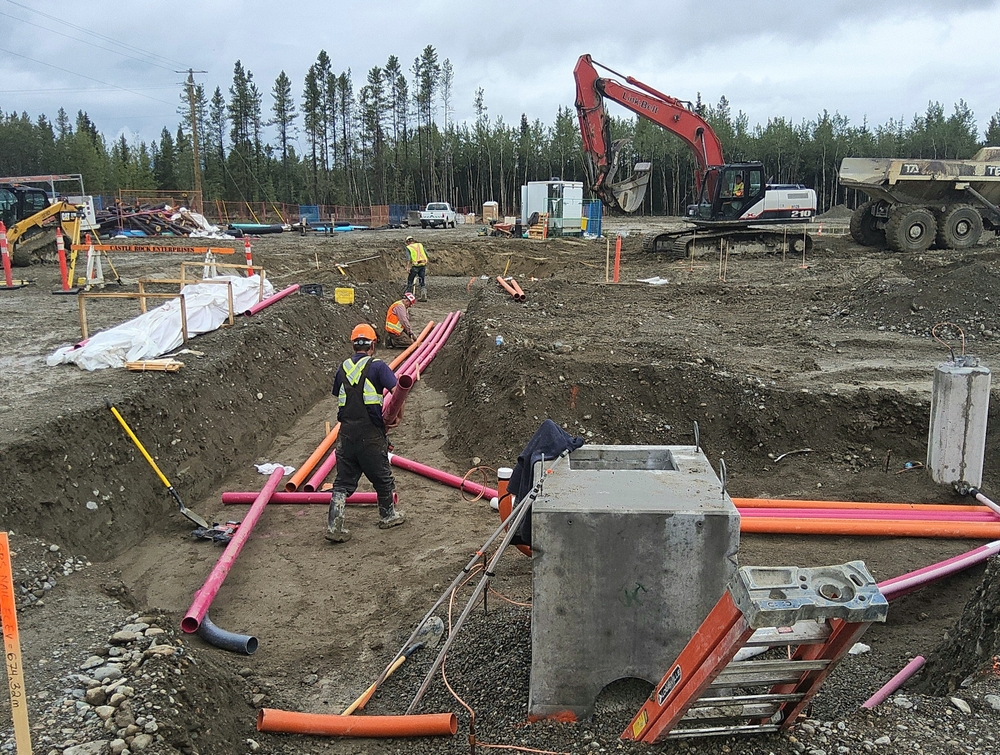
Infrastructure development in Canada’s North is essential for connecting isolated communities to economic and social opportunities. Roads, airports, bridges, and communications networks facilitate the movement of goods, services, and people. Projects often incorporate innovative engineering techniques to withstand permafrost, extreme temperatures, and seasonal variations. Investments in renewable energy, water systems, and waste management enhance the quality of life while minimizing environmental impact. Community consultation ensures that local needs and cultural practices are respected.
Remote Fisheries Management and Sustainable Harvesting
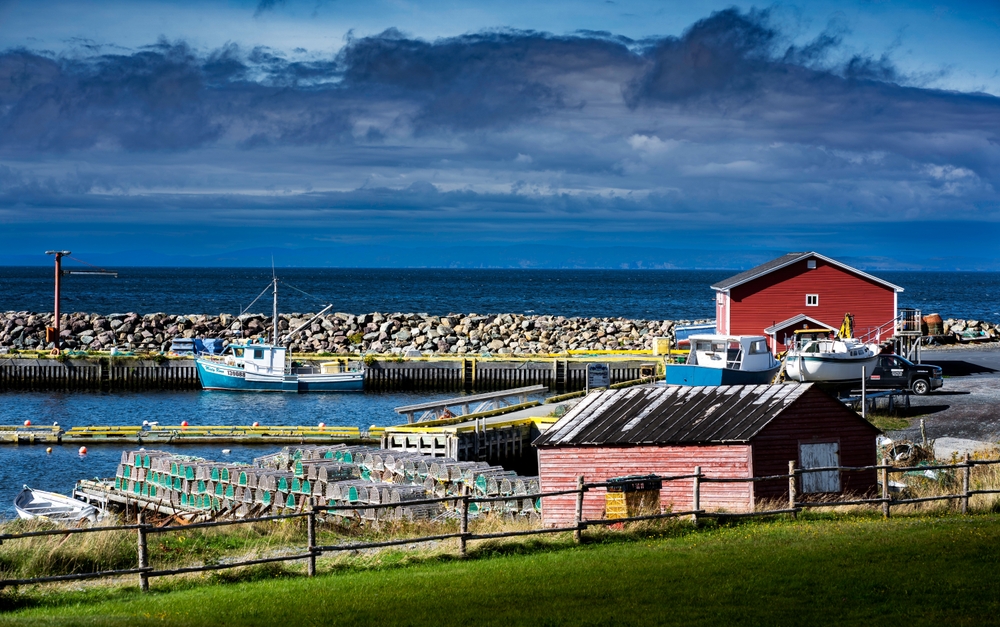
Canada’s northern fisheries provide critical food sources and economic opportunities for coastal and Indigenous communities. Remote fisheries management programs implement sustainable harvesting quotas, monitor stock levels, and enforce conservation regulations. Partnerships with Indigenous organizations ensure the integration of traditional ecological knowledge, maintaining cultural practices while protecting marine ecosystems. Investment in cold storage, transport, and technology allows fisheries to access national and international markets efficiently. Sustainable management preserves biodiversity and supports long-term community livelihoods.
Polar Science and Environmental Monitoring Stations

Polar science and environmental monitoring stations in Canada’s North collect vital data on climate, ice coverage, wildlife, and atmospheric changes. These facilities support research on global warming, permafrost degradation, and Arctic biodiversity. Scientists collaborate with Indigenous communities to incorporate traditional knowledge into research methodologies. The stations also provide early warning systems for natural disasters and contribute to global climate models. Advanced remote sensing and satellite technology improve data accuracy and accessibility. Polar science initiatives strengthen Canada’s leadership in climate research, environmental protection, and international scientific collaboration.
Northern Arts and Cultural Preservation Projects
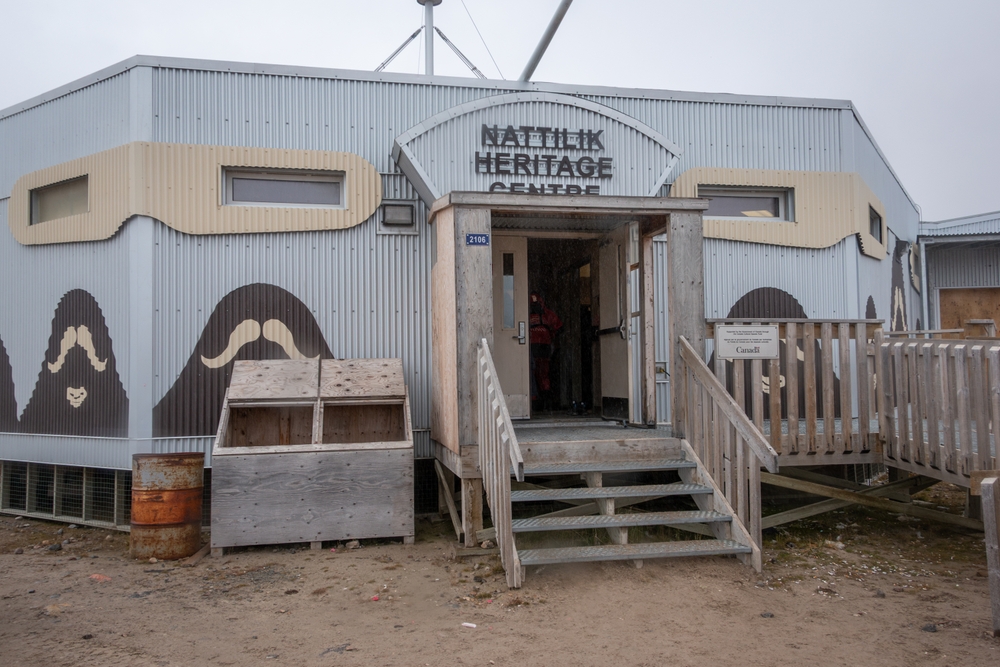
Northern Canadian communities prioritize preserving Indigenous art, music, storytelling, and cultural traditions. Programs support local artists, cultural festivals, craft workshops, and heritage centers that celebrate regional identities. Schools incorporate cultural education, ensuring younger generations maintain language, skills, and practices. Funding and partnerships with federal and territorial arts councils sustain galleries, performance spaces, and community events. These projects create tourism opportunities, strengthen local economies, and foster community pride. Northern arts and cultural preservation initiatives showcase Canada’s commitment to protecting heritage.
Innovative Housing Solutions for Extreme Climates
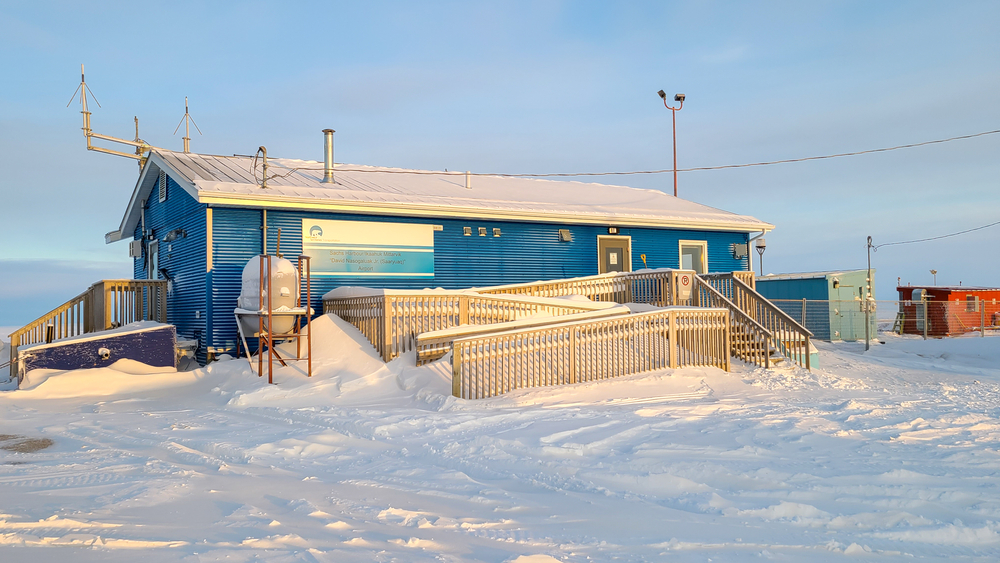
Northern communities face unique challenges due to extreme cold, permafrost, and seasonal variations. Innovative housing solutions include insulated modular homes, elevated structures, and energy-efficient designs that withstand harsh conditions while reducing heating costs. Local materials, renewable energy systems, and community planning ensure sustainability and resilience. Collaboration with architects, engineers, and Indigenous knowledge holders produces culturally appropriate designs. These homes improve health, safety, and comfort for residents, while supporting population retention in remote areas. Innovative northern housing demonstrates Canada’s ability to combine technology, environmental adaptation, and cultural sensitivity.
Remote Communication Networks and Technology Hubs

Canada’s North has developed remote communication networks and technology hubs to bridge vast distances and geographic isolation. Satellite internet, fiber-optic connections, and wireless infrastructure provide access to education, healthcare, commerce, and emergency services. Local technology hubs support entrepreneurship, remote work, and skills training, creating economic opportunities in otherwise isolated regions. Partnerships with private companies, governments, and Indigenous communities ensure equitable service delivery and cultural relevance. Remote communication and technology development enhance social connectivity, improve access to essential services, and foster innovation.
Disaster Preparedness and Emergency Response in the North
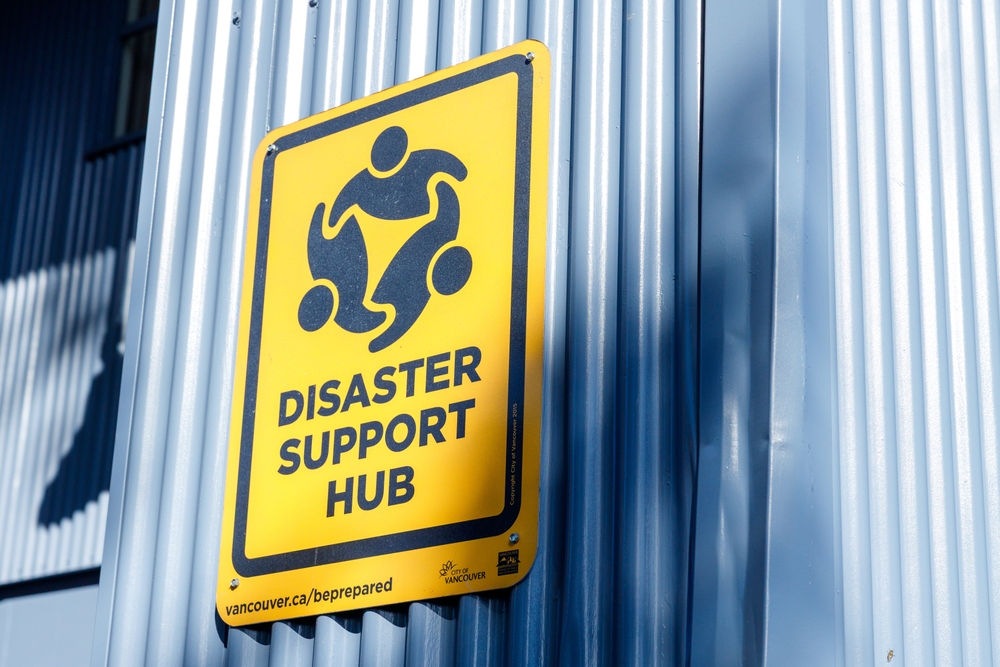
Northern Canada faces unique environmental risks, including extreme weather, forest fires, and ice-related hazards. Disaster preparedness programs involve community training, early warning systems, and specialized response teams capable of operating in remote areas. Coordination with government agencies, Indigenous organizations, and emergency services ensures rapid and culturally sensitive interventions. Investments in equipment, shelters, and transport infrastructure enhance resilience and safety. Northern disaster preparedness initiatives protect lives, property, and critical resources while fostering community awareness and cooperation.
Indigenous-Led Governance Models and Land Stewardship

Indigenous communities in Canada’s North lead governance initiatives that integrate traditional knowledge with modern administrative systems. Land stewardship programs focus on sustainable resource use, environmental protection, and cultural preservation. Co-management agreements with federal and territorial governments allow for shared decision-making in areas such as wildlife management, forestry, and development projects. Indigenous-led governance ensures that northern policies reflect local priorities, cultural values, and long-term sustainability goals. These models enhance self-determination, strengthen community resilience, and promote equitable resource allocation.
Arctic Sports and Recreational Programs Promoting Community

Sports and recreational programs in northern Canada foster physical health, cultural engagement, and community cohesion. Initiatives include traditional games, hockey leagues, skiing, and outdoor adventure programs adapted to extreme climates. Community centers, schools, and local organizations provide youth mentorship, skill development, and leadership opportunities through these activities. Recreational programs also support mental health and combat social isolation in remote areas. Participation strengthens local identity, encourages healthy lifestyles, and fosters intergenerational connections.
Environmental Advocacy and Policy Influence from Northern Communities

Northern communities in Canada actively engage in environmental advocacy, influencing national and international policy decisions. Residents collaborate with scientists, governments, and Indigenous organizations to protect fragile ecosystems, monitor climate change impacts, and promote sustainable development. Initiatives include Arctic conservation programs, wildlife protection, and responsible resource management. Community-led research and advocacy provide data and insights critical for shaping legislation, industry practices, and global environmental agreements. Northern voices ensure that environmental policies reflect local realities and long-term sustainability priorities.
21 Products Canadians Should Stockpile Before Tariffs Hit

If trade tensions escalate between Canada and the U.S., everyday essentials can suddenly disappear or skyrocket in price. Products like pantry basics and tech must-haves that depend on are deeply tied to cross-border supply chains and are likely to face various kinds of disruptions
21 Products Canadians Should Stockpile Before Tariffs Hit
This Options Discord Chat is The Real Deal
While the internet is scoured with trading chat rooms, many of which even charge upwards of thousands of dollars to join, this smaller options trading discord chatroom is the real deal and actually providing valuable trade setups, education, and community without the noise and spam of the larger more expensive rooms. With a incredibly low-cost monthly fee, Options Trading Club (click here to see their reviews) requires an application to join ensuring that every member is dedicated and serious about taking their trading to the next level. If you are looking for a change in your trading strategies, then click here to apply for a membership.