
35,000+ smart investors are already getting financial news, market signals, and macro shifts in the economy that could impact their money next with our FREE weekly newsletter. Get ahead of what the crowd finds out too late. Click Here to Subscribe for FREE.
Every G7 summit arrives with declarations of unity and cooperative goals. Reality often unfolds less smoothly. Competing national priorities surface quickly once talks begin. Political grandstanding sometimes replaces genuine collaboration. During tense moments, Canada has repeatedly chosen to moderate rather than amplify conflict. Canadian delegations often prioritized diplomacy, procedural calm, and compromise while others escalated public disagreements. Here are 19 times Canada was the only adult in the room at the G7.
The 1976 Puerto Rico Oil Shock Meetings
19 Times Canada Was the Only Adult in the Room at the G7
- The 1976 Puerto Rico Oil Shock Meetings
- The 1988 Toronto Free Trade Debates
- The 1995 Halifax Debt Relief Talks
- The 2002 Kananaskis Security Agenda
- The 2005 Gleneagles Climate Discussions
- The 2008 Financial Crisis Emergency Session
- The 2010 Muskoka Maternal Health Push
- The 2014 Crimea Crisis Coordination
- The 2016 Japanese Trade Disagreements
- The 2018 Charlevoix Social Media Blowup
- The 2019 Wildfire Climate Funding Session
- The 2020 Pandemic Response Alignment Calls
- The 2021 Vaccine Equity Push
- The 2021 Infrastructure Cooperation Talks
- The 2022 Ukraine Refugee Resettlement Debate
- The 2022 Energy Price Stabilization Efforts
- The 2023 AI Regulation Alignment Files
- The 2023 Semiconductor Supply Negotiations
- The 2024 Climate Financing Reconciliation
- 22 Groceries to Grab Now—Before another Price Shock Hits Canada

During the 1976 G7 meetings addressing post-embargo energy instability, Canada promoted coordinated conservation strategies. Other governments argued publicly over national stockpiles and price ceilings. Canada emphasized shared petroleum reserve planning instead of public scapegoating. Then-Prime Minister Pierre Trudeau urged multilateral burden-sharing rather than competitive hoarding. Delegates later credited Canada’s measured position for diffusing heated negotiations. The approach contrasted sharply with louder nationalist bargaining tactics.
The 1988 Toronto Free Trade Debates
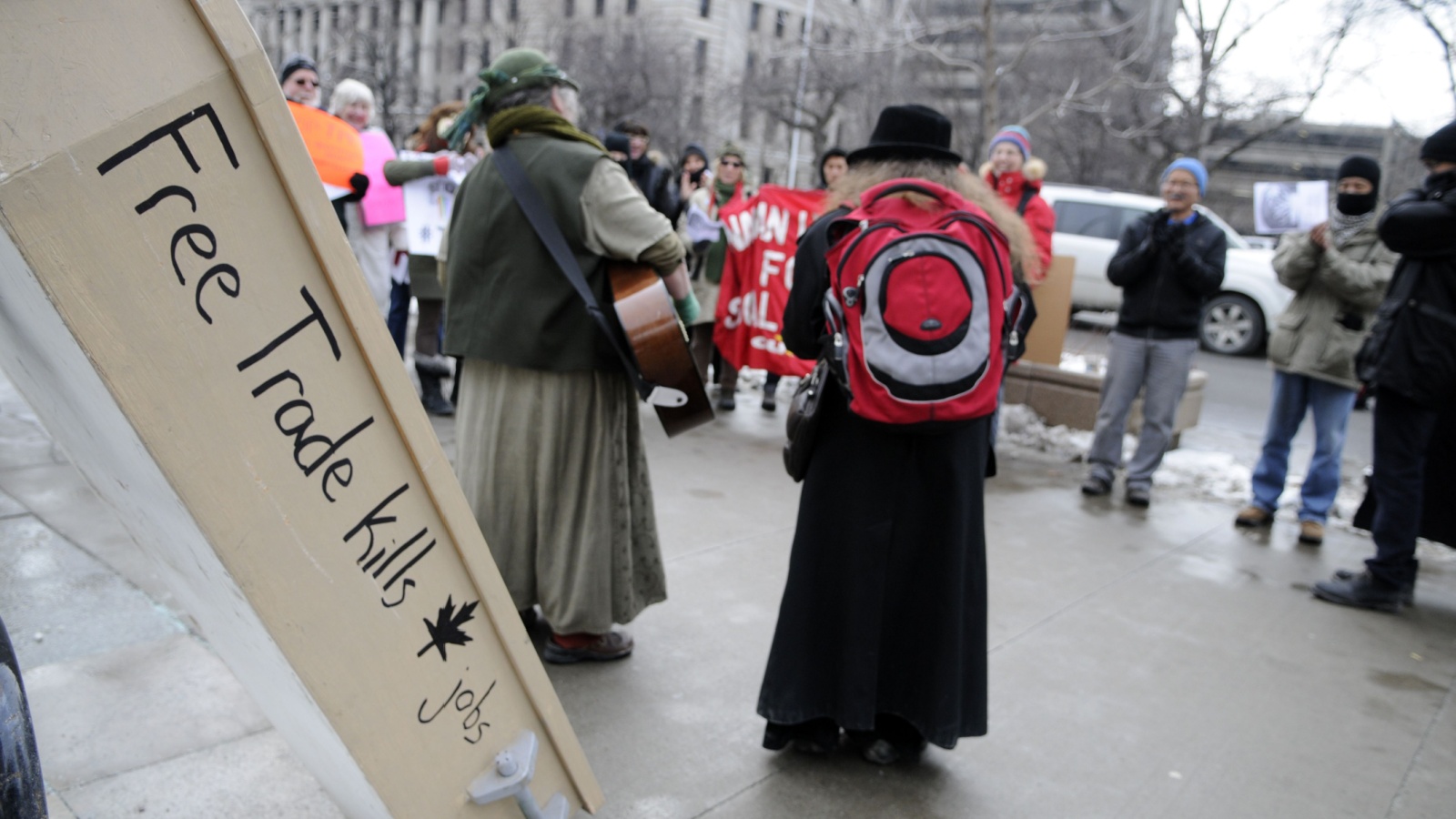
When hosting the 1988 Toronto summit, Canada navigated rising tensions over global trade liberalization. Several leaders leaned toward protectionist rhetoric amid domestic political pressures. Canada remained vocal about maintaining open markets and dispute resolution mechanisms. Officials refocused summit agendas toward incremental trade cooperation commitments. The discussions resisted devolving into mutual accusation sessions. Canada highlighted economic interdependence data to re-ground conversations.
The 1995 Halifax Debt Relief Talks

In 1995, Canada hosted the G7 amid calls for debt relief for developing nations. Some governments resisted stronger financial guarantees. Canada advocated structured forgiveness programs paired with accountability support. Finance officials presented compromise frameworks bridging donor concerns and humanitarian needs. Negotiations softened resistance. Resulting agreements included modest early debt relief initiatives. The summit outcome later inspired expanded multilateral programs. Canada’s engagement demonstrated ethical leadership within economic diplomacy spaces.
The 2002 Kananaskis Security Agenda

Following September 2001 global terror threats, security dominated the 2002 summit in Kananaskis. Governments debated aggressive unilateral military responses. Canada stressed strengthened intelligence sharing and humanitarian stabilization aid together. Officials worked discretely to craft inclusive anti-terror frameworks. Emphasis remained on multilateral cooperation rather than escalation rhetoric. Summits concluded with security commitments focused on balanced responses. Canada helped prevent reactionary language from dominating official declarations. Aid reconstruction initiatives gained recognition as stability tools.
The 2005 Gleneagles Climate Discussions

During the 2005 Gleneagles summit, climate obligations provoked resistance from high-emission members. Canada focused discussions on achievable transition measures. Officials proposed sector-specific carbon initiatives rather than blanket mandates. The approach encouraged compromise acceptance. Climate commitments gained inclusion within summit statements despite disagreements. Canadian strategy emphasized forward progress over rhetorical purity battles. This flexible mediation kept environmental cooperation alive within a divided table. Subsequent bilateral climate partnerships traced origins to these sessions.
The 2008 Financial Crisis Emergency Session

As global markets collapsed in 2008, G7 leaders debated bailouts and stimulus approaches aggressively. Canada’s banking stability served as calm counterpoint discussion anchor. Finance officials shared regulatory frameworks publicly. Other leaders sought guidance on deposit insurance and capitalization models. Canada avoided triumphal messaging. Instead, narrative emphasized regulatory discipline benefits humbly. Coordinated stabilization strategies improved afterwards. The crisis response took cooperative shape partly due to Canada’s tone-setting moderation. It proved that quiet competence sometimes influences more than loud declarations.
The 2010 Muskoka Maternal Health Push

Canada used its G7 host role in 2010 to champion maternal and child health funding. Other leaders initially prioritized domestic economic recovery agendas. Canada maintained steady advocacy. Officials reframed healthcare initiatives as long-term stability investments. Negotiations gradually secured consensus backing. The resulting Muskoka Initiative pledged billions toward global maternal care. Canada’s persistence overcame competing domestic priorities elsewhere. The success highlighted issue leadership without public confrontation.
The 2014 Crimea Crisis Coordination
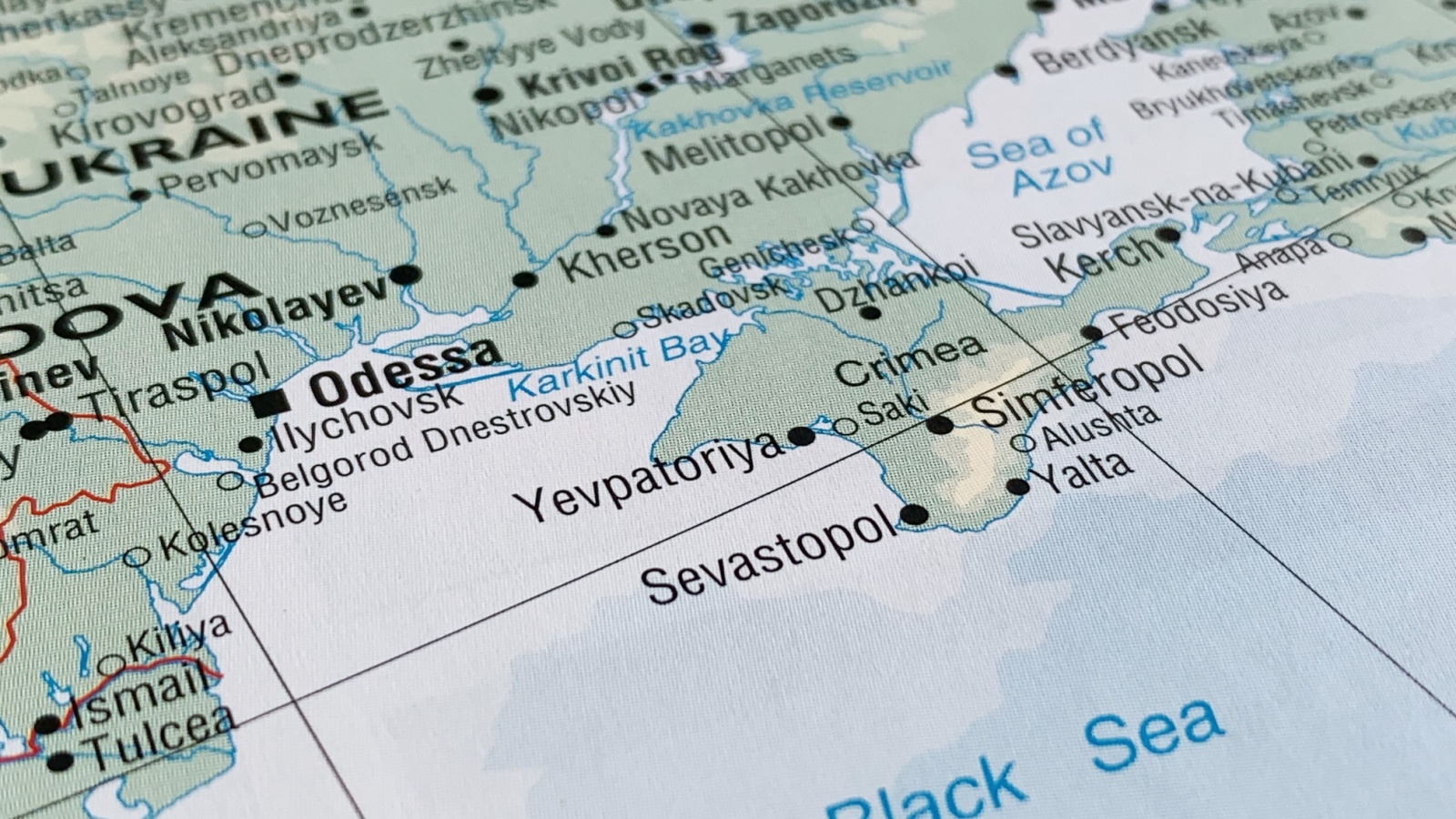
In 2014, geopolitical tensions surged after Russia’s annexation of Crimea. Canada supported unified diplomatic sanctions rather than fragmented national responses. Leaders debated measured or symbolic actions publicly. Canada steered calls toward cohesive allied penalties. Diplomatic staff emphasized alliance solidarity risks if divisions emerged. The consensus that followed strengthened coordinated economic sanctions frameworks. Canadian leadership helped prevent diluted policy outcomes. Unity underscored diplomatic credibility globally. Ottawa advocated policy coherence over rhetorical demonstrations.
The 2016 Japanese Trade Disagreements

During the 2016 Ise-Shima summit, trade negotiations strained alliances. Domestic political pressures hardened positions. Canada quietly brokered behind-the-scenes compromise language supporting free trade continuity. Officials met bilaterally with multiple delegations encouraging moderation. Final statements preserved broad trade support without polarizing rhetoric. Canada avoided headline confrontations while doing essential mediation work. This approach ensured summits maintained progress tone rather than gridlock optics.
The 2018 Charlevoix Social Media Blowup

The 2018 Charlevoix summit descended into online controversy after foreign leaders withdrew communiqués support publicly. Canada refused escalation theatrics. Prime Minister Justin Trudeau responded calmly emphasizing unity intentions. Diplomats preserved working agreements privately. The incident showcased Canada prioritizing institutional continuity over media spectacle. Summit follow-up mechanisms remained intact despite political drama. Canada avoided retaliatory statements that could inflame tensions further. Focus stayed on sustaining diplomatic operations beyond public controversy cycles.
The 2019 Wildfire Climate Funding Session
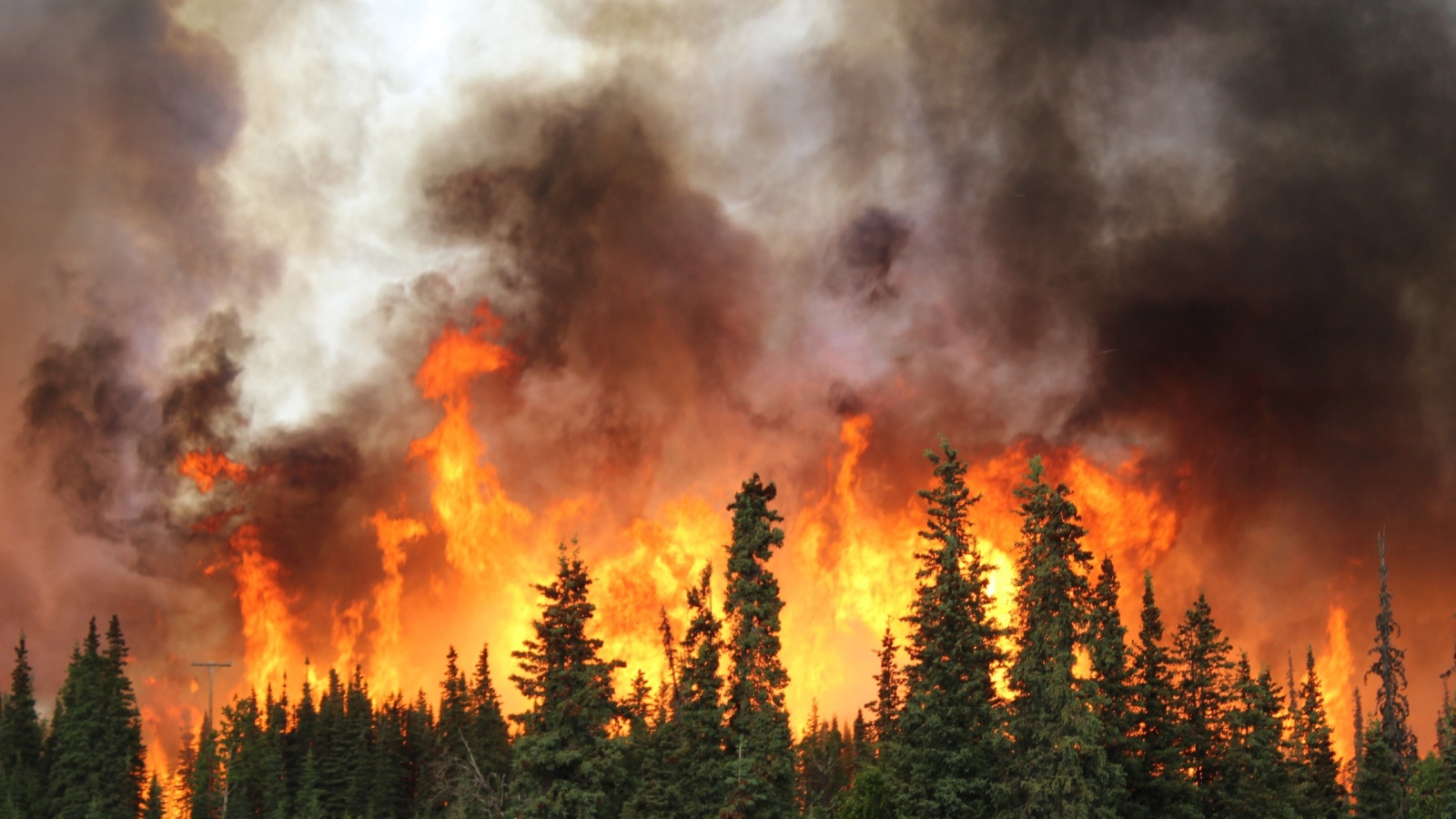
During the 2019 G7 meeting discussions, climate financing clashed sharply with nationalist budgeting priorities. Several leaders resisted expanded international commitments. Canada urged acknowledgment of wildfire crises escalating globally. Officials presented evidence linking disaster recovery investments to regional stability improvements. Behind-the-scenes negotiations shifted tone toward pragmatic funding contributions. Canada avoided public lecturing. Instead, diplomats circulated workable financing models quietly. Final summit statements included disaster resilience funding language tied directly to climate adaptation.
The 2020 Pandemic Response Alignment Calls

Early pandemic coordination conversations struggled amid border closures and vaccine nationalism debates in 2020. Canada pressed for joint supply chain protection frameworks. Officials warned that export restrictions would destabilize global medical access. Other nations initially focused inward exclusively. Canada’s calm appeals emphasized mutual dependency realities. Diplomatic channels facilitated eventual information sharing protocols. Vaccine production collaboration agreements followed later. Canada avoided panic rhetoric while urging global logistical cooperation. Its approach fostered collective problem solving over individual hoarding instincts.
The 2021 Vaccine Equity Push

At the 2021 G7 sessions, distribution disparities became unavoidable diplomatic issues. High-income nations prioritized booster rollout timing. Canada advocated structured vaccine donation coordination for underserved regions. Officials promoted technology-sharing frameworks for local manufacturing support. The diplomacy avoided accusatory tones. Data-driven presentations guided conversations toward fairness logistics. Commitments emerged expanding multilateral vaccine donation schedules. Though uneven globally, early coordination improved supply predictability. Canada framed equity as stabilization necessity rather than moral scolding. This kept dialogue cooperative while nudging fairer outcomes forward.
The 2021 Infrastructure Cooperation Talks

Infrastructure funding competition surfaced during mid-2021 discussions. Leaders debated whose domestic projects deserved international branding support. Canada proposed non-competitive co-financing models. Shared engineering expertise replaced bid rivalry narratives. Officials worked toward standardized project transparency frameworks. This minimized politically motivated duplication. The compromise maintained face-saving messaging for all parties while strengthening collective development goals. Canada facilitated reorientation from competition to collaboration subtly.
The 2022 Ukraine Refugee Resettlement Debate

The war in Ukraine intensified refugee policy divisions during G7 meetings in 2022. Several governments argued over intake quotas publicly. Canada shifted conversation toward logistical coordination. Officials prioritized resettlement processing acceleration rather than numerical debates. Funding streams were aligned to support transit countries hosting refugees initially. Canada focused diplomacy on operational responses rather than political optics. This approach helped establish cooperative refugee assistance strategies. Emotional rhetoric reduced after technical coordination meetings shaped real outcomes.
The 2022 Energy Price Stabilization Efforts

Energy supply shocks following conflict disruptions inflamed bargaining tensions in 2022 summits. Leaders argued over price caps and production controls loudly. Canada presented moderated proposals balancing affordability and supply reliability. Officials promoted reserve coordination across partners. Diplomatic teams encouraged collective market stabilization approaches. Disputes softened after analytical briefings supported cooperation. Resulting policies focused on transparency sharing. Canada’s refusal to escalate tone allowed dialogue continuity while others sparred publicly.
The 2023 AI Regulation Alignment Files

In 2023, emerging artificial intelligence governance became a divisive topic. Nations advanced competing national regulatory models. Canada championed international alignment. Officials proposed ethical baseline standards accepted across jurisdictions. The approach avoided regulatory dominance contests. Canadian delegations focused discussions on safety thresholds and transparency rules. Consensus-building sessions gradually aligned principles without imposing singular frameworks. The effort prevented fragmentation of AI regulations prematurely. Canada modelled balanced leadership by guiding cooperation rather than asserting authority.
The 2023 Semiconductor Supply Negotiations

Semiconductor shortages turned the 2023 G7 meetings into competitive economic battlegrounds. Governments scrambled to secure fabrication plants domestically. Political rhetoric leaned toward nationalistic subsidy promises. Canada pushed against bidding wars quietly. Diplomats proposed coordinated capacity-sharing strategies instead. Officials emphasized resilience over duplication across allied supply chains. Technical briefings outlined risks of fragmented production locations. Canadian intervention reframed discussions around collective stability goals. Multi-country sourcing partnerships emerged afterward reducing unilateral dependency fears.
The 2024 Climate Financing Reconciliation

Climate financing negotiations grew tense during 2024 G7 sessions. Disputes flared over burden-sharing between developed partners. Some governments resisted increased contributions publicly. Canada worked patiently behind closed doors. Officials drafted tiered funding proposals aligning economic capacity with climate impact responsibility. Transparency guidelines were included to reassure sceptical donor states. Developing partners gained confidence through structured accountability systems. Canada coordinated technical meetings aligning expectations quietly. Final compromises introduced graduated contribution schedules accepted multilaterally.
22 Groceries to Grab Now—Before another Price Shock Hits Canada

Food prices in Canada have been steadily climbing, and another spike could make your grocery bill feel like a mortgage payment. According to Statistics Canada, food inflation remains about 3.7% higher than last year, with essentials like bread, dairy, and fresh produce leading the surge. Some items are expected to rise even further due to transportation costs, droughts, and import tariffs. Here are 22 groceries to grab now before another price shock hits Canada.
22 Groceries to Grab Now—Before another Price Shock Hits Canada
This Options Discord Chat is The Real Deal
While the internet is scoured with trading chat rooms, many of which even charge upwards of thousands of dollars to join, this smaller options trading discord chatroom is the real deal and actually providing valuable trade setups, education, and community without the noise and spam of the larger more expensive rooms. With a incredibly low-cost monthly fee, Options Trading Club (click here to see their reviews) requires an application to join ensuring that every member is dedicated and serious about taking their trading to the next level. If you are looking for a change in your trading strategies, then click here to apply for a membership.