
35,000+ smart investors are already getting financial news, market signals, and macro shifts in the economy that could impact their money next with our FREE weekly newsletter. Get ahead of what the crowd finds out too late. Click Here to Subscribe for FREE.
Buying a condo in Canada often looks simple on the surface. You see the unit, check the price, and compare monthly fees. Then reality sets in. Condo fees can rise, special assessments can appear, and reserve funds can fall short. Many buyers focus on square footage and location, but overlook what those monthly fees reveal. Condo corporations operate like small governments. Their financial health affects your wallet and resale value. Before signing anything, you need to read between the lines. Here are 18 condo fee red flags Canadians should never ignore.
Fees That Are Significantly Lower Than Similar Buildings
18 Condo Fee Red Flags Canadians Should Never Ignore
- Fees That Are Significantly Lower Than Similar Buildings
- Rapid Fee Increases Over a Short Period
- A Weak or Underfunded Reserve Fund
- Frequent Special Assessments
- High Delinquency Rates Among Owners
- Insurance Premiums Rising Dramatically
- Deferred Maintenance Visible Throughout the Property
- Utilities Not Included in Fees Without a Clear Explanation
- Ongoing Legal Disputes
- High Management Turnover
- Operating Budgets with Persistent Deficits
- Limited Transparency in Financial Reporting
- Large Percentage of Investor-Owned Units
- Aging Infrastructure Without Updated Studies
- High Amenity Costs Relative to Usage
- Frequent Emergency Repairs
- Board Conflicts and Governance Issues
- Poor Communication About Upcoming Projects

Condo fees that look unusually low can seem like a bargain. In many cases, they signal underfunding. Every building needs money for repairs, insurance, utilities, and long-term maintenance. If fees are well below comparable buildings, ask why. The board may be postponing increases to keep owners happy. That delay can lead to sudden jumps later. Low fees often mean smaller reserve fund contributions. A thin reserve fund increases the risk of special assessments. Short-term savings can become expensive surprises. Compare buildings of similar age and size before assuming low fees are good news.
Rapid Fee Increases Over a Short Period

Annual increases are normal in Canadian condos. Costs rise with inflation and insurance premiums. Sharp jumps within one or two years deserve attention. Large increases can signal budgeting mistakes or unexpected repair bills. They may also reflect past boards that avoided gradual hikes. Ask for at least three years of financial statements. Look for patterns rather than one isolated increase. If fees doubled recently, find out what changed. Insurance claims and major repairs can explain increases. If there is no clear reason, management practices may be unstable. Predictable adjustments are healthier than sudden spikes.
A Weak or Underfunded Reserve Fund

The reserve fund pays for major repairs like roofs and elevators. In most provinces, corporations complete reserve fund studies every few years. These studies estimate future repair costs and recommend contributions. If the fund balance falls well below recommendations, owners may face assessments. Review the latest reserve fund study summary. Compare projected expenses with current savings. A gap suggests trouble ahead. Underfunded reserves reduce buyer confidence and resale value. Healthy buildings plan for future costs steadily. Weak reserve funds often lead to tension between boards and owners when big bills arrive.
Frequent Special Assessments

Special assessments happen when regular fees and reserves cannot cover expenses. One assessment over many years may be unavoidable. Repeated assessments signal deeper financial issues. They may indicate poor planning or chronic underfunding. Ask how often owners have paid extra contributions. Review meeting minutes for discussions about cash shortages. Frequent assessments can strain owners on fixed incomes. They also affect property values. Buyers hesitate when they see a pattern of emergency funding. Stable corporations rely mainly on regular fees and reserves, not repeated surprise payments.
High Delinquency Rates Among Owners

When many owners fall behind on fees, the corporation suffers. Condo corporations depend on consistent payments. A high arrears rate reduces available cash. It may force fee increases for paying owners. Lenders often examine delinquency rates before approving mortgages. Buildings with high arrears can face financing challenges. Ask management for current arrears figures. Compare them to provincial guidelines if available. Persistent delinquency suggests economic stress within the community. It can also reflect weak collection policies. Healthy buildings maintain low arrears and enforce payment rules consistently.
Insurance Premiums Rising Dramatically

Condo insurance costs have increased across Canada in recent years. Some buildings face especially steep hikes. High claims history often drives premiums upward. Frequent water damage or structural issues can signal maintenance problems. Review the insurance history over several years. Ask about recent claims and deductibles. Higher deductibles can shift costs to owners. If insurance expenses consume a growing share of the budget, other areas may suffer. Rising premiums alone are not unusual. Extreme increases without a clear explanation deserve closer review before committing.
Deferred Maintenance Visible Throughout the Property

Walk through common areas carefully. Peeling paint and worn carpets tell stories. Deferred maintenance often reflects tight budgets. Small cosmetic issues can signal larger hidden problems. If elevators seem unreliable, repair costs may loom. Review maintenance logs and board minutes. See whether repairs are postponed regularly. Deferred maintenance lowers resident satisfaction and property values. It also suggests limited financial flexibility. A well-managed building addresses issues promptly. Visible neglect rarely improves without significant spending later.
Utilities Not Included in Fees Without a Clear Explanation

Some condos include heat, water, and electricity. Others bill owners separately. Neither model is wrong. Problems arise when owners misunderstand coverage. Ask exactly what the monthly fee includes. If utilities were removed from fees recently, find out why. Shifting costs can mask fee increases. Transparency matters more than the structure itself. Review the operating budget breakdown. Unexpected exclusions can affect affordability calculations. Clear disclosure allows buyers to compare buildings accurately. Hidden costs undermine trust and budgeting.
Ongoing Legal Disputes

Legal disputes can drain condo finances quickly. Lawsuits involving construction defects are common in newer buildings. Other disputes may involve contractors or owners. Ask whether the corporation is involved in litigation. Review financial notes for legal expense lines. Ongoing cases can increase insurance costs and delay repairs. They may also affect mortgage approvals. Not all lawsuits are negative. Some aim to recover funds for owners. The financial impact still matters. Unresolved disputes create uncertainty for future budgets.
High Management Turnover

Stable management supports consistent financial planning. Frequent changes in property managers raise concerns. Turnover can disrupt budgeting and record-keeping. It may also reflect dissatisfaction between boards and managers. Ask how long the current management company has served. Review past meeting minutes for contract changes. Constant switching can increase administrative costs. It also reduces continuity in maintenance planning. Experienced managers understand building history and financial needs. Stability usually benefits owners and buyers alike.
Operating Budgets with Persistent Deficits

Operating budgets should balance income and expenses. Occasional small deficits can occur. Repeated deficits suggest unrealistic planning. If expenses exceed fee income regularly, fees may rise soon. Review audited financial statements carefully. Look for transfers from reserve funds to cover operations. That practice weakens long-term stability. Sustainable corporations match fees to actual costs. Chronic shortfalls create pressure on boards. Eventually, owners pay through higher fees or assessments.
Limited Transparency in Financial Reporting

Condo corporations must provide financial information to owners. Hesitation or vague responses deserve caution. Request recent audited statements and reserve fund summaries. If documents are incomplete, ask why. Transparency builds confidence in management. Lack of clarity can hide deeper issues. Buyers rely on accurate data to assess risk. Clear communication suggests responsible governance. Difficulty obtaining basic financial details is never reassuring. Reliable boards provide information promptly and openly.
Large Percentage of Investor-Owned Units

Investor-heavy buildings can experience higher turnover. Renters may not treat common areas like owners. High rental ratios can influence lender policies. Some banks apply stricter rules to such buildings. Ask for the owner occupancy rate. Investor ownership alone is not harmful. Combined with financial strain, it increases risk. Boards may prioritize short-term rental income over long-term maintenance. Balanced communities often show steadier fee management and engagement.
Aging Infrastructure Without Updated Studies
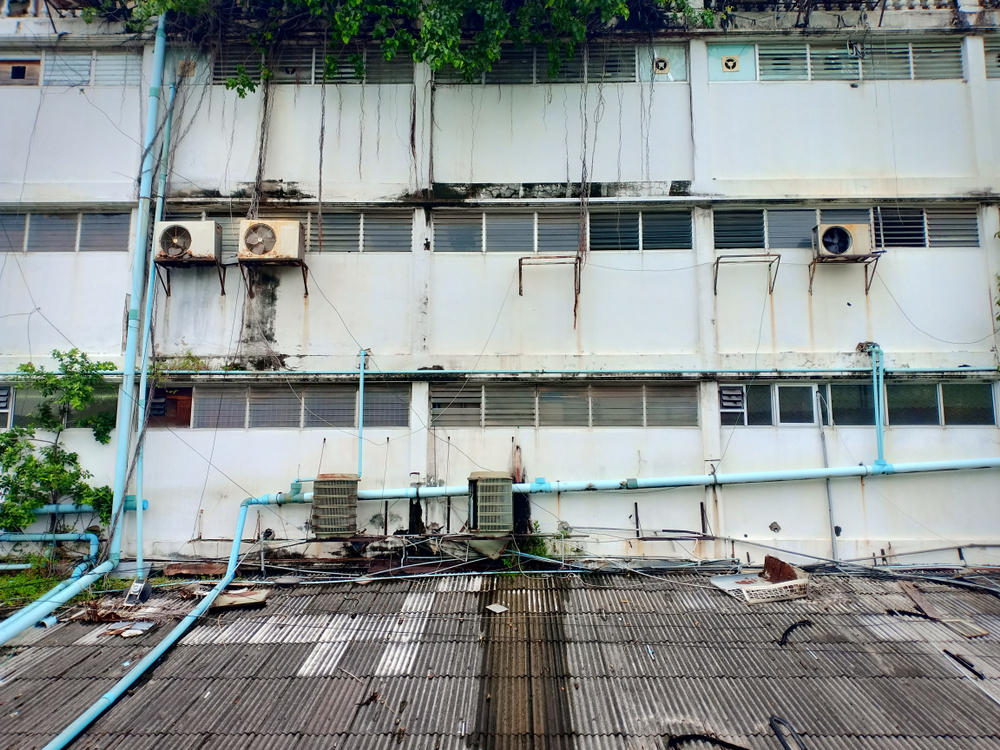
Older buildings require more maintenance. Elevators, plumbing, and parking structures age predictably. Reserve fund studies should reflect current conditions. If studies are outdated, projections may be inaccurate. Ask when the last professional assessment occurred. Compare recommendations with actual savings. Aging infrastructure demands realistic funding plans. Ignoring updated assessments delays inevitable costs. Accurate studies help boards plan gradually. Outdated reports create budgeting blind spots.
High Amenity Costs Relative to Usage

Gyms, pools, and concierge services increase operating expenses. Amenities can add value. They also raise monthly fees. Review the budget allocation for each service. If amenity costs dominate spending, evaluate usage. Underused facilities still require maintenance and staffing. High amenity costs can pressure fee increases. Buyers should consider lifestyle preferences honestly. Paying for features rarely used can strain budgets over time.
Frequent Emergency Repairs

Emergency repairs often cost more than planned work. Repeated urgent fixes suggest reactive management. Review maintenance history for recurring breakdowns. Aging mechanical systems may be near replacement. Emergency spending reduces reserve flexibility. It can also lead to fee hikes. Well-planned buildings schedule major repairs proactively. Constant crises indicate underlying infrastructure or planning issues. Stability depends on anticipation, not reaction.
Board Conflicts and Governance Issues

Board disputes can slow decision-making. Persistent conflict appears in meeting minutes. Disagreements over spending and repairs affect financial planning. Dysfunctional boards may delay necessary fee increases. That delay creates larger increases later. Review recent annual meeting summaries. See whether owners frequently challenge budgets. Healthy debate is normal. Chronic conflict signals governance strain. Effective boards balance differing opinions while protecting financial stability.
Poor Communication About Upcoming Projects

Upcoming projects affect future fees. Boards should communicate timelines and estimated costs. Lack of communication suggests weak planning. Ask about planned capital improvements. Review newsletters and meeting records. If major work is mentioned vaguely, probe further. Surprises often follow unclear announcements. Buyers need clarity to assess affordability. Transparent planning reduces anxiety and speculation. Strong communication reflects organized management.
This Options Discord Chat is The Real Deal
While the internet is scoured with trading chat rooms, many of which even charge upwards of thousands of dollars to join, this smaller options trading discord chatroom is the real deal and actually providing valuable trade setups, education, and community without the noise and spam of the larger more expensive rooms. With a incredibly low-cost monthly fee, Options Trading Club (click here to see their reviews) requires an application to join ensuring that every member is dedicated and serious about taking their trading to the next level. If you are looking for a change in your trading strategies, then click here to apply for a membership.