
35,000+ smart investors are already getting financial news, market signals, and macro shifts in the economy that could impact their money next with our FREE weekly newsletter. Get ahead of what the crowd finds out too late. Click Here to Subscribe for FREE.
Managing finances in Canada can be challenging, and even small mistakes can cost families thousands of dollars over time. From high-interest debt and overlooked savings opportunities to failing to maximize government benefits, common money errors can limit financial growth and security. Many Canadians unknowingly fall into these traps, affecting both short-term budgets and long-term goals. Here are 15 Canadian money mistakes costing families thousands.
Not Using Tax-Free Savings Accounts (TFSAs) Effectively
15 Canadian Money Mistakes Costing Families Thousands
- Not Using Tax-Free Savings Accounts (TFSAs) Effectively
- Ignoring Registered Retirement Savings Plan (RRSP) Contributions
- Carrying High-Interest Credit Card Debt
- Overpaying for Bank Accounts or Services
- Failing to Shop Around for Insurance
- Not Budgeting for Seasonal Expenses
- Missing Out on Government Benefits and Credits
- Using Payday Loans or Short-Term High-Interest Loans
- Investing Without Understanding Fees
- Not Planning for Education Savings (RESPs)
- Overdrawing on Lines of Credit
- Not Comparing Mortgage Rates
- Ignoring Emergency Fund Savings
- Paying Too Much for Unnecessary Subscriptions
- Relying Solely on Minimum Payments for Debt
- 21 Products Canadians Should Stockpile Before Tariffs Hit
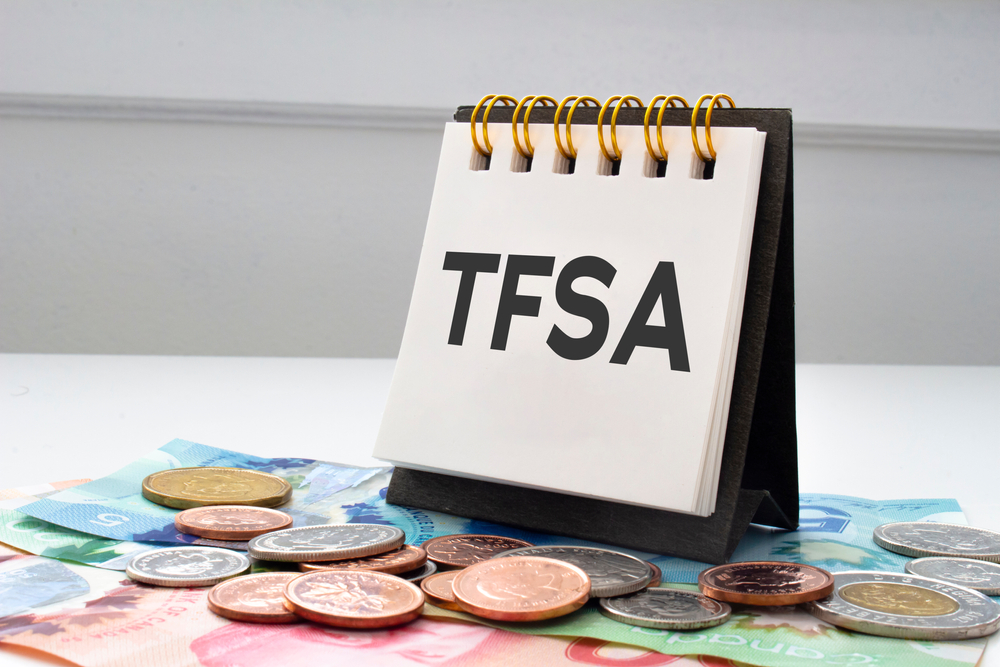
TFSAs are a powerful tool for Canadians to grow savings tax-free, yet many families underutilize them. Contributions can accumulate interest, dividends, and capital gains without taxation, providing a flexible vehicle for both short-term and long-term goals. Not maximizing annual contribution limits means missing out on compounded growth over time. Families who delay using TFSAs or withdraw funds without planning risk losing potential tax-free growth opportunities. Understanding contribution room, investment options, and strategic withdrawals ensures that TFSAs serve as a cost-effective way to save, invest, and protect wealth from unnecessary taxation.
Ignoring Registered Retirement Savings Plan (RRSP) Contributions

RRSPs offer Canadians a tax-deferred way to save for retirement, yet many families delay or skip contributions. Contributions reduce taxable income, potentially lowering annual taxes owed while allowing investments to grow until retirement. Ignoring RRSPs can result in smaller retirement savings and missed tax advantages. Consistent contributions, combined with strategic investment choices, maximize long-term benefits. Families who fail to plan for RRSP contributions often rely too heavily on later savings or government benefits, risking financial shortfalls. Proper RRSP planning ensures both immediate tax efficiency and long-term retirement security.
Carrying High-Interest Credit Card Debt

High-interest credit card debt can quickly erode household finances if left unmanaged. Many Canadians pay only minimum balances, causing interest charges to accumulate and reducing funds available for savings or investments. Carrying balances month-to-month leads to thousands of dollars in unnecessary payments over time. Strategies like paying off balances in full, transferring high-interest debt to lower-rate options, or consolidating loans can prevent this drain. Avoiding or minimizing high-interest debt is critical for financial health, ensuring families can allocate resources to growth, savings, and essential expenses instead of interest payments.
Overpaying for Bank Accounts or Services

Many Canadians unknowingly pay excessive fees for banking services, including monthly account charges, overdraft fees, and transaction costs. These small charges can accumulate to hundreds or thousands of dollars annually. Comparing account options, switching to low-fee accounts, or bundling services strategically can significantly reduce costs. Families should regularly review bank statements and question unnecessary fees. Overpaying for banking not only drains resources but also limits funds for savings and investments. Awareness and proactive management of banking costs are essential steps in maintaining a strong financial foundation.
Failing to Shop Around for Insurance

Insurance premiums can vary widely depending on provider, coverage, and personal circumstances. Many families stick with the same provider without evaluating alternatives, missing opportunities to save on home, auto, or life insurance. Failing to shop around can result in overpayment for comparable or inferior coverage. Periodic comparison of quotes and adjusting coverage to current needs ensures better value. Proper insurance planning protects assets without excessive expense. Canadians who neglect this step may pay significantly more over time, reducing their overall financial flexibility and long-term savings potential.
Not Budgeting for Seasonal Expenses

Seasonal expenses such as holidays, back-to-school costs, and utility fluctuations can strain household budgets if unplanned. Families who fail to allocate funds for these predictable costs often resort to high-interest credit or deplete savings. Creating a detailed annual budget that accounts for recurring seasonal expenses helps maintain financial stability. Strategic planning for these periods prevents unnecessary debt and stress. Budgeting in advance allows families to distribute costs evenly, take advantage of deals, and preserve resources for essential spending, ensuring that seasonal needs do not derail overall financial goals.
Missing Out on Government Benefits and Credits

Canada offers numerous benefits and tax credits designed to support families, including child benefits, GST/HST credits, and provincial incentives. Many families fail to claim eligible programs, leaving money unclaimed each year. Lack of awareness, misunderstanding of eligibility, or failure to file proper documentation can result in lost opportunities. Regularly reviewing available benefits and consulting government resources ensures families maximize available support. Accessing these programs can significantly improve household cash flow, reduce financial pressure, and support long-term savings goals, making it a crucial step in responsible money management.
Using Payday Loans or Short-Term High-Interest Loans

Payday loans and other short-term high-interest loans can trap families in cycles of debt. Interest rates on these loans often exceed 300% annually, making repayment difficult and costly. Relying on them for unexpected expenses reduces available funds for essentials and savings. Canadians who use these loans frequently may face long-term financial strain. Alternatives such as emergency savings, low-interest personal loans, or borrowing from credit unions provide safer options. Avoiding payday loans preserves household finances, prevents escalating debt, and supports more sustainable money management practices.
Investing Without Understanding Fees

Many Canadians invest without fully understanding management fees, fund charges, or advisory costs. High fees reduce overall returns, sometimes by thousands of dollars over time. Mutual funds, ETFs, and investment platforms often have varying costs that directly impact growth. Families who overlook fees may see slower wealth accumulation and diminished retirement savings. Educating oneself about investment expenses, comparing products, and choosing low-cost options ensures more efficient portfolio growth. Understanding fees is essential for maximizing returns and making informed financial decisions that protect long-term family wealth.
Not Planning for Education Savings (RESPs)

Registered Education Savings Plans (RESPs) are a tax-advantaged way to save for children’s post-secondary education. Families who delay or ignore RESPs miss out on government grants and tax-deferred growth. This can lead to increased student debt or financial stress when tuition payments are due. Early contributions maximize compound growth and access to Canada Education Savings Grant (CESG) benefits. Proper planning ensures children have sufficient funds for education and reduces the long-term financial burden on families. RESPs are a critical tool for proactive financial and educational planning in Canada.
Overdrawing on Lines of Credit

Exceeding limits on lines of credit can result in high-interest charges that accumulate quickly. Families who rely heavily on credit lines for day-to-day expenses risk financial instability. Frequent overdrawing reduces available credit, increases debt costs, and can negatively impact credit scores. Managing credit responsibly, tracking balances, and limiting withdrawals to planned expenses helps maintain financial health. Avoiding overuse of lines of credit preserves cash flow and ensures families can meet essential obligations without incurring unnecessary costs.
Not Comparing Mortgage Rates

Mortgage rates in Canada can vary significantly between lenders. Failing to compare rates or negotiate terms can result in paying thousands more over the life of a mortgage. Many families accept the first offer without exploring competitive options, missing opportunities to reduce interest payments and shorten repayment periods. Comparing lenders, terms, and conditions ensures optimal financing for homeownership. Strategic mortgage planning can save significant money and improve long-term financial stability, making rate comparison an essential part of responsible Canadian money management.
Ignoring Emergency Fund Savings
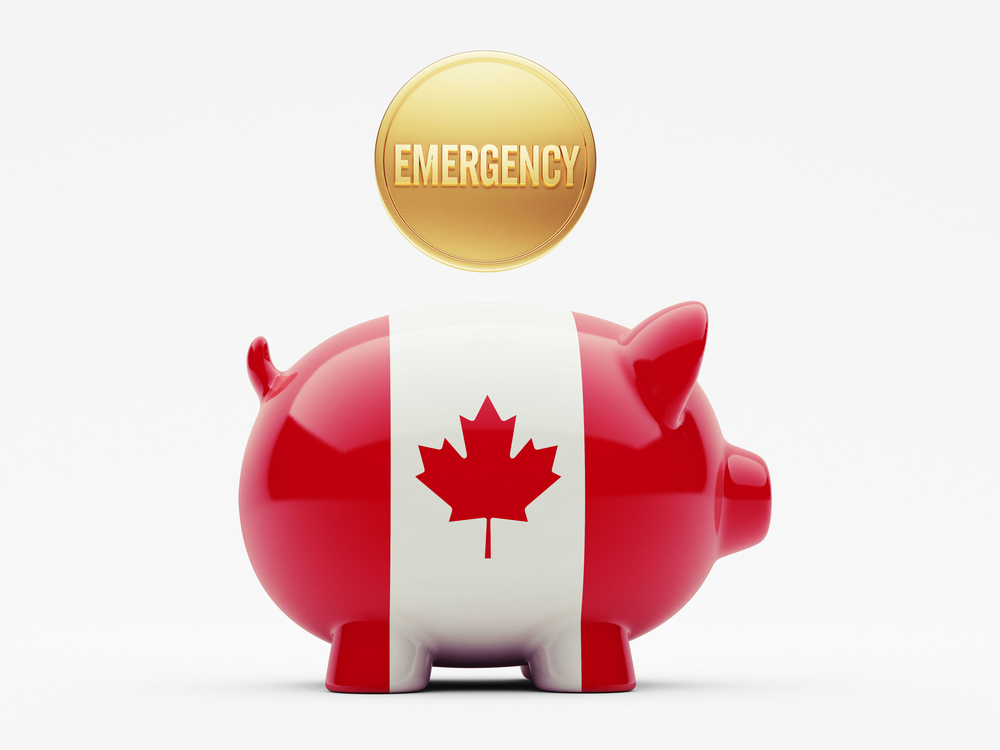
An emergency fund is essential for unexpected expenses such as medical bills, home repairs, or job loss. Families without savings often rely on high-interest debt when emergencies occur, increasing financial stress. Maintaining three to six months of living expenses in accessible accounts provides a safety net and prevents unnecessary borrowing. Ignoring this fundamental financial practice puts households at risk of instability. Building and regularly contributing to an emergency fund ensures resilience, reduces reliance on costly loans, and allows families to manage unforeseen challenges without compromising long-term goals.
Paying Too Much for Unnecessary Subscriptions

Many families subscribe to services they rarely use, including streaming platforms, apps, and magazines. These small monthly costs accumulate into significant annual expenses that could be better allocated toward savings or debt repayment. Regularly reviewing subscriptions and cancelling unused services helps reduce financial waste. Awareness of recurring charges and optimizing spending ensures resources are used efficiently. Cutting unnecessary subscriptions is a simple but effective way to preserve household finances and direct money toward priorities that provide real value.
Relying Solely on Minimum Payments for Debt

Paying only the minimum on credit cards or loans extends debt repayment and increases interest costs dramatically. Families who rely on minimum payments risk spending thousands more than necessary over time and prolonging financial stress. Prioritizing higher payments toward high-interest debt accelerates repayment and reduces overall interest. Budgeting strategically and targeting debt efficiently improves financial health and stability. Avoiding this common mistake is critical for Canadians seeking to reduce debt, save money, and achieve long-term financial security.
21 Products Canadians Should Stockpile Before Tariffs Hit

If trade tensions escalate between Canada and the U.S., everyday essentials can suddenly disappear or skyrocket in price. Products like pantry basics and tech must-haves that depend on are deeply tied to cross-border supply chains and are likely to face various kinds of disruptions
21 Products Canadians Should Stockpile Before Tariffs Hit
This Options Discord Chat is The Real Deal
While the internet is scoured with trading chat rooms, many of which even charge upwards of thousands of dollars to join, this smaller options trading discord chatroom is the real deal and actually providing valuable trade setups, education, and community without the noise and spam of the larger more expensive rooms. With a incredibly low-cost monthly fee, Options Trading Club (click here to see their reviews) requires an application to join ensuring that every member is dedicated and serious about taking their trading to the next level. If you are looking for a change in your trading strategies, then click here to apply for a membership.