35,000+ smart investors are already getting financial news, market signals, and macro shifts in the economy that could impact their money next with our FREE weekly newsletter. Get ahead of what the crowd finds out too late. Click Here to Subscribe for FREE.
In much of Canada, the first genuinely chilly evening can arrive before a household has given its heating system much thought. That makes early fall a useful window for finding problems while temperatures are still forgiving. Space heating accounts for a major share of energy use in Canadian homes, so maintenance issues can affect comfort, energy consumption and, with fuel-burning equipment, safety.
A seasonal check does not mean homeowners should dismantle furnaces, adjust burners or attempt technical repairs themselves. Many of the most useful precautions involve simple observations, cleaning and arranging professional service where appropriate. These 22 checks cover forced-air furnaces, boilers, heat pumps, electric baseboards and other common Canadian heating setups, helping homeowners catch blocked airflow, neglected alarms, damaged equipment and other warning signs before the heating season is fully underway.
Get the Heating System Serviced Before the Rush
22 Things Canadian Homeowners Should Check Before Turning the Heat Back On
- Get the Heating System Serviced Before the Rush
- Inspect or Replace the Furnace Filter
- Make Sure Supply Vents and Return Grilles Are Open
- Test the Thermostat Before the First Cold Night
- Test Both Smoke and Carbon Monoxide Alarms
- Check Exterior Furnace Intakes and Exhaust Vents
- Give Chimneys and Flues Proper Attention
- Take Any Natural-Gas Odour Seriously
- Clear Storage Away From the Furnace and Mechanical Area
- Look at the Condensate Drain and Pump
- Clean and Check the HRV or ERV
- Clear the Outdoor Heat-Pump Unit
- Check Heat-Pump Mode and Backup-Heat Settings
- Vacuum Electric Baseboards and Keep Them Clear
- Bleed Hydronic Radiators When the System Requires It
- Check Boiler Gauges and Look for Signs of Water Trouble
- Inspect Home-Heating Oil Tanks for Obvious Problems
- Look Over Gas Meters and Propane Equipment Outside
- Inspect Accessible Ductwork for Obvious Leakage or Damage
- Find Drafts Around Exterior Doors and Windows
- Check Attic Insulation and the Attic Hatch
- Do a Controlled Test Run Before the Cold Arrives
- 16 Costco Canada Habits That Could Be Costing Shoppers More Than They Save
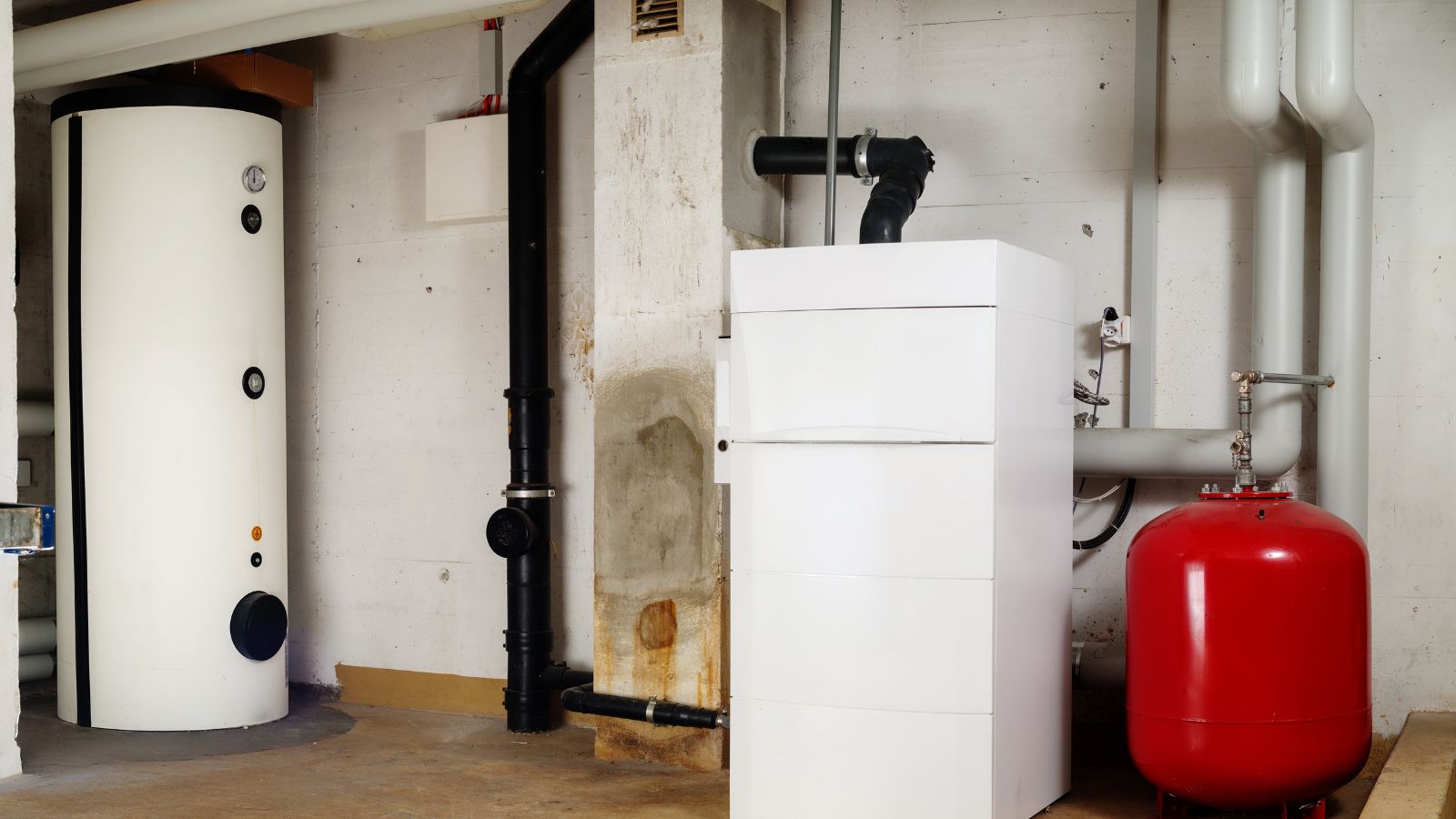
A heating system that seemed fine in April can still develop problems before the next heating season. Dust accumulates, components wear, connections loosen and combustion equipment can fall out of adjustment. Natural Resources Canada recommends pre-season HVAC maintenance and says professional checks can include electrical connections, system controls and, with gas- or oil-fired systems, fuel connections, burner combustion and the heat exchanger. Those are not areas most homeowners should attempt to inspect or repair themselves.
Booking service before the first major cold snap also has a practical advantage: problems are discovered when the house is not depending on the system around the clock. A technician can confirm that the equipment starts, operates and shuts down correctly. Health Canada similarly recommends regular professional inspection of fuel-burning appliances. An autumn appointment can therefore be less about squeezing a few extra years from an aging furnace and more about knowing that the system is ready before overnight temperatures begin dropping sharply.
Inspect or Replace the Furnace Filter
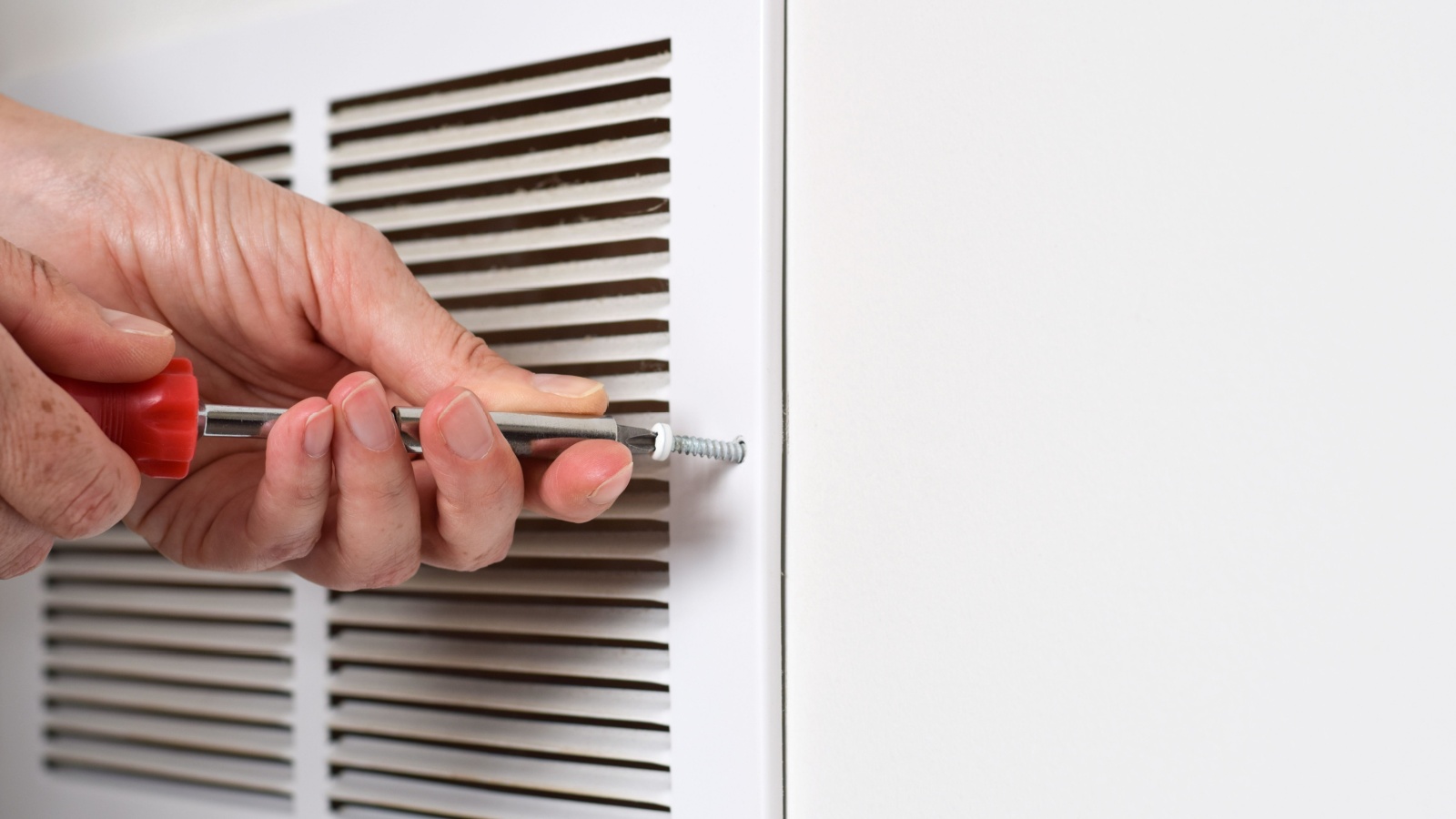
The furnace filter is an easy item to overlook because it often sits behind a door or panel that remains untouched for months. Yet a filter loaded with dust, pet hair and other debris restricts airflow through a forced-air system. Natural Resources Canada advises homeowners to inspect, clean or replace furnace and heat-pump filters regularly and to use the equipment manufacturer’s instructions to determine the appropriate schedule.
Some federal guidance uses roughly three months as a general reference point, but actual replacement intervals vary considerably. A home with several pets, renovation dust or a heavily used circulation fan may load a filter much faster than a lightly occupied home. The important pre-season step is to pull the filter out and actually look at it rather than relying on the calendar. Homeowners should also confirm that the replacement is the correct size and installed in the proper airflow direction. Starting the heating season with an already clogged filter makes the blower work against unnecessary resistance from the first cold day onward.
Make Sure Supply Vents and Return Grilles Are Open
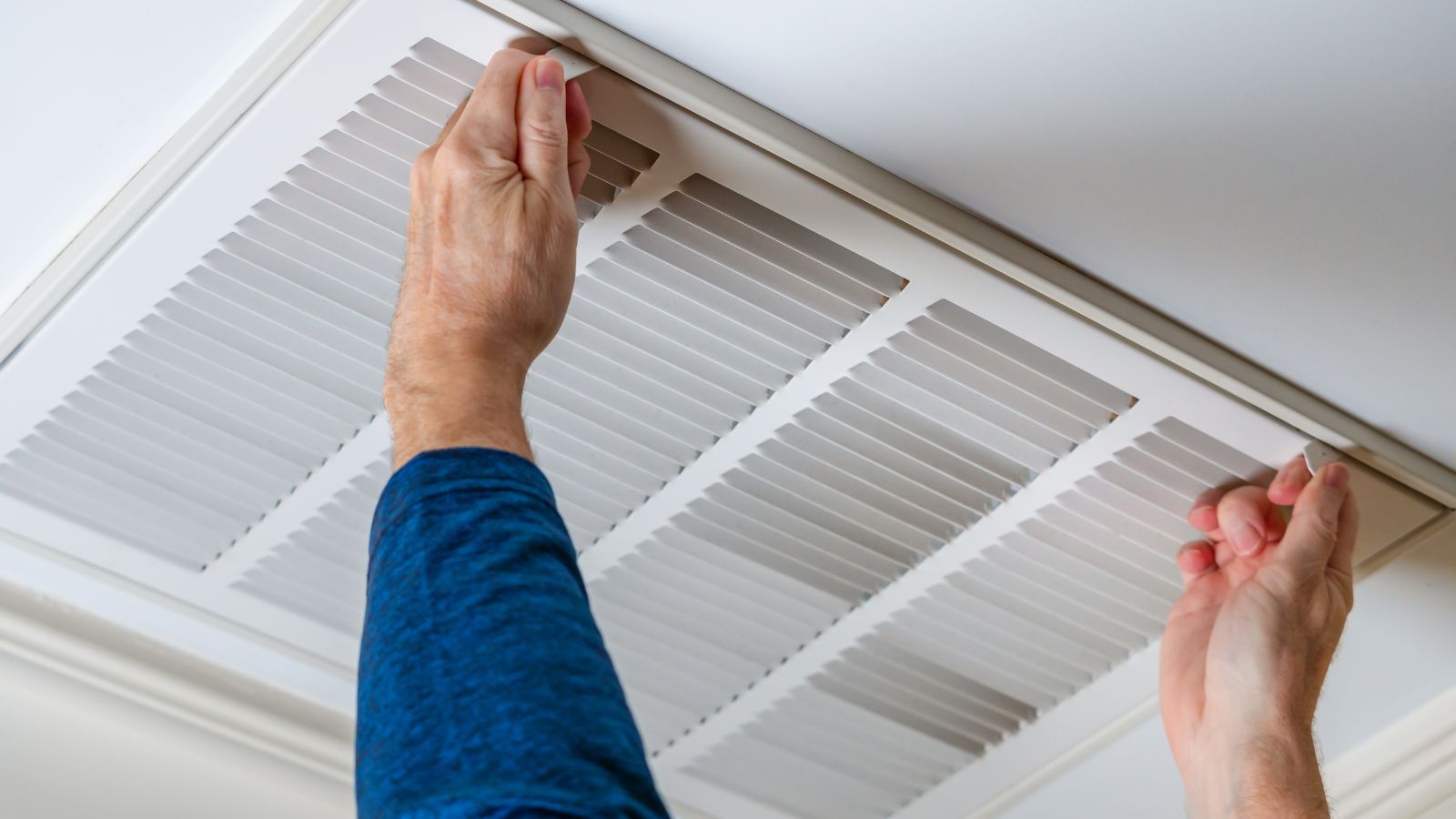
A perfectly functioning furnace cannot heat a house evenly if warm-air registers are hidden under rugs or return-air grilles are blocked by furniture. Natural Resources Canada specifically advises keeping return grilles and warm-air vents clean and unobstructed. Hydro-Québec likewise recommends keeping forced-air intakes and registers clean so the system can operate properly.
Fall furniture rearranging can create problems without anyone realizing it. A sofa moved during the summer may now sit directly against a return grille, while a new cabinet can cover a register that once had clear airflow. Homeowners can walk room to room and check both kinds of openings before the system begins running regularly. Dust and pet hair can also be vacuumed from accessible grille surfaces. Closing many registers in an attempt to save energy is not necessarily helpful either, because central systems are designed around particular airflow requirements. If one part of the home still receives noticeably less heat with registers open and clear, a duct or system-balancing problem may need professional attention.
Test the Thermostat Before the First Cold Night

A thermostat problem can look surprisingly similar to a furnace problem. Before assuming expensive heating equipment has failed, homeowners can confirm that the thermostat is powered, set to heating mode and programmed correctly. Federal housing guidance recommends checking that heating equipment is switched on, that thermostat batteries work where applicable and that the heating set point is above the current room temperature when testing the system.
Fall is also a sensible time to review schedules created months earlier. A programmable thermostat may still be following a cooling-season routine that no longer fits the household. Natural Resources Canada notes that temperature setbacks can reduce heating energy use in many systems, although heat pumps and some hydronic systems require different operating strategies. That distinction matters. Homeowners should avoid copying a generic thermostat schedule without considering the equipment they own. A quick test should produce an appropriate response from the heating system; if the thermostat calls for heat and nothing happens, checking the manual and basic power settings is reasonable before calling for service.
Test Both Smoke and Carbon Monoxide Alarms
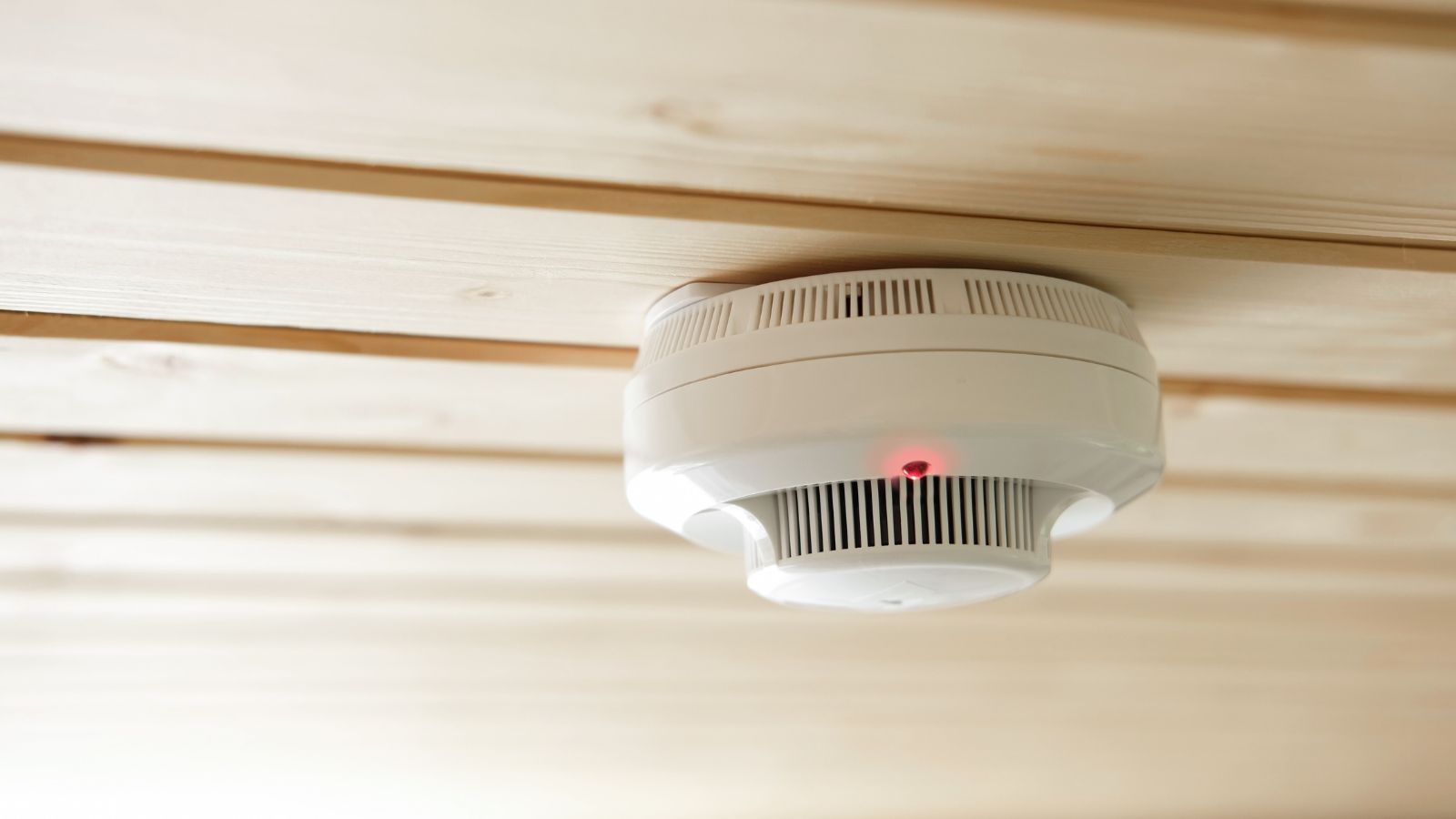
Turning on fuel-burning heating equipment makes autumn an especially appropriate time to check carbon monoxide protection. Carbon monoxide is colourless, tasteless and odourless, meaning occupants cannot rely on their senses to detect it. Health Canada recommends certified CO alarms, particularly near sleeping areas, and says alarms should be tested and maintained according to the manufacturer’s instructions. Homes with combustion equipment require particular attention.
Smoke alarms deserve the same seasonal check. Health Canada recommends testing smoke alarms monthly and replacing units that are more than 10 years old. CO alarms also have limited service lives, although replacement intervals depend on the model and manufacturer. Homeowners can check the manufacture or replacement date, test each device and replace batteries where appropriate. A furnace inspection reduces risk at the source; alarms provide an additional warning layer if something nevertheless goes wrong. A heating-season checklist that focuses entirely on the furnace while ignoring the alarms mounted nearby therefore misses one of the most important household safety measures.
Check Exterior Furnace Intakes and Exhaust Vents
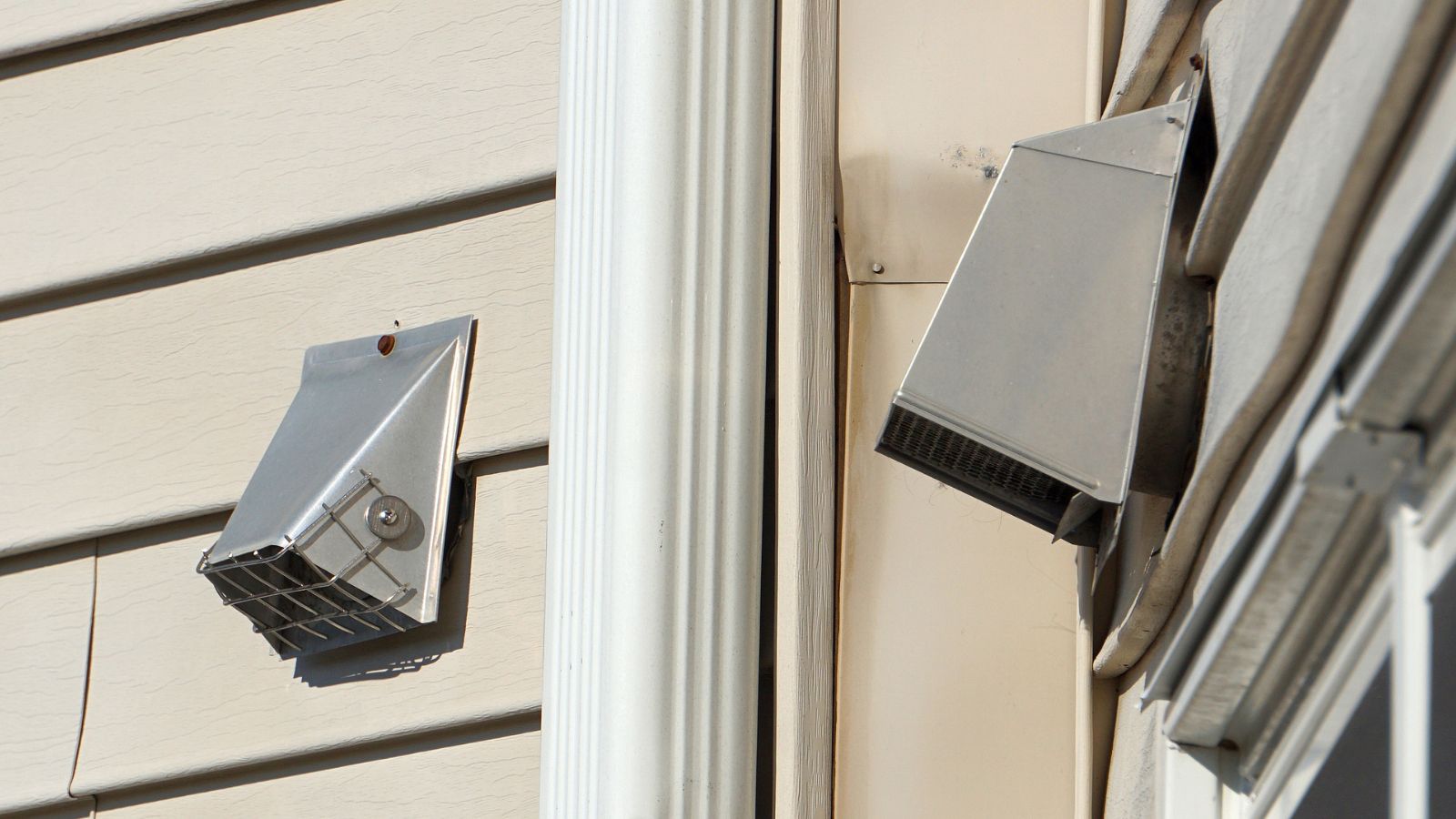
Modern high-efficiency furnaces commonly use exterior pipes for combustion air and exhaust. Those openings can be easy to forget because they may be low on a side or rear wall. Health Canada advises checking exhaust vents for blockages from ice, snow or debris, while Ontario’s Technical Standards and Safety Authority warns that blocked fuel-burning appliance vents can contribute to dangerous carbon monoxide accumulation.
Before heating season begins, homeowners can identify where the furnace and other fuel-burning appliances terminate outside and make sure the openings are clear of leaves, vegetation, nests and stored objects. The inspection should continue after winter storms because snowbanks and drifting snow can cover vents that were unobstructed in autumn. Clearing should be gentle; damaging a vent while trying to free it creates another problem. The same area should not become a winter dumping spot for shoveled or blown snow. Knowing exactly where these outlets are located before the first major snowfall makes them considerably easier to monitor when conditions become severe.
Give Chimneys and Flues Proper Attention
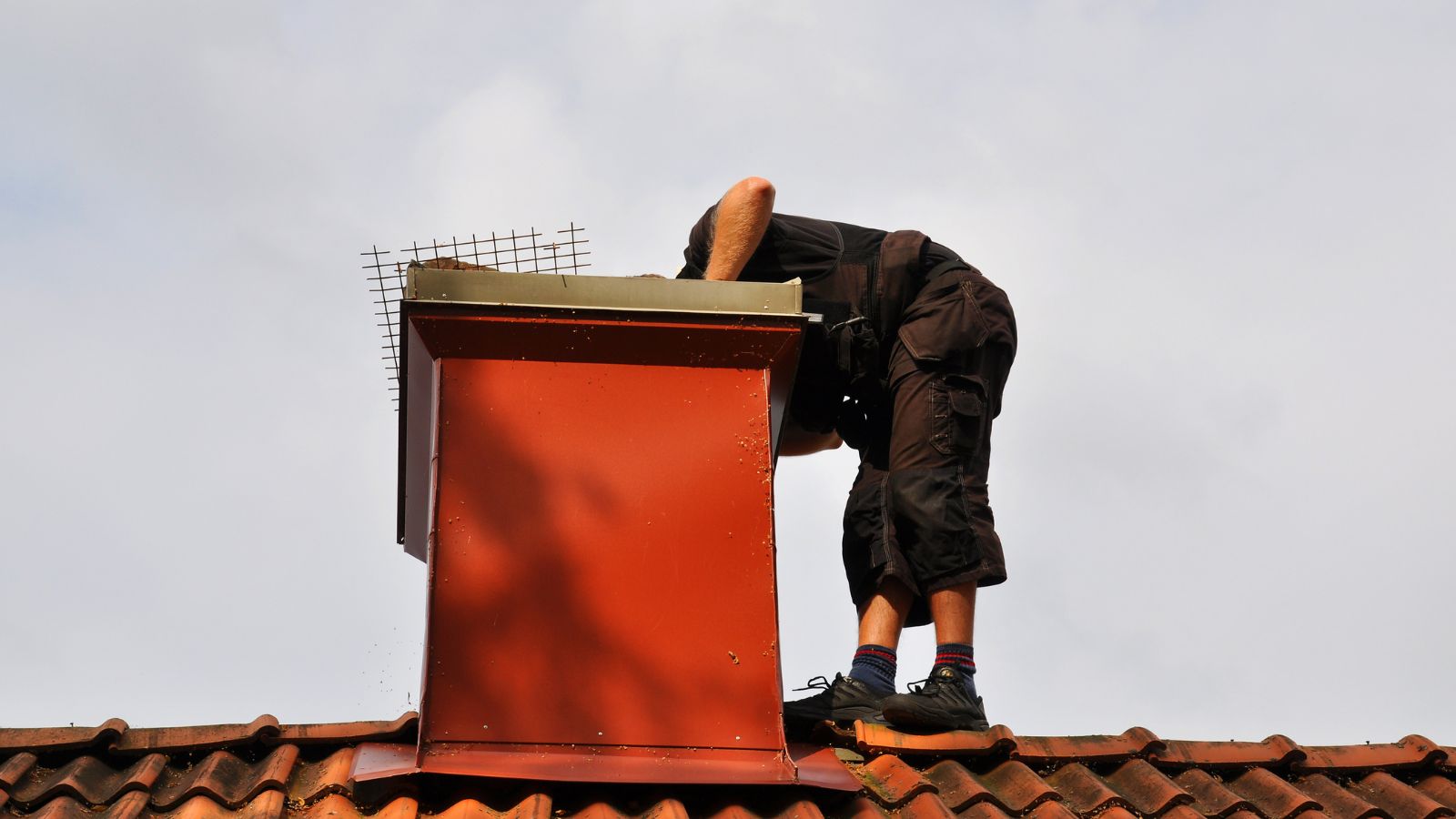
Older furnaces, boilers, fireplaces and wood stoves may rely on chimneys or other venting systems rather than the plastic sidewall venting common on newer high-efficiency furnaces. Whatever the configuration, combustion gases need a safe route outdoors. Natural Resources Canada advises occasional inspection of furnace chimneys and says signs such as damaged liners, crumbling mortar, wet patches or other deterioration warrant professional evaluation.
Wood-burning systems need particular attention. Health Canada recommends maintaining wood stoves and having them professionally inspected, while chimneys and flues should be cleaned regularly according to appropriate instructions. A chimney that looked harmless all summer can become critical once a fireplace or wood stove begins operating nightly. Homeowners should not treat chimney cleaning as interchangeable with a visual glance from the ground. If the home’s heating equipment depends on a chimney and its service history is uncertain, arranging inspection before regular use is far safer than waiting for smoke, odours or poor draft to signal that something has already gone wrong.
Take Any Natural-Gas Odour Seriously
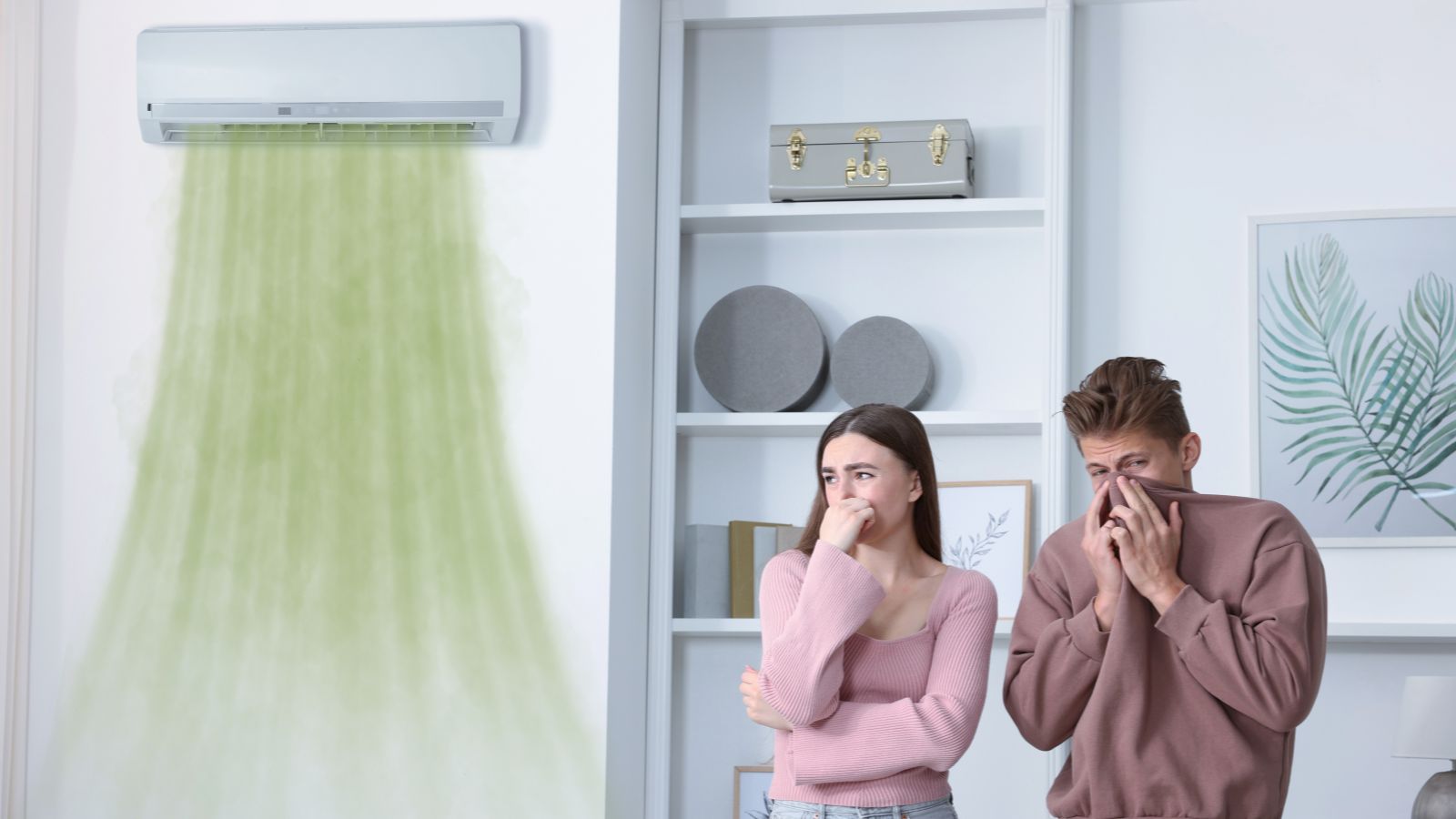
The first furnace run of the season sometimes produces a temporary dusty smell as settled material warms, but the distinctive sulphur or “rotten egg” odour associated with natural gas belongs in an entirely different category. Canadian gas utilities add an odorant precisely so leaks can be detected. Enbridge Gas advises people who smell natural gas to leave the area immediately and call for emergency assistance from a safe location.
That means a suspected gas leak is not a troubleshooting opportunity. Homeowners should not stay inside searching for a loose fitting, repeatedly restart the furnace or use electrical switches while investigating. The correct response is to leave and follow the emergency instructions of the applicable gas utility or emergency service. A household may go years without encountering such an event, which is precisely why the reaction can be uncertain when it happens. Reviewing the procedure before heating season makes the response more automatic. A strange furnace noise can wait for diagnosis; the smell of gas should be treated as a potential emergency rather than another item on the maintenance list.
Clear Storage Away From the Furnace and Mechanical Area
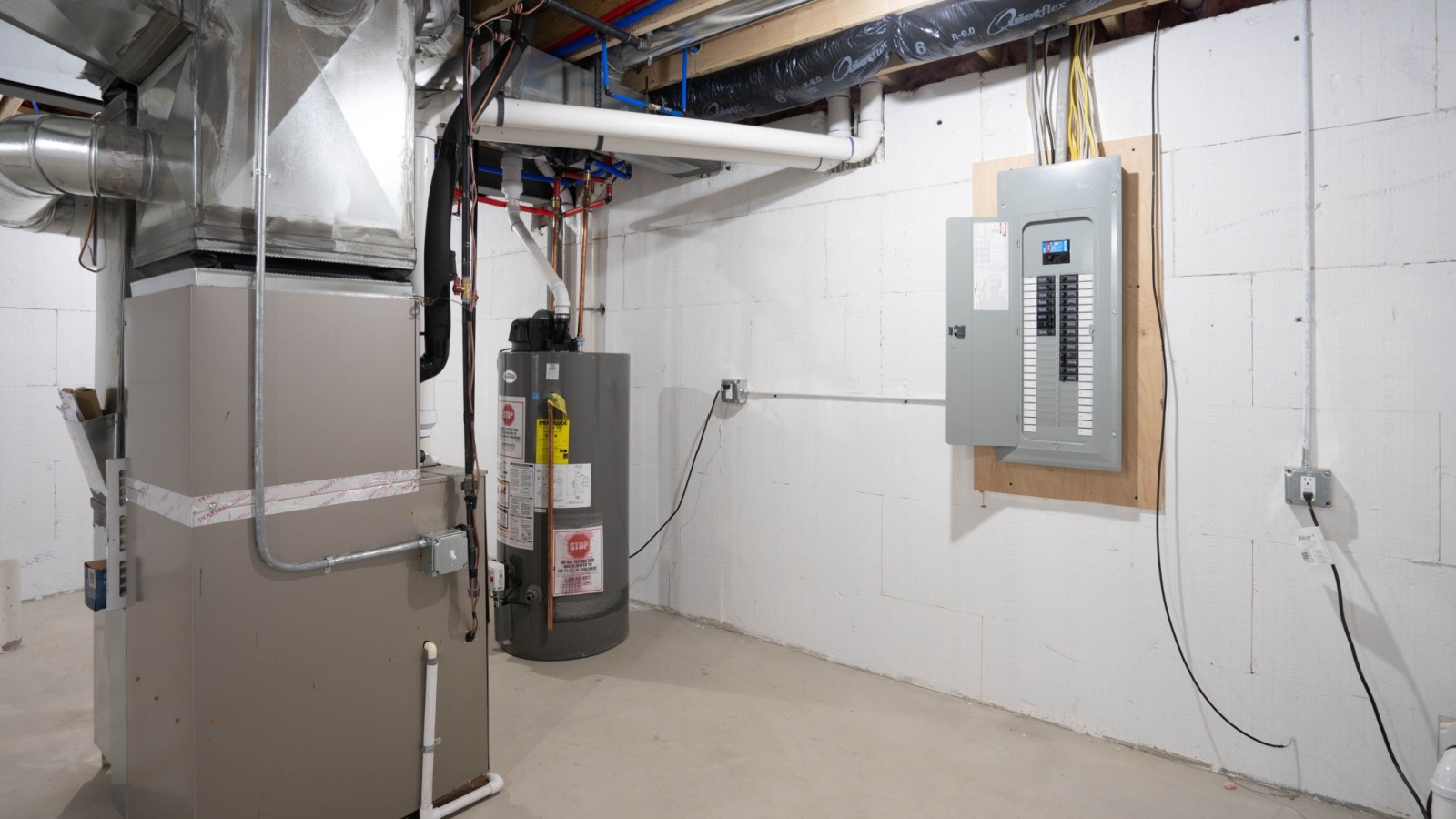
Basements often become storage areas during the warmer months, and the mechanical room can gradually collect cardboard boxes, paint, cleaning products, laundry and household overflow. That clutter deserves attention before heating equipment begins operating frequently. FortisBC advises against storing items against furnaces and specifically warns against keeping flammable materials such as paper, solvents, propane cylinders or gasoline-powered equipment in furnace rooms.
Clearing the area also makes future inspection and servicing easier. A technician should not have to move half a basement’s seasonal storage just to access panels or piping. Homeowners can establish a permanent uncluttered zone based on the furnace manufacturer’s required clearances rather than guessing at a universal distance. Combustion equipment may also depend on adequate air movement, particularly in certain mechanical-room configurations. A neat mechanical space will not fix a malfunctioning furnace, but it removes unnecessary hazards and makes leaks, corrosion or water on the floor easier to notice. The beginning of heating season is a useful annual reminder that the furnace room is first a mechanical space, not an extra storage closet.
Look at the Condensate Drain and Pump
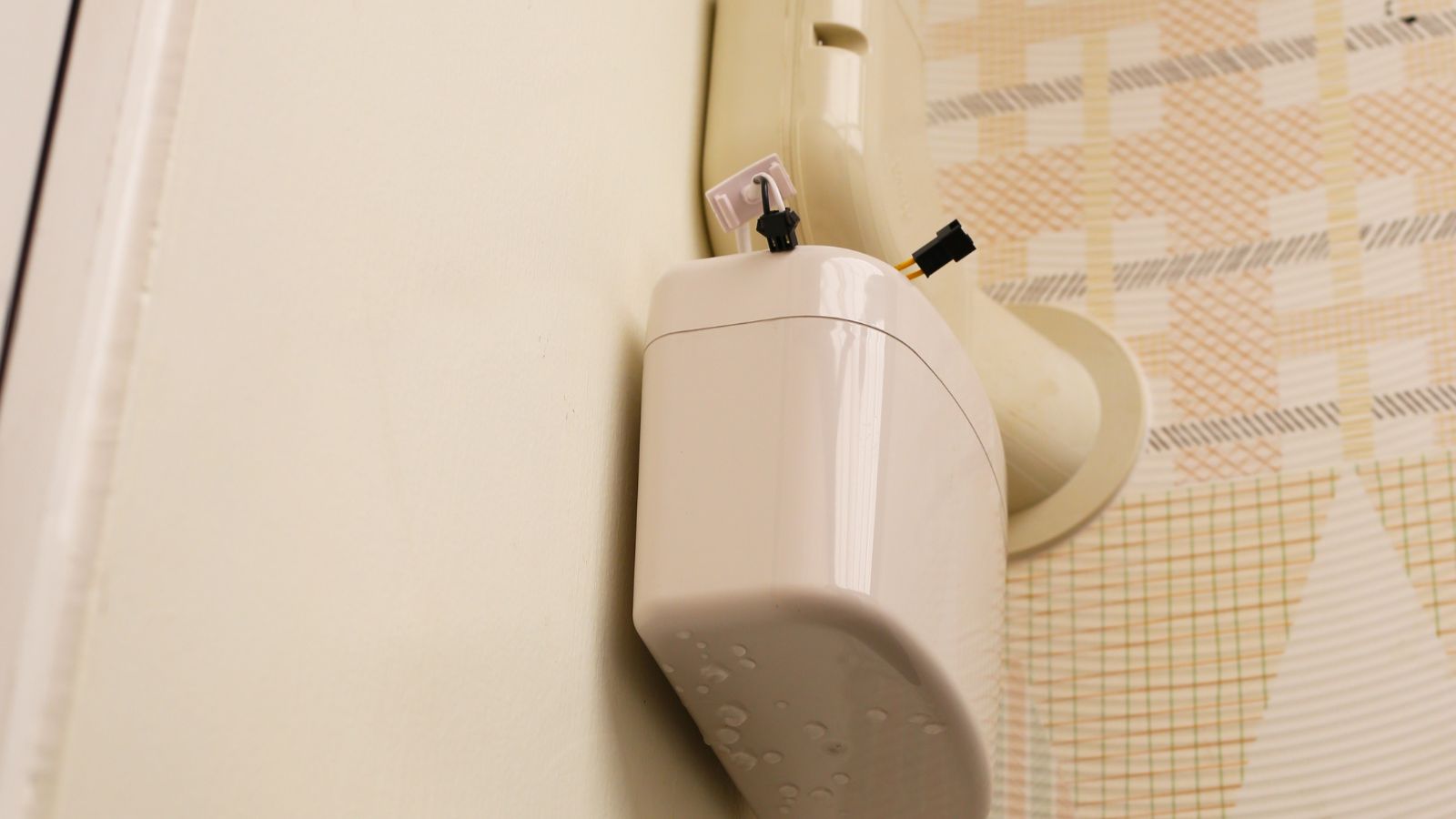
High-efficiency furnaces and some other HVAC equipment produce condensate that must be carried safely to a drain, pump or disposal point. Natural Resources Canada includes condensate-drain inspection in routine HVAC maintenance and warns that plugged drains can contribute to water damage and indoor humidity problems. That small plastic tube beside a furnace can therefore be more important than its appearance suggests.
Homeowners do not need to dismantle the drainage system to perform a useful check. They can look for standing water, disconnected tubing, unexplained dampness, staining or a condensate pump that appears damaged. If the furnace has been producing condensate and the pump is unusually noisy or fails to remove water, the issue deserves attention before continuous winter operation. The equipment manual should guide any homeowner maintenance, and complicated blockages or electrical pump problems are better left to a technician. Catching a slow drainage problem in September or October is considerably preferable to discovering it after water has spread across a finished basement floor during prolonged heating operation.
Clean and Check the HRV or ERV
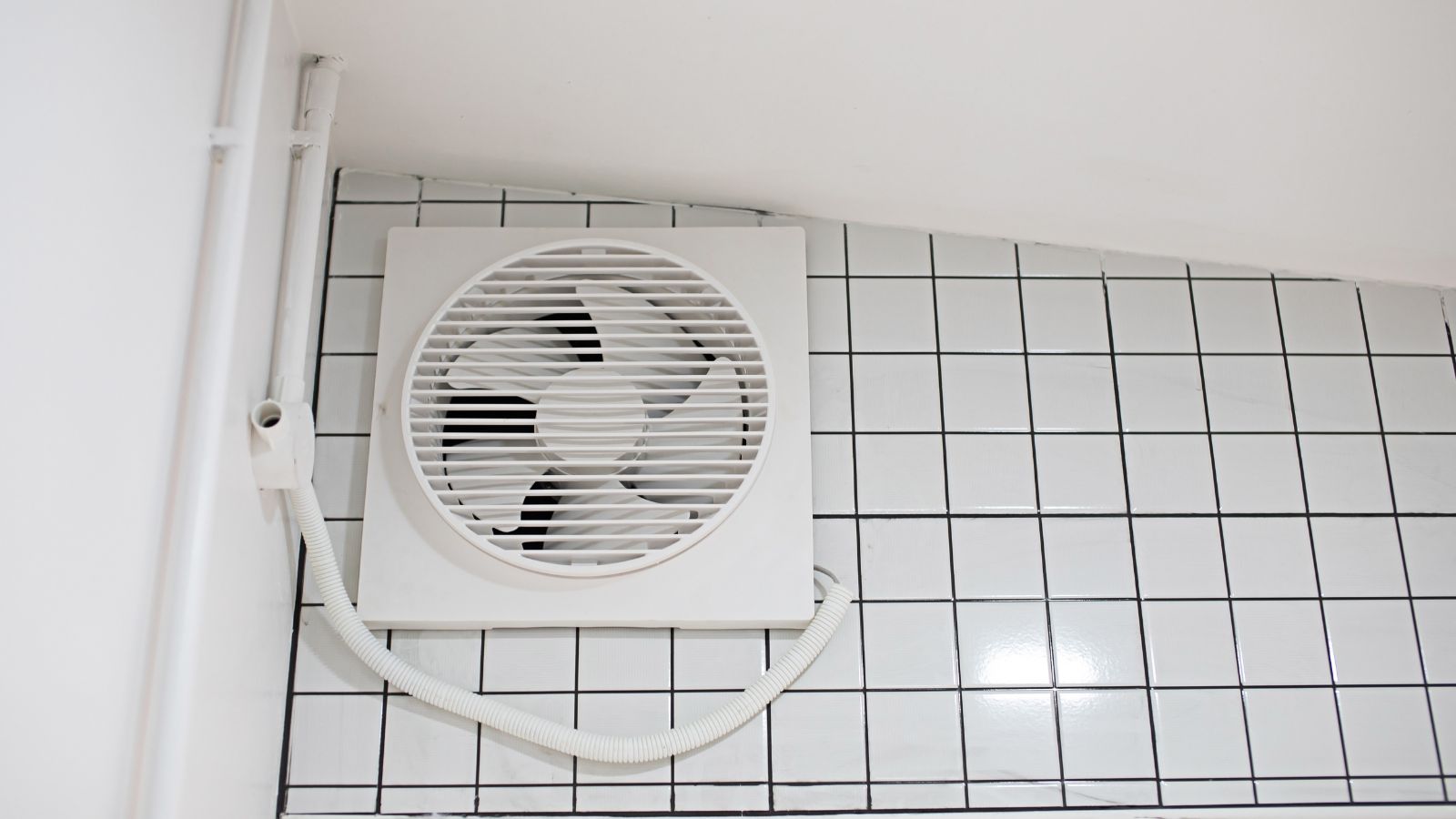
Many tighter Canadian homes use a heat-recovery ventilator or energy-recovery ventilator to exchange stale indoor air with fresh outdoor air while retaining some of the energy that would otherwise be lost. Health Canada says HRVs and ERVs require regular maintenance that can include cleaning or replacing filters, clearing outdoor openings and maintaining the heat-exchange core, condensate components and other parts.
Natural Resources Canada recommends cleaning HRV or ERV filters regularly and arranging annual servicing. Because these systems may run continuously, months of dust and outdoor debris can affect airflow even when the heating equipment itself is clean. Before winter, homeowners can check accessible filters according to the manual and walk outside to confirm that intake and exhaust openings are not hidden by leaves or other obstructions. Winter snow accumulation should be monitored as well. Ventilation can be overlooked when the focus turns to producing more heat, yet Canadian homes still need moisture and stale air managed during cold weather. Heating efficiently and ventilating properly are complementary parts of winter comfort, not competing objectives.
Clear the Outdoor Heat-Pump Unit
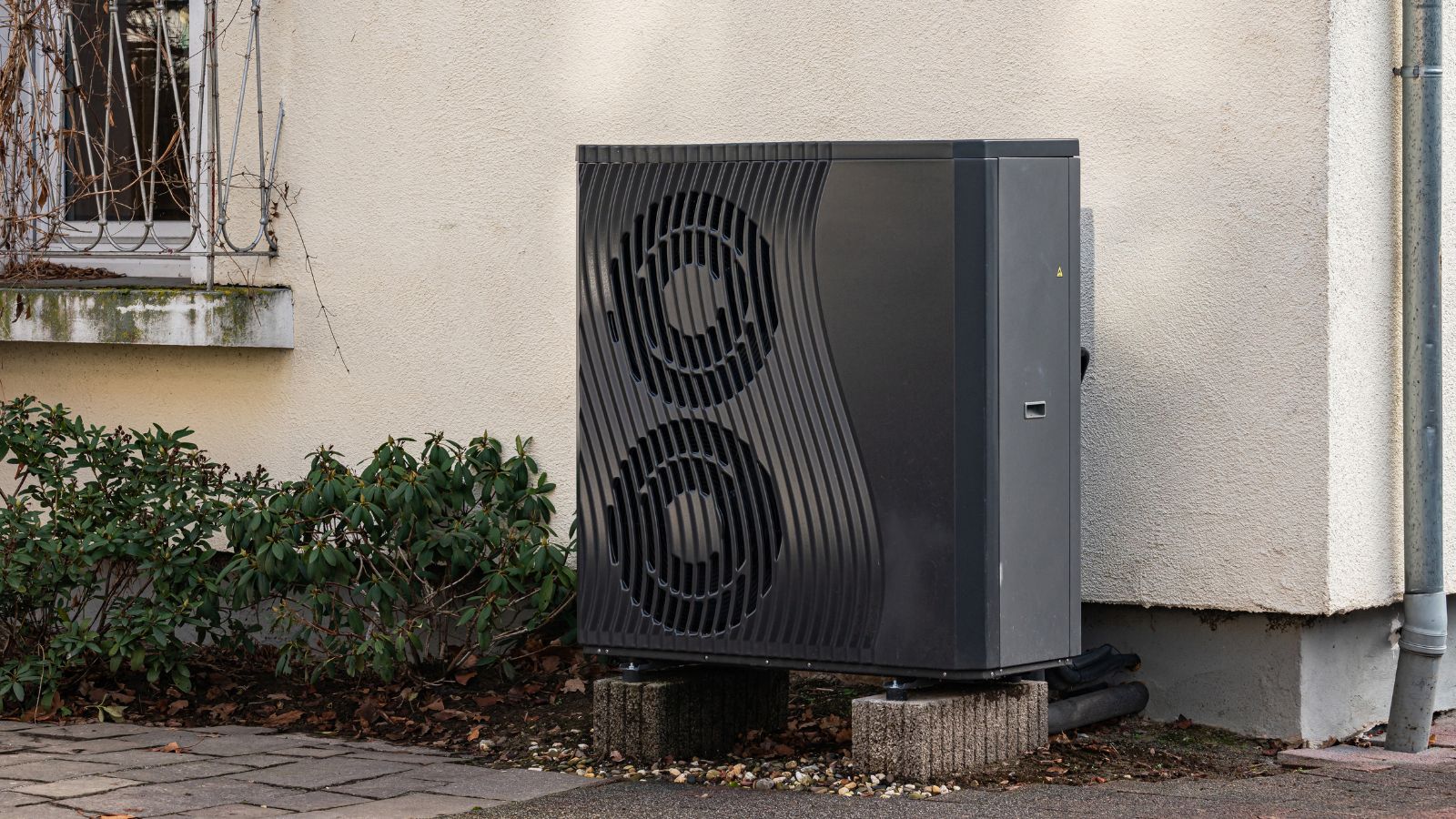
A heat pump needs outdoor airflow even when the landscape is covered in snow. BC Hydro advises keeping outdoor units clear of snow, foliage and other obstructions and recommends checking the unit at the beginning of each season. Leaves that pile around an outdoor unit during autumn can restrict airflow before the first substantial snowfall even arrives.
The winter routine matters just as much. Snow should not be repeatedly shoveled against the equipment, and the area around the unit should remain open enough for airflow and service access. Ice or heavy buildup should be handled according to manufacturer guidance rather than attacked with sharp tools that can damage coils or other components. Homeowners should also pay attention to drainage around the equipment because heat pumps periodically defrost in winter. The presence of frost does not automatically mean the unit has failed, but persistent heavy ice, unusual noises or obvious fan obstruction may justify professional inspection. A clear outdoor unit gives the heat pump a much better starting point for Canadian winter operation.
Check Heat-Pump Mode and Backup-Heat Settings
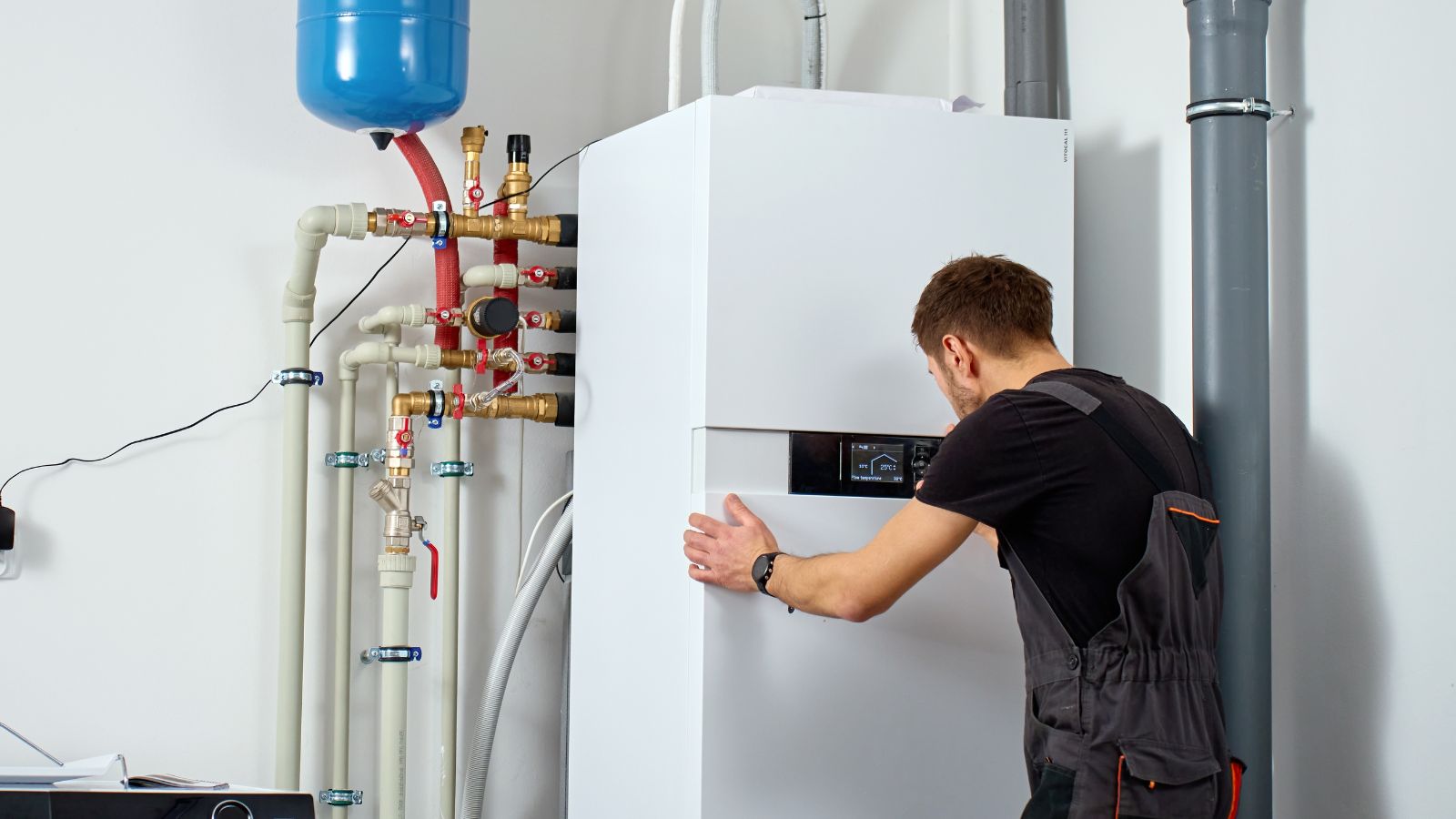
Heat pumps behave differently from traditional furnaces, and thermostat habits carried over from another system can undermine their efficiency. Hydro-Québec recommends using heating mode in winter and generally keeping heat-pump temperatures steady rather than making frequent large adjustments. For homes with electric baseboard backup, it also recommends setting backup heat below the heat-pump set point so the heat pump does most of the work.
Exact settings vary by equipment, climate and system design, making the manufacturer’s manual and installer’s instructions more useful than a one-size-fits-all temperature. Some modern controls manage auxiliary heat automatically. The pre-season check should therefore focus on whether the thermostat is configured for the actual system and whether backup heating has accidentally been set to dominate. A homeowner who installed a heat pump during the previous year may find that the first full winter is when these settings really matter. If auxiliary heat seems to run constantly in mild weather, or the heat pump is not operating when expected, an installer can determine whether controls or equipment require adjustment.
Vacuum Electric Baseboards and Keep Them Clear
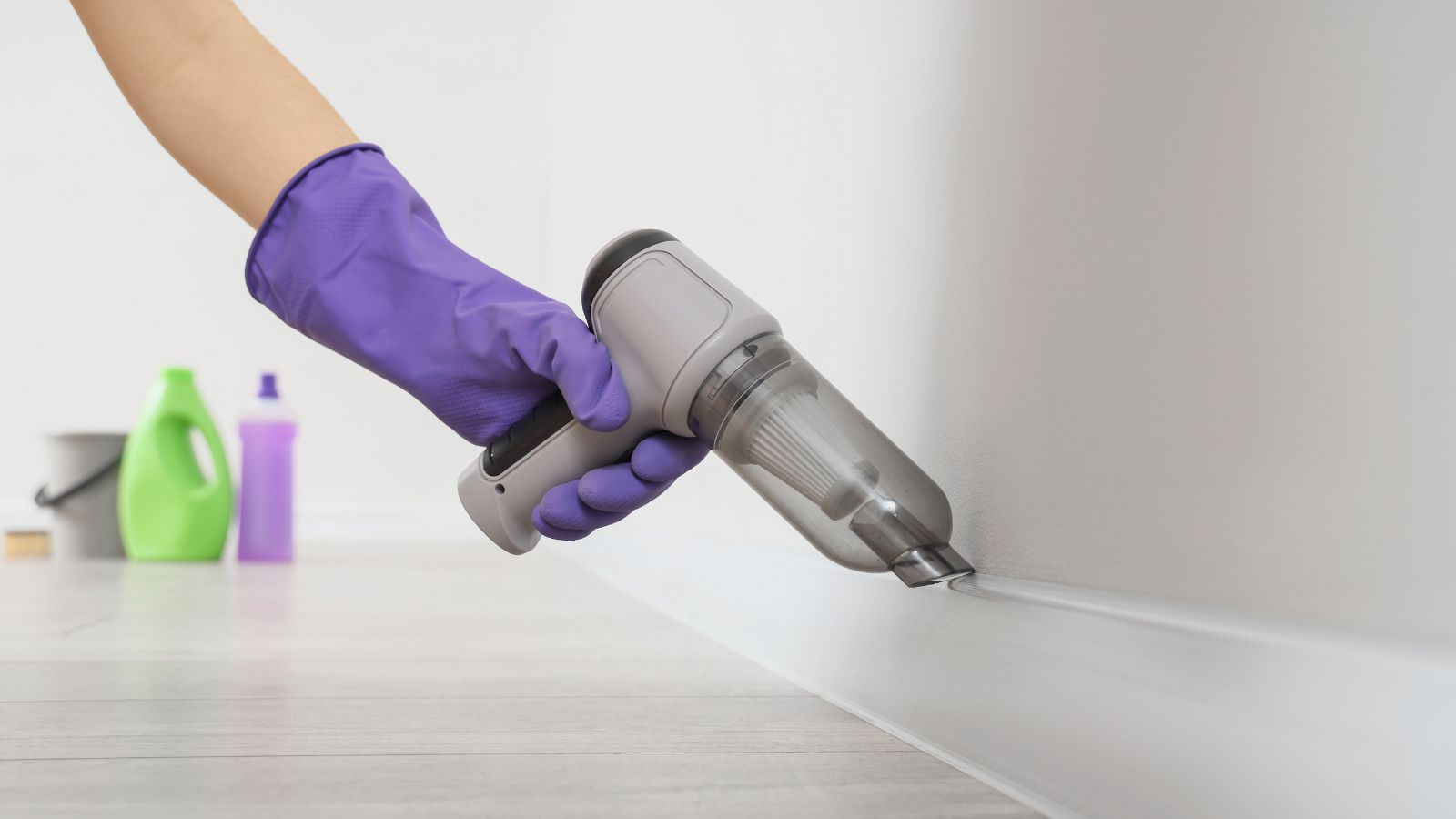
Electric baseboard heating has few moving parts, but it still benefits from seasonal attention. Natural Resources Canada recommends vacuuming electric and hydronic baseboard radiators each autumn to remove accumulated dust. Hydro-Québec also advises keeping furniture away from heat sources such as baseboard heaters and radiators so heat can circulate properly.
A room that doubled as a summer office or storage area may have changed substantially since the heater last ran. Curtains, boxes, bedding or furniture can end up much closer to a baseboard than intended. Homeowners should follow the heater manufacturer’s clearance requirements and avoid assuming that an object is safe simply because it has not caused trouble before. Dust can be removed when the heater is cool and power is safely off as directed by the manufacturer. Damaged covers, signs of scorching, persistent burning smells or unusual electrical behaviour deserve professional attention rather than continued use. The simplicity of baseboard heat should not be mistaken for a reason to ignore the equipment until winter.
Bleed Hydronic Radiators When the System Requires It
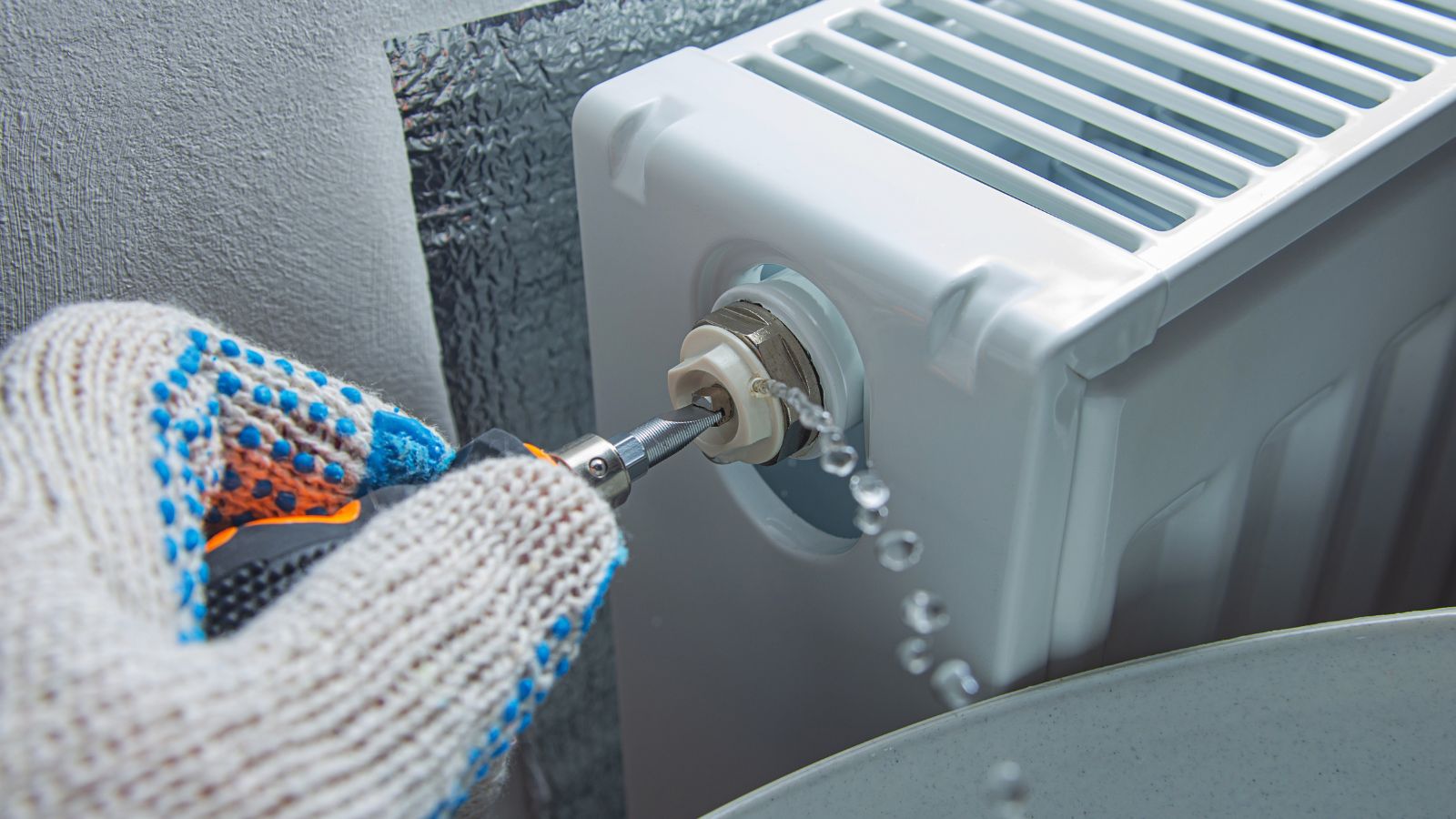
Hot-water heating systems can develop trapped air that prevents radiators from filling and heating evenly. Natural Resources Canada notes that hydronic systems perform best when radiators are relatively free of air bubbles and operating at correct pressures, and it recommends bleeding radiators regularly unless the system has automatic air removal.
A common clue is a radiator that remains cool near the top while other parts warm normally, although homeowners should follow the instructions for their particular system rather than assuming every cold radiator needs bleeding. Systems vary, and some modern installations handle air automatically. Before heating season, it is also useful to vacuum accessible radiator surfaces and make sure furniture or heavy curtains are not blocking heat circulation. If repeated bleeding is needed, pressure keeps changing or the same radiator repeatedly fills with air, that can indicate a problem beyond ordinary seasonal maintenance. In that situation, a heating professional can look for system-pressure, expansion-tank or other hydronic issues instead of repeatedly treating the symptom.
Check Boiler Gauges and Look for Signs of Water Trouble
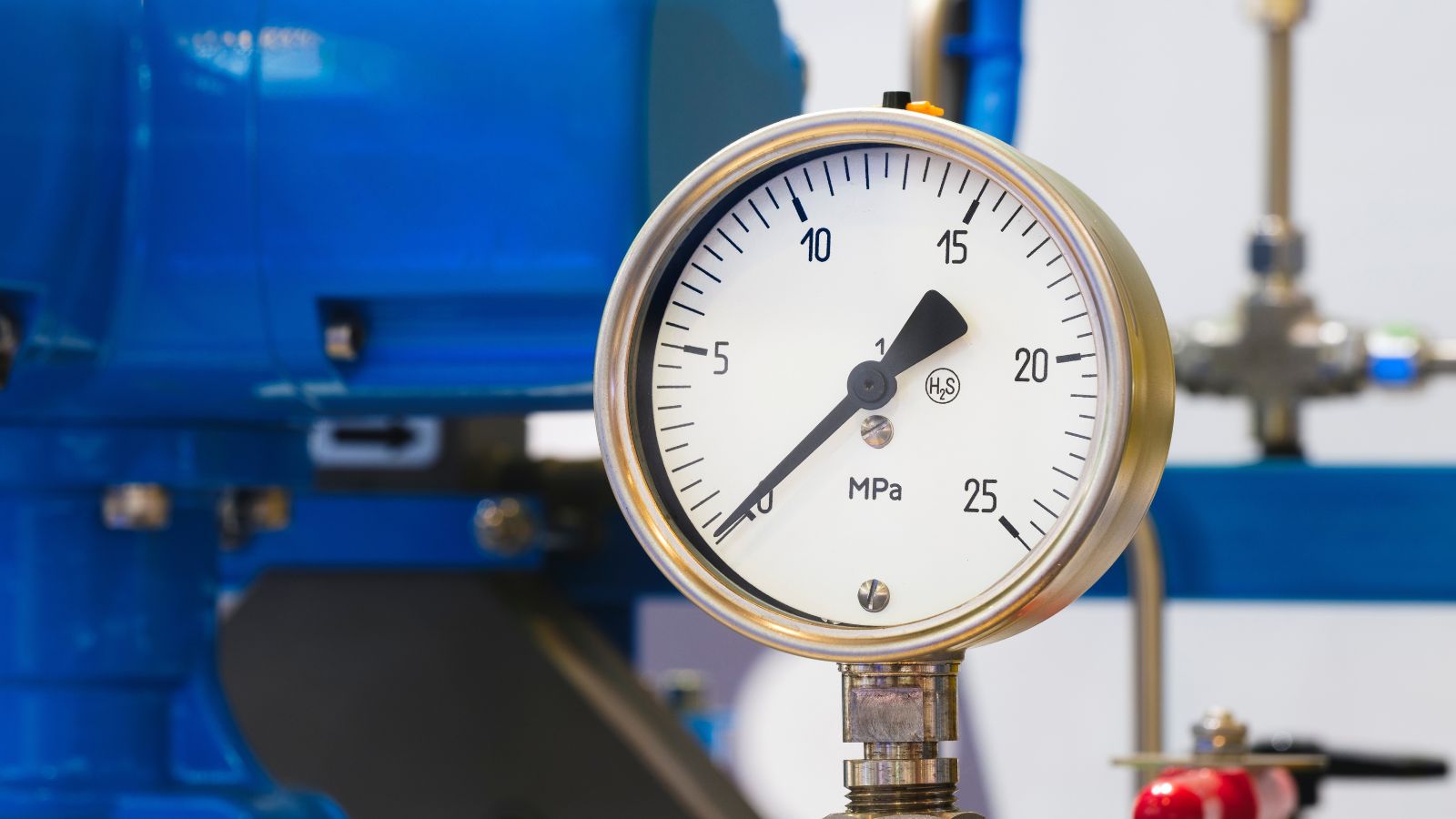
Homes heated by boilers should include the boiler itself in the autumn walk-through, not just the radiators upstairs. Natural Resources Canada notes that hydronic heating performs best at correct system pressures. Homeowners who know the normal range specified in their boiler documentation can compare the gauge reading without attempting to alter technical controls themselves.
The surrounding area can reveal useful information too. Water stains, recurring puddles, corrosion or drips around accessible piping and valves should not simply become part of the basement scenery. A system that repeatedly loses pressure or requires frequent intervention deserves professional diagnosis. Fuel-burning boilers also require appropriate servicing, venting and combustion safety checks just like furnaces. The goal of the homeowner inspection is therefore observation, not repair. A gauge that appears abnormal, a leak that returns after being wiped up or a boiler that starts and stops in unusual ways is valuable information to give a technician. Early attention can prevent a small heating-season annoyance from becoming a midwinter loss of heat.
Inspect Home-Heating Oil Tanks for Obvious Problems
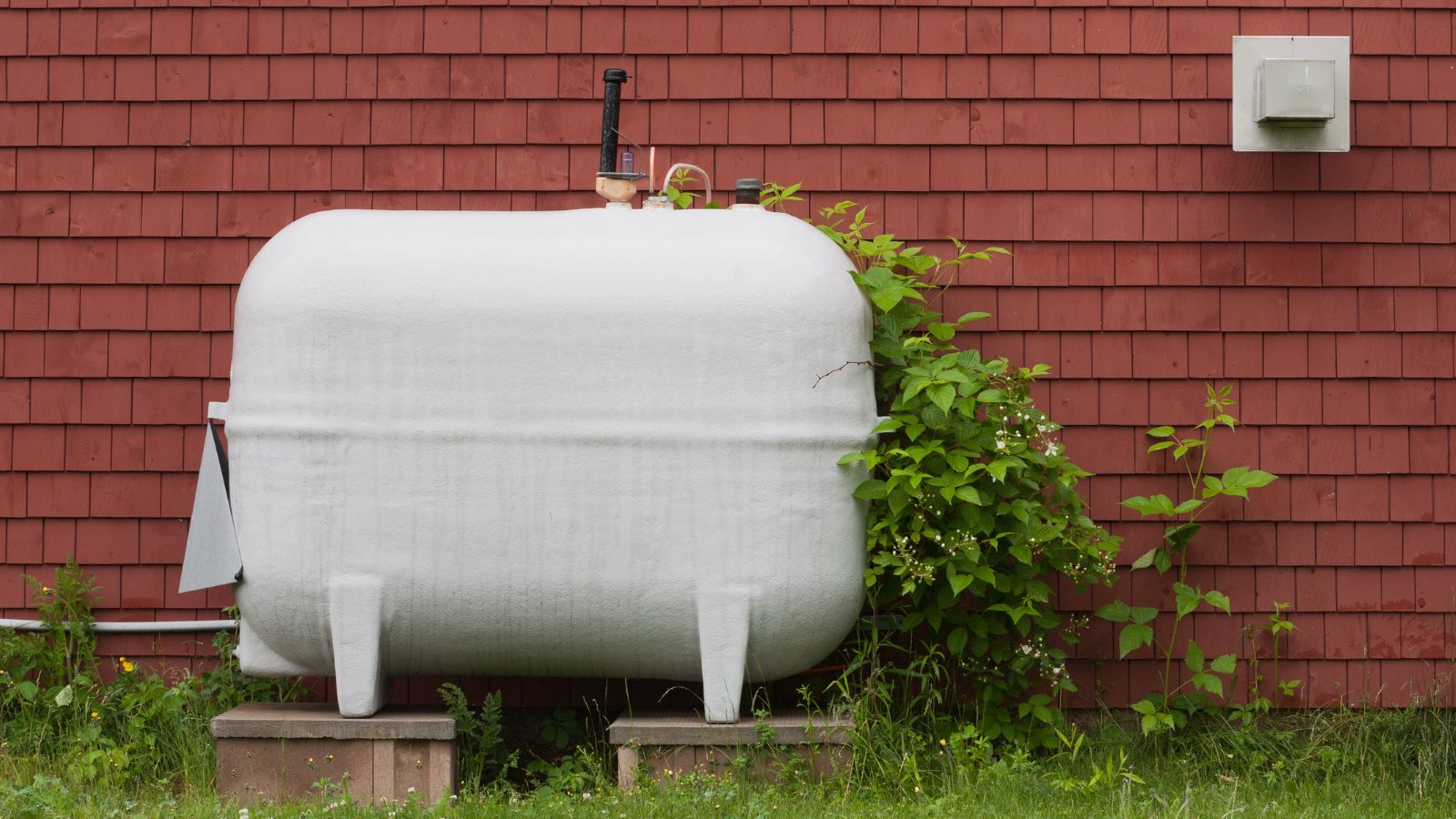
Oil-heated homes have another major component to consider: the fuel-storage tank and its associated lines. Nova Scotia environmental guidance recommends regular oil-tank inspection to reduce the chance of spills, while provincial information identifies corrosion, improper installation, location and maintenance among factors associated with petroleum spills. A leaking home-heating tank can contaminate soil and, in some situations, water.
Before regular furnace use and fuel deliveries resume, homeowners can look for obvious rust, staining, dampness, damaged supports or a petroleum odour around the tank and visible piping. Outdoor tanks face additional exposure to weather and should remain stable and properly supported. Requirements for tanks, inspections and replacement vary across Canadian provinces and territories, so local regulations and fuel-supplier requirements matter. If leakage is suspected, the response should not be a homemade repair followed by another fill. The fuel supplier, licensed heating professional and appropriate provincial authority can advise on safe next steps. Prevention is considerably easier than dealing with a contaminated basement, yard or neighbouring property.
Look Over Gas Meters and Propane Equipment Outside
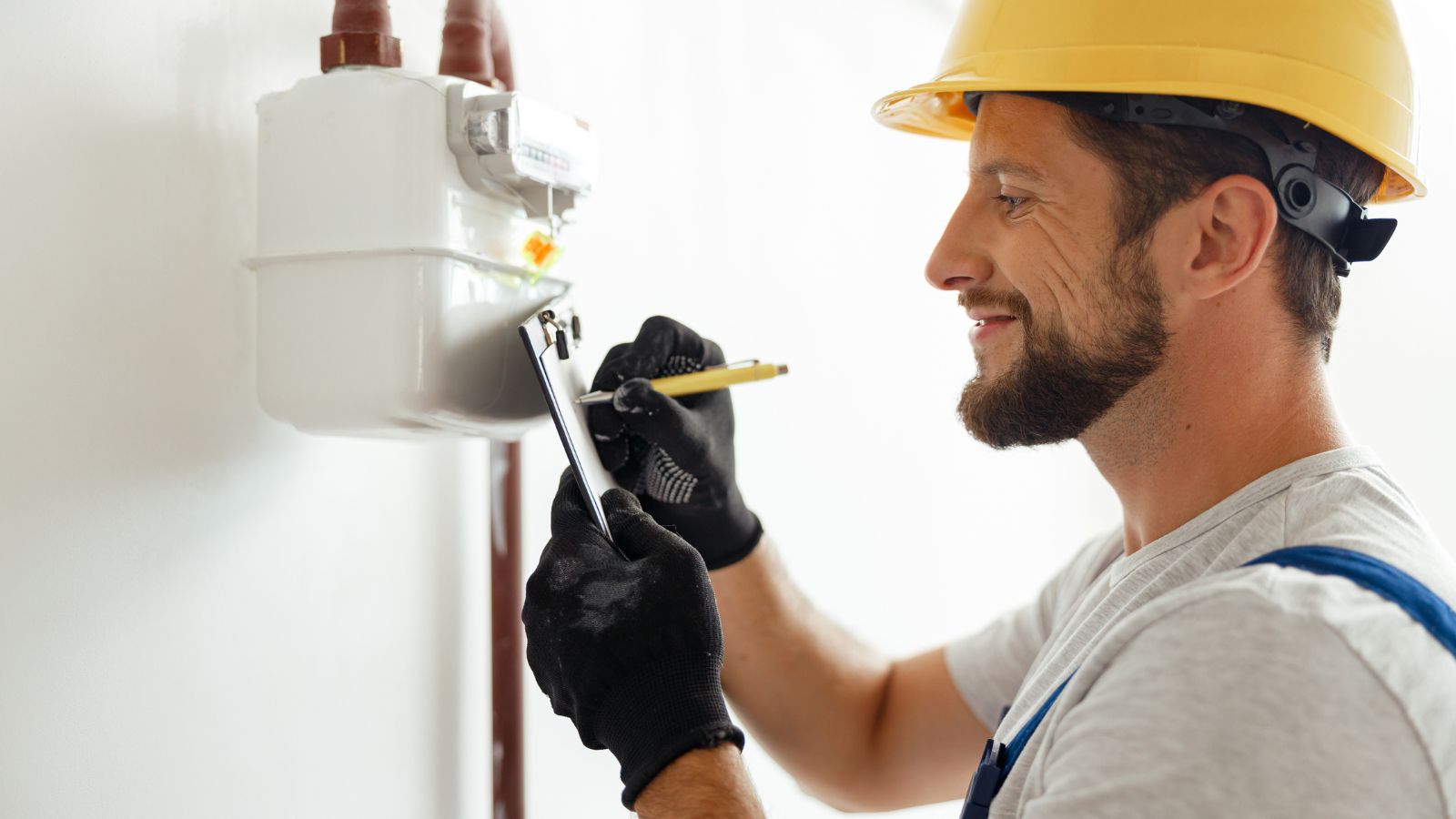
The heating system does not end at the basement wall. Homes supplied by natural gas or propane may have outdoor meters, regulators, tanks and piping that need to remain accessible and undamaged. Technical Safety BC warns that snow and ice accumulation can damage gas-meter components and says propane piping, gauges, tubing and regulators should also be treated carefully.
Autumn is a good time to ensure vegetation, stored equipment and landscaping have not crowded those components. Once winter arrives, snow should be removed gently with a soft brush, broom or gloved hand rather than a shovel or sharp object. Enbridge Gas similarly warns that snow and ice around meters, regulators and appliance vents can create safety problems. Homeowners should avoid striking equipment or attempting to chip away heavy ice themselves. If a meter or regulator appears damaged or encased in ice, the utility or propane supplier should be contacted. Finding and clearing the equipment in mild weather also makes it much easier to monitor once the first major storm buries the yard.
Inspect Accessible Ductwork for Obvious Leakage or Damage
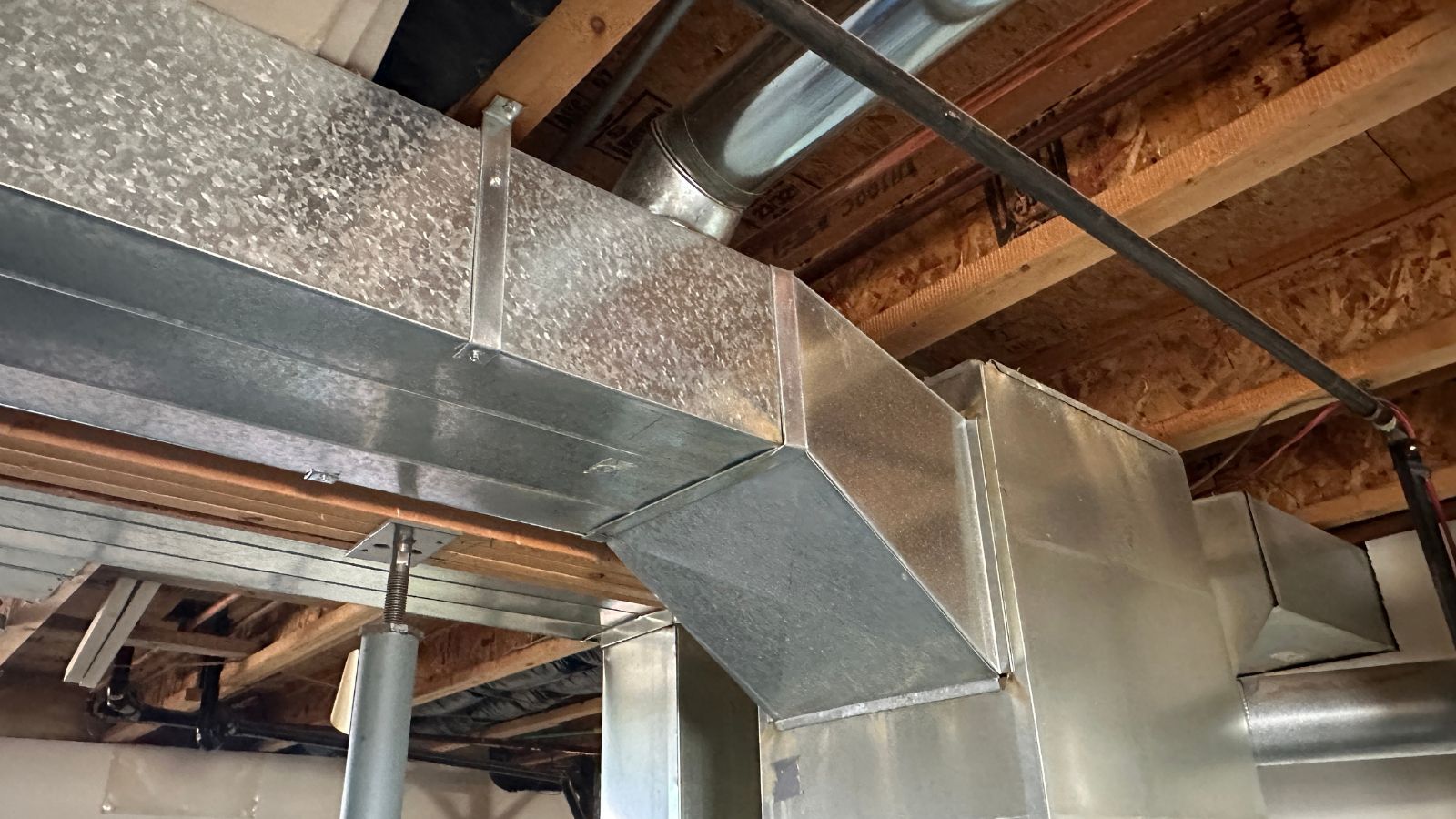
Warm air leaving a furnace only helps if it reaches the rooms it is supposed to heat. Natural Resources Canada recommends sealing supply ductwork appropriately and insulating heating and ventilation ducts that pass through unheated spaces such as crawl spaces or attics. It also notes that duct leakage, inadequate returns and poorly balanced systems can contribute to discomfort and higher energy use.
A homeowner’s pre-season inspection does not require crawling through inaccessible spaces or dismantling ducts. Instead, attention can be given to visible basement and utility-room sections. Disconnected joints, crushed flexible ducting or obviously damaged insulation are worth investigating. Ordinary cloth “duct tape” is not necessarily the correct permanent sealing material; federal guidance refers to approved foil tape or suitable mastic for supply ducts. Homes with chronic hot and cold rooms may need professional system balancing rather than random vent adjustments. The useful autumn question is straightforward: is the heated air still being given a clear, intact path from the equipment to the living space?
Find Drafts Around Exterior Doors and Windows
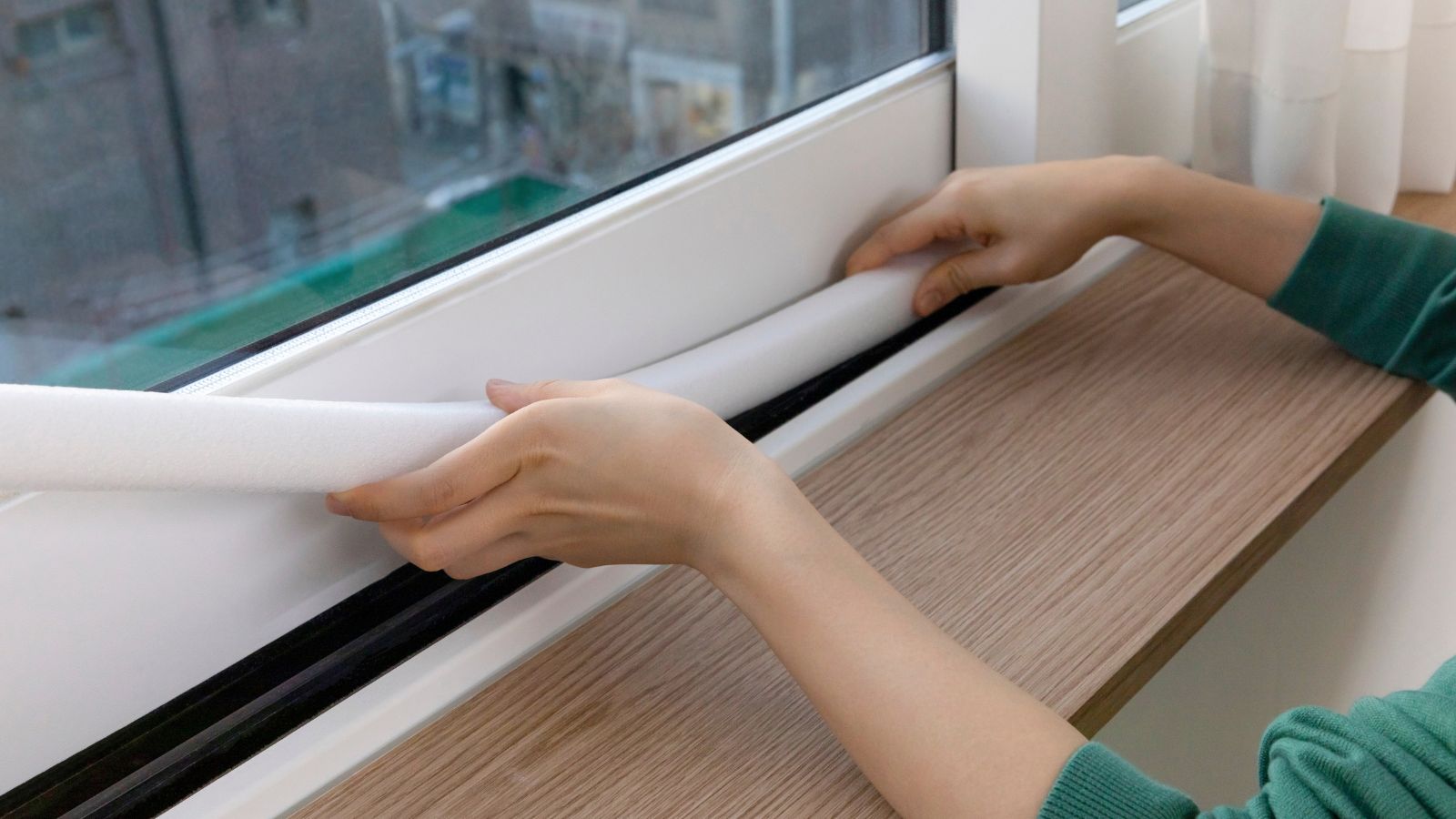
A heating system can be in excellent condition and still struggle in a leaky building. Natural Resources Canada recommends checking around windows and doors for drafts and using appropriate weatherstripping or sealant to reduce unwanted air leakage. Federal energy guidance says inexpensive weatherstripping can reduce heat loss and energy costs.
Early fall is an ideal time to inspect because caulking and weatherstripping work is easier before freezing temperatures arrive. Homeowners can look for deteriorated seals, daylight around door edges and areas where cold air becomes noticeable once temperatures begin dropping. The objective is not to make random openings airtight without understanding their purpose; intentional vents and combustion-air openings must remain functional. The focus should be on unintended leakage through the building envelope. A worn door sweep may seem minor beside a furnace, but dozens of small leakage points can affect comfort throughout winter. Reducing those drafts also makes it easier to judge whether the heating system itself is distributing heat properly.
Check Attic Insulation and the Attic Hatch
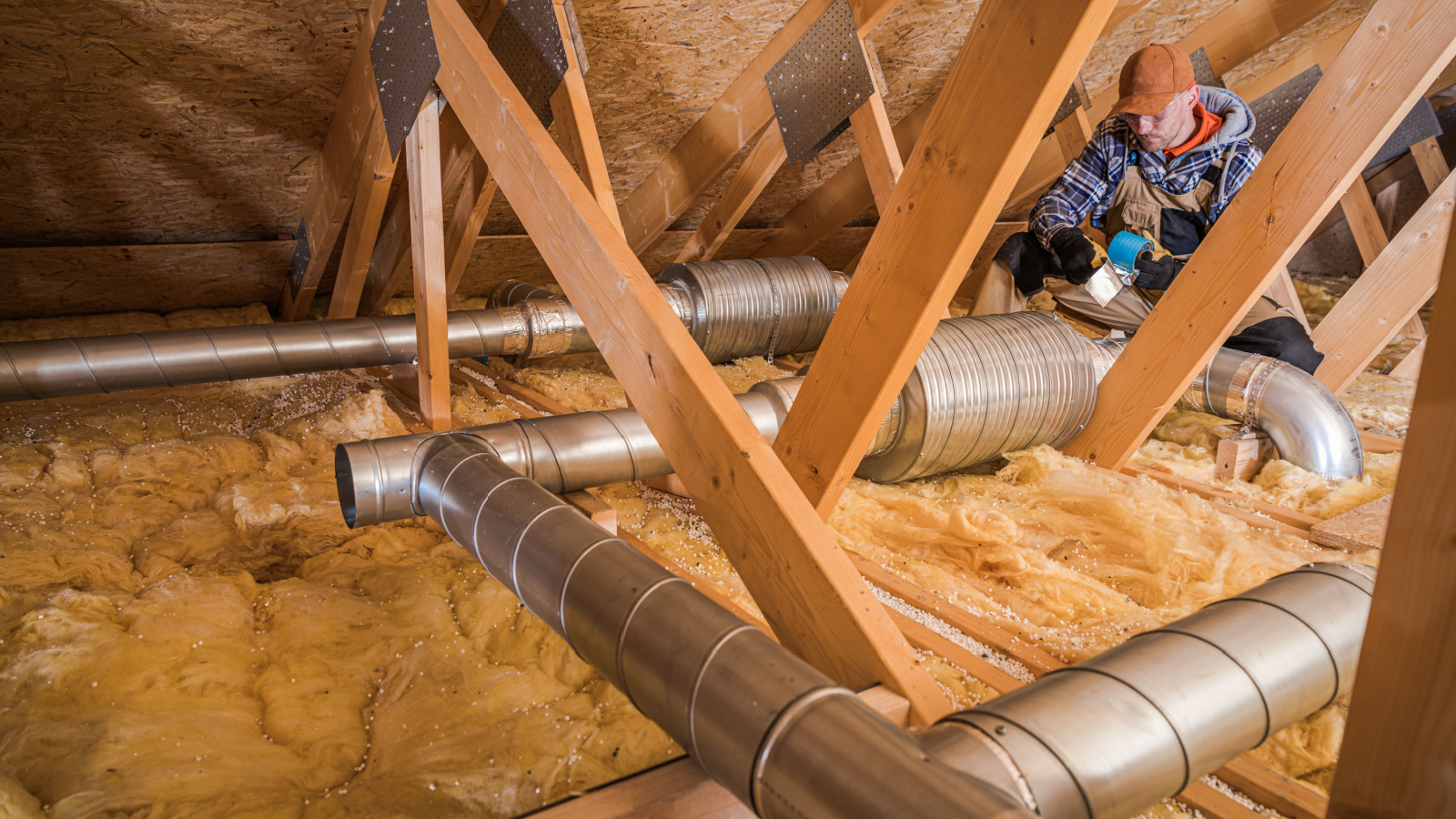
Heat loss does not occur only around windows. Natural Resources Canada notes that inadequate insulation, particularly in attics and basements, can significantly affect winter comfort and energy use. Hydro-Québec also advises making sure the attic hatch is airtight and well insulated and identifying gaps around penetrations where appropriate.
Homeowners do not necessarily need a major insulation project before the first frost, but autumn can reveal obvious problems. A displaced attic-hatch seal, missing weatherstripping or visible areas where insulation has been disturbed may deserve correction. Anyone entering an attic should do so safely, avoiding concealed wiring and unsupported ceiling surfaces. More extensive air sealing or insulation work can be assessed by an energy advisor or qualified contractor, particularly in older homes. The value of this check is perspective: if heated air is escaping rapidly through the upper part of the house, turning the thermostat higher treats the symptom rather than the building-envelope problem. Heating equipment and insulation work best when considered as parts of the same house system.
Do a Controlled Test Run Before the Cold Arrives

The best time to discover that a furnace will not start is not the first night temperatures fall well below freezing. Natural Resources Canada says professional HVAC checks should confirm that equipment starts, runs and shuts off correctly. Homeowners can perform a basic observation by calling for heat on a mild day and allowing the system enough time to demonstrate normal operation.
That test is an opportunity to walk through the house rather than simply listen for the furnace. Warm air should reach expected rooms, radiators should begin responding and the system should not produce persistent unusual odours or obviously abnormal sounds. FortisBC lists continuing odours, repeated pilot problems and symptoms associated with possible carbon monoxide exposure among reasons to seek professional help with gas equipment. A brief dusty smell at first startup can occur after months of inactivity, but persistent burning, fuel or sharp odours should not be dismissed. Finding a concern during a controlled autumn test leaves time to arrange qualified service before the heating system becomes essential.
16 Costco Canada Habits That Could Be Costing Shoppers More Than They Save

The Executive Membership can feel like an obvious upgrade because the 2% annual reward sounds straightforward. For households that spend heavily at Costco Canada, the extra fee may be easy to justify. But the habit becomes costly when shoppers upgrade first and calculate later. A Gold Star Membership costs less, while Executive costs more and only pays off if eligible annual spending is high enough to offset the difference.
16 Costco Canada Habits That Could Be Costing Shoppers More Than They Save
This Options Discord Chat is The Real Deal
While the internet is scoured with trading chat rooms, many of which even charge upwards of thousands of dollars to join, this smaller options trading discord chatroom is the real deal and actually providing valuable trade setups, education, and community without the noise and spam of the larger more expensive rooms. With a incredibly low-cost monthly fee, Options Trading Club (click here to see their reviews) requires an application to join ensuring that every member is dedicated and serious about taking their trading to the next level. If you are looking for a change in your trading strategies, then click here to apply for a membership.