
35,000+ smart investors are already getting financial news, market signals, and macro shifts in the economy that could impact their money next with our FREE weekly newsletter. Get ahead of what the crowd finds out too late. Click Here to Subscribe for FREE.
Vacations have a way of making small spending decisions feel harmless. A checked bag here, a restaurant tip there, a quick taxi after a long flight—none seems capable of wrecking a carefully planned getaway. Yet a vacation budget is often lost through accumulation rather than one spectacular splurge. Exchange fees, restrictive fares, roaming, hotel charges, meals, transportation and unplanned activities can quietly turn an affordable trip into an expensive one. Canadians travelling domestically or abroad also face costs that may be unfamiliar until payment is due. These 19 ways Canadians accidentally blow their vacation budget show where those surprises tend to appear and how modest planning can keep more money available for the parts of a trip that actually matter.
The Cheapest Fare Isn’t Always the Cheapest Trip
19 Ways Canadians Accidentally Blow Their Vacation Budget
- The Cheapest Fare Isn’t Always the Cheapest Trip
- Locking Into a Fare That Can’t Bend
- Forgetting Foreign-Currency Conversion Fees
- Accepting the Canadian-Dollar Option Abroad
- Letting Roaming Run in the Background
- Using a Credit Card Like an ATM
- Assuming Existing Insurance Covers Everything
- Buying Rental-Car Coverage Without Checking Existing Protection
- Budgeting the Nightly Hotel Rate, Not the Checkout Total
- Treating Airport Transportation as an Afterthought
- Buying Every Snack and Meal in Transit
- Tipping on Top of an Included Service Charge
- Packing Past the Airline’s Limits
- Leaving Popular Reservations Until Arrival
- Turning Every Day Into a Paid-Activity Marathon
- Treating “Duty-Free” as “No Limits”
- Losing Track of What Foreign Prices Mean in Canadian Dollars
- Forgetting About Temporary Card Holds
- Leaving No Money for the Trip That Goes Wrong
- 16 Costco Canada Habits That Could Be Costing Shoppers More Than They Save

Airline search results encourage travellers to focus on the first number they see: the fare. The trouble is that a low base price may buy much less than expected. Current Air Canada pricing illustrates the problem. For eligible Basic and Standard fares purchased under its 2026 baggage rules for travel within Canada, the United States, Mexico, the Caribbean or Central America, a first checked bag can cost C$45 each way before applicable taxes. Advance seat selection can also carry an additional charge on some lower-priced fares.
Those numbers become more meaningful when multiplied across a family or round trip. If two travellers each check one C$45 bag in both directions, baggage alone adds C$180 before tax. Add preferred seats or another suitcase and the bargain fare can quickly lose its advantage. The useful comparison is therefore not Toronto-to-Vancouver for C$X versus C$Y. It is the total trip price for the way the passengers actually intend to travel. Comparing baggage, seating and other required extras before booking prevents an attractively low headline fare from disguising a much larger transportation bill.
Locking Into a Fare That Can’t Bend
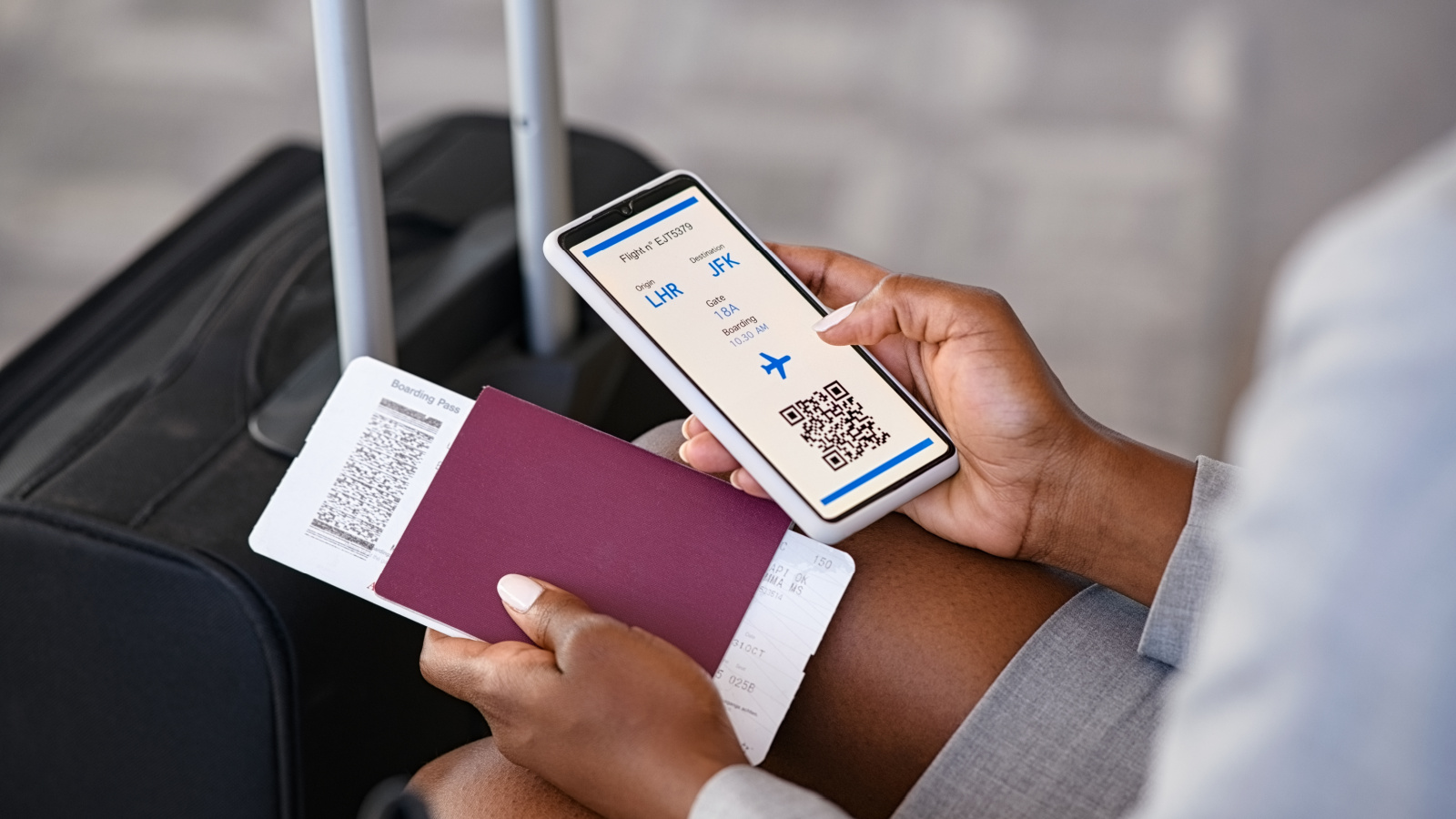
Another inexpensive-looking choice can become costly when plans change. Some of the cheapest tickets trade flexibility for the lower upfront price. Air Canada’s current domestic fee information, for example, says Economy Basic tickets do not permit voluntary changes, while some other fare categories allow changes either free of a change fee or for a stated charge plus any applicable fare difference. Similar restrictions exist throughout the travel industry, although the details vary significantly by carrier and booking.
Imagine a couple saving C$80 in total by selecting the most restrictive fare, only to discover later that one traveller needs to leave a day later. If the ticket cannot be changed, the cost of replacing a flight may dwarf the original saving. That does not mean everyone needs a flexible premium fare. It means flexibility has a financial value that should be considered alongside price. Work schedules, children, health issues and connecting plans can all raise the likelihood of a change. A cheap non-changeable booking makes the most sense when the dates are genuinely firm, not simply when its initial price wins the search screen.
Forgetting Foreign-Currency Conversion Fees

A vacation purchase can cost more in Canadian dollars than the exchange rate alone suggests. Canadian financial institutions may impose a foreign-currency conversion charge on credit-card transactions. The Financial Consumer Agency of Canada uses a 2.5% conversion charge in its standardized examples and stresses that travellers should check their own card agreement because actual fees depend on the issuer and product.
The percentage sounds minor until it is applied to an entire trip. On a card charging 2.5%, C$3,000 worth of foreign-currency purchases would generate another C$75 in conversion charges, separate from the exchange rate itself. Hotels, restaurants, attraction tickets, shopping and rental cars can all contribute to that total. Travellers sometimes budget by converting the hotel and airfare before departure but forget that nearly every purchase at the destination may receive the same treatment. Checking whether a card charges foreign transaction fees—and comparing available cards before leaving—creates a more realistic spending limit. Rewards points are far less exciting when an unnoticed percentage is being added to every international purchase.
Accepting the Canadian-Dollar Option Abroad
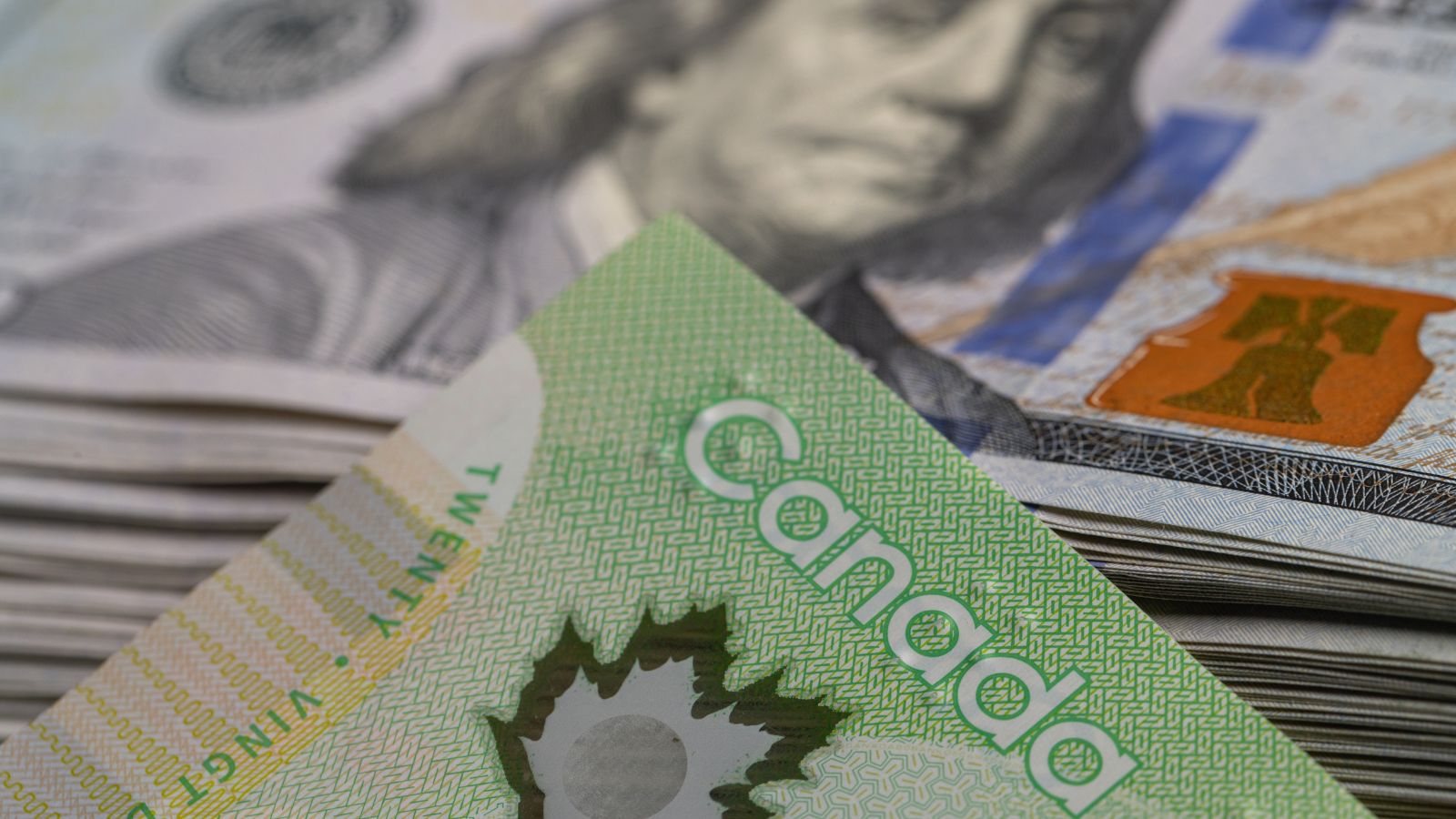
A card terminal overseas may politely offer to charge a purchase in Canadian dollars instead of the destination’s currency. Seeing a familiar C$ amount can feel reassuring, particularly when mental exchange-rate calculations have become tiring. The service is called dynamic currency conversion, or DCC, and the convenience can come with its own exchange rate and additional markup or fees.
Visa advises cardholders that merchants and ATMs offering DCC should disclose the local-currency amount, the converted amount, the exchange rate and any additional fee or markup. It also notes that travellers can decline the conversion. That makes the currency-choice screen more important than it looks. Consider a purchase equivalent to roughly C$500. An illustrative 4% conversion markup would represent another C$20. Repeating similar decisions across hotels, shopping and restaurants can quietly consume a meaningful part of the vacation budget. The practical habit is to slow down when a terminal asks which currency to use, review the conversion information, and compare the cost with whatever foreign-exchange charge the card issuer would otherwise apply.
Letting Roaming Run in the Background

A phone can keep spending money even while its owner is thinking about beaches, museums or road trips. International roaming may be triggered by calls, texts and data use outside Canada, and devices can sometimes use mobile data for background activity without deliberate browsing. The CRTC has specifically warned Canadians about the cost of international roaming and the need to understand available options.
In its 2024 review, the regulator found that Canadian travellers were often facing flat roaming charges of roughly C$10 to C$16 per day regardless of how much they actually used their phones. Plans have continued to evolve since then, so current rates need to be checked with the provider before departure. Still, the arithmetic demonstrates why the issue matters: at those historical daily rates, ten chargeable days represented C$100 to C$160. Couples or families carrying several devices can face even more. A roaming package, appropriate local SIM or eSIM, carefully managed Wi-Fi use, or another suitable option may cost less. The expensive mistake is discovering the plan only after the phone has already connected abroad.
Using a Credit Card Like an ATM

Running short of cash overseas can make a credit-card ATM withdrawal look like an easy solution. Financially, it is a different transaction from buying dinner or paying a hotel bill. The Financial Consumer Agency of Canada says credit-card cash advances do not receive the normal interest-free grace period: interest starts from the date of the advance, and the cash-advance interest rate is often higher than the rate for ordinary purchases. A transaction fee may also apply.
Foreign withdrawals can bring additional complications. Travel.gc.ca warns that using a credit card to withdraw cash can involve high fees and interest, while debit-card withdrawals abroad may still carry ATM and foreign-currency fees. That makes repeated small withdrawals particularly inefficient. A traveller who needs C$500 equivalent during a trip could end up paying several separate fees if the money is withdrawn C$50 or C$100 at a time. Planning a modest amount of cash, understanding bank-network arrangements and knowing the fees attached to each card before departure can prevent emergency convenience from turning into surprisingly expensive borrowing.
Assuming Existing Insurance Covers Everything

Travel insurance is one of those expenses that seems unnecessary right up until it becomes the most important financial protection on the trip. Canadian provincial and territorial health coverage does not automatically function like comprehensive insurance abroad. The federal government warns that a provincial or territorial health plan may cover none or only a small portion of overseas medical costs, including medical evacuation, and the Government of Canada does not pay a traveller’s foreign medical bills.
The opposite mistake is assuming that any policy labelled “travel insurance” covers every situation. Coverage may differ for trip cancellation, interruption, emergency medicine, baggage, risky activities and pre-existing medical conditions. Credit cards and employer benefits may provide some protection, but the limits and eligibility requirements still need to be checked. The important budgeting lesson is that insurance should be evaluated before non-refundable spending is committed. Saving C$100 or C$200 by ignoring coverage can look clever until a cancelled trip, hospitalization or evacuation creates a bill many times larger. Coverage is most useful when its exclusions are understood before the suitcase is packed.
Buying Rental-Car Coverage Without Checking Existing Protection

The rental-car counter is an uncomfortable place to make an insurance decision. Travellers may be tired, facing a line of customers and being asked whether they want collision or loss-damage protection at a daily price. Some accept every option because they are afraid of being uninsured. Others decline everything because they assume their credit card handles it. Either approach can create unnecessary expense or dangerous gaps.
Canada’s Office of Consumer Affairs advises travellers to investigate existing coverage before buying additional policies. A personal automobile policy may provide certain protection for rental vehicles, while some credit cards include rental-related or other travel insurance. Coverage is not universal, however, and conditions can include paying for the rental with the eligible card, declining specified rental-company protection, limits on vehicle type or value, and restrictions on rental duration. The best time to compare those details is at home, not at the counter. A seven-day rental with an unnecessary C$25-per-day optional product would add C$175; declining genuinely needed coverage could be far more costly. Verification matters more than either automatic acceptance or refusal.
Budgeting the Nightly Hotel Rate, Not the Checkout Total

A C$200 hotel room is not necessarily a C$200 hotel night. Taxes and mandatory charges vary by destination, and travellers who budget only the displayed room figure may create a shortfall before arriving. Québec provides a clear domestic example: qualifying short-term accommodation in participating tourism regions is generally subject to a 3.5% lodging tax, in addition to applicable GST and QST.
International travel introduces other pricing systems. In the United States, an FTC rule effective since May 2025 requires hotels and short-term lodging sellers to display mandatory fees in the advertised total price, although government charges such as taxes may still be excluded until later in the transaction. That improves price transparency but does not make those taxes disappear. Parking, optional breakfast, pets and other selected services may also add costs depending on the property. Travellers therefore need the final payment amount, not just the room rate, when comparing hotels. Across a five- or seven-night stay, even modest percentage-based taxes and daily extras can alter which property is genuinely the better deal.
Treating Airport Transportation as an Afterthought

The vacation budget often jumps from “flight” to “hotel” as though passengers somehow teleport between the two. Airport transportation can be a substantial missing category, particularly when a terminal is far from downtown or a family arrives at a time when the cheapest transit option is inconvenient. Taxis, ride-hailing, limousines, trains, buses, hotel shuttles, rental cars and parking can all produce very different totals.
Toronto Pearson illustrates why comparing options matters. The airport provides several ground-transport choices, including public transit, the UP Express, taxis, ride-share services and limousines. Pearson says its licensed airport limousines cost approximately 10% more than licensed taxis. That premium may be worthwhile for some travellers, but it is still a budget decision. Similar trade-offs appear elsewhere: four people may find a taxi economical compared with four individual rail tickets, while a solo passenger could see the opposite. Planning both arrival and departure transportation—and checking late-night availability—prevents the classic end-of-trip problem of discovering that the remaining cash must somehow cover one final expensive ride to the airport.
Buying Every Snack and Meal in Transit

Travel days create a special kind of hunger: breakfast is skipped to make an early flight, the connection lands during lunch, and suddenly everyone is buying whatever is nearby. These purchases rarely feel extravagant. Their danger comes from repetition, particularly for families. Coffee, bottled drinks, airport meals, snacks during a delay and food aboard the aircraft can form an entire unplanned spending category before the destination is reached.
Current Air Canada optional-service information, for example, lists onboard meal and snack items across a range that reaches above C$20 depending on the item and applicable pricing. That is not unusual as a travel-day expense, but multiplying it matters. If four travellers each spend an illustrative C$15 on food twice during a long travel day, the result is C$120. Doing something similar on the return journey doubles it. Packing permitted snacks, carrying an empty refillable bottle through security, eating before leaving home and deliberately assigning money to transit meals can make the spending intentional instead of accidental. The point is not to avoid airport food; it is to stop pretending it costs nothing.
Tipping on Top of an Included Service Charge

Tipping rules change from destination to destination, and vacation mode makes it easy to tap a percentage on a payment terminal without examining the bill. That creates an expensive possibility: adding a full voluntary tip after the restaurant or hotel has already included a gratuity or mandatory service charge. The Canada Revenue Agency explicitly recognizes arrangements in which employers add a mandatory service charge or percentage to a client’s bill to cover tips.
For a group dining out, the difference can be noticeable. Imagine a C$100 restaurant bill that already contains an 18% service charge. Adding another 20% tip without noticing the first amount turns C$18 of intended gratuity into C$38 of combined gratuity and service charge. On larger meals, resort dining or group bookings, the numbers rise quickly. Customs vary widely, so the solution is not to assume that every service charge replaces a tip. It is simply to read the receipt, understand what has already been included and learn local expectations. Generosity can remain part of the vacation; accidentally paying the same category twice does not have to be.
Packing Past the Airline’s Limits
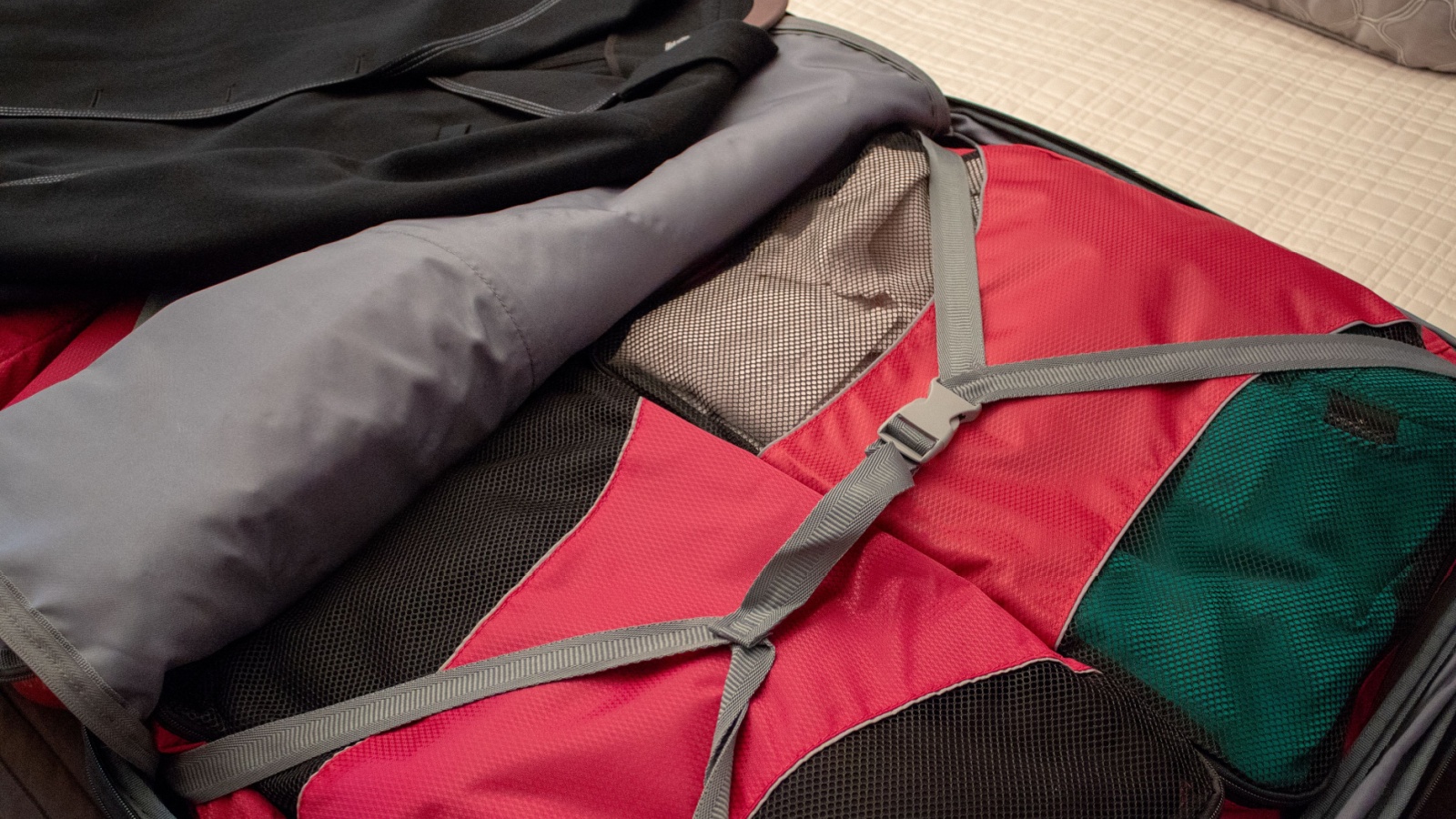
There is a peculiar moment at an airport check-in counter when a traveller watches a suitcase land on the scale and suddenly realizes that several extra pairs of shoes were not free. Airline baggage allowances can carry substantial penalties for excess weight, oversized luggage and additional pieces. Those fees are particularly painful because they arrive after most other vacation purchases have already been made.
Air Canada’s current optional-service schedule provides a useful Canadian example. Depending on the itinerary, an overweight or oversized checked bag can trigger a charge in the C$100-to-C$120 range, while some additional bags on international routes can cost considerably more. A family with several suitcases therefore has a real financial reason to use a luggage scale before leaving home. Redistributing items between bags, removing “just in case” clothing and checking the exact allowance attached to the ticket can save more than minimalist packing alone. The same check should happen before the return flight, when souvenirs have increased the load. Extra luggage is only a bargain if carrying it costs less than leaving it behind.
Leaving Popular Reservations Until Arrival

Spontaneity sounds romantic until the inexpensive or preferred option is already sold out. Many popular Canadian destinations use reservation systems for camping, accommodations and special-access experiences. Parks Canada operates advance reservations across dozens of destinations, while certain high-demand places have stricter requirements. Access to Lake O’Hara in Yoho National Park, for example, requires reservations for designated services and camping.
Missing a reservation does not automatically mean paying more, but it can remove lower-cost choices from the itinerary. A family that planned a self-guided C$40 day but discovers the desired access is unavailable might choose an illustrative C$200 commercial alternative simply because the vacation dates cannot move. Similar situations occur with ferries, trains, attractions, events and restaurants. Booking every hour months ahead is unnecessary; identifying the few experiences with limited capacity is different. A useful approach is to reserve the trip’s “anchor” experiences first and leave ordinary sightseeing flexible. That preserves spontaneity while reducing the odds that limited availability forces a rushed, expensive replacement once everyone has already travelled hundreds or thousands of kilometres.
Turning Every Day Into a Paid-Activity Marathon
Once people have paid to reach a destination, there is a strong temptation to “make the trip count.” That can translate into boat tours, museum tickets, guided excursions, amusement parks, concerts, rental equipment and premium experiences stacked into every available day. Individually, each purchase may fit the budget. Collectively, they can overwhelm it—and sometimes leave travellers too exhausted to enjoy what they bought.
The Financial Consumer Agency of Canada emphasizes tracking spending and setting realistic categories because small and repeated purchases affect the overall budget. Vacation activities deserve the same treatment. Consider a family of four choosing four attractions averaging an illustrative C$40 per person. That is C$640 before transportation, food, souvenirs or taxes associated with those outings. Adding a few intentionally free or inexpensive days can create both financial breathing room and actual downtime. Beaches, neighbourhood walks, public parks, hotel pools and free community events may provide memorable hours without another ticket charge. A vacation does not become better simply because every morning begins with another confirmation number.
Treating “Duty-Free” as “No Limits”

The phrase “duty-free” can make airport and border shopping feel detached from the vacation budget, almost as if taxes have transformed the purchase into free money. Canadian customs rules are more specific. Returning residents’ personal exemptions depend on how long they have been outside the country, and exceeding an exemption can create duty or tax obligations on goods brought back.
The Canada Border Services Agency says there is no personal exemption for an absence of less than 24 hours. After more than 24 hours, qualifying travellers may claim up to C$200 in goods, subject to conditions, while an absence of more than 48 hours generally allows up to C$800. Alcohol and tobacco have separate limits and rules. That matters for Canadians returning from cross-border shopping, cruises or international vacations with bags full of purchases. A C$900 shopping spree is still C$900 of spending even when part of it qualifies for an exemption. Keeping receipts and maintaining a running Canadian-dollar total helps prevent a cheerful airport purchase from becoming both a credit-card surprise and an unexpected customs expense.
Losing Track of What Foreign Prices Mean in Canadian Dollars
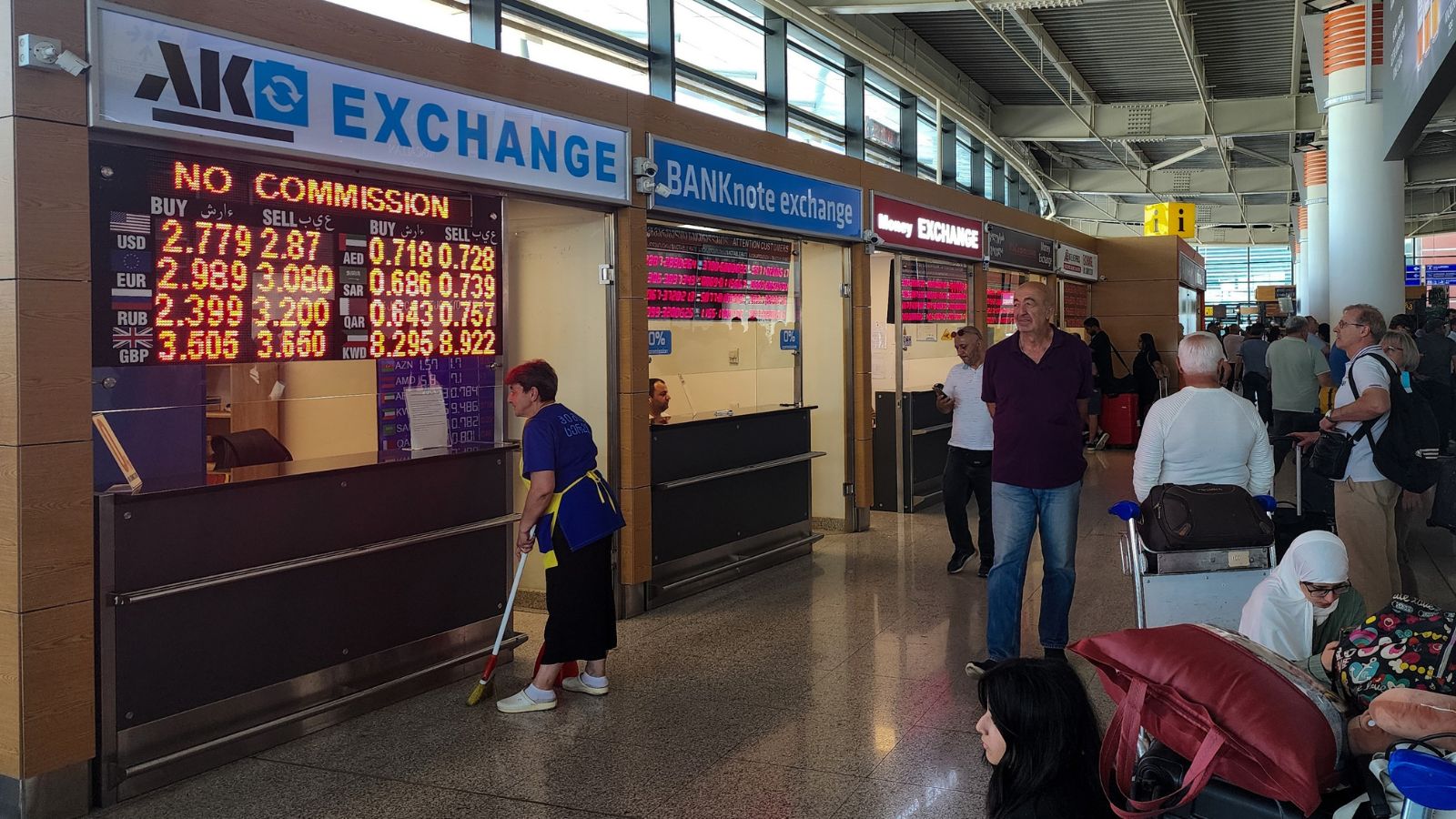
Foreign currency changes the psychological feel of money. A 600-unit restaurant bill can look enormous in one country and cheap in another; a price of 25 can feel insignificant even when the currency is worth substantially more than the Canadian dollar. After several days, travellers often stop converting every purchase and begin judging prices by the local numbers alone.
The Bank of Canada publishes indicative exchange rates each business day and provides a currency converter that Canadians can use as a reference point. Keeping a rough conversion rule on a phone can help maintain perspective without performing detailed arithmetic at every café. An illustrative 10% mental-conversion error across C$1,000 worth of spending represents C$100—enough to erase savings made elsewhere. Exchange rates also move, so the rate remembered from a previous vacation may no longer be useful. The goal is not obsessive tracking of every cent. It is maintaining enough awareness to know whether a 70-unit taxi ride is roughly a modest fare or a major purchase before tapping the card.
Forgetting About Temporary Card Holds

A traveller can technically have enough money and still find that some of it is temporarily unavailable. Hotels, car-rental agencies, restaurants and other service businesses may place authorization holds on payment cards to cover anticipated bills, deposits or incidentals. These amounts are not necessarily final charges, but while the hold exists they can reduce available funds or spending capacity.
The Financial Consumer Agency of Canada specifically warns that hotels and vehicle-rental agencies may place temporary holds on prepaid cards, limiting how much money remains available for other purchases. That distinction becomes important for travellers operating with a tightly controlled card balance. If an illustrative C$300 is temporarily reserved for hotel incidentals, C$300 cannot simultaneously pay for dinner, attraction tickets or emergency transportation. Credit limits also deserve attention when large hotel and rental transactions are involved. Travellers can ask a property about its deposit or hold policy before arrival and maintain more available credit or a backup payment method than the expected final bills alone require. A budget should account not only for what will ultimately be spent, but for money that may temporarily be tied up.
Leaving No Money for the Trip That Goes Wrong

The most fragile vacation budget is the one that works only if everything goes exactly as planned. Flights can be disrupted, cards can be frozen, luggage can disappear and weather can change transportation plans. A traveller who spends the entire vacation allowance on bookings and daily fun may have no room for an extra hotel night, replacement essentials or an unexpected trip across town.
Travel.gc.ca specifically recommends carrying a backup source of funds for emergencies or unexpected delays. Its guidance also advises travellers to make sure accounts have enough money for planned expenses plus extra for emergencies. That extra does not need to become another spending target. It is a buffer that remains untouched unless the trip genuinely changes. Even a modest reserve can keep an inconvenience from immediately turning into expensive borrowing or a credit-card cash advance. Vacation budgeting is therefore less about predicting every possible mishap than accepting that prediction is impossible. The money left unused at the end of a smooth trip is not wasted—it is evidence that the budget had room to survive one that was not.
16 Costco Canada Habits That Could Be Costing Shoppers More Than They Save

The Executive Membership can feel like an obvious upgrade because the 2% annual reward sounds straightforward. For households that spend heavily at Costco Canada, the extra fee may be easy to justify. But the habit becomes costly when shoppers upgrade first and calculate later. A Gold Star Membership costs less, while Executive costs more and only pays off if eligible annual spending is high enough to offset the difference.
16 Costco Canada Habits That Could Be Costing Shoppers More Than They Save
This Options Discord Chat is The Real Deal
While the internet is scoured with trading chat rooms, many of which even charge upwards of thousands of dollars to join, this smaller options trading discord chatroom is the real deal and actually providing valuable trade setups, education, and community without the noise and spam of the larger more expensive rooms. With a incredibly low-cost monthly fee, Options Trading Club (click here to see their reviews) requires an application to join ensuring that every member is dedicated and serious about taking their trading to the next level. If you are looking for a change in your trading strategies, then click here to apply for a membership.