35,000+ smart investors are already getting financial news, market signals, and macro shifts in the economy that could impact their money next with our FREE weekly newsletter. Get ahead of what the crowd finds out too late. Click Here to Subscribe for FREE.
Shopping rarely comes down to price alone. The way a deal is presented, where a product appears, how quickly payment can be completed and even the promise of future rewards can subtly change what ends up in a basket. Canadian consumers now encounter these prompts across grocery aisles, retail apps, loyalty programs and online checkouts, often without giving them much thought.
Some techniques genuinely provide convenience or savings; others can make an ordinary purchase feel more urgent, rewarding or affordable than it otherwise would. Understanding the mechanics can make the difference between capturing a useful deal and spending simply to qualify for one. These 17 ways Canadian shoppers get nudged into spending more show how small design and pricing choices can influence surprisingly big purchasing decisions.
The “Regular Price” Becomes the Anchor
17 Ways Canadian Shoppers Get Nudged Into Spending More
- The “Regular Price” Becomes the Anchor
- Loyalty Points Turn Extra Spending Into a Reward
- Free Shipping Creates a Finish Line
- Countdown Clocks Make Waiting Feel Risky
- Installments Make a Large Price Look Smaller
- Multi-Buy Deals Change the Question From “Do I Need It?” to “How Many?”
- Recommendations Quietly Expand the Shopping List
- Checkout Areas Offer One Last Chance to Add Something
- One-Click Checkout Removes the Moment to Reconsider
- Personalized Advertising Keeps Temptation Relevant
- Free Trials Can Turn Into Paid Habits
- Credit-Card Rewards Can Make Spending Feel Productive
- Prime Shelf Space Influences What Gets Noticed
- $9.99 Still Looks Different From $10
- Smaller Packages Can Make the Price Increase Harder to See
- “Spend $50, Save $15” Can Pull the Basket Upward
- Extra Fees Can Appear After the Purchase Decision Is Already Forming
- 16 Costco Canada Habits That Could Be Costing Shoppers More Than They Save
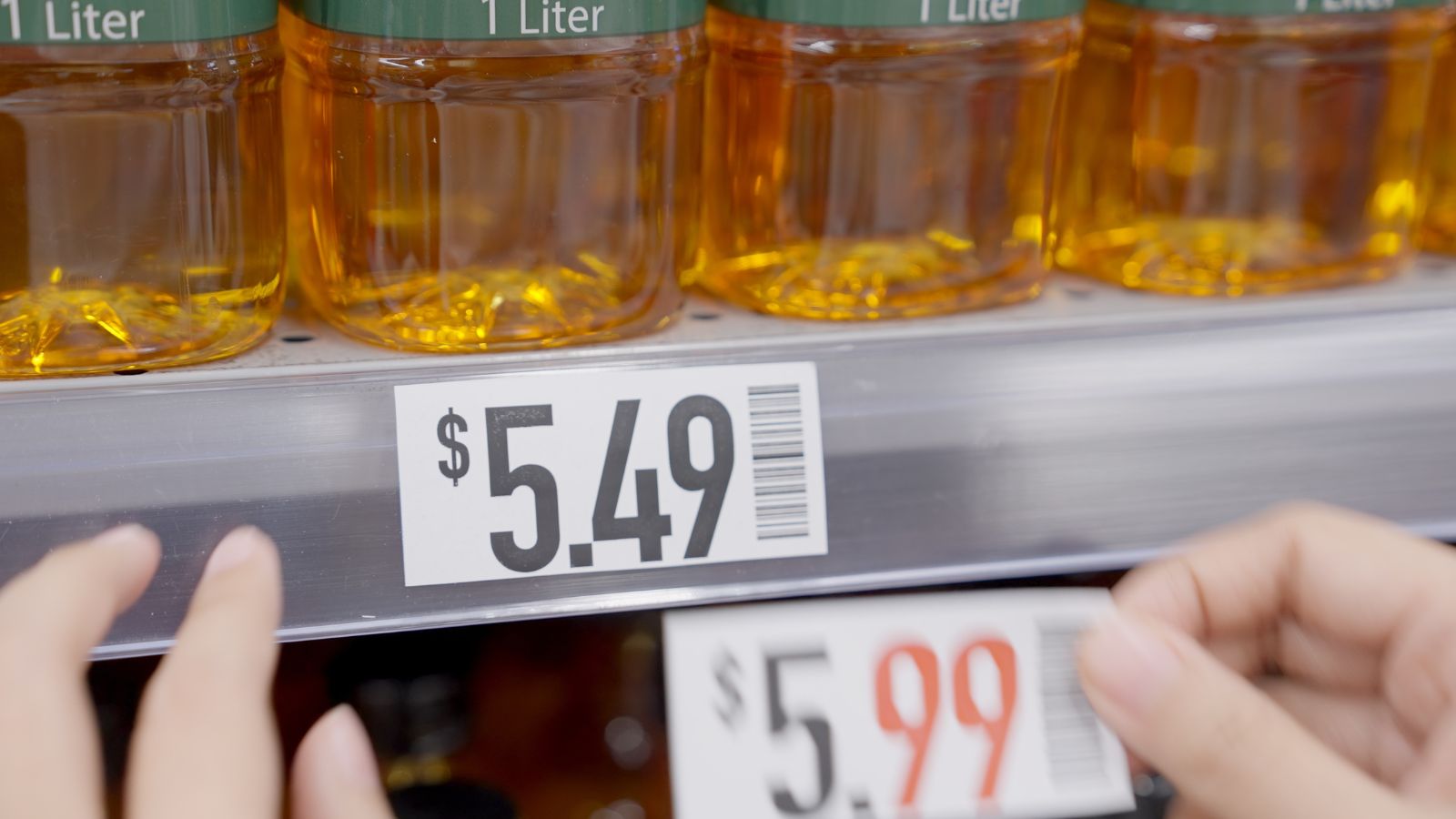
A red sale tag can change the way shoppers judge a price before they have even considered what an item is actually worth. When a sweater is displayed at $59.99 beside a crossed-out price of $99.99, the larger figure becomes an anchor. Instead of asking whether $59.99 is reasonable, the mind is encouraged to focus on the apparent $40 saving. That comparison can make buying feel financially responsible even when the shopper had no intention of purchasing a sweater at all.
There is an important distinction between legitimate discounts and misleading reference prices. Canada’s Competition Bureau specifically regulates ordinary selling-price claims and warns businesses against inventing or inflating a “regular” price merely to create the impression of a bargain. That enforcement reflects how powerful comparison pricing can be. A genuine 25% reduction may be useful; a large percentage-off sign is not, by itself, proof of value. Comparing the final price with competing products often reveals more than the percentage printed on the tag.
Loyalty Points Turn Extra Spending Into a Reward

Loyalty programs can transform spending from something that reduces a bank balance into something that appears to generate a second benefit. A shopper who would normally stop at $82 may be tempted to add another product when an app promises bonus points after spending $100. The extra purchase suddenly feels less like additional consumption and more like progress toward groceries, travel or another reward later. That mental reframing is one reason points programs have become such an important part of Canadian retail.
The influence is measurable. In its grocery-market study, Canada’s Competition Bureau reported that 61% of Canadians said they were more likely to shop at a grocery store where they could earn rewards points. Research on loyalty programs has also found that push notifications can increase spending and reward redemption. None of that means points are automatically a bad deal. Regular purchases can produce worthwhile benefits. The spending nudge appears when collecting the reward begins determining what gets bought, rather than rewarding spending that was already necessary.
Free Shipping Creates a Finish Line

Few online prompts are as effective at making an unfinished basket feel unfinished as: “You’re $12 away from free shipping.” At that moment, delivery has been turned from a fee into an obstacle that can supposedly be defeated through additional shopping. Paying $8 for shipping may suddenly seem wasteful, while spending another $15 on merchandise can feel clever—even though the second option costs more overall.
Research provides a particularly revealing example. A 2026 McGill-led study examined a North American online grocery platform that increased its free-shipping threshold from $80 to $100. Consumer spending fell 19.4% after the threshold was raised, with researchers identifying reduced “top-up” behaviour as one mechanism. In other words, the level at which free shipping becomes available can influence how much customers put into their carts. The tactic works because attention shifts from the total bill to reaching a target. A shopper buying an unnecessary $14 item to avoid a $9 delivery charge has technically received free shipping—but has not necessarily saved money.
Countdown Clocks Make Waiting Feel Risky

A normal purchase decision leaves room for questions: Is this really needed? Is another store cheaper? Will the price still look appealing tomorrow? A countdown timer compresses that process into minutes or seconds. “Sale ends in 08:42” sends a different psychological message from simply displaying a discount. Likewise, “Only two left” can make an otherwise ordinary item suddenly seem scarce. The product has not necessarily become more useful, but delaying the purchase now feels risky.
Scarcity cues are not always misleading. Inventory genuinely runs low and real promotions have deadlines. Problems emerge when the urgency itself is artificial. Canada’s Competition Bureau identifies fake urgency cues—including recurring countdown timers and misleading limited-time claims—as potentially deceptive marketing. Experimental e-commerce research has also found that countdown timers and low-stock messages can influence product-selection decisions. The safest response is to separate the product from the clock. If an item would not be worth buying without a timer ticking beside it, the urgency may be doing more work than the actual deal.
Installments Make a Large Price Look Smaller

A $1,200 purchase sounds very different when the screen emphasizes four payments of $300. Break the amount into smaller installments and attention can shift away from the total cost toward whether the next payment fits inside the current budget. Buy-now-pay-later services are built around that division. The merchandise arrives immediately, while part of the financial consequence is pushed into the future.
The Bank of Canada recognizes BNPL as a payment model that can be integrated directly into merchants’ online checkout systems, making installment financing part of the shopping journey rather than a separate trip to a lender. Broader peer-reviewed research has found that adopting BNPL installment payments can increase both purchase incidence and purchase amounts. That does not mean installment plans are inherently harmful; spreading the cost of a planned purchase can improve cash flow. The nudge comes from evaluating the installment instead of the price. “Only $75 today” sounds manageable, but the shopper still bought the $300 product. Several simultaneous installment plans can make that distinction especially easy to overlook.
Multi-Buy Deals Change the Question From “Do I Need It?” to “How Many?”

“Two for $8” does more than communicate a unit price. It quietly establishes two as the quantity the retailer would like shoppers to consider. Someone who walked into the store needing one container may start evaluating whether buying two represents a better deal. Offers such as “buy one, get one,” “three for $10” and discounted multipacks use the same principle: the promotion introduces a purchase quantity before the customer independently decides how much is needed.
Retail research has found that multiple-unit price promotions can generate stronger sales-volume effects than equivalent single-unit promotions. Canadian evidence also shows that price promotions can meaningfully affect grocery purchases; research using retail transaction data from Montreal found discounting was associated with soda purchasing. Buying several units can certainly make sense for products a household consistently uses, particularly when the unit price falls substantially. The problem is confusing “cheaper per unit” with “cheaper purchase.” Three $4 items for $10 still require spending $10. The saving disappears quickly when extra products sit unused in a cupboard.
Recommendations Quietly Expand the Shopping List

Online stores no longer have to wait for shoppers to remember complementary products. The site can do the remembering for them. A laptop may be followed by a sleeve, mouse and warranty. A coffee maker brings recommendations for filters, beans and cleaning tablets. Grocery platforms may suggest products that typically appear beside items already in the basket. Each recommendation can be individually sensible, which is precisely why the total can grow without feeling like a major spending decision.
Recommendation systems are designed partly to help customers find relevant products, but cross-selling is also an established revenue strategy. Academic research describes online recommendation tools as a way retailers can improve cross-selling, while a large-scale grocery recommendation system reported increasing average basket size after deployment. The important distinction is between discovering something genuinely forgotten and allowing recommendations to create new needs during checkout. A shopper who arrived intending to replace a $70 appliance can leave having spent $115 because every accessory looked inexpensive relative to the main purchase. Individually small suggestions can produce a noticeably larger total.
Checkout Areas Offer One Last Chance to Add Something
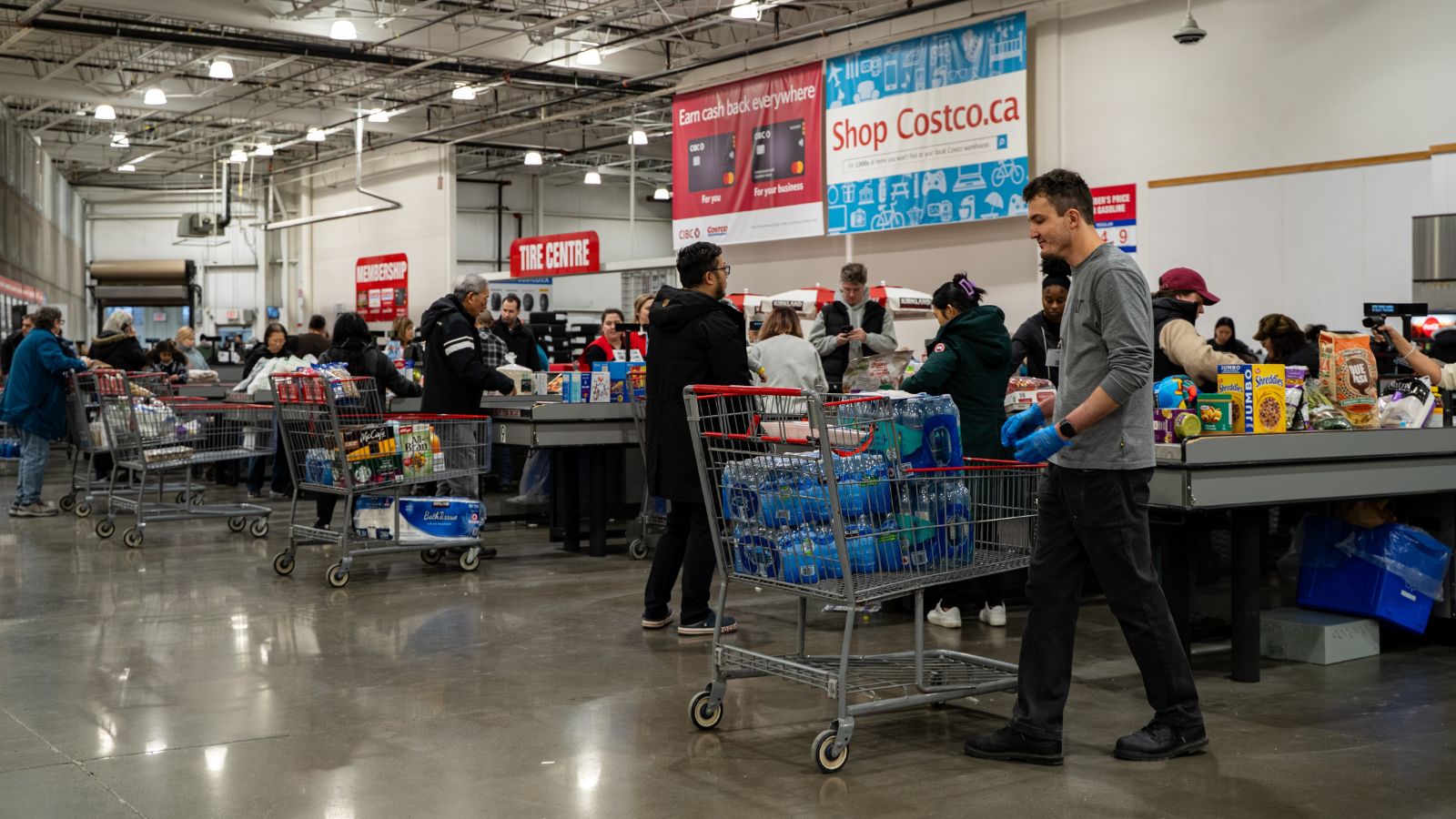
The shopping trip feels essentially finished by the time a customer reaches the register, which makes checkout merchandise unusual. Candy, drinks, batteries, travel-size products and small accessories generally are not major purchases. They are low-cost decisions presented at precisely the moment when a shopper is standing still with a wallet already out. Online retailers recreate the same opportunity with “add this before placing your order” prompts.
Research into checkout-area buying paints a nuanced picture. One study found that impulse purchasing at physical checkouts was relatively modest and varied considerably by product category. However, it also found that store environment, payment availability, promotions, discounts and merchandise characteristics could stimulate those purchases. That makes checkout displays less of a guaranteed sales machine than a carefully positioned opportunity. The dollar amount can seem trivial beside a full basket—$3.49 barely registers beside a $140 grocery bill—but repeated checkout extras accumulate. Retailers do not need every customer to say yes. They need enough small additions across thousands of transactions.
One-Click Checkout Removes the Moment to Reconsider

Traditional online checkout used to involve several deliberate actions: opening the cart, entering an address, finding a card, typing the number and reviewing the order. Saved payment information and one-click purchasing can reduce that sequence to a tap. The obvious benefit is convenience. The less obvious consequence is that several natural opportunities to reconsider the purchase disappear along with the hassle.
A Cornell-led study offers unusually clear evidence. Researchers examining 977 customers at an online retailer found that after consumers registered for one-click shopping, their spending increased by an average of 28.5% compared with their previous purchasing levels. Purchase frequency rose 43% and the number of items purchased increased 36%. The researchers cautioned that the findings came from one retailer and should not automatically be generalized to every platform, but the pattern illustrates the value of purchasing friction. A saved credit card can turn a fleeting desire into an order before the hesitation that might have stopped it ever arrives. Sometimes an extra thirty seconds is financially useful.
Personalized Advertising Keeps Temptation Relevant

A generic advertisement for hiking boots can be ignored by anyone uninterested in hiking. An advertisement for the exact boots someone examined yesterday is harder to dismiss. Modern behavioural advertising allows companies to use browsing and activity data to infer interests and select advertising that is more relevant to individual consumers. The result is a shopping environment where promotions can increasingly follow interests instead of waiting for shoppers to return to a store.
Canada’s Office of the Privacy Commissioner describes online behavioural advertising as tracking consumers’ activities over time to build interest profiles and deliver targeted advertisements. Canadian privacy guidance sets conditions around consent and the use of personal information, but the underlying marketing logic is straightforward: relevance improves the chance that advertising gets attention. A shopper might abandon a jacket on Monday, encounter it again on social media Tuesday and receive a related promotion Wednesday. None of those interactions forces a purchase. Together, however, they can keep an optional product mentally available long after the original shopping session was supposed to be finished.
Free Trials Can Turn Into Paid Habits

“Free for 30 days” lowers the psychological cost of trying a service because the immediate price is zero. The meaningful decision may occur later, when the trial automatically converts into a paid subscription. By then, cancelling requires action while continuing requires none. That difference matters because consumers forget, procrastinate or simply decide that dealing with a modest recurring charge is not worth the effort.
Large-scale field research into subscription contracts has found measurable consumer inertia. In one experiment, roughly one-tenth of people placed into an auto-renewal arrangement remained subscribed for more than three months when they would not have remained under an auto-cancel contract. Economic research on automatic renewal similarly examines how firms can benefit from consumer inattention. Subscriptions are useful when the service is genuinely used, and automatic payment prevents inconvenient interruptions. The financial nudge comes from making continuation the default. A $9.99 monthly charge can feel too small to investigate, yet it becomes roughly $120 over a year. Several forgotten subscriptions can quietly turn into a meaningful household expense.
Credit-Card Rewards Can Make Spending Feel Productive

Cash back and travel points give credit-card spending an unusual emotional quality: paying for something can feel like earning something at the same time. A shopper considering a $700 purchase may start calculating the points it will generate rather than simply asking whether $700 should leave the household budget. Bonus categories amplify the effect. “Five times the points on groceries” can make card use feel financially optimized even though rewards normally return only a fraction of what was spent.
Rewards are a common enough feature that the Financial Consumer Agency of Canada includes them among the characteristics Canadians can compare when choosing credit cards. Broader economic research has found that reward cards can induce additional spending, although outcomes differ substantially according to how consumers manage their accounts. Rewards can be valuable for people who were going to make the purchase anyway and pay the balance in full. The arithmetic becomes less attractive when someone spends $50 more to earn a few dollars in points—or carries an interest-bearing balance whose cost overwhelms the reward entirely.
Prime Shelf Space Influences What Gets Noticed
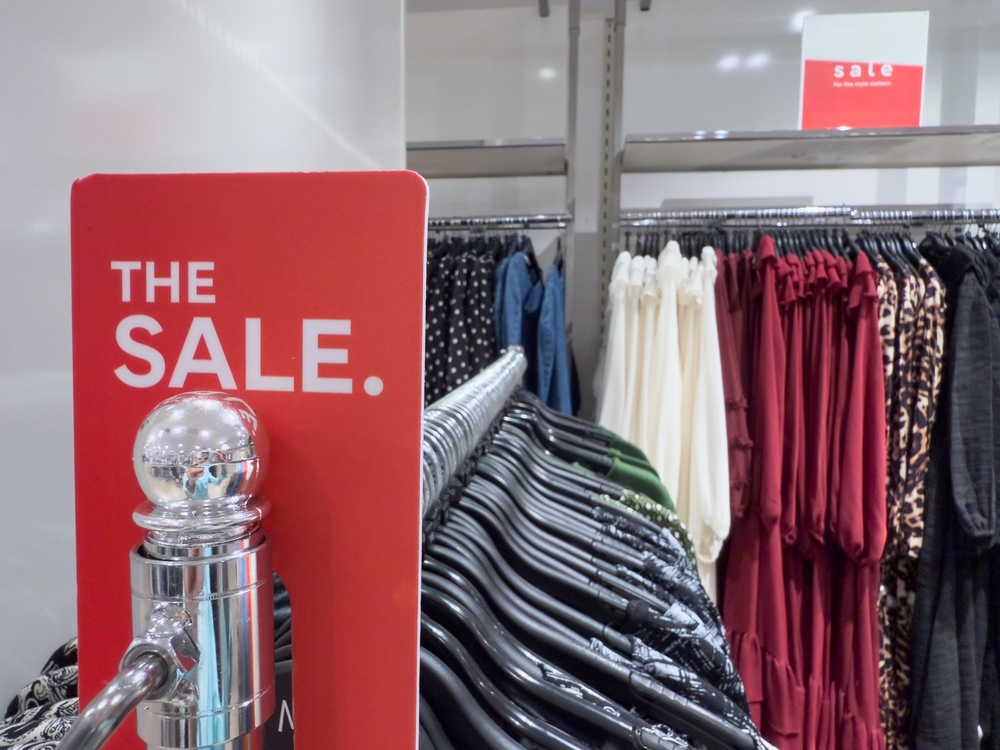
Retail shelves are not neutral storage systems. Products positioned where shoppers naturally look, displays placed at the end of aisles and merchandise given more visual space receive different levels of attention. Even when several brands are functionally similar, the most visible option can become the easiest one to select. Less prominent alternatives may require bending down, looking upward or actively comparing the entire shelf.
Research supports the importance of placement. Studies of in-store displays have found that location affects category purchasing, with front end-cap displays showing particularly strong effects in some settings. An experimental study of potato-chip placement also found that shelf position affected consumer purchases. Visibility is valuable because shoppers operate under time pressure and rarely conduct a full price-and-quality audit of every category. A Canadian grocery shopper rushing home after work may simply grab the detergent occupying the most obvious position rather than inspect six alternatives. That does not make the visible product inferior. It means the convenient choice and the cheapest or best-value choice are not necessarily the same product.
$9.99 Still Looks Different From $10
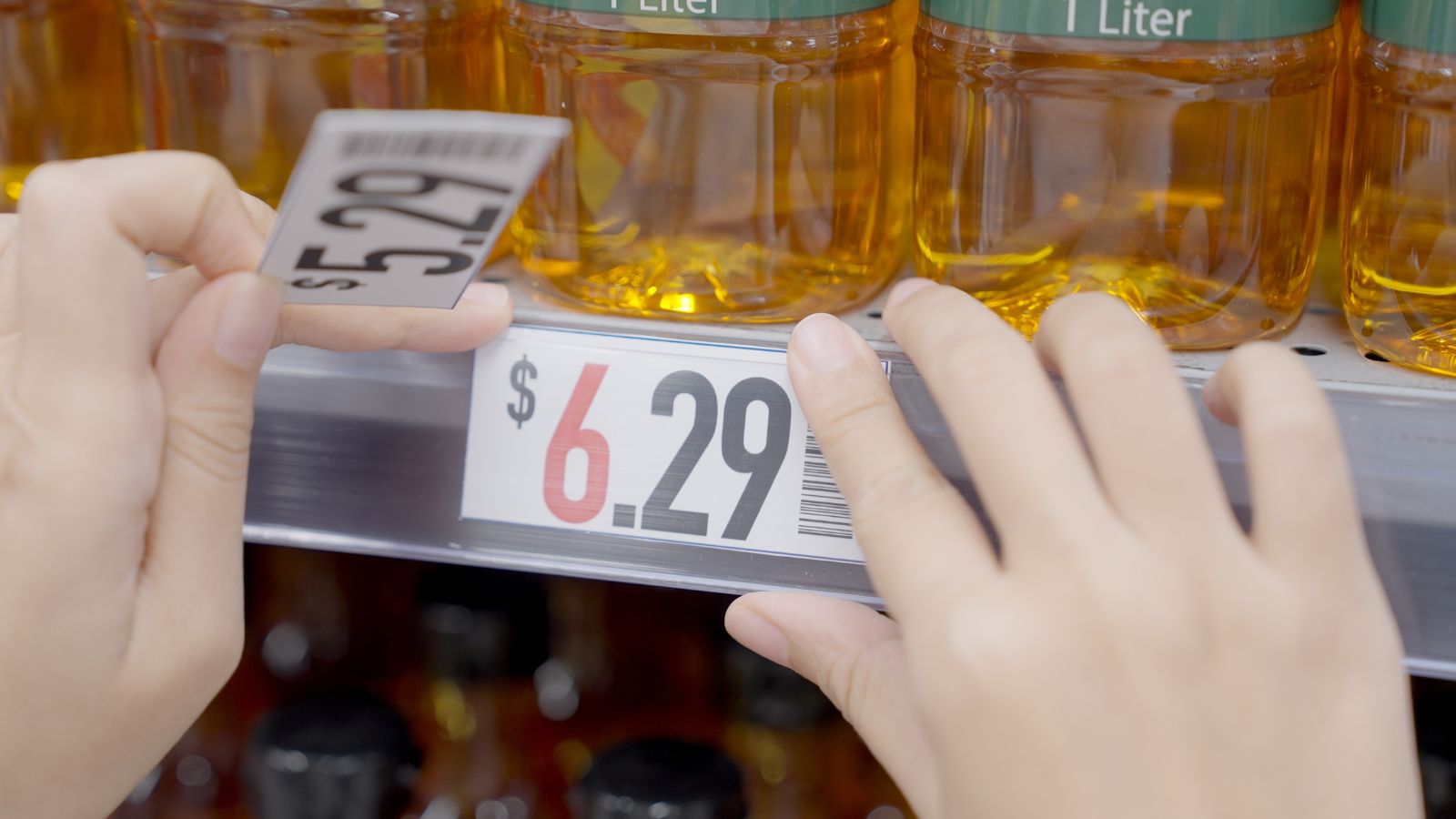
The one-cent difference between $9.99 and $10 is almost meaningless to a household budget, yet the prices do not always feel identical. Psychological pricing often uses amounts just below round-number thresholds—$4.99, $19.99 or $999—to keep the leftmost digit lower. A product becomes “nine dollars and change” rather than “$10,” even though the practical difference is a penny.
The effect has been studied repeatedly, although its strength varies by product, context and consumer. Classic field experiments found that prices ending in nine increased demand across three tests, and more recent research continues to examine the “left-digit” bias involved in judging just-below prices. Retailers also use round prices when simplicity, premium positioning or transparency matters, so $9.99 is not universally superior. The useful habit for shoppers is mentally rounding in the opposite direction. A $79.99 purchase can be treated as $80 before deciding whether it fits the budget. That tiny adjustment restores the round-number boundary that psychological pricing is designed to sit just beneath.
Smaller Packages Can Make the Price Increase Harder to See

A familiar package can remain on the shelf at roughly the same sticker price while quietly containing less. Statistics Canada defines this practice as shrinkflation: a product is sold in a smaller quantity while the price remains the same as the previously larger package. Because shoppers often remember the approximate shelf price of products rather than the exact number of grams or millilitres, reducing quantity can make a price increase less visually obvious.
The phenomenon has been significant enough for Statistics Canada to quantify. Its analysis found that 29.6% of eligible grocery items tracked in the Consumer Price Index experienced shrinkflation between 2021 and 2023. The CPI adjusts for quantity changes so official inflation measurement can capture the higher effective price, but individual shoppers still need to notice the package difference. A bag that moves from 750 grams to 650 grams may look familiar from several feet away. Checking unit prices—cost per 100 grams, litre or other common measure—makes products of different sizes much easier to compare and exposes increases that shelf prices alone can conceal.
“Spend $50, Save $15” Can Pull the Basket Upward

Conditional discounts create an interesting spending puzzle. A shopper with $37 worth of goods may be offered $15 off after spending $50. Suddenly, adding $13 of merchandise appears to unlock savings. Sometimes the calculation genuinely works, particularly when the additional products were already going to be purchased later. At other times, the promotion introduces purchases that would never have happened without the threshold.
This is not merely theoretical. Research on conditional promotions explicitly examines offers such as “buy two or more, get 30% off” and “spend $50 or more, get $15 off.” Experimental evidence discussed in that literature shows that some consumers increase their spending to satisfy minimum requirements. Digital coupon research similarly finds that spending thresholds can create strong behavioural responses. The key question is therefore not simply, “How much will the coupon save?” It is, “How much would have been spent without the coupon?” Someone who turns a planned $37 purchase into $52 to receive $15 off pays $37 in the end—but also leaves with $15 worth of products that were not originally considered necessary.
Extra Fees Can Appear After the Purchase Decision Is Already Forming
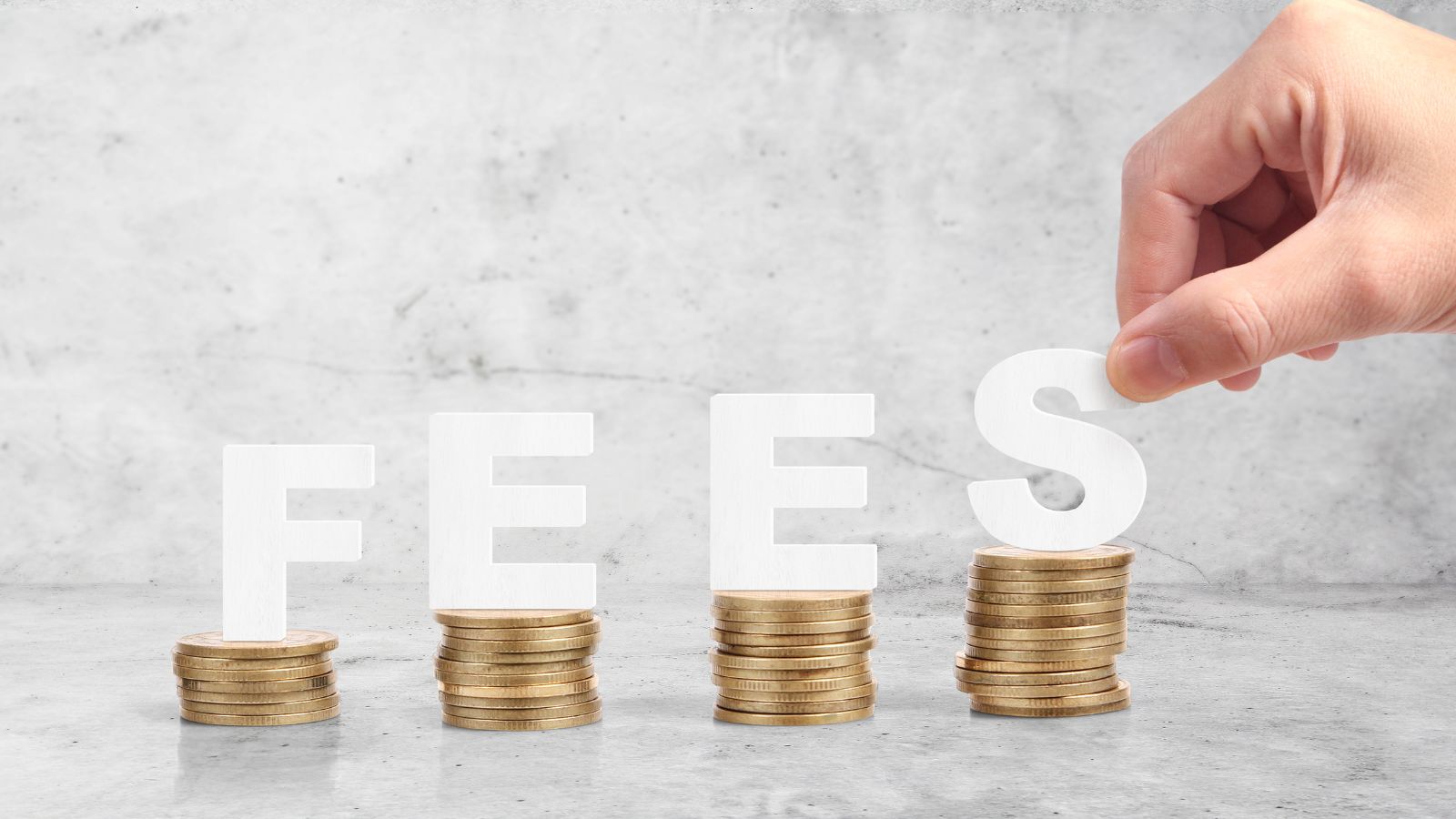
A low headline price can attract attention long before the total cost becomes clear. The customer chooses a product, enters information and moves through several checkout screens before discovering mandatory fees added near the end. By then, abandoning the transaction means giving up the time already invested. Economists and regulators refer to one form of this practice as drip pricing.
Canada has specifically addressed the issue in competition law. The Competition Bureau says drip pricing occurs when a product or service is promoted at a price consumers cannot actually obtain because mandatory additional charges are added. Fixed mandatory non-government charges that make the advertised price unattainable can constitute false or misleading representations under the Competition Act. Taxes imposed by governments are treated differently. The behavioural lesson extends beyond the legal definition: the first number displayed can shape expectations even when later screens reveal the true total. Comparing merchants by the final checkout price—not the headline figure—can prevent an attractive opening number from controlling the decision.
16 Costco Canada Habits That Could Be Costing Shoppers More Than They Save
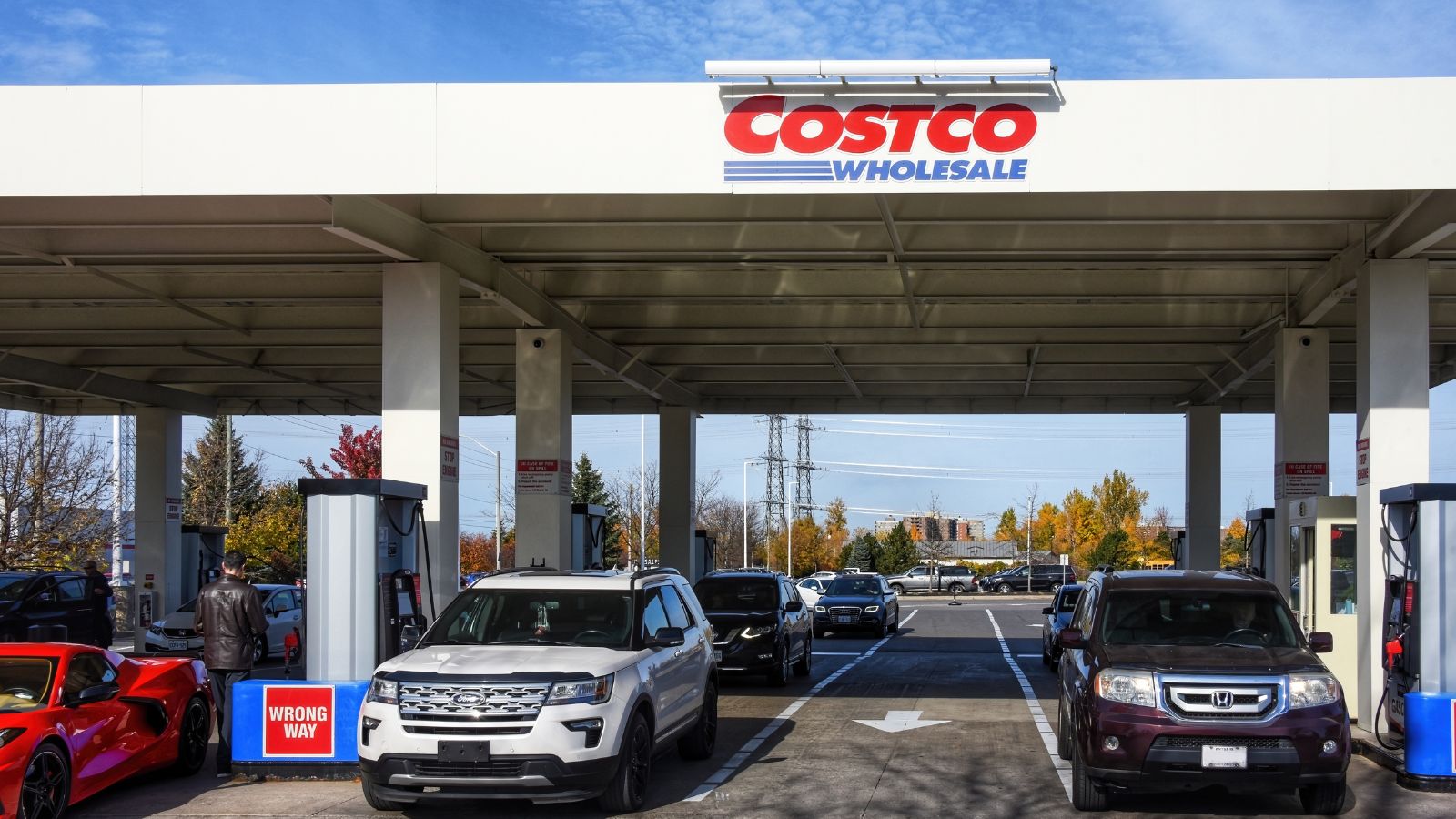
The Executive Membership can feel like an obvious upgrade because the 2% annual reward sounds straightforward. For households that spend heavily at Costco Canada, the extra fee may be easy to justify. But the habit becomes costly when shoppers upgrade first and calculate later. A Gold Star Membership costs less, while Executive costs more and only pays off if eligible annual spending is high enough to offset the difference.
16 Costco Canada Habits That Could Be Costing Shoppers More Than They Save
This Options Discord Chat is The Real Deal
While the internet is scoured with trading chat rooms, many of which even charge upwards of thousands of dollars to join, this smaller options trading discord chatroom is the real deal and actually providing valuable trade setups, education, and community without the noise and spam of the larger more expensive rooms. With a incredibly low-cost monthly fee, Options Trading Club (click here to see their reviews) requires an application to join ensuring that every member is dedicated and serious about taking their trading to the next level. If you are looking for a change in your trading strategies, then click here to apply for a membership.