35,000+ smart investors are already getting financial news, market signals, and macro shifts in the economy that could impact their money next with our FREE weekly newsletter. Get ahead of what the crowd finds out too late. Click Here to Subscribe for FREE.
Summer spending rarely arrives as one dramatic purchase. It builds through travel, restaurant visits, festivals, home projects and small conveniences that accumulate across several statements. Canadian banks do not profit from every transaction in the same way, and responsible cardholders can avoid many borrowing costs by paying balances in full. Still, overspending can activate a wide network of interest charges, account fees, insurance premiums and merchant-paid card revenue.
These 19 mechanisms explain how seasonal spending can become profitable for banks—from revolving credit-card balances and foreign-exchange markups to overdrafts, interchange and post-summer consolidation loans. The goal is not to suggest that banks create every spending problem, but to show how ordinary financial products generate revenue when household budgets stretch beyond available cash.
Revolving Balances Turn Purchases Into Interest Income
19 Ways Canadian Banks Benefit From Summer Overspending
- Revolving Balances Turn Purchases Into Interest Income
- Minimum Payments Can Extend the Revenue Stream
- Cash Advances Start Charging Immediately
- Credit Card Cheques Behave Like Expensive Borrowing
- Balance Transfers Create Fees and Future Interest
- Installment Plans Monetize Large Purchases
- Missed Payments Can Trigger Penalty Rates
- Returned Card Payments Add Separate Charges
- Going Over the Limit Can Produce a Fee
- Balance Insurance Premiums Rise With Debt
- Overdraft Protection Charges Interest and Usage Fees
- NSF Fees Still Generate Revenue, Though Now Capped
- Out-of-Network and Foreign ATMs Add Charges
- Foreign Currency Conversion Produces a Percentage Fee
- Every Credit Purchase Can Generate Interchange
- Premium Cards Add Annual-Fee Revenue
- Rewards Keep Spending on One Bank’s Card
- Lines of Credit Turn Seasonal Costs Into Variable-Rate Debt
- Post-Summer Consolidation Loans Create Longer-Term Income
- 16 Costco Canada Habits That Could Be Costing Shoppers More Than They Save
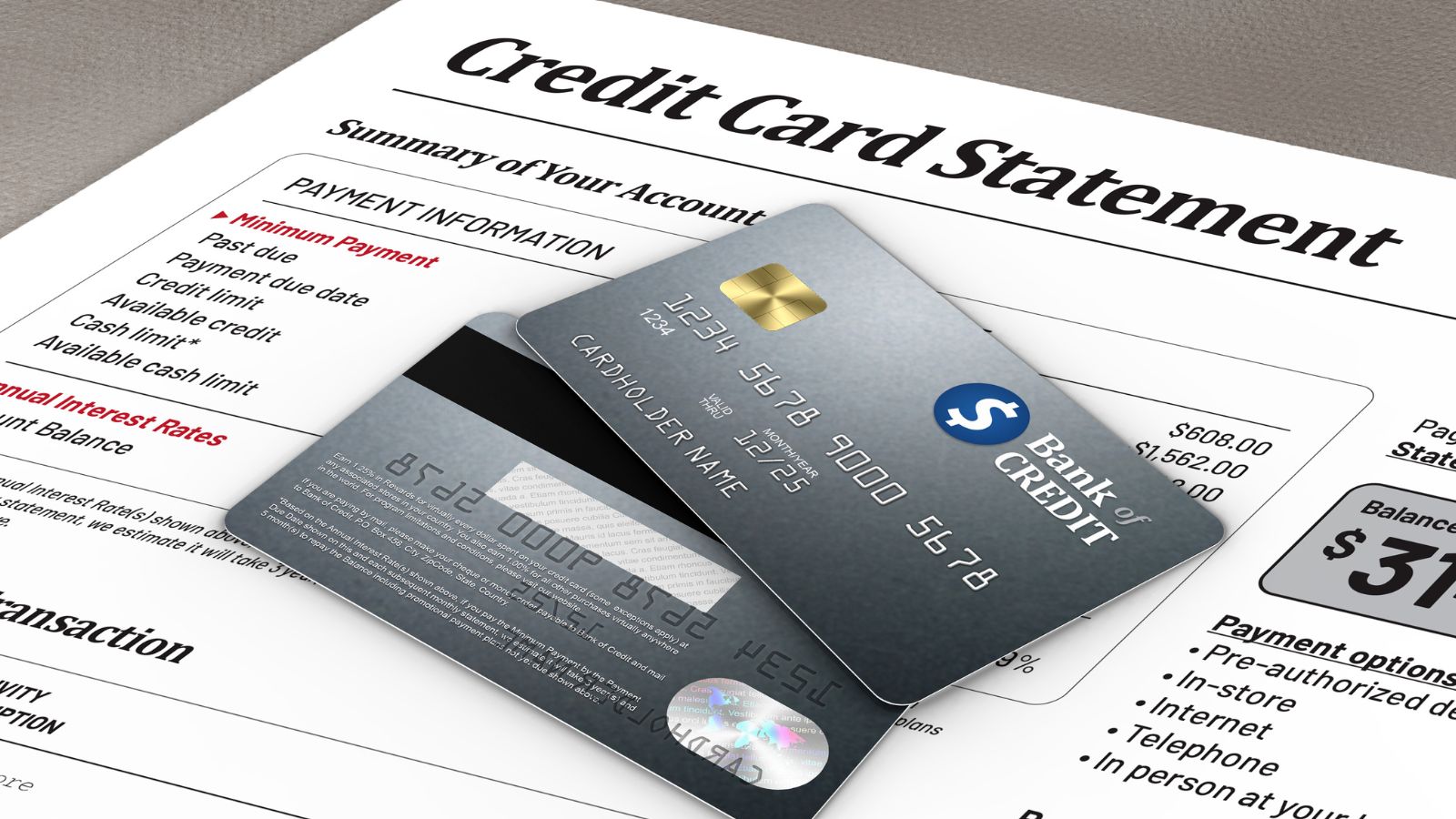
Summer spending becomes most profitable to a card issuer when a statement balance is not paid in full. A hotel booking, patio dinner or last-minute flight may begin as an ordinary purchase, but any unpaid portion becomes revolving credit. Canadian card purchase rates commonly sit near 20%, while the Financial Consumer Agency of Canada requires issuers to disclose the applicable rate and at least a 21-day grace period. That grace period prevents purchase interest only when the required balance is paid by the due date.
The scale matters. Bank of Canada research found that, in a typical month, close to half of Canadians with a credit card carry a balance for at least two consecutive months. Consider a $3,000 summer balance at 19.99%. Holding that amount for a full year would generate roughly $600 in simple interest before accounting for declining payments or daily calculations. The bank earns more when the balance remains outstanding, although defaults and collection costs can offset part of that revenue.
Minimum Payments Can Extend the Revenue Stream

Minimum payments keep an account current, but they are designed to repay only a small portion of the debt each month. FCAC says a minimum may be a flat amount plus interest and fees, or the greater of a small dollar amount and a percentage of the outstanding balance, commonly around 3%. Since August 1, 2025, Quebec residents have faced a 5% minimum-payment requirement, a policy intended to help borrowers reduce balances faster.
For banks, slower principal repayment can mean interest is collected over a longer period. A family that charges a $2,500 cottage rental and pays only the minimum may see the balance shrink gradually while interest continues to appear on each statement. Bank of Canada research on Quebec’s higher minimum-payment rules found that repayment requirements can materially affect debt reduction, which illustrates why payment size matters. The bank still faces credit risk, but an account that remains current and interest-bearing can produce more revenue than one paid in full after the trip.
Cash Advances Start Charging Immediately

Cash advances are among the costliest ways to turn a credit card into summer spending money. They may be used for cash-only festivals, emergency travel expenses or withdrawals abroad. Unlike ordinary purchases, cash advances do not receive an interest-free grace period. Interest starts on the transaction date and continues until the advance is fully repaid. FCAC also notes that the cash-advance rate is usually higher than the purchase rate.
A typical illustration is a card charging 19% on purchases and 22% on cash advances, although actual terms vary. The issuer may also add a cash-advance fee, while an ATM owner or network can charge separately. That creates several possible revenue layers from one withdrawal. A traveller taking $500 from a credit card and leaving it unpaid for several months may therefore face interest, a card fee and ATM-related charges. For the bank, the immediate accrual makes the advance more lucrative than a purchase that remains inside its grace period.
Credit Card Cheques Behave Like Expensive Borrowing

Credit card cheques, sometimes called convenience or promotional cheques, can make a large summer expense feel like it is being paid from a bank account. In reality, the amount is charged to the credit card. FCAC states that interest begins from the date the cheque is used, and the rate is usually higher than the rate for regular purchases. The transaction therefore behaves more like a cash advance than a normal cheque.
This matters when a cheque is used for a cottage deposit, private rental, contractor invoice or another payment that does not accept cards. A $2,000 cheque can start generating interest immediately, even if the cardholder normally pays purchases within the grace period. Some agreements also attach a transaction or promotional fee. The bank benefits from turning a payment that might otherwise have come from cash or savings into interest-bearing credit. If the cheque is returned, a separate dishonoured-payment charge may also apply, depending on the agreement.
Balance Transfers Create Fees and Future Interest

After a costly summer, a balance-transfer offer can look like a clean reset. The bank moves debt from another card to a new account, often at a lower promotional rate. FCAC says the transfer normally carries a fee calculated as a percentage of the amount moved. Its standard example uses a 3% fee, meaning a $1,000 transfer immediately adds $30 in cost before interest is considered.
Promotional periods are temporary. FCAC notes that debt-consolidation balance-transfer offers commonly last six to 18 months, and a missed payment may end the special rate. The new bank benefits first from the transfer fee and then from any interest charged during or after the promotion. It also gains the customer’s debt relationship from a competitor. A household transferring $8,000 after travel season could pay hundreds of dollars in fees even at a low introductory rate, while any remaining balance may eventually roll onto the card’s regular rate.
Installment Plans Monetize Large Purchases
Card-based installment plans let consumers convert eligible purchases into fixed monthly payments. They are often promoted for airfare, appliances, event tickets or other large seasonal costs. The structure can feel easier to manage than a revolving balance, but it still creates bank revenue through a plan fee, interest or both. Terms vary by issuer, province, purchase and offer.
Current Canadian examples show how the model works. TD advertises eligible credit-card payment plans with a 0% annual interest rate in exchange for a fee, while CIBC says a one-time installment fee may apply and identifies a 1.50% fee in a statement example. Other CIBC plans charge interest over a fixed term. A $2,000 purchase converted at a 1.50% setup fee produces $30 in immediate revenue before any other charges. The plan can help with budgeting, but it also turns one purchase into a longer customer obligation and reduces the urgency to clear the full statement balance.
Missed Payments Can Trigger Penalty Rates

Overspending increases the chance that a minimum payment will be late or incomplete. Card agreements may respond by raising the interest rate, cancelling a promotional offer or applying other consequences. FCAC’s standardized credit-card agreement illustrates a rate increasing to 28.99% after events such as a late payment, a returned payment, exceeding the limit or failing to meet the agreement’s terms. That figure is an example, not a universal Canadian rate.
The financial impact can be much larger than a single late fee. Suppose a $4,000 post-vacation balance moves from roughly 20% to nearly 29%. The annualized interest difference is about $360 if the balance stayed unchanged for a year. Real balances and daily calculations will vary, but the direction is clear: payment problems can make existing debt more profitable to the issuer. Banks also assume greater default risk, so penalty pricing partly compensates for that risk rather than representing pure profit.
Returned Card Payments Add Separate Charges

A cardholder may schedule a payment and still have it rejected because the linked bank account lacks funds. FCAC says a financial institution may charge a fee to handle a dishonoured or returned credit-card payment. This is separate from purchase interest and may appear even when the attempted payment was intended to keep the account current.
The amount depends on the card agreement. As a concrete Canadian example, CIBC’s 2026 fee summary for its Costco Mastercard lists a $42.50 dishonoured-payment fee. A different card may charge another amount or none at all. The returned payment may also leave the card balance unpaid, allowing interest to continue and potentially triggering a higher rate under the agreement. One failed payment can therefore create three benefits for the issuer: a service fee, continued interest on the balance and possible penalty pricing. For a household already stretched by summer bills, the cost arrives precisely when available cash is lowest.
Going Over the Limit Can Produce a Fee

High seasonal spending can push a card close to its approved limit, especially after hotels or car-rental companies place temporary holds. FCAC says consumers may have to pay an over-the-limit fee, although federally regulated institutions cannot impose it in certain situations, including some temporary merchant holds. Banks must also send an electronic alert when available credit falls below $100, unless the customer has selected another threshold or opted out.
Fees vary by product. CIBC’s 2026 Costco Mastercard disclosure, for example, lists a $29 over-limit fee when the balance exceeds the approved limit. A cardholder with only $50 of available credit could cross the line through a restaurant tip adjustment, recurring subscription or exchange-rate movement. The fee provides non-interest revenue, while the excess balance may continue generating interest. The mandatory alert gives customers a chance to react, but it does not guarantee that pending transactions, holds or delayed postings will remain below the limit.
Balance Insurance Premiums Rise With Debt

Credit-card balance insurance is an optional product that may cover payments or balances after events such as job loss, disability, critical illness or death, subject to the policy’s exclusions. Premiums are often tied directly to the amount owed. That means summer overspending can increase the insurance charge even when the cardholder makes no separate insurance purchase during the month.
FCAC provides an example using a premium of $0.95 for every $100 owed, plus applicable sales tax, calculated from average daily balances. At that rate, an average balance of $4,000 would produce about $38 in monthly premium before tax. The insurer receives the premium, while the bank may be the provider, distributor or beneficiary of the protected debt arrangement, depending on the product. FCAC stresses that balance insurance is optional and requires express consent. For enrolled customers, however, a larger and longer-lasting balance can raise both interest charges and insurance premiums at the same time.
Overdraft Protection Charges Interest and Usage Fees

Summer spending does not need to occur on a credit card to create borrowing revenue. When a chequing account falls below zero, overdraft protection can cover a debit purchase, bill payment or cash withdrawal. FCAC says overdraft interest is charged for each calendar day the account remains negative, and typical annual rates are around 21% to 22%. A pay-per-use fee may also apply.
The interest on a small shortfall can look minor, which makes the additional fee especially important. A $100 overdraft held for 10 days at 22% produces only about 60 cents of simple interest, but a usage charge can make the total cost much higher. Repeated small transactions may create repeated fees under some plans, while monthly-fee overdraft packages use a different model. The bank benefits by converting a temporary cash-flow gap into interest and fee income. The customer avoids an immediate declined payment, but the account must still be restored and the charges repaid.
NSF Fees Still Generate Revenue, Though Now Capped

If an account lacks enough money and has no usable overdraft protection, a pre-authorized payment or cheque may be returned for non-sufficient funds. This can happen after vacation spending leaves too little for rent, utilities, insurance or a credit-card payment. Federally regulated banks may charge an NSF fee, creating revenue from the failed transaction.
Canada sharply limited that revenue in 2026. Since March 12, federally regulated banks cannot charge more than $10 for an NSF event on a personal deposit account. They also cannot charge another NSF fee on the same account within two business days, and they cannot impose the fee when the shortfall is less than $10. The new rules replaced a system in which fees could reach much higher amounts. Banks still receive up to the capped amount, but the consumer cost and frequency are now restricted. A merchant or biller may separately impose its own returned-payment charge.
Out-of-Network and Foreign ATMs Add Charges

Cash withdrawals during road trips, festivals and foreign vacations can create ATM-related fees. FCAC explains that users may face several charges: a regular account transaction fee, a network fee, a convenience fee from the ATM operator and additional costs outside Canada. The exact split depends on the bank, account package, machine owner and network.
Not every dollar goes to the cardholder’s bank, which is an important distinction. The home bank may collect its own transaction or foreign-ATM fee, while the operator or network receives other portions. A traveller who repeatedly withdraws small amounts can pay more than someone who makes one larger withdrawal, because many charges are assessed per transaction. If the withdrawal is made from a credit card, cash-advance interest and fees can be added as well. The result is a stack of charges produced by the payment method rather than the purchase itself, with banks participating in one or more layers.
Foreign Currency Conversion Produces a Percentage Fee
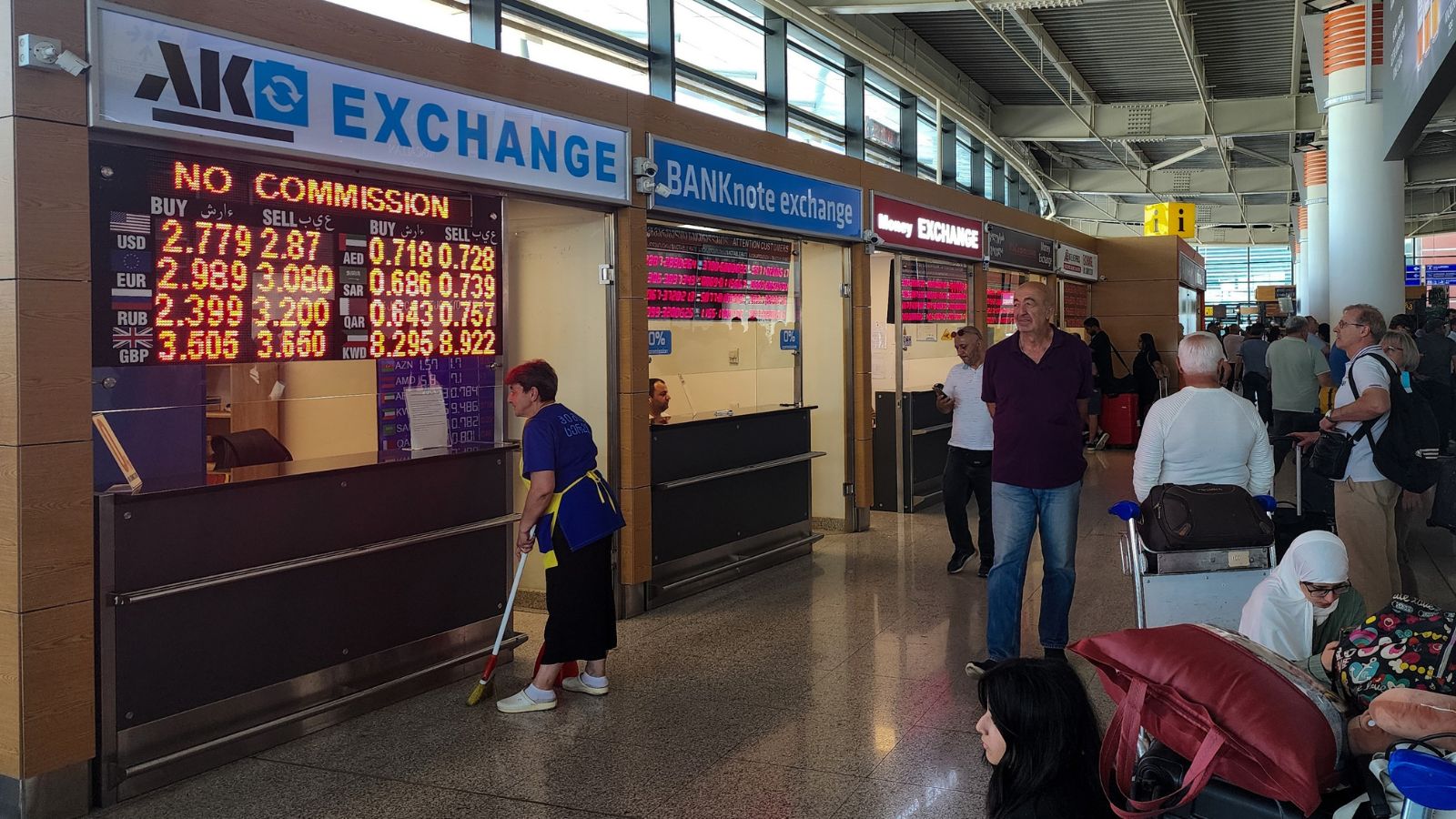
International travel and online purchases from foreign merchants create another percentage-based revenue stream. Many Canadian credit cards add a foreign currency conversion charge to the network exchange rate. FCAC’s standard example uses a 2.5% conversion fee, while an earlier agency review found that many institutions charged between 1.8% and 2.5%. Current card terms must disclose the applicable rate.
FCAC illustrates the math with a €1,000 purchase converted at 1.45 Canadian dollars per euro. The purchase becomes $1,450, and a 2.5% conversion charge adds $36.25, bringing the posted amount to $1,486.25. Several restaurant meals, hotel nights and attraction tickets can make the fee substantial because it applies to each foreign-currency transaction. Refunds may also differ from the original Canadian-dollar amount because exchange rates move. Cards with no foreign-exchange fee exist, but on standard products the issuer benefits whenever spending crosses currencies, particularly when several large bookings are charged separately during travel.
Every Credit Purchase Can Generate Interchange

Banks can earn from card spending even when the customer pays the statement in full. When a credit-card purchase is processed, the merchant’s financial institution generally pays an interchange fee to the card-issuing institution. The federal government describes interchange as the largest component of the credit-card processing fees paid by merchants. It is therefore a direct issuer revenue channel tied to transaction value and volume.
The scale is large. Payments Canada reported that credit cards represented 33% of Canadian payment volume in 2024 and accounted for about $782 billion in transaction value. Reduced rates took effect for eligible small businesses in October 2024, including a 0.95% annual weighted-average target for qualifying in-store consumer credit transactions. Even with those reductions, more summer meals, hotel bookings and retail purchases mean more interchange-generating activity. Merchants usually treat acceptance costs as a business expense, so the cardholder may not see the fee directly on a statement.
Premium Cards Add Annual-Fee Revenue

Summer travel often makes premium cards look attractive because they may include airport-lounge access, insurance, points, free checked bags or stronger earn rates. Those benefits commonly come with an annual fee. FCAC requires card applications and agreements to disclose annual fees, and its standardized example uses $50, while actual premium-card charges can be considerably higher.
The fee is collected whether the customer revolves a balance or pays every statement in full. That gives banks a predictable source of non-interest revenue. Heavy summer use can also make a cardholder more willing to renew because the benefits feel tangible during travel season. The economics are not one-sided: a customer who uses insurance, companion benefits or lounge visits may receive value exceeding the fee. The bank still benefits from annual revenue, interchange on spending and a deeper product relationship. Overspending is not required, but high seasonal activity can reinforce the decision to keep a fee-based card.
Rewards Keep Spending on One Bank’s Card

Cash back, airline points and travel rewards can influence which card is pulled out for a summer purchase. Bank of Canada research notes that rewards are often proportional to transaction value, giving consumers an incentive to use credit cards for larger purchases. Another Bank of Canada study found that cash-back rewards increased spending on the rewarded card, largely by shifting transactions from other cards rather than increasing total balances across all cards.
That shift is valuable to the issuer. Becoming the “top-of-wallet” card means more interchange on groceries, fuel, hotels and entertainment, plus a greater chance that part of the balance will revolve. The bank funds rewards from several sources, including merchant-paid fees and cardholder charges, so points are not free to the system. A customer can still come out ahead by paying in full and choosing rewards carefully. From the bank’s perspective, however, the program succeeds when it concentrates spending, strengthens loyalty and makes switching to another institution less attractive.
Lines of Credit Turn Seasonal Costs Into Variable-Rate Debt

A personal line of credit can finance a vacation, home project or family event at a lower rate than many credit cards. The lower rate does not eliminate the bank’s benefit. FCAC says line-of-credit interest begins on the day money is withdrawn and continues until the balance is repaid. Rates are usually variable, so the cost can rise or fall with market conditions.
Homeowners may also have access to a home equity line of credit. FCAC says a HELOC can permit borrowing up to 65% of a home’s value, subject to the broader limits on borrowing against equity. Its research notes that most HELOCs have floating or variable rates and often permit interest-only payments. Those features can keep principal outstanding for long periods. A $10,000 summer draw may therefore generate interest long after the trip ends. The rate may be cheaper than a card, but the bank gains a secured or unsecured lending balance and an ongoing interest stream.
Post-Summer Consolidation Loans Create Longer-Term Income

When multiple summer bills become difficult to manage, a bank may offer a personal or debt-consolidation loan. FCAC explains that consolidation can replace credit-card balances with one fixed or variable-rate loan and scheduled installment payments. The borrower may reduce the interest rate and gain a clear repayment date, while the bank converts scattered debts into a structured lending product.
The new loan still earns interest. Bank of Canada data show that the average rate on chartered-bank personal loan plans was about 8.06% in May 2026, although individual offers depend on creditworthiness, security and term. That is often far below a standard credit-card rate, but an $8,000 balance repaid over several years can still generate meaningful interest income. The bank may also gain a longer relationship involving a chequing account, automatic payments or future borrowing. Consolidation can be financially sensible, yet it becomes counterproductive if the cleared cards are used again and total debt rises.
16 Costco Canada Habits That Could Be Costing Shoppers More Than They Save
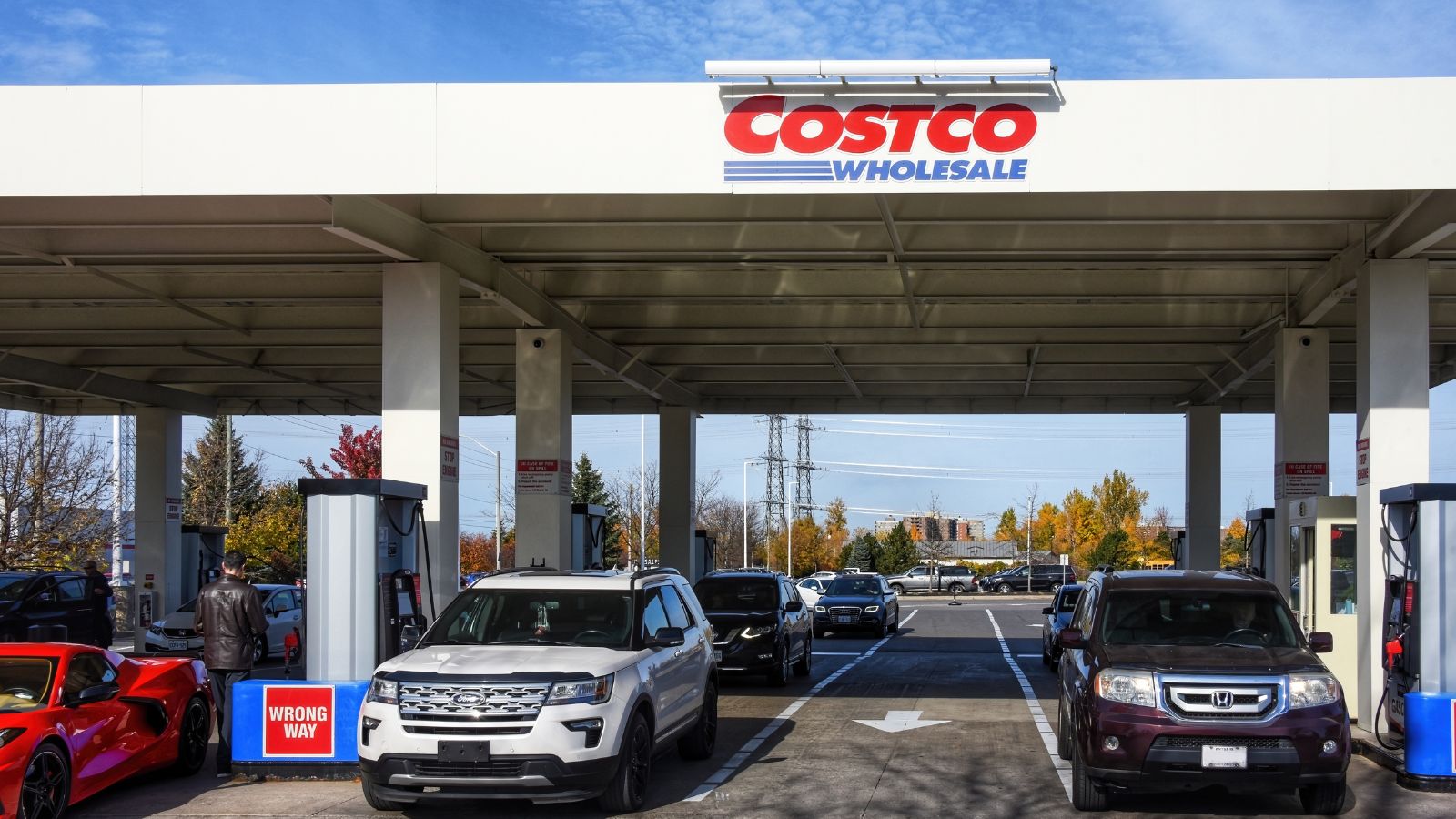
The Executive Membership can feel like an obvious upgrade because the 2% annual reward sounds straightforward. For households that spend heavily at Costco Canada, the extra fee may be easy to justify. But the habit becomes costly when shoppers upgrade first and calculate later. A Gold Star Membership costs less, while Executive costs more and only pays off if eligible annual spending is high enough to offset the difference.
16 Costco Canada Habits That Could Be Costing Shoppers More Than They Save
This Options Discord Chat is The Real Deal
While the internet is scoured with trading chat rooms, many of which even charge upwards of thousands of dollars to join, this smaller options trading discord chatroom is the real deal and actually providing valuable trade setups, education, and community without the noise and spam of the larger more expensive rooms. With a incredibly low-cost monthly fee, Options Trading Club (click here to see their reviews) requires an application to join ensuring that every member is dedicated and serious about taking their trading to the next level. If you are looking for a change in your trading strategies, then click here to apply for a membership.