
35,000+ smart investors are already getting financial news, market signals, and macro shifts in the economy that could impact their money next with our FREE weekly newsletter. Get ahead of what the crowd finds out too late. Click Here to Subscribe for FREE.
Summer grocery shopping can make ordinary products feel unusually urgent: cold drinks disappear quickly, berries look best for only a short window, and barbecue packages are designed to seem convenient. Yet the most attractive package is not always the best value. Different sizes, serving counts, ingredients, countries of origin, preparation needs, and storage limits can turn two apparently similar products into very different purchases.
These 19 summer grocery items deserve a closer comparison before they reach the cart, especially when heat, gatherings, road trips, and limited refrigerator space increase the cost of buying too much—or choosing something that will not be used in time.
Bottled Water
19 Summer Grocery Items Canadians Should Compare Before Buying
- Bottled Water
- Soft Drinks and Sparkling Water
- Juice, Iced Tea and Lemonade
- Ice Cream and Frozen Dairy Desserts
- Frozen Fruit Bars and Ice Pops
- Fresh Berries
- Watermelon and Other Melons
- Tomatoes
- Corn on the Cob
- Bagged Salads and Salad Kits
- Ground Beef and Burger Patties
- Chicken Pieces and Prepared Skewers
- Hot Dogs and Sausages
- Plant-Based Burgers
- Hamburger and Hot Dog Buns
- Cheese Slices and Blocks
- Deli Meats and Prepared Sandwiches
- Chips, Crackers and Picnic Snacks
- Ketchup, Barbecue Sauce and Marinades
- 19 Things Canadians Don’t Realize the CRA Can See About Their Online Income

Bottled water is easy to grab for a beach day or road trip, but the comparison should begin with litres, not bottle counts. A 24-pack of smaller bottles can contain less water than a cheaper-looking case of larger bottles. Checking the net quantity and calculating the price per litre exposes that difference immediately. Shoppers should also compare still, mineral, spring, distilled, and flavoured products rather than assuming every clear bottle contains the same thing. Added flavours, sweeteners, electrolytes, or carbonation can change both the ingredient list and the Nutrition Facts table.
Health Canada regulates bottled water federally as a food, while municipal tap water is overseen by provinces and territories using Canadian drinking-water guidelines. That distinction does not automatically make bottled water safer or better value. For a family with safe local tap water, reusable bottles may reduce repeated purchases. When packaged water is needed, a useful example is to compare a 12-litre case with a 15-litre case, then consider whether the bottle size suits the cooler and whether the full case will actually be carried and consumed.
Soft Drinks and Sparkling Water

Summer displays often place regular pop, diet pop, flavoured sparkling water, and sweetened “water beverages” beside one another, even though their contents can differ sharply. The strongest comparison starts with the common name, ingredient list, serving size, and price per litre. Ingredients in Canada are listed from greatest to least by weight, so sugar, glucose-fructose, juice concentrate, or sweeteners appearing near the beginning reveal more than fruit images on the front. A zero-sugar claim may matter to one household, while caffeine, acidity, or flavouring may matter more to another.
Canada’s front-of-package nutrition symbol is now required on many prepackaged foods that meet specified thresholds for sugars, sodium, or saturated fat. That makes quick screening easier, but the Nutrition Facts table still deserves attention because serving sizes and container sizes may differ. For example, one brand may show nutrients for a 355-millilitre can while another bottle contains 500 millilitres. A lower shelf price can disappear once the comparison is made per litre and per container actually consumed.
Juice, Iced Tea and Lemonade

A carton decorated with lemons, peaches, or berries may be 100% juice, a juice drink, a sweetened iced tea, or a flavoured beverage with little fruit content. Canadian standards define fruit juice as the unfermented liquid obtained from sound, clean, ripe fruit, while other beverages must use names that distinguish them from standardized juice. The ingredient list is therefore essential. Water or sugars near the top may indicate a very different product from one whose main ingredient is juice, even when the packages use similar colours and orchard imagery.
Nutrition and cost should be compared together. Canada’s Food Guide includes 100% fruit juice among sugary drinks that can contribute free sugars when consumed regularly, so “no sugar added” does not mean sugar-free. Compare sugars per serving, container volume, refrigeration requirements after opening, and the number of people being served. A concentrated frozen lemonade may cost less per prepared litre than a ready-to-drink bottle, but only if it will be mixed correctly and used. For a picnic, smaller containers can reduce waste even when the unit price is slightly higher.
Ice Cream and Frozen Dairy Desserts

Packages in the freezer aisle can look nearly identical while carrying different common names, including ice cream, frozen dairy dessert, light ice cream, sherbet, or non-dairy frozen dessert. In Canada, “ice cream” is a standardized product with compositional requirements, including minimum milk-fat and total-solids levels. A tub labelled frozen dessert is not necessarily inferior, but it may use a different fat system, stabilizer blend, or ingredient profile. Comparing the common name and ingredients prevents a brand design or flavour description from doing all the decision-making.
Volume alone can also mislead because frozen products contain varying amounts of air and may differ in density. The Nutrition Facts table is based on a stated serving, so compare equal serving sizes for calories, sugars, saturated fat, and protein. Then check the price per 100 millilitres and the practical serving count. A premium one-litre tub may provide more satisfying portions than a lighter two-litre tub, or the reverse, depending on the household. The best value is the product that delivers the preferred texture and flavour without leaving an oversized, freezer-burned remainder.
Frozen Fruit Bars and Ice Pops

Fruit bars, ice pops, and frozen novelty packs are often marketed with bright fruit pictures, but the first ingredient may be water, sugars, juice, puree, or dairy. Because Canadian ingredient lists are ordered by weight, the first few entries offer a quick reality check. A product with fruit puree first is materially different from one with water and sugars first, even when both use the word “fruit” prominently. The front-of-package symbol and Nutrition Facts table can also help compare sugars and saturated fat across fruit bars, cream-based pops, and coated novelties.
Package arithmetic matters just as much. A box of 12 mini pops may contain less total product than an eight-pack of full-size bars, so compare total millilitres and price per bar. Families should also consider the chance of leftovers and freezer space. For example, individually wrapped bars are practical for gradual use, while large multi-flavour boxes may leave unpopular flavours behind. A slightly higher unit price can still be the better purchase when every bar is likely to be eaten and the ingredient profile matches what the household expects from the front label.
Fresh Berries

Strawberries, blueberries, raspberries, and blackberries can shift from bargain to waste within days, making condition as important as sticker price. Compare the price per 100 grams, but also inspect the bottom of the container for juice, mould, crushed fruit, and condensation. A larger clamshell is not a saving if a third of it spoils before breakfast. Imported packaged fresh fruit must identify its country of origin in Canada, which can help shoppers compare seasonal sources, travel distance, and expectations about ripeness without assuming that “packed in Canada” means grown in Canada.
Storage plans should shape the purchase. Health Canada advises washing produce under cool running water and removing damaged areas, while most fresh fruit lasts longer when stored unrinsed until use. A household planning a weekend dessert may reasonably buy ripe berries at a discount; one shopping for the entire week may prefer firmer fruit or frozen berries. A useful comparison is not simply fresh versus frozen by bag price, but fresh usable grams versus frozen usable grams. Frozen berries can offer near-zero trimming loss and a longer window for smoothies or baking.
Watermelon and Other Melons
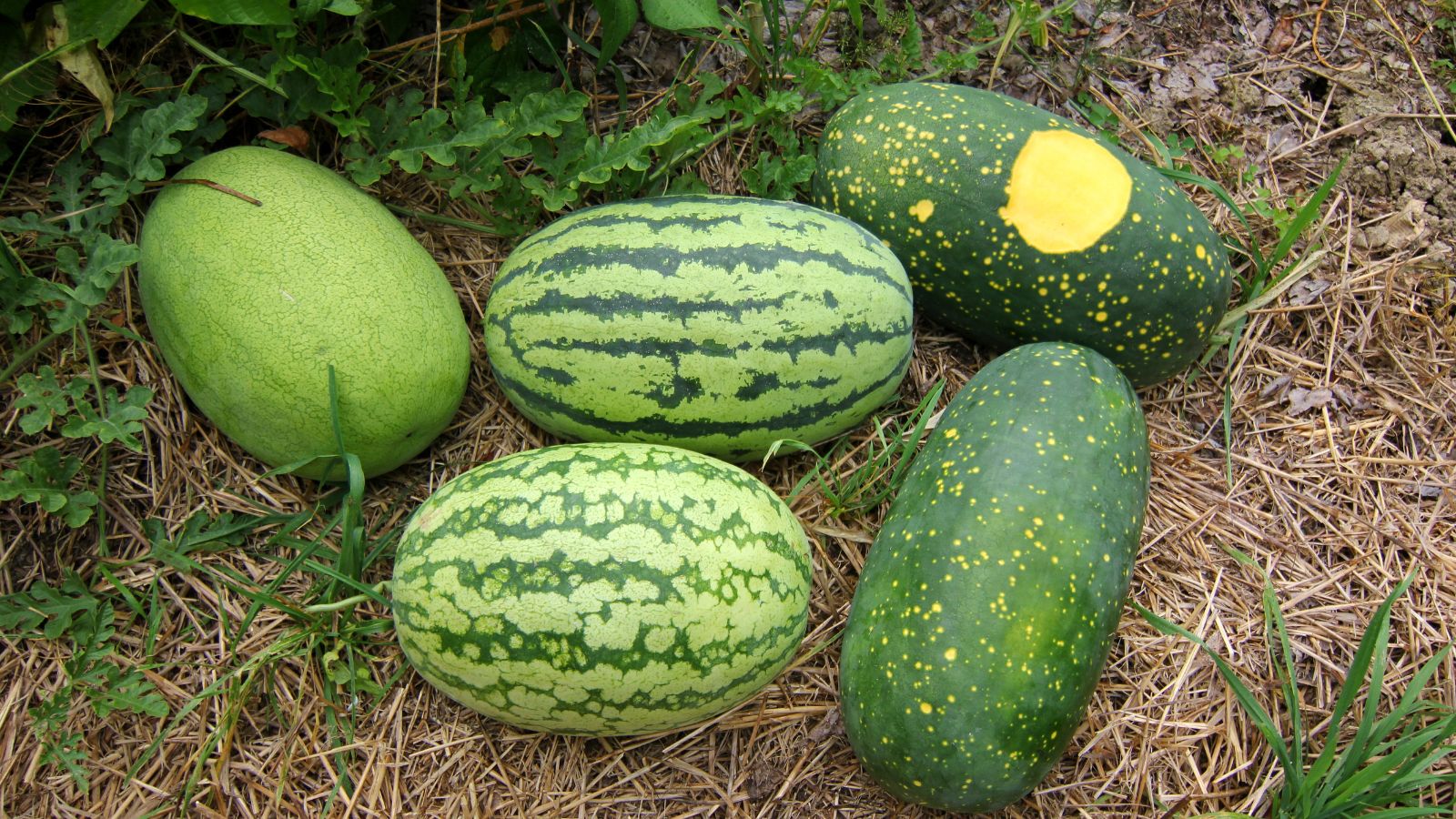
Watermelon, cantaloupe, and honeydew are classic summer buys, yet whole-fruit prices can hide large differences in rind, seeds, ripeness, and usable flesh. Compare price per kilogram, then judge weight, shape, bruising, and whether the household can finish the fruit after cutting. Pre-cut melon costs more per kilogram but may be economical for one or two people because the edible portion is visible and there is no rind to discard. Whole melons usually make more sense for gatherings, provided refrigerator space is available.
Food safety raises the stakes. Health Canada advises scrubbing the rind under cool running water before cutting because bacteria on the surface can transfer to the flesh. Cut melon should be refrigerated and used within about four days, and melon left at room temperature for more than two hours should be discarded sooner in warm conditions. That means a giant watermelon is not automatically the best deal for a small household. The real comparison is price per usable serving that can be safely stored and eaten, not the impressive size of the fruit in the produce bin.
Tomatoes

Summer tomatoes range from loose field varieties and greenhouse clusters to cherry tomatoes in clamshells and premium heirlooms. The fairest comparison uses price per kilogram rather than package price, then considers the intended use. Firm Roma tomatoes may deliver more usable flesh for salsa, while ripe beefsteaks may justify a higher price for sandwiches. Cherry tomatoes often cost more per kilogram but require no slicing and can reduce waste in lunches. Country-of-origin labels on imported produce also help distinguish where the tomatoes were grown from where they were packed or distributed.
Condition and timing are crucial. Health Canada recommends discarding spoiled or badly bruised tomatoes, washing them under cool running water, and refrigerating cut or peeled tomatoes for use within three days. A tray of very ripe tomatoes may be a smart same-day purchase for sauce, but a poor choice for a week of salads. Buyers should compare firmness, aroma, visible cracks, and the number of meals planned. A cheaper bulk pack loses its advantage when several tomatoes soften before use, while a smaller pack can provide better value through a higher percentage of edible, timely servings.
Corn on the Cob

Corn is often sold by the ear, in multi-packs, or already husked and trimmed. Those formats should not be compared only by the price printed on the sign. Count the ears, inspect their size, and consider how much husk and damaged tip will be discarded. A six-pack of small trimmed cobs may contain less edible corn than five large loose ears. Clear packages make condition easier to judge, but condensation and hidden ends can still conceal drying or damage. Imported fresh vegetables must carry country-of-origin information, while Canadian origin claims are voluntary and must not be misleading.
Convenience has a value, especially for camping or a crowded barbecue, but it should be priced consciously. Pre-husked corn saves preparation time and cooler space, yet it may dry faster and usually costs more per ear. Loose corn allows selection but creates more kitchen waste. For a dinner of four, buying exactly four sound ears may beat a discounted eight-pack that will not be used. Comparing the price per edible ear, likely storage time, origin, and preparation effort gives a more realistic answer than assuming the biggest bundle is the summer bargain.
Bagged Salads and Salad Kits
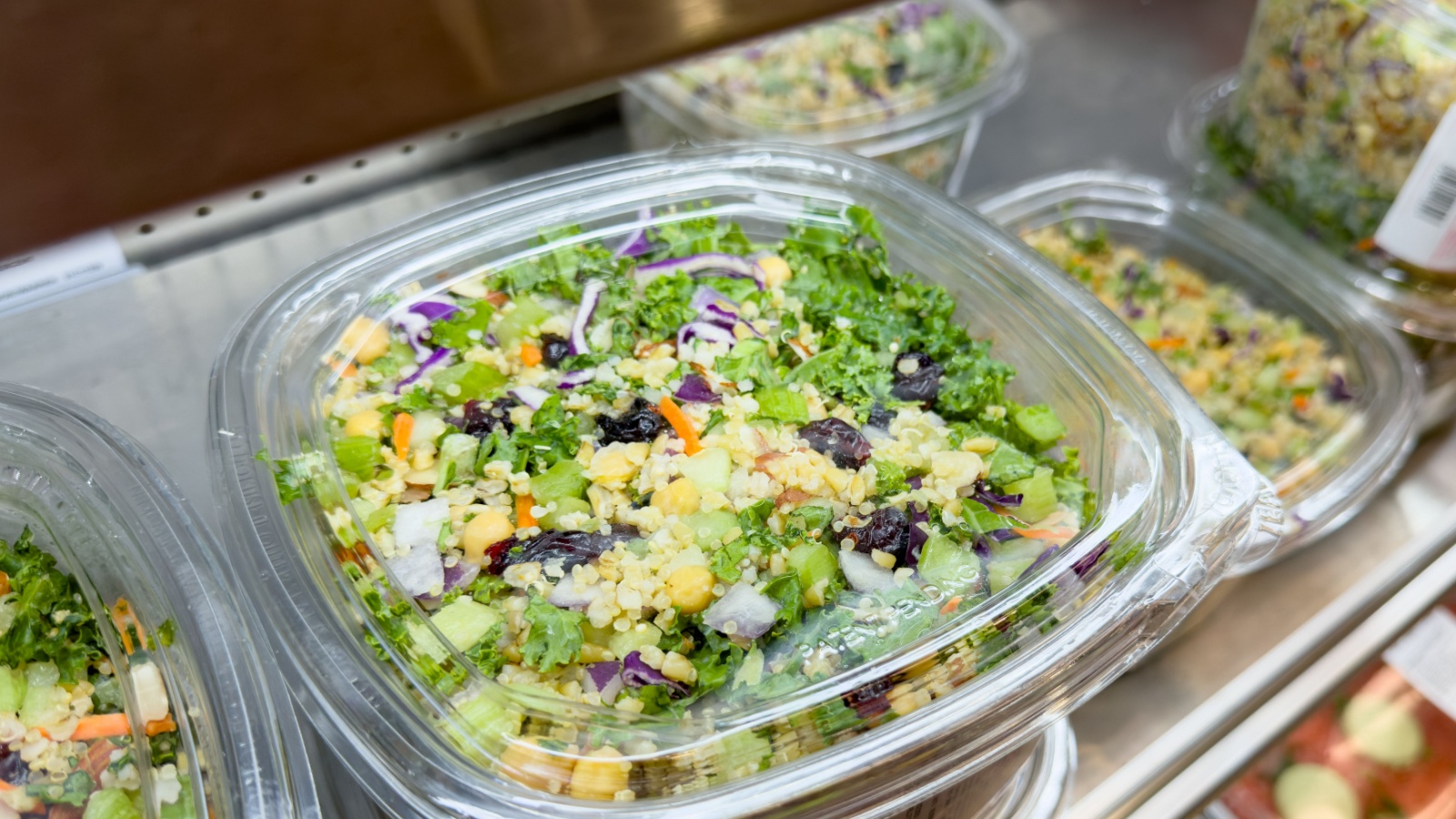
Bagged greens and salad kits sell convenience, but the contents vary widely. One package may contain mostly lettuce, while another includes dressing, cheese, croutons, nuts, or dried fruit that raise the price and alter the nutrition profile. Compare net weight, ingredient list, serving count, sodium, sugars, and the amount of dressing actually needed. A kit that appears large can shrink quickly once toppings are removed and leaves are sorted. The best-before date is also a quality signal, not a guarantee of safety, so shoppers should inspect for browning, excess moisture, and damaged seals.
Ready-to-eat leafy greens in sealed packages labelled washed, pre-washed, or triple washed do not need to be washed again. That convenience can be worth paying for when kitchen access is limited. However, summer handling matters: perishable foods should remain cold, and Health Canada advises keeping coolers at 4°C or below. For a picnic, a smaller fresh kit may outperform a family-size bag that sits open in heat. Compare not just price per gram, but the portion likely to stay crisp and safely chilled until serving.
Ground Beef and Burger Patties

Ground beef prices can be confusing because regular, medium, lean, and extra-lean products are not interchangeable. Canadian compositional standards set maximum fat levels for named categories; lean ground beef contains no more than 17% beef fat, while extra lean is capped at 10%. That difference can affect cooking yield, texture, and price. Compare the label category, price per kilogram, package weight, and whether the meat is fresh, previously frozen, seasoned, or formed into patties. Premade burgers may save time, but added seasonings and fixed portion sizes can raise the effective cost.
Food safety should also enter the comparison. Health Canada advises cooking ground beef to an internal temperature of 71°C because colour alone cannot confirm that a burger is safe. Thin, evenly sized patties are easier to cook through, and raw meat should be kept separate from buns, lettuce, and cooked food. A bulk package is only a bargain when it can be cooked promptly or frozen in usable portions. For a small barbecue, a six-patty tray may cost more per kilogram yet create less waste than a family pack left in the refrigerator too long.
Chicken Pieces and Prepared Skewers

Chicken breasts, thighs, drumsticks, wings, and prepared skewers differ in bone weight, skin, marinades, and labour. Price per kilogram is only the starting point. Boneless breasts have little trimming loss but often command a premium; bone-in thighs may cost less and remain juicy on the grill, though part of the purchased weight is bone. Prepared skewers add vegetables, sauce, and assembly convenience, so their meat content may be lower than the package weight suggests. Compare the ingredient list, number of portions, and whether the flavour can be recreated cheaply at home.
Safe storage and cooking are non-negotiable. Health Canada lists 74°C as the safe internal temperature for chicken pieces and ground poultry. Fresh chicken pieces are generally recommended for only a few days in a refrigerator kept at 4°C or colder, so a large tray needs a plan. A family can divide and freeze portions immediately, while a camper may prefer a smaller sealed pack that reduces raw-meat handling. The better buy balances edible yield, preparation time, storage capacity, and the likelihood that every portion will be cooked safely.
Hot Dogs and Sausages

Hot dogs, smoked sausages, fresh sausages, and chicken or plant-based links may share shelf space, but they can differ in meat content, cooking requirements, sodium, saturated fat, allergens, and serving size. Start with the common name and ingredient list, then compare the Nutrition Facts table for the number of links normally eaten. One brand may list nutrition for a single small link while another uses a larger sausage, making a quick per-serving glance misleading. The current front-of-package symbol can help flag products high in sodium or saturated fat, but it does not replace equal-portion comparison.
Preparation instructions matter in summer. Health Canada lists 74°C as the safe internal temperature for hot dogs and for many sausage categories, while raw sausages require thorough cooking according to their meat type. A large club pack may look economical but can create waste if the package is opened for one meal and not frozen. Compare price per 100 grams, link size, resealable packaging, and how many buns are available. Matching sausage count to bun count is a simple example of preventing half-used packages from becoming an expensive refrigerator problem.
Plant-Based Burgers
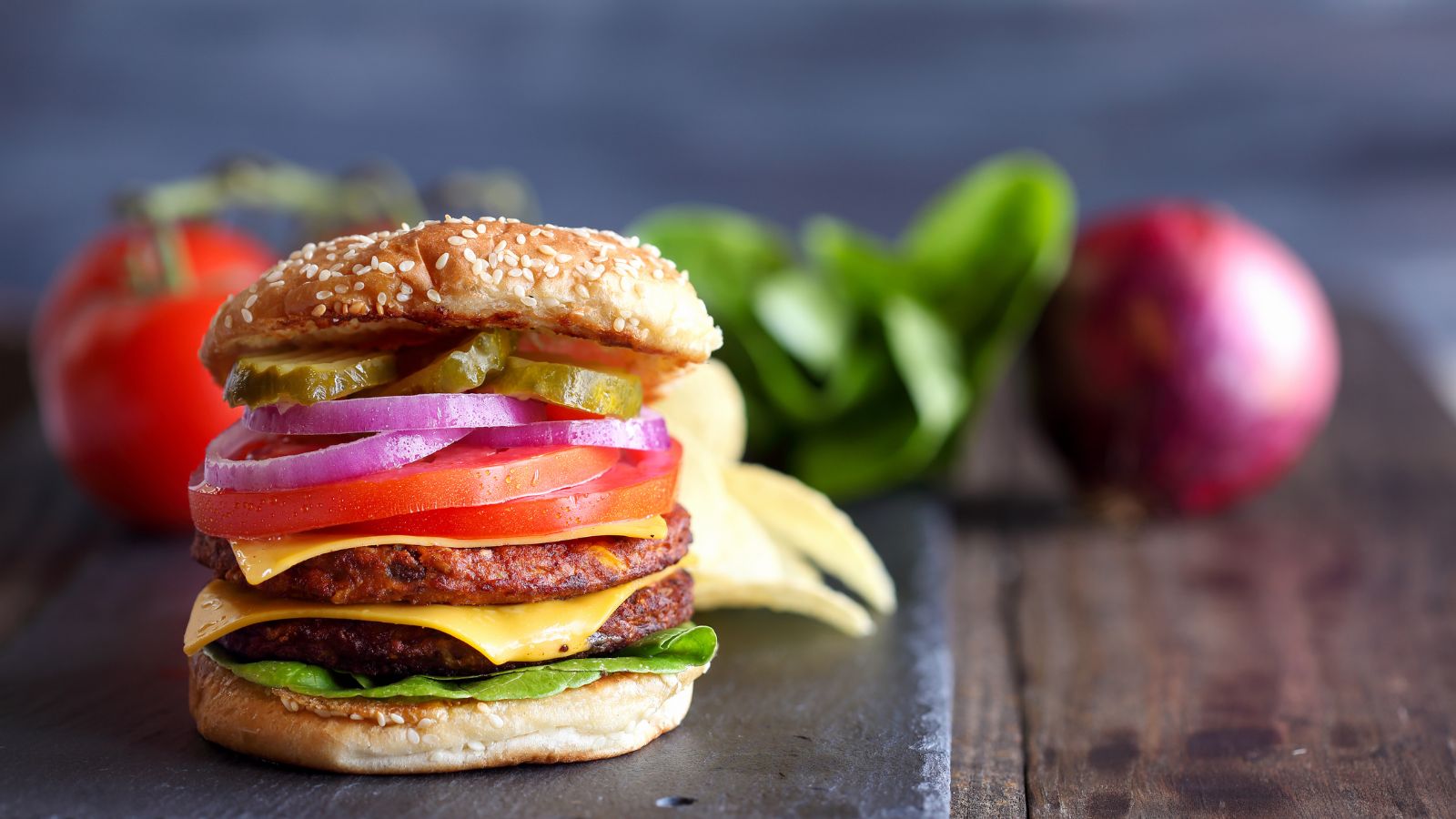
Plant-based burgers can be useful for mixed-diet gatherings, but “plant-based” does not describe a single nutritional or culinary profile. Products may rely on pea protein, soy, beans, grains, vegetables, or concentrated oils, with substantial differences in protein, fibre, sodium, saturated fat, and allergens. Canada’s Food Guide encourages plant-based protein foods more often, while also advising consumers to compare Nutrition Facts tables and choose options lower in sodium, sugars, or saturated fat. Reading the ingredient list shows whether the burger is mostly legumes and vegetables or a highly formulated meat analogue.
Value depends on more than patty price. Compare grams per patty, protein per serving, cooking loss, package count, and whether the product needs separate grill space for dietary reasons. A four-pack may be wasteful when only one guest wants a meatless option, whereas individually frozen patties can be used over several meals. Some bean-based burgers are cheaper and provide fibre; some realistic meat alternatives cost more but may satisfy guests expecting a familiar texture. The right comparison reflects the purpose of the purchase rather than treating every plant-based box as equivalent.
Hamburger and Hot Dog Buns

Buns are easy to overlook because the package price is small beside the meat, yet mismatched counts and stale leftovers quietly add cost. Compare the number of buns, total weight, slice quality, and price per 100 grams. An eight-pack of light buns can contain less bread than a six-pack of substantial rolls. Ingredient lists also clarify whether whole grain is a leading ingredient. In Canada, “100% whole wheat” does not necessarily mean whole grain because some germ may be removed from whole wheat flour, so shoppers seeking whole grain should look for whole-grain ingredients rather than relying only on colour or front-label wording.
Timing matters because buns have a limited quality window. Best-before dates indicate expected freshness and quality for properly stored unopened food; they are not safety guarantees. For a small barbecue, matching bun count to burgers and sausages may save more than buying the lowest unit price. Freezer space changes the calculation: a larger discounted pack can be economical if extra buns are frozen promptly. Compare texture needs too. Soft buns suit children and hot dogs, while denser rolls may hold saucy burgers better and reduce the chance of a meal falling apart.
Cheese Slices and Blocks

Processed slices, natural cheese slices, shredded cheese, and blocks can all top a burger, but the price and composition differ. Compare price per 100 grams, slice count, actual slice weight, protein, sodium, and saturated fat. A package advertising more slices may simply contain thinner pieces. Natural cheese may have a shorter ingredient list, while processed products can offer uniform melting and individually wrapped convenience. Neither format is automatically the better buy; the decision depends on flavour, portion control, waste, and how the cheese will be served.
Canadian labelling rules require Nutrition Facts information on most prepackaged foods, and many products meeting thresholds for sodium or saturated fat must display the front-of-package symbol, although certain dairy exemptions apply. That makes side-by-side comparison more useful than assumptions based on words such as “light,” “old,” or “premium.” For example, a block may cost less per 100 grams and serve several meals, but pre-sliced cheese can prevent overcutting at a picnic. Count the burgers, estimate the grams needed, and check whether leftovers can be resealed before deciding that the largest package is the obvious value.
Deli Meats and Prepared Sandwiches

Deli meats and ready-made sandwiches are convenient for road trips, beaches, and parks, but they carry a short practical window once removed from refrigeration. Compare price per 100 grams, slice thickness, ingredient list, sodium, package seal, and best-before date. A cheaper family pack may be poor value when only a few sandwiches are planned. Prepared sandwiches cost more for labour and packaging, yet they can reduce leftover bread, meat, cheese, and condiments. The fair comparison is the cost of complete servings, not simply the meat’s sticker price.
Summer temperature control is critical. Health Canada advises keeping perishable food in a cooler at 4°C or below and limiting time at room temperature on hot days. Ready-to-eat foods are also a focus of Canada’s Listeria-control policy because they may be eaten without a further bacteria-killing cooking step. Shoppers serving pregnant people, older adults, or anyone with weakened immunity should be especially careful with refrigerated ready-to-eat products. A smaller, freshly sealed package transported with ice packs may be the wiser purchase than a large tray that repeatedly warms and cools.
Chips, Crackers and Picnic Snacks

Chips, tortilla snacks, crackers, and party mixes are often sold in packages designed to look generous, but bag dimensions do not reveal net weight. Compare grams and price per 100 grams rather than judging by height or “family size” wording. The Competition Bureau has emphasized that unit pricing helps consumers compare products sold in different package sizes. Nutrition comparisons should use equal amounts because serving sizes can vary. Canada’s Nutrition Facts guidance treats 5% Daily Value or less as a little and 15% or more as a lot, a useful rule for sodium and saturated fat.
Flavour variety can also change value. A large bag may be economical for a crowd, while individual packs reduce handling and portion waste during travel. Multipacks sometimes contain fewer grams and cost more per 100 grams, but their sealed portions may stay crisp and prevent an open bag from being crushed or abandoned. The front-of-package symbol offers a quick warning for high sodium or saturated fat, yet the ingredient list still matters for allergens and flavour coatings. The best purchase matches the number of eaters, storage conditions, and realistic serving size.
Ketchup, Barbecue Sauce and Marinades

Condiments can look inexpensive until several half-used bottles accumulate in the refrigerator. Ketchup, barbecue sauce, burger sauce, teriyaki marinade, and dry rubs should be compared by price per 100 millilitres or grams, but also by concentration and serving size. Ingredients are listed in descending order by weight, and sugars-based ingredients are grouped under “Sugars” on Canadian labels. That helps distinguish a tomato-forward sauce from one in which sugars or water dominate. Sodium, sugars, allergens, refrigeration instructions, and the front-of-package symbol can further separate products with similar branding.
Usage matters more than bottle size. A concentrated sauce used by the tablespoon may outlast a thin marinade, while a giant value bottle can become expensive if the flavour works for only one recipe. Food safety also matters when sauces touch raw meat. Health Canada advises preventing cross-contamination and never returning cooked food to a plate or board that held raw meat. Dividing sauce before brushing is a simple safeguard: one portion for raw-food preparation and a clean portion for serving. The best summer condiment is therefore not merely the cheapest bottle, but the one that will be used safely and finished.
19 Things Canadians Don’t Realize the CRA Can See About Their Online Income

Earning money online feels simple and informal for many Canadians. Freelancing, selling products, and digital services often start as side projects. The problem appears at tax time. Many people underestimate how much information the CRA can access. Online platforms, banks, and payment processors create detailed records automatically. These records do not disappear once money hits an account. Small gaps in reporting add up quickly.
Here are 19 things Canadians don’t realize the CRA can see about their online income.
This Options Discord Chat is The Real Deal
While the internet is scoured with trading chat rooms, many of which even charge upwards of thousands of dollars to join, this smaller options trading discord chatroom is the real deal and actually providing valuable trade setups, education, and community without the noise and spam of the larger more expensive rooms. With a incredibly low-cost monthly fee, Options Trading Club (click here to see their reviews) requires an application to join ensuring that every member is dedicated and serious about taking their trading to the next level. If you are looking for a change in your trading strategies, then click here to apply for a membership.