
35,000+ smart investors are already getting financial news, market signals, and macro shifts in the economy that could impact their money next with our FREE weekly newsletter. Get ahead of what the crowd finds out too late. Click Here to Subscribe for FREE.
Cottage season has a way of making costs feel smaller than they are. A tank of gas here, a dock repair there, a few extra bags of groceries on the way north — each one seems manageable until the full summer total comes into focus.
Across Canada, recreational properties have become more expensive to buy, insure, maintain, and operate, especially in waterfront and rural regions where weather, distance, aging infrastructure, and seasonal demand all add pressure. These 19 hidden costs show why cottage season can surprise even careful households, turning a long weekend escape into a budget line that needs year-round planning.
Shoreline and Dock Repairs
19 Hidden Costs of Cottage Season That Catch Canadians Off Guard
- Shoreline and Dock Repairs
- Septic Pump-Outs and System Problems
- Private Road Contributions
- Higher Insurance Premiums
- Propane, Firewood, and Heating Fuel
- Electricity Delivery Charges
- Water Testing and Treatment
- Pest Control and Tick Prevention
- Boat Ownership Add-Ons
- Waste Disposal and Dump Runs
- Property Taxes and Local Levies
- Weather Damage and Storm Cleanup
- Internet, Cell Boosters, and Security
- Contractor Travel and Rural Labour Premiums
- Short-Term Rental Compliance
- Invasive Species Prevention
- Wildfire Mitigation
- Food, Fuel, and Weekend Inflation
- Opening and Closing the Cottage
- 19 Things Canadians Don’t Realize the CRA Can See About Their Online Income

A cottage dock often looks simple from the deck chair: a few boards, some posts, and a ladder into the lake. In reality, shoreline structures sit in one of the most regulated and weather-exposed parts of a property. Ice movement, spring flooding, fluctuating water levels, and boat wake can loosen hardware, shift anchors, or damage decking before the first warm weekend arrives.
Repairs can also trigger permit questions, especially when work affects shorelands, wetlands, cribbing, boathouses, or permanent structures. A seasonal floating dock may be treated differently from a fixed dock, and rules can vary by province, municipality, conservation authority, or waterway. The catch is that a “quick fix” may become a contractor visit, a permit fee, new materials, and weeks of waiting during the busiest part of cottage season.
Septic Pump-Outs and System Problems

Many cottages rely on private septic systems, and those systems rarely become urgent until guests arrive, toilets slow down, or odours drift across the yard. Routine pumping may seem like an occasional chore, but rural travel distances, tank size, access issues, and high-season demand can all raise the bill. A cottage reached by a narrow lane or island barge can cost more to service than a suburban home.
The larger surprise is replacement. A failing tank or leaching bed can move the expense from hundreds of dollars to tens of thousands, especially where soil conditions are poor or the property sits near water. Families often discover the risk after years of “it worked fine last summer” thinking. A crowded long weekend, extra laundry, and back-to-back showers can expose weaknesses that stayed hidden during light use.
Private Road Contributions

The road into cottage country can feel like part of the charm until it needs gravel, grading, culvert work, brush clearing, or snow removal. Many Canadian cottages sit at the end of private roads maintained by owners, road associations, or informal neighbour agreements. Even when the road looks public, responsibility may not sit with the municipality.
Annual contributions can feel minor until a washout, storm, fallen tree, or emergency vehicle access issue forces a larger assessment. A road that works for summer SUVs may not be adequate for fuel trucks, septic trucks, fire vehicles, or contractors carrying heavy equipment. Cottage buyers often focus on waterfront, exposure, and square footage, but a poorly funded private road can quietly affect access, insurance confidence, resale value, and neighbour relations.
Higher Insurance Premiums

Seasonal homes can be more complicated to insure than primary residences because they may sit empty for long stretches, rely on wood heat or propane, have older wiring, or be located far from fire protection. Waterfront exposure, forested lots, and rural access can also influence premiums. The result is often a policy that costs more than expected while covering less than owners assume.
Extreme weather is adding another layer. Insurers in Canada have faced rising pressure from wildfire, flood, wind, hail, and replacement-cost inflation. Cottage owners may also need to check whether detached buildings, docks, boats, short-term rentals, or vacancy periods are properly covered. A policy that looked affordable at renewal can become expensive when exclusions, deductibles, or required upgrades are finally understood.
Propane, Firewood, and Heating Fuel
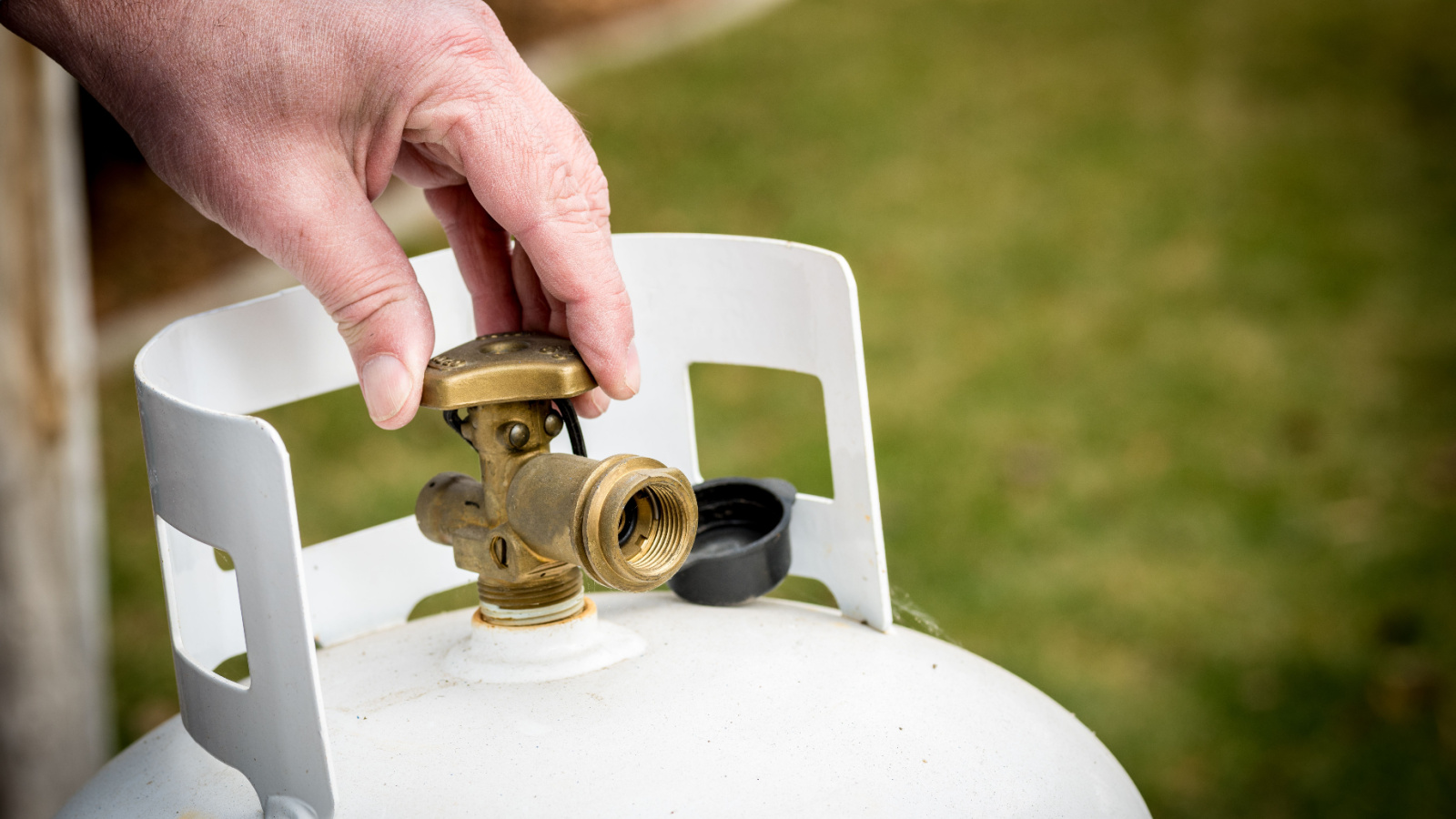
A chilly May weekend can remind cottage owners that summer properties still need heat. Many cottages rely on propane, heating oil, wood, or electric baseboards, and rural fuel costs often include delivery fees, tank rental, minimum-fill charges, inspections, or contractor travel. A propane tank that seems like background infrastructure can become a yearly line item even when usage is modest.
Firewood has its own hidden costs. Dry, seasoned wood is heavier to transport, harder to source during peak demand, and more expensive when bought in small loads near cottage towns. Wood stoves and fireplaces may also require chimney cleaning, insurance disclosures, and safer storage. A family planning for marshmallows and morning coffee may not have budgeted for the full heating ecosystem behind that cozy weekend.
Electricity Delivery Charges

Electricity bills at a seasonal cottage can be frustrating because the meter does not stop costing money when the lights are off. Delivery, regulatory, and fixed service charges can appear even during low-use months, and rural electricity delivery is often more expensive than urban customers expect. A cottage that uses little winter power may still generate a steady bill.
Seasonal patterns can also make the rate plan harder to optimize. Air conditioning, well pumps, water heaters, baseboard heat, fridges, dehumidifiers, and EV charging can push usage into costly periods or higher tiers. Owners may focus on the visible appliances while overlooking old wiring, inefficient water heaters, or a dehumidifier running continuously to protect the building from dampness and mould.
Water Testing and Treatment

Clear lake water or cold well water can give a false sense of security. Many cottages rely on private wells, lake intake systems, cisterns, or older plumbing that should be tested and maintained. Water can be affected by bacteria, flooding, wildlife, septic issues, nearby development, or seasonal changes, even when it tastes fine.
Testing may be free or low-cost in some regions, but treatment is where costs can grow. Filters, UV systems, sediment cartridges, pumps, pressure tanks, water softeners, and annual servicing all add up. A failed test before guests arrive can mean bottled water, emergency disinfection, plumber visits, or cancelled plans. Safe drinking water is rarely a one-time purchase; it is an ongoing system.
Pest Control and Tick Prevention
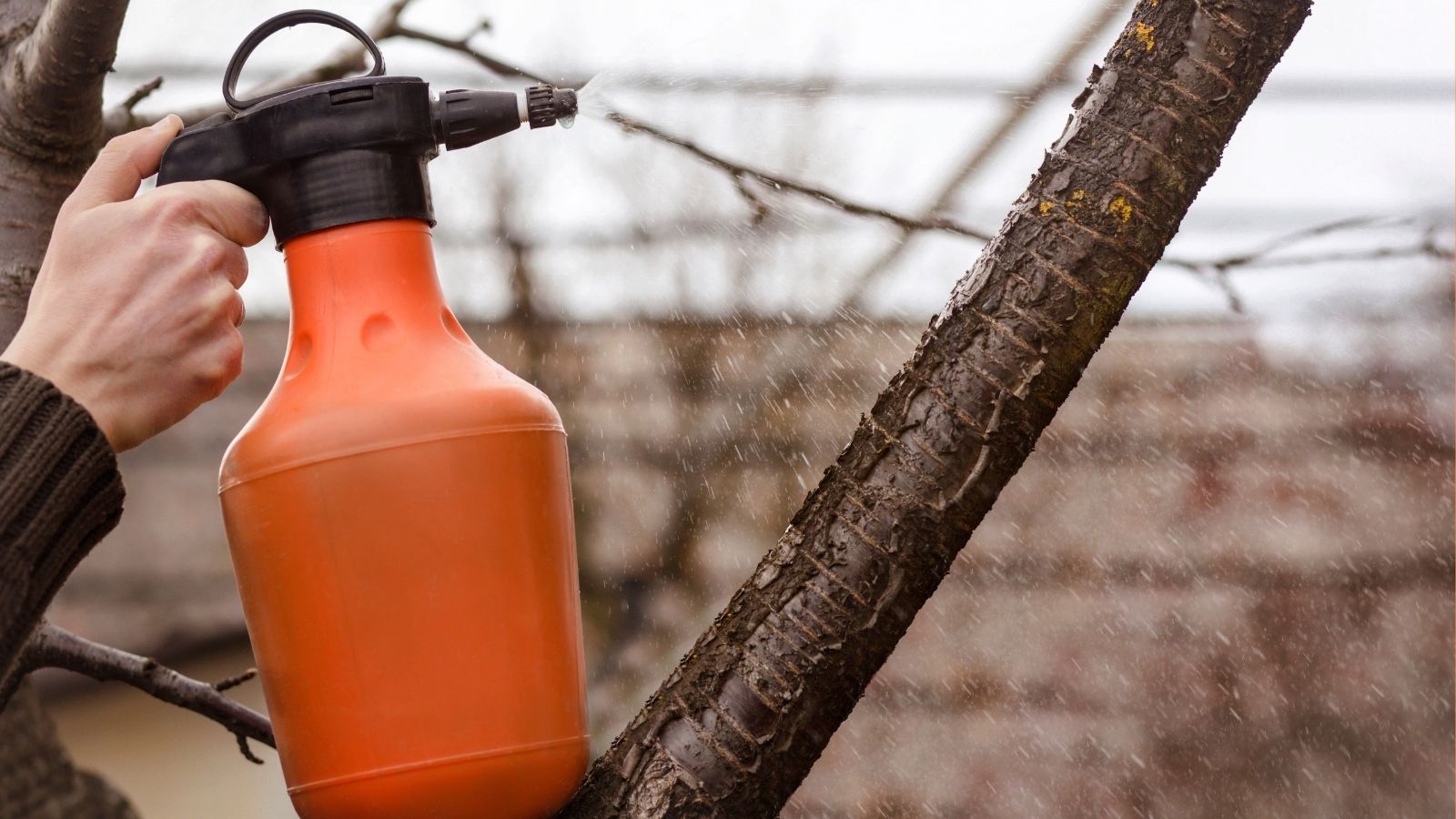
Cottage season overlaps with mosquitoes, carpenter ants, wasps, mice, raccoons, blackflies, and ticks. A few traps or screens may handle minor annoyances, but infestations can become costly when pests damage insulation, wiring, food storage, docks, decks, or outbuildings. Rural properties also give wildlife plenty of entry points after a long winter.
Ticks are becoming a more serious seasonal concern in many parts of Canada, with Lyme disease risk linked to expanding tick ranges. Prevention can mean landscaping, brush clearing, pet protection, repellents, signage for guests, and more frequent property checks. Families with children or dogs often learn that pest control is not just comfort spending; it is part of keeping outdoor space usable and safe.
Boat Ownership Add-Ons

A cottage boat may be pictured as freedom on the water, but ownership comes with a stack of smaller costs that arrive every season. Fuel, insurance, safety gear, licensing, storage, winterization, launch fees, batteries, trailer maintenance, and repairs can turn a “simple aluminum boat” into a recurring expense. Even canoes, kayaks, and paddleboards need racks, locks, PFDs, and occasional replacements.
Canadian rules require proper safety equipment, and powered boats bring operator-card requirements. Weather and water conditions also punish neglect: a bad battery, cracked hose, or old trailer tire can derail a weekend before the boat leaves shore. The hidden cost is not only repair money, but the premium paid for emergency service when every marina is busy.
Waste Disposal and Dump Runs

Garbage is easy to overlook in the city, where collection feels automatic. In cottage country, waste may involve transfer stations, bag tags, limited hours, landfill fees, recycling sorting, bear-proof storage, hazardous waste days, and long drives with messy loads in the vehicle. Miss the Saturday window and garbage may sit until the next trip.
Rural and waterfront municipalities face extra waste-management challenges because populations swell seasonally while collection routes remain spread out. Renovation debris, old mattresses, broken dock boards, propane cylinders, and leftover paint can be especially inconvenient. What begins as a cleanup weekend can become multiple dump runs, fees, fuel, and time lost to sorting rules that vary from one municipality to another.
Property Taxes and Local Levies

Cottage owners sometimes assume seasonal use should mean lighter taxes, but property tax is generally based on assessed value and municipal needs, not how many weekends the property is occupied. Waterfront access, location, lot size, improvements, and market demand can all affect assessed value. A modest cabin on a desirable lake may not receive a modest tax bill.
Local levies can also surprise owners. Rural municipalities may need to fund roads, emergency services, waste sites, planning departments, libraries, policing, and environmental programs across a huge geography with a seasonal tax base. A reassessment, renovation, new bunkie, or shoreline improvement can shift the numbers. The bill often arrives quietly, but it reflects year-round infrastructure supporting seasonal enjoyment.
Weather Damage and Storm Cleanup

Cottage properties take punishment when nobody is there to see it happen. Wind can bring down trees, hail can damage roofs, heavy rain can flood crawl spaces, and spring thaw can shift stairs, docks, and retaining walls. By the time owners arrive, a small leak may have become mould, ruined flooring, or a carpenter’s urgent callout.
Storm cleanup also costs more in rural areas because labour, equipment, and disposal may be farther away. A tree across a driveway can require a chainsaw crew before any other repair begins. Climate-related extremes are placing more pressure on property owners and insurers, especially in forested, waterfront, and low-lying areas where cottages are common. Preventive maintenance is cheaper than emergency work, but it is still another hidden seasonal cost.
Internet, Cell Boosters, and Security

Remote work and streaming have changed expectations for cottage life. A place that once needed only a radio and a landline may now need reliable internet, Wi-Fi coverage, cell boosters, cameras, smart thermostats, and monitored alarms. Rural service can involve higher monthly fees, equipment costs, installation charges, data limits, or seasonal plans that are not as flexible as hoped.
Security technology adds another layer. Cameras and sensors help monitor pipes, power outages, trespassing, and storm damage, but they depend on power and connectivity. A frozen screen on a phone can leave owners wondering whether the cottage is fine or the network is down. The hidden cost is paying for enough technology to protect a property that may sit empty for weeks.
Contractor Travel and Rural Labour Premiums

At a city home, a small repair might attract several quotes. In cottage country, trades can be scarce, booked months ahead, or reluctant to travel down rough roads for minor jobs. A plumber, electrician, roofer, arborist, dock builder, or appliance technician may add travel time, fuel, ferry costs, barge access, or minimum callout charges.
Seasonality also matters. Everyone wants work done before the same few long weekends, which creates bottlenecks. A loose railing, broken pump, or damaged roof vent may wait longer than expected unless an owner pays a premium. The most expensive phrase in cottage ownership is often “while they’re already here,” because bundling small repairs can quickly become a much larger work order.
Short-Term Rental Compliance

Renting out the cottage for a few weeks can look like an easy way to offset costs, but short-term rental income brings tax, insurance, municipal, cleaning, and compliance obligations. Hosts may need permits, inspections, platform reporting, GST/HST awareness, guest rules, noise plans, and proper commercial-use disclosure to their insurer.
The hidden costs often appear after the first busy season. Extra wear on linens, septic systems, docks, appliances, hot tubs, and garbage capacity can eat into revenue. A cottage designed for one family may not handle rotating groups every weekend. If local rules change or a rental is deemed non-compliant, owners may lose deductions, face fines, or discover that income projections were built on assumptions that no longer apply.
Invasive Species Prevention

Moving boats, trailers, bait buckets, paddleboards, and fishing gear between lakes can spread invasive species. Cleaning and drying equipment may feel like an inconvenience, but the broader cost of zebra mussels and other aquatic invaders is enormous. They can damage watercraft, clog intake systems, alter ecosystems, and reduce the health and enjoyment of lakes.
For cottage owners, prevention can mean boat washing, inspections, decontamination stops, new habits for guests, and careful landscaping near shorelines. Some provinces have inspection rules and penalties for failing to stop where required. The cost is partly personal and partly shared: once an invasive species becomes established in a lake, property owners may face long-term impacts that are difficult or impossible to reverse.
Wildfire Mitigation
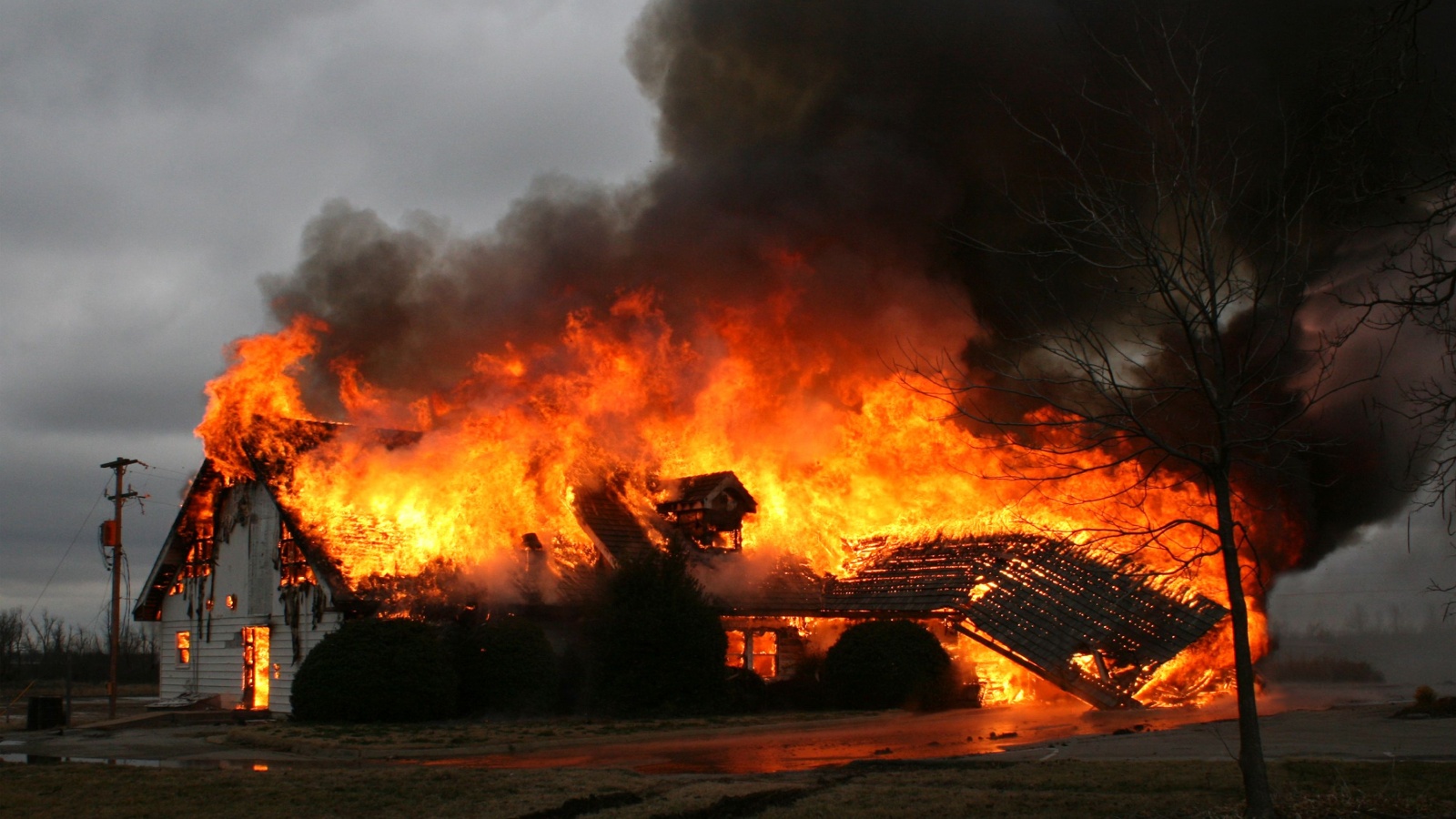
A cottage tucked into the trees can feel private and peaceful, but the same trees, dry needles, woodpiles, and outbuildings can increase wildfire risk. Mitigation may involve clearing debris, pruning branches, moving firewood, improving driveway access, screening vents, replacing vulnerable materials, or creating defensible space around structures. None of that feels exciting compared with a new deck or dock.
Wildfire preparation is becoming harder to ignore across Canada. Even properties far from recent fire zones can face smoke, evacuation alerts, insurance scrutiny, or local fire restrictions. Some mitigation steps are inexpensive, but larger upgrades such as roofing, siding, vents, decks, or landscaping can be significant. The hidden cost is that risk reduction competes with every other cottage-season project.
Food, Fuel, and Weekend Inflation

The classic cottage grocery run is rarely just hot dogs and sunscreen. Seasonal trips often include extra snacks, ice, beverages, charcoal, batteries, bug spray, cleaning supplies, pet food, and forgotten essentials bought at smaller stores near the lake. Prices can feel higher where supply chains are longer and seasonal demand spikes.
Fuel adds another quiet layer. Driving several hours each way, towing a boat, idling in long-weekend traffic, running errands from the cottage, and filling gas cans for mowers or generators can push transportation costs well beyond the mental estimate. Visitors may bring food, but the host often absorbs the staples: paper towels, condiments, propane cylinders, coffee, fire starters, and the “quick” top-up shop that never stays quick.
Opening and Closing the Cottage

The first and last weekends of the season are often the most expensive because they are work weekends disguised as leisure. Opening can involve turning on water, checking pumps, replacing filters, cleaning gutters, testing smoke alarms, launching docks, inspecting roofs, stocking supplies, and discovering what winter damaged. Closing reverses the process with draining lines, removing food, storing boats, protecting against rodents, and securing outdoor items.
Skipping steps can be costly. A burst pipe, damp mattress, mouse infestation, or forgotten freezer can ruin the next visit before it begins. Many owners eventually pay for professional opening and closing services because distance and time make mistakes more likely. The hidden cost is not one dramatic bill, but the steady accumulation of small seasonal tasks that protect a property from becoming a much larger problem.
19 Things Canadians Don’t Realize the CRA Can See About Their Online Income

Earning money online feels simple and informal for many Canadians. Freelancing, selling products, and digital services often start as side projects. The problem appears at tax time. Many people underestimate how much information the CRA can access. Online platforms, banks, and payment processors create detailed records automatically. These records do not disappear once money hits an account. Small gaps in reporting add up quickly.
Here are 19 things Canadians don’t realize the CRA can see about their online income.
This Options Discord Chat is The Real Deal
While the internet is scoured with trading chat rooms, many of which even charge upwards of thousands of dollars to join, this smaller options trading discord chatroom is the real deal and actually providing valuable trade setups, education, and community without the noise and spam of the larger more expensive rooms. With a incredibly low-cost monthly fee, Options Trading Club (click here to see their reviews) requires an application to join ensuring that every member is dedicated and serious about taking their trading to the next level. If you are looking for a change in your trading strategies, then click here to apply for a membership.