35,000+ smart investors are already getting financial news, market signals, and macro shifts in the economy that could impact their money next with our FREE weekly newsletter. Get ahead of what the crowd finds out too late. Click Here to Subscribe for FREE.
Canadian summers can move from chilly mornings to heavy, humid afternoons with little warning, and a dormant A/C system is often asked to perform at full strength on the first truly hot day. Before that switch is flipped, a few careful checks can prevent weak cooling, surprise repair bills, electrical problems, and avoidable energy waste. Across Canada, air conditioning is becoming more common as hotter summers reshape household routines, but comfort still depends on how well the system has been prepared after months of sitting idle. These 20 things Canadian homeowners should check before turning on the A/C cover the small details that often decide whether a home cools smoothly or struggles through the first heat wave.
The Air Filter
20 Things Canadian Homeowners Should Check Before Turning on the A/C
- The Air Filter
- The Outdoor Condenser Area
- The Condenser Coils and Fins
- The Thermostat Settings
- The First Test Run
- The Breaker, Disconnect, and Power Supply
- The Refrigerant Lines
- The Indoor Evaporator Coil
- The Condensate Drain and Pan
- The Supply and Return Vents
- The Ductwork
- The Furnace Blower or Air Handler
- The Humidity Level Indoors
- The Windows and Exterior Doors
- The Attic Insulation and Ventilation
- The Curtains, Blinds, and Solar Heat Gain
- The Ceiling Fans and Air Circulation
- The Window or Portable A/C Installation
- The Age and Service History of the System
- The Backup Plan for Extreme Heat
- 19 Things Canadians Don’t Realize the CRA Can See About Their Online Income
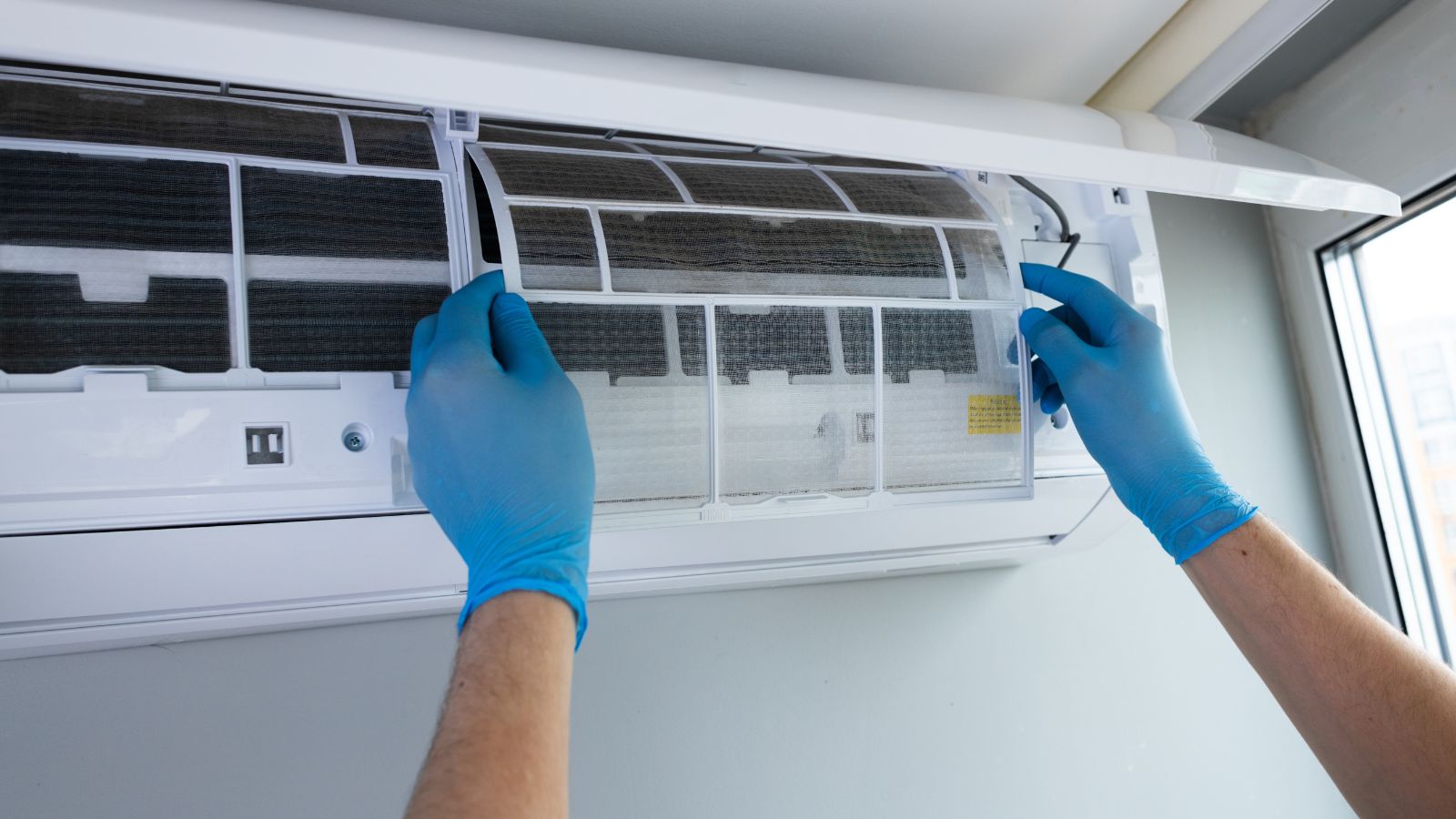
The air filter is one of the simplest parts of a cooling system, yet it can create some of the biggest early-season problems. A clogged filter restricts airflow, forcing the blower motor to work harder and reducing the system’s ability to move cool air through the home. In many Canadian houses, the same filter serves the furnace in winter and the central A/C in summer, so spring is a natural time to inspect it. A filter that looks grey, dusty, or matted after months of heating use should not be left in place for cooling season.
This check also affects indoor comfort. When airflow is weak, some rooms may feel sticky while others cool too slowly, leading homeowners to lower the thermostat even more. That can increase electricity use without solving the underlying problem. A family in a two-storey Ontario home, for example, may blame upstairs heat on the A/C itself when the real issue is a loaded return-air filter. Replacing or cleaning it before the first hot spell is low-cost maintenance with an outsized impact.
The Outdoor Condenser Area

The outdoor condenser needs breathing room. Over winter and spring, leaves, twigs, grass clippings, seed pods, and windblown debris often collect around the cabinet. If airflow around the condenser is blocked, the system has a harder time releasing heat from inside the home. That can make cooling slower, increase operating pressure, and cause the equipment to run longer than necessary. The first check should be visual: the unit should not be crowded by stored patio furniture, shrubs, fencing, or bags of garden soil.
This matters in Canadian yards where landscaping grows quickly after May rain. A cedar hedge that looked harmless in April can press into the unit by July. Homeowners should gently clear loose debris around the base and make sure vegetation is trimmed back. The goal is not to dismantle the equipment or spray aggressively into electrical parts, but to create a clean perimeter where air can move freely. A condenser hidden behind overgrown plants may look tidy from the deck, but it is often working much harder than it should.
The Condenser Coils and Fins
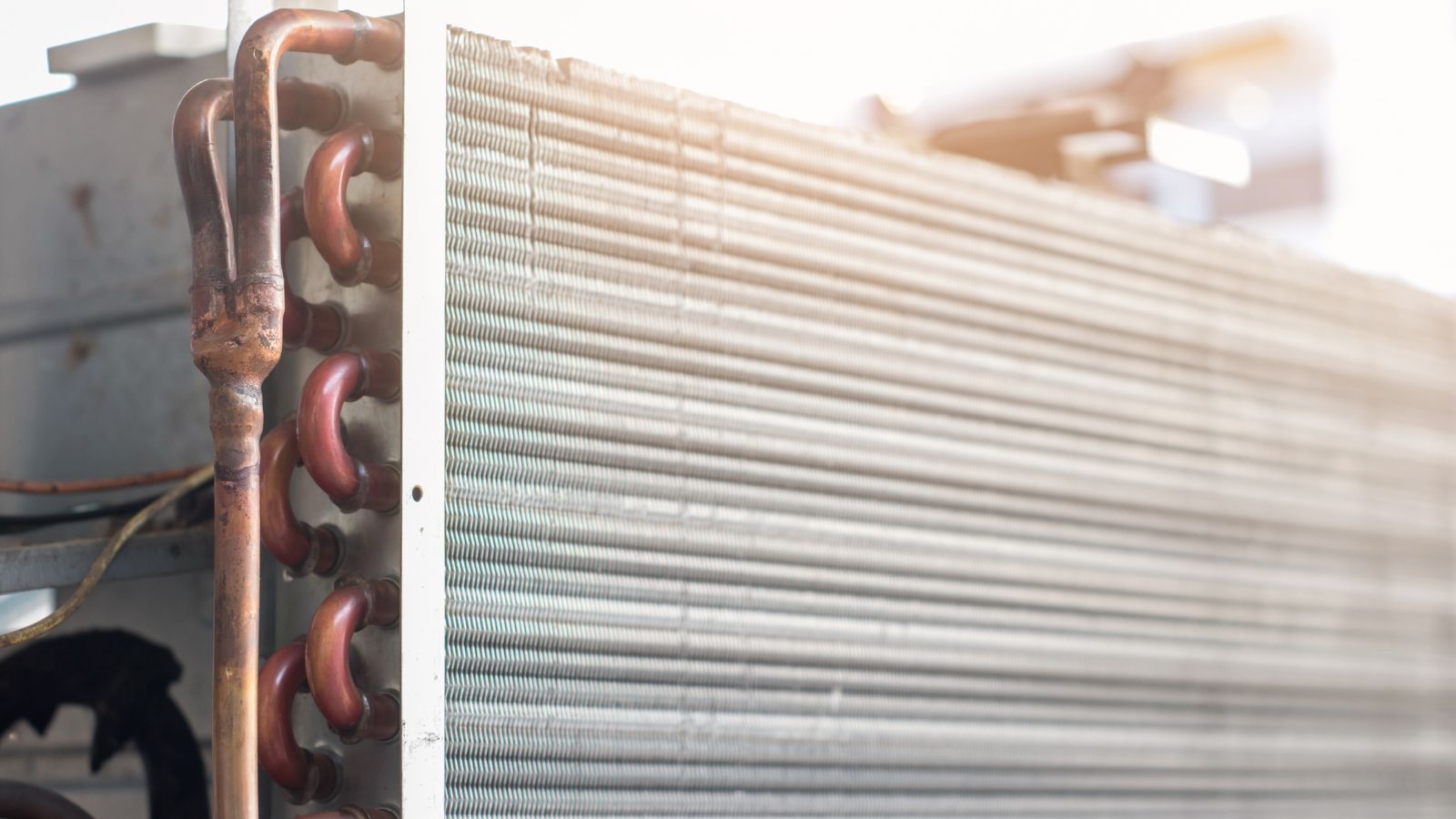
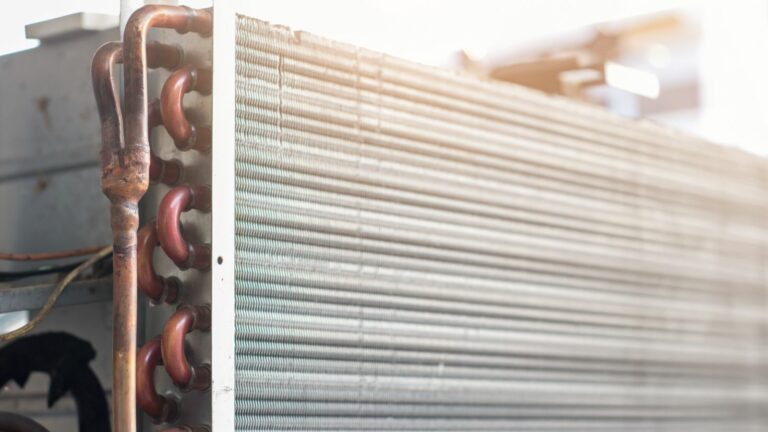
Condenser coils and fins transfer heat, so dirt on these surfaces is more than cosmetic. Dust, pollen, cottonwood fluff, and lawn debris can coat the outdoor coil, especially in neighbourhoods with mature trees. When that coating builds up, heat transfer becomes less efficient and the A/C may run longer to reach the same indoor temperature. Bent fins can also restrict airflow. Before cooling season, homeowners should look for obvious matting, heavy grime, or damaged fin areas on the outdoor unit.
This is a good example of where caution matters. Light debris on the outside of the cabinet may be removed gently, but deep cleaning, chemical coil washing, and fin repair are best handled by a qualified HVAC technician. A well-meaning homeowner using a pressure washer can damage delicate fins and create a more expensive problem. In areas with heavy spring pollen or nearby construction dust, coil condition can change quickly. A clean-looking unit in March may already be struggling by the first hot weekend in June.
The Thermostat Settings
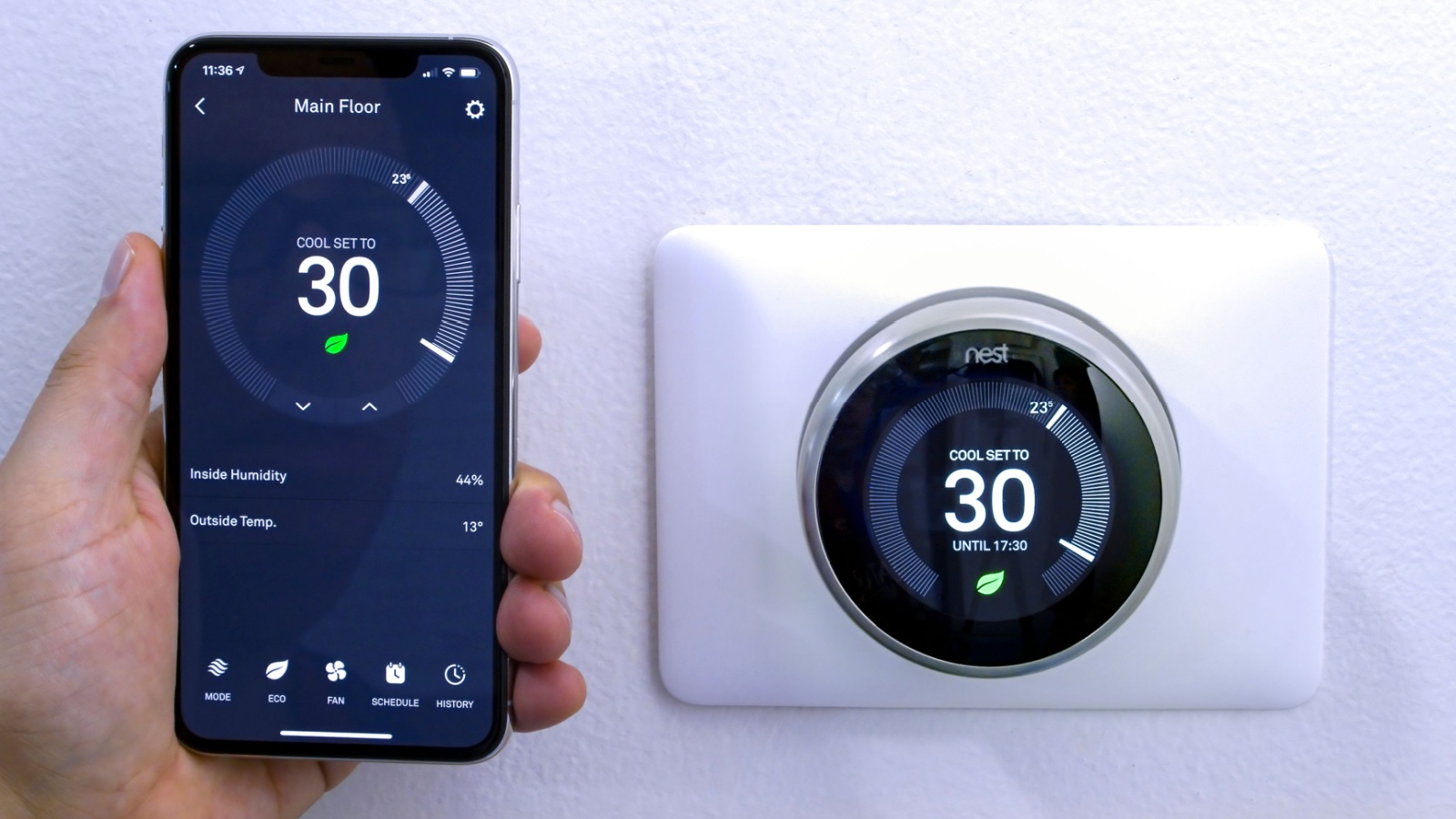
The thermostat should be checked before assuming the cooling system has a mechanical problem. It may still be set to “heat,” the fan may be set to “on” instead of “auto,” or a winter schedule may be programmed into a smart thermostat. A system that seems to blow warm air may simply be responding to the wrong mode. Batteries, Wi-Fi connections, and temperature sensors should also be checked, especially after a long season of heating use.
Thermostat habits affect energy use as much as comfort. Many utilities and efficiency agencies recommend moderate settings instead of pushing the system to very low temperatures. In practice, setting the thermostat extremely low does not make most systems cool faster; it usually just makes them run longer. A household returning from work to a warm home may be tempted to drop the thermostat sharply, but a realistic cooling target is usually better for comfort and cost. Before summer starts, a programmed schedule can reduce overcooling when the house is empty.
The First Test Run

Waiting until the first heat warning to discover an A/C problem can turn a minor service issue into an urgent repair call. A test run on a mild day gives homeowners a chance to confirm that the system starts, the outdoor unit operates, and cool air reaches the registers. The test does not need to be dramatic. Setting the thermostat a few degrees below room temperature and letting the system run for a short period can reveal weak airflow, odd sounds, or failure to start.
This early check is especially useful in regions where service appointments become scarce during the first major heat wave. HVAC companies often receive a surge of calls when temperatures jump, and homeowners with vulnerable family members may not want to wait. During the test, it is worth walking through the house rather than standing beside one vent. If the basement feels cold while upstairs rooms barely change, the issue may involve airflow, closed registers, duct leaks, or insulation rather than the cooling unit alone.
The Breaker, Disconnect, and Power Supply

A central A/C system relies on a safe electrical supply. Before the season begins, homeowners should check whether the breaker is on, whether the outdoor disconnect appears intact, and whether there are visible signs of damage such as frayed wiring, loose covers, rust, or scorch marks. These are inspection points, not invitations to repair electrical components without training. If anything looks damaged or uncertain, a licensed electrician or qualified HVAC technician should be involved.
Electrical safety becomes even more important with window and portable units. Plugging a high-demand cooling appliance into a damaged outlet, overloaded power bar, or unsuitable extension cord can create a fire risk. Older Canadian homes may have limited circuits in bedrooms or living rooms, so the first hot week can expose weaknesses that were unnoticed all winter. If a breaker trips repeatedly when the A/C starts, it should not be ignored or reset over and over. Repeated tripping is a warning sign, not a nuisance.
The Refrigerant Lines
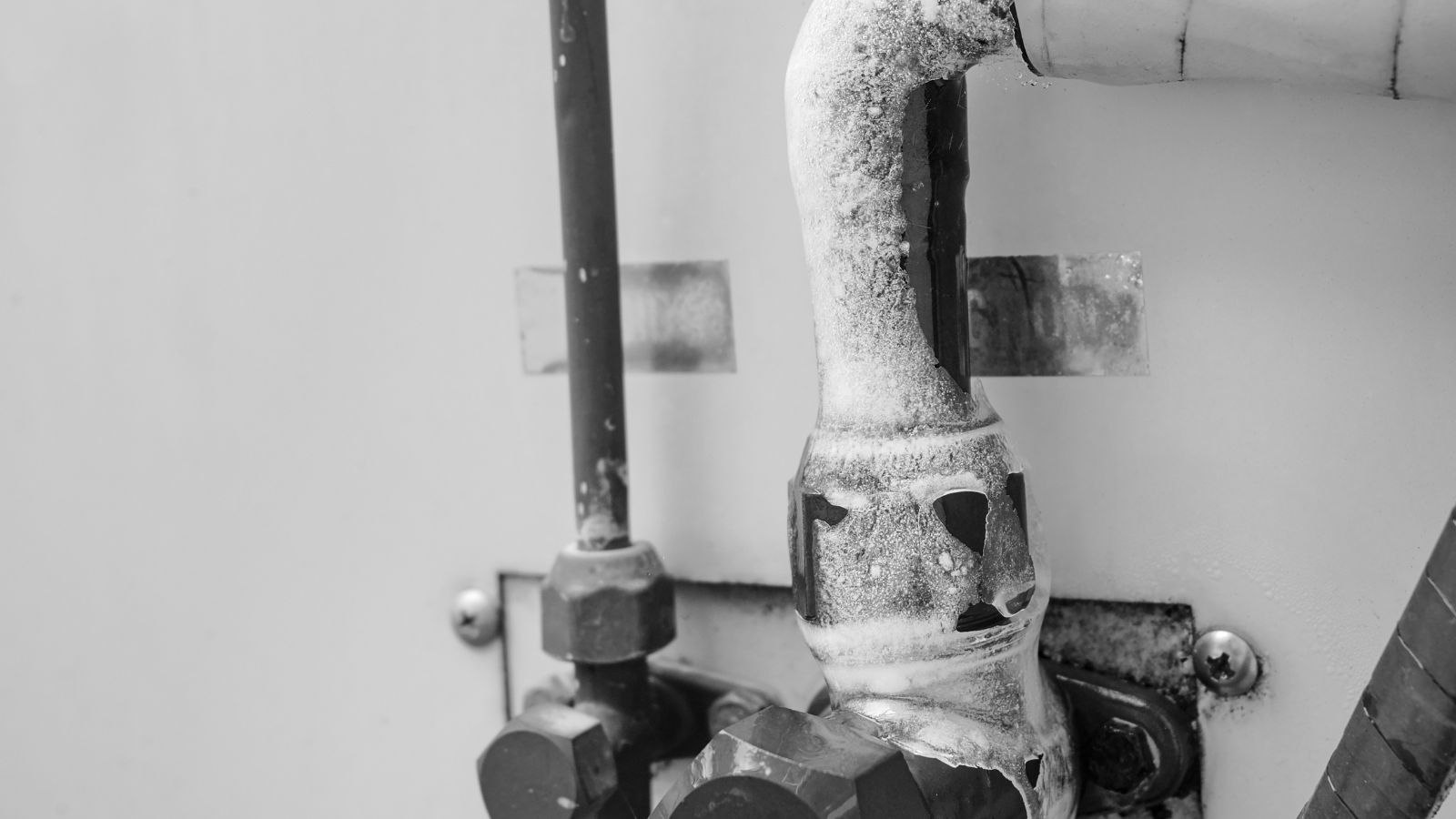
The refrigerant lines connecting the outdoor unit to the indoor coil should look secure and properly insulated where insulation is required. Damaged or missing insulation on the larger suction line can reduce efficiency and may cause condensation problems. Homeowners should also watch for oily residue, hissing sounds, or ice forming on lines once the system is running, as these can point to refrigerant or airflow problems. Refrigerant is not a seasonal “top-up” item in a healthy sealed system.
This is an area where professional service is essential. Refrigerants are regulated substances, and leaks should be diagnosed and repaired properly rather than treated as a routine refill. A homeowner may notice the house is cooling slowly and assume the system simply needs more refrigerant, but the real issue could be a leak, dirty coil, faulty metering device, or restricted airflow. In Canada, where cooling season can feel short but intense, it is tempting to delay repairs. That delay can increase compressor strain and reduce system life.
The Indoor Evaporator Coil
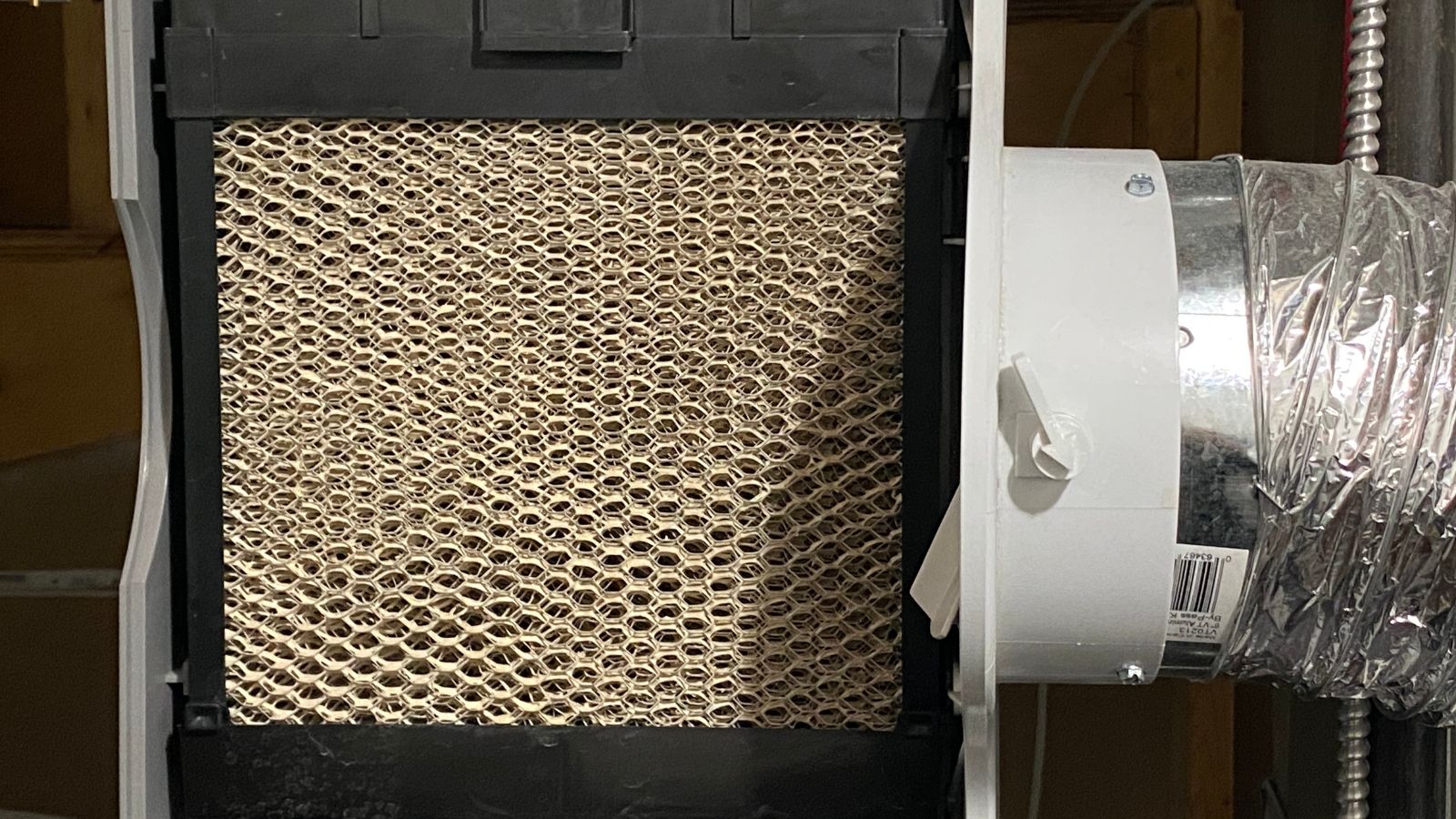
The indoor evaporator coil sits in the air stream and absorbs heat from the home. If it becomes dirty, airflow and heat transfer suffer. Because the coil is usually housed inside or above the furnace or air handler, it is not always visible to homeowners. Still, warning signs can appear: weak airflow, ice on refrigerant lines, water around the furnace, or musty odours when cooling starts. These symptoms deserve attention before heavy summer use begins.
Evaporator coil issues are common in homes where filter changes have been neglected or where renovation dust entered the duct system. A basement finishing project in February, for example, can leave fine drywall dust that later affects cooling performance. Unlike a vent grille, the coil is not something most homeowners should scrub casually. It may require professional access and cleaning. Checking for indirect signs before turning on the A/C helps catch problems before the system freezes up during a humid July afternoon.
The Condensate Drain and Pan

Air conditioners remove moisture as they cool, and that water has to drain somewhere. The condensate drain line and drain pan should be checked for clogs, algae buildup, cracks, or signs of past overflow. A blocked drain can lead to water around the furnace, damaged flooring, stained ceilings, or a system shutdown if a safety switch is triggered. In finished basements, even a small overflow can become expensive.
This check is particularly important in humid parts of Canada, including southern Ontario, southern Quebec, and Atlantic communities where summer air can feel heavy. A system that runs frequently may produce a surprising amount of condensate. Homeowners should look for old water marks, rust on nearby metal, damp insulation, or a musty smell near the air handler. A clear drain is not glamorous, but it is one of the quiet safeguards that keeps cooling from becoming a water-damage problem.
The Supply and Return Vents
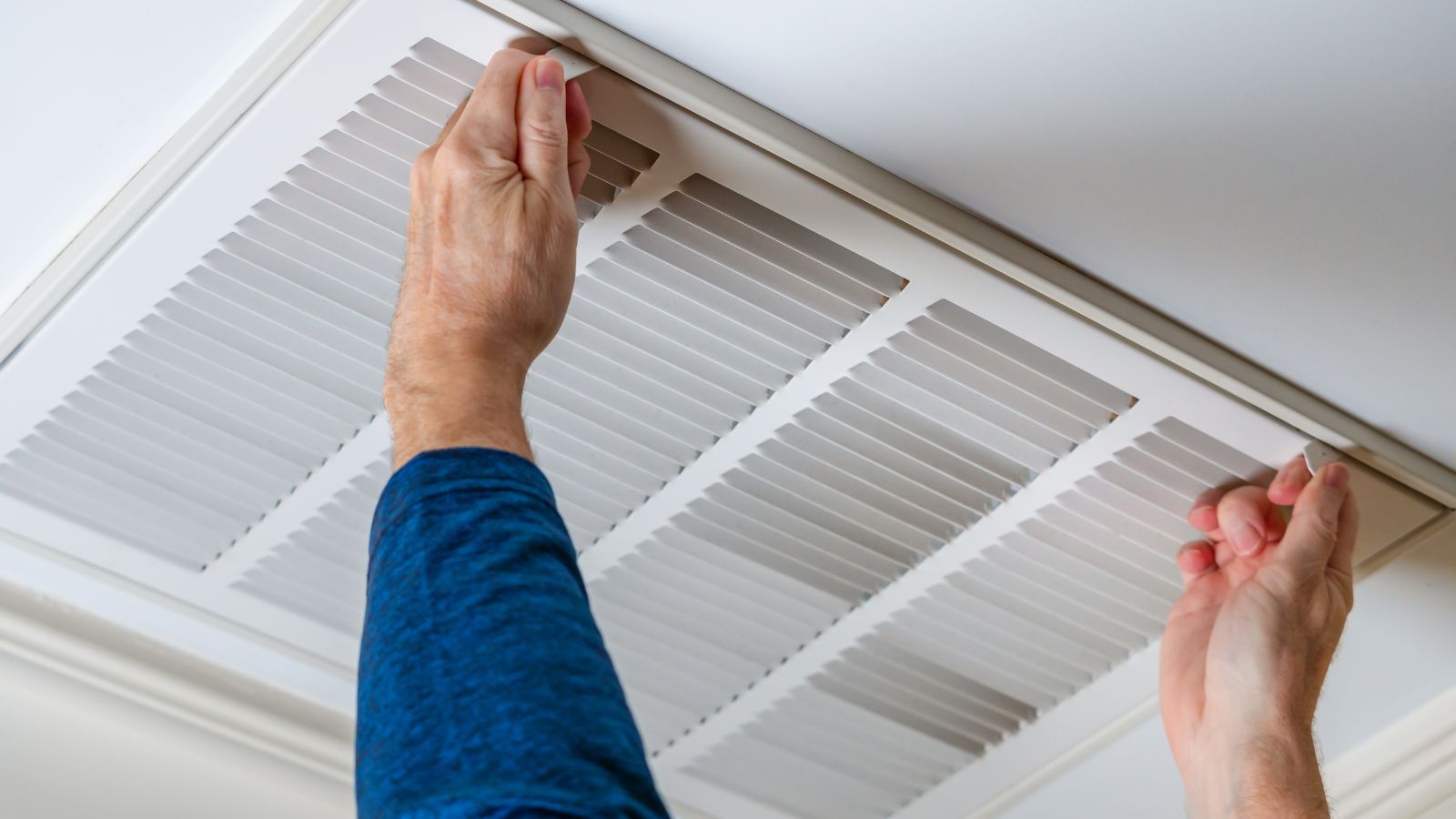
Supply vents deliver cooled air, while return vents pull household air back to the system. Both need to be open and unobstructed. Furniture, rugs, curtains, pet beds, and storage bins can quietly block airflow over winter. In some homes, a child’s bedroom may feel hot simply because a dresser was placed over the return grille. Before cooling season, each room should be checked for blocked or closed vents.
This matters because air conditioning is a whole-house circulation system, not just a cold-air generator. When returns are blocked, the system may struggle to pull enough air across the indoor coil. When supply vents are closed in several rooms, pressure changes can increase leakage through ducts and reduce comfort. Homeowners sometimes close basement vents to push more cold air upstairs, but that can create uneven pressure and may not solve the real balancing problem. A careful walk-through often finds easy fixes before anyone calls for service.
The Ductwork
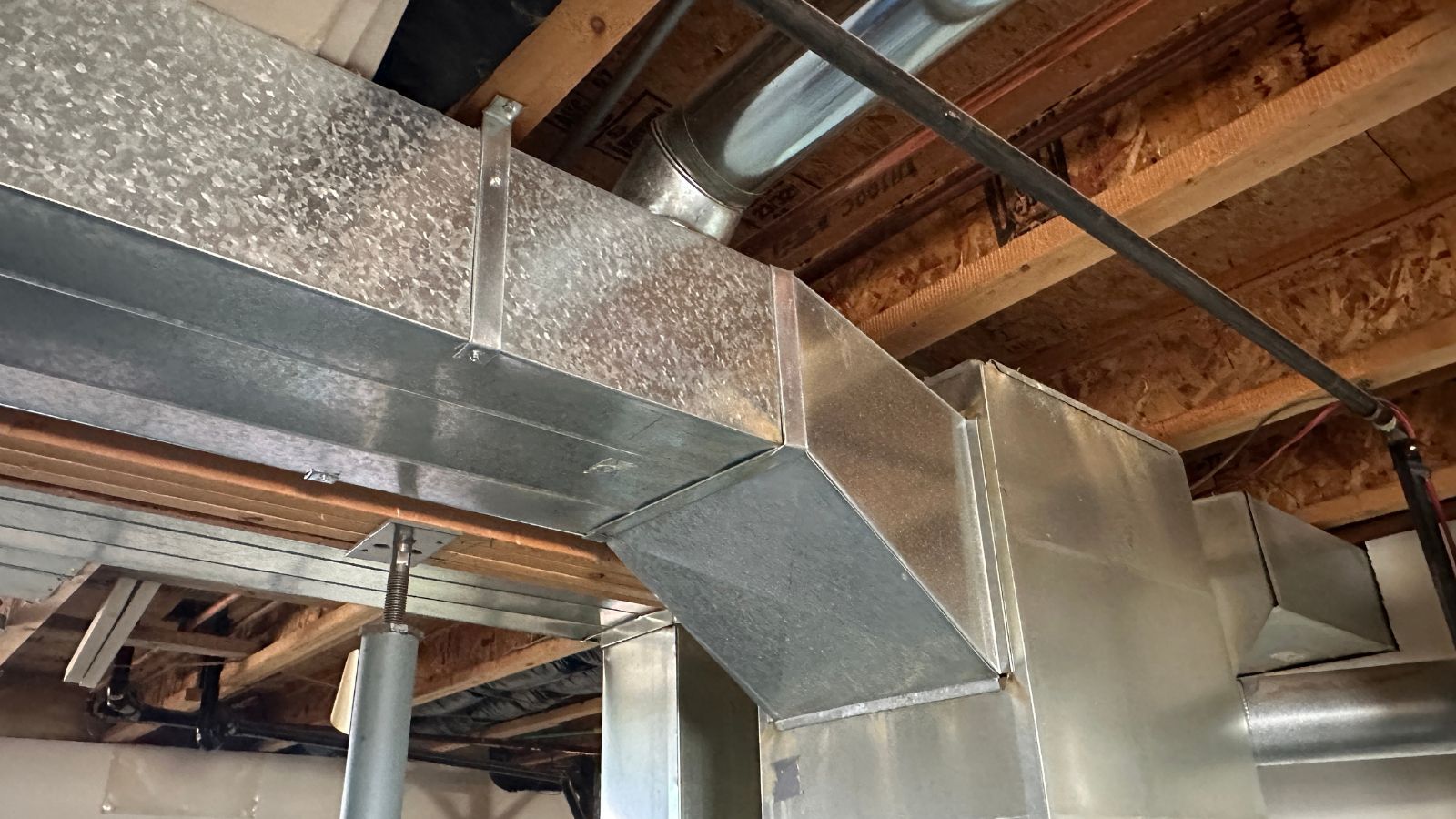
Ductwork can waste cooled air before it ever reaches living spaces. Leaky, disconnected, crushed, or poorly insulated ducts are common causes of uneven cooling, especially in older homes or houses with ducts running through garages, attics, crawl spaces, or unfinished basements. Before turning on the A/C, homeowners should inspect accessible duct sections for gaps, loose joints, damaged tape, or sections that appear flattened.
A small leak may not seem serious, but cooled air escaping into an unfinished area can make the A/C run longer while bedrooms remain warm. The problem becomes more noticeable during heat waves, when the system is already under pressure. A homeowner in a postwar bungalow may find that the far bedroom never cools well because the branch duct is loose near the main trunk. Professional duct sealing or balancing can improve comfort, but even a basic visual inspection can identify obvious problems before summer demand peaks.
The Furnace Blower or Air Handler

In many Canadian homes, the central A/C depends on the furnace blower to move air. That means cooling performance is tied to heating equipment that may have been running for months. Before the A/C season starts, homeowners should pay attention to blower noise, vibration, weak airflow, or delayed fan operation. A dirty blower wheel or failing motor can reduce airflow even if the outdoor unit is working properly.
This connection is easy to overlook because people often think of the furnace as winter equipment and the A/C as separate summer equipment. In reality, central cooling usually shares the same ductwork and air-moving components. A blower that struggled quietly through March may become obvious in June when the home will not cool evenly. Regular HVAC service can include checking blower operation, motor condition, and airflow. That early attention can prevent a mid-summer breakdown when the system is running for longer cycles.
The Humidity Level Indoors

Cooling is not only about lowering temperature; it is also about managing humidity. High indoor humidity can make a room feel warmer than the thermostat suggests, encouraging people to lower the setting unnecessarily. It can also contribute to condensation, musty odours, and mould-friendly conditions in vulnerable areas. Before relying heavily on A/C, homeowners should check whether the home feels damp, whether basement humidity is elevated, and whether bathroom or kitchen fans are working properly.
A simple hygrometer can help reveal what comfort alone may miss. In a house with a damp basement, the A/C may spend more effort removing moisture while still leaving upstairs rooms uncomfortable. A dehumidifier, better ventilation, improved drainage, or air sealing may help reduce the load. The key is not to expect the A/C to solve every moisture problem by itself. Canadian homes that were closed tightly through winter often benefit from a spring humidity check before cooling season begins.
The Windows and Exterior Doors

Air conditioning works best when the cooled air stays indoors. Before turning it on for the season, homeowners should check windows and exterior doors for gaps, damaged weatherstripping, loose locks, or screens left in storm-window positions that prevent a tight seal. Even small leaks can allow warm, humid air to enter, making the system work harder and creating uncomfortable drafts near seating areas.
This is especially noticeable in older Canadian homes where windows may have shifted through freeze-thaw cycles. A casement window that does not latch tightly after winter can leak enough air to affect a room’s comfort. The same applies to patio doors that see heavy spring use. A basic seasonal check can include closing and locking windows, feeling for drafts, and replacing damaged weatherstripping. These small building-envelope details often reduce the temptation to keep lowering the thermostat.
The Attic Insulation and Ventilation

A hot attic can make upper floors uncomfortable even when the A/C is running. Before summer heat arrives, homeowners should consider whether attic insulation is adequate and whether vents are blocked by stored items, insulation, or debris. Poor attic performance can allow heat to radiate downward into bedrooms, forcing the cooling system to run longer. In many two-storey homes, this is why upstairs rooms become the first complaint of summer.
The issue is often mistaken for an undersized A/C. Sometimes the equipment is not the main problem; the house is simply gaining heat faster than the system can remove it. A bedroom under a poorly insulated roof can feel several degrees warmer than the main floor. Checking attic conditions before cooling season can point toward long-term improvements such as air sealing, insulation upgrades, or ventilation corrections. These upgrades may not be as visible as a new condenser, but they can greatly improve comfort.
The Curtains, Blinds, and Solar Heat Gain

Sunlight can add a significant cooling burden, especially through large west- and south-facing windows. Before turning on the A/C, homeowners should check whether blinds, curtains, exterior shades, awnings, or reflective films are being used strategically. A room that overheats every afternoon may not need colder air as much as it needs better solar control. Closing window coverings during peak sun can reduce heat gain and help the system maintain a steady temperature.
This is a practical habit in Canadian subdivisions where newer homes often have large windows and limited mature tree cover. A west-facing family room may feel pleasant in April but turn into a heat trap by late June. Homeowners who close blinds only after the room is already hot may miss the benefit of preventing heat buildup earlier in the day. Solar control is not a replacement for A/C, but it can reduce strain during the hours when electricity demand and outdoor temperatures are highest.
The Ceiling Fans and Air Circulation

Ceiling fans do not lower room temperature, but they can make occupants feel cooler by moving air across the skin. Before A/C season begins, homeowners should check that fans are clean, balanced, and rotating in the proper summer direction. Dusty blades can spread particles through a room, while wobbling fans can become noisy enough that people avoid using them. Good air movement can allow a slightly higher thermostat setting while maintaining comfort.
This is a small detail with real household impact. In a bedroom, a clean ceiling fan may make a 25°C setting feel comfortable enough for sleep, while still reducing A/C runtime compared with a much lower setting. Portable fans can also help move air in rooms that cool slowly, though they should be used safely and kept away from water or overloaded outlets. Fans work best when people are present, so leaving them running all day in empty rooms usually wastes electricity.
The Window or Portable A/C Installation
Window and portable air conditioners need their own seasonal inspection. A window unit should sit securely, drain properly, and be sealed around the edges so hot air and insects do not enter. Portable units should have an intact exhaust hose, a secure window kit, and enough clearance for airflow. A poorly installed unit may cool the area immediately in front of it while pulling warm outdoor air through gaps.
Safety is just as important as comfort. A heavy window unit that is not properly supported can be dangerous, particularly in upper-floor apartments or houses with aging window frames. Portable units can also create problems if the exhaust hose is kinked or if condensate is not handled correctly. Before the first hot night, homeowners should test these units, inspect cords, clean filters, and confirm that the installation still matches the manufacturer’s instructions. A rushed setup during a heat wave is when mistakes are most likely.
The Age and Service History of the System

An A/C system that has been maintained regularly is more likely to handle summer demand than one with an unknown service history. Before turning it on, homeowners should check the installation date, past repair invoices, warranty documents, and any notes from previous technicians. Older systems may still run, but declining performance, frequent repairs, refrigerant issues, or rising energy use can signal that planning ahead is wise.
This check helps avoid panic decisions. A homeowner who discovers in June that the unit is near the end of its expected life has more time to compare repair and replacement options than someone who waits for a July failure. Service records can also reveal recurring issues, such as repeated capacitor failures or refrigerant leaks. In Canadian markets where HVAC demand spikes during heat waves, knowing the system’s age and history before the first hot spell can lead to calmer, better-informed decisions.
The Backup Plan for Extreme Heat

Even a well-maintained A/C system can fail during a heat wave, so homeowners should have a basic backup plan. That plan may include identifying the coolest room in the house, checking fans, knowing where nearby cooling centres are, and making arrangements for older adults, infants, people with chronic conditions, or pets. Extreme heat can become a health risk indoors, especially when high temperatures persist overnight.
A backup plan is not alarmist; it is practical household readiness. Many Canadian communities now experience heat events that place extra pressure on homes, electrical grids, and repair services. If the A/C stops working on a long weekend, families should know how to reduce heat gain, stay hydrated, close blinds during the day, ventilate safely when outdoor air cools, and seek cooler spaces when needed. The best time to make those decisions is before the house is already uncomfortable.
19 Things Canadians Don’t Realize the CRA Can See About Their Online Income

Earning money online feels simple and informal for many Canadians. Freelancing, selling products, and digital services often start as side projects. The problem appears at tax time. Many people underestimate how much information the CRA can access. Online platforms, banks, and payment processors create detailed records automatically. These records do not disappear once money hits an account. Small gaps in reporting add up quickly.
Here are 19 things Canadians don’t realize the CRA can see about their online income.
This Options Discord Chat is The Real Deal
While the internet is scoured with trading chat rooms, many of which even charge upwards of thousands of dollars to join, this smaller options trading discord chatroom is the real deal and actually providing valuable trade setups, education, and community without the noise and spam of the larger more expensive rooms. With a incredibly low-cost monthly fee, Options Trading Club (click here to see their reviews) requires an application to join ensuring that every member is dedicated and serious about taking their trading to the next level. If you are looking for a change in your trading strategies, then click here to apply for a membership.