
35,000+ smart investors are already getting financial news, market signals, and macro shifts in the economy that could impact their money next with our FREE weekly newsletter. Get ahead of what the crowd finds out too late. Click Here to Subscribe for FREE.
Summer in Canada has a way of making modest plans feel harmless at first. A weekend at the lake, a quick festival stop, a few day trips, or a family campground booking can all sound manageable when the first price appears on screen. The shock usually comes later, when fuel, food, taxes, parking, gear, tickets, and last-minute upgrades land on the same receipt.
These 16 Canadian summer plans often begin with a reasonable headline cost but become noticeably heavier once real-life details are added. The pressure is especially clear in 2026, as food, transportation, travel demand, and seasonal experiences continue to stretch household budgets across the country.
The “Cheap” Road Trip
16 Canadian Summer Plans That Look Affordable Until the Final Total Hits
- The “Cheap” Road Trip
- A Weekend Cottage Rental
- Camping at a Popular Park
- A National Park Getaway
- Taking the Family to a Theme Park
- A “Free” Festival Day
- A Summer Concert or Sports Event
- Flying Within Canada for a Quick Escape
- A Ferry Trip to the Island
- Sending Kids to Summer Camp
- Hosting a Backyard Barbecue
- A Day at the Beach
- A Fishing or Boating Weekend
- A Canada Day or Long-Weekend Trip
- Renting an RV or Camper Van
- A Patio Brunch or Waterfront Dinner
- Building the “Perfect” Summer Staycation
- 19 Things Canadians Don’t Realize the CRA Can See About Their Online Income
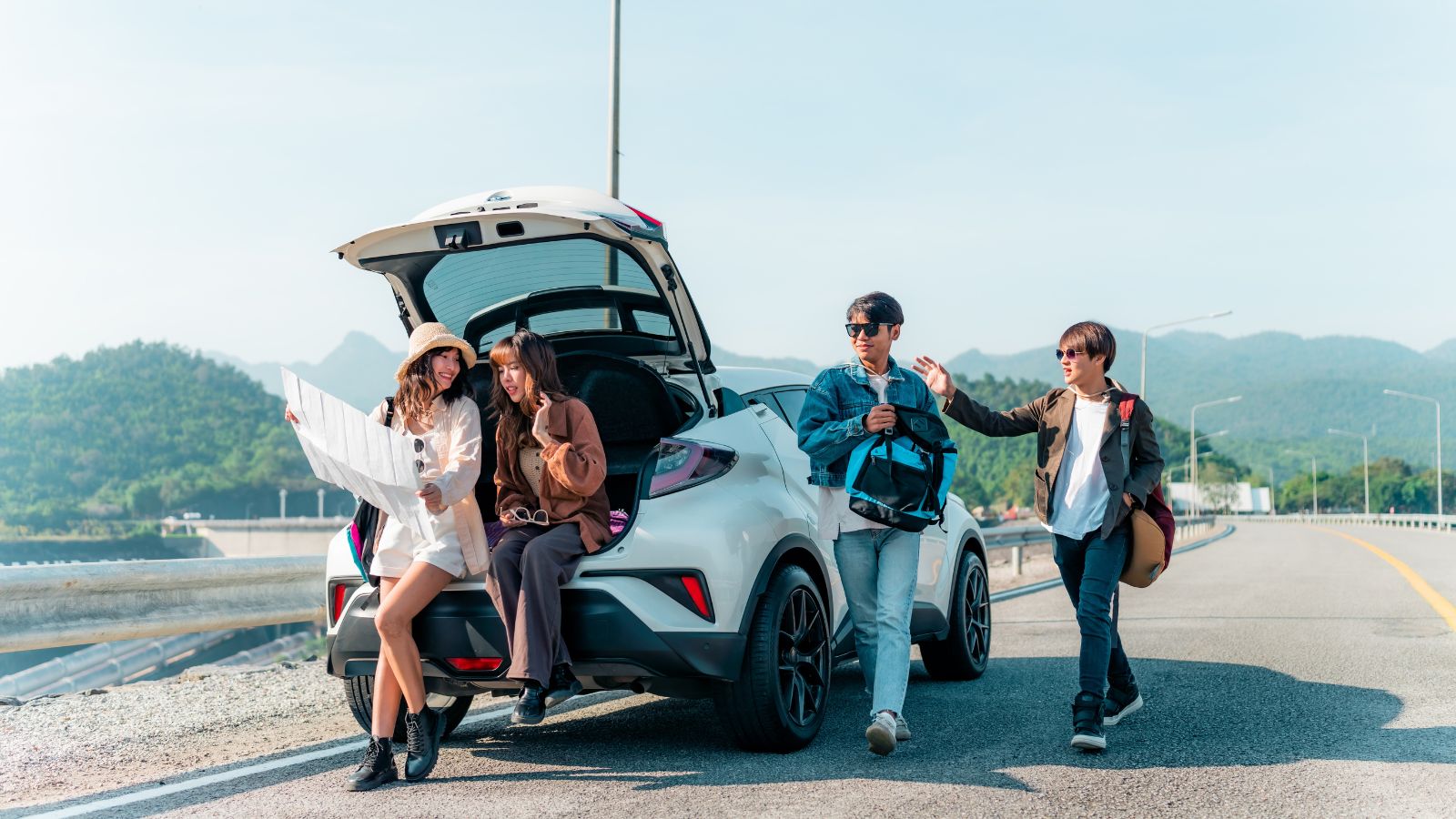
A summer road trip still feels like Canada’s most flexible vacation. There are no airport lines, no baggage rules, and no rigid schedule. A family can pack snacks, pick a lake, and turn the drive itself into part of the break. That is the appeal. The hidden cost is that the trip rarely ends with fuel alone. Gas, roadside meals, parking, park entry, motel nights, tolls, and vehicle wear all start stacking up before the destination is even reached.
The math gets sharper for larger vehicles. SUVs, pickups, rooftop cargo boxes, trailers, mountain roads, and air conditioning can all increase fuel use. A trip that sounded like a $200 getaway can quickly become several times that when the route includes two overnight stops and restaurant meals. Many Canadians still choose road trips because they offer freedom, but the final total often reveals that “driving instead of flying” is not automatically the bargain it once seemed.
A Weekend Cottage Rental

A cottage weekend often starts with an attractive nightly rate. Split among friends or relatives, the base price can look almost painless. Then the booking page adds cleaning fees, platform service charges, provincial taxes, municipal accommodation taxes in some cities, pet fees, linen charges, and sometimes extra-person fees. By checkout, the cheerful lakeside escape may look much closer to a small hotel bill than a rustic bargain.
The spending rarely stops at the rental. Cottage weekends tend to pull in groceries, firewood, charcoal, bug spray, beach toys, watercraft rentals, gas for multiple cars, and a last-minute stop at the LCBO or local market. Guests may also discover that “bring your own everything” includes towels, coffee filters, paper products, and basic condiments. The casual tone of the plan hides how many small household purchases get duplicated for a stay that lasts only two or three nights.
Camping at a Popular Park

Camping has a reputation as the budget-friendly alternative to hotels, and it can still be cheaper. The problem is that a reserved campsite is only the starting point. Provincial and national park stays often include reservation fees, nightly site charges, firewood, parking or vehicle permits, shower tokens in some places, food storage supplies, and gear that families only remember they need after arriving.
First-time campers feel this most. A tent, sleeping pads, coolers, lanterns, camp chairs, stove fuel, tarps, and rain gear can transform a low nightly fee into a much larger upfront investment. Even experienced campers can be surprised by the total when a long weekend includes two vehicles, bad-weather replacements, and extra food because outdoor appetites run high. Camping can still deliver real value, but the final bill often proves that “sleeping outside” is not the same thing as spending almost nothing.
A National Park Getaway

Canada’s national parks can look like one of the best summer deals, especially when admission discounts or free-entry periods are available. Families see mountain views, beaches, historic sites, hiking trails, and photo-worthy drives, then assume the trip will stay inexpensive. The catch is that the park gate is rarely the biggest cost. Accommodation near famous parks, fuel, restaurant meals, shuttle bookings, gear rentals, and sold-out campsites can push the budget upward fast.
Popular destinations also reward early planning. When affordable rooms and campsites disappear, late bookers often face higher-priced lodges, longer commutes, or paid activities to replace the experience they originally wanted. A free entry window can help, but it does not make the surrounding travel economy free. The final total can feel especially surprising because the most memorable part of the trip—the scenery—does not come with a direct price tag.
Taking the Family to a Theme Park

A theme park day usually begins with one number: the admission price. That price can already be significant for a family, but it rarely captures the real day. Parking, online processing fees, taxes, lockers, food, drinks, games, souvenirs, fast-lane upgrades, and transportation can all become part of the outing. What looked like a controlled one-day treat can become one of the most expensive Saturdays of the summer.
The pressure increases because theme parks are designed for long stays. After several hours in the sun, packed snacks may run out, reusable water bottles may not feel like enough, and kids may ask for the extras displayed at every turn. A parent who planned for tickets may not have planned for two meals, frozen drinks, sunscreen, and a small prize after a game. The experience can be fun and memorable, but the receipt often feels larger than the original promise.
A “Free” Festival Day

Free festivals are one of Canada’s great summer rituals. Street performances, music stages, food trucks, fireworks, artisan markets, and cultural programming can make a city feel alive without charging admission. The trap is that free entry lowers defences. Once inside, visitors still pay for parking, transit, snacks, drinks, rides, vendor goods, and impulse purchases that feel like part of the atmosphere.
Families often discover the true cost through repetition. One lemonade, one food-truck lunch, one face painting stop, one market purchase, and one parking fee may not seem outrageous separately. Together, they can rival a ticketed event. In big cities, festival days can also include surge-priced rideshares or expensive downtown garages. The word “free” is accurate at the entrance, but the final total often reflects everything surrounding the entertainment rather than the entertainment itself.
A Summer Concert or Sports Event

Outdoor concerts and summer sports games can seem manageable when a basic seat is available. The sticker price may even feel reasonable compared with a full vacation. Then ticketing fees, taxes, parking, transit, food, drinks, merchandise, and post-event rides all add to the night. For major events, dynamic pricing and resale markets can make the original budget irrelevant before checkout.
The social nature of these outings raises costs too. Nobody wants to be the person calculating every dollar while friends are ordering food or lining up for merchandise. A pair of tickets can turn into dinner beforehand, drinks inside the venue, and a late-night ride home because transit feels inconvenient after the crowd clears. The event itself may last only a few hours, but the spending begins earlier in the evening and often continues after the final song or whistle.
Flying Within Canada for a Quick Escape

A quick domestic flight can look tempting when the base fare is low. A long drive becomes a short hop, and a weekend in another province suddenly feels possible. The trouble begins when the fare class is stripped down. Carry-on fees, checked bags, seat selection, airport transportation, food at the terminal, and schedule changes can turn a cheap fare into a far less impressive deal.
Canadian families and couples often feel this when comparing the final booking page with the advertised price. A small personal item may be included, but summer trips usually involve more than a laptop bag. Add one roller bag each way, seats together, and transportation from the airport to the hotel, and the supposed bargain becomes a standard travel expense. Flying can save time, but it does not always save money once the full journey is counted.
A Ferry Trip to the Island
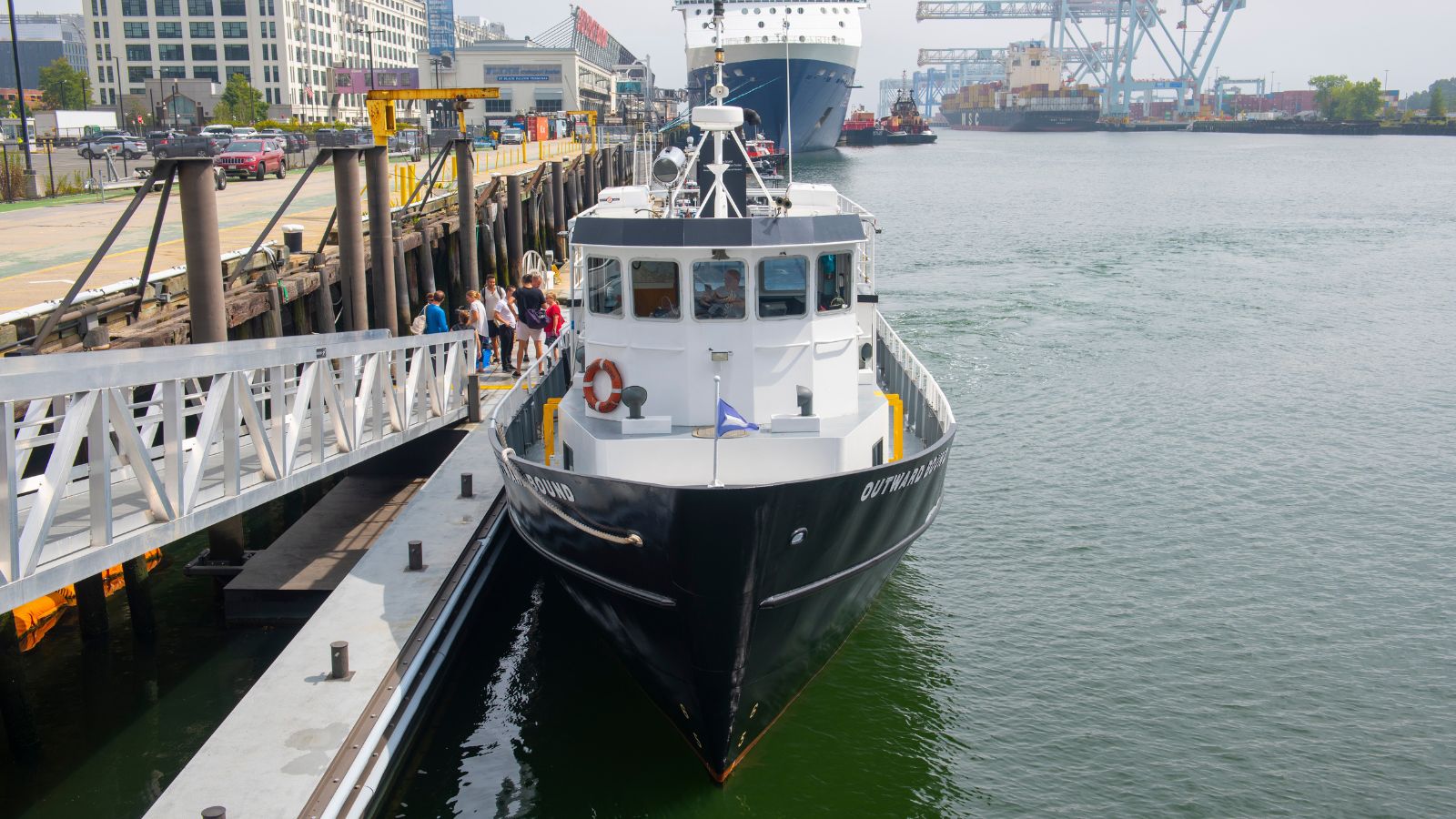
A ferry crossing can feel like a charming part of the vacation rather than a major expense. The scenery helps. So does the sense that the trip begins the moment the car rolls into the terminal. But ferry costs can grow through vehicle fares, passenger fares, reservations, fuel-related charges, food onboard, and the need to arrive early. A family travelling with a vehicle may spend a meaningful amount before reaching the island.
The bigger issue is that ferries often connect to destinations where accommodation and restaurant prices are also strong in peak season. Missing a sailing can lead to delays, extra meals, or a more stressful day than expected. Travellers may also choose paid reservations simply to reduce uncertainty. The ferry remains part of the adventure, but the final total can make a short island visit feel less spontaneous and more like a carefully budgeted transportation purchase.
Sending Kids to Summer Camp

Summer camp can look like a practical solution rather than a luxury. Working parents need coverage when school ends, and camps offer structure, social time, outdoor play, and specialized activities. The weekly rate, however, is only the beginning. Before-and-after care, lunch programs, field trip fees, uniforms, equipment, sunscreen, swim gear, and late pickup penalties can all add to the bill.
Costs vary widely depending on whether the camp is city-run, private, overnight, sports-based, arts-focused, or adventure-oriented. A single week may be manageable, but several weeks can become one of the household’s largest summer expenses. Parents often register early because spaces disappear quickly, which means decisions happen before the full summer budget is clear. Camp can be valuable for children and essential for parents, but the final total often feels closer to childcare planning than casual recreation.
Hosting a Backyard Barbecue

A backyard barbecue sounds like the affordable alternative to going out. There is no restaurant markup, no reservation, and no pressure to dress up. But hosting shifts the hidden costs onto one household. Meat, buns, produce, drinks, ice, propane, charcoal, condiments, disposable plates, napkins, extra seating, bug control, and dessert can quietly turn a relaxed gathering into an expensive grocery run.
The increase in food prices makes this especially noticeable. A host buying for ten or twelve people may discover that burgers, chicken, salads, and drinks cost far more than expected, even before adding specialty diets or kids’ snacks. Canadians often treat barbecues as casual generosity, which can make cost-sharing feel awkward. The event may still be cheaper than a restaurant meal for everyone combined, but the person hosting often sees the final total hit all at once.
A Day at the Beach

The beach is supposed to be the simplest summer plan: water, sand, towels, and time. Many Canadian families still rely on it for low-cost fun. Yet even beach days can become surprisingly expensive when the chosen spot is far from home or located near a busy tourist area. Parking, fuel, snacks, ice cream, sunscreen, water shoes, umbrellas, chairs, and takeout on the way home can all become part of the day.
The cost tends to rise when convenience takes over. After a hot afternoon, buying food near the beach feels easier than packing a cooler. If parking is scarce, paid lots may replace free streets. If children forget sandals or goggles, the nearest shop becomes the solution. A beach day can remain affordable with planning, but when every missing item gets purchased near the shoreline, the final total can feel nothing like the free outing originally imagined.
A Fishing or Boating Weekend

Fishing looks inexpensive from a distance: a rod, some bait, and a quiet place near the water. In practice, legal and practical costs can add up. Licences, conservation stamps, bait, tackle, fuel, boat launch fees, safety gear, cooler supplies, campsite or cabin stays, and replacement equipment all matter. For families or visitors fishing outside their home province, the rules and fees can be even more important.
Boating raises the total further. A rented boat, fuel, insurance deposits, life jackets, parking, and weather-related cancellations can change the budget quickly. Even shore fishing can become costly if the trip involves a long drive and an overnight stay. The appeal remains strong because the experience feels peaceful and traditional. Still, the final total often shows that a “simple weekend on the water” depends heavily on licences, logistics, and gear.
A Canada Day or Long-Weekend Trip

Long weekends create a particular kind of budget optimism. A three-day break feels short enough to control, but popular destinations price themselves around that demand. Hotels, rentals, gas stations, ferries, restaurants, and attractions know when Canadians are travelling. A plan that looks affordable on a regular weekend can look very different when moved to Canada Day, Civic Holiday, or Labour Day.
The real trap is compression. Everyone is trying to leave around the same time, book the same limited rooms, and eat near the same attractions. Delays can create extra meals, higher fuel use, and paid parking choices that were not part of the plan. Families may also add one more activity to “make the weekend count.” The calendar makes the trip feel efficient, but peak demand often makes the final total feel inflated.
Renting an RV or Camper Van
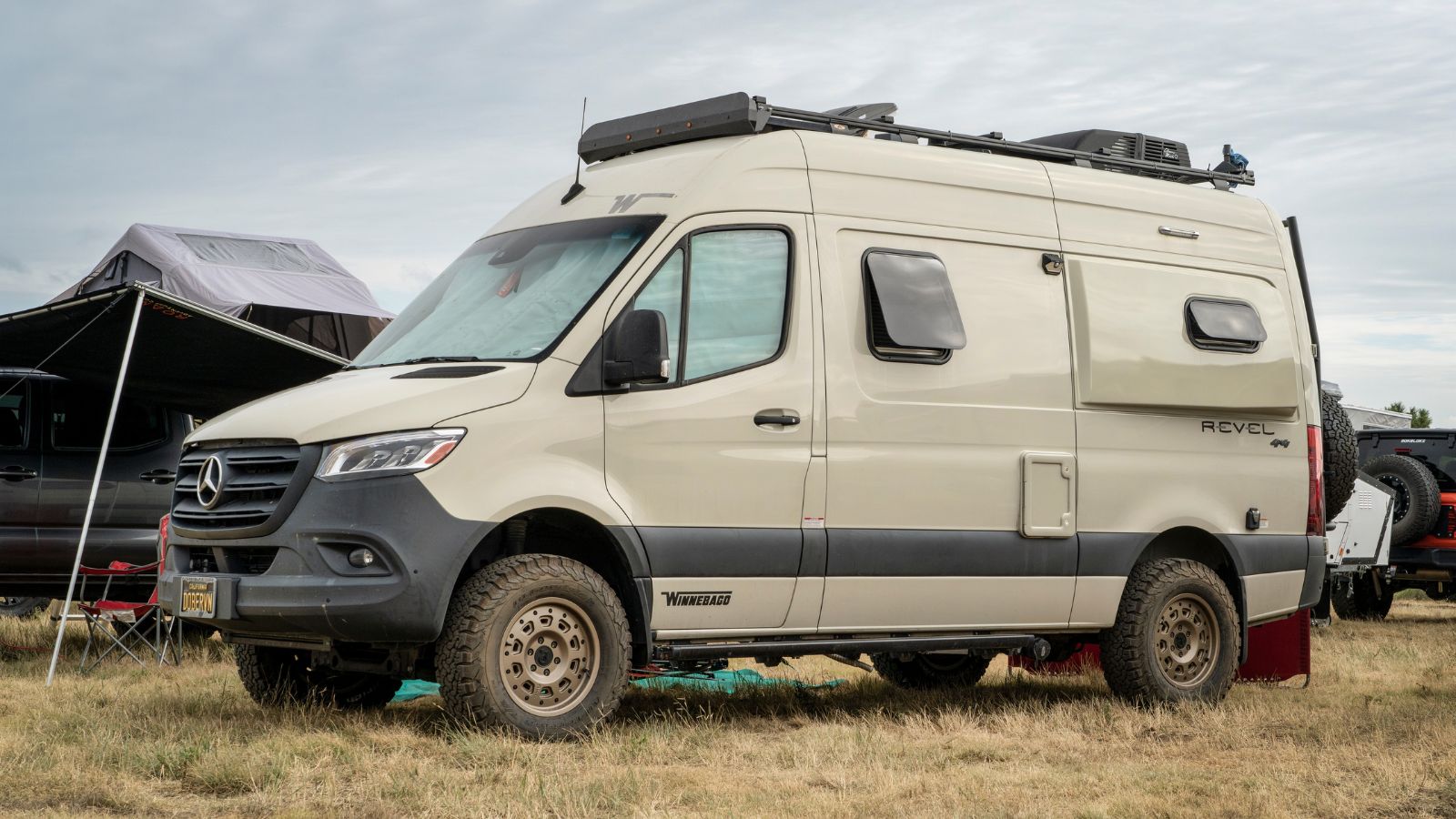
An RV or camper van seems like a clever way to combine transportation and accommodation. It promises flexibility, scenery, and fewer hotel bills. The catch is that the rental price rarely tells the whole story. Mileage limits, insurance, cleaning fees, generator charges, campsite fees, propane, dumping fees, kitchen kits, bedding, and fuel can all land on top of the advertised rate.
Fuel is often the biggest surprise. Larger vehicles consume far more than a compact car, especially on long routes, mountain highways, or windy prairie drives. Campgrounds with hookups can also cost more than expected, particularly in popular regions. The fantasy is waking up beside a lake with coffee in hand; the reality includes logistics, deposits, and careful return conditions. RV travel can be rewarding, but it is rarely as simple as replacing a hotel with wheels.
A Patio Brunch or Waterfront Dinner

A patio meal is one of summer’s easiest pleasures. The plan feels small: a sunny table, a shared appetizer, maybe a drink, and a relaxed view. But restaurant spending has become one of the clearest ways summer budgets drift. Menu prices, taxes, tips, cocktails, dessert, parking, and rideshares can turn a casual meal into a meaningful line item.
The psychology matters. Patios encourage lingering, and lingering encourages ordering. A brunch that began with coffee and eggs can become mimosas, sides, and a second round because the weather is perfect. Waterfront locations and tourist districts often carry higher prices, especially during peak months. For many Canadians, dining out remains part of enjoying the season, but the final bill can make a simple patio stop feel closer to a special occasion.
Building the “Perfect” Summer Staycation

The staycation is often framed as the responsible alternative to travel. Staying close to home should mean fewer costs, and sometimes it does. Yet many staycations become a series of paid substitutions: museum tickets, pool passes, food delivery, movies, day trips, new patio furniture, home projects, and local attractions. Instead of one large vacation bill, the spending arrives in smaller daily pieces.
That drip effect is what makes the total surprising. Because each purchase feels modest, households may not track them as closely. A week of “little things” can become more expensive than expected, especially if children are home, friends are visiting, or bad weather pushes plans indoors. A staycation can absolutely be the cheaper choice, but only when it is planned like a real budget category rather than treated as time off that will somehow cost very little.
19 Things Canadians Don’t Realize the CRA Can See About Their Online Income

Earning money online feels simple and informal for many Canadians. Freelancing, selling products, and digital services often start as side projects. The problem appears at tax time. Many people underestimate how much information the CRA can access. Online platforms, banks, and payment processors create detailed records automatically. These records do not disappear once money hits an account. Small gaps in reporting add up quickly.
Here are 19 things Canadians don’t realize the CRA can see about their online income.
This Options Discord Chat is The Real Deal
While the internet is scoured with trading chat rooms, many of which even charge upwards of thousands of dollars to join, this smaller options trading discord chatroom is the real deal and actually providing valuable trade setups, education, and community without the noise and spam of the larger more expensive rooms. With a incredibly low-cost monthly fee, Options Trading Club (click here to see their reviews) requires an application to join ensuring that every member is dedicated and serious about taking their trading to the next level. If you are looking for a change in your trading strategies, then click here to apply for a membership.