
35,000+ smart investors are already getting financial news, market signals, and macro shifts in the economy that could impact their money next with our FREE weekly newsletter. Get ahead of what the crowd finds out too late. Click Here to Subscribe for FREE.
Summer getaways often look affordable when the first number is small: a campsite fee, a cheap flight, a short ferry ride, or a “quick” weekend drive. The trouble usually starts after the booking, when fuel, parking, gear, food, fees, exchange rates, and peak-season markups begin stacking up.
These 12 “cheap” summer trips can still make sense with careful planning, but they are the kinds of escapes that can quietly strain a Canadian household budget faster than expected. The gap between the advertised price and the real cost is often where the financial surprise lives.
Provincial Park Camping That Requires a Full Gear Haul
12 “Cheap” Summer Trips That Can Wreck a Canadian Budget Fast
- Provincial Park Camping That Requires a Full Gear Haul
- Last-Minute National Park Weekends
- “Quick” Cross-Border Shopping Runs
- Budget Airline City Breaks
- Cottage Weekends Split With Friends
- Ferry-Based Island Trips
- Music Festival Road Trips
- Beach Town Day Trips That Turn Into Overnighters
- Theme Park or Water Park “Deals”
- Remote Cabin Getaways
- “Cheap” U.S. Beach Flights
- Long-Distance Road Trips Built Around “Free” Attractions
- 19 Things Canadians Don’t Realize the CRA Can See About Their Online Income
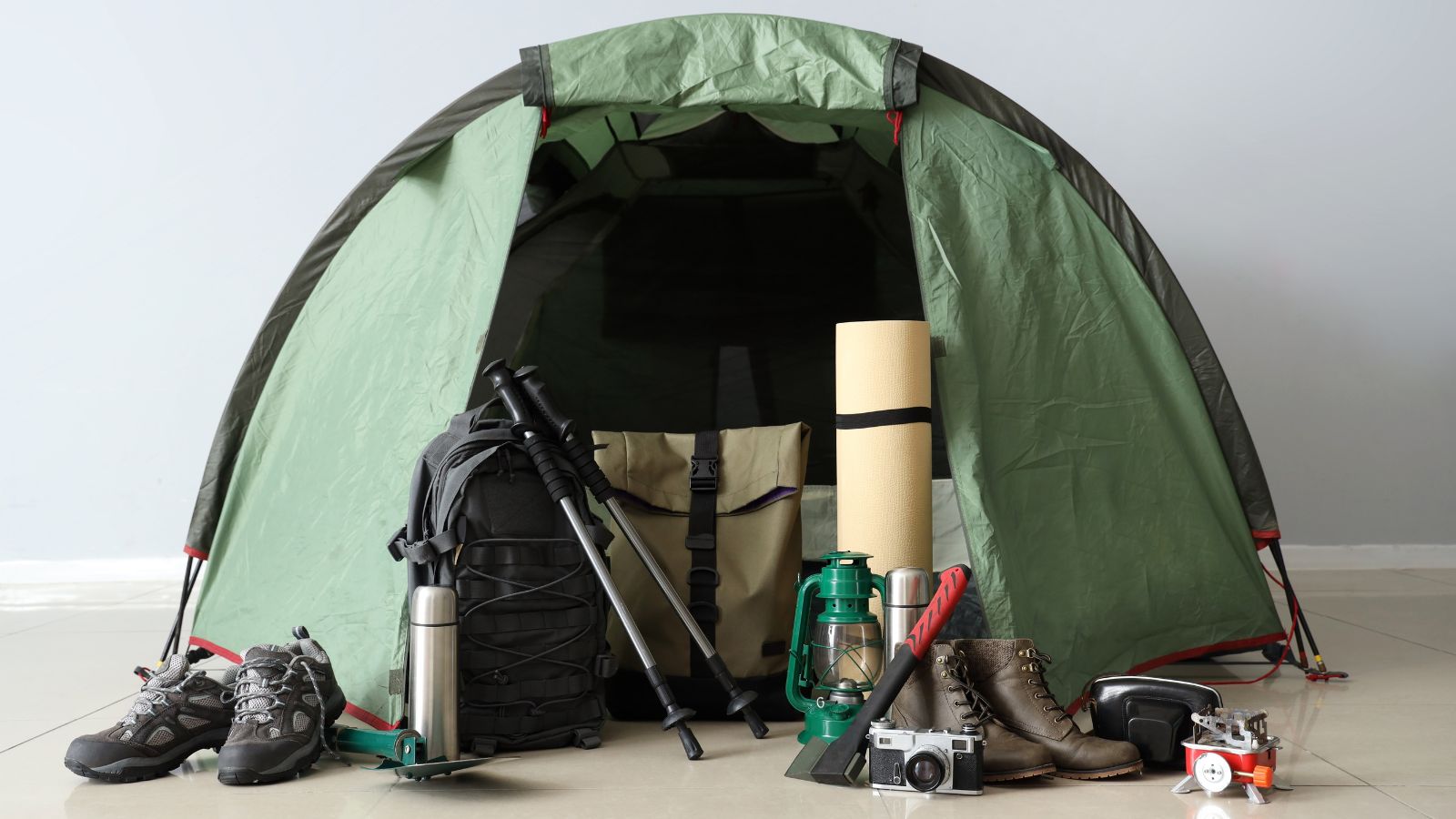
Camping is often sold as the classic low-cost summer escape, especially for families trying to avoid hotel prices. The nightly campsite rate may look reasonable, but the real bill can begin before the first marshmallow hits the fire. Tents, tarps, sleeping pads, coolers, camp stoves, bug shelters, lanterns, propane, and rain gear can easily turn a “cheap weekend outside” into a shopping trip with a campsite attached. For households that only camp once or twice a year, the cost per use can be surprisingly high.
The budget pressure grows when the park is several hours from home. Fuel, ice, firewood, park fees, reservation charges, and extra food runs all add up. A family that forgets basic supplies may pay inflated convenience-store prices near the campground. Camping can still be one of Canada’s best summer traditions, but it is not automatically cheap when the gear closet starts from scratch.
Last-Minute National Park Weekends

A national park weekend sounds budget-friendly because the scenery does most of the entertaining. In summer, though, the most popular parks often become expensive through timing rather than admission alone. Limited campsite availability can push travellers toward private campgrounds, motels, or short-term rentals outside the park gates. Once the easy reservations disappear, “just a weekend in nature” may require longer drives, less convenient lodging, or higher nightly rates.
There is also the cost of managing crowds. Parking lots fill early, shuttle systems may be needed, and meals near famous park towns can be priced for peak demand. Parks Canada’s 2026 summer admission discounts help reduce one part of the bill, but they do not erase fuel, food, lodging, equipment, or missed-reservation costs. The cheapest version of this trip usually belongs to people who book early, travel midweek, and already own the basics.
“Quick” Cross-Border Shopping Runs

A same-day or overnight run to the United States can look like a bargain when outlet malls advertise deep discounts. The math often changes once exchange rates, card conversion fees, fuel, meals, tolls, hotel stays, and taxes are added. A Canadian dollar worth less than the U.S. dollar can shrink the apparent savings before the first purchase is made. A discounted pair of shoes or small appliance may not be such a win after the full conversion is visible on the credit-card statement.
Customs rules can also surprise casual shoppers. Same-day trips do not provide the same personal exemption benefits as longer absences, and travellers must declare purchases when returning to Canada. A family that crosses for “cheap groceries and deals” can end up spending more than planned simply because the trip encourages extra buying. Cross-border savings are possible, but only when the total trip cost is calculated before leaving the driveway.
Budget Airline City Breaks
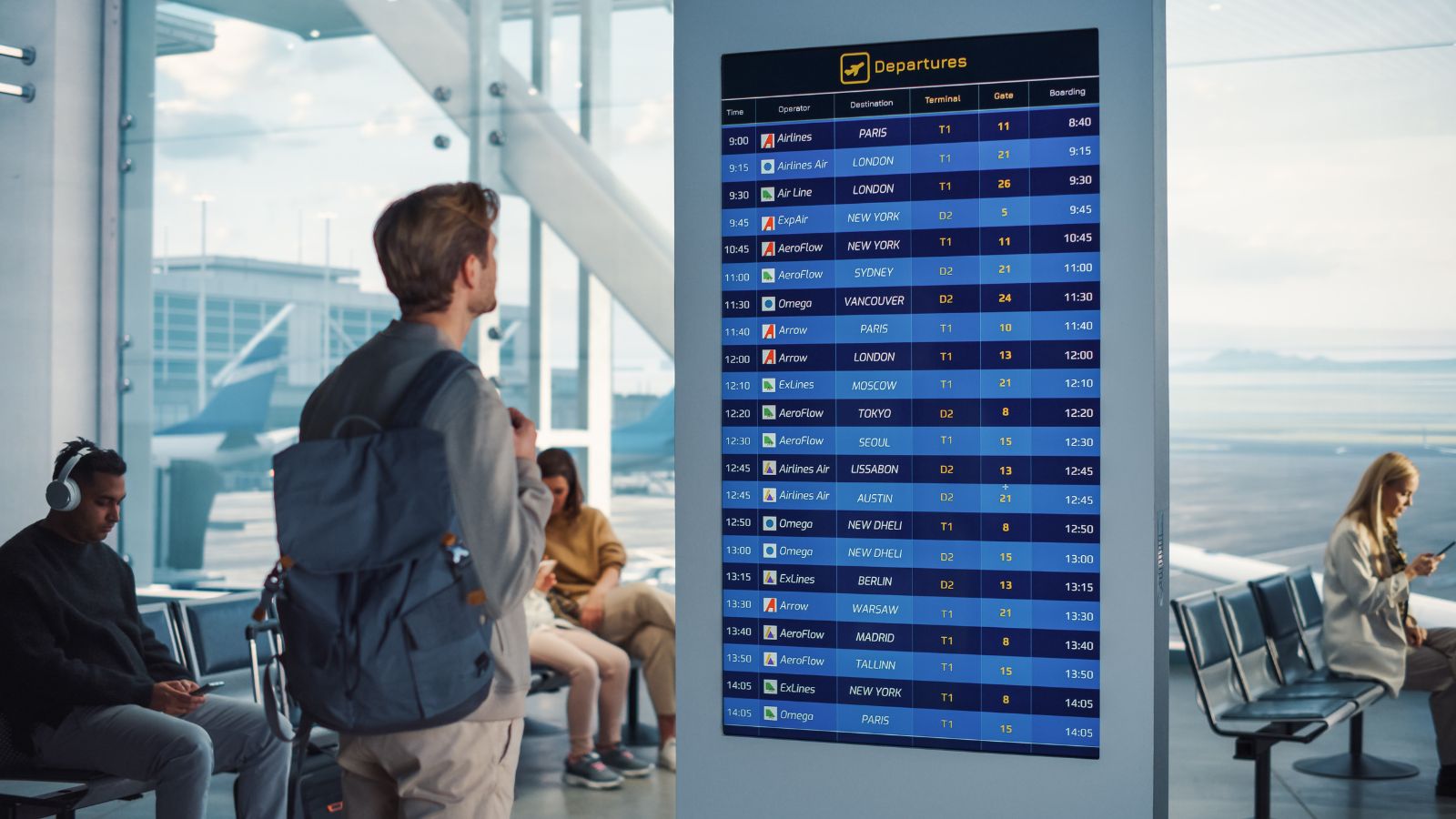
A low base fare can make a weekend in another Canadian city feel almost too good to pass up. The problem is that many cheap flights are built around unbundled pricing. Seat selection, carry-on bags, checked luggage, itinerary changes, airport transportation, and inconvenient flight times can reshape the final cost. A fare that looked like a bargain on Monday can feel less impressive once the traveller pays to sit with family, bring a bag, and get from a distant airport into town.
Short city breaks also compress spending into a small window. Two nights can mean several restaurant meals, transit rides, attractions, coffee stops, and parking charges. If the return flight is early or late, another taxi or rideshare may be needed. Budget airlines can be useful, but the cheapest ticket is rarely the full price of the trip. The better comparison is door-to-door cost, not fare-to-fare cost.
Cottage Weekends Split With Friends

Splitting a cottage with friends can sound like the perfect Canadian budget hack. A large nightly rate becomes less intimidating when divided among six or eight people. Yet shared trips often create fuzzy math. One person buys groceries, another covers gas, someone pays for firewood, and someone else handles the booking deposit. By Sunday night, the group may be trying to settle hundreds of dollars across several payment apps while nobody remembers who bought what.
The costs also rise because cottages encourage “while we’re here” spending. Boat rentals, extra snacks, drinks, local market stops, parking, linens, cleaning fees, and pet fees can all appear after the advertised nightly price. If the property requires a multi-night minimum during peak summer, the group may pay for more time than anyone can actually use. A cottage can be memorable, but the cheapest-looking share is not always the cheapest final bill.
Ferry-Based Island Trips
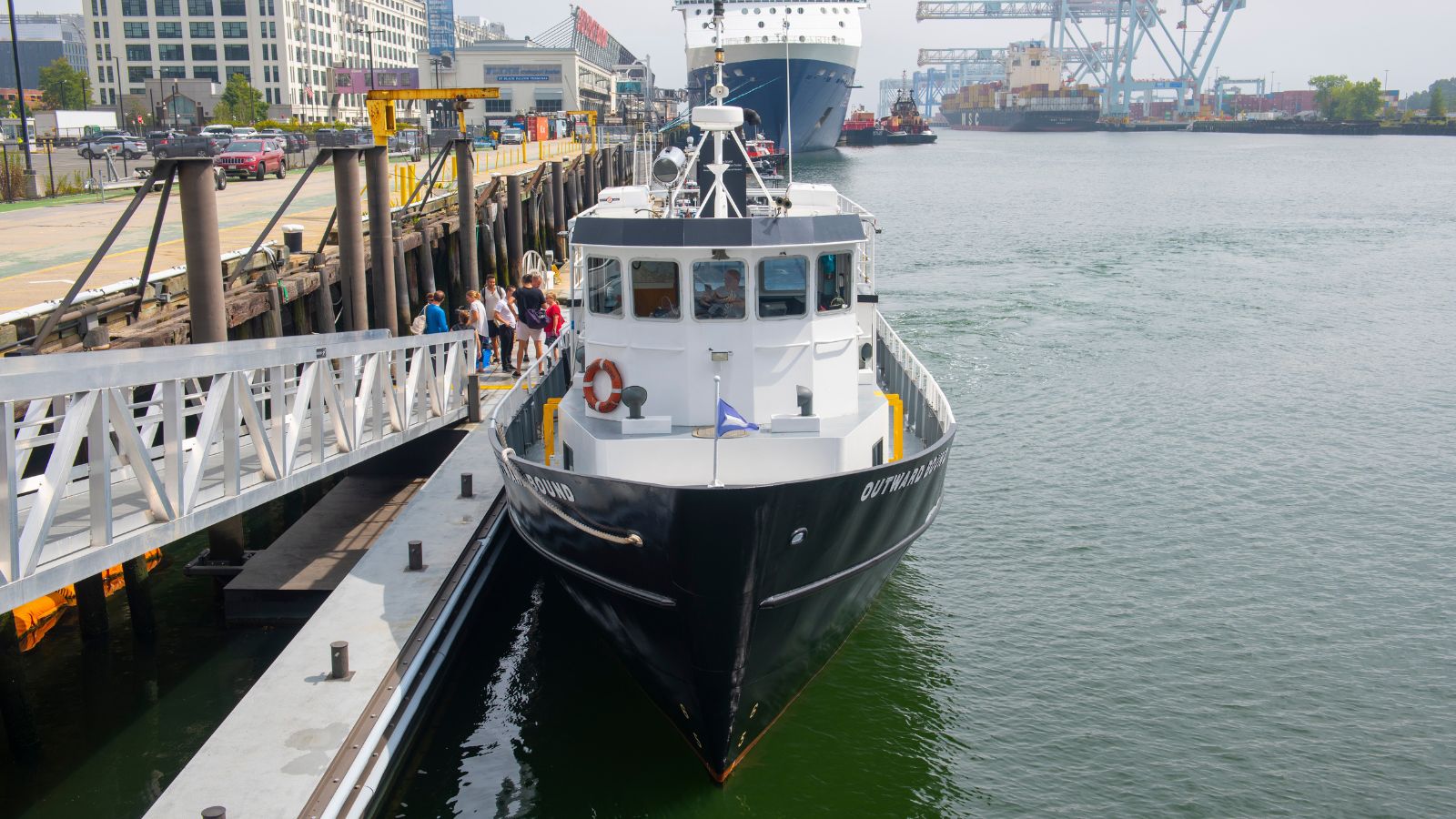
Island trips often feel modest at first because the destination seems close and the itinerary looks simple. In practice, ferries can be one of the biggest budget swing factors. Vehicle fares, passenger fares, reservations, fuel surcharges, and peak sailing demand can make a short crossing feel expensive before lodging begins. On some routes, missing a sailing can also create meal costs, schedule stress, or the need for a more expensive backup plan.
The spending does not stop at the dock. Island destinations often have limited accommodation supply in summer, and fewer options can mean higher prices. Groceries, fuel, taxis, and restaurant meals may also cost more where transport and seasonal demand shape local pricing. A ferry trip can absolutely be worth it, but travellers who only budget for the cabin, campsite, or hotel may underestimate the true cost of getting everyone and everything across the water.
Music Festival Road Trips

A summer music festival can seem affordable when a single-day pass costs less than a traditional vacation. The total bill often tells a different story. Parking, camping passes, service fees, food vendors, water bottles, rideshares, merch, sunscreen, and last-minute rain gear can multiply quickly. Even a small regional festival can become a costly weekend if it requires a hotel because nearby campsites are full or weather makes camping unrealistic.
Festival pricing also rewards planning. People who buy early, pack carefully, and stay close to the venue usually avoid the worst surprises. Those who book late may face limited rooms, surge-priced transport, and expensive convenience purchases inside the gates. The human side is easy to understand: once friends are going and tickets are bought, skipping extras feels harder. That is how a “cheap ticket” can quietly become a premium summer outing.
Beach Town Day Trips That Turn Into Overnighters

A beach day is supposed to be one of the simplest summer pleasures: pack towels, drive out, and enjoy the water. The budget can unravel when traffic, heat, and crowds turn a day trip into an overnight stay. By late afternoon, tired kids, full parking lots, and a long drive home can make a last-minute motel room feel reasonable. Unfortunately, beach-town rooms in peak season are rarely priced like emergency backup plans.
Even when the trip stays within one day, small charges pile up. Parking near popular beaches, fast food, ice cream, beach toys, sunscreen, chair rentals, and convenience-store snacks can push the cost well beyond the original fuel estimate. Some families also bring less food than planned because coolers are heavy and sand gets everywhere. The cheapest beach trips tend to be the most disciplined ones: early departure, packed meals, confirmed parking, and a firm return plan.
Theme Park or Water Park “Deals”

Discounted admission can make a theme park or water park look like a manageable summer treat. The ticket, however, is only the start. Parking, lockers, towel rentals, fast-lane upgrades, food, drinks, arcade credits, souvenirs, and taxes can push the final cost far above the advertised deal. Families often spend more inside the gate because leaving for cheaper food is inconvenient or not allowed under park rules.
The emotional spending pressure is also real. A child who waits an hour for a ride may be harder to deny when they ask for a themed snack or souvenir. Hot weather can increase drink purchases, while long lines can make paid upgrades tempting. A discounted ticket works best when visitors arrive with a strict food, water, and parking plan. Otherwise, the “deal” can become a carefully designed gateway to higher spending.
Remote Cabin Getaways

A rustic cabin can appear cheaper than a hotel and more comfortable than camping. The hidden costs often come from remoteness. A property far from town may require extra fuel, groceries bought in advance, firewood, bedding, cleaning supplies, potable water, and backup entertainment for rainy days. If the cabin has limited kitchen equipment, travellers may still end up eating out or buying prepared food at higher local prices.
There is also the risk of paying for isolation twice. The cabin may be inexpensive because it is farther from attractions, beaches, trails, or restaurants, which means more driving once the trip begins. Poor cell service can complicate navigation, and unpaved roads can be tough on tires and suspension. A remote cabin can be peaceful and worthwhile, but it is not always cheaper than a central motel when the cost of distance is included.
“Cheap” U.S. Beach Flights

A low fare to a U.S. beach city can look appealing when Canadian domestic travel feels expensive. The catch is that the trip is priced in two currencies. Hotels, meals, taxis, resort fees, tips, attractions, and emergency purchases are often paid in U.S. dollars, which can make the final Canadian-dollar cost noticeably higher. The exchange rate can turn a modest restaurant bill into something that feels much less modest after conversion.
Travel insurance is another budget line that should not be skipped. Canadian provincial or territorial health plans may cover little or none of the cost of medical care outside Canada, and foreign hospitals can require payment quickly. A sunburn, stomach bug, sprained ankle, or missed connection is not part of the fantasy fare calculation. Cheap flights can still be useful, but they should be treated as one component of a cross-border budget, not the budget itself.
Long-Distance Road Trips Built Around “Free” Attractions

Free attractions can make a road trip look financially safe. Scenic lookouts, public beaches, historic main streets, hiking trails, and roadside landmarks do not always charge admission. The expensive part is often the distance between them. Fuel, maintenance, meals, extra nights, parking, tolls, and unplanned repairs can turn a free-attraction itinerary into a high-mileage spending exercise. A long drive also increases the odds of convenience purchases because packed food and patience both run out.
Canada’s geography makes this especially easy to underestimate. A route that looks neat on a map may involve hundreds of kilometres, limited services, and higher fuel prices in remote areas. Families may also discover that “free” stops need paid parking, shuttle access, or nearby lodging to work smoothly. A road trip can be one of the most flexible ways to travel, but free admission does not mean the journey is free.
19 Things Canadians Don’t Realize the CRA Can See About Their Online Income

Earning money online feels simple and informal for many Canadians. Freelancing, selling products, and digital services often start as side projects. The problem appears at tax time. Many people underestimate how much information the CRA can access. Online platforms, banks, and payment processors create detailed records automatically. These records do not disappear once money hits an account. Small gaps in reporting add up quickly.
Here are 19 things Canadians don’t realize the CRA can see about their online income.
This Options Discord Chat is The Real Deal
While the internet is scoured with trading chat rooms, many of which even charge upwards of thousands of dollars to join, this smaller options trading discord chatroom is the real deal and actually providing valuable trade setups, education, and community without the noise and spam of the larger more expensive rooms. With a incredibly low-cost monthly fee, Options Trading Club (click here to see their reviews) requires an application to join ensuring that every member is dedicated and serious about taking their trading to the next level. If you are looking for a change in your trading strategies, then click here to apply for a membership.