35,000+ smart investors are already getting financial news, market signals, and macro shifts in the economy that could impact their money next with our FREE weekly newsletter. Get ahead of what the crowd finds out too late. Click Here to Subscribe for FREE.
Few travel frustrations feel longer than a border crossing that should have taken 20 minutes but turns into a half-day headache. Most of the time, the holdup is not dramatic. It is a forgotten document, an undeclared purchase, a bag of food that seemed harmless, or a trusted-traveller rule that was misunderstood.
These 11 mistakes are the ones most likely to slow Canadians down at the border, whether the trip is a quick U.S. run, a family crossing, or the return home after a longer stay. Some trigger extra questions. Others lead to inspections, paperwork, penalties, or seized items. All of them are avoidable with the right preparation.
1. Treating ID as a Last-Minute Detail
11 Border Mistakes That Can Delay Canadians for Hours
- 1. Treating ID as a Last-Minute Detail
- 2. Travelling With Children Without the Right Paper Trail
- 3. Using NEXUS as if It Is a Shortcut for Everyone
- 4. Assuming Small Purchases or Gifts Do Not Need to Be Declared
- 5. Misreading Duty-Free Rules on Same-Day and Short Trips
- 6. Forgetting That Cannabis Is Still a Border Problem
- 7. Tossing Food, Plants, or Animal Products Into the Car Without Checking
- 8. Carrying a Large Amount of Cash and Assuming Privacy Covers It
- 9. Overlooking Firearms, Ammunition, or Other Restricted Items
- 10. Bringing a Pet Without a Border-Ready File
- 11. Crossing at the Worst Time and Ignoring the Tools That Save Time
- 19 Things Canadians Don’t Realize the CRA Can See About Their Online Income
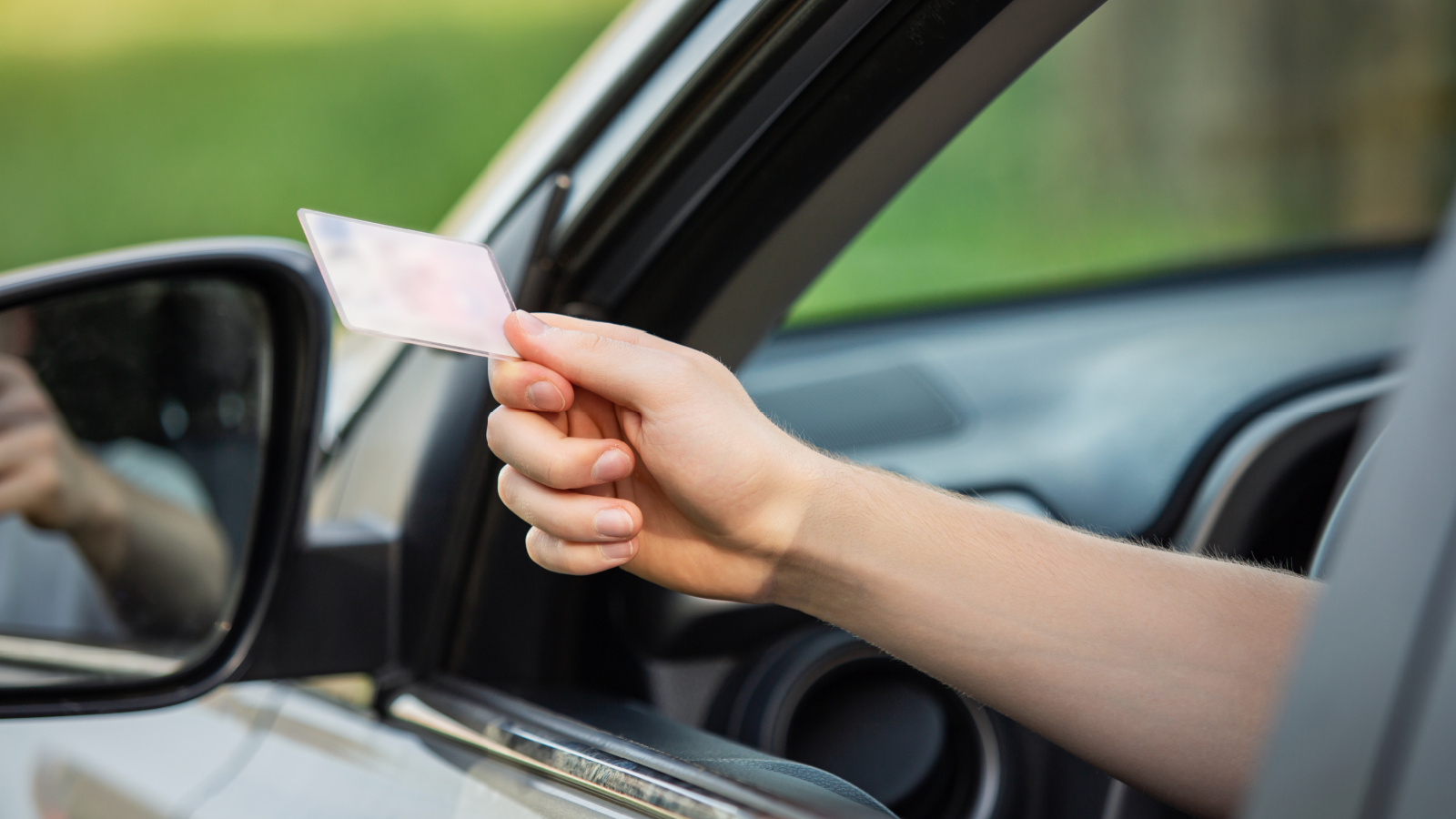
A surprising number of border headaches begin before the car even rolls forward. A traveller grabs a wallet, assumes a licence will do, or discovers too late that a passport expired months ago. That is where routine crossings start to fall apart. Identity is the first thing border officers need to confirm, and if that step gets messy, everything behind it slows down. Families feel it most when one person is prepared and another is not, because one weak link can turn a simple crossing into a longer, more stressful stop.
The safest habit is also the least exciting one: treat travel documents like boarding passes, not afterthoughts. Keep them together, check expiry dates early, and make the passport the default. At the border, confidence usually comes from preparation, not improvisation. A traveller who is calm and ready tends to move faster than one trying to explain why a different document “worked last time.” When the line is long and officers are moving quickly, clear identification matters more than a good story.
2. Travelling With Children Without the Right Paper Trail

Crossing with children often looks simple until it is not. A weekend trip with one parent, a grandparent taking the kids shopping, or a family situation involving shared custody can all prompt closer questions. Border officials are allowed to ask for proof that the adults accompanying a child have permission to travel. When that proof is missing, the crossing can slow down fast. Even a short land trip to the United States can trigger added scrutiny, not because something is wrong, but because officers are expected to be careful.
This is where a consent letter becomes less of a formality and more of a time-saver. It helps answer the question before it becomes a problem. Copies of custody documents can matter too, especially in blended families or shared-parenting situations. None of this feels important when the car is being packed the night before, but it becomes very important when an officer starts asking who has decision-making responsibility. At that point, missing paperwork does not just create inconvenience. It creates uncertainty, and uncertainty is the enemy of a quick border crossing.
3. Using NEXUS as if It Is a Shortcut for Everyone
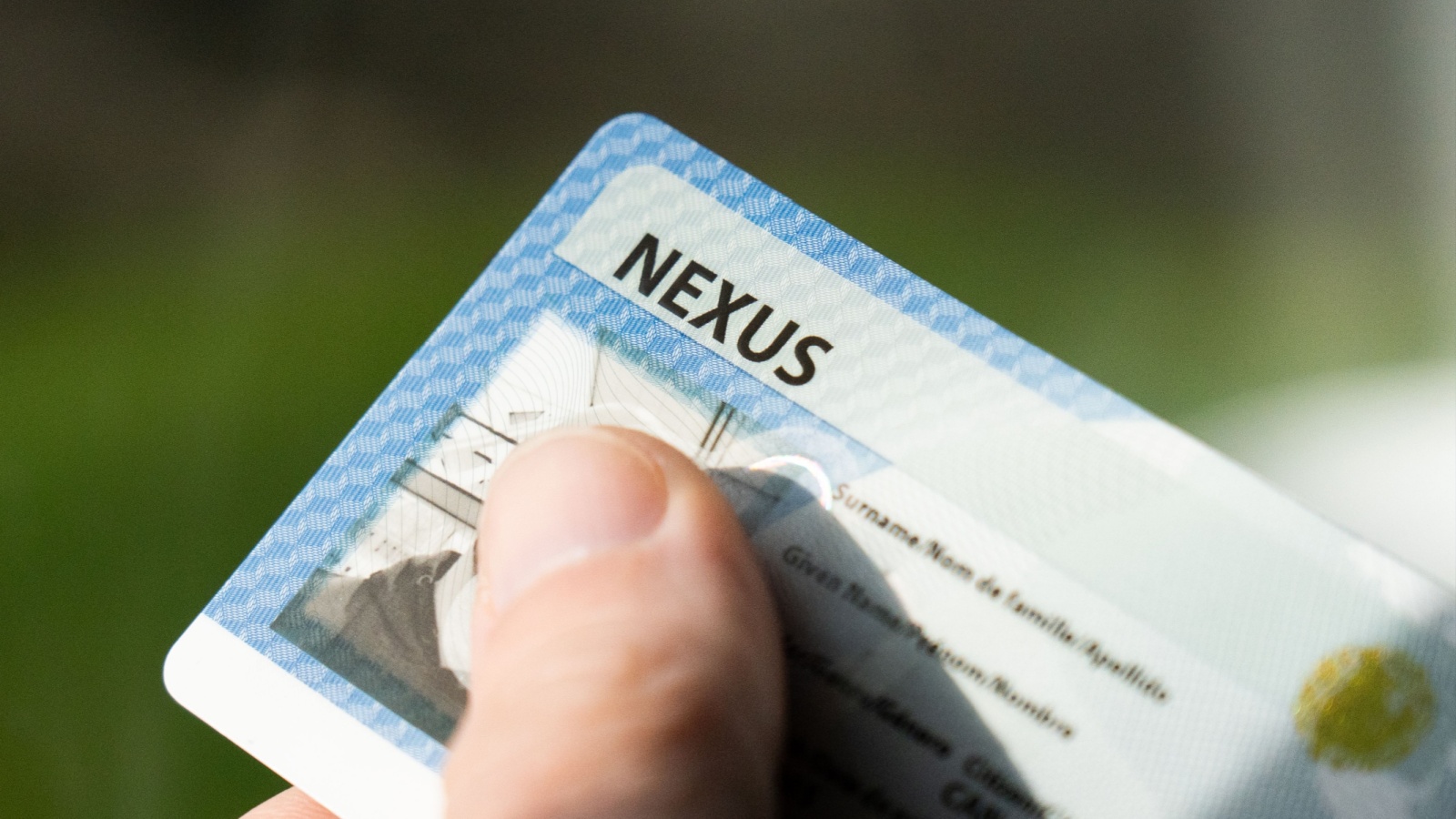
NEXUS is fast when it is used properly, but it is not a magic lane for whoever happens to be in the car. One of the biggest mistakes Canadians make is assuming one member can carry the whole group. That is not how the program works. If one passenger is not a member, the dedicated NEXUS lane is off-limits. The same applies when a traveller uses NEXUS while carrying the wrong kind of goods. A lane designed for low-risk, pre-approved travellers becomes the wrong lane the moment the trip no longer fits the rules.
That matters because NEXUS comes with real structure. Canada allows it at designated airports, land crossings, and marine reporting sites, but the rules are strict for a reason. Everyone in the vehicle must be a member, regardless of age. Commercial goods, certain restricted goods, firearms requiring permits, and large amounts of currency do not belong in NEXUS processing. Misusing the program can do more than delay a trip; it can put the membership itself at risk. For frequent crossers, that is a costly mistake disguised as convenience.
4. Assuming Small Purchases or Gifts Do Not Need to Be Declared

Some of the most common delays begin with the sentence, “It was only a few things.” Border officers hear that every day. The problem is that the size of the purchase does not erase the obligation to declare it. Small souvenirs, outlet-store clothing, snacks from a gas station, or a gift picked up for a relative still count. Travellers also create unnecessary trouble when receipts are buried in a backpack, mixed into a wallet, or missing entirely. The border moves faster when the facts are easy to verify.
Gifts are especially misunderstood. Many Canadians assume a present does not count if it is not for them, but it still has to be declared. Even gift-wrapping can work against a smooth crossing if officers need to inspect what is inside. That is why organized travellers keep receipts handy and answers simple. Border declarations are not the place for rough guesses or fuzzy math. A clean explanation of what was bought, how much it cost, and who it is for can save far more time than trying to make a purchase sound too minor to mention.
5. Misreading Duty-Free Rules on Same-Day and Short Trips

Border allowances sound simple until real life gets involved. A same-day shopping run feels small enough that many Canadians assume there must be some personal exemption. There is not. That misunderstanding alone catches people off guard all the time. Others assume that alcohol or tobacco automatically fits inside their exemption after a short visit, only to learn that the timing rules matter. At the booth, these mistakes turn a confident answer into a correction, and corrections often lead to more questions, more calculation, and sometimes payment.
The numbers are worth knowing because they are so specific. After 24 hours away, a returning resident can claim up to CAN$200 in goods, but alcohol and tobacco are not included. After 48 hours, the personal exemption rises to CAN$800, and certain alcohol and tobacco quantities can be included. That is why border math done from memory is risky. A traveller who assumes the rules are generous can end up more delayed than someone who simply planned for duties and taxes. At the border, details matter, and customs thresholds are all details.
6. Forgetting That Cannabis Is Still a Border Problem

This is one of the most persistent traps because Canadian law and border law are not the same thing. Cannabis may be legal and regulated in Canada, and it may also be legal in the U.S. state on the other side of the crossing, but the border itself is a different legal space. That is where travellers get caught. A small amount in a jacket pocket, an edible in a bag, or oil containing THC or CBD can turn a routine crossing into a serious issue. Familiarity makes people casual, and casual is dangerous at the border.
What makes this mistake so costly is how ordinary it can feel. Someone uses cannabis legally at home, forgets it is in the car, and heads south. Another person buys a cannabis product in a legal jurisdiction and assumes bringing it back is no different than bringing home cosmetics or vitamins. It is not. At the border, cannabis is the kind of item that changes the conversation immediately. For a traveller hoping to get through quickly, few mistakes create more avoidable attention than carrying something that should never have been packed in the first place.
7. Tossing Food, Plants, or Animal Products Into the Car Without Checking

Food is the classic “it seemed harmless” border mistake. Fruit for the road, leftover sandwiches, fresh meat, garden plants, pet treats, eggs, or even rustic souvenirs made from untreated wood can all raise questions. The issue is not whether the item looks innocent. The issue is whether it is allowed and whether it has been declared. Canada treats these goods seriously because they can carry pests, diseases, or other agricultural risks. That means a grocery-style mistake can trigger a customs-style delay.
The frustrating part is that these are often comfort items, not contraband. A family packs snacks for kids. A traveller brings home specialty cheese. Someone forgets a bag of apples in the back seat. Yet border rules do not care whether the mistake was practical or innocent. They care whether the goods were declared and admissible. That is why experienced crossers check requirements before leaving and declare first instead of hoping an item is too minor to matter. At the border, one undeclared apple can create more trouble than a properly declared expensive purchase.
8. Carrying a Large Amount of Cash and Assuming Privacy Covers It

Cash makes people nervous, which is partly why this mistake keeps happening. Travellers assume that carrying a large amount of money is suspicious only if it is illegal, and since their money is legitimate, they assume there is nothing to say. But border reporting rules are about declaration, not guilt. A business owner travelling with deposits, a family carrying funds for a major purchase, or a person holding money on behalf of someone else can all run into problems if they stay silent when they reach the booth.
The threshold is high enough that many people stumble into it accidentally. The rule covers not only cash, but also monetary instruments such as cheques, money orders, bank drafts, and traveller’s cheques. A traveller can be completely within the law and still be delayed simply because the amount was not reported properly. This mistake gets even more expensive when someone assumes NEXUS makes it easier, because certain large-currency declarations take a NEXUS trip out of the expedited category. In other words, the money itself is not the problem. The silence is.
9. Overlooking Firearms, Ammunition, or Other Restricted Items
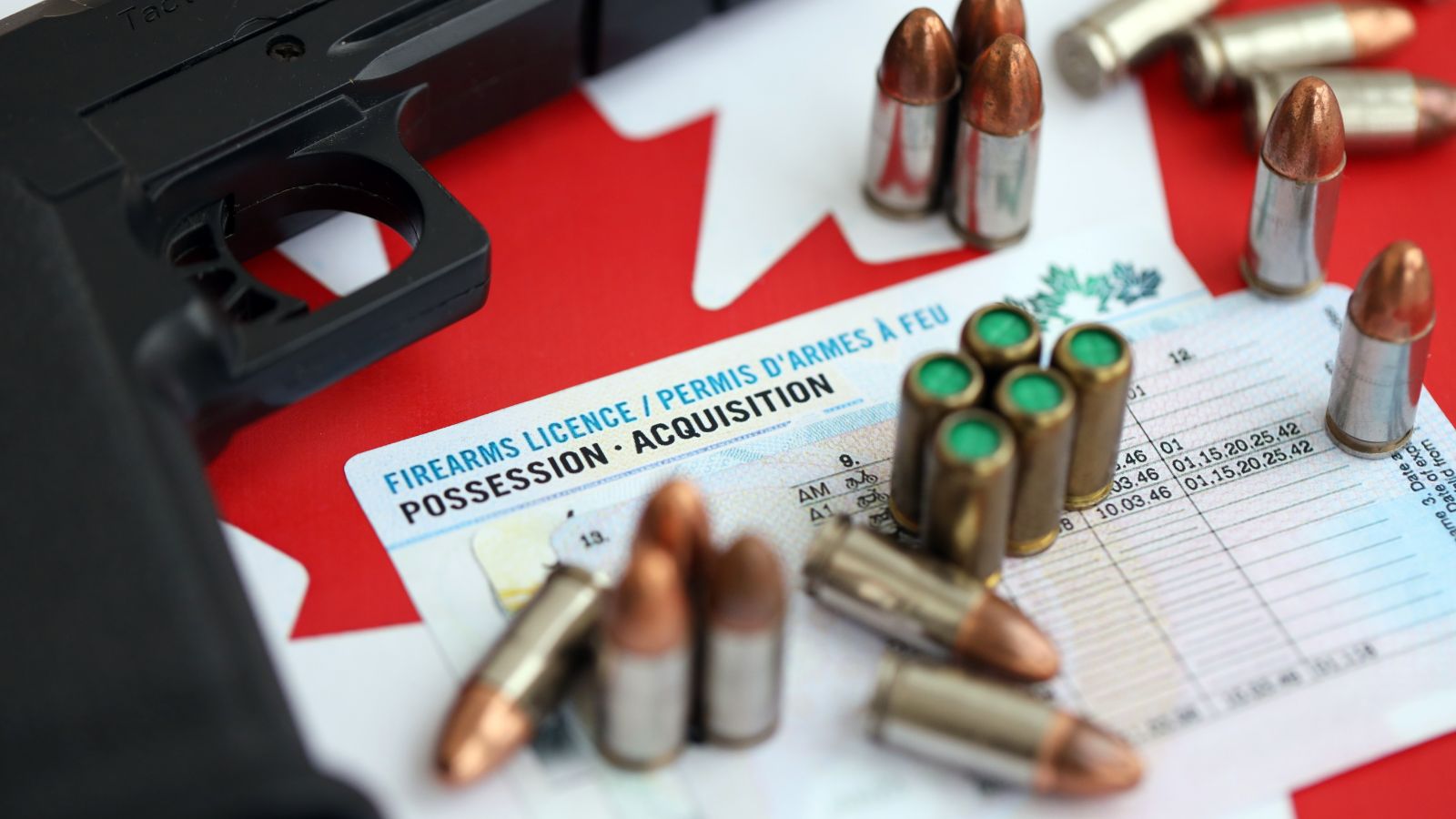
Few mistakes escalate faster than arriving at the border with a firearm, ammunition, or another restricted item and hoping it is not a big deal. Sometimes it is a hunting rifle. Sometimes it is ammunition left in a bag from last season. Sometimes it is an item that was legal where it was purchased and never looked unusual at home. At the border, that context disappears. What matters is whether the item is permitted, whether the paperwork is right, and whether it was declared from the start.
This is one area where casual assumptions can get expensive very quickly. Travellers who do not know the rules often imagine the border will simply wave them back or give a warning. In reality, restricted and prohibited goods are treated seriously, and officers are not guessing when they inspect them. For Canadians trying to cross efficiently, this is the category that demands advance research, not last-second honesty. Declaring a difficult item may still lead to inspection, but failing to understand or declare it creates a much worse scenario than a longer wait.
10. Bringing a Pet Without a Border-Ready File

Travelling with a pet feels personal and familiar, which is why people sometimes underestimate how formal the process can become. A dog in the back seat looks like family, not paperwork. But the border sees an animal that may need proof of vaccination, health documentation, or other country-specific requirements. That is especially true when a trip involves another country’s import rules on the way out and Canada’s rules again on the way back. A missing document can delay not just the owner, but the animal’s entry.
Timing matters here more than many travellers realize. Some animal requirements must be completed before travel and within specific windows, which makes last-minute planning risky. That is why pet travel problems often begin days earlier, not at the crossing itself. Travellers who assume a collar tag, an old vaccine record, or a photo on a phone will be enough are gambling with a process that is more technical than it looks. The calmest pet crossings usually come from travellers who treat the animal’s file as seriously as their own passport.
11. Crossing at the Worst Time and Ignoring the Tools That Save Time

Sometimes the delay is not about what is in the car at all. It is about when and where the crossing happens. Canadians often default to the nearest port of entry, the most familiar bridge, or the most convenient departure time. That is how perfectly legal, fully prepared travellers end up sitting in traffic longer than necessary. Border agencies publish wait times and timing advice for a reason. Holiday Mondays, weekend evenings, and other peak periods are not just busy in theory; they are predictable pressure points.
Planning changes the experience more than many travellers expect. Canada publishes estimated wait times for dozens of busy land crossings, and it also advises travellers to check port hours before leaving. In the air stream, Advance Declaration is available before arrival to help speed customs processing. None of these tools guarantees an instant crossing, but they reduce preventable friction. Border delays feel random when they are experienced from a driver’s seat. From the agency side, many of them are highly foreseeable. The mistake is assuming border traffic is a mystery when much of it is a schedule problem.
19 Things Canadians Don’t Realize the CRA Can See About Their Online Income

Earning money online feels simple and informal for many Canadians. Freelancing, selling products, and digital services often start as side projects. The problem appears at tax time. Many people underestimate how much information the CRA can access. Online platforms, banks, and payment processors create detailed records automatically. These records do not disappear once money hits an account. Small gaps in reporting add up quickly.
Here are 19 things Canadians don’t realize the CRA can see about their online income.
This Options Discord Chat is The Real Deal
While the internet is scoured with trading chat rooms, many of which even charge upwards of thousands of dollars to join, this smaller options trading discord chatroom is the real deal and actually providing valuable trade setups, education, and community without the noise and spam of the larger more expensive rooms. With a incredibly low-cost monthly fee, Options Trading Club (click here to see their reviews) requires an application to join ensuring that every member is dedicated and serious about taking their trading to the next level. If you are looking for a change in your trading strategies, then click here to apply for a membership.