35,000+ smart investors are already getting financial news, market signals, and macro shifts in the economy that could impact their money next with our FREE weekly newsletter. Get ahead of what the crowd finds out too late. Click Here to Subscribe for FREE.
A border crossing usually lasts only a few minutes, but it can feel much longer when a routine question lands with unexpected weight. Even experienced travellers get tense when a border services officer starts moving from basic identification to purchases, cash, food, children, or a closer inspection.
These 12 questions tend to make Canadians especially uneasy because they touch the exact areas the Canada Border Services Agency watches most closely: identity, declarations, restricted goods, and compliance. In many cases, the question itself is ordinary. What raises the pressure is knowing that a vague answer, a missing document, or an undeclared item can quickly turn a simple return home into a delay, a payment, a seizure, or a more detailed inspection.
1. “Can I see your travel documents?”
12 CBSA Questions That Make Canadians Nervous at the Border
- 1. “Can I see your travel documents?”
- 2. “How long were you away?”
- 3. “What was the purpose of your trip?”
- 4. “What did you buy, and what is it worth?”
- 5. “Are any of these goods for someone else?”
- 6. “Do you have any food, plants, animals, or farm contact to declare?”
- 7. “Are you bringing back alcohol, tobacco, or vaping products?”
- 8. “Do you have any cannabis or CBD products with you?”
- 9. “Are you carrying C$10,000 or more in cash or monetary instruments?”
- 10. “Do you have any firearms, knives, pepper spray, or other weapons?”
- 11. “Who is this child travelling with, and do you have a consent letter?”
- 12. “Can I examine your phone, bags, or vehicle further?”
- 19 Things Canadians Don’t Realize the CRA Can See About Their Online Income
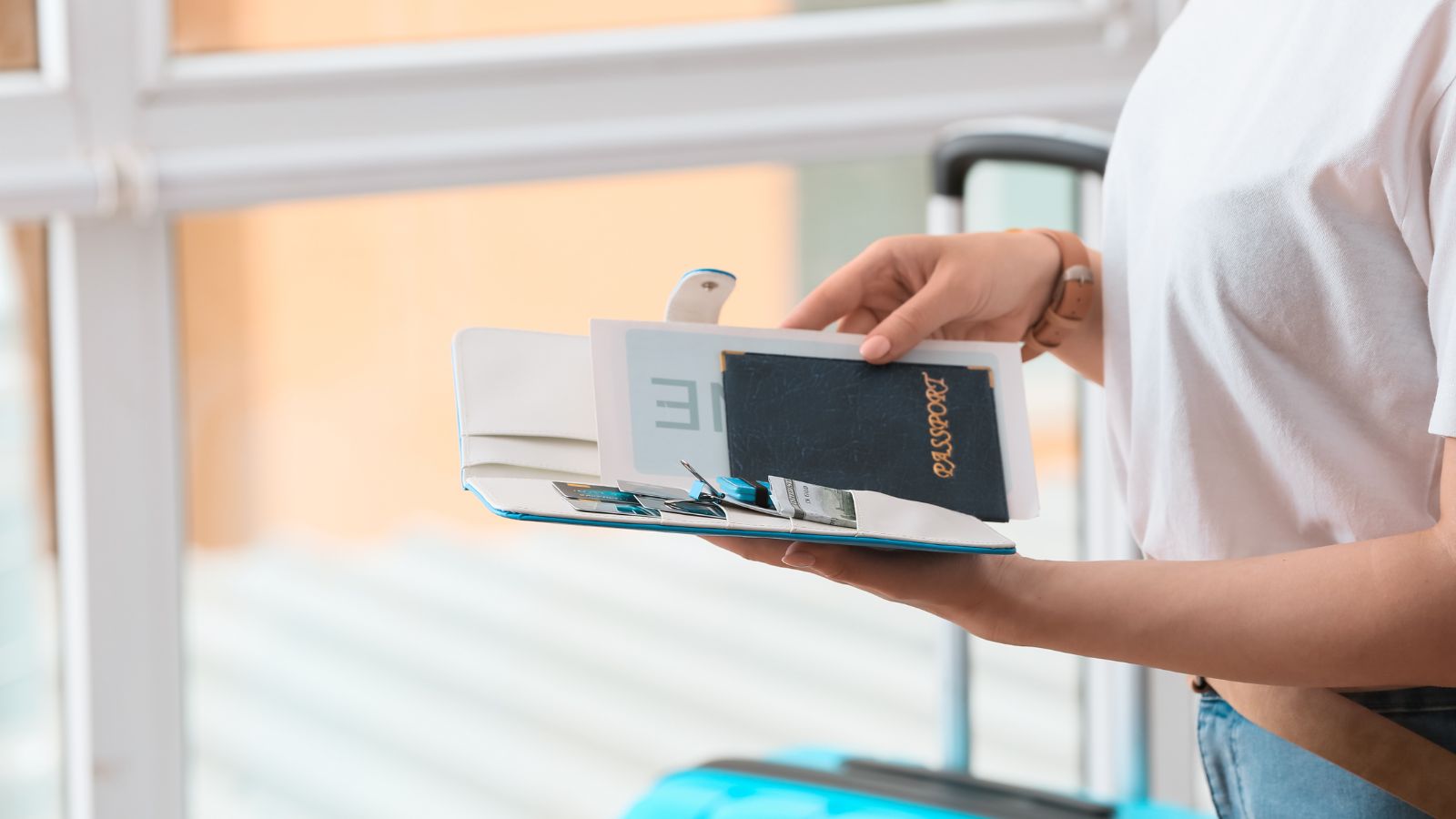
This question sounds simple, but it instantly raises the stakes because it sets the tone for everything that follows. A missing or mismatched document can slow a crossing before any bags are opened. Canadian citizens generally need a valid Canadian passport to enter Canada, while Canadian permanent residents need a valid PR card or permanent resident travel document. NEXUS can speed things up, but the CBSA still advises members to carry a passport or proof of permanent residence in case status needs to be confirmed.
The nervousness often comes from small mistakes, not dramatic ones. A dual citizen who grabbed the wrong passport, a parent who packed the family folder in another bag, or a traveller assuming a trusted-traveller card is enough in every scenario can all end up answering more questions than expected. At the booth, paperwork is not just paperwork. It is the first test of whether the rest of the crossing will be smooth or suddenly much longer.
2. “How long were you away?”

This is one of the most ordinary questions at the border, and one of the most important. The length of time spent outside Canada directly affects personal exemption rules. Same-day cross-border shoppers do not get a personal exemption. After more than 24 hours away, a resident can claim up to C$200 in goods, but if the total exceeds that amount, duty and taxes apply to the full value. After more than 48 hours, the exemption rises to C$800, and after seven days, certain goods can even follow later by mail or courier.
That is why a casual answer can make travellers uneasy. A difference of a few hours can change whether a shopping run is taxed in full or whether only the amount above C$800 is assessed. Snowbirds, weekend shoppers, and families doing quick U.S. trips often know this question is less about conversation than calculation. When an officer asks how long someone was away, they are also asking what exemption applies, what should have been declared, and whether the numbers will line up.
3. “What was the purpose of your trip?”

For many travellers, this is the moment the crossing stops feeling routine. The question is broad, but the answer helps officers understand whether the rest of the declaration makes sense. A quick shopping trip, a family wedding, a business meeting, a medical appointment, or a winter stay in Florida all create different patterns of spending, luggage, receipts, and timeline. At secondary inspection, the CBSA says officers may ask for more detailed information about plans in Canada or the time spent abroad, and may request receipts or evidence of available funds.
That is why even honest travellers sometimes feel put on the spot. A vague answer can create follow-up questions: Why is the car packed like that? Why are there no hotel receipts? Why was the trip only a few hours if there are so many purchases? The point is not that every traveller has done something wrong. It is that purpose helps officers connect the story, the goods, and the documents into one coherent picture.
4. “What did you buy, and what is it worth?”

Few border questions trigger more instant mental math than this one. Canadians returning home must declare all goods acquired outside the country, and officers may ask to see receipts as evidence of both the value of purchases and even the length of the stay. The pressure is higher because false or incomplete declarations can lead to seizures. The CBSA says undeclared or falsely declared goods can be seized, with penalties ranging from 25% to 70% of the value to get them back, depending on the circumstances.
The stress usually comes from accumulation. A traveller may remember the outlet purchase and forget the gas-station souvenirs, the repaired car part, or the extra bag picked up on the way home. Border declarations are not just about luxury shopping sprees. A handful of moderate purchases can push a traveller over an exemption threshold surprisingly fast. When an officer asks for the total value, the nervousness often comes from realizing that border math rewards precision, not estimates built from memory in the last 30 seconds of a drive.
5. “Are any of these goods for someone else?”

This question makes people nervous because it seems harmless, but it can change how goods are treated. CBSA guidance says goods brought in for another person do not qualify for a resident’s personal exemption and are subject to applicable duties and taxes. The agency also warns travellers to beware of carrying items for someone else. That means even a favour that feels innocent, like bringing over a package, cosmetics, or electronics for a friend, can become a customs problem if the declaration is incomplete.
It also hits a common human instinct: many people think helping someone out should count as no big deal. At the border, it can be a big deal. A box in the trunk that belongs to a neighbour, or a shopping bag meant for a relative, can trigger more questions about value, ownership, and intent. This is also why officers care about whether items are for personal use, household use, or something closer to gift-giving or commercial transport. A small favour can look very different once it crosses an international line.
6. “Do you have any food, plants, animals, or farm contact to declare?”

This question catches a lot of travellers because the items involved often seem too ordinary to matter. An apple from a hotel breakfast, a homemade sandwich, sausages from a roadside shop, muddy hiking boots, pet food, untreated wood souvenirs, or even recent contact with farms can all be relevant. The CBSA says travellers must declare all food, plant, and animal products when entering Canada, whether they are regulated or not. It also tells travellers to complete declaration areas regarding farm visits and, in some cases, avoid contact with farmed animals or wildlife for 14 days after arrival.
The tension comes from how easy it is to forget these details. People remember electronics and alcohol; they forget the banana in a backpack or the dog treat in the glove compartment. That can be costly. The CBSA says undeclared food, plant, or animal products may be seized, and penalties can reach up to C$1,300. What feels like a minor snack or harmless outdoor item to a traveller can look very different to a border system built to protect agriculture, ecosystems, and animal health.
7. “Are you bringing back alcohol, tobacco, or vaping products?”

This question gets nerves going because the rules sound simple until the details start piling up. For returning residents who have been away 48 hours or more, the CBSA allows one personal exemption amount of alcohol free of duty and taxes: up to 1.5 litres of wine, 1.14 litres of spirits, or 8.5 litres of beer or ale. Tobacco allowances also have clear limits, including 200 cigarettes, 50 cigars, 200 grams of manufactured tobacco, and 200 tobacco sticks. Minimum ages matter too: alcohol is 18 in Alberta, Manitoba, and Quebec, and 19 in the remaining provinces and territories, while tobacco importation under a personal exemption requires age 18.
The nervousness usually comes from overconfidence. A traveller may assume duty-free always means problem-free, or may not realize that province of entry affects alcohol age rules. Another common issue is packing products deep in luggage instead of keeping them accessible for inspection. Border officers ask about these items because the limits are exact, not approximate. Once the quantities cross the line, duties, taxes, and sometimes provincial levies can follow, turning a celebratory purchase into an expensive lesson.
8. “Do you have any cannabis or CBD products with you?”

This is one of the most anxiety-inducing border questions in modern travel because legal status inside Canada has confused many people about the border itself. The CBSA is blunt: do not bring cannabis into Canada and do not take it out, unless there is a valid permit or exemption. That rule applies to cannabis in any form, including products containing CBD derived from cannabis or hemp. If someone does have cannabis when entering Canada, it must still be declared, and not declaring it can lead to arrest, prosecution, seizure, or a monetary penalty.
What makes the question so tense is that the problem is often not a bag of dried cannabis. It can be a forgotten gummy, a vape cartridge, a sleep aid, or a CBD oil left in a toiletry kit. The CBSA says penalties for failing to declare cannabis-related products can reach up to C$2,000, and a record of non-compliance can affect trusted-traveller status such as NEXUS. For many Canadians, this question feels dangerous because a product that seems normal at home can become a border offence in seconds.
9. “Are you carrying C$10,000 or more in cash or monetary instruments?”

This question makes travellers uneasy because it sounds like an accusation when it is really a reporting rule. Canada does not prohibit bringing in or taking out C$10,000 or more, but the amount must be declared. The rule covers more than cash. It can include cheques, money orders, bank drafts, traveller’s cheques, stocks, and bonds, whether the funds are in Canadian currency, foreign currency, or a combination. The CBSA says this reporting requirement supports anti-money-laundering and anti-terrorist-financing enforcement.
The nervousness usually comes from two misunderstandings. The first is believing that carrying that amount is illegal. The second is forgetting that a traveller can cross the threshold without carrying a stack of bills at all. A family may have a mix of cash and bank drafts, or someone may be transporting money on behalf of another person. There is even a NEXUS catch: if a traveller is crossing with C$10,000 or more in currency or monetary instruments, that person cannot use NEXUS. A straightforward financial question can suddenly reshape the whole crossing experience.
10. “Do you have any firearms, knives, pepper spray, or other weapons?”

Few questions create faster tension because the downside is so obvious. The CBSA requires travellers to declare all firearms on arrival and provide the proper documents. Officers may verify the reason for importation, check transportation storage, and compare the firearm to the paperwork. If someone fails to declare a firearm or gives false information, the CBSA says the item may be seized and the traveller may face criminal charges or monetary penalties. The agency also warns that many weapons are prohibited from entering Canada, including tasers, pepper spray, and certain knives.
What rattles travellers is how often this issue starts with something forgotten rather than planned. A hunting rifle left in a truck during a cross-border trip, pepper spray in a purse, or a glove-box tool that falls into a prohibited category can turn an ordinary crossing into a serious enforcement event. For non-residents, even a non-restricted firearm declaration involves paperwork and a C$25 fee. Border officers ask this question because they have to. Travellers fear it because even an “oops” can carry consequences well beyond a delay.
11. “Who is this child travelling with, and do you have a consent letter?”
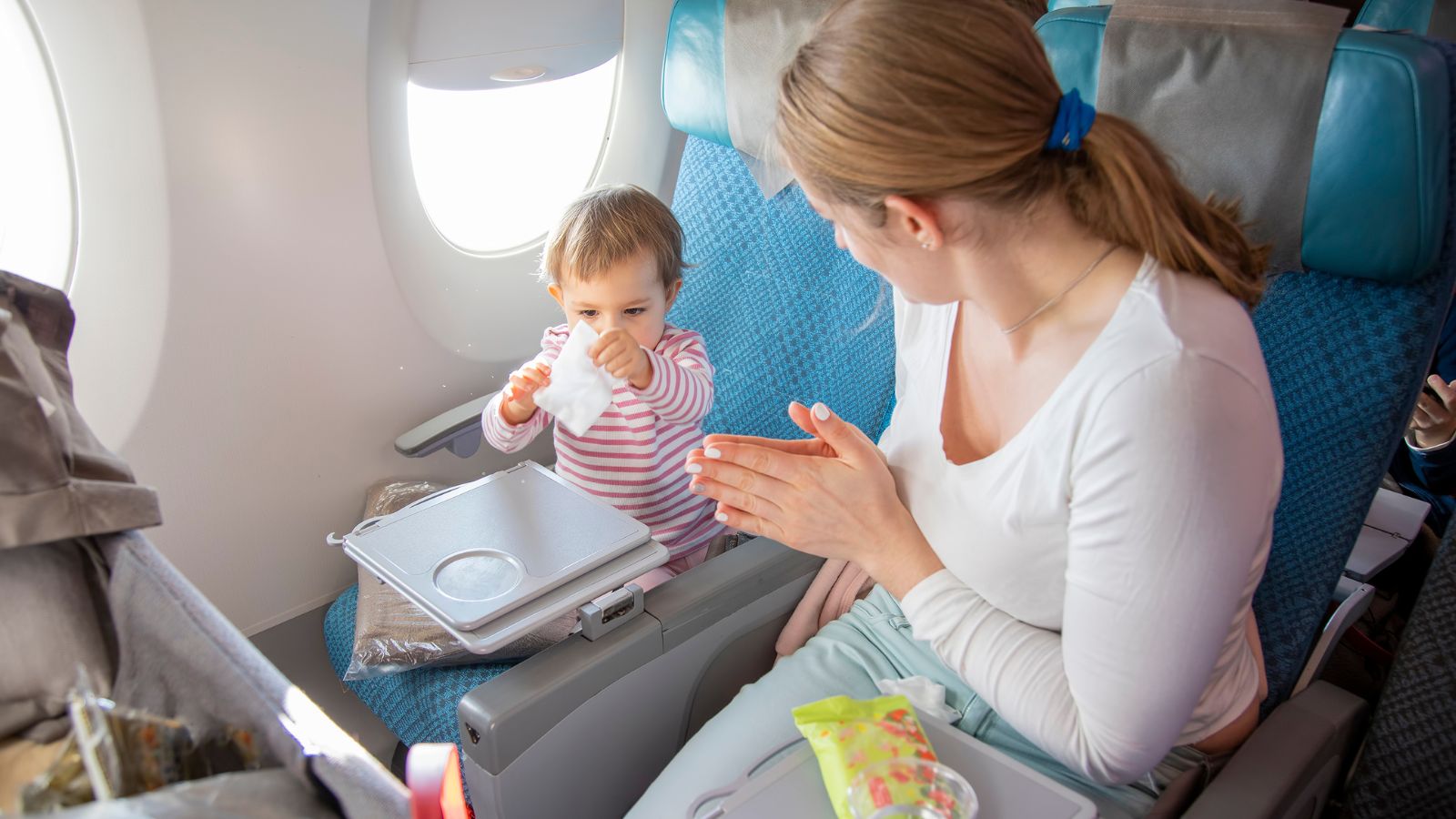
This question can make even well-prepared parents tense because it touches one of the most sensitive areas at any border: child safety. Canadian guidance recommends that children travelling outside Canada without one or both parents or legal guardians carry a signed consent letter. The government says the letter is not legally required in Canada, but it may be requested by Canadian officials when entering Canada, by airline staff, or by foreign immigration authorities. The CBSA also notes that officers are always watching for missing children and may ask questions about minors travelling with an adult.
The stress comes from how ordinary family travel can still look complicated on paper. A child travelling with one parent, grandparents, a coach, or a family friend may be entirely authorized but still require proof. The government recommends the letter for any child under 19 travelling internationally without both parents, and says original signed letters are best, with notarization strongly recommended. At the booth, a missing consent letter does not automatically mean wrongdoing. It does mean more questions, and for many families that possibility alone is enough to cause nerves.
12. “Can I examine your phone, bags, or vehicle further?”

This is the question that makes the border feel real in a different way. The CBSA says secondary inspections are a normal part of the process for anyone crossing the border, including Canadian citizens. Officers may inspect luggage, wallets, vehicles, and personal digital devices, and Canadian law requires travellers to respond truthfully, accurately report goods, and present those goods for examination. When it comes to devices, the CBSA says officers may ask for a password, travellers are obligated to provide it, and the device’s network connectivity is typically disabled so the examination is limited to data stored on the device.
The reason this question causes such anxiety is that it feels deeply personal, even when it is routine. Yet the numbers show device checks are still rare. The CBSA says that from November 2017 to December 31, 2025, only 0.007% of travellers and their goods processed at the border were subject to personal digital device examinations, though 38% of those examinations resulted in a customs- or immigration-related contravention. In other words, most travellers will never face this step, but once the possibility appears, the crossing suddenly feels much more serious than a quick question-and-answer at a booth.
19 Things Canadians Don’t Realize the CRA Can See About Their Online Income

Earning money online feels simple and informal for many Canadians. Freelancing, selling products, and digital services often start as side projects. The problem appears at tax time. Many people underestimate how much information the CRA can access. Online platforms, banks, and payment processors create detailed records automatically. These records do not disappear once money hits an account. Small gaps in reporting add up quickly.
Here are 19 things Canadians don’t realize the CRA can see about their online income.
This Options Discord Chat is The Real Deal
While the internet is scoured with trading chat rooms, many of which even charge upwards of thousands of dollars to join, this smaller options trading discord chatroom is the real deal and actually providing valuable trade setups, education, and community without the noise and spam of the larger more expensive rooms. With a incredibly low-cost monthly fee, Options Trading Club (click here to see their reviews) requires an application to join ensuring that every member is dedicated and serious about taking their trading to the next level. If you are looking for a change in your trading strategies, then click here to apply for a membership.