
35,000+ smart investors are already getting financial news, market signals, and macro shifts in the economy that could impact their money next with our FREE weekly newsletter. Get ahead of what the crowd finds out too late. Click Here to Subscribe for FREE.
Canada’s global leadership style rarely relies on volume or force. It reflects quiet diplomacy, coalition building, and policy example-setting. Nations frequently turn toward Canada when calm negotiation is required or when humanitarian leadership outpaces political hesitation. Across peacekeeping missions, civil rights advocacy, refugee resettlement, climate cooperation, and health diplomacy, Canada has repeatedly helped move world conversations forward. Here are 24 times the world looked to Canada for leadership.
Creating UN Peacekeeping Doctrine (1956 – Suez Crisis)
24 Times the World Looked to Canada for Leadership
- Creating UN Peacekeeping Doctrine (1956 – Suez Crisis)
- Championing the Landmine Ban Treaty (1997 – Ottawa Treaty)
- Accepting Vietnamese Boat Refugees (1979)
- Leading Apartheid Sanctions Pressure (1986)
- Arctic Environmental Cooperation (1991 Arctic Council Formation)
- Hosting the First G7 Earth Summit Follow-Ups (1990)
- Championing Disability Rights in International Law (2006)
- Ebola Medical Support Deployment (2014)
- Feminist International Assistance Policy (2017)
- Syrian Refugee Mass Airlift (2015–2016)
- UN Mediations in Haiti Political Stabilization (2006)
- Global Vaccine Access Advocacy (2020–2021)
- Montreal Protocol Enforcement Leadership (Late 1980s)
- Bosnia Peace Negotiations Facilitation (1995)
- Indigenous Rights Advocacy at the UN (2007)
- Haiti Earthquake Reconstruction Coordination (2010)
- Early Climate Carbon Pricing Models (2008–2015)
- Rohingya Humanitarian Advocacy (2017)
- Global LGBTQ2S+ Rights Promotion (2016 onward)
- Mediating Venezuelan Crisis Dialogue (2019)
- Post-Afghanistan Refugee Evacuation Mobilization (2021)
- UN Peacebuilding Fund Leadership Contributions (2018)
- MRNA Vaccine Research Support (2020)
- Ukraine Military and Humanitarian Coordination (2022)
- 22 Groceries to Grab Now—Before another Price Shock Hits Canada

In 1956, Canadian diplomat Lester B. Pearson proposed the first United Nations Emergency Force to defuse the Suez Crisis. Britain, France, and Egypt stood on the brink of direct war escalation. World leaders sought neutral intervention ideas when major powers reached a stalemate. Pearson’s proposal established multinational peacekeeping forces under UN command without military aggression mandates. That framework still operates globally today. His leadership stabilized the region long enough for diplomatic negotiations to continue. Canada earned international trust for creating non-combat peace enforcement. Pearson received the Nobel Peace Prize in 1957. Peacekeeping became a cornerstone of Canada’s foreign policy identity afterward.
Championing the Landmine Ban Treaty (1997 – Ottawa Treaty)

Canada led the global campaign to ban anti-personnel landmines after years of civilian casualties. In 1997, nations gathered in Ottawa to sign the treaty prohibiting landmine use and stockpiling. Canadian diplomats coordinated international advocacy coalitions and refused to delay negotiations for major power objections. Over 160 countries joined the treaty within months. Canada’s leadership pushed human safety ahead of geopolitical compromise. Survivors’ groups worldwide credited Canada’s diplomatic refusal to slow proceedings. The Ottawa Treaty drastically reduced global landmine deployment and production.
Accepting Vietnamese Boat Refugees (1979)
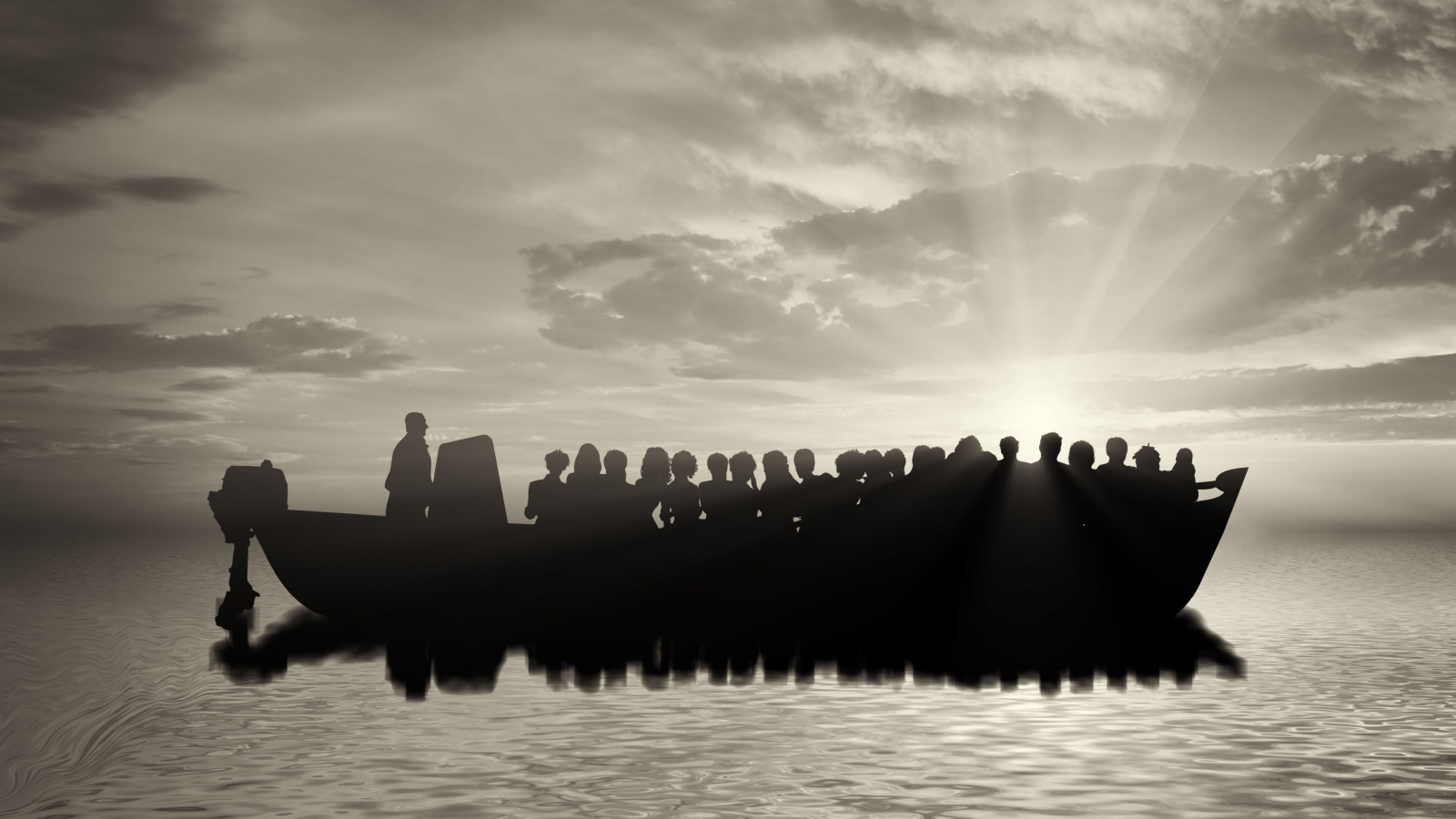
In 1979, Canada responded to Southeast Asia’s refugee crisis by expanding resettlement quotas dramatically. Over 60,000 Vietnamese refugees arrived within months through government-private sponsorship partnerships. Other nations watched carefully. Canada created community sponsorship models that allowed citizens to fund housing, language programs, and employment support directly. The success has built a worldwide example now replicated internationally. Refugee integration outcomes exceeded expectations. Canada received the UN Nansen Refugee Award, the only nation to receive collective recognition for refugee leadership. Countries studied Canada’s sponsorship framework for future humanitarian resettlement programs.
Leading Apartheid Sanctions Pressure (1986)

During worldwide disagreement on how to confront South African apartheid, Canada stood apart. Prime Minister Brian Mulroney pushed Commonwealth leaders to impose sanctions despite U.K. and U.S. reluctance. Canada refused purely symbolic gestures. Mulroney insisted economic pressure represented a moral obligation. International resistance softened due to Canada’s diplomatic persistence. Sanctions played a significant role in weakening apartheid policies by the late 1980s. World leaders later credited Canada’s commitment for strengthening global resolve when others hesitated.
Arctic Environmental Cooperation (1991 Arctic Council Formation)

Canada spearheaded Arctic environmental cooperation among circumpolar nations beginning in 1991. Indigenous consultation prioritized alongside environmental protection. The Arctic Council framework built scientific collaboration in one of the planet’s most politicized regions. Canada anchored peaceful Arctic governance. Nations adopted data-sharing agreements over territorial competition. That leadership still guides Arctic negotiations today.
Hosting the First G7 Earth Summit Follow-Ups (1990)

Canada hosted early international climate cooperation follow-ups after the 1992 Earth Summit. The Canadian Prime Minister’s leadership publicly framed environmental protection as a global responsibility rather than domestic politics. Countries cited Canada’s approach, emphasizing binding commitments over aspirational targets. Subsequent climate policy structures adopted similar negotiation models.
Championing Disability Rights in International Law (2006)

Canada contributed heavily to drafting the UN Convention on the Rights of Persons with Disabilities. Canadian advocacy frameworks shaped accessibility standards worldwide. Consultative methods developed domestically structured the treaty language. The agreement altered disability inclusion policies internationally. Canada consistently remained a reference point for rights-based accessibility policy models.
Ebola Medical Support Deployment (2014)

When the Ebola outbreak surged across West Africa in 2014, international responses moved slowly due to laboratory shortages and training gaps. Canada stepped forward with immediate biomedical leadership. The National Microbiology Laboratory in Winnipeg deployed mobile diagnostic lab units directly into outbreak zones. Canadian scientists trained local technicians to process Ebola samples safely and efficiently. Canada also supplied experimental vaccine doses for early global trials under international ethical approvals. These contributions shortened diagnosis timelines and improved containment accuracy significantly. The World Health Organization publicly acknowledged Canada’s laboratory response as essential to regional outbreak management. Canadian medical teams worked under extreme conditions alongside Médecins Sans Frontières units. Their efforts improved patient tracing workflows used later during subsequent outbreaks.
Feminist International Assistance Policy (2017)

In 2017, Canada adopted the Feminist International Assistance Policy, reshaping international aid delivery priorities. Rather than focusing mainly on construction or military stabilization projects, aid metrics shifted toward women’s education, healthcare, financial inclusion, and community leadership outcomes. Canada framed gender equality as an economic stability driver rather than a social afterthought. International development agencies observed the policy closely. Several governments mirrored similar priorities in aid portfolios thereafter. Canadian embassy programs broadened women-led agricultural and small business development funding. Multilateral organizations updated accountability requirements to reflect women-centered success indicators.
Syrian Refugee Mass Airlift (2015–2016)

During the Syrian humanitarian crisis, Canada launched an unprecedented refugee airlift operation between late 2015 and early 2016. Over 25,000 refugees arrived through chartered and military transport routes coordinated nationwide. Federal agencies worked alongside provincial health departments and settlement organizations simultaneously. Medical screenings, school placements, language instruction, and housing preparation ran in parallel pipelines. Several countries observed Canada’s efficiency closely. Integration models were documented internationally for future emergency resettlements. What stood out was the community sponsorship network approach, where citizens directly supported families’ arrival costs and housing needs. This community involvement shortened settlement timelines substantially.
UN Mediations in Haiti Political Stabilization (2006)
Canada facilitated police training programs and judicial stabilization during the Haitian uprisings. Multilateral security efforts relied on Canadian coordination. Governance rebuilding initiatives began under Canadian diplomatic guidance. United Nations officials publicly credited Canada’s stability framework implementation leadership.
Global Vaccine Access Advocacy (2020–2021)

During the early COVID-19 vaccine rollout in 2020 and 2021, Canada placed diplomatic pressure on pharmaceutical supply agreements to prioritize global equity concerns. Canada increased investments into the COVAX initiative, supporting vaccine access for developing nations. Canadian ministers openly framed vaccine nationalism as a threat to global pandemic resolution. Canada pushed data-sharing agreements for vaccine manufacturing scale-up strategies. Supply allocation proposals introduced by Canada informed distribution frameworks later adopted by international health consortia. Although global inequity remained severe, Canada remained among the first Western governments to escalate vaccine access issues diplomatically rather than keeping them as side policy matters.
Montreal Protocol Enforcement Leadership (Late 1980s)

Canada played a central role in enforcing compliance with the 1987 Montreal Protocol targeting ozone-depleting chemicals. While many nations hesitated in implementing strict timelines, Canada moved forward with food packaging and refrigeration industry reform mandates early. Canadian environmental scientists assisted in the design of global emissions monitoring systems. Their technical contributions guided enforcement benchmarks later adopted internationally. Canada also backed economic transition funding supporting developing nations shifting away from banned chemicals. These actions strengthened treaty compliance credibility globally. Today, the ozone layer shows recovery largely due to early compliance leadership demonstrated by states including Canada.
Bosnia Peace Negotiations Facilitation (1995)
Canada worked within NATO and UN coalitions during 1995 peace negotiations following the Bosnian War. Canadian diplomats bridged discussions between European governments resistant to coordinated humanitarian aid deployment. Canada advocated civilian protection mandates incorporated into post-conflict stabilization plans. Canadian peacekeepers were among the first deployed following the ceasefire implementation. International agencies acknowledged Canada’s mediation coordination helped accelerate detention camp closures and humanitarian corridor access earlier than predicted. Canada’s role exemplified conflict mediation leadership without imposing national dominance agendas.
Indigenous Rights Advocacy at the UN (2007)
Canada’s early domestic reconciliation programs shaped international contributions to the United Nations Declaration on the Rights of Indigenous Peoples finalized in 2007. Although implementation difficulties existed internally, Canadian legal frameworks shaped treaty drafting language. Negotiators referenced Canada’s rights recognition models extensively. International Indigenous advocacy groups credited Canada’s technical contributions during drafting conferences. Canada’s policy precedents influenced land rights protections later applied in Commonwealth nations.
Haiti Earthquake Reconstruction Coordination (2010)

Following the devastating 2010 Haitian earthquake, Canada led reconstruction coordination between NGOs, Caribbean governments, and UN agencies. Canadian logistical command hubs distributed emergency supplies across collapsed infrastructure zones. Canada prioritized rebuilding medical clinics and water and sanitation systems first. Coordination frameworks developed during relief were adopted by international agencies for later earthquake responses globally. Canada’s leadership ensured accountability measures guided project spending distribution transparently.
Early Climate Carbon Pricing Models (2008–2015)

Canada influenced early global discussions on national carbon pricing frameworks through provincial pilot programs. British Columbia’s carbon tax and Quebec’s cap-and-trade initiatives demonstrated real-world implementation success. International delegations studied Canadian models when establishing carbon mechanisms worldwide. Canadian data measuring emissions reduction effectiveness drove global credibility for market-driven climate policy. Policy transfer began during international climate summits between 2008 and 2015 as foreign governments used Canadian frameworks as legislative reference materials.
Rohingya Humanitarian Advocacy (2017)
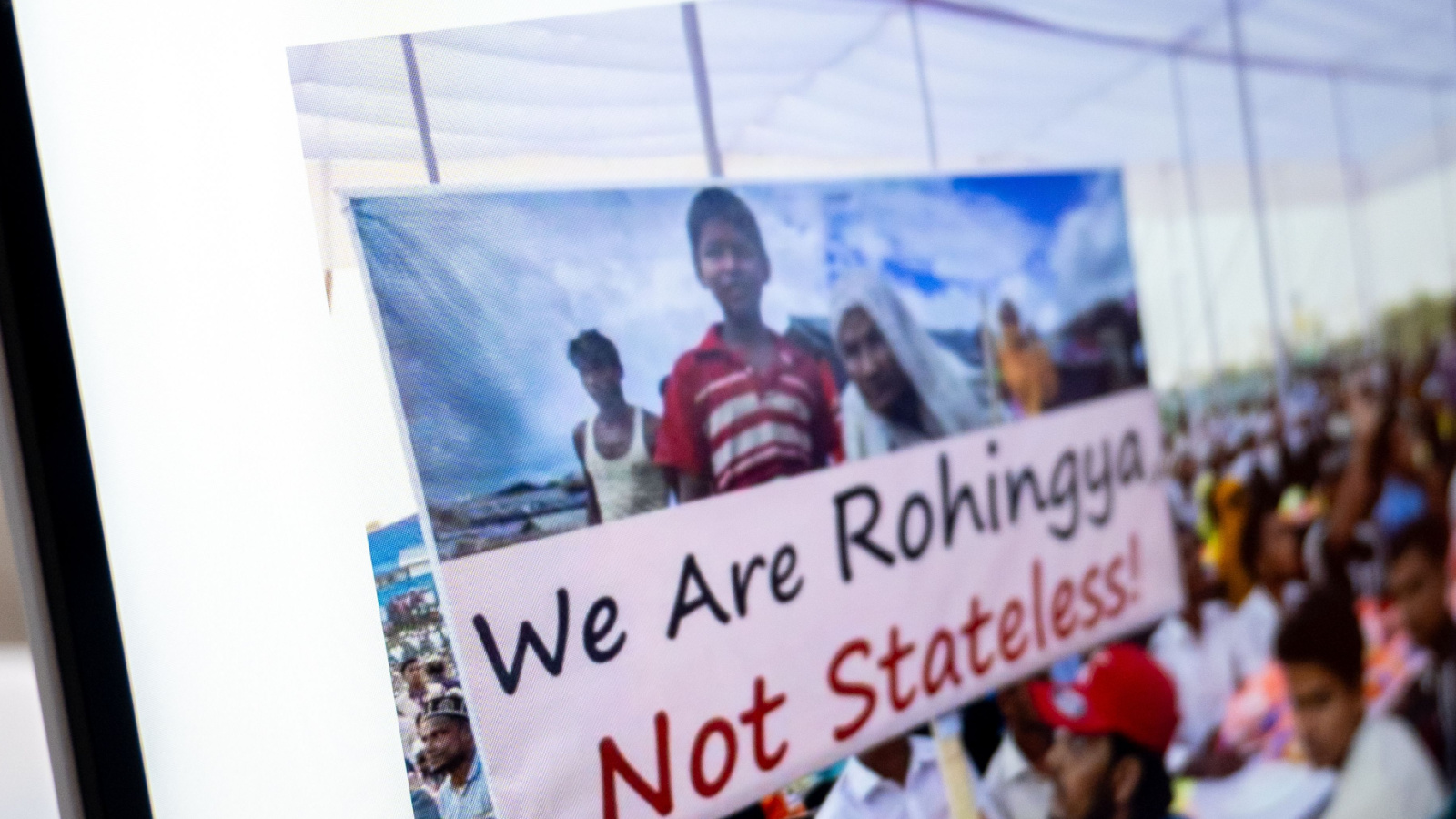
Canada initiated international diplomatic pressure, confronting the persecution of the Rohingya population beginning in 2017. Canadian parliamentary motions formally classified events as genocide early. This positioning influenced allied recognition timelines. Canada increased refugee resettlement commitments and humanitarian relief funding. Diplomatic missions pressed UN investigations and documentation initiatives. Canada’s stance demonstrated moral leadership by prioritizing human rights recognition ahead of broader geopolitical caution. Humanitarian organizations credited Canada for early diplomatic mobilization, impacting international accountability responses.
Global LGBTQ2S+ Rights Promotion (2016 onward)

Canada began incorporating LGBTQ2S+ protection criteria into international aid programs starting in 2016. Canadian diplomatic missions defended LGBTQ asylum applicants internationally. Development grants prioritized legal safety education funding in aggressive criminalization regimes. Other donor nations followed Canada’s inclusion standards afterward. Canada’s leadership normalized integrating human rights protections within global aid frameworks rather than relegating them to peripheral policy. Canada demonstrated how values-based diplomacy could influence broader international norms.
Mediating Venezuelan Crisis Dialogue (2019)

Canada maintained diplomatic neutrality during the Venezuelan leadership crisis beginning in 2019. Canadian diplomats facilitated multilateral mediation attempts through the Lima Group. Canada hosted negotiation sessions involving opposition and regional observers. These venues remained among the few sustained dialogue channels throughout prolonged unrest. While comprehensive resolution remains elusive, international actors acknowledged Canada’s reliability as an honest broker, encouraging continued diplomatic channels.
Post-Afghanistan Refugee Evacuation Mobilization (2021)
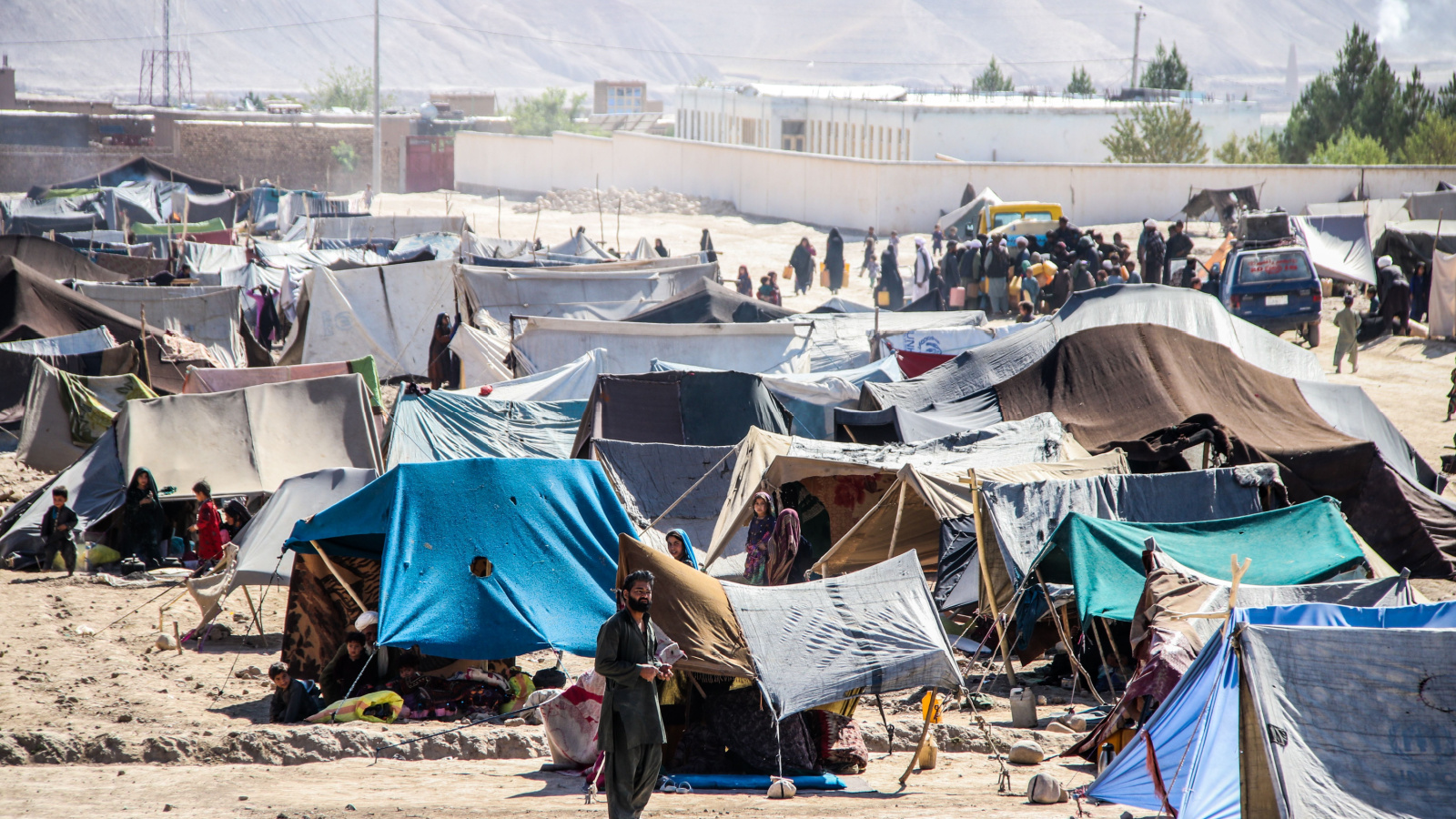
Following Afghanistan’s collapse in August 2021, Canada activated one of its largest emergency immigration programs rapidly. Military aircraft coordinated with charter operations to evacuate thousands of at-risk Afghan nationals. Settlement agencies activated reception networks within days. Temporary housing, healthcare screening, and schooling coordination occurred nationwide simultaneously. Canada also prioritized former Canadian-interpreter families and women’s rights advocates for rapid relocation. International agencies praised Canada’s ability to scale integration resources under chaotic conditions. Several allied nations studied Canada’s evacuation processing pipelines afterward. Operational challenges existed, yet Canada remained a central humanitarian mobility contributor during the crisis.
UN Peacebuilding Fund Leadership Contributions (2018)
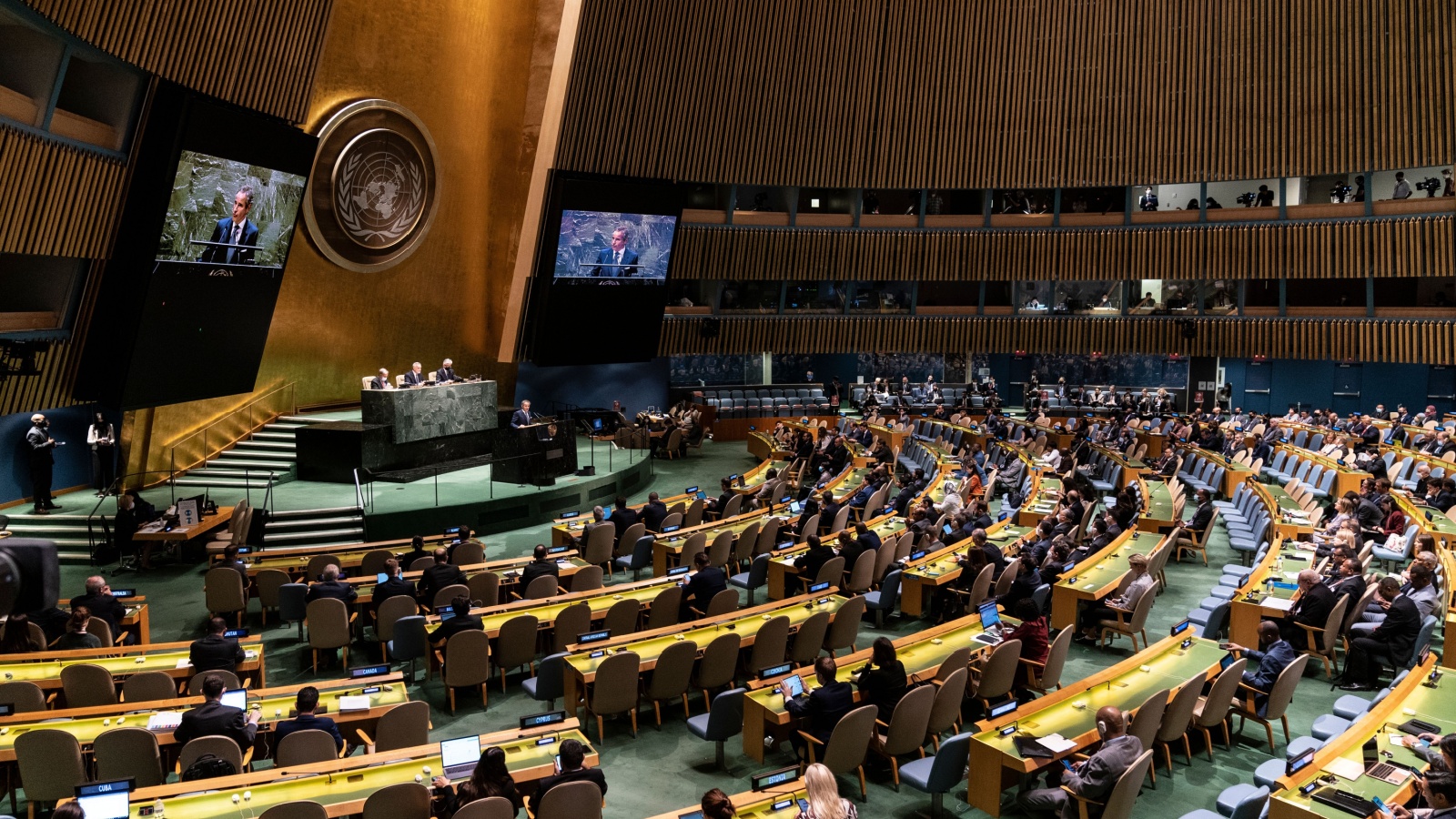
Canada became one of the largest donors to the UN Peacebuilding Fund by 2018. Funds targeted fragile state governance reforms and conflict prevention capacity training. Canada prioritized funding for female peace negotiator participation. International evaluations credited Canada for enhancing transparency and accountability mechanisms within peacebuilding frameworks. Contributions influence stabilization outcomes across more than twenty conflict-sensitive regions.
MRNA Vaccine Research Support (2020)

Prior to vaccine mass deployment in 2020, Canadian biomedical research institutions collaborated internationally on mRNA vaccine platform optimization research. Government research grants expanded laboratory testing capacity for temperature storage stability and dosage safety trials. Canadian scientists shared cold-chain logistics datasets informing vaccine transport standards worldwide. Winnipeg-based research centres partnered with European immunology teams to accelerate global testing benchmarks. These early scientific exchanges contributed to vaccination readiness timelines by improving production safety thresholds and distribution logistics. Canada’s role remained technical rather than high-profile, yet it proved foundational for operational rollout viability.
Ukraine Military and Humanitarian Coordination (2022)
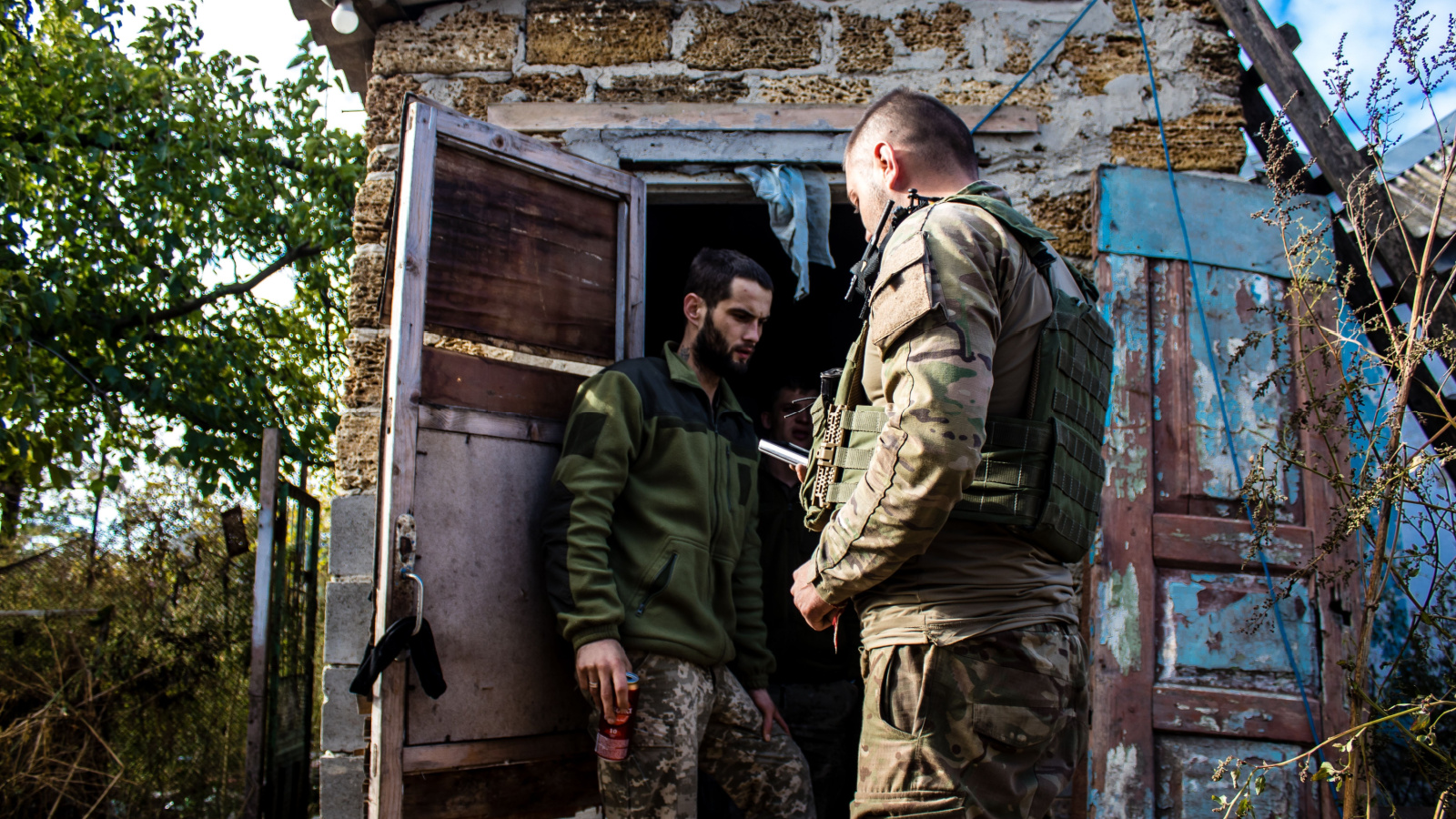
Following Russia’s invasion of Ukraine in 2022, Canada coordinated military assistance training programs. Canadian Armed Forces instructors expanded Operation UNIFIER rapidly. Canada also delivered humanitarian aid and refugee intake programs. Diplomatic calls for accountability strengthened allied cohesion. Eastern European governments publicly referenced Canadian coordination reliability. Canada’s combined logistics and diplomatic posture demonstrated modern middle-power leadership.
22 Groceries to Grab Now—Before another Price Shock Hits Canada

Food prices in Canada have been steadily climbing, and another spike could make your grocery bill feel like a mortgage payment. According to Statistics Canada, food inflation remains about 3.7% higher than last year, with essentials like bread, dairy, and fresh produce leading the surge. Some items are expected to rise even further due to transportation costs, droughts, and import tariffs. Here are 22 groceries to grab now before another price shock hits Canada.
22 Groceries to Grab Now—Before another Price Shock Hits Canada
This Options Discord Chat is The Real Deal
While the internet is scoured with trading chat rooms, many of which even charge upwards of thousands of dollars to join, this smaller options trading discord chatroom is the real deal and actually providing valuable trade setups, education, and community without the noise and spam of the larger more expensive rooms. With a incredibly low-cost monthly fee, Options Trading Club (click here to see their reviews) requires an application to join ensuring that every member is dedicated and serious about taking their trading to the next level. If you are looking for a change in your trading strategies, then click here to apply for a membership.