
35,000+ smart investors are already getting financial news, market signals, and macro shifts in the economy that could impact their money next with our FREE weekly newsletter. Get ahead of what the crowd finds out too late. Click Here to Subscribe for FREE.
Canada has a long history of turning hardship into meaningful progress. When crises emerged, the country often responded with policies, systems and innovations that eventually became some of its greatest strengths. Economic shocks, natural disasters, health emergencies and global conflicts pushed governments and communities to rethink old approaches and build more resilient solutions. Here are 21 Canadian wins that began in a crisis.
Canada Creating Universal Health Care After Medical Inequality
21 Canadian Wins That Began in a Crisis
- Canada Creating Universal Health Care After Medical Inequality
- Building the National Pension Plan During Economic Instability
- Establishing Strong Banking Regulations After Financial Turmoil
- Expanding Public Health Systems Following Disease Outbreaks
- Launching Major Infrastructure Projects During Recessions
- Advancing Arctic Research After Climate Emergencies
- Strengthening Indigenous Rights After Historic Injustice
- Developing Peacekeeping Leadership After Global Conflict
- Growing the Renewable Energy Sector After Oil Shocks
- Improving Food Safety Following Contamination Crises
- Overhauling Emergency Response Systems After Natural Disasters
- Expanding Public Transit After Severe Urban Congestion
- Boosting Clean Tech Innovation After Environmental Warnings
- Advancing Flood Management After Major Prairie Floods
- Modernizing Forest Management After Devastating Wildfires
- Improving Water Safety After Contamination Scandals
- Strengthening National Security After International Threats
- Expanding Immigration Programs After Global Refugee Crises
- Supporting Mental Health Programs Following Public Health Crises
- Enhancing Cybersecurity After High Profile Digital Breaches
- Expanding Remote Healthcare After Northern Accessibility Gaps
- 21 Products Canadians Should Stockpile Before Tariffs Hit

Canada’s universal health care system began as a direct response to widespread inequality in access to medical treatment. Before reform, many Canadians struggled to afford essential care, and rural communities were especially underserved. The crisis highlighted the need for a fair and sustainable model that would ensure all residents could receive medical support without financial strain. By committing to a publicly funded system, Canada created one of the world’s most accessible health care frameworks. The shift not only improved outcomes but also strengthened public trust and national unity by providing equal treatment opportunities regardless of income or location.
Building the National Pension Plan During Economic Instability
The Canada Pension Plan was established during a period of intense economic uncertainty when many seniors lacked financial security in retirement. Rising unemployment and volatile markets exposed vulnerabilities in the existing system. In response, Canada developed a mandatory, contribution-based national pension program designed to protect future generations from similar crises. The CPP created a stable foundation for long-term retirement planning and built public confidence by offering reliable income support. This move ensured that Canadians would not face financial hardship in old age, even during broader economic fluctuations, and it remains a cornerstone of social stability today.
Establishing Strong Banking Regulations After Financial Turmoil

Canada introduced comprehensive banking regulations to address weaknesses revealed during earlier periods of financial instability. Global market volatility showed how unregulated financial systems could collapse, harming citizens and businesses. Canada’s response was to build a resilient regulatory structure that prioritised transparency, capital requirements, and oversight. These measures created one of the world’s most stable banking systems and shielded the country from the worst effects of future crises, including the 2008 financial downturn. By acting decisively during past turmoil, Canada laid the groundwork for a financial sector that supports growth while maintaining strong safeguards for consumers and institutions.
Expanding Public Health Systems Following Disease Outbreaks

Major disease outbreaks pushed Canada to strengthen public health infrastructure and response systems. These crises exposed weaknesses in surveillance, emergency planning, and access to care. In response, Canada expanded laboratory capacity, improved early detection programs, and strengthened public health agencies at all levels. Investments in vaccination campaigns, emergency preparedness, and community health networks helped prevent future outbreaks and improved national resilience. The experience gained through crisis response ensured Canada could respond more effectively to future public health threats. These improvements created a more coordinated system capable of protecting Canadians across diverse regions and populations.
Launching Major Infrastructure Projects During Recessions

Canada often responded to economic downturns by investing in major infrastructure projects that stimulated job creation and long-term development. During recessions, construction and public works programs are employed while improving essential services such as transportation, energy systems, and public buildings. These investments helped stabilise the economy during difficult periods and laid the foundation for future growth by upgrading critical national assets. The approach demonstrated how strategic public spending during crisis periods can revitalise communities and strengthen national competitiveness. Many of Canada’s most significant infrastructure achievements began during times of financial hardship and continue to support the economy today.
Advancing Arctic Research After Climate Emergencies
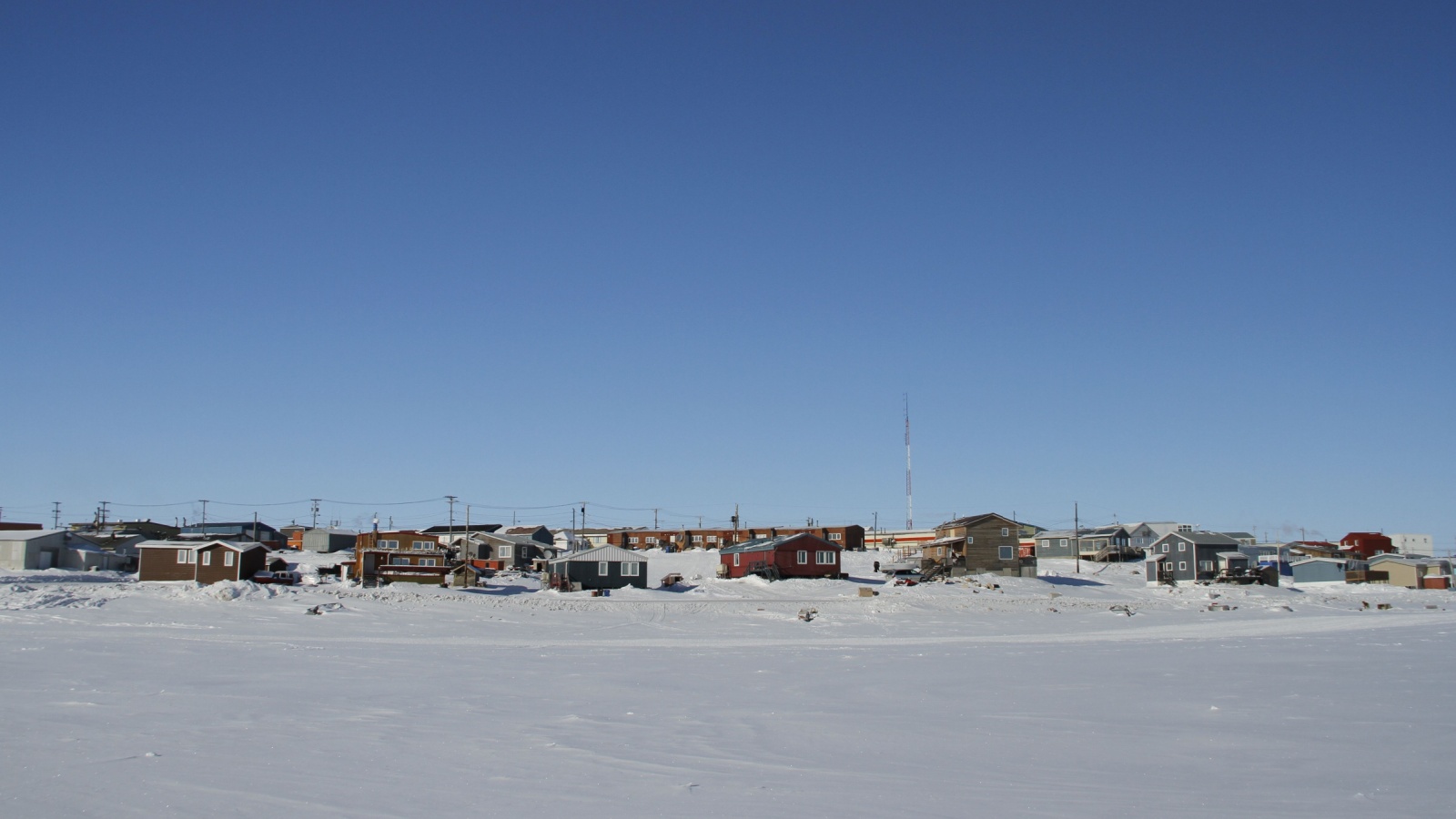
Climate-related emergencies in the North pushed Canada to accelerate scientific research and monitoring programs in the Arctic. Rapid melting, ecosystem disruption, and community vulnerability made it clear that more investment and knowledge were needed. Canada responded by expanding research stations, supporting Indigenous knowledge partnerships, and funding climate science initiatives focused on northern environments. These efforts improved understanding of permafrost shifts, wildlife changes, sea ice patterns, and environmental risks. The crisis-driven approach helped Canada take a leadership role in Arctic science, strengthen sovereignty in the region, and develop solutions that aid both local communities and global climate research.
Strengthening Indigenous Rights After Historic Injustice

Canada strengthened Indigenous rights in response to generations of injustice, forced assimilation, and systemic discrimination. Legal reforms recognized land claims, expanded self-government agreements, and required governments to consult Indigenous communities before approving major projects. Court rulings supported these changes and reshaped policy across provinces. Investments also increased in language revitalization, education, and community infrastructure. These actions marked a shift from imposed decisions to a more respectful nation-to-nation relationship. Although many challenges remain, the reforms laid the groundwork for ongoing reconciliation based on recognition, accountability, and long-term partnership.
Developing Peacekeeping Leadership After Global Conflict

Canada’s rise as a peacekeeping leader came after the world faced the destruction of major global conflicts. Canadian diplomats helped design peacekeeping frameworks that emphasized negotiation and stability instead of aggression. Soldiers and police officers were deployed to support ceasefires, protect civilians, and monitor fragile regions. This approach strengthened Canada’s reputation as a country focused on cooperation and humanitarian responsibility. The leadership held the view that long-term peace depends on diplomacy, shared responsibility, and sustained international engagement. The experience gained through these missions continues to influence Canada’s global role today.
Growing the Renewable Energy Sector After Oil Shocks

After global oil shocks created economic instability, Canada invested in alternative energy sources to reduce dependence on volatile markets. Governments expanded funding for hydroelectric projects, wind development, and early bioenergy research. Provinces upgraded power grids to support cleaner technologies and reduce long-term fuel costs. These decisions created jobs in engineering, manufacturin,g and construction. The effort began as an emergency response but grew into a national strategy that helped Canada build a strong renewable energy sector. The investments improved energy security and positioned the country as a leading player in sustainable power.
Improving Food Safety Following Contamination Crises

Food contamination crises pushed Canada to modernize its entire regulatory system. New inspection standards, better laboratory testing and stronger traceability requirements were introduced to prevent future threats. Faster recall procedures improved communication with the public and helped contain risks. Producers faced higher rules to ensure products were safe before reaching stores. These changes rebuilt public confidence and strengthened cooperation between federal, provincial, and industry partners. The updated framework shifted Canada toward a preventive model that reduces hazards early in the supply chain while maintaining high standards for consumer protection.
Overhauling Emergency Response Systems After Natural Disasters

Major natural disasters exposed gaps in emergency planning, prompting Canada to upgrade response systems nationwide. Governments invested in early-warning technology, wildfire detection tools, and updated flood-mapping systems. Coordination between federal, provincial and municipal agencies improved through standardized training and clearer communication protocols. Communities gained funding to build resilience projects that help prepare for future events. These improvements made response times faster and more reliable. By learning from past emergencies, Canada built a stronger system that protects lives, strengthens preparedness and reduces the long-term impact of disasters.
Expanding Public Transit After Severe Urban Congestion

Intense traffic congestion forced Canadian cities to rethink transportation planning. Governments funded major transit expansions such as new subway extensions, light rail projects, and dedicated rapid bus corridors. These upgrades helped reduce commute times, lower emissions, and improve urban mobility efficiency. The expansions also supported economic growth by connecting neighborhoods to employment and commercial areas. What began as a response to overcrowded roads developed into a long-term strategy focused on sustainability, accessibility, and smart city planning. The improvements continue to shape more livable urban regions across Canada.
Boosting Clean Tech Innovation After Environmental Warnings

Environmental warnings and rising climate risks motivated Canada to accelerate clean technology development. Policy changes increased funding for research, commercialization efforts, and pilot projects focused on emissions reduction, energy storage, and sustainable manufacturing. Universities partnered with industry to bring solutions to market faster, supporting innovation across multiple sectors. These steps strengthened Canada’s position in the global clean tech economy and helped industries adopt more efficient practices. The initiatives began as responses to ecological threats but now play a central role in Canada’s economic strategy and environmental leadership.
Advancing Flood Management After Major Prairie Floods

Severe Prairie floods revealed major weaknesses in regional water protection systems, leading governments to rethink how communities prepare for extreme weather. New floodway expansions, improved drainage systems and upgraded dike structures were built to reduce long-term risk. Better forecasting tools helped predict high-water events earlier, giving residents more time to react. Provinces also partnered with federal agencies to redesign land-use plans that avoid building in high-risk zones. These efforts transformed emergency responses into long-term resilience strategies that protect homes, infrastructure, and agriculture. The improvements have made Prairie communities far stronger and safer today.
Modernizing Forest Management After Devastating Wildfires

Large wildfires exposed gaps in forest management, prompting Canada to invest in new prevention approaches. Governments upgraded monitoring systems, expanded controlled burn programs, and increased funding for fire research. Partnerships with Indigenous communities strengthened land stewardship practices that reduce fuel buildup and improve ecosystem balance. Improved training and equipment made firefighters better prepared for extreme conditions. The goal shifted from short-term suppression to long-term resilience. These reforms helped Canada adapt to changing climate patterns and reduce the risk of catastrophic fires, while creating healthier forests that support biodiversity and community safety.
Improving Water Safety After Contamination Scandals

Water contamination incidents pushed Canada to update safety standards and modernize outdated treatment infrastructure. New testing requirements, faster reporting systems, and clearer accountability rules were introduced to rebuild public trust. Investments improved filtration systems and supported the replacement of aging pipes in communities facing recurring issues. Collaboration between federal, provincial, and municipal authorities helped streamline responses and prevent future crises. Public awareness campaigns educated residents on maintaining safe water systems. These changes strengthened Canada’s ability to provide clean, reliable drinking water and ensure that contamination events are detected and addressed quickly.
Strengthening National Security After International Threats

International security threats revealed the need for Canada to modernize its intelligence systems and expand its national protection measures. Agencies improved information-sharing, upgraded cybersecurity protections, and developed new training programs for emerging global risks. Investments in border technology enhanced screening efficiency and helped identify threats more effectively. Partnerships with international allies ensured Canada could participate in coordinated security efforts without compromising independent decision-making. These actions strengthened Canada’s ability to protect critical infrastructure, maintain public safety, and respond to evolving global challenges. The upgrades built a more resilient national security framework across all sectors.
Expanding Immigration Programs After Global Refugee Crises

Global refugee crises led Canada to expand immigration pathways and strengthen settlement services. Governments increased admission numbers, supported private sponsorship programs, and improved processing systems to help families reunite faster. Communities received more funding for housing, language training, and employment services. The changes reflected Canada’s belief in responding to humanitarian emergencies with practical support and long-term planning. These actions helped thousands of newcomers rebuild their lives safely while contributing to the country’s social and economic growth. The approach became a model internationally for compassionate and effective refugee resettlement.
Supporting Mental Health Programs Following Public Health Crises

Public health crises highlighted major gaps in mental health services, leading to broad reforms. Governments increased funding for counseling, crisis intervention, and community-based programs. Hospitals expanded psychiatric support, while digital care platforms made services more accessible in remote areas. Schools received more resources to help students manage stress and anxiety. Public awareness campaigns encouraged early intervention and reduced stigma. These changes made mental health a core part of the healthcare system instead of an afterthought. The improvements helped Canada respond more effectively to rising mental health needs during emergencies and beyond.
Enhancing Cybersecurity After High Profile Digital Breaches

High profile cyber breaches pushed Canada to upgrade its digital protection systems. New national frameworks strengthened data security, improved threat detection, and required organizations to report breaches quickly. Investments expanded cybersecurity training for businesses, government agencies, and critical infrastructure operators. Partnerships with universities supported advanced research in encryption and cyber resilience. These efforts helped Canada defend against increasingly sophisticated attacks that threaten financial systems, healthcare networks, and public services. The improvements turned cybersecurity into a national priority designed to safeguard both privacy and economic stability.
Expanding Remote Healthcare After Northern Accessibility Gaps

Accessibility challenges in northern and rural regions motivated Canada to expand remote healthcare options. Governments invested in telemedicine platforms, digital care delivery training, and upgraded broadband to support virtual consultations. Mobile clinics helped reach communities without permanent medical facilities. Funding also supported remote diagnostics, allowing specialists to review cases from thousands of kilometers away. These changes reduced patient travel burdens and improved continuity of care. The shift strengthened healthcare equity by ensuring that people living in remote regions could receive reliable medical support regardless of location.
21 Products Canadians Should Stockpile Before Tariffs Hit

If trade tensions escalate between Canada and the U.S., everyday essentials can suddenly disappear or skyrocket in price. Products like pantry basics and tech must-haves that depend on are deeply tied to cross-border supply chains and are likely to face various kinds of disruptions
21 Products Canadians Should Stockpile Before Tariffs Hit
This Options Discord Chat is The Real Deal
While the internet is scoured with trading chat rooms, many of which even charge upwards of thousands of dollars to join, this smaller options trading discord chatroom is the real deal and actually providing valuable trade setups, education, and community without the noise and spam of the larger more expensive rooms. With a incredibly low-cost monthly fee, Options Trading Club (click here to see their reviews) requires an application to join ensuring that every member is dedicated and serious about taking their trading to the next level. If you are looking for a change in your trading strategies, then click here to apply for a membership.