
35,000+ smart investors are already getting financial news, market signals, and macro shifts in the economy that could impact their money next with our FREE weekly newsletter. Get ahead of what the crowd finds out too late. Click Here to Subscribe for FREE.
Canada’s most enduring community achievements often began with small groups of volunteers who stepped in long before formal systems existed. These efforts shaped essential services, cultural programs, environmental protection work, and local safety networks. In many regions, volunteers created solutions when funding was limited or when no official support structure was available. Here are 22 Canadian wins that started with volunteers.
Community Firefighting Brigades in Rural Towns
22 Canadian Wins That Started With Volunteers
- Community Firefighting Brigades in Rural Towns
- Volunteer Search and Rescue Teams
- Local Food Banks Supporting Families
- Neighbourhood Snow Clearing Groups
- Volunteer-Run Community Health Clinics
- Habitat Restoration and Tree Planting Programs
- Local Charity Thrift Stores Funding Community Services
- Volunteer-Led Youth Sports Leagues
- Community Run Animal Shelters
- Festivals and Cultural Events Organized by Volunteers
- Volunteer Librarian and Literacy Support Programs
- Coast Guard Auxiliary Volunteer Units
- Community Gardens Managed by Local Volunteers
- Volunteer-Led Seniors Support Networks
- Rural Ambulance and First Response Teams
- Volunteer-Based Homeless Outreach Programs
- Citizen Science Environmental Monitoring
- Volunteer-Operated Museums and Heritage Sites
- Local Trail Building and Outdoor Recreation Groups
- Volunteer-Run Mental Health Hotlines
- Community Meal Programs and Soup Kitchens
- Volunteer-Led Disaster Relief and Emergency Support
- 21 Products Canadians Should Stockpile Before Tariffs Hit
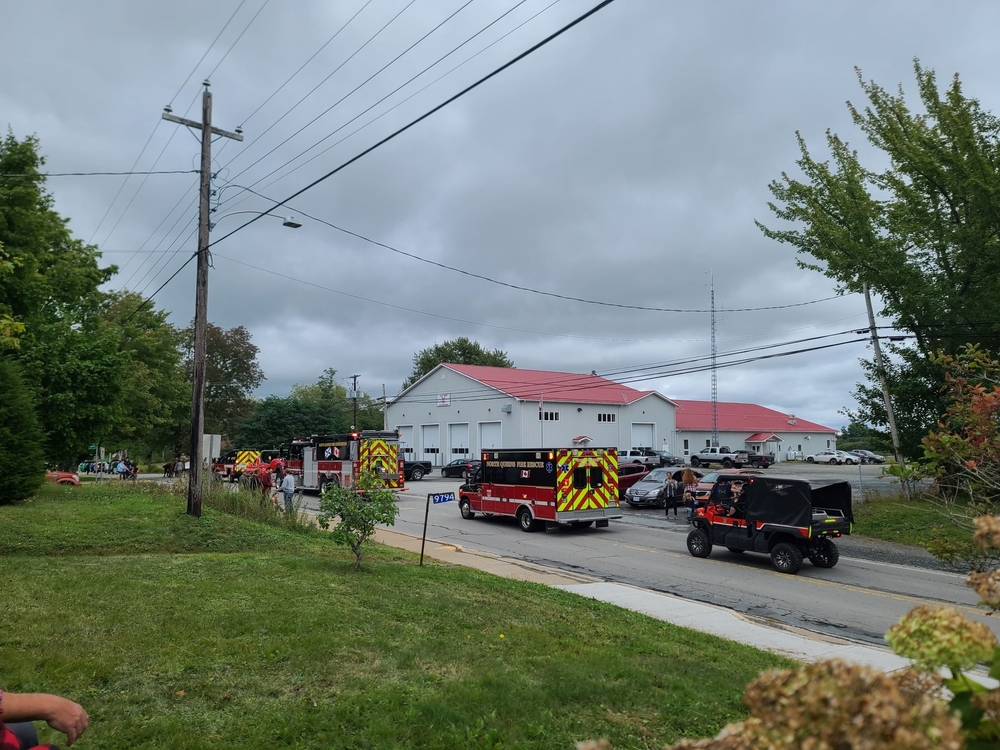
Rural communities across Canada rely on volunteer firefighting brigades that provide essential protection despite limited resources. These groups train regularly, maintain equipment, and respond to emergencies that would otherwise overwhelm small towns. Their dedication helps control wildfires, structure fires, and seasonal hazards while keeping response times low in remote regions. Many volunteers come from families with a long history of service, which strengthens community resilience. Their work also lowers municipal costs and ensures safety standards remain strong. These brigades have become a trusted backbone of rural life, proving that community-led action can meet critical needs when professional services are far away.
Volunteer Search and Rescue Teams

Volunteer search and rescue teams operate in mountains, forests, coastlines, and rural areas where professional services may be limited. These teams train in navigation, first aid, survival, and technical rescue techniques to respond quickly to emergencies. Their work includes locating missing hikers, assisting in natural disasters, and supporting police and paramedics during critical incidents. Communities rely on them during harsh weather and difficult terrain conditions that require specialized skills. They often work long hours without compensation, showing exceptional dedication to public safety. Their commitment ensures timely rescues and has saved countless lives, making them one of Canada’s most respected volunteer forces.
Local Food Banks Supporting Families

Local food banks across Canada operate largely through volunteer support, ensuring families have access to nutritious food during financial hardship. Volunteers sort donations, assemble hampers, and assist visitors with dignity and respect. These services have expanded to include fresh produce programs, community kitchens, and nutrition education. The involvement of volunteers helps reduce operational costs and channels resources directly to those in need. Their work ensures the consistent availability of essentials even during economic downturns. Food banks have become vital pillars of community wellbeing, offering stability and hope. They show how collective action can address immediate challenges and support long-term resilience.
Neighbourhood Snow Clearing Groups
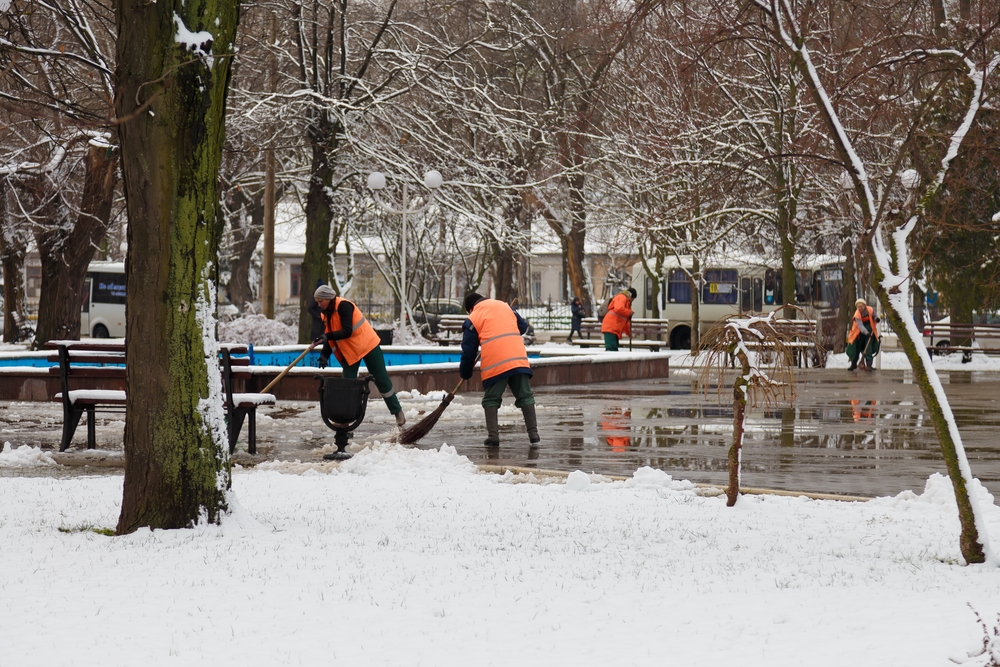
Neighbourhood snow clearing groups form in communities that face heavy winter conditions and want to support residents who cannot easily manage snow removal. Volunteers help clear driveways, sidewalks, and pathways to improve safety and accessibility. Their work is especially important for seniors, people with disabilities, and families with limited tools or time. These groups also reduce slip and fall risks and ensure school routes and bus stops remain usable. Their efforts build strong community bonds as neighbours look out for one another during harsh weather. Snow-clearing groups demonstrate how cooperative action can improve daily life during Canada’s long winter season.
Volunteer-Run Community Health Clinics

Volunteer-run community health clinics provide essential care in underserved areas where medical services are limited or costly. These clinics often involve doctors, nurses, and support staff who donate their time to offer checkups, screenings, counselling, and health education. Their presence reduces pressure on emergency rooms and improves access to early intervention. Many clinics also provide culturally informed care that supports diverse populations. Volunteers help manage patient intake, coordinate services, and maintain operations. These clinics show the power of collective commitment to public health and ensure that vulnerable residents can receive care regardless of income or insurance barriers.
Habitat Restoration and Tree Planting Programs
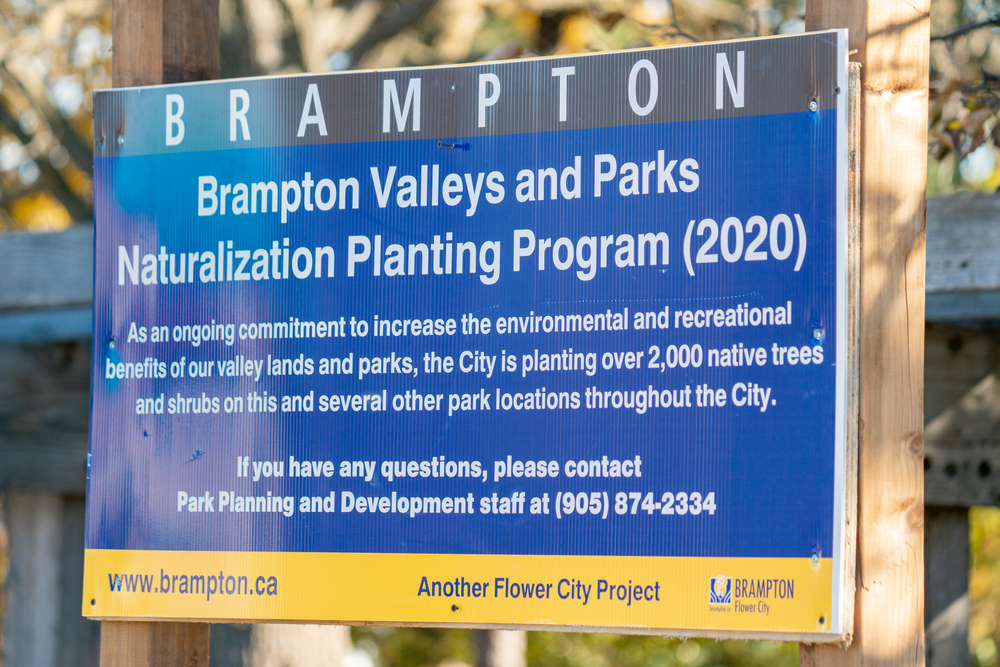
Habitat restoration and tree planting programs are powered by volunteers who work to protect local ecosystems. These initiatives improve biodiversity, restore damaged landscapes, and help reduce the impacts of climate change. Volunteers plant native species, remove invasive plants, clean waterways, and support wildlife recovery. Many programs involve families, schools, and community groups, creating opportunities for hands-on environmental stewardship. Their efforts contribute to healthier forests, cleaner air, and stronger natural habitats. By dedicating time to restoration projects, volunteers foster sustainable communities and inspire long-term environmental responsibility. These programs highlight how grassroots action can address ecological challenges effectively.
Local Charity Thrift Stores Funding Community Services

Local charity thrift stores rely on volunteers to sort donations, manage inventory, assist customers, and run day-to-day operations. Their work generates revenue that supports shelters, youth programs, healthcare initiatives, and other community services. These stores promote sustainable consumption by keeping clothing and household goods out of landfills. Volunteers create welcoming spaces that allow people to shop affordably while contributing to meaningful causes. Their efforts strengthen the financial stability of nonprofit organizations and expand social support networks. Charity thrift stores show how volunteer labour can create lasting community benefits while encouraging responsible reuse and waste reduction.
Volunteer-Led Youth Sports Leagues

Volunteer-led youth sports leagues provide accessible recreation for children in communities across Canada. Coaches, organizers, and parents donate their time to run practices, schedule games, manage equipment, and create a positive environment for young athletes. These leagues promote physical activity, teamwork, and confidence while keeping participation costs low. Volunteers also help ensure that kids from different backgrounds can join without financial barriers. Their dedication builds inclusive spaces where children learn skills that extend beyond the field. Youth sports leagues highlight how community involvement can enrich childhood experiences and support healthy development in an affordable and meaningful way.
Community Run Animal Shelters
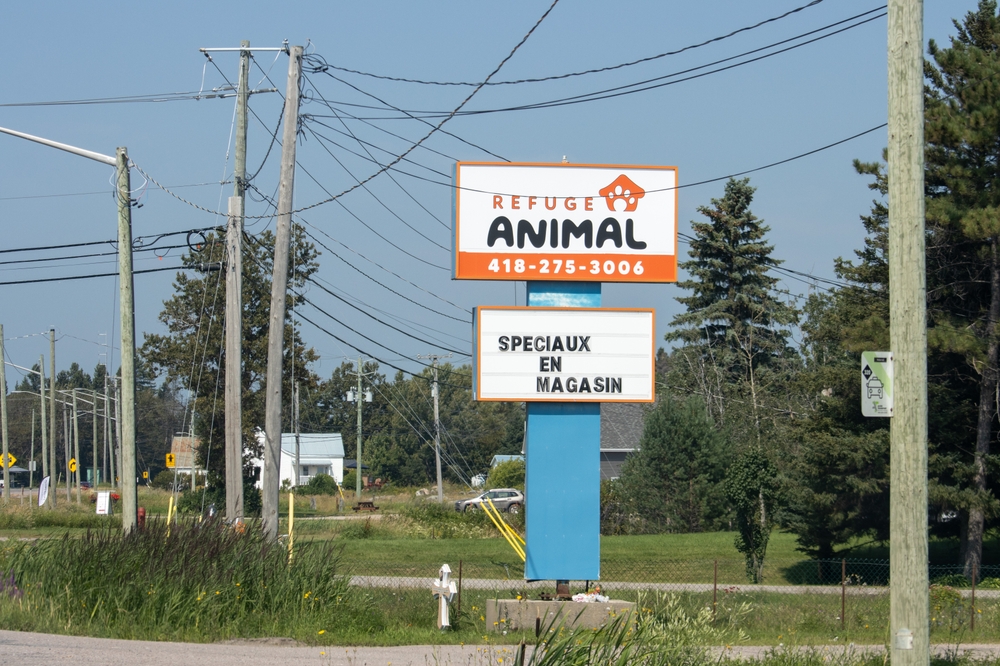
Community-run animal shelters across Canada rely on volunteers who care for abandoned, injured, and stray animals. Volunteers handle daily tasks such as feeding, cleaning, socializing, and helping with adoption events. These shelters operate with limited funding, so volunteer labour ensures that animals receive proper attention and medical support. Many shelters also run public education programs on responsible pet ownership and spay and neuter initiatives. Their efforts help reduce animal suffering while connecting pets with new families. Community shelters show how residents can step in to protect vulnerable animals and build a culture of compassion in neighbourhoods of all sizes.
Festivals and Cultural Events Organized by Volunteers
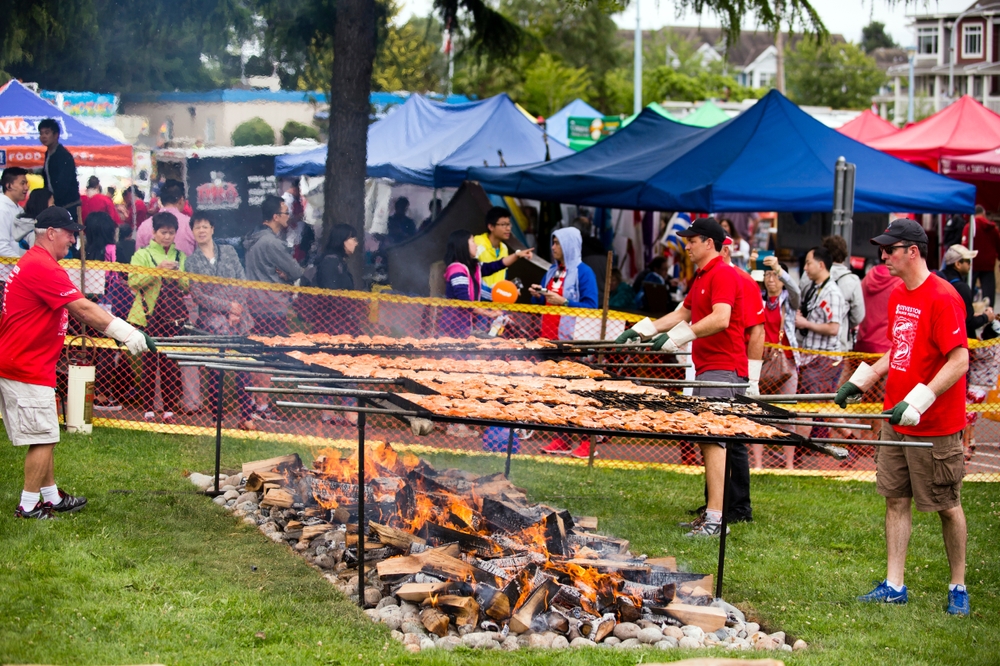
Many Canadian towns host festivals and cultural events that rely heavily on volunteers to plan, organize, and manage activities. Volunteers assist with logistics, scheduling, visitor coordination, security, and cleanup, allowing communities to celebrate local arts, food, heritage, and seasonal traditions. These events draw tourism, support small businesses, and strengthen local identity. Volunteers play a central role in creating welcoming experiences that attract families and visitors year after year. Their commitment helps maintain long-standing traditions and encourages cultural expression. These festivals show how volunteer energy can bring communities together, promote creativity, and generate meaningful economic and social benefits.
Volunteer Librarian and Literacy Support Programs

Volunteer librarian and literacy programs support children, newcomers, and adults who benefit from accessible learning resources. Volunteers help organize books, host reading circles, and guide new learners through essential skills such as vocabulary building and writing. Many also provide homework help, digital learning assistance, and support for English language learners. Their work strengthens community education systems and extends library services in areas with limited budgets. By providing patient and consistent guidance, volunteers help build confidence and improve literacy rates. These programs show how community involvement can empower learners and ensure education remains inclusive and available to everyone.
Coast Guard Auxiliary Volunteer Units

Coast Guard Auxiliary volunteer units operate along Canada’s vast coastlines, lakes, and waterways to support marine safety and emergency response. Volunteers use their own vessels or community resources to assist boaters, respond to distress calls, and provide patrol coverage during busy seasons. They train extensively in navigation, rescue operations, and first aid to meet national safety standards. Their presence reduces risks for recreational and commercial vessels and helps prevent accidents before they escalate. These units provide essential support in remote and high-traffic marine areas. Their service demonstrates how skilled volunteers contribute to national safety and protect lives on the water.
Community Gardens Managed by Local Volunteers
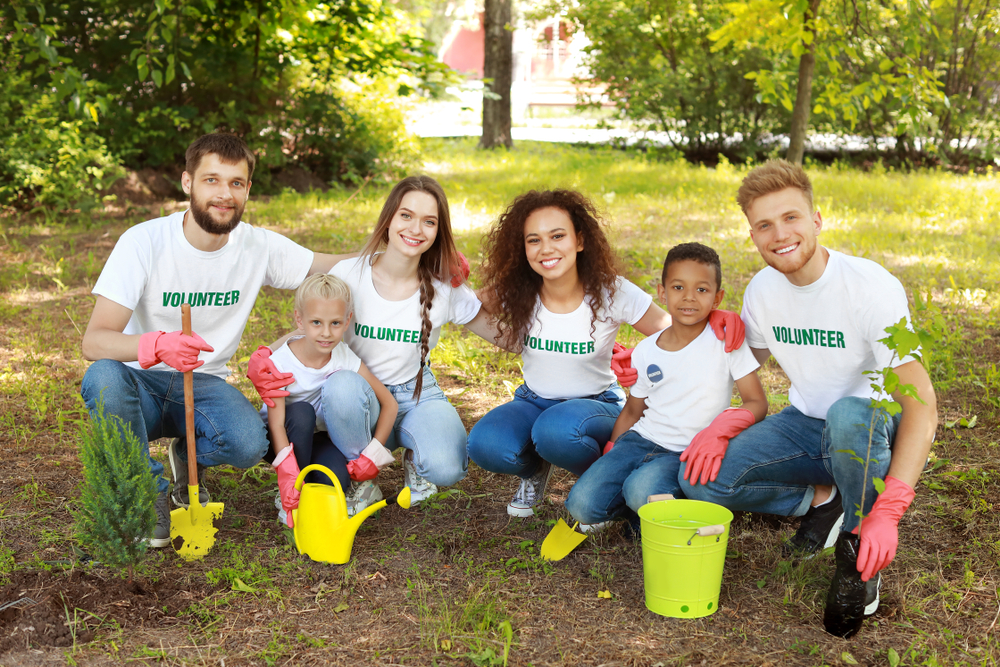
Community gardens thrive through the dedication of volunteers who manage plots, maintain soil health, coordinate planting schedules, and teach gardening skills. These gardens provide fresh produce, promote healthy eating, and offer accessible green spaces for people without outdoor growing areas. Volunteers also run workshops on composting, seed saving, and sustainable agriculture. Their efforts foster social connection, reduce food insecurity, and create welcoming spaces where residents work together toward shared goals. Community gardens strengthen environmental awareness and build resilient neighbourhoods. They provide a meaningful way for people of all ages to participate in local food production and community wellbeing.
Volunteer-Led Seniors Support Networks

Volunteer-led networks for seniors provide companionship, transportation, wellness checks, and help with daily errands. These programs support older adults who wish to live independently but face mobility or social challenges. Volunteers build relationships through regular visits, phone calls, or shared activities such as walking, reading, or attending community events. Their assistance reduces loneliness, improves mental health, and helps seniors stay connected to their communities. Many networks also coordinate meal deliveries and medical appointment transportation. These volunteer efforts create a strong sense of trust and care that enhances the quality of life for seniors and supports healthy aging.
Rural Ambulance and First Response Teams

Rural ambulance and first response teams rely on volunteers who provide urgent medical care in remote areas where professional services may be far away. Volunteers train in first aid, CPR, emergency stabilization, and patient transport to respond quickly during accidents, medical emergencies, and community crises. Their presence significantly improves survival rates and ensures timely care during long ambulance wait times. These teams work closely with paramedics, hospitals, and fire services to coordinate effective responses. They demonstrate the importance of community commitment in public safety and provide essential support that helps rural residents receive medical attention when it is most needed.
Volunteer-Based Homeless Outreach Programs

Volunteer-led homeless outreach programs play an essential role in supporting individuals who face housing instability. These initiatives provide warm meals, hygiene kits, seasonal clothing, and information on local support services. Many programs operate during late hours when other services are unavailable, ensuring consistent contact with vulnerable populations. In several cities, volunteer groups have helped identify gaps in shelter capacity and recommended practical solutions to municipal governments. Their work also supports long-term transition goals by connecting people with healthcare, employment assistance, and temporary housing programs. These efforts demonstrate how community involvement fills urgent needs effectively.
Citizen Science Environmental Monitoring

Citizen science initiatives rely on volunteers who collect data on water quality, wildlife populations, air pollution, and local ecosystems. These programs support universities, conservation groups, and government agencies by gathering detailed information that would otherwise require large funding. Volunteers receive training in sampling methods and digital reporting tools, which strengthens data accuracy. Their findings often contribute to environmental policy updates and habitat protection plans. In remote or rural areas, volunteer monitoring provides consistent seasonal data that scientific teams cannot gather regularly. This model has become a valuable resource for environmental planning and long-term sustainability efforts.
Volunteer-Operated Museums and Heritage Sites
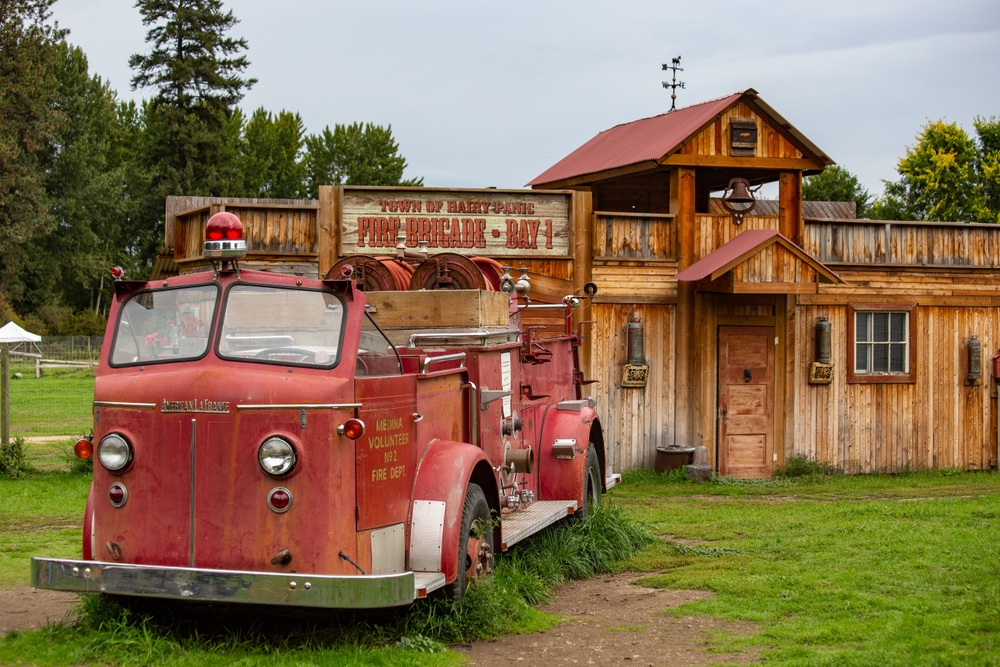
Many Canadian towns rely on volunteers to run small museums, cultural archives, and historic buildings. These volunteers manage exhibits, maintain records, and guide visitors, often preserving local history that might otherwise be lost. Their work supports tourism while keeping operational costs manageable for small communities. Volunteers frequently contribute personal knowledge, family archives, and research that enrich collections. These institutions often become learning hubs for schools and community groups. Without volunteer support, many heritage sites would struggle to remain open year-round, especially in rural regions. Their commitment ensures that local stories and artifacts remain accessible to the public.
Local Trail Building and Outdoor Recreation Groups
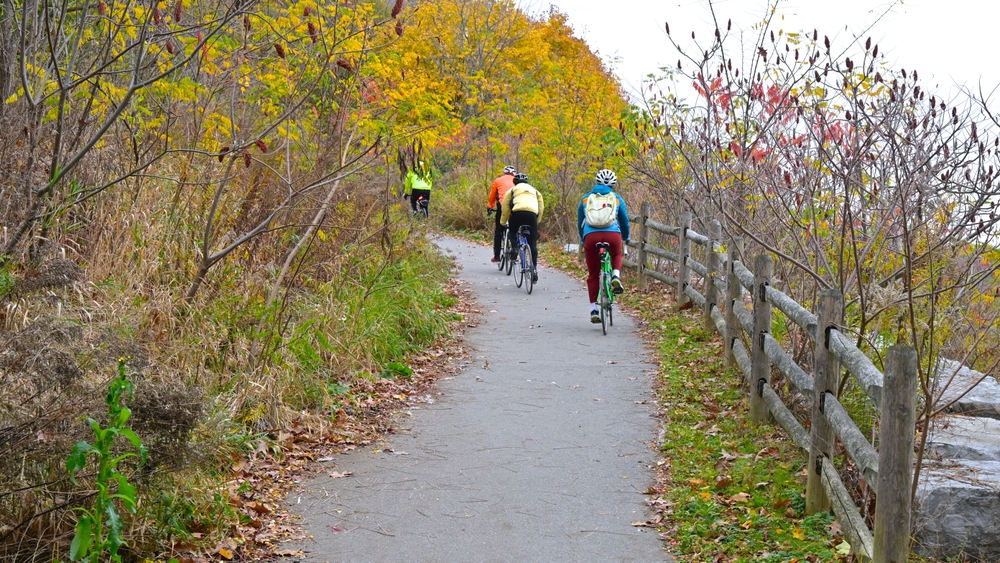
Volunteer trail-building groups are responsible for maintaining countless hiking, biking, and cross-country routes across Canada. They clear debris, repair erosion, install signage, and develop new routes that improve public access to outdoor recreation. Many groups also coordinate safety audits and environmental assessments to minimize ecological impact. Their work directly supports tourism and encourages healthy outdoor activity for local residents. Municipalities and parks departments often rely on volunteer expertise to expand trail networks without large budgets. These teams have created sustainable recreation systems that benefit communities and visitors while protecting natural landscapes.
Volunteer-Run Mental Health Hotlines

Volunteer-operated mental health hotlines provide immediate, confidential support to people experiencing stress, anxiety, or crisis situations. Trained volunteers offer active listening, coping strategies, and referrals to professional services when needed. These hotlines operate during evenings, weekends, and holidays, filling service gaps when clinical resources are limited. Many callers rely on these programs as a first step in seeking help, especially in regions with long wait times for mental health care. Volunteer participation helps maintain high availability and reduces operational costs, allowing more people to receive timely support during difficult moments.
Community Meal Programs and Soup Kitchens

Community meal programs and soup kitchens are often staffed primarily by volunteers who prepare, cook, and serve meals to individuals and families facing food insecurity. These programs operate in churches, community centres, and temporary pop-up locations, ensuring broad access across neighbourhoods. Volunteers also manage food donations, coordinate local partnerships, and organize weekly schedules. Their efforts reduce pressure on food banks and provide a consistent source of nutritious meals. For many participants, these programs also create safe social environments and provide access to additional support services. Volunteer involvement keeps operations steady and the community focused.
Volunteer-Led Disaster Relief and Emergency Support

Volunteer disaster relief teams respond to floods, wildfires, storms, and community-wide emergencies by providing evacuation assistance, temporary shelters, supply distribution, and safety checks. Their rapid response helps stabilize affected areas before larger agencies arrive. Volunteers receive training in first aid, logistics, and emergency planning, allowing them to support both local authorities and national organizations. In rural or remote regions, volunteer teams are often the first responders to arrive on scene. Their efforts strengthen community preparedness, improve recovery timelines, and ensure residents receive immediate assistance during critical events.
21 Products Canadians Should Stockpile Before Tariffs Hit

If trade tensions escalate between Canada and the U.S., everyday essentials can suddenly disappear or skyrocket in price. Products like pantry basics and tech must-haves that depend on are deeply tied to cross-border supply chains and are likely to face various kinds of disruptions
21 Products Canadians Should Stockpile Before Tariffs Hit
This Options Discord Chat is The Real Deal
While the internet is scoured with trading chat rooms, many of which even charge upwards of thousands of dollars to join, this smaller options trading discord chatroom is the real deal and actually providing valuable trade setups, education, and community without the noise and spam of the larger more expensive rooms. With a incredibly low-cost monthly fee, Options Trading Club (click here to see their reviews) requires an application to join ensuring that every member is dedicated and serious about taking their trading to the next level. If you are looking for a change in your trading strategies, then click here to apply for a membership.