
35,000+ smart investors are already getting financial news, market signals, and macro shifts in the economy that could impact their money next with our FREE weekly newsletter. Get ahead of what the crowd finds out too late. Click Here to Subscribe for FREE.
Housing affordability has become a national headache, with major cities like Toronto and Vancouver pricing out most first-time buyers. Yet, beyond the big metropolitan centres, many towns still offer accessible housing without sacrificing quality of life. Here are 20 Canadian towns where housing is still affordable.
Moncton, New Brunswick
20 Canadian Towns Where Housing Is Still Affordable
- Moncton, New Brunswick
- Saint John, New Brunswick
- Trois-Rivières, Quebec
- Saguenay, Quebec
- Thunder Bay, Ontario
- Sudbury, Ontario
- Sault Ste. Marie, Ontario
- Timmins, Ontario
- Windsor, Ontario
- Brandon, Manitoba
- Moose Jaw, Saskatchewan
- Prince Albert, Saskatchewan
- Lethbridge, Alberta
- Medicine Hat, Alberta
- Red Deer, Alberta
- Fort St. John, British Columbia
- Quesnel, British Columbia
- Charlottetown, Prince Edward Island
- Summerside, Prince Edward Island
- Corner Brook, Newfoundland and Labrador
- 21 Products Canadians Should Stockpile Before Tariffs Hit

Moncton continues to stand out as one of the most affordable urban centres in Atlantic Canada. The city offers detached homes at prices significantly below the national average, often in the $300,000 range, while still providing a full suite of amenities like schools, hospitals, and shopping districts. Its strong bilingual culture and growing service sector make it appealing for professionals. Employment opportunities in logistics, customer service, and healthcare create stability, while its airport and central location in the Maritimes support accessibility.
Saint John, New Brunswick
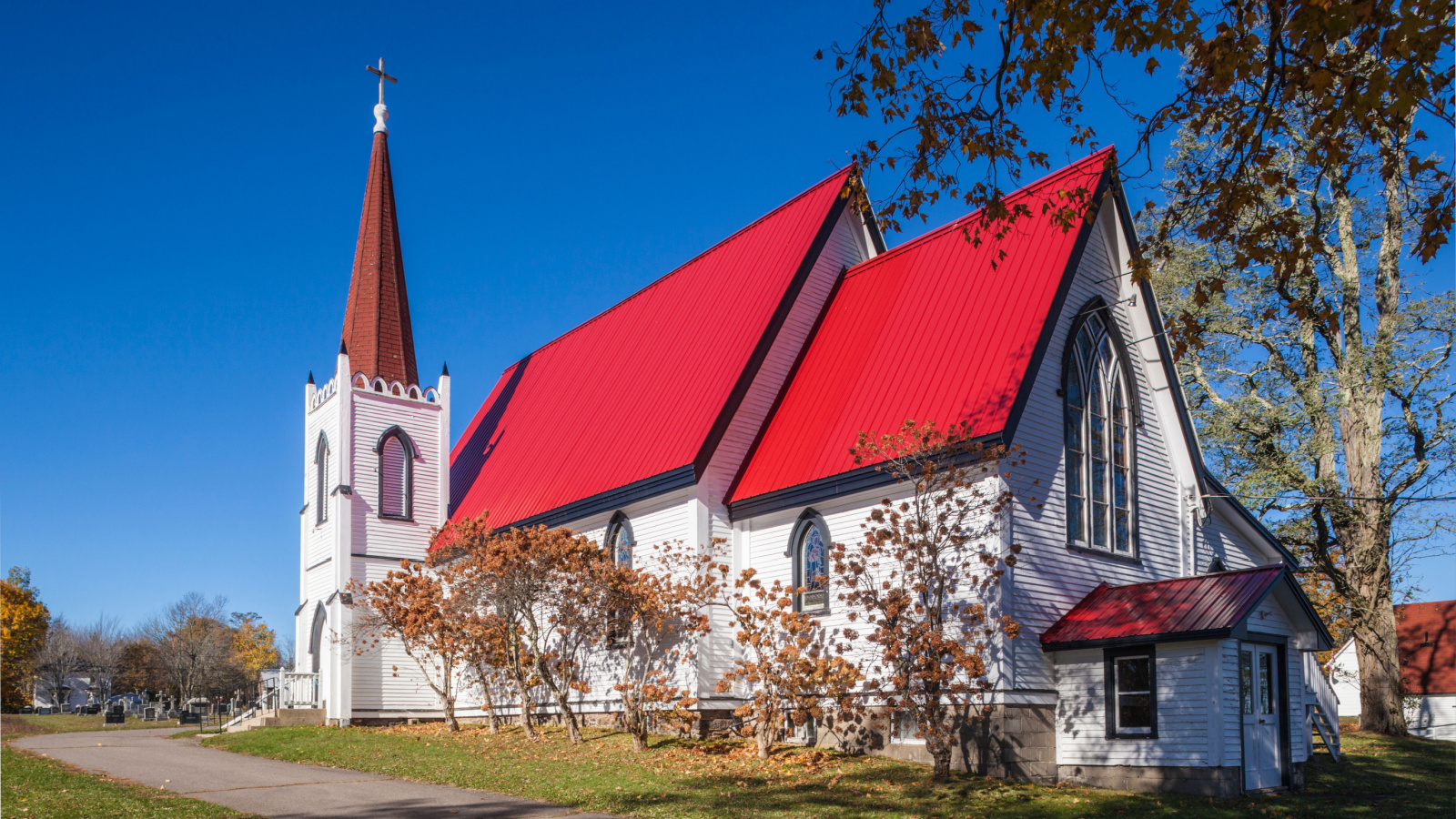
Saint John’s housing market remains remarkably accessible compared to other port cities. Properties can still be found below $250,000, especially outside the downtown core. The city has a historic charm with Victorian architecture, a bustling waterfront, and a revitalizing uptown. Industries like energy, shipping, and healthcare support the local economy, providing steady employment. Unlike pricier markets, Saint John allows families to purchase larger homes or even waterfront properties without financial strain. With new cultural investments and improved infrastructure, the city manages to balance affordability with livability.
Trois-Rivières, Quebec

Trois-Rivières, located between Montreal and Quebec City, offers housing options often priced 40–50% below those of metropolitan centres. Detached homes commonly list under $300,000, while condominiums can be secured for even less. The city benefits from a strong manufacturing history, complemented by expanding educational and cultural sectors. It has a French-speaking majority, giving it a distinct cultural identity. Access to the St. Lawrence River and its growing tourism scene adds lifestyle appeal. For buyers seeking affordability without losing access to larger job markets, Trois-Rivières provides a compelling option.
Saguenay, Quebec
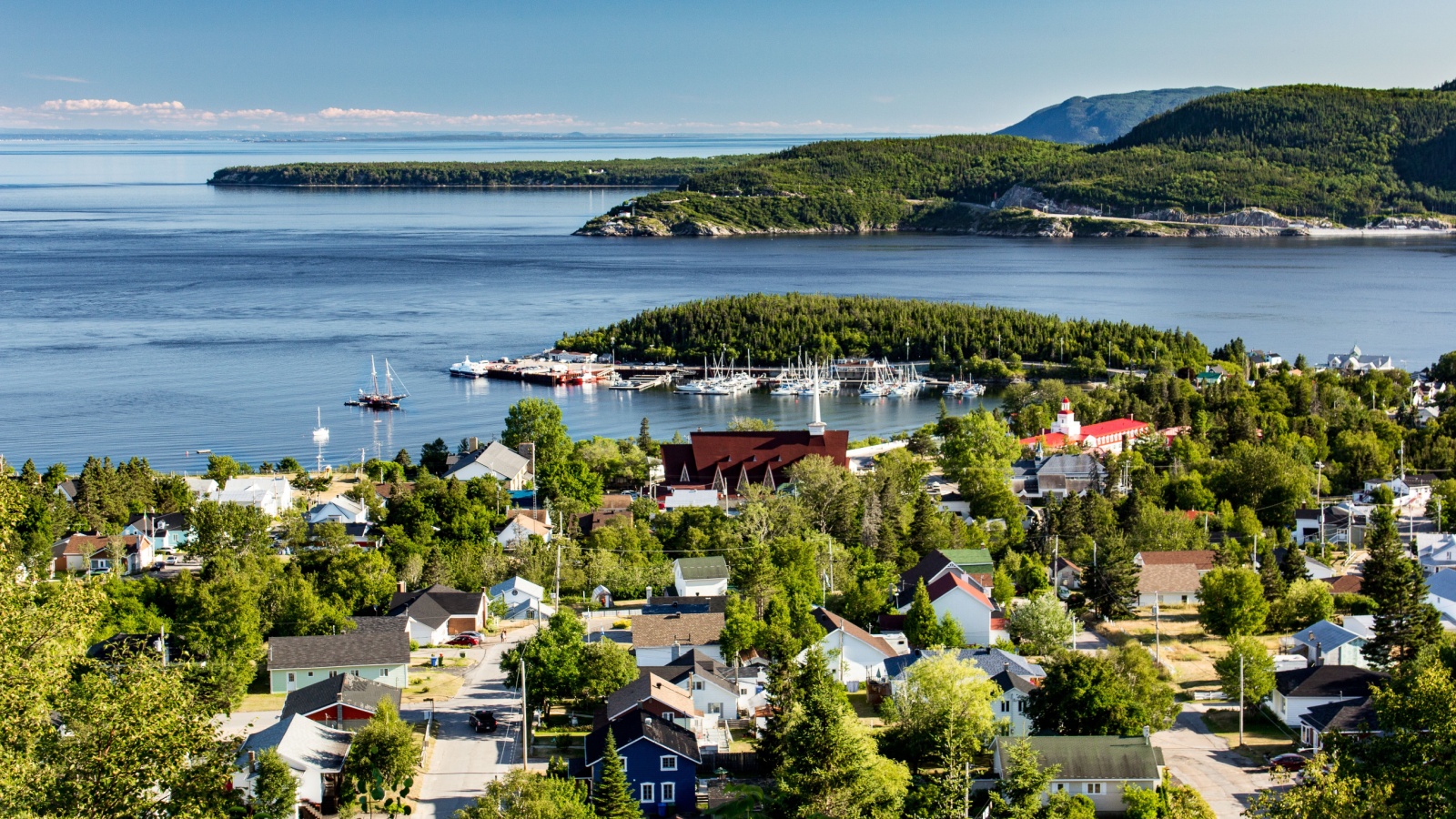
Saguenay remains one of the most budget-friendly regions in Quebec. Average housing costs sit well below the provincial average, with spacious homes often under $300,000. The area has a strong natural resource sector, particularly in aluminum and forestry, which supports its economy. Residents enjoy proximity to breathtaking natural landscapes, including fjords and national parks, adding lifestyle benefits alongside affordability. The city also has universities and healthcare facilities, ensuring residents don’t sacrifice essential services.
Thunder Bay, Ontario

Thunder Bay is one of Ontario’s most affordable housing markets despite being a significant urban centre in the north. Home prices often sit under $350,000, far below southern Ontario averages. The city offers strong healthcare, education, and transportation infrastructure, including a regional airport. Economic drivers include natural resources, healthcare, and public services, which provide steady employment opportunities. Thunder Bay also boasts a thriving outdoor lifestyle, with Lake Superior and the surrounding wilderness at its doorstep. And, while it lacks the rapid growth of southern cities, its affordability and livability make it attractive for buyers who prioritize financial stability over metropolitan hype.
Sudbury, Ontario

Sudbury remains a hidden gem for affordability in northern Ontario. Homes frequently list under $400,000, significantly less than in Toronto or Ottawa. The city has a diverse economy, anchored by mining, education, and healthcare. Laurentian University and multiple research institutions add intellectual vibrancy to the area. Residents benefit from access to hundreds of lakes and outdoor activities while still enjoying city conveniences. With continued investment in mining technology and public services, Sudbury provides both affordability and job opportunities. For those priced out of Ontario’s major southern cities, it offers a reasonable alternative with space, infrastructure, and a community-oriented lifestyle.
Sault Ste. Marie, Ontario
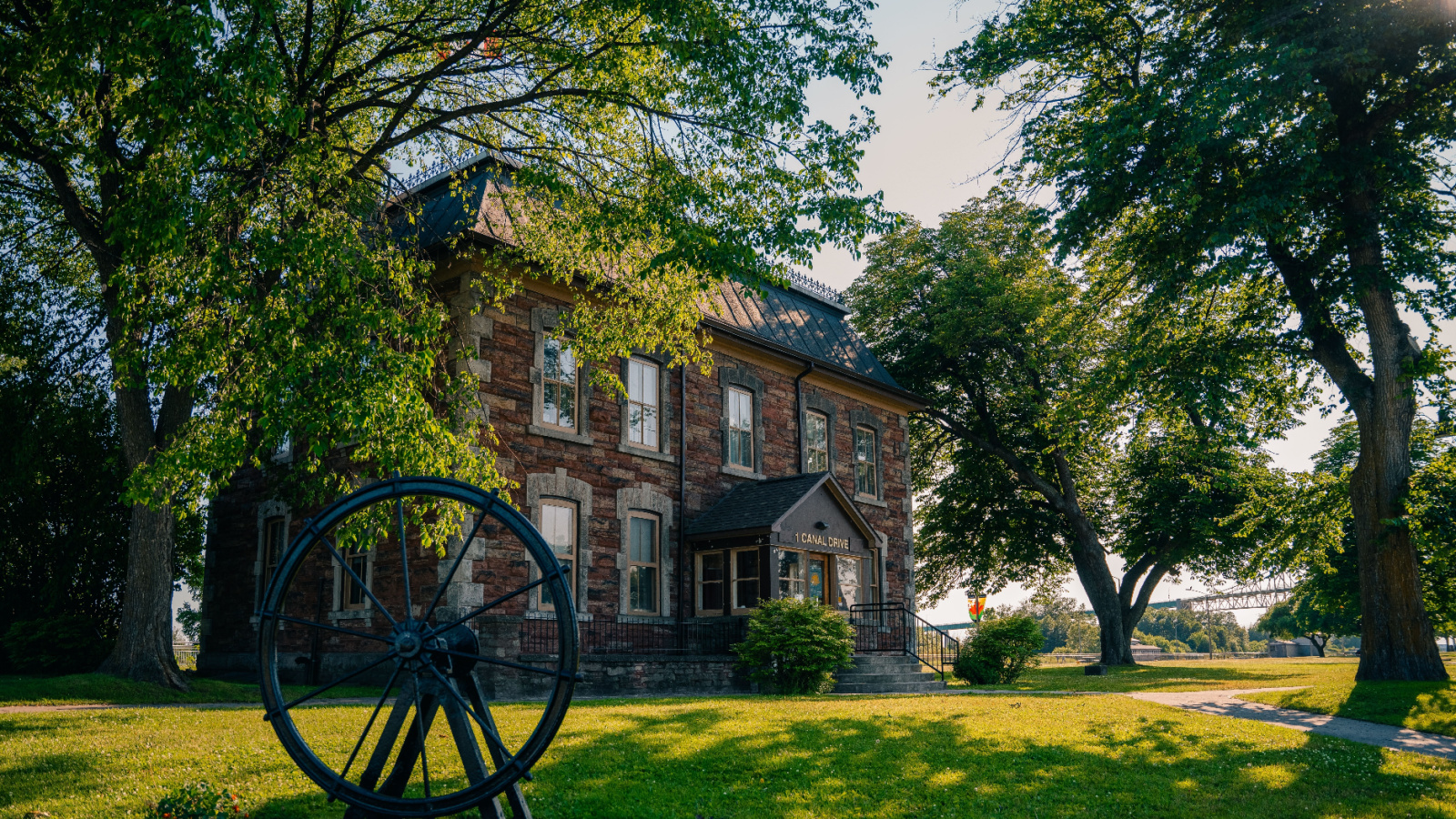
Sault Ste. Marie continues to deliver affordable housing options, with detached homes often available for under $350,000. Situated on the U.S. border, it offers cross-border trade and travel opportunities. The local economy is supported by steel manufacturing, renewable energy, and tourism, which contribute to a stable employment base. The city benefits from its scenic location on the St. Marys River, adding lifestyle perks alongside low real estate costs. Unlike southern Ontario, buyers here can often secure larger properties without entering bidding wars.
Timmins, Ontario
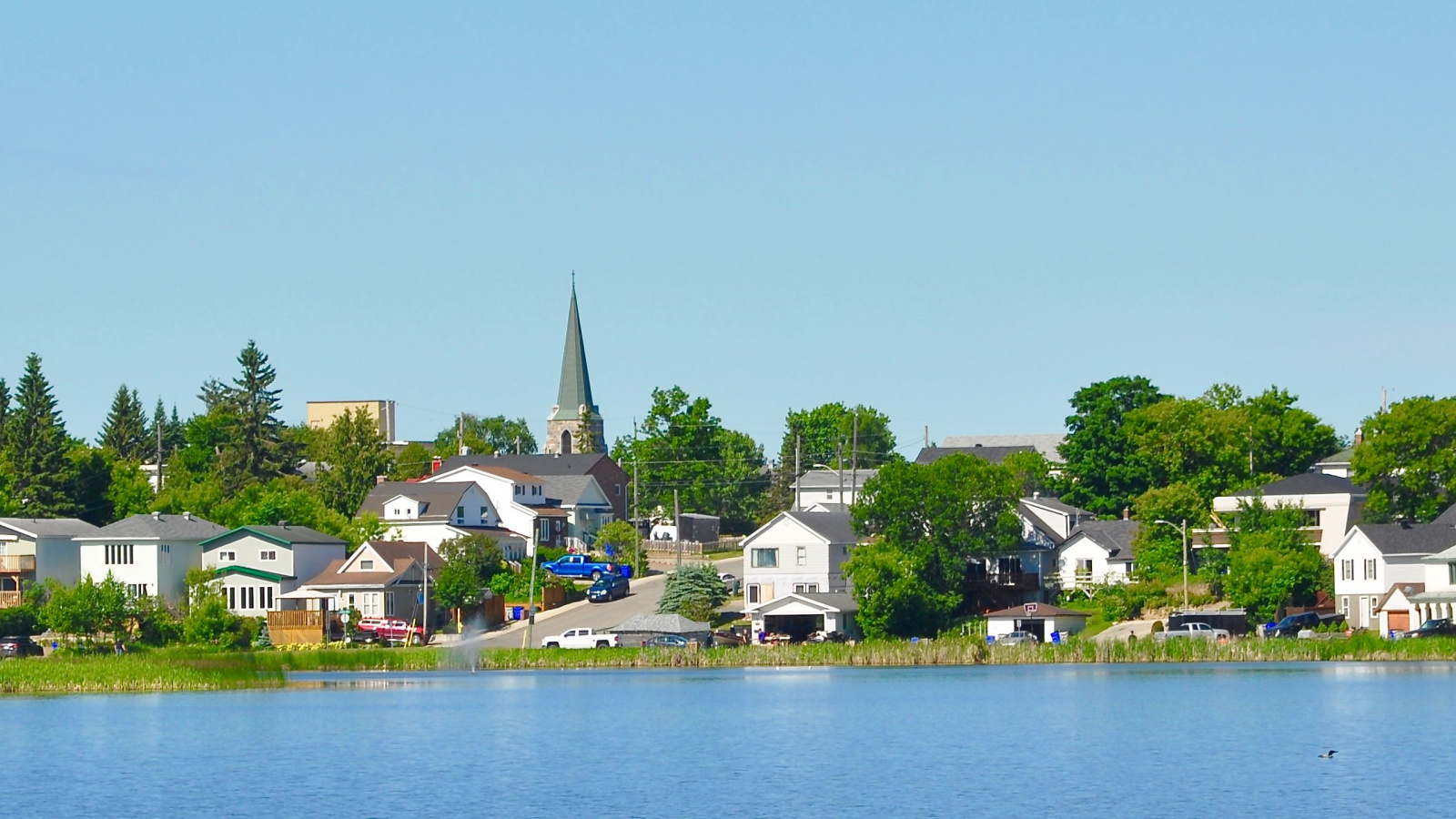
Timmins is another northern Ontario hub where housing remains within reach for many buyers. Properties often list under $300,000, making it one of the province’s least expensive markets. Mining is a key economic driver, providing stability in employment, while forestry and retail also contribute. Timmins offers a smaller community feel with access to essential services, including hospitals and schools. Outdoor recreation opportunities abound, from fishing to snowmobiling. While remote compared to southern centres, its affordability and tight-knit community appeal to buyers seeking financial relief and a slower pace of life.
Windsor, Ontario

Windsor provides an affordable alternative to Toronto’s crushing real estate market. Average home prices still hover under $500,000, significantly below GTA levels. Its proximity to Detroit opens opportunities for cross-border employment and cultural exchange. Automotive manufacturing, post-secondary institutions, and healthcare anchor the local economy. Windsor’s waterfront, cultural festivals, and revitalized downtown enhance livability. For buyers, the city offers accessible housing without sacrificing urban conveniences. Though prices have risen in recent years, Windsor remains a more affordable option within southern Ontario.
Brandon, Manitoba

Brandon offers affordable housing in the Prairies, with average home prices around $300,000. The city benefits from its agricultural base, supplemented by healthcare and education. As Manitoba’s second-largest city, it provides services and amenities comparable to larger centres while maintaining smaller-town affordability. Its population has grown steadily due to immigration and post-secondary institutions, which contribute to a dynamic community. Brandon combines affordability with stability, making it appealing for families and first-time buyers. Residents enjoy access to parks, cultural events, and employment opportunities without facing the inflated costs of larger metropolitan centres.
Moose Jaw, Saskatchewan

Moose Jaw remains one of Saskatchewan’s most affordable housing markets, with properties often under $300,000. The city benefits from its proximity to Regina while retaining a small-town appeal. Industries like agriculture, transportation, and tourism sustain the economy, providing employment options. Moose Jaw has developed a reputation for affordable living combined with quirky attractions, such as its historic tunnels and spa culture. Residents have access to essential services, schools, and healthcare without high living costs.
Prince Albert, Saskatchewan

Prince Albert stands out for its accessible real estate market, with average prices well under $300,000. As a hub between northern resource industries and southern farmland, it has a diversified economy. The city provides essential services, including healthcare and education, making it an important regional centre. Outdoor enthusiasts benefit from its proximity to lakes and provincial parks. While it lacks the rapid growth of larger cities, Prince Albert compensates with affordability and community orientation. For families seeking more space at lower costs, it remains one of Saskatchewan’s most appealing housing markets.
Lethbridge, Alberta

Lethbridge offers a relatively affordable alternative within Alberta, with homes averaging under $400,000. The city’s economy benefits from agriculture, education, and healthcare, providing a stable foundation. Post-secondary institutions like the University of Lethbridge contribute to a vibrant community with cultural and educational opportunities. Residents enjoy mild winters compared to other Alberta regions, along with access to natural attractions. While housing costs have risen slightly, the city remains within reach for buyers compared to Calgary or Edmonton. For those seeking affordability with urban conveniences and a university-driven culture, Lethbridge stands out as a balanced and appealing housing market.
Medicine Hat, Alberta

Medicine Hat is known for offering some of the lowest housing prices among Alberta’s urban centres. Average homes frequently fall below $350,000, making ownership more accessible. The city has earned the nickname “Gas City” due to its natural gas reserves, which contribute to affordable utilities. Employment opportunities in energy, healthcare, and retail support the economy. Residents also enjoy extensive parklands and recreational facilities. Despite being a smaller city, it offers strong infrastructure and amenities. Its affordability, combined with livability, continues to attract newcomers.
Red Deer, Alberta

Red Deer provides a midpoint option between Calgary and Edmonton, with more affordable housing than both metropolitan centres. Average prices hover around $400,000, significantly lower than in larger cities. Its economy is tied to energy, agriculture, and healthcare, offering stable employment opportunities. The city’s location along Highway 2 ensures easy access to both Calgary and Edmonton, giving residents flexibility. Red Deer also has strong recreational amenities, including sports facilities and parks. While prices have inched upward, it remains far more affordable than Alberta’s major hubs, making it attractive for families and individuals looking for a balance between affordability and connectivity.
Fort St. John, British Columbia

Fort St. John, located in northeastern British Columbia, provides an affordable alternative within a province known for sky-high housing prices. Average homes can still be purchased for under $450,000, significantly less than coastal cities like Vancouver or Victoria. The economy revolves around energy, particularly natural gas and hydroelectric projects, supporting employment. Despite its northern location, the city offers modern amenities and strong infrastructure. Outdoor recreation opportunities abound, from hiking to fishing. While its economy is resource-dependent, affordability remains a key draw.
Quesnel, British Columbia
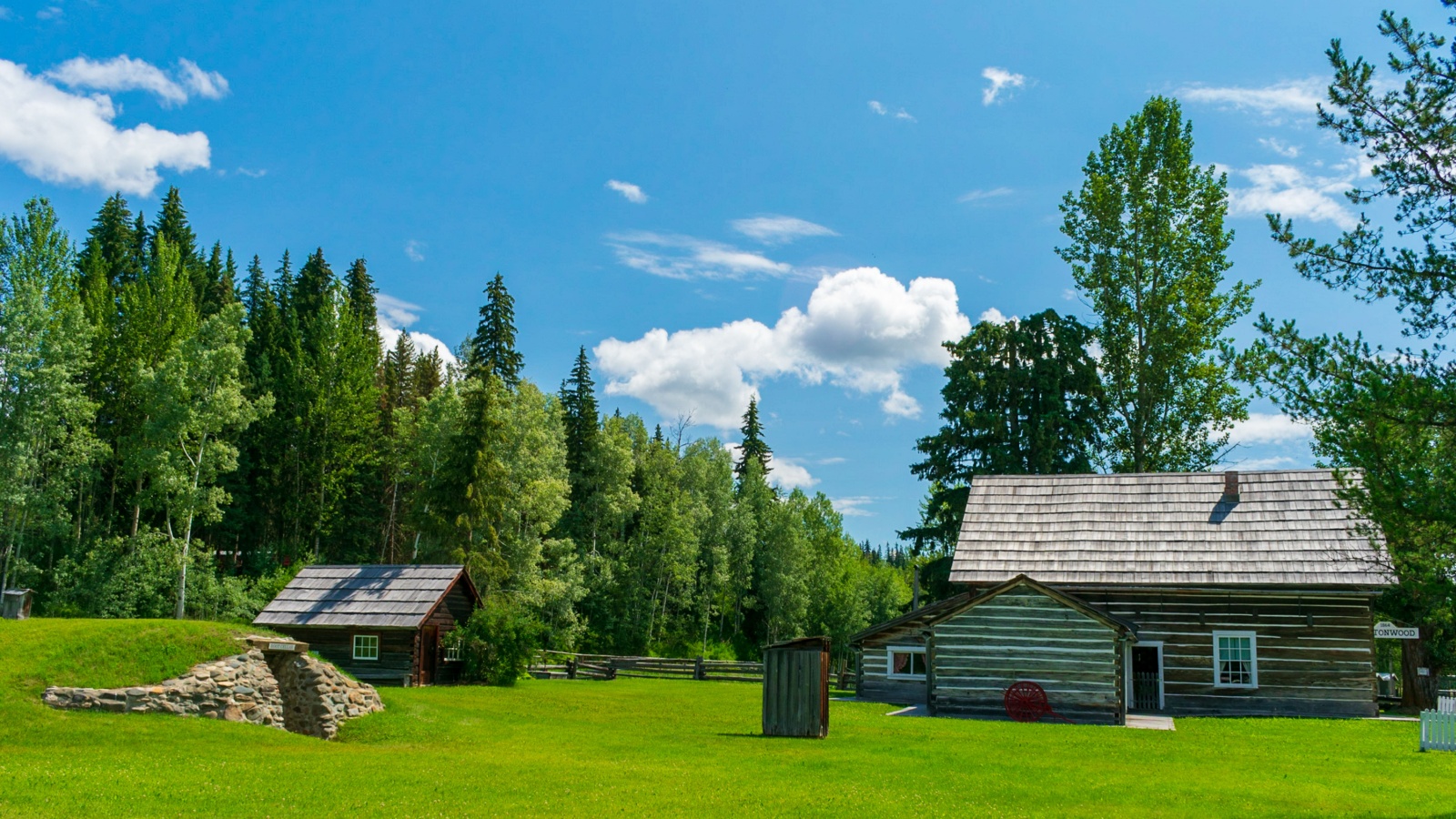
Quesnel stands out in B.C. for its accessible housing prices, often averaging under $400,000. The local economy is tied to forestry, mining, and small businesses, providing stability despite its smaller size. Residents enjoy a relaxed pace of life and proximity to outdoor recreation. Essential services, schools, and healthcare are present, reducing the need to travel to larger centres. Unlike the Lower Mainland, Quesnel’s market allows families and individuals to purchase spacious properties without financial strain. Its affordability, combined with community-oriented living, makes it a viable option for those seeking a balance between cost and quality of life in B.C.
Charlottetown, Prince Edward Island

Charlottetown continues to offer affordability compared to larger Canadian cities, with average home prices under $400,000. The city benefits from its status as the provincial capital, providing government, healthcare, and education employment opportunities. Tourism also plays a strong role in the local economy, adding vibrancy during the summer months. Residents enjoy cultural amenities, historic architecture, and a tight-knit community atmosphere. While prices have risen due to increased migration, the city remains more affordable than markets in Ontario or British Columbia.
Summerside, Prince Edward Island
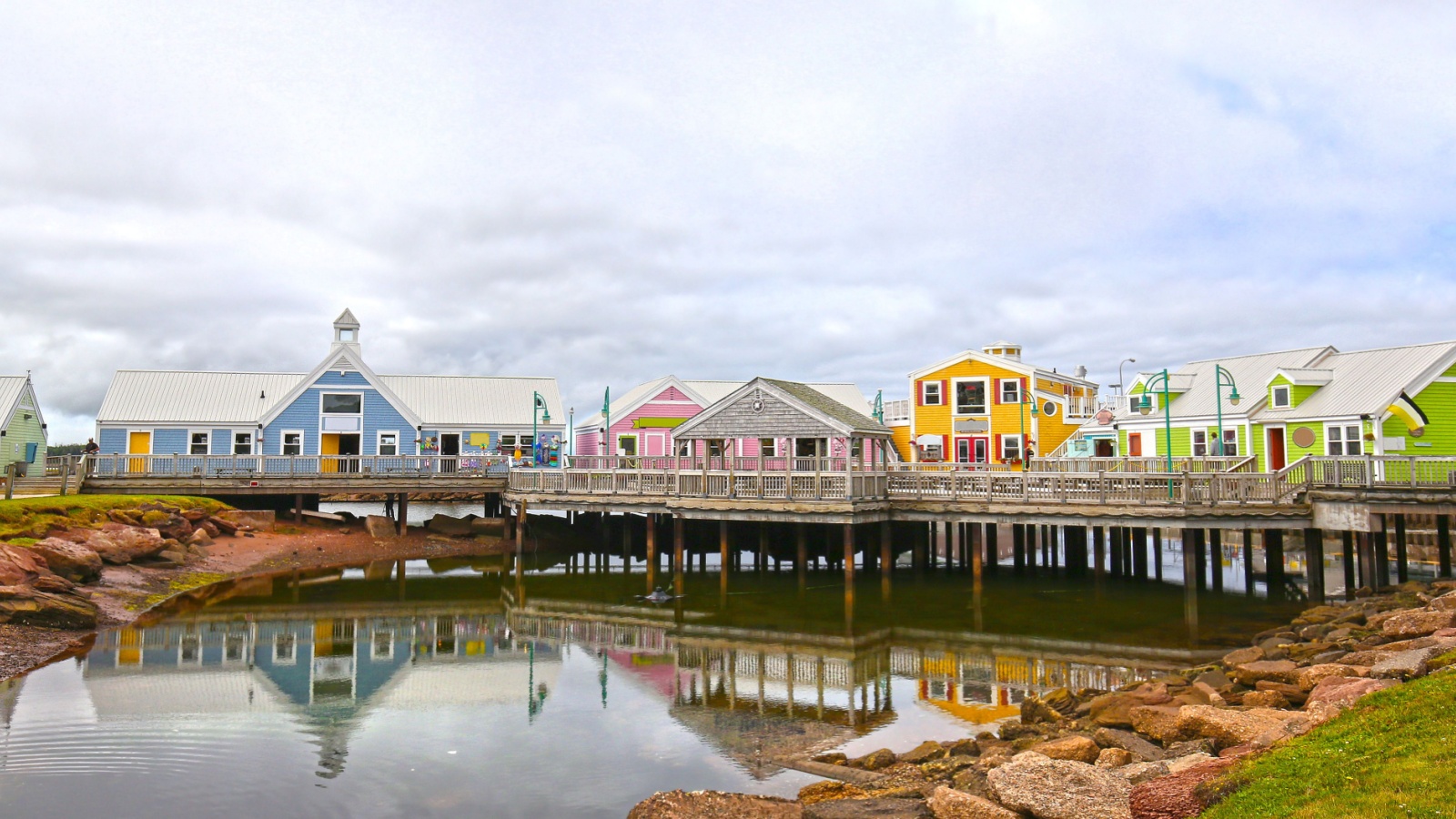
Summerside offers even more affordable housing than Charlottetown, with average prices still under $350,000. As PEI’s second-largest city, it provides essential services, schools, and healthcare while retaining a smaller community feel. The local economy encompasses aerospace, renewable energy, and tourism, fostering a diverse employment landscape. Its coastal setting adds lifestyle appeal, and its population growth has been steady, supported by new residents seeking affordability. Unlike high-demand markets across the country, Summerside continues to allow families to purchase homes at accessible price points.
Corner Brook, Newfoundland and Labrador

Corner Brook remains one of the most affordable housing markets in Newfoundland, with average home prices often under $300,000. The city’s economy is tied to forestry, healthcare, and education, creating steady opportunities for residents. Its location on the west coast of the island offers natural beauty and access to a range of outdoor recreational activities, from skiing to hiking. Residents enjoy a slower pace of life while still having essential services nearby. Compared to larger urban centres, housing costs remain significantly lower, making home ownership attainable. For those seeking financial relief and scenic surroundings, Corner Brook continues to deliver affordability without compromising on essentials.
21 Products Canadians Should Stockpile Before Tariffs Hit

If trade tensions escalate between Canada and the U.S., everyday essentials can suddenly disappear or skyrocket in price. Products like pantry basics and tech must-haves that depend on are deeply tied to cross-border supply chains and are likely to face various kinds of disruptions
21 Products Canadians Should Stockpile Before Tariffs Hit
This Options Discord Chat is The Real Deal
While the internet is scoured with trading chat rooms, many of which even charge upwards of thousands of dollars to join, this smaller options trading discord chatroom is the real deal and actually providing valuable trade setups, education, and community without the noise and spam of the larger more expensive rooms. With a incredibly low-cost monthly fee, Options Trading Club (click here to see their reviews) requires an application to join ensuring that every member is dedicated and serious about taking their trading to the next level. If you are looking for a change in your trading strategies, then click here to apply for a membership.