
35,000+ smart investors are already getting financial news, market signals, and macro shifts in the economy that could impact their money next with our FREE weekly newsletter. Get ahead of what the crowd finds out too late. Click Here to Subscribe for FREE.
For many Canadians, saving for a down payment feels like chasing a moving target. Rising home prices, stagnant wages, and higher living costs have stretched the timeline far beyond the traditional three to five years. In some cities, the dream of homeownership may take decades. This is how many years it takes to afford a down payment in every city:
Vancouver, BC – 27 Years
How Many Years It Takes to Afford a Down Payment in Every City
- Vancouver, BC – 27 Years
- Toronto, ON – 21 Years
- Victoria, BC – 19 Years
- Kelowna, BC – 17 Years
- Hamilton, ON – 16 Years
- Ottawa, ON – 14 Years
- Halifax, NS – 12 Years
- Calgary, AB – 11 Years
- Edmonton, AB – 10 Years
- Winnipeg, MB – 9 Years
- Regina, SK – 8 Years
- Saskatoon, SK – 8 Years
- Quebec City, QC – 9 Years
- Montreal, QC – 13 Years
- St. John’s, NL – 7 Years
- Moncton, NB – 7 Years
- Fredericton, NB – 8 Years
- Charlottetown, PEI – 9 Years
- Thunder Bay, ON – 8 Years
- Windsor, ON – 12 Years
- 21 Products Canadians Should Stockpile Before Tariffs Hit

In Vancouver, Canada’s most unaffordable market, saving for a down payment is essentially a career-long project. With benchmark home prices exceeding $1.2 million, a 20% down payment requires more than $240,000 in cash. Even for households managing to put aside 10% of their income annually, the path stretches to nearly three decades. High rent and cost of living further eat into savings capacity, making it difficult to accelerate the process, and for many, family assistance or inheritance has become the only way to bridge the gap to homeownership in this city.
Toronto, ON – 21 Years

Toronto’s housing crunch has made the dream of ownership unattainable for much of the middle class. With average home prices hovering near $1 million, buyers need around $200,000 saved up front, and for those on median incomes, this translates to over 20 years of disciplined saving. Renters face an added challenge, as high rents siphon off disposable income that could otherwise go into savings. Even dual-income households often find themselves priced out, with many turning to smaller condos, co-ownership, or moving to nearby commuter towns to make homeownership a reality.
Victoria, BC – 19 Years

Victoria’s scenic coastline and desirable lifestyle have pushed housing prices to levels rivaling major metros, and with homes averaging over $900,000, buyers need at least $180,000 down. At a standard savings rate, that stretches to nearly 20 years. Limited housing supply and strong demand from retirees, investors, and young professionals alike add upward pressure. Many would-be buyers find themselves competing for condos or townhomes as a more attainable entry point. Without significant income growth or financial help, the wait for a single-family home is measured in decades rather than years.
Kelowna, BC – 17 Years
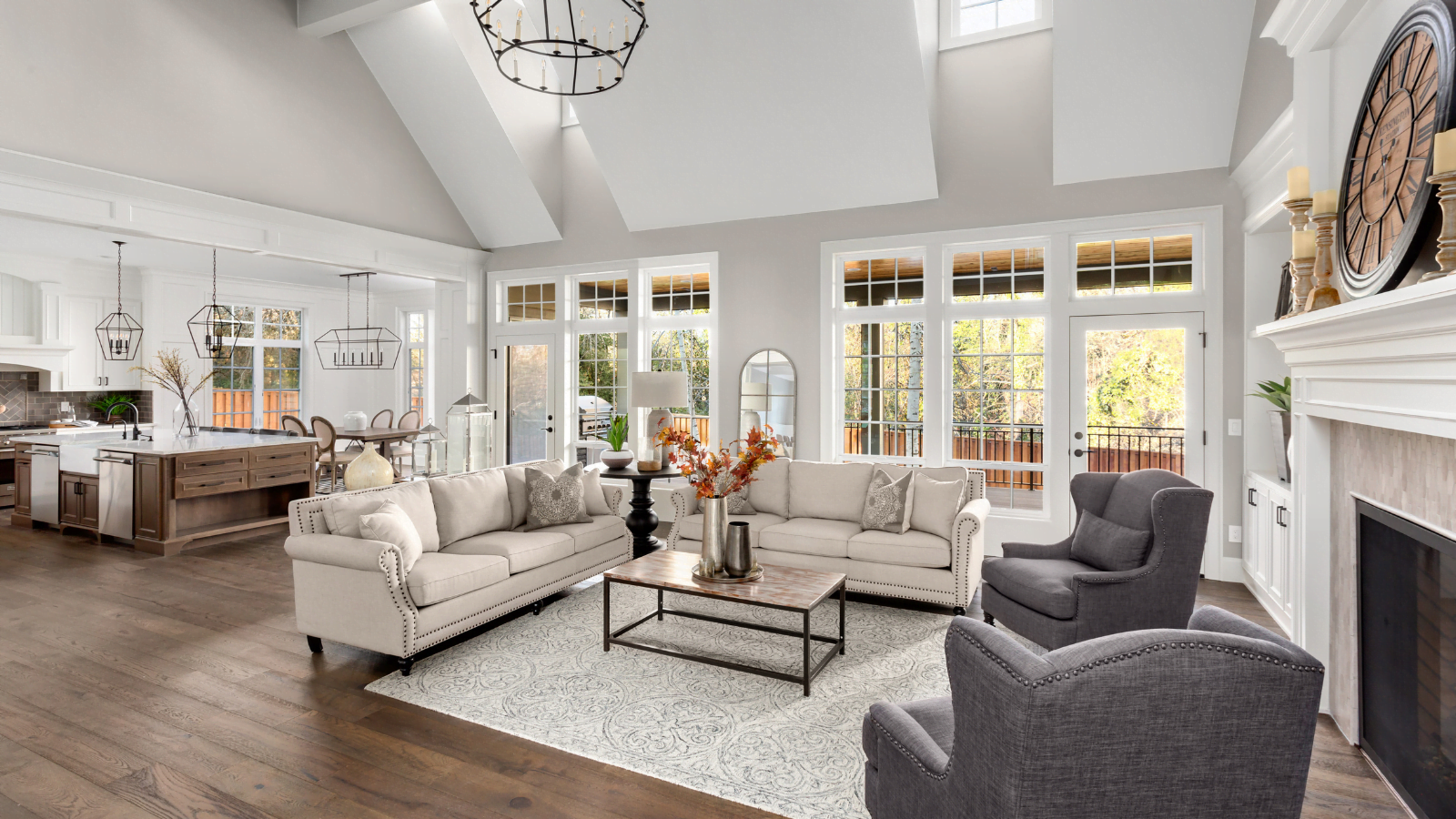
Kelowna, once seen as an affordable alternative, now mirrors Vancouver’s challenges on a smaller scale. With homes averaging about $800,000, a 20% down payment requires $160,000, and for median-income households, that represents nearly 17 years of savings. Tourism appeal, lifestyle demand, and a flood of buyers relocating from larger cities have driven prices beyond local wage growth. As a result, many Kelowna residents are turning to co-buying with family, duplexes, or smaller condos as stepping stones into the market, while the notion of buying a detached house outright remains far from realistic.
Hamilton, ON – 16 Years

Hamilton has rapidly transformed from a working-class city into a spillover hub for Toronto’s priced-out buyers. With average homes now near $750,000, buyers need about $150,000 for a down payment. On median incomes, this takes about 16 years of disciplined savings. The city’s rising popularity has tightened inventory, keeping prices high despite recent market slowdowns. While condos and townhouses offer a quicker option, detached homes remain a stretch for most. The city embodies the new reality for many Canadians, and what was once affordable has now drifted into long-term financial planning.
Ottawa, ON – 14 Years

Canada’s capital offers some relief compared to Toronto, but affordability remains strained. With average homes around $650,000, a 20% down payment works out to $130,000, and at average savings rates, it takes about 14 years to reach that goal. While Ottawa boasts a strong job market, government stability, and relatively moderate living costs, wages haven’t kept pace with home price growth. Many first-time buyers turn to condos as stepping stones, hoping to build equity toward larger properties later. Even so, the dream of a detached family home often requires patience or dual incomes.
Halifax, NS – 12 Years

Halifax has seen housing demand skyrocket in recent years, fueled by population growth and remote workers relocating east. Average home prices now hover around $500,000, requiring a $100,000 down payment, and for those on local incomes, this translates to roughly 12 years of saving. Rising rents make it tougher for residents to set money aside, while competition from out-of-province buyers puts additional pressure on prices. Despite the challenges, Halifax remains more attainable than many larger markets, especially for those willing to compromise on home type or location within the metro area.
Calgary, AB – 11 Years

Calgary stands out as one of the more attainable large markets, though rising demand has narrowed the gap. With homes averaging about $475,000, buyers need roughly $95,000 saved upfront, and on median incomes, this works out to about 11 years of saving. Alberta’s lack of provincial sales tax and relatively lower cost of living offer an advantage compared to Ontario and B.C. However, competition has been heating up, particularly from buyers migrating from more expensive provinces. While timelines remain long, Calgary still provides a realistic path to homeownership compared to other big cities.
Edmonton, AB – 10 Years

Edmonton remains one of Canada’s few big cities where down payment timelines are still in reach. With average homes priced at about $400,000, buyers need an $80,000 down payment. On a typical household income, that takes about a decade of consistent saving. Edmonton’s affordability is aided by a stable housing supply and slower price growth compared to other metros. This has kept ownership more attainable for locals, even as national markets tighten. While high interest rates affect monthly costs, Edmonton’s lower entry point continues to attract first-time buyers and families looking for value.
Winnipeg, MB – 9 Years

In Winnipeg, homeownership is still within reach for many, and with average homes around $350,000, a 20% down payment requires about $70,000. That works out to roughly nine years of saving for households on median incomes. While affordability has eroded slightly in recent years, Winnipeg remains one of Canada’s more balanced markets. Steady wage growth, combined with relatively low living costs, makes saving feasible compared to bigger metros. For young families and first-time buyers, the city offers a realistic chance to get into the market without decades of waiting.
Regina, SK – 8 Years

Regina continues to be one of the most accessible housing markets in Canada. With average home prices around $320,000, a down payment comes to about $64,000, and for those on typical incomes, this requires about eight years of saving. Saskatchewan’s slower population growth and steady housing supply have kept prices in check, allowing locals to enter the market sooner than their counterparts in Toronto or Vancouver.
Saskatoon, SK – 8 Years

Similar to Regina, Saskatoon offers a relatively short path to homeownership compared to most Canadian cities. With homes averaging about $330,000, a 20% down payment requires $66,000, which represents about eight years of disciplined saving on a median household income. Saskatoon benefits from a younger population, lower overall costs, and a more balanced housing market. While affordability challenges are creeping in, buyers here still enjoy timelines that are a fraction of those in Ontario or B.C. For many Canadians, Saskatoon represents what housing used to look like before the affordability crisis.
Quebec City, QC – 9 Years

Quebec City has quietly remained one of the most affordable major urban centers in Canada. With average homes around $340,000, a 20% down payment requires about $68,000, and for median-income households, this works out to about nine years of saving. Unlike other hot markets, Quebec City hasn’t experienced the same runaway price growth, giving locals a better chance at entering the market. Lower living costs also help residents put more aside for savings, and while affordability is slowly eroding, Quebec City continues to stand out as a stable, reachable market.
Montreal, QC – 13 Years

Montreal offers a middle ground between Canada’s most expensive and most affordable markets. With average home prices near $600,000, a 20% down payment requires $120,000, which translates to about 13 years of saving for households on typical incomes. Montreal’s housing demand has surged in recent years, particularly for condos and family-sized units, putting pressure on prices, but still, compared to Toronto and Vancouver, the path to ownership remains more attainable. Buyers willing to start small, such as with condos or duplexes, can shorten their timelines and build equity toward larger properties later.
St. John’s, NL – 7 Years

St. John’s remains one of the fastest markets for building a down payment. With average home prices at roughly $300,000, a 20% down payment works out to $60,000, and on local incomes, that can take about seven years of saving. Newfoundland’s slower population growth and less speculative housing environment have helped keep affordability within reach. For residents, this means a realistic shot at homeownership without the decades-long waits seen elsewhere. While higher interest rates still shape borrowing costs, the ability to reach down payment savings in under a decade makes St. John’s stand out.
Moncton, NB – 7 Years

Moncton’s housing market has risen in recent years but remains attainable compared to national averages. With homes averaging about $280,000, a 20% down payment requires $56,000, and at median income levels, that represents about seven years of saving. Population growth has tightened the market, but prices haven’t yet reached the extreme levels of larger cities. Many first-time buyers are still able to get into the market with a reasonable timeline, making Moncton one of the more attractive smaller metros for affordability-minded Canadians.
Fredericton, NB – 8 Years

Fredericton offers affordability paired with steady demand, making homeownership a realistic target for locals. With average homes around $300,000, buyers need about $60,000 upfront, and for households on typical incomes, this equates to around eight years of saving. While prices have risen due to migration from more expensive provinces, they remain manageable compared to national averages. Lower rents and living costs also help residents save more effectively as Fredericton remains one of the country’s better-kept secrets in terms of affordability and attainable timelines for young families and first-time buyers.
Charlottetown, PEI – 9 Years
Charlottetown’s housing market has tightened in recent years, but it’s still possible to save for a down payment in under a decade. With homes averaging around $330,000, a 20% down payment comes to $66,000, and on median incomes, this takes about nine years. PEI’s limited housing supply and high demand from both locals and newcomers have driven prices up, but not to the extreme levels seen in B.C. or Ontario. For those committed to staying on the island, the timeline remains challenging but not impossible.
Thunder Bay, ON – 8 Years
Thunder Bay stands out as one of Ontario’s last relatively affordable housing markets. With homes averaging around $310,000, a 20% down payment requires $62,000, and for households on typical incomes, that represents about eight years of saving. While prices have climbed as demand spreads into smaller markets, Thunder Bay still offers a realistic path for ownership compared to southern Ontario. Local wages and lower living costs also make it easier to set aside money. For buyers priced out of Toronto and Ottawa, Thunder Bay remains a far more attainable option.
Windsor, ON – 12 Years

Windsor has transformed from a once-overlooked market into one of Ontario’s hottest regions. With homes averaging about $500,000, buyers need around $100,000 for a down payment, and for local households, that translates to about 12 years of saving. Proximity to the U.S. border, strong demand, and spillover from the Greater Toronto Area have fueled price growth. While the market remains cheaper than Toronto, wages haven’t kept up with rising home values. For many Windsor residents, ownership is still possible, but the days of short down payment timelines are long gone.
21 Products Canadians Should Stockpile Before Tariffs Hit

If trade tensions escalate between Canada and the U.S., everyday essentials can suddenly disappear or skyrocket in price. Products like pantry basics and tech must-haves that depend on are deeply tied to cross-border supply chains and are likely to face various kinds of disruptions
21 Products Canadians Should Stockpile Before Tariffs Hit
This Options Discord Chat is The Real Deal
While the internet is scoured with trading chat rooms, many of which even charge upwards of thousands of dollars to join, this smaller options trading discord chatroom is the real deal and actually providing valuable trade setups, education, and community without the noise and spam of the larger more expensive rooms. With a incredibly low-cost monthly fee, Options Trading Club (click here to see their reviews) requires an application to join ensuring that every member is dedicated and serious about taking their trading to the next level. If you are looking for a change in your trading strategies, then click here to apply for a membership.