
35,000+ smart investors are already getting financial news, market signals, and macro shifts in the economy that could impact their money next with our FREE weekly newsletter. Get ahead of what the crowd finds out too late. Click Here to Subscribe for FREE.
Canada has long depended on imported goods, from fashion and electronics to toys and kitchenware. However, a shift is underway, as more Canadians are opting for locally made alternatives, driven by concerns over quality, supply chain disruptions, and a renewed sense of national pride. Whether it’s supporting domestic jobs or wanting longer-lasting goods, the tide is turning, and many shoppers are now saying “No thanks” to imports. Here are 20 reasons Canadians are finally saying “no” to imported goods:
Concerns Over Quality and Durability
20 Reasons Canadians Are Finally Saying “No” to Imported Goods
- Concerns Over Quality and Durability
- Supporting Canadian Jobs and Businesses
- Supply Chain Disruptions
- Rise of Eco-Conscious Buying
- Desire for Ethical and Fair Labor Practices
- Shorter Warranty Wait Times
- Preference for Canadian Design and Aesthetics
- Desire to Reduce Packaging Waste
- Faster Response to Weather and Seasonality
- Growing Trust in Canadian Privacy Standards
- Rising Canadian Consumer Patriotism
- Transparency in Supply Chains
- Avoiding Tariffs and Trade Tensions
- Faster Returns and Exchanges
- Better After-Sales Support
- Increasing Awareness of Green Jobs
- Better Fit for Canadian Standards
- Rising Trust in Local Artisans
- Inflation Makes Imports Less Competitive
- Desire to Preserve Canadian Craft Legacy
- 21 Products Canadians Should Stockpile Before Tariffs Hit

Many Canadians have grown weary of imported goods that fail sooner than expected, with flaking finishes, broken seams, or electronic glitches. Domestic products are often held to higher regulatory standards and craftsmanship expectations, whether it’s a Canadian-made winter coat or cookware set, and shoppers report longer-lasting satisfaction. This reliability builds trust and undermines the appeal of cheap imports, and consumers choosing local often feel they’re paying for consistency and sturdiness. When a locally made item lasts five or ten times longer than a knockoff, the initial price difference becomes less relevant.
Supporting Canadian Jobs and Businesses

There’s an emotional satisfaction in knowing purchases help families and communities across Canada. Choosing a Canadian-made product, be it furniture, clothing, or craft goods, keeps money local, supporting jobs in manufacturing, design, and retail. Especially in smaller towns, these jobs matter. Many Canadians feel a growing sense of responsibility to help domestic industries thrive in an economy dominated by imports. Even if local goods cost more upfront, the payoff comes in civic pride and economic resilience.
Supply Chain Disruptions

The pandemic-era shortages taught harsh lessons about overreliance on global supply chains. From delayed electronics to missing kitchen appliances and empty grocery shelves, Canadians experienced firsthand the downsides of offshore manufacturing. As a result, many are seeking goods produced or stocked locally to avoid unpredictable wait times. The frustration of canceled orders and shipping delays has prompted shoppers to turn to Canadian alternatives, which, although priced higher, often arrive on time.
Rise of Eco-Conscious Buying

Environmental concerns are prompting Canadians to rethink long-distance shipping. Imported goods often carry a high carbon footprint, from container ships to air freight, while local products travel shorter distances and often involve greener practices. Whether it is organic bedding or regionally crafted mirrors, consumers feel eco-guilt lifted when goods aren’t shipped halfway across the world. At the same time, many domestic producers also emphasize sustainable sourcing and lower-impact packaging. The combination of reduced emissions and transparent production methods is turning local goods into the greener choice, and giving Canadians another reason to say “no” to imports.
Desire for Ethical and Fair Labor Practices
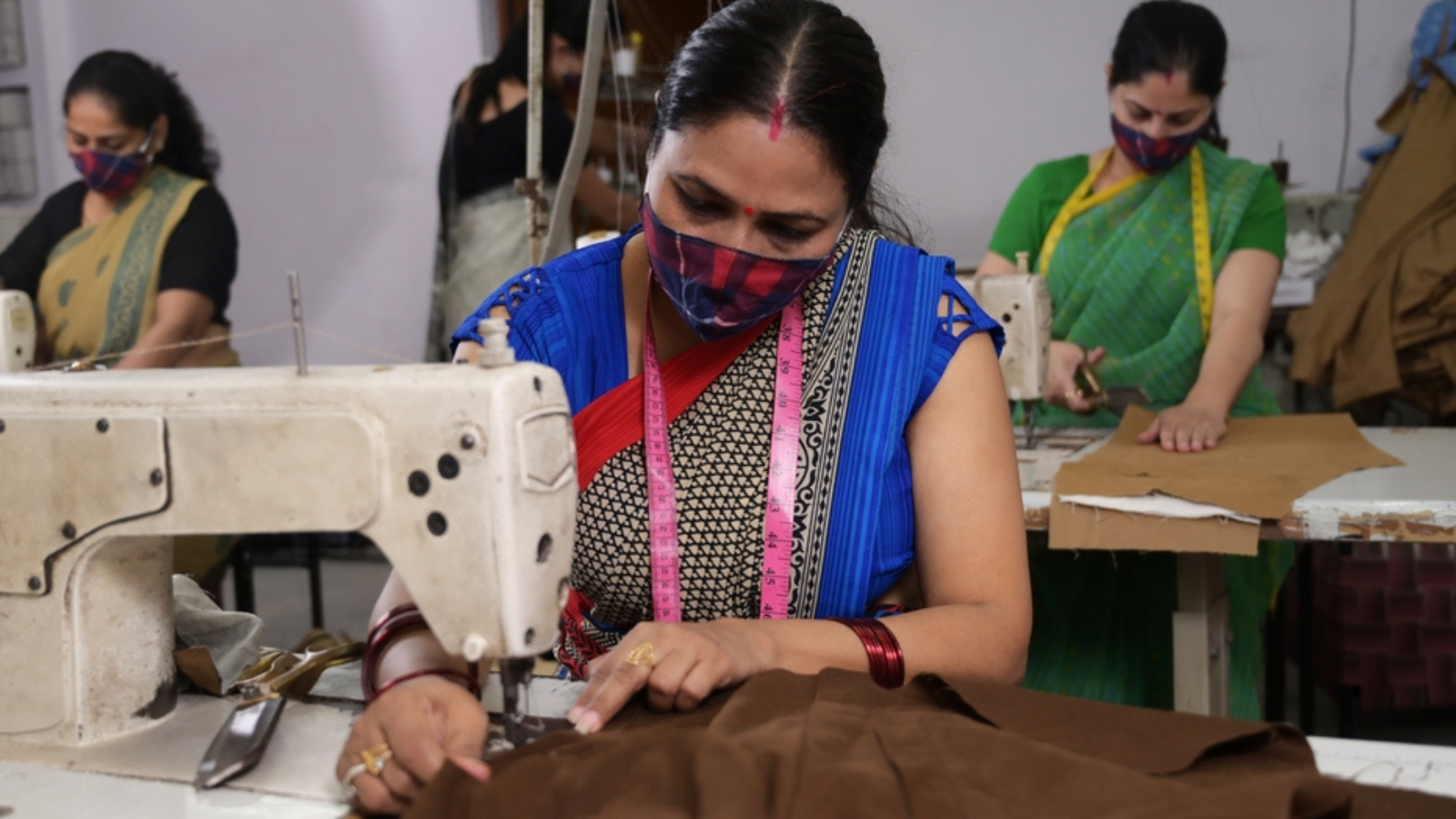
Reports of unfair labour conditions and poor factory oversight in overseas factories, particularly in Asia, have alarmed Canadian consumers. When a brand touts ethical sourcing but imports goods made in faraway factories with uncertain standards, many shoppers feel misled. In contrast, Canadian brands often provide insight into their production, from fair wages to workplace safety, and knowing that well-treated workers are involved in making a jacket or pair of boots builds trust. The disconnect between branded promises and overseas realities has opened the door for domestic producers with transparent, fair-labour credentials.
Shorter Warranty Wait Times

Imported goods often come with lengthy, complicated warranty procedures or rely on manufacturers overseas, making repairs difficult. Locally produced products tend to offer Canada-based warranty service, quick turnaround, and easy exchanges. Whether it’s a household appliance or a pair of boots, shoppers appreciate that they won’t have to wait weeks for a part or shipping instructions. Speedy and localized support is a key advantage, and Canadians are increasingly valuing products with warranties backed by domestic service centers that understand local needs and requirements.
Preference for Canadian Design and Aesthetics

Canadians are increasingly drawn to locally inspired styles, whether it’s rustic cookware, craft candles, or fashion that reflects Canadian seasons and landscapes. International goods can often feel disconnected from local culture, whereas domestic producers frequently incorporate local aesthetics and narratives into their designs, resonating emotionally with buyers. This connection makes shopping feel less transactional and more personal, making it easier to feel proud of a product made in Canada, because it often reflects where you live.
Desire to Reduce Packaging Waste

Many imported products arrive overpackaged, with layers of plastic, foam, and international labeling. Canadian consumers are rejecting that waste in favor of locally produced goods that use minimal or recyclable packaging. Homegrown makers often ship with less plastic and more thoughtful materials, reducing landfill burden. Whether it’s kitchen goods or kids’ toys, minimal packaging is increasingly appreciated by eco-conscious shoppers. The frustration of opening bulky imported boxes to find a tiny product inside has shifted behavior toward Canadian products that get straight to the point with less waste.
Faster Response to Weather and Seasonality

Canadian weather shifts dramatically, and local producers adapt more quickly, whether that means stocking snow pants by October or selling campwear just before summer. Imported inventories often arrive out of sync, missing seasonal demand or availability windows by months, while local brands respond more quickly, restock regionally, and tailor their offerings to meet Canadian needs seasonally. This seasonality advantage keeps shelves fresh and relevant. When it comes to snow boots or sunscreen, Canadians prefer options that align with real-time weather, not those delayed due to imports stuck in transit.
Growing Trust in Canadian Privacy Standards

Some imported smart devices and electronics raise privacy concerns, especially those manufactured in regions with lax data protection laws. Canadian consumers are increasingly concerned about surveillance, data security, and where their information is stored, while those who prefer domestic or vetted overseas brands with Canadian-based customer support feel safer. Even international brands that offer Canadian data centres now get preference. The peace of mind that comes from knowing personal data is not being transmitted to foreign servers or used for questionable purposes adds yet another reason to favor trusted domestic alternatives over cheaper electronic imports.
Rising Canadian Consumer Patriotism

Amid growing concerns about economic self-reliance, more Canadians are developing a sense of patriotic pride in purchasing domestic goods. It’s seen as a small act of resistance against global consolidation, supporting rural factories, artisanal makers, and Canadian entrepreneurs. Social media campaigns, such as #BuyCanadian, have fueled awareness, and even social impact investing often ties back to consumer product choices. The emotional reward of knowing your money supports Canada’s supply chain, rather than foreign conglomerates, makes saying “no” to imports feel like a statement, while consumer patriotism is quietly reshaping purchase patterns across various categories.
Transparency in Supply Chains

Imported goods often come with obscure supply chains of multiple intermediaries, shifting factories, and opaque sourcing. Canadian consumers have begun demanding transparency to know where fabrics originate, who manufactures them, and under what conditions. Local brands more easily offer factory tours, traceable materials, and clean-label selling. The ability to see exactly who makes a product and where it is made builds confidence, but when an imported garment says “Made in China,” many feel unsure. Canadian products that open up their provenance often win trust and business from customers tired of import mysteries as a result.
Avoiding Tariffs and Trade Tensions

Trade disruptions, such as tariffs or diplomatic friction, can lead to price spikes on imported goods. Canadians have experienced this with outdoor gear and electronics during recent trade disputes, while local products avoid unpredictable taxes and price shifts triggered by trade policy changes. Buying domestic means prices are more stable and not tied to shifting international trade or currency swings. This reliability is appealing to budget-conscious shoppers, and even for standard categories like cookware or clothing, Canadians are choosing locally made goods to sidestep imported volatility and keep costs predictable.
Faster Returns and Exchanges

Imported goods often arrive with return hurdles, such as international shipping, restocking fees, or blocked refunds, while Canadian sellers offer more streamlined local return policies, faster processing, and easier exchanges. Even if a product ships from abroad, having a Canadian returns address removes friction. The convenience of knowing you can exchange an ill-fitting item in-store or get a refund quickly encourages shoppers to avoid import-only brands. Even if a foreign product is cheaper, the hassle of returning it outweighs the savings, while local retailers prioritize hassle-free care as a selling point.
Better After-Sales Support

Beyond warranties, local products often come with better customer support, including real phone lines, Canadian call centres, and troubleshooting in local languages. Imported brands may require contacting overseas support, uploading proof, or waiting weeks for replacement parts, causing an inconvenience that is turning Canadians toward local producers who stand behind their goods. Whether it’s a kitchen appliance or a cozy sweater, customers appreciate it when they can get updates and help without incurring international wait times or dealing with error-prone email chains.
Increasing Awareness of Green Jobs

As Canada pushes toward net-zero emissions, Canadians want their money to support green economies like solar tech, recycled textiles, and locally made EV chargers. Imported products, particularly those with a high plastic content or petrochemical origins, don’t contribute to domestic job creation in sustainable industries. In contrast, supporting Canadian-made goods means supporting emerging clean-tech manufacturing and low-carbon operations. This sense of being part of an eco-economy resonates, and saying “no” to imports motivates the development of greener domestic manufacturing, contributing to Canada’s climate goals and turning consumer choice into climate action.
Better Fit for Canadian Standards

Imported products may not meet Canadian standards for safety, energy performance, or climate suitability. Examples include outdoor gear that isn’t rated for cold weather, electronics lacking Canadian energy certification, or batteries constrained by temperature. On the other hand, domestic goods are often designed or adjusted to meet Canadian standards, from CSA certification to cold-weather durability, and Canadians recognize that imported versions may fail in real-world conditions. This reliability and tailored performance give local goods a practical edge and carry more weight than an imported alternative that says otherwise.
Rising Trust in Local Artisans

Handcrafted goods, from furniture and ceramics to skincare and preserves, are gaining traction in Canada. Local artisans often use regional materials and traditional methods, offering authenticity and craftsmanship that imports cannot match. Customers feel they are buying stories, not just products; the rise of maker markets and online platforms like Etsy Canada encourages support for local creators. Imported mass-produced items stand in contrast, as they are sterile, repetitive, and devoid of connection. As consumers seek uniqueness and ethical production, local artisans are favored, and imported knockoffs fall out of favor.
Inflation Makes Imports Less Competitive

Inflation and currency fluctuations have driven up the cost of imported goods, narrowing price gaps between offshore and local products. When the Canadian dollar drops, imported electronics, textiles, and furniture get more expensive, sometimes even pricier than domestic equivalents. Meanwhile, Canadian-made goods remain insulated from exchange-rate swings. This pricing reality makes local options more competitive, sometimes equal to or cheaper, eliminating one of the last arguments for choosing imports. As a result, Canadians noticing similar or better local prices with more substantial value are increasingly saying “no” to foreign-made alternatives.
Desire to Preserve Canadian Craft Legacy

For many households, Canadian craftsmanship is an integral part of the national heritage, from wool blankets and wooden furniture to artisanal maple syrups and soap. Buying local is about honoring that legacy and preserving generational know-how, but when imports flood the market, niche Canadian makers suffer. Choosing domestically made products supports that legacy and helps it survive for future generations. Canadians are starting to view their purchase decisions not just as economic transactions, but as small choices that help ensure Canadian craftsmanship remains alive.
21 Products Canadians Should Stockpile Before Tariffs Hit

If trade tensions escalate between Canada and the U.S., everyday essentials can suddenly disappear or skyrocket in price. Products like pantry basics and tech must-haves that depend on are deeply tied to cross-border supply chains and are likely to face various kinds of disruptions
21 Products Canadians Should Stockpile Before Tariffs Hit
This Options Discord Chat is The Real Deal
While the internet is scoured with trading chat rooms, many of which even charge upwards of thousands of dollars to join, this smaller options trading discord chatroom is the real deal and actually providing valuable trade setups, education, and community without the noise and spam of the larger more expensive rooms. With a incredibly low-cost monthly fee, Options Trading Club (click here to see their reviews) requires an application to join ensuring that every member is dedicated and serious about taking their trading to the next level. If you are looking for a change in your trading strategies, then click here to apply for a membership.