
35,000+ smart investors are already getting financial news, market signals, and macro shifts in the economy that could impact their money next with our FREE weekly newsletter. Get ahead of what the crowd finds out too late. Click Here to Subscribe for FREE.
As trade relations between Canada and the U.S. continue to become more strained, many Canadians are moving away from American brands. Some consumers have even questioned unfair pricing, political controversy, questionable business practices, or a lack of local investment. Here are 15 U.S. companies Canadians should think twice about supporting:
Walmart
15 U.S. Companies Canadians Should Think Twice About Supporting

Walmart may offer low prices, but many Canadians are reconsidering the actual cost of supporting the company as Walmart Canada faces criticism for squeezing out local competitors, underpaying workers, and abandoning smaller communities when profits dip. The company’s labor practices have also sparked unionization battles, and its environmental record has drawn scrutiny from many. While it remains a convenient option for consumers, Walmart’s effect on Canadian retail diversity and its American-centric corporate decisions with little Canadian input have pushed many consumers against supporting the company.
Starbucks

While Starbucks built an empire on coffee culture, some Canadians argue that the company negatively impacts Canada’s strong local café identity. The company has been accused of pushing out neighborhood cafés and replacing them with a uniform and corporate feel through high prices, aggressive expansion, and limited support for Canadian suppliers. Despite its sustainability branding, many cups remain non-recyclable in most provinces while not meeting the standards that many consumers who value community-based businesses or fair-trade sourcing benefits look for.
Amazon

Amazon delivers speed and convenience but has also faced criticism in Canada for undercutting local retailers, exploiting warehouse labor, and contributing to unsustainable packaging waste. Many of the company’s Canadian operations route through the U.S., which affects everything from tax revenue to job creation. Additionally, the company’s Prime facilities contribute to unethical working environments and carbon-heavy logistics, which have pushed many consumers away from supporting the company, particularly among those who value shopping ethically and locally.
McDonald’s

Although McDonald’s is a global icon, it has been criticized for offering low-wage, part-time jobs with few advancement opportunities for its workers. This has led many Canadians to reconsider their support of the company. The supply chain has also faced scrutiny for reliance on factory-farmed meats and ultra-processed ingredients. Even though some locations have embraced regional sourcing, many of its operations still follow a rigid U.S.-centric model.
Netflix

Despite its popularity, Netflix continues to resist federal regulations requiring it to contribute to Canadian content production while also not supporting Canadian creators and policies. This has sparked many concerns among Canadian consumers, who are also paying higher monthly rates than their American counterparts. The company’s production investments in Canada also pale compared to its profits from Canadian subscribers, leading many consumers to consider switching to homegrown platforms and public broadcasters offering rich, local storytelling.
DoorDash

DoorDash provides convenience, but Canadian restaurant owners and gig workers say the costs may not be beneficial because of high commission fees, which can go to 30% and cut into already-thin margins for local businesses. Delivery workers who work for the company have also reported low base pay, lack of benefits, and unpredictable earnings. Despite witnessing a growing footprint in Canadian cities, DoorDash remains a U.S.-based company that offers little returns to the local economy. With better domestic alternatives and direct ordering options, many Canadians support restaurants more sustainably.
Best Buy

Best Buy Canada is considered a reliable electronics go-to, but many shoppers are reconsidering showing their support for the company. Frequent staff reductions and store closures in smaller cities have left gaps in service, while upselling tactics and inconsistent return policies frustrate buyers all over the country. The deals promoted in Canada also do not match those in the U.S. offered for the same products. With many strong Canadian tech retailers and better online options emerging, Best Buy may witness declining support in the country.
Uber
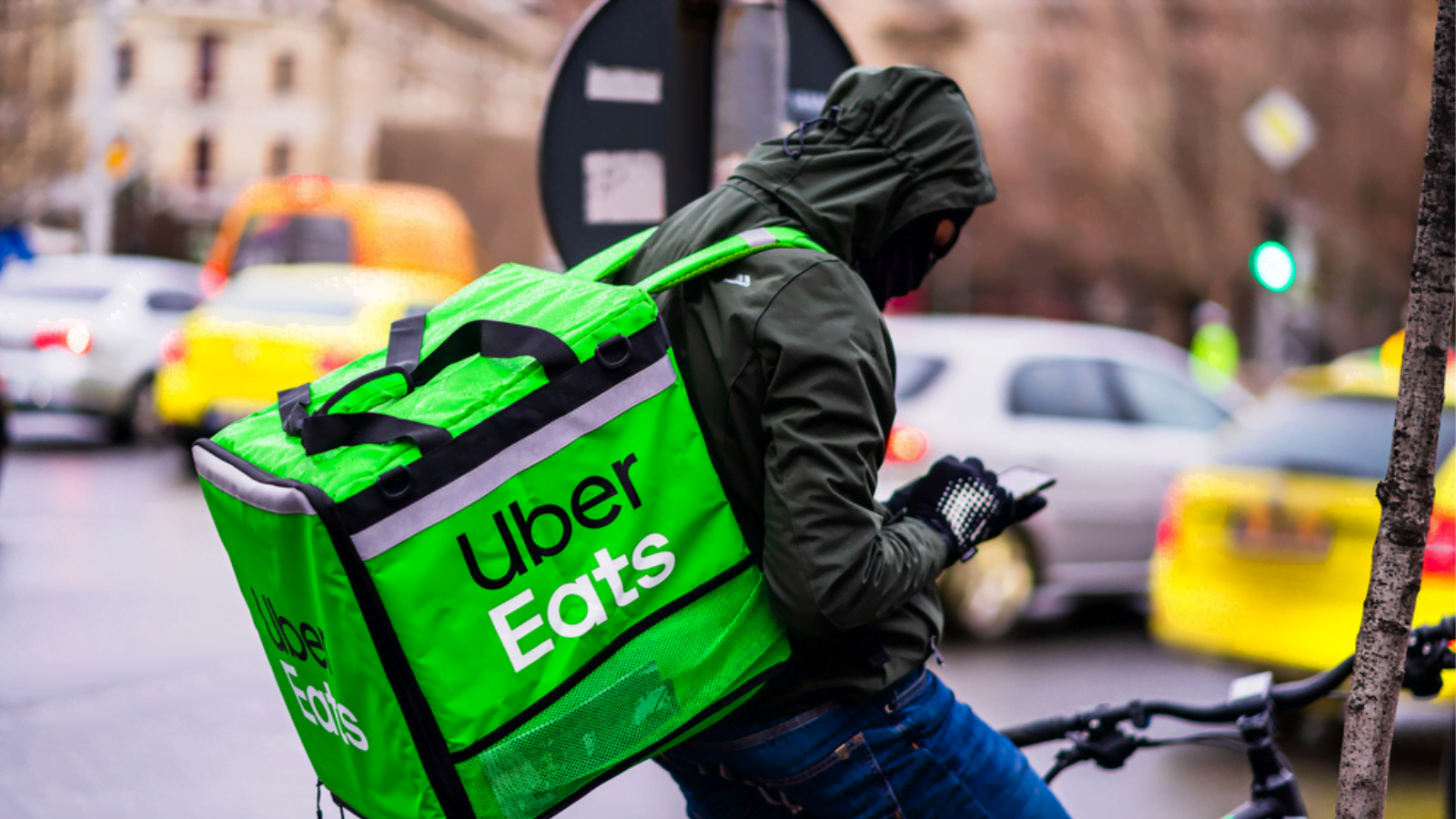
Uber has revolutionized urban transport, but in many Canadian cities, from Toronto to Vancouver, the company has contributed to increased congestion, undercut traditional taxi services, and left drivers with low pay and no job security. The company has also lobbied against local labor protections in Canada, and its surge pricing model frequently penalizes riders during peak hours or emergencies, adding to consumers’ frustrations. This has caused many consumers to reconsider the way they travel around cities and switch to alternatives like local co-ops or transit partnerships.
Facebook (Meta)

Under the Meta banner, Facebook now battles with Canadian journalism, particularly its refusal to pay for local news content, which has triggered a national backlash. Facebook’s algorithm also spreads misinformation and polarizing content that impacts everything from elections to public health. Despite profiting from millions of Canadian users, Meta contributes little to domestic journalism, innovation, or cultural development, pushing Canadians concerned about privacy, democracy, or the future of local media to other platforms instead.
Home Depot

Home Depot dominates the home improvement space in Canada but sources much of its inventory from U.S. suppliers, sidelining Canadian-made products in the process. The company’s labor practices have also faced scrutiny, with part-time scheduling and limited upward mobility for store employees. While it markets itself as community-focused, it has closed multiple locations in Canadian towns with little warning, causing inconveniences among consumers who rely on the company. This has led many to shift their support towards Canadian hardware chains that support local sourcing and offer more tailored services.
Victoria’s Secret

Victoria’s Secret has struggled to stay relevant in Canada due to outdated ideals and branding strategies. While Canadian consumers have increasingly embraced inclusive, body-positive lingerie companies, Victoria’s Secret has been slow to adapt and has witnessed reports of toxic workplace culture, a lack of diverse sizing, and sexual harassment allegations. This has significantly impacted the company’s image among Canadian shoppers, who have shifted their support towards Canadian brands that value representation and ethics.
Spirit Halloween

Every fall season, Spirit Halloween fills up many storefronts across Canadian cities. However, the company imports most costumes and décor from overseas, with little engagement in local economic ecosystems. Many of its products are also cheaply made, non-recyclable, and end up in Canadian landfills after one use. This has raised many concerns among Canadian consumers who value sustainability and ethical production, leading them to buy from locally owned costume shops that support theater communities and year-round businesses instead.
Apple

Apple’s sleek designs and ecosystem loyalty keep Canadians hooked to the company for its products. However, products often launch with limited availability in Canada, and prices are regularly inflated compared to U.S. markets. The company has also faced criticism over repair restrictions, discouraging third-party service providers, and promoting costly upgrades over longevity. Apple also benefits from generous Canadian sales, but its investment in local R&D, support, or innovation remains minimal. With the growing interest in sustainability and data ethics, some Canadians are rethinking their support for the company.
Dollar Tree

Dollar Tree, which now owns Dollar Giant and other outlets across Canada, imports most of its merchandise from overseas, bypassing Canadian suppliers and raising concerns over product safety, poor-quality goods, and misleading the cheap branding that often comes with short shelf lives or hidden costs. Consumers looking for reliable and affordable options can instead turn towards Canadian dollar stores like Dollarama, which offer a better record of compliance and community presence, instead of relying on the U.S. company’s often substandard items.
Chevron

Chevron sells fuel nationwide but remains firmly U.S.-owned and has been criticized for environmental infractions and lobbying efforts against climate action. Its profits also rarely benefit Canadian infrastructure, and the company has faced backlash for limited transparency and price inconsistencies at the pump. With Canada pushing toward greener energy and carbon accountability, supporting a company with a questionable environmental track record may not align with Canadian values. Canadians can shift to alternatives that include cleaner energy providers and local fuel cooperatives instead.
22 Times Canadian Ingenuity Left the U.S. in the Dust

When people think of innovation, they often picture Silicon Valley. However, Canada has a history of innovation, too. Whether it’s redefining sports, revolutionizing medicine, or just showing America up at its own game, Canadian inventors, thinkers, and dreamers have had their fair share of mic-drop moments. Here are 22 times Canadian ingenuity left the U.S. in the dust.
22 Times Canadian Ingenuity Left the U.S. in the Dust
This Options Discord Chat is The Real Deal
While the internet is scoured with trading chat rooms, many of which even charge upwards of thousands of dollars to join, this smaller options trading discord chatroom is the real deal and actually providing valuable trade setups, education, and community without the noise and spam of the larger more expensive rooms. With a incredibly low-cost monthly fee, Options Trading Club (click here to see their reviews) requires an application to join ensuring that every member is dedicated and serious about taking their trading to the next level. If you are looking for a change in your trading strategies, then click here to apply for a membership.