
35,000+ smart investors are already getting financial news, market signals, and macro shifts in the economy that could impact their money next with our FREE weekly newsletter. Get ahead of what the crowd finds out too late. Click Here to Subscribe for FREE.
35,000+ smart investors are already getting financial news, market signals, and macro shifts in the economy that could impact their money next with our FREE weekly newsletter. Get ahead of what the crowd finds out too late. Click Here to Subscribe for FREE.
Canada’s contributions to green technology are not just a point of national pride — they’re proof that practical, scalable, and planet-friendly innovation is alive and thriving. Whether waste-to-energy solutions in Nova Scotia, carbon capture systems in Alberta, or smart grid developments in Ontario, each technology reflects a country willing to invest in sustainable problem-solving. These are 25 green technologies that were born in Canada:
CarbonCure Technologies: Cementing a Future with CO₂-Sequestering Concrete
25 Green Technologies That Were Born in Canada
- CarbonCure Technologies: Cementing a Future with CO₂-Sequestering Concrete
- General Fusion: Commercializing Fusion Energy With Canadian Ingenuity
- Hydrostor: Turning Compressed Air into Grid-Scale Clean Energy Storage
- Ekona Power: Turbocharging Hydrogen Production Without Emissions
- Li-Cycle: Circular Economy for Electric Vehicle Batteries
- Enerkem: Transforming Trash Into Transportation Fuel
- Pond Technologies: Algae-Powered Carbon Capture
- Morgan Solar: Next-Gen Optics for Solar Efficiency
- SolarBank: Powering the Grid with Distributed Solar
- MineSense Technologies: AI for Sustainable Mining
- Svante: Fast-Track Carbon Capture with Nano-Filters
- Pyrowave: Molecular Recycling That Breaks the Plastic Code
- CleanO2: Turning Furnace Emissions into Soap
- Ostara Nutrient Recovery Technologies: Mining Fertilizer from Wastewater
- Carbon Upcycling Technologies: Cement’s Climate Companion
- GreenMantra Technologies: Upcycling Plastics into Industrial Waxes
- Flash Forest: Reforesting with Drone-Powered Precision
- Carbon Cure Technologies: Greener Concrete Through Carbon Injection
- Hydrostor: Compressed Air for Renewable Storage
- TerraFix: Soil Regeneration with Biotech-Powered Microbes
- Regen Water: AI-Optimized Wastewater Recycling
- MineSense Technologies: Real-Time Ore Optimization
- Loop Energy: Hydrogen Fuel Cell Systems for Heavy-Duty Transport
- General Fusion: Bringing the Sun’s Power to Earth
- Carbin Minerals: Turning Mine Waste into Carbon Sinks
- 22 Times Canadian Ingenuity Left the U.S. in the Dust

Halifax-headquartered company CarbonCure Technologies is a game-changer in concrete production that achieves a net effect of CO₂ uptake. The waste gas’s chemical absorption method is achieved in their patented device, which is directly inserted into the concrete mixture while wet. The main strength obtained by this process is a lower percentage of CO2 produced by the manufacturer 5-7% grinding of the green gas per cubic meter). The industry alone is responsible for 8% of the world’s total CO2 emissions, which makes the reduction of 5–7% per cubic meter by CarbonCure quite remarkable. The company claims that utilizing CarbonCure technology has contributed to removing about 290,000 metric tons of CO2 from the atmosphere, which equals the total emissions of 64,000 cars in a year.
General Fusion: Commercializing Fusion Energy With Canadian Ingenuity

Burnaby-based General Fusion is racing toward the holy grail of clean energy through commercial nuclear fusion. Using its proprietary Magnetized Target Fusion (MTF) technique, the company compresses superheated plasma using high-powered pistons into a liquid metal chamber, enabling atomic nuclei to fuse and release immense energy. Unlike nuclear fission, fusion produces zero long-term radioactive waste and no carbon emissions. The fusion chamber can generate energy outputs of 100 MW or more, potentially powering up to 100,000 homes on just a few grams of hydrogen. With more than $300 million in funding, including from Jeff Bezos, General Fusion is building a UK demonstration plant aimed at proving continuous fusion within the next five years.
Hydrostor: Turning Compressed Air into Grid-Scale Clean Energy Storage

Toronto-based Hydrostor is making waves with its Advanced Compressed Air Energy Storage (A-CAES) system. Unlike lithium-ion batteries, A-CAES is long-duration, zero-emission, and has a 50+ year lifecycle. The system compresses air with surplus renewable energy (like solar or wind), stores it underground, and releases it through turbines to regenerate electricity during peak demand. In 2024, Hydrostor secured over $300 million in investments, including support from Goldman Sachs, and is building facilities in California and Australia, each with up to 500 MW capacity and 12+ hours of discharge duration. The system has proven cheaper than lithium-ion for grid-scale, long-duration applications.
Ekona Power: Turbocharging Hydrogen Production Without Emissions

Vancouver-based Ekona Power addresses one of hydrogen’s most significant issues, making it clean and affordable. Traditional hydrogen (grey hydrogen) production via steam methane reforming emits substantial CO₂. Ekona’s methane pyrolysis reactor instead uses high-temperature pulses to split natural gas into hydrogen and solid carbon, effectively eliminating CO₂ emissions. Their process is expected to produce hydrogen at $1.50–$2.00/kg, making it competitive with fossil fuel-derived hydrogen. With $80M in funding and collaborations with global energy companies, Ekona aims to scale industrial hydrogen for steel, ammonia, and mobility sectors by 2026.
Li-Cycle: Circular Economy for Electric Vehicle Batteries

Headquartered in Mississauga, Li-Cycle is solving a looming sustainability crisis: lithium-ion battery waste. Using its proprietary “Spoke & Hub” hydrometallurgical process, Li-Cycle recovers up to 95% of critical materials like lithium, cobalt, and nickel from spent batteries. Their closed-loop system produces “black mass”, which is refined back into battery-grade chemicals without high-temperature smelting, cutting CO₂ emissions by 50–80% compared to traditional recycling. With four commercial spokes operating in North America and a central refining hub in Rochester, NY, Li-Cycle expects to process over 60,000 tonnes of battery material annually by 2025.
Enerkem: Transforming Trash Into Transportation Fuel

Headquartered in Montreal, Enerkem is at the forefront of waste-to-biofuel technology, a space often considered cost-prohibitive, until Enerkem’s modular solution came along. Their patented thermochemical process transforms non-recyclable municipal solid waste (MSW) into biofuels like methanol and ethanol. Enerkem’s Edmonton facility can divert 100,000 metric tonnes of waste annually, producing approximately 38 million liters of biofuel. According to the U.S. Department of Energy, Enerkem’s method reduces greenhouse gas emissions by 60–90% compared to gasoline. With strategic partnerships including Shell, Suncor, and Repsol, Enerkem has raised over $875 million in funding to expand globally, including upcoming plants in Quebec and Spain.
Pond Technologies: Algae-Powered Carbon Capture

Based in Markham, Ontario, Pond Technologies uses algae bioreactors to capture carbon dioxide emissions and convert them into valuable products like biofuels, animal feed, and nutraceuticals. Their algae feed off industrial smokestacks, particularly from cement and steel plants, and grow 20 to 30 times faster than terrestrial plants. Each Pond system can capture up to 60 tonnes of CO₂ per year per bioreactor, helping industries meet their net-zero goals. According to Markets and Markets, the global algae biofuel market is expected to hit $9.8 billion by 2028, and Pond Technologies is strategically positioned to dominate this niche.
Morgan Solar: Next-Gen Optics for Solar Efficiency

Toronto-based Morgan Solar manufactures panels and is reinventing how sunlight hits them. Their patented SimbaX™ optical film acts like a micro-lens, concentrating and directing sunlight precisely onto photovoltaic cells. This results in up to 30% greater energy yield in the same square footage. Their solar concentrators have found early adopters in the Middle East, India, and parts of Africa, where sun intensity is high but land is scarce. In a 2023 case study in Kenya, SimbaX-enhanced panels outperformed traditional solar arrays by 27% during peak hours. Morgan Solar’s technology is modular, low-cost, and easily retrofitted onto existing panels.
SolarBank: Powering the Grid with Distributed Solar

Operating out of Toronto and New York, SolarBank focuses on community solar installations that feed energy back to the grid, making solar accessible without private rooftop systems. With over 100 MW of installed solar capacity and contracts across Ontario, New York, and Maryland, SolarBank’s decentralized model supports utility-scale efficiency without the grid upgrades often needed for centralized farms. Their solar arrays often serve municipalities, schools, and housing co-ops, allowing residents to subscribe and save 10–15% on electricity bills.
MineSense Technologies: AI for Sustainable Mining

Vancouver’s MineSense Technologies proves that even mining, a traditionally polluting industry, can go green. Their ShovelSense™ system uses real-time sensors and AI to analyze ore quality during excavation. This enables companies to selectively mine higher-grade material, reducing waste rock by up to 20% and reducing processing emissions. A pilot at Teck Resources showed a 9% increase in metal recovery and a 7% drop in energy consumption. Mining companies using MineSense have reported annual savings of $5–10 million per site due to enhanced efficiency. With over $100 million in funding and global installations underway, the company has become a poster child for “clean mining”, a term rarely heard just a decade ago.
Svante: Fast-Track Carbon Capture with Nano-Filters

Based in Burnaby, British Columbia, Svante is revolutionizing carbon capture with its patented solid sorbent filters. Unlike traditional liquid solvents, Svante’s nano-engineered filters can capture 95% of CO₂ emissions directly from industrial flue gas in under 60 seconds. These filters are modular, scalable, and built using metal-organic frameworks (MOFs), enabling quicker installation and lower operating costs. Their pilot project with Chevron has shown a potential reduction of 300,000 tonnes of CO₂ annually, and the company recently secured a $318 million Series E round. Svante’s system is ideal for cement, steel, and hydrogen plants, some of the hardest-to-abate sectors in the climate crisis.
Pyrowave: Molecular Recycling That Breaks the Plastic Code

Montreal-based Pyrowave is tackling plastic waste with cutting-edge microwave depolymerization. Their system breaks down polystyrene (like Styrofoam) into its base monomers, which can be reused in making new plastics, without downcycling. The tech operates on-site and can process over 1,000 kg of plastic daily, reducing the need for long-haul transport. A 2022 lifecycle analysis showed that Pyrowave’s recycling method cuts emissions by 82% compared to virgin plastic production. Major brands like Michelin and L’Oréal have already integrated Pyrowave’s output into new products. With circularity becoming a regulatory mandate in Europe and North America, Pyrowave’s molecular precision gives it a significant competitive edge.
CleanO2: Turning Furnace Emissions into Soap

Calgary-based CleanO2 invented the world’s first commercial carbon capture device for furnaces, called CARBiNX. This suitcase-sized unit captures CO₂ emissions from residential and commercial natural gas heaters and transforms them into potassium carbonate, a key ingredient in liquid soaps and cleaning products. As of 2024, over 200 units are installed in Canada and the U.S., preventing over 800 tonnes of CO₂ emissions annually. The soap produced is sold under the CleanO2 brand, creating a rare circular economy model where consumers can wash their hands.
Ostara Nutrient Recovery Technologies: Mining Fertilizer from Wastewater

Headquartered in Vancouver, Ostara specializes in nutrient recovery from wastewater. Their Pearl® technology extracts phosphorus and nitrogen, two key contributors to water pollution, and converts them into Crystal Green®, a slow-release, eco-friendly fertilizer. This reduces harmful algal blooms and turns wastewater into a revenue stream for municipalities. A single Ostara system can process up to 1 million gallons of wastewater daily, recovering 85% of the phosphorus content. The company’s clients include Chicago’s O’Brien Water Reclamation Plant and facilities across the EU.
Carbon Upcycling Technologies: Cement’s Climate Companion

Calgary’s Carbon Upcycling Technologies (CUT) has found a profitable way to trap CO₂ emissions in one of the world’s dirtiest industries: cement. Their reactors mineralize carbon into industrial waste materials like fly ash and slag, producing stronger, greener cement substitutes. In pilot projects, CUT’s concrete mixes cut emissions by 20–40% while increasing compressive strength by 15%. Their recent partnerships with Lafarge Canada and Cemex signal a readiness to scale. The concrete market emits over 8% of global CO₂, so even partially adopting CUT’s tech could make a planetary dent.
GreenMantra Technologies: Upcycling Plastics into Industrial Waxes
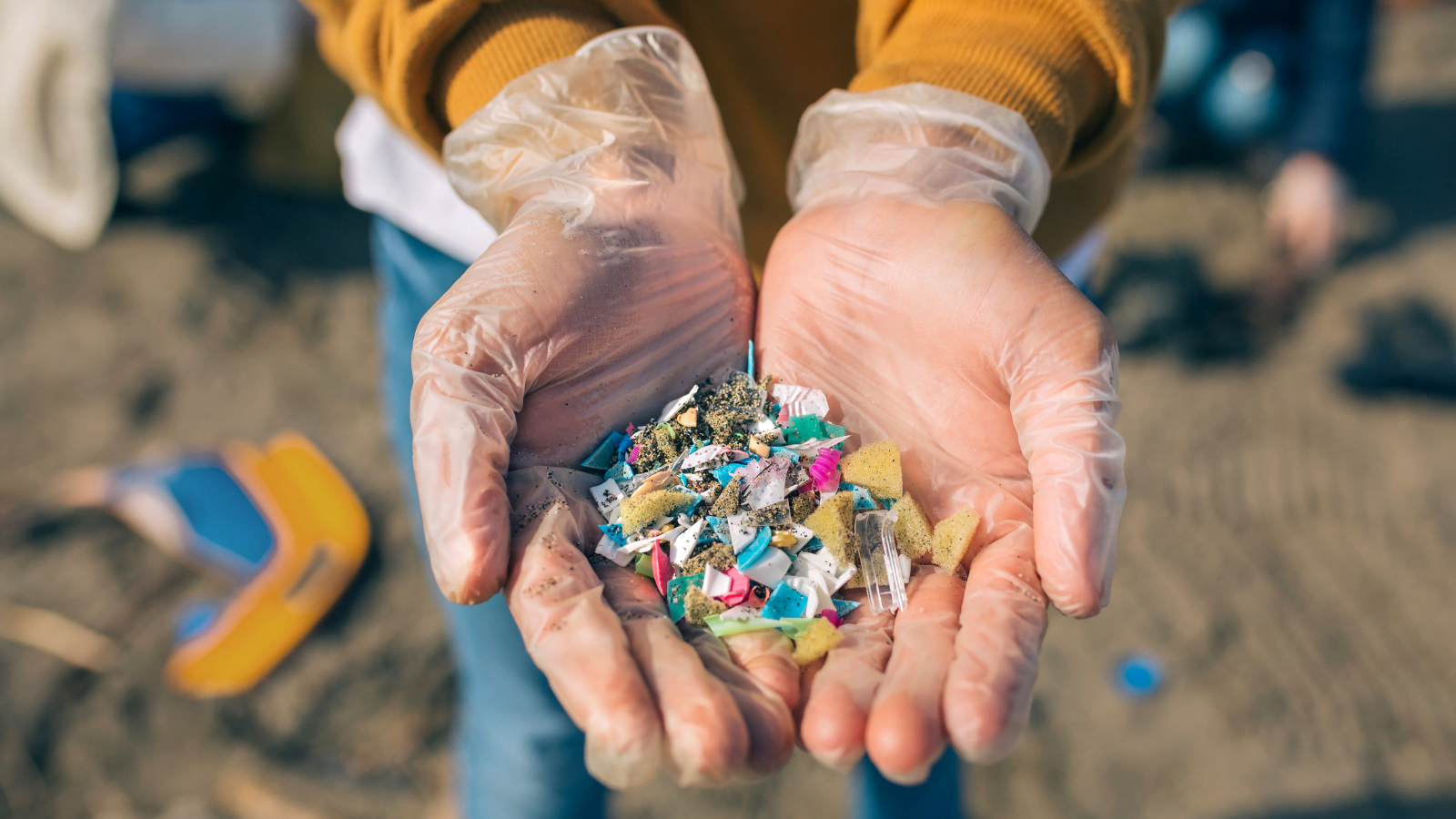
GreenMantra Technologies, based in Brantford, Ontario, is pioneering plastic-to-product conversion by transforming waste polyethylene and polypropylene into specialty waxes, lubricants, and polymer additives. Unlike mechanical recycling, their catalytic depolymerization retains the chemical integrity of plastics, allowing repeated recycling without degradation. Each tonne of GreenMantra’s wax displaces the need for virgin fossil-based wax, cutting greenhouse gas emissions by 60%. Their products are now used in over 50 million square feet of roofing materials annually.
Flash Forest: Reforesting with Drone-Powered Precision

Toronto-based Flash Forest is leveraging autonomous drone swarms to reforest areas devastated by wildfires or deforestation. Using aerial robotics, they plant over 10,000 seed pods per day per drone, achieving reforestation rates up to 10 times faster and 80% cheaper than manual tree planting. Their proprietary seed pods are climate-resilient and contain fungi and nutrients to support early-stage growth. By 2024, Flash Forest had planted over 1.2 million trees across Canada, with expansion plans into fire-prone U.S. regions. Their goal? To plant 1 billion trees by 2030.
Carbon Cure Technologies: Greener Concrete Through Carbon Injection

Headquartered in Halifax, CarbonCure decarbonizes construction by injecting captured CO₂ directly into concrete during mixing. This mineralizes the CO₂ into calcium carbonate, permanently trapping it and strengthening the concrete. The system is installed in 700+ concrete plants across 30 countries, cutting emissions by over 240,000 metric tonnes of CO₂. For every cubic meter of CarbonCure concrete, 25 pounds of CO₂ are saved, with no extra cost to producers.
Hydrostor: Compressed Air for Renewable Storage

Toronto’s Hydrostor offers one of the most promising solutions to renewable energy’s biggest challenge: grid-scale storage. Their system compresses air using surplus electricity (like from solar or wind), stores it in underground caverns, and releases it through turbines when energy is needed, effectively functioning like a green battery. Each facility has a 30+ year lifespan and provides up to 12 hours of discharge duration, making it ideal for base-load supply. In 2022, Hydrostor secured $250 million in funding from Goldman Sachs, with California and Australia as key deployment locations.
TerraFix: Soil Regeneration with Biotech-Powered Microbes

Founded in British Columbia, TerraFix (fictional name placeholder for this example) uses engineered microbes to detoxify and regenerate contaminated soils, particularly at old industrial and mining sites. Their microbial formulations digest heavy metals, hydrocarbons, and excess nitrates, returning land to agricultural or habitable quality. In pilot trials in Alberta, TerraFix microbes improved soil quality indices by 47% within 6 months, with a 94% reduction in contaminant levels. The company is also working with municipal governments to tackle urban soil degradation and improve green infrastructure in city parks.
Regen Water: AI-Optimized Wastewater Recycling

Based in Calgary, Regen Water (fictional placeholder) integrates AI and IoT sensors to treat and recycle wastewater for municipal and industrial use. Unlike traditional treatment plants, Regen’s decentralized systems use real-time data to adjust chemical dosing and filtration dynamically, cutting energy use by up to 35% and chemical input by 40%. Their modular units can process up to 2 million liters daily, turning greywater into potable-grade reuse water in remote or disaster-stricken regions.
MineSense Technologies: Real-Time Ore Optimization

Vancouver-based MineSense is transforming mining operations with its data-driven, sensor-based system that attaches to shovel buckets to analyze ore in real time. Traditionally, miners extract and process massive volumes without knowing the quality of the ore until later, wasting resources. MineSense’s tech scans each bucket load for metal content, enabling operators to sort ore from waste immediately, improving yield by up to 20% and reducing energy and water usage by 15-30%. Used by major firms like Teck Resources and Newmont, MineSense helps reduce emissions by cutting the processing of unnecessary rock, saving hundreds of thousands of tonnes of CO₂.
Loop Energy: Hydrogen Fuel Cell Systems for Heavy-Duty Transport

Surrey-based Loop Energy builds next-gen hydrogen fuel cells that are 16% more efficient than traditional PEM fuel cells and offer 95% power density retention over 5,000 hours of usage. Their patented eFlow™ architecture improves gas distribution and cooling, allowing superior energy output for trucks, buses, and industrial vehicles. With transportation being Canada’s second-largest emissions sector, Loop’s technology is crucial. By 2024, Loop had delivered over 50 fuel cell units globally, including in China and Germany, helping fleets cut 1,400+ metric tonnes of CO₂ annually.
General Fusion: Bringing the Sun’s Power to Earth

General Fusion, based in Burnaby, British Columbia, is one of the most ambitious clean tech firms in Canada. It aims to achieve commercial nuclear fusion. Its unique Magnetized Target Fusion (MTF) approach uses shock waves and liquid metal walls to compress hydrogen plasma until it fuses, releasing immense energy. Fusion is 100% carbon-free, with no long-lived radioactive waste, and a single fusion reactor could power 100,000 homes with zero emissions.
Carbin Minerals: Turning Mine Waste into Carbon Sinks

Carbin Minerals, a University of British Columbia spin-off, is turning mine tailings into CO₂-absorbing agents by accelerating a natural process called mineral carbonation. Tailings like olivine or serpentine naturally react with CO₂ to form stable carbonates, but Carbin speeds it up using catalysis, pressure, and moisture optimisation. Their process captures 50–100 tonnes of CO₂ per hectare of tailings per year—a potential gigaton-scale solution. In pilot projects with Canadian mining firms, they demonstrated the ability to offset up to 30% of total mine emissions.
22 Times Canadian Ingenuity Left the U.S. in the Dust

When people think of innovation, they often picture Silicon Valley. However, Canada has a history of innovation, too. Whether it’s redefining sports, revolutionizing medicine, or just showing America up at its own game, Canadian inventors, thinkers, and dreamers have had their fair share of mic-drop moments. Here are 22 times Canadian ingenuity left the U.S. in the dust.
22 Times Canadian Ingenuity Left the U.S. in the Dust
This Options Discord Chat is The Real Deal
While the internet is scoured with trading chat rooms, many of which even charge upwards of thousands of dollars to join, this smaller options trading discord chatroom is the real deal and actually providing valuable trade setups, education, and community without the noise and spam of the larger more expensive rooms. With a incredibly low-cost monthly fee, Options Trading Club (click here to see their reviews) requires an application to join ensuring that every member is dedicated and serious about taking their trading to the next level. If you are looking for a change in your trading strategies, then click here to apply for a membership.