
35,000+ smart investors are already getting financial news, market signals, and macro shifts in the economy that could impact their money next with our FREE weekly newsletter. Get ahead of what the crowd finds out too late. Click Here to Subscribe for FREE.
Canada has developed solutions to challenges that few other nations face, ranging from Arctic research and permafrost monitoring to remote healthcare, sustainable fisheries, and extreme environment engineering. These initiatives address climate change, ecosystem preservation, community resilience, and technological innovation in unique northern and remote conditions. Here are 22 Canadian solutions to problems no one else can fix.
Arctic Research Programs Addressing Climate Change Challenges
22 Canadian Solutions to Problems No One Else Can Fix
- Arctic Research Programs Addressing Climate Change Challenges
- Indigenous Land Management Practices Preserving Ecosystems
- Northern Infrastructure Solutions for Remote Communities
- Ice Road Construction Innovations Supporting Transportation Access
- Boreal Forest Fire Management Systems
- Freshwater Resource Monitoring and Protection Strategies
- Cold-Climate Agricultural Techniques Enhancing Food Security
- Sustainable Fisheries and Ocean Resource Management Programs
- Northern Wildlife Conservation and Habitat Restoration
- Advanced Snow and Avalanche Control Technologies
- Remote Healthcare Delivery Systems for Isolated Regions
- Renewable Energy Microgrids for Off-Grid Communities
- Extreme Weather Emergency Preparedness and Response Models
- Icebreaker Fleet Management and Maritime Safety Solutions
- Innovative Winter Sports and Recreation Safety Programs
- Permafrost Monitoring and Climate Adaptation Strategies
- Cold-Weather Transportation Logistics and Safety Solutions
- Northern Community Education and Digital Learning Initiatives
- Remote Scientific Research Station Operations
- Arctic Energy Exploration with Minimal Environmental Impact
- Indigenous Cultural Preservation Through Technology
- Extreme Environment Engineering Solutions for Infrastructure
- 21 Products Canadians Should Stockpile Before Tariffs Hit

Canada leads in Arctic research programs focused on climate change, ice dynamics, and permafrost monitoring. Scientists study rising temperatures, melting ice, and ecological shifts to inform global climate strategies. Previous generations lacked the infrastructure and technology for a comprehensive Arctic study. Modern research stations, satellite monitoring, and collaboration with Indigenous communities enable continuous data collection and analysis. These programs support predictive modeling, environmental policy, and sustainable Arctic management.
Indigenous Land Management Practices Preserving Ecosystems

Indigenous communities in Canada use traditional land management practices to preserve forests, wetlands, and wildlife habitats. Controlled burns, sustainable hunting, and ecological stewardship protect biodiversity and maintain ecosystem balance. Previous generations of mainstream resource management overlooked these techniques. Integrating Indigenous knowledge with modern science allows for effective conservation strategies. These practices prevent large-scale environmental degradation, support carbon storage, and enhance resilience to climate change. By prioritizing culturally informed management, Canada protects unique ecosystems while fostering collaboration between Indigenous communities and government agencies.
Northern Infrastructure Solutions for Remote Communities

Canada develops specialized infrastructure to support remote northern communities, including all-season roads, modular housing, and resilient utilities. Harsh climates and geographic isolation require innovative approaches to transportation, energy, and communication networks. Previous generations relied on limited seasonal access and resource-intensive solutions. Modern engineering, prefabrication techniques, and renewable energy integration allow communities to thrive year-round. These solutions improve healthcare delivery, education, and economic opportunities while reducing environmental impact.
Ice Road Construction Innovations Supporting Transportation Access

Canada has pioneered ice road construction techniques that connect remote communities and resource sites during the winter months. These seasonal roads support the transportation of goods, equipment, and personnel across frozen rivers and lakes. Previous generations relied on risky, inefficient travel methods. Modern engineering, climate data, and construction innovations ensure safety, durability, and operational efficiency. Ice road programs enable northern economic activity, access to medical services, and supply chain continuity.
Boreal Forest Fire Management Systems

Canada has developed advanced boreal forest fire management systems combining satellite monitoring, predictive modeling, and rapid response teams. These programs detect and contain wildfires, protecting communities, wildlife, and carbon-rich ecosystems. Previous generations relied on reactive firefighting methods with limited technological support. Modern monitoring, communication networks, and collaboration with Indigenous fire knowledge enhance prevention and mitigation strategies. Boreal fire management reduces environmental and economic damage while maintaining ecosystem health. Canada’s approach addresses unique challenges of dense, northern forests and extended fire seasons. These solutions are highly specialized and provide a global example of managing large-scale forest fire risks effectively in extreme climates.
Freshwater Resource Monitoring and Protection Strategies
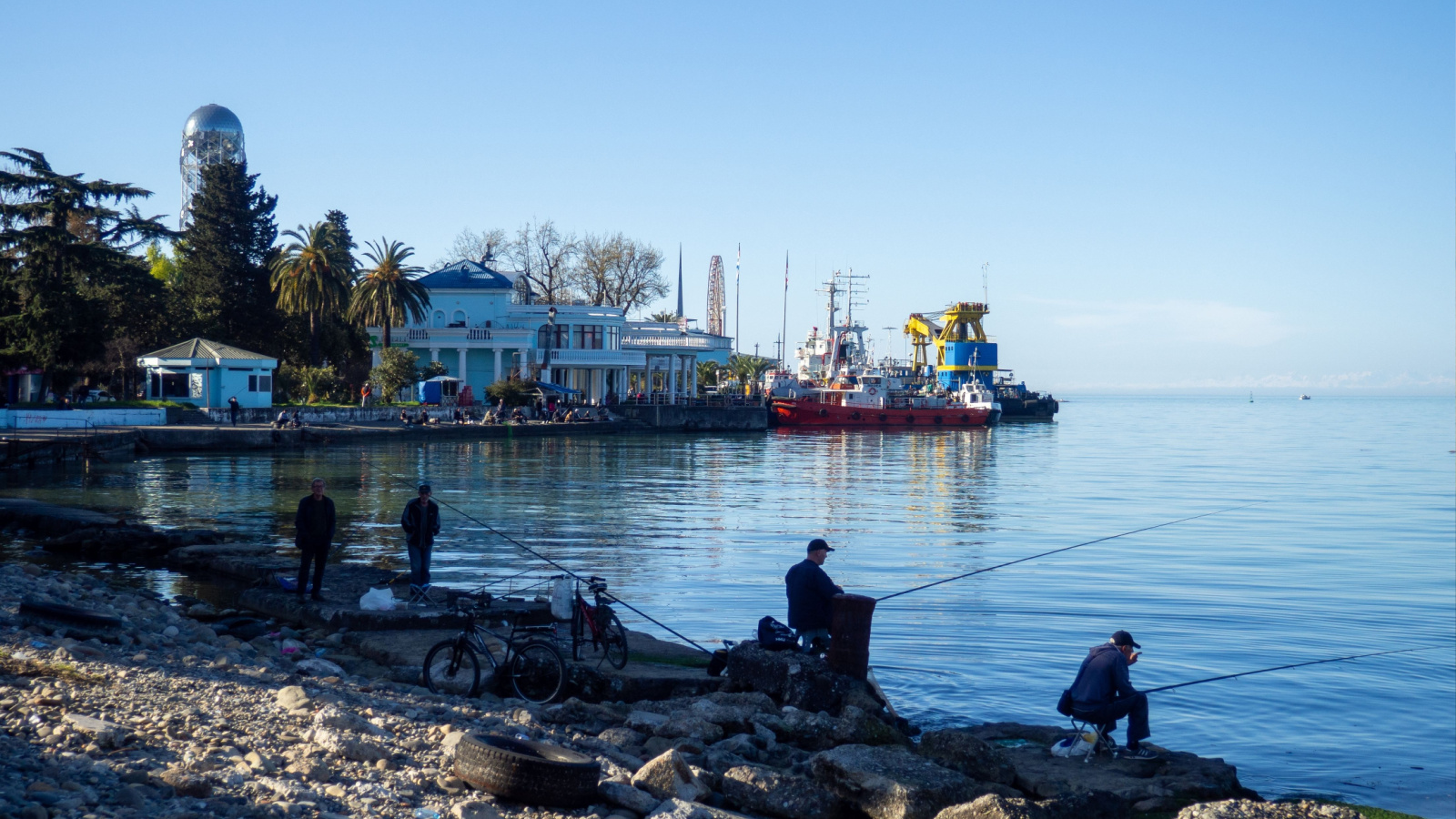
Canada implements comprehensive freshwater monitoring and protection programs, including watershed management, pollution control, and ecosystem restoration. With the world’s largest freshwater reserves, sustainable management is critical for drinking water, agriculture, and biodiversity. Previous generations lacked advanced monitoring systems and coordinated policies. Modern technology, data analysis, and community involvement ensure water quality, prevent contamination, and support resource planning. These strategies protect freshwater availability for millions while maintaining ecological balance. Canada’s expertise in managing freshwater resources in diverse climates and geographies is unmatched globally.
Cold-Climate Agricultural Techniques Enhancing Food Security

Canadian researchers and farmers have developed cold-climate agricultural techniques, including greenhouse systems, frost-resistant crops, and precision farming adapted to northern regions. These innovations extend growing seasons, increase yields, and reduce resource use. Previous generations relied on limited crop varieties and short growing periods. Modern technology, research, and data-driven farming practices enable reliable food production in harsh climates. These techniques improve food security for northern communities and support global agricultural research. By mastering farming in extreme conditions, Canada offers solutions that few nations can replicate.
Sustainable Fisheries and Ocean Resource Management Programs
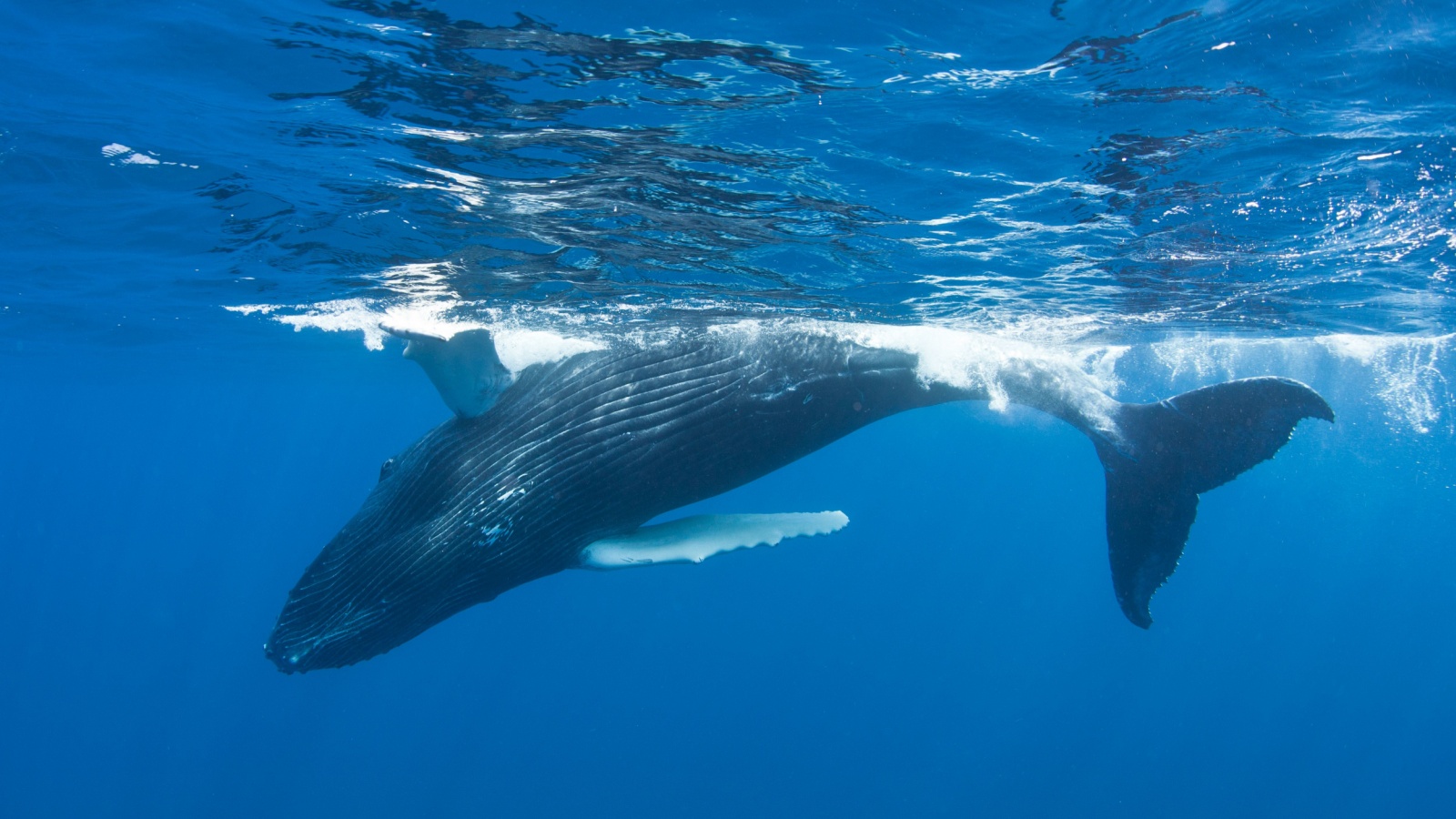
Canada has developed sustainable fisheries programs to protect marine ecosystems, regulate harvesting, and support coastal communities. These initiatives include stock monitoring, habitat restoration, and enforcement of sustainable quotas. Previous generations had limited methods for balancing economic and ecological needs. Modern data collection, satellite monitoring, and Indigenous collaboration enhance long-term sustainability. These programs ensure food security, preserve biodiversity, and maintain economic stability for fishing communities.
Northern Wildlife Conservation and Habitat Restoration
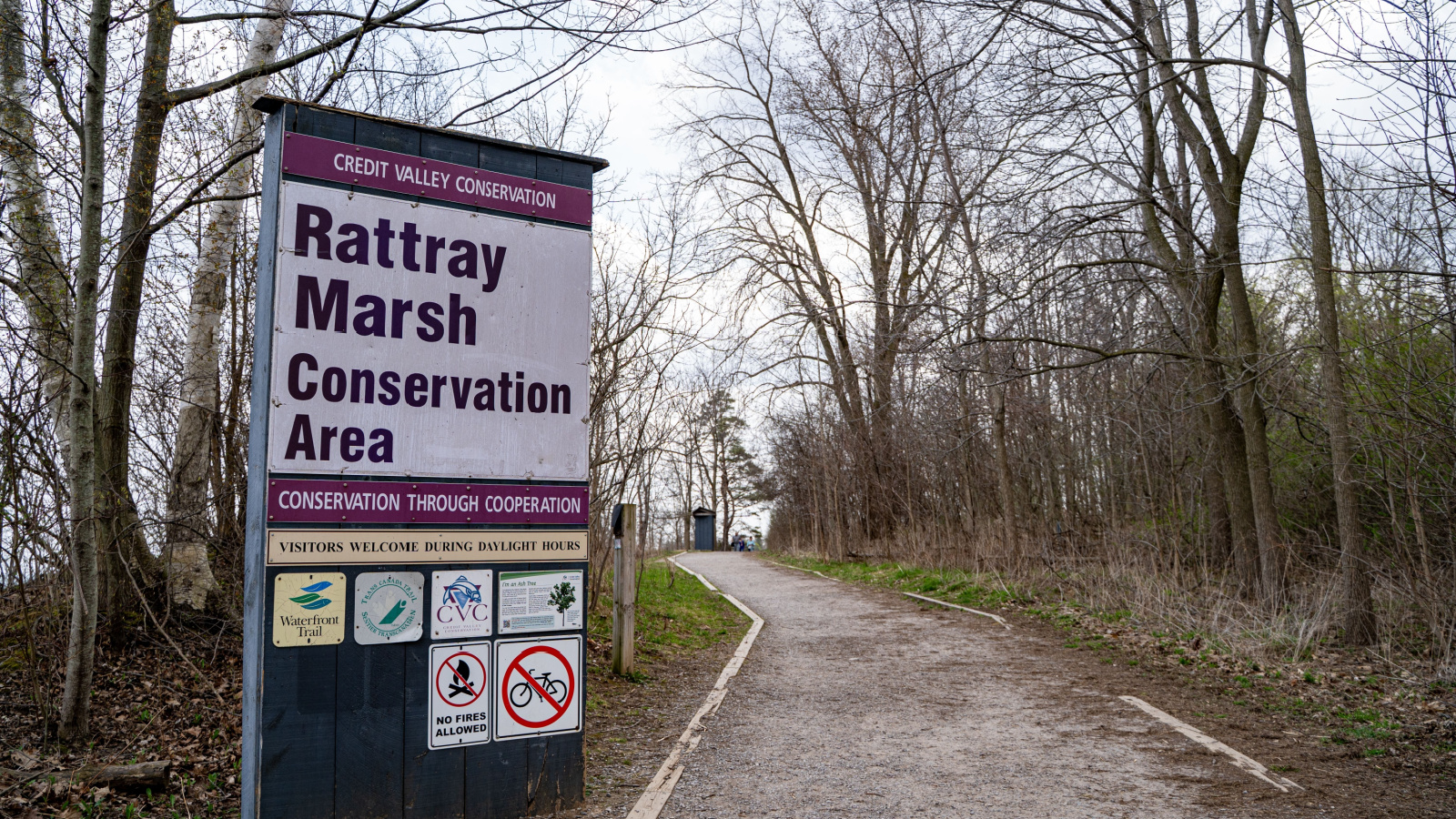
Canada implements wildlife conservation programs in northern regions to protect species such as caribou, polar bears, and migratory birds. Habitat restoration, monitoring, and community engagement help maintain biodiversity. Previous generations had limited ecological knowledge and fewer tools for species management. Modern tracking technologies, research collaborations, and Indigenous knowledge integration enhance conservation outcomes. These programs prevent population decline, restore ecosystems, and maintain ecological balance. Canada’s ability to manage wildlife in extreme northern climates is unique, offering models for global conservation in harsh environments.
Advanced Snow and Avalanche Control Technologies
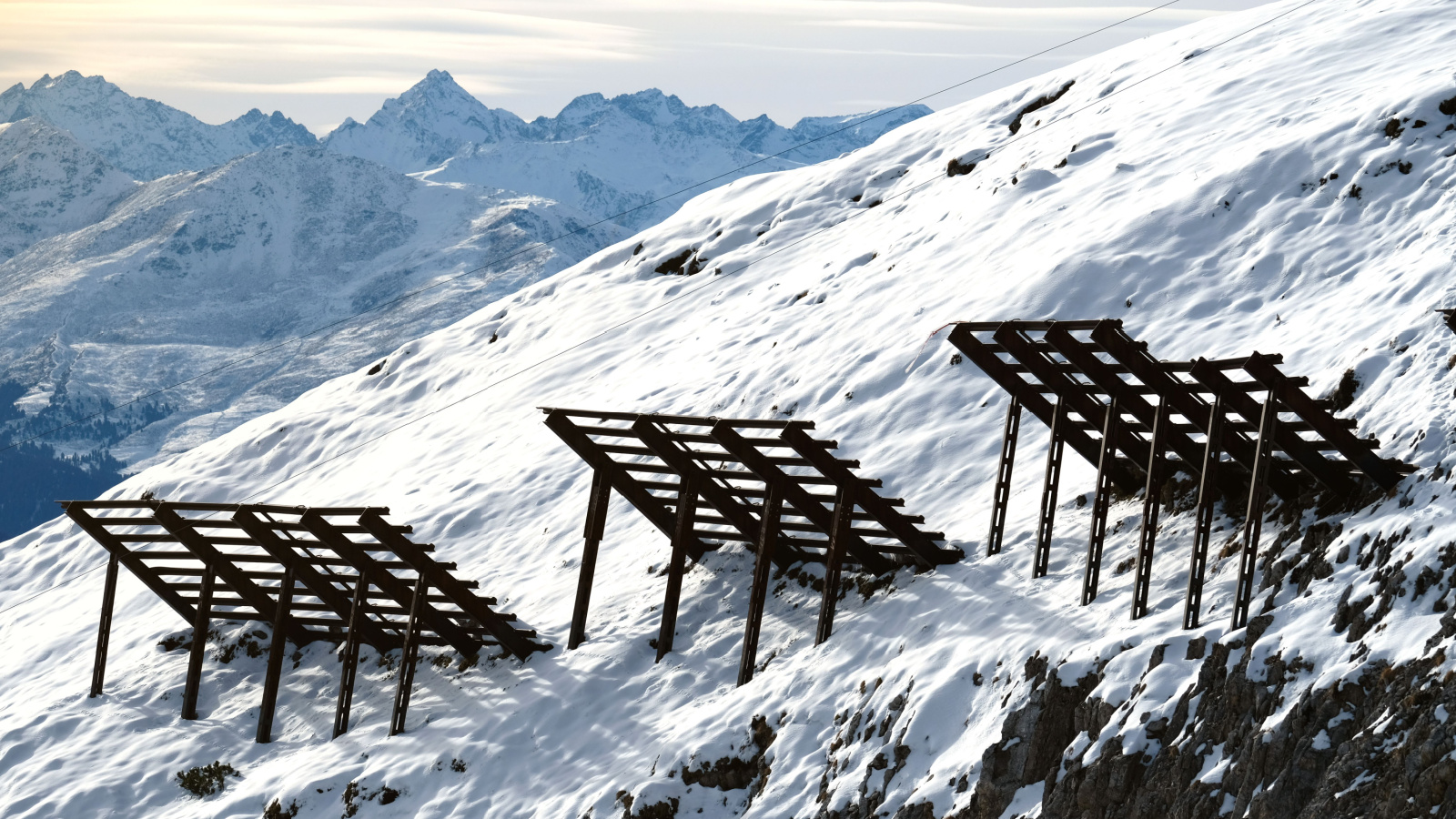
Canada develops advanced snow and avalanche control systems to protect communities, transportation routes, and ski resorts. Technologies include controlled triggering, real-time monitoring, and predictive modeling. Previous generations relied on reactive measures with a higher risk to life and property. Modern sensors, data analytics, and engineering solutions improve safety and operational efficiency. These programs prevent accidents, maintain transport continuity, and support winter tourism. Canada’s expertise in extreme snow and avalanche management is unmatched globally, providing replicable solutions for mountainous and snow-prone regions.
Remote Healthcare Delivery Systems for Isolated Regions

Canada has implemented remote healthcare solutions to serve northern and isolated communities. Telemedicine, mobile clinics, and digital monitoring systems provide access to medical care where physical infrastructure is limited. Previous generations faced significant barriers to healthcare delivery in remote regions. Modern connectivity, portable medical technology, and community partnerships enable effective and timely healthcare services. These systems improve patient outcomes, reduce travel needs, and ensure public health equity. Canada’s ability to provide healthcare in extreme and isolated environments is unique.
Renewable Energy Microgrids for Off-Grid Communities

Canada designs renewable energy microgrids to supply electricity to off-grid and northern communities. These systems use solar, wind, and hydro resources with storage solutions to maintain reliable power. Previous generations relied on diesel or limited infrastructure, creating environmental and cost challenges. Modern renewable technologies, smart grids, and energy management systems enable efficient and sustainable electricity delivery. These microgrids reduce carbon emissions, support community development, and improve energy independence.
Extreme Weather Emergency Preparedness and Response Models

Canada develops emergency preparedness models for extreme weather, including floods, blizzards, and hurricanes. These strategies involve early warning systems, coordinated response plans, and resource allocation to protect lives and property. Previous generations had limited forecasting and response capabilities. Modern meteorological technology, emergency coordination, and community engagement enhance preparedness and resilience. These models reduce casualties, mitigate economic losses, and maintain essential services during crises. Canada’s approach to extreme weather management addresses challenges unique to vast and diverse climates, offering solutions that few nations can replicate.
Icebreaker Fleet Management and Maritime Safety Solutions

Canada maintains an icebreaker fleet and maritime safety programs to support navigation in Arctic waters. Icebreakers enable trade, scientific research, and supply routes in regions otherwise inaccessible due to sea ice. Previous generations relied on limited vessels and seasonal shipping windows. Modern fleet management, navigation technology, and maritime safety protocols improve reliability and efficiency. These initiatives protect crews, ensure supply chains, and support northern communities. Canada’s expertise in ice navigation and Arctic fleet operations is globally unique.
Innovative Winter Sports and Recreation Safety Programs

Canada develops safety programs for winter sports and recreation, including ski resorts, snowmobile trails, and ice skating venues. These initiatives focus on accident prevention, emergency response, and risk education. Previous generations had higher injury rates due to limited safety protocols and infrastructure. Modern training, monitoring, and safety equipment improve participant protection and reduce accidents. These programs support tourism, community recreation, and local economies. Canada’s expertise in winter recreation safety is unmatched globally.
Permafrost Monitoring and Climate Adaptation Strategies

Canada conducts permafrost monitoring and climate adaptation programs to track thawing, soil stability, and greenhouse gas emissions in northern regions. These initiatives support infrastructure planning, environmental management, and community resilience. Previous generations lacked continuous monitoring and predictive models. Modern sensors, satellite technology, and data analysis enable precise tracking and informed decision-making. These strategies prevent structural damage, guide sustainable development, and reduce environmental impact.
Cold-Weather Transportation Logistics and Safety Solutions

Canada develops logistics and safety solutions for transportation in extreme cold, including winterized vehicles, snow-clearing strategies, and supply chain planning for remote regions. Harsh weather, ice, and snow create challenges for freight, public transit, and emergency services. Previous generations relied on limited technology and reactive responses. Modern vehicle engineering, predictive analytics, and route optimization improve efficiency and safety. These solutions support commerce, emergency response, and community connectivity.
Northern Community Education and Digital Learning Initiatives

Canada has implemented digital learning and educational programs for northern and remote communities, using online platforms, virtual classrooms, and interactive tools. These initiatives overcome geographic isolation and limited access to qualified teachers. Previous generations faced significant barriers to education in remote regions. Modern connectivity, digital content, and teacher training enable high-quality learning experiences. These programs improve literacy, skills development, and community capacity. Canada’s approach provides solutions that few nations can implement effectively in extreme climates.
Remote Scientific Research Station Operations

Canada operates remote scientific research stations in the Arctic and northern regions to study climate, ecosystems, and geology. These facilities provide continuous data collection in extreme conditions. Previous generations struggled with logistics, harsh weather, and resource limitations. Modern infrastructure, transportation, and technology allow researchers to maintain year-round operations safely. These stations support climate research, environmental monitoring, and international scientific collaboration. Canada’s ability to manage research in extreme environments is globally unique.
Arctic Energy Exploration with Minimal Environmental Impact

Canada develops methods for Arctic energy exploration, including oil, gas, and renewable projects, while minimizing environmental impact. Techniques include controlled drilling, spill prevention, and ecosystem monitoring. Previous generations lacked sustainable exploration technologies. Modern environmental standards, engineering innovations, and monitoring tools ensure responsible resource development. These strategies balance energy needs with ecological preservation and community engagement. Canada’s expertise in Arctic energy management is globally exceptional, offering solutions for safe and sustainable operations in sensitive environments.
Indigenous Cultural Preservation Through Technology

Canada uses technology to support Indigenous cultural preservation, including digital archives, language apps, and virtual heritage programs. These initiatives safeguard traditions, languages, and art while promoting community engagement. Previous generations had limited tools to document and share cultural heritage. Modern digital platforms, audiovisual recording, and online resources enable widespread preservation and accessibility. These programs empower communities, educate the public, and maintain cultural continuity.
Extreme Environment Engineering Solutions for Infrastructure

Canada develops engineering solutions to construct and maintain infrastructure in extreme environments, including permafrost-stable foundations, cold-resistant materials, and climate-adapted design. Harsh northern conditions present challenges for roads, buildings, and utilities. Previous generations relied on trial-and-error construction with higher failure rates. Modern engineering, simulation tools, and material science ensure safe, durable, and sustainable infrastructure. These solutions support community development, resource extraction, and transportation in extreme climates.
21 Products Canadians Should Stockpile Before Tariffs Hit

If trade tensions escalate between Canada and the U.S., everyday essentials can suddenly disappear or skyrocket in price. Products like pantry basics and tech must-haves that depend on are deeply tied to cross-border supply chains and are likely to face various kinds of disruptions
21 Products Canadians Should Stockpile Before Tariffs Hit
This Options Discord Chat is The Real Deal
While the internet is scoured with trading chat rooms, many of which even charge upwards of thousands of dollars to join, this smaller options trading discord chatroom is the real deal and actually providing valuable trade setups, education, and community without the noise and spam of the larger more expensive rooms. With a incredibly low-cost monthly fee, Options Trading Club (click here to see their reviews) requires an application to join ensuring that every member is dedicated and serious about taking their trading to the next level. If you are looking for a change in your trading strategies, then click here to apply for a membership.