
35,000+ smart investors are already getting financial news, market signals, and macro shifts in the economy that could impact their money next with our FREE weekly newsletter. Get ahead of what the crowd finds out too late. Click Here to Subscribe for FREE.
Canada may appear modest on the global stage due to its population size and geographic isolation, but its impact has often been remarkable. From diplomacy to peacekeeping, financial leadership to scientific contributions, Canada has repeatedly demonstrated that smaller nations can shape global outcomes. Here are 21 times Canada looked small but acted huge.
Bretton Woods Conference (1944)
21 Times Canada Looked Small But Acted Huge
- Bretton Woods Conference (1944)
- Founding of the International Monetary Fund and World Bank
- Founding Membership in NATO (1949)
- Creation of NORAD (1958)
- Lester B. Pearson Proposes UN Emergency Force During Suez Crisis (1956)
- Lester B. Pearson Wins Nobel Peace Prize (1957)
- Canada’s Deployment in the Congo Crisis (1960s)
- UN Peacekeeping Mission in Cyprus — Operation Snowgoose (1964 onward)
- Establishment of the Canadian International Development Agency (CIDA) (1958)
- Canada’s Contribution to the Manhattan Project / Early Nuclear Research
- Canada’s Consistent Peacekeeping During the Cold War
- Canadian Peacekeepers in the Balkans (1990s)
- Diplomatic Pressure and Sanctions Against Apartheid South Africa
- 1987 Commonwealth Heads of Government Meeting in Vancouver
- Adoption of the Feminist International Assistance Policy (FIAP) (2017)
- Canada’s Climate Finance Commitment at G7
- Hosting UN Climate Change Conference COP 11 / CMP 1 in Montreal (2005)
- Leadership in the Halifax Initiative for IMF / World Bank Reform
- Promoting Multilateral Trade Liberalization via GATT / WTO
- Contributions to Global Health and Security Aid
- Defending Arctic Sovereignty and Northern Interests
- 21 Products Canadians Should Stockpile Before Tariffs Hit

Canada played a crucial role at the Bretton Woods Conference in July 1944, which laid the foundation for the modern international financial system. Represented by senior officials, Canada contributed to discussions on post-war economic stability, currency exchange frameworks, and mechanisms to prevent future economic crises. While smaller than the United States and the United Kingdom, Canada’s input was influential in shaping the creation of global financial institutions. The country advocated for equitable voting rights and financial contributions. Canada’s presence ensured that smaller nations would have a voice in post-war economic governance, establishing its reputation as a constructive global partner.
Founding of the International Monetary Fund and World Bank

Following the Bretton Woods Conference, Canada became a founding member of both the International Monetary Fund (IMF) and the World Bank in 1945. Canada contributed financially and diplomatically to the establishment of these institutions, supporting international economic reconstruction after World War II. The country advocated for fair representation for smaller nations and helped develop governance structures that promoted global cooperation. Canada’s role ensured the IMF and World Bank would not be dominated solely by the largest powers. Its participation strengthened global economic stability.
Founding Membership in NATO (1949)

In 1949, Canada joined the North Atlantic Treaty Organization (NATO) as a founding member, committing to collective security amid rising Cold War tensions. Despite its smaller population and military, Canada contributed troops, strategic planning, and diplomatic support. Its involvement helped establish NATO’s credibility as a unified alliance against potential aggression. Canada also played a role in shaping NATO’s early policies, promoting multilateral cooperation and burden-sharing among member states. The country’s commitment reinforced the importance of middle powers in global security.
Creation of NORAD (1958)

Canada partnered with the United States to establish the North American Aerospace Defense Command (NORAD) in 1958, a joint air defense organization monitoring continental airspace. This strategic alliance strengthened North American security during the Cold War, protecting against potential Soviet air attacks. Canada contributed personnel, radar installations, and operational support, showcasing its ability to collaborate on high-stakes defense initiatives. Despite its smaller military, Canada’s technical and operational input was essential for NORAD’s success. The agreement symbolized trust and integration between the two nations. Through NORAD, Canada demonstrated that its commitment to continental defense and strategic cooperation could have a significant impact on global security.
Lester B. Pearson Proposes UN Emergency Force During Suez Crisis (1956)

During the 1956 Suez Crisis, Canada’s Foreign Minister Lester B. Pearson proposed the creation of the first United Nations Emergency Force to resolve the conflict peacefully. Pearson’s initiative aimed to mediate between Egypt, Israel, Britain, and France, preventing further military escalation. This innovative approach marked the first large-scale UN peacekeeping mission and became a model for future operations. Canada provided personnel and diplomatic support, underscoring its commitment to international peace. Pearson’s leadership elevated Canada’s global reputation, showing that a smaller nation could influence major geopolitical events.
Lester B. Pearson Wins Nobel Peace Prize (1957)
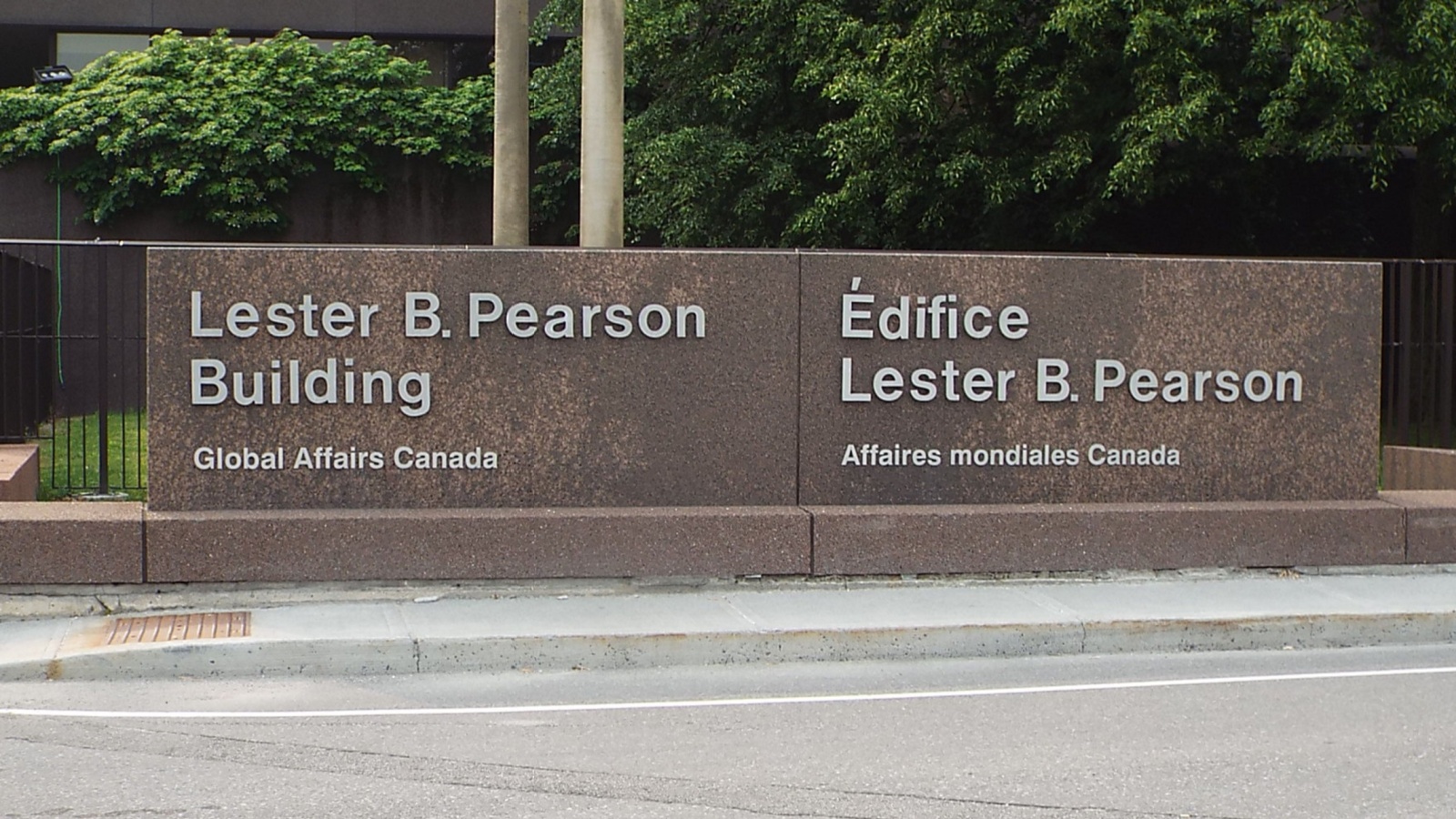
In 1957, Lester B. Pearson received the Nobel Peace Prize for his role in resolving the Suez Crisis and establishing the United Nations Emergency Force. The award highlighted Canada’s influence on international peace and conflict resolution despite its relatively small size. Pearson’s diplomatic skills and Canada’s willingness to commit resources set a precedent for multilateral intervention by middle powers. The Nobel recognition reinforced Canada’s global credibility and leadership in peacekeeping. It also inspired subsequent Canadian foreign policy initiatives focused on mediation, negotiation, and conflict prevention.
Canada’s Deployment in the Congo Crisis (1960s)

In the early 1960s, Canada contributed significantly to United Nations peacekeeping operations during the Congo Crisis following the country’s independence. Canadian troops and officers were deployed to stabilize conflict zones, protect civilians, and support the UN mission’s mandate. Canada’s involvement was notable for its professionalism, effective coordination, and diplomatic engagement with both the UN and local authorities. Despite a smaller military, Canada’s participation enhanced the credibility and operational effectiveness of UN peacekeeping. The deployment strengthened Canada’s reputation as a reliable international partner willing to act in crises. It set a precedent for future Canadian contributions to global peacekeeping efforts.
UN Peacekeeping Mission in Cyprus — Operation Snowgoose (1964 onward)

Canada deployed troops to Cyprus in 1964 as part of the United Nations peacekeeping mission, later known as Operation Snowgoose. The mission aimed to prevent conflict between Greek and Turkish Cypriot communities and maintain stability on the island. Canadian forces contributed logistics, patrolling, and mediation efforts, demonstrating professionalism and commitment despite a relatively small military presence. Canada’s long-term participation, continuing for decades, helped build trust in UN operations and set a model for sustained peacekeeping involvement. The mission reinforced Canada’s reputation as a reliable middle power capable of managing complex international crises.
Establishment of the Canadian International Development Agency (CIDA) (1958)

Canada created the Canadian International Development Agency (CIDA) in 1958 to manage its international aid and development programs. CIDA focused on poverty reduction, economic development, and humanitarian assistance in developing countries. By institutionalizing foreign aid, Canada ensured coordinated and strategic support for global development initiatives. The agency allowed Canada to act effectively on international challenges despite being smaller than major donor nations. CIDA’s programs emphasized education, health, and infrastructure, reflecting Canadian values in development assistance.
Canada’s Contribution to the Manhattan Project / Early Nuclear Research

During World War II, Canada contributed critical resources and expertise to the Manhattan Project, particularly in the supply of uranium and heavy water for nuclear research. Canadian scientists and engineers collaborated with their American and British counterparts, advancing nuclear technology for both military and scientific purposes. Canada’s participation, despite its smaller population, showcased its technical capabilities and strategic importance in global research. The contribution enhanced Canada’s scientific reputation and cemented its role as a trusted partner in major international projects.
Canada’s Consistent Peacekeeping During the Cold War

Throughout the Cold War, Canada maintained a continuous and active presence in UN peacekeeping operations around the world. Canadian forces were deployed to various conflict zones, including the Middle East, Africa, and Europe, supporting ceasefires, protecting civilians, and monitoring agreements. Canada’s consistent involvement showcased its commitment to multilateralism and conflict resolution despite its smaller military size. By providing trained personnel, logistical support, and diplomatic engagement, Canada played a stabilizing role in international crises.
Canadian Peacekeepers in the Balkans (1990s)

In the 1990s, Canada deployed troops to the Balkans during the conflicts in Croatia, Bosnia, and Kosovo as part of United Nations and NATO peacekeeping missions. Canadian forces contributed to ceasefire monitoring, humanitarian aid distribution, and civilian protection. Despite being smaller than other NATO countries, Canada’s participation was recognized for professionalism, effective coordination, and adaptability in complex operations. The missions enhanced Canada’s international credibility and reinforced its image as a reliable peacekeeping contributor.
Diplomatic Pressure and Sanctions Against Apartheid South Africa

Canada played a significant role in applying diplomatic pressure and supporting international sanctions against apartheid-era South Africa during the 1980s. Under Prime Minister Brian Mulroney, Canada advocated for multilateral measures at the United Nations and within the Commonwealth, emphasizing human rights and equality. Canada imposed economic and political restrictions, coordinated with allies, and promoted dialogue to end systemic racial segregation. Despite its relatively small size, Canada’s moral leadership and consistent advocacy influenced international consensus against apartheid.
1987 Commonwealth Heads of Government Meeting in Vancouver
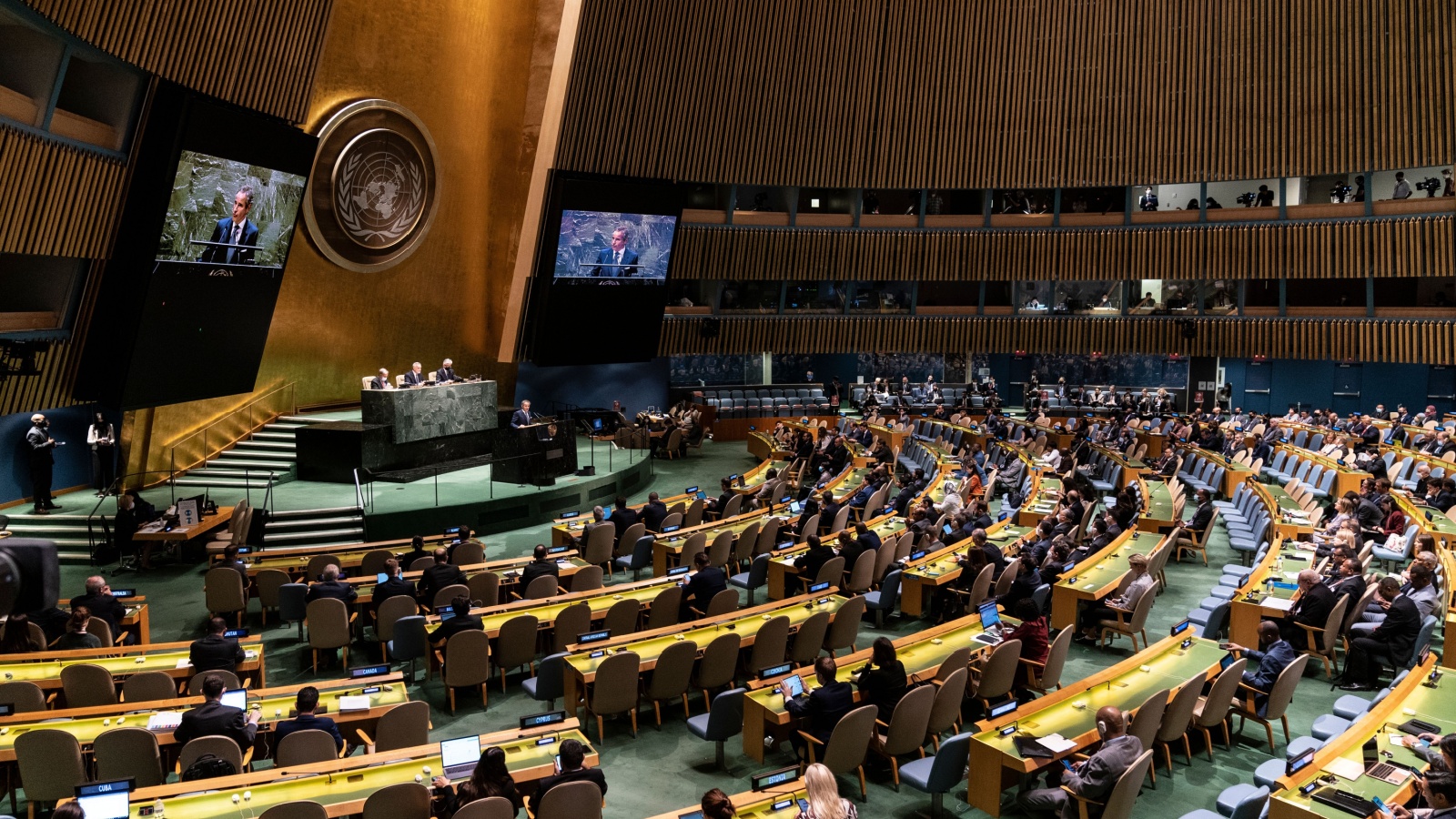
Canada hosted the 1987 Commonwealth Heads of Government Meeting in Vancouver, playing a key role in shaping international consensus on sanctions against apartheid South Africa. Canadian diplomats facilitated discussions among member nations, advocating for human rights, equality, and multilateral action. The meeting strengthened Canada’s reputation as a principled and effective mediator in global affairs. By providing leadership and logistical support, Canada helped ensure that smaller nations could influence collective decision-making.
Adoption of the Feminist International Assistance Policy (FIAP) (2017)

In 2017, Canada adopted the Feminist International Assistance Policy (FIAP), positioning gender equality at the center of its development and foreign aid programs. The policy directs resources toward women and girls, aiming to reduce poverty, increase access to education, and empower marginalized communities globally. Canada’s leadership in implementing a feminist framework for aid distinguishes it from larger donor nations and demonstrates its commitment to progressive international policies. FIAP guides multilateral and bilateral initiatives, promoting inclusive development and human rights.
Canada’s Climate Finance Commitment at G7

At the G7 summits, Canada has consistently contributed significant climate finance to support developing countries in mitigating and adapting to climate change. These commitments include funding for clean energy projects, sustainable infrastructure, and disaster resilience programs. Canada’s financial and technical support enhances global efforts to reduce greenhouse gas emissions and promote sustainable development. Despite being smaller than some major economies, Canada’s proactive leadership in climate finance demonstrates influence in international negotiations and policy implementation. By leveraging multilateral partnerships, Canada helps ensure that climate action is equitable and effective.
Hosting UN Climate Change Conference COP 11 / CMP 1 in Montreal (2005)

Canada hosted the UN Climate Change Conference COP 11 / CMP 1 in Montreal in 2005, facilitating global discussions on greenhouse gas reduction, climate adaptation, and the Kyoto Protocol implementation. Canadian officials coordinated logistics, negotiations, and stakeholder engagement, ensuring productive dialogue among developed and developing nations. The conference strengthened Canada’s profile as an important player in global environmental governance. By hosting this high-level forum, Canada demonstrated leadership in climate diplomacy, enabling meaningful agreements and consensus-building.
Leadership in the Halifax Initiative for IMF / World Bank Reform

Canada has been active in the Halifax Initiative, a coalition advocating for reform of the International Monetary Fund and World Bank to ensure accountability, transparency, and development effectiveness. Canadian policymakers and civil society organizations have pushed for policies that benefit developing countries and reduce harmful economic impacts. Canada’s leadership in this initiative underscores its capacity to influence global financial institutions through principled advocacy and strategic engagement. Despite being smaller than major economic powers, Canada’s sustained involvement demonstrates its ability to advance reform and promote equitable international governance.
Promoting Multilateral Trade Liberalization via GATT / WTO

Canada has consistently supported multilateral trade liberalization through the General Agreement on Tariffs and Trade (GATT) and its successor, the World Trade Organization (WTO). Canada advocated for rules-based trade, fair market access, and dispute resolution mechanisms that benefit both large and small nations. By negotiating and implementing trade agreements, Canada contributed to global economic stability and growth. Its proactive diplomacy and technical expertise demonstrate how a mid-sized nation can shape international trade policies effectively. Canada’s engagement ensures that smaller economies have a voice in trade negotiations.
Contributions to Global Health and Security Aid
Canada has played a significant role in supporting global health initiatives and security aid programs. Contributions include funding for vaccines, pandemic response, humanitarian assistance, and stabilization missions in conflict zones. Canadian personnel and resources have supported both multilateral organizations and bilateral efforts, improving public health and safety in vulnerable regions. Despite its smaller size, Canada’s consistent engagement demonstrates the ability to influence outcomes in global health and security. By providing technical expertise, financial support, and on-the-ground assistance, Canada strengthens international resilience.
Defending Arctic Sovereignty and Northern Interests

Canada has actively defended its Arctic sovereignty and northern interests through strategic policy, environmental protection, and military presence. The country has invested in scientific research, infrastructure, and defense capabilities to assert control over Arctic territories and waterways. Canada engages in multilateral diplomacy to manage regional claims and maintain stability, while promoting sustainable development and protecting Indigenous communities. Despite its smaller population and resources relative to global powers, Canada’s sustained Arctic leadership demonstrates strategic foresight and influence.
21 Products Canadians Should Stockpile Before Tariffs Hit

If trade tensions escalate between Canada and the U.S., everyday essentials can suddenly disappear or skyrocket in price. Products like pantry basics and tech must-haves that depend on are deeply tied to cross-border supply chains and are likely to face various kinds of disruptions
21 Products Canadians Should Stockpile Before Tariffs Hit
This Options Discord Chat is The Real Deal
While the internet is scoured with trading chat rooms, many of which even charge upwards of thousands of dollars to join, this smaller options trading discord chatroom is the real deal and actually providing valuable trade setups, education, and community without the noise and spam of the larger more expensive rooms. With a incredibly low-cost monthly fee, Options Trading Club (click here to see their reviews) requires an application to join ensuring that every member is dedicated and serious about taking their trading to the next level. If you are looking for a change in your trading strategies, then click here to apply for a membership.