
35,000+ smart investors are already getting financial news, market signals, and macro shifts in the economy that could impact their money next with our FREE weekly newsletter. Get ahead of what the crowd finds out too late. Click Here to Subscribe for FREE.
In the last few decades, it has become apparent that the global financial model is increasingly transforming. Conventional finance centers continue to be the most important players but are not without their challenges, be it changing regulations or an overcrowded market. There has been a shift in the focus on how new urban centers are being developed as they are stepping up their infrastructural growth, developing human resource capacity, and wooing external funds. These 20 cities are set to become the next big payers in finance.
Dubai, United Arab Emirates
20 Global Cities Set to Become the Next Big Players in Finance
- Dubai, United Arab Emirates
- Singapore
- Shanghai, China
- Mumbai, India
- São Paulo, Brazil
- Frankfurt, Germany
- Toronto, Canada
- Hong Kong
- Riyadh, Saudi Arabia
- Kuala Lumpur, Malaysia
- Johannesburg, South Africa
- Istanbul, Turkey
- Mexico City, Mexico
- Warsaw, Poland
- Abu Dhabi, United Arab Emirates
- Ho Chi Minh City, Vietnam
- Jakarta, Indonesia
- Nairobi, Kenya
- Manila, Philippines
- Bangkok, Thailand
- 18 Reasons Why People Are Leaving Florida in Masses
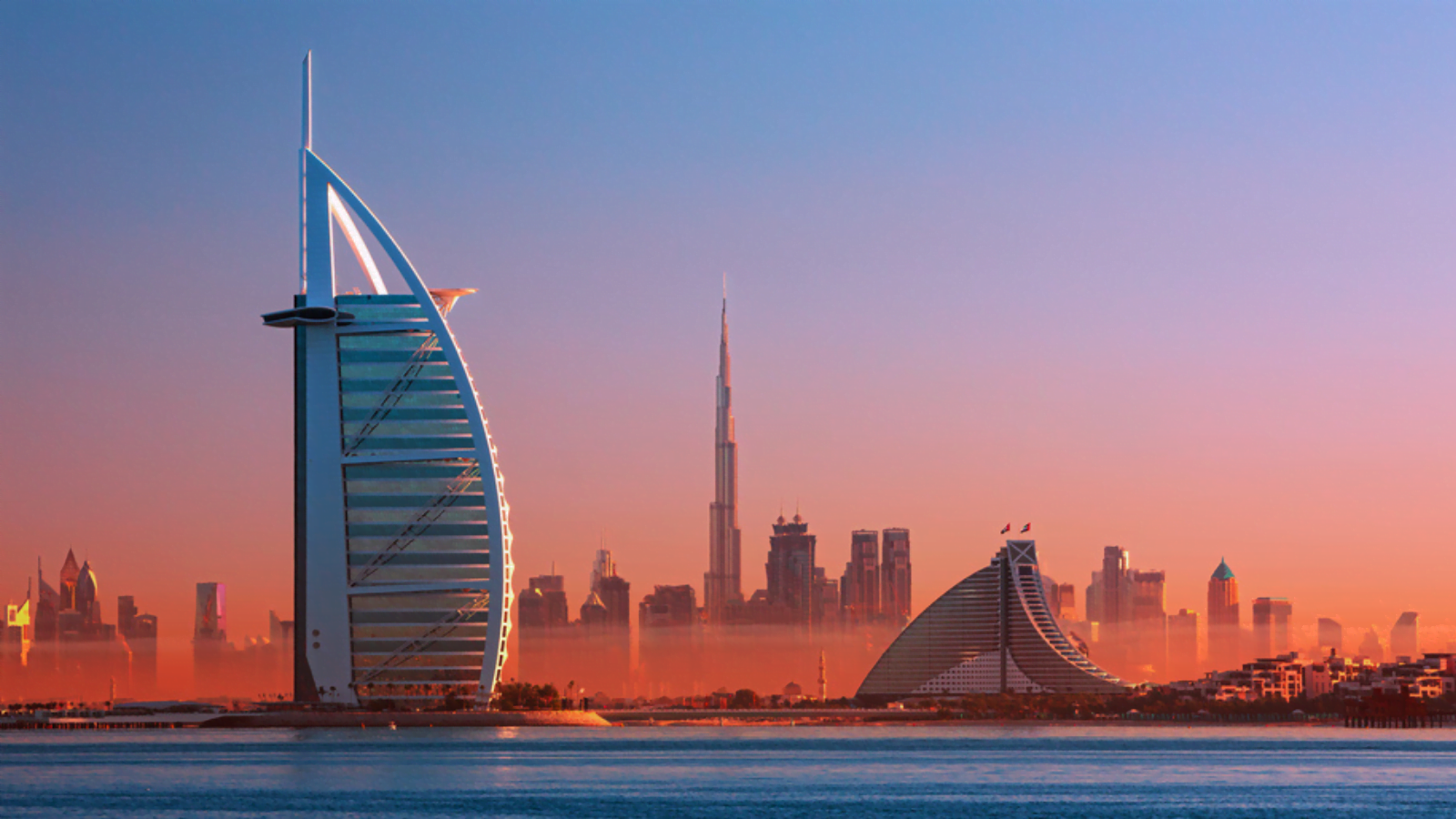
For decades, Dubai has served as the central financial point within the Middle East, but its position on the global map is continuously improving. The GDP of the emirate was $111 billion in 2023, and more than 2,500 companies are registered at the Dubai International Financial Centre (DIFC). The city has also entered the fintech space with the government allocating $100 million to the Dubai Future Foundation, which aims to advance finance technology. The UAE enacted the “100% Foreign Ownership Law” in 2020, which allowed foreigners to own businesses without the requirement to get a local partner, thereby attracting more foreign investments into Dubai’s finance services. With competitive tax structures and increasing expatriates, Dubai will most likely reach this ambition.
Singapore

Singapore’s standing as an essential financial hub in Asia has strengthened over the years, as evidenced by a stock market capitalization of $690 billion in 2023. The GDP per capita in this city-state is among the highest, approximately $65,000. Singapore is also in the top five countries where conducting business activities is easy and attracts a lot of foreign investments. To this end, Singapore has implemented many measures to strengthen the financial regulatory environment, including adopting the Monetary Authority of Singapore’s (MAS) ‘Digital Banking Framework,’ which fosters growth in fintech and digital banking to attract global investments.
Shanghai, China

With its economy of $900 billion, it is also the city of the Shanghai Stock Exchange, the world’s third-largest stock exchange by market capitalization. It is projected to reach $7.5 trillion in 2023. As more foreigners are allowed to operate in China’s internal financial markets, the need for Shanghai to be a central place in the global system will increase. The so-called “Pudong New Area Development Plan” of China has provided many tax and financial incentives in a bid to turn Shanghai into an international financial center by 2035.
Mumbai, India

Mumbai is the country’s economic center, contributing about 6% of GDP as of 2023. The Bombay Stock Exchange is also one of the oldest stock exchanges in the world and has a current valuation of about $2.5 trillion. Not only that, but a lot of things are changing, mostly in the technologies in this country, and due to that, more than 10,000 registered startups are contributing to the economic growth of this city.
São Paulo, Brazil

It is São Paulo where activities regarding economic interactions of all kinds are centered in Latin America. The GDP of this city in the year 2023 was $200 billion, and this busy city is the home to B3, the largest stock market in Latin America. São Paulo has positioned itself as a market of over 700 financial technology firms, changing the financial service landscape in this region. Sao Paulo enabled financial development by embarking on a revised ‘Economic Freedom Act,’ which liberalized the business regime, reduced taxes, and curtailed bureaucracies.
Frankfurt, Germany

The European Central Bank (ECB) is the Eurozone’s financial institution, located in Frankfurt. This makes Frankfurt an integral city for Euro-using economies. The city’s GDP for 2023 was $320 billion. Since Brexit has forced many financial companies out of London, Frankfurt has drawn more than 30 large financial institutions since 2016. Christine Lagarde of the ECB has remarked that “Frankfurt is the cornerstone of Europe’s financial stability,” highlighting its growing role in the post-Brexit financial world.
Toronto, Canada

Toronto is Canada’s financial hub and its financial services sector accounts for over $65 billion of the city’s $450 billion GDP. The Toronto Stock Exchange is the world’s ninth-largest stock exchange, with over $3 trillion projected market capitalization in 2023. Toronto Mayor Olivia Chow stated, “Toronto is not just a financial hub for Canada, but an emerging leader on the global stage, attracting talent and investment from around the world.”
Hong Kong

Irrespective of the prevailing political situation, Hong Kong continues asserting its business and financial center status. The city’s Gross Domestic Product is $369 billion, and it is also the location of the world’s fourth-largest stock market, valued at more than $5 trillion. Geographically positioned as a bridge to China, the region will never lose its value. Hong Kong’s Chief Executive, John Lee, said, “Hong Kong’s role as a global financial center is irreplaceable and we will continue to strengthen our financial infrastructure.”
Riyadh, Saudi Arabia

Driven by Saudi Arabia’s Vision 2030 Strategy, which aims to reduce dependence on oil, Riyadh is quickly emerging as the coming financial center of the Middle East. The city’s gross domestic product was $175 billion in 2023, and the five largest countries within the region, market OS, have received substantial positive effects due to the considerable growth of the stock market, which today stands at $2.9 trillion.
Kuala Lumpur, Malaysia

Kuala Lumpur is undertaking solid measures to establish itself as a significant economic region in the World. In 2023, the city boasts a $75 billion economy, and the Malaysian Stock Exchange established itself there. ‘Bursa Malaysia’ has seen a rising trend in the number of tech companies lining up to be listed on the stock exchange in recent years. The “Labuan Financial Services and Securities Act” presents tax incentives and a relaxed financial system within Labuan that facilitates Kuala Lumpur’s aspirations of being the dominant financial center in the region. Prime Minister Anwar Ibrahim remarked, “Kuala Lumpur is poised to become a leader in Islamic finance and fintech innovation.”
Johannesburg, South Africa

Johannesburg is regarded as the financial capital of Africa, accounting for 16% of the total GDP of $418 billion as of 2023. The Johannesburg Stock Exchange is the largest in Africa, with a market capitalization of over $1.1 trillion. Cyril Ramaphosa, the President of South Africa, has said, “Johannesburg will continue to be Africa’s financial leader as we work towards regional integration and growth.”
Istanbul, Turkey

Istanbul serves as a very advantageous link between the continents of Europe and Asia. The city has a GDP of $200 billion and is growing fast in finances, mainly in Islamic finance and technology investments. The “Istanbul Financial Center Law” provides policies like being exempted from tax and less stringent regulations to banks to position Istanbul at the center of global finance by the year 2028. President Recep Tayyip Erdoğan said, “Istanbul is set to become one of the top financial centers of the region, blending our rich history with modern innovation.”
Mexico City, Mexico

Mexico City has grown to be one of the financial hubs of Latin America, with a GDP of $230 billion. The city is also host to the Mexican stock exchange, whose market capitalization rose by 12% in 2023. Mexico City is also booming in fintech, with over 500 startups reinventing how financial services are offered. A recent “fintech law” enacted in Mexico seeks to control issues related to crowdfunding, the use of cryptocurrencies, and even electronic payments, thus positioning Mexico City as a robust leader in the fintech industry.
Warsaw, Poland

Warsaw has seen rapid economic growth, with a GDP of $105 billion in 2023. The Warsaw Stock Exchange is the largest in Central and Eastern Europe, with over $275 billion market capitalization. Warsaw also attracts global financial institutions post-Brexit as companies seek a foothold in the European Union. Polish Prime Minister Mateusz Morawiecki has said, “Warsaw is becoming the financial gateway to Central and Eastern Europe.”
Abu Dhabi, United Arab Emirates

Abu Dhabi’s GDP reached $249 billion in 2023, and the city is rapidly building its financial services sector. Abu Dhabi Global Market (ADGM) is a central free zone that attracts international banks, and the city’s sovereign wealth fund, the Abu Dhabi Investment Authority, holds assets exceeding $900 billion. Sheikh Mohamed bin Zayed Al Nahyan, President of the UAE, remarked, “Abu Dhabi is at the forefront of our nation’s financial future, blending tradition with cutting-edge innovation.”
Ho Chi Minh City, Vietnam

Ho Chi Minh City’s GDP grew to $58 billion in 2023, positioning it as a rising star in Southeast Asia’s financial landscape. Vietnam’s booming tech sector and favorable regulatory environment have made the city a hotbed for investment in fintech and venture capital. Vietnam’s “Decree 94” on Special Economic Zones provides tax incentives and reduced red tape for businesses in Ho Chi Minh City, attracting foreign investments in finance.
Jakarta, Indonesia

With a population of over 10 million and a GDP of $250 billion, Jakarta is the financial heart of Indonesia. The city is home to the Indonesia Stock Exchange, which has grown enormously, especially in the tech and manufacturing sectors. Indonesia’s focus on financial technology has also helped Jakarta gain prominence on the global stage. President Joko Widodo noted, “Jakarta is set to become Southeast Asia’s financial center, with fintech driving innovation and economic growth.”
Nairobi, Kenya

Nairobi is steadily establishing itself as the financial center of Eastern Africa, with an approximate GDP of 45 billion dollars by 2023. The Nairobi Stock Exchange (NSE) is among the biggest stock exchanges in Africa. With the growth of fintech startups in the city, the financial landscape has taken a new dimension. There are over 300 tech-centric financial companies in this city; therefore, it is referred to as “Silicon Savannah.”
Manila, Philippines

Manila is an emergent financial center in Southeast Asia. The amplitude of the city’s economy doubled to $75 billion in 2023, and the stock market has also flourished, with the Philippines Stock Exchange market capacity exceeding $350 billion. The rise of digital banking and the use of remittances have also allowed Manila to be on the global financial map. The Philippines also has a “CREATE Act,” which is an abbreviation for Corporate Recovery and Tax Incentives for Enterprises, meaning that direct taxable corporate income shall be reduced and benefits awarded to foreign investors critical to the growth industry within Manila.
Bangkok, Thailand


Over the years, Bangkok has been transformed into a vibrant financial hub within the Asia Pacific countries, and as of 2023, Bangkok’s GDP stands at $180 billion. Last year, the Stock Exchange of Thailand (SET) reported an upward shift of 15% in the market capitalization, exceeding $600 billion. The government of Thailand is making substantial investments in fintech and blockchain technologies, further consolidating Bangkok’s position as a center in the region. The “Eastern Economic Corridor (EEC)” law enacted in Thailand makes financial activities easier by granting relief on taxes and regulation for financial institutions.
18 Reasons Why People Are Leaving Florida in Masses

Exploring factors that impact the desirability of living in Florida, this list delves into various challenges shaping residents’ experiences. From environmental concerns like rising sea levels to economic factors such as fluctuating job markets, these issues collectively contribute to a nuanced understanding of the state’s appeal.
18 Reasons Why People Are Leaving Florida in Masses
This Options Discord Chat is The Real Deal
While the internet is scoured with trading chat rooms, many of which even charge upwards of thousands of dollars to join, this smaller options trading discord chatroom is the real deal and actually providing valuable trade setups, education, and community without the noise and spam of the larger more expensive rooms. With a incredibly low-cost monthly fee, Options Trading Club (click here to see their reviews) requires an application to join ensuring that every member is dedicated and serious about taking their trading to the next level. If you are looking for a change in your trading strategies, then click here to apply for a membership.