
Buying a home in Canada already stretches most budgets. Insurance often feels like just another fixed bill. Yet premiums are rising in many provinces. Severe weather claims and repair costs play a role. That does not mean you are stuck paying whatever shows up. Small changes can lower your premium in 2026. Some take minutes. Others require planning ahead. The key is knowing what insurers reward and what they quietly charge for. Below are practical, realistic steps homeowners can use this year. Here are 19 ways Canadians can save on home insurance in 2026.
Shop Around Before Every Renewal
19 Ways Canadians Can Save on Home Insurance in 2026
- Shop Around Before Every Renewal
- Bundle Home and Auto Policies
- Raise Your Deductible
- Install a Monitored Security System
- Upgrade Plumbing and Electrical Systems
- Improve Your Credit Score
- Avoid Small Claims
- Ask About Loyalty Discounts
- Update Your Home’s Replacement Value
- Install a Backwater Valve
- Remove Unnecessary Coverage
- Consider Group Insurance Programs
- Maintain Your Roof
- Stay Claims Free with Preventive Maintenance
- Pay Annually Instead of Monthly
- Increase Home Security Lighting
- Review Your Policy After Major Life Changes
- Choose a Higher Water Damage Deductible
- Work With an Independent Insurance Broker

Many Canadians renew their insurance each year automatically. That convenience can cost hundreds of dollars. Insurers adjust pricing models regularly. A competitor may offer better rates for your postal code. Climate risk and claims history affect quotes differently by company. Get at least three quotes before renewing. Compare coverage limits, not just price. Some cheaper policies cut back on water protection. Ask about discounts tied to your property type. Even calling your current insurer with a competing quote helps. They may match or reduce your premium to keep you as a customer.
Bundle Home and Auto Policies

Bundling remains one of the easiest discounts available. Most major Canadian insurers reward multi-policy households. Combining home and auto often reduces premiums by 5 to 15 percent. The exact savings depend on the province and claims history. Bundling also simplifies billing and renewals. However, always compare bundled pricing with separate policies. Sometimes one company offers strong auto rates but weaker home pricing. Request a full breakdown before committing. If you already bundle, ask if loyalty credits apply in 2026. Insurers update promotions regularly and may not apply them automatically.
Raise Your Deductible

A higher deductible usually lowers your annual premium. Moving from $500 to $1,000 can reduce costs noticeably. Some homeowners choose even higher deductibles. That strategy works best if you maintain emergency savings. You should comfortably afford the deductible after a claim. Review your claims history before adjusting. Frequent small claims may justify a lower deductible. In low-risk homes, higher deductibles often make sense. Speak with your insurer about multiple deductible tiers. Ask how much you would save at each level. Compare those savings with your financial comfort zone.
Install a Monitored Security System

Insurers reward homes with reduced theft risk. A professionally monitored alarm system can lower premiums. Discounts vary but often range between 5 and 20 percent. Systems that include fire and water monitoring provide additional value. Some insurers require proof of monitoring contracts. Smart home technology also qualifies in certain cases. Cameras alone may not be enough for discounts. Ask your provider which features count. Installation costs should be weighed against annual savings. Over several years, insurance reductions can offset much of the initial investment.
Upgrade Plumbing and Electrical Systems

Older homes carry a higher risk for insurers. Outdated wiring and aging pipes increase claim frequency. Knob and tube wiring often leads to higher premiums. Some insurers refuse coverage without upgrades. Replacing galvanized pipes lowers water damage risk. Modern electrical panels reduce fire hazards. After renovations, inform your insurer immediately. Provide documentation and inspection reports. Updated systems can qualify you for better rates. Even partial upgrades help in some cases. If you plan renovations in 2026, request a premium estimate before and after the work.
Improve Your Credit Score

In several Canadian provinces, insurers use credit-based scoring. A stronger credit profile often leads to lower premiums. Payment history and overall debt levels matter. Missed payments can affect pricing even without claims. Request a free credit report and review it carefully. Correct any errors before renewal season. Paying down revolving debt helps improve scores over time. Not all provinces allow credit scoring for insurance. Confirm whether it applies in your region. If permitted, ask your insurer how credit affects your quote.
Avoid Small Claims

Frequent small claims can increase premiums significantly. Even one water claim affects future pricing. Consider covering minor repairs out of pocket. Filing claims only for substantial losses often saves money long term. Ask your insurer how claims stay on record. Many remain visible for five to seven years. That history influences renewal pricing. A claims-free discount may apply after several years. Protecting that discount can be financially worthwhile. Weigh the repair cost against potential premium increases before filing.
Ask About Loyalty Discounts

Long-term customers sometimes qualify for loyalty savings. These discounts are not always advertised clearly. Ask your insurer directly about retention incentives. Mention how long you have held the policy. Companies prefer keeping stable clients. That stability can translate into credits. If no loyalty discount exists, request a policy review. You may qualify for new rate categories. Insurers update pricing models annually. A quick conversation could uncover hidden savings. Loyalty combined with bundling often increases total discounts.
Update Your Home’s Replacement Value

Overinsuring leads to unnecessary premiums. Underinsuring creates risk during claims. Replacement value should reflect rebuilding costs, not market price. Real estate values fluctuate independently of construction expenses. Review your coverage annually. Provide updates if you completed renovations. Remove coverage for features that no longer exist. Insurers use cost estimators to calculate rebuilding amounts. Ask for a fresh calculation in 2026. Accurate replacement values help control premium costs. Precision matters more than guessing high for safety.
Install a Backwater Valve

Water damage remains a top claim in Canada. Sewer backup coverage adds to premiums. Installing a backwater valve reduces risk substantially. Many municipalities offer rebates for installation. Insurers frequently provide discounts once installed. Proof of professional installation may be required. Flood-related claims have increased across provinces. Prevention measures matter more than ever. If your home has a finished basement, protection becomes even more important. A one-time installation cost can translate into long-term insurance savings.
Remove Unnecessary Coverage

Policy add-ons accumulate over time. Some homeowners forget what they selected years ago. Review optional coverages carefully. Identity theft protection or enhanced jewelry coverage may not apply to you. If valuables have been sold, remove scheduled items. Ask for a detailed explanation of every rider. Understanding what you pay for prevents waste. However, never remove coverage without understanding the consequences. Balance cost-cutting with realistic risk assessment. Insurance works best when tailored to actual needs.
Consider Group Insurance Programs

Professional associations often negotiate group insurance rates. Alumni groups and employers sometimes offer discounts. These plans can provide competitive premiums. Coverage terms may differ slightly from standard policies. Always compare limits and exclusions. Group pricing works best for low-risk homeowners. Ask your HR department about available programs. Membership-based organizations may advertise insurance partnerships. Even a small discount compounds over the years. Explore all affiliations before renewing your current policy.
Maintain Your Roof

Roof age directly affects premiums. Older roofs increase the likelihood from storms. Replacing shingles before visible failure helps. Insurers may apply surcharges to aging roofs. After replacement, provide receipts and photos. Some companies reduce premiums immediately. Certain materials perform better in severe weather. Metal roofing sometimes qualifies for additional savings. Regular maintenance also prevents minor damage. Preventive upkeep supports better underwriting decisions. A strong roof lowers both risk and long-term insurance costs.
Stay Claims Free with Preventive Maintenance
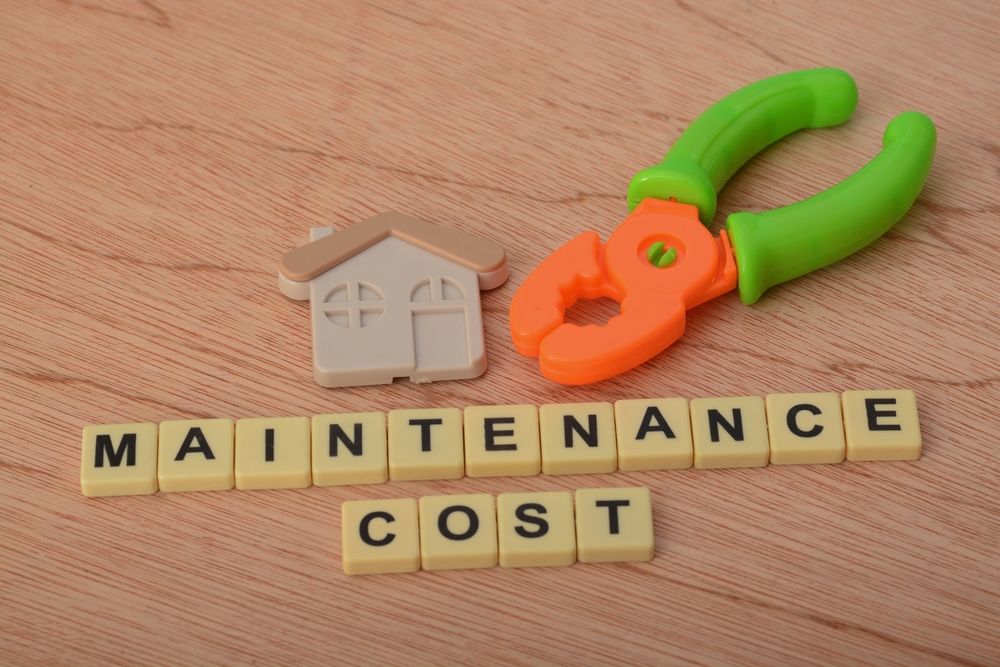
Preventive maintenance lowers risk across the board. Clean gutters reduce water intrusion. Sealing foundation cracks limits basement flooding. Inspect appliances and replace old hoses. Simple checks prevent costly incidents. Insurers reward stable, low-risk properties. Maintaining your home reduces the chance of claims. Fewer claims mean steadier premiums. Keep records of upgrades and inspections. Documentation helps during policy reviews. Consistent maintenance supports lower insurance costs over time.
Pay Annually Instead of Monthly

Monthly payments sometimes include service fees. Paying annually can remove installment charges. Ask your insurer whether financing fees apply. The difference may be small each month. Over a year, it adds up. If cash flow allows, an annual payment works well. Some insurers provide additional discounts for upfront payment. Confirm before switching payment structure. Eliminating extra fees offers straightforward savings. It requires no coverage changes or renovations.
Increase Home Security Lighting

Exterior lighting reduces theft risk. Motion-activated lights deter intruders effectively. Well-lit entrances signal lower vulnerability. Some insurers acknowledge these upgrades. Discounts may be modest but helpful. Smart lighting systems also qualify in certain cases. Installation costs remain relatively low. Improved safety benefits extend beyond insurance savings. Provide documentation of upgrades to your insurer. Every small credit contributes to the overall reduction.
Review Your Policy After Major Life Changes

Life changes affect insurance needs. Marriage, divorce, or adult children moving out alters risk. Home-based businesses require special coverage. Informing your insurer keeps policies accurate. Incorrect details can increase premiums unnecessarily. Adjusting coverage prevents paying for outdated risks. If your mortgage decreases significantly, review coverage amounts. Updating occupancy details may lower premiums. Regular policy reviews prevent surprises at renewal.
Choose a Higher Water Damage Deductible
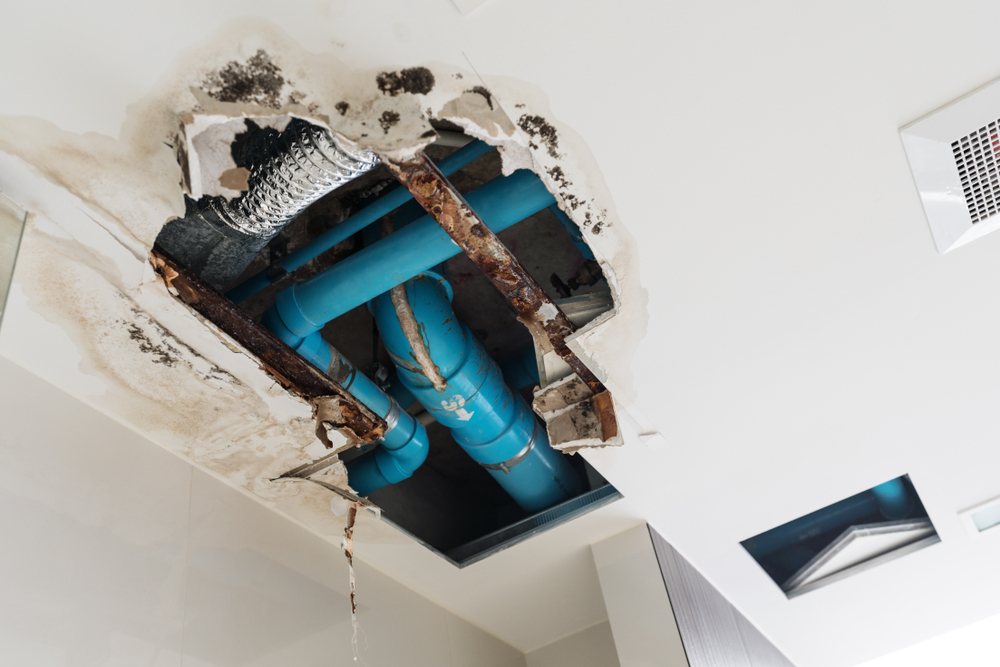
Water claims remain expensive in Canada. Some insurers allow separate water deductibles. Choosing a higher water deductible lowers premiums. Evaluate your flood risk carefully. Homes near rivers face different exposure. Balance savings against potential claim costs. Discuss deductible structures clearly. Understand what events fall under water coverage. Tailoring deductibles offers targeted savings. It also encourages preventive upgrades in vulnerable areas.
Work With an Independent Insurance Broker

Independent brokers compare multiple insurers at once. They understand regional risk trends. Brokers identify discounts you may overlook. Their compensation comes from insurers, not you directly. That structure allows broad market access. Ask brokers to explain coverage differences clearly. An experienced broker negotiates effectively at renewal. They monitor pricing changes across companies. Professional guidance often results in lower premiums. Especially in 2026, when climate risk pricing shifts, expert advice proves valuable.
This Options Discord Chat is The Real Deal
While the internet is scoured with trading chat rooms, many of which even charge upwards of thousands of dollars to join, this smaller options trading discord chatroom is the real deal and actually providing valuable trade setups, education, and community without the noise and spam of the larger more expensive rooms. With a incredibly low-cost monthly fee, Options Trading Club (click here to see their reviews) requires an application to join ensuring that every member is dedicated and serious about taking their trading to the next level. If you are looking for a change in your trading strategies, then click here to apply for a membership.