
35,000+ smart investors are already getting financial news, market signals, and macro shifts in the economy that could impact their money next with our FREE weekly newsletter. Get ahead of what the crowd finds out too late. Click Here to Subscribe for FREE.
35,000+ smart investors are already getting financial news, market signals, and macro shifts in the economy that could impact their money next with our FREE weekly newsletter. Get ahead of what the crowd finds out too late. Click Here to Subscribe for FREE.
Some brands fade quietly into nostalgia, while others pull off the kind of comeback that makes you question where they’ve been hiding all these years. Whether through modern rebranding, clever nostalgia marketing, or flat-out reinvention, many childhood favorites are thriving again in a digital, influencer-driven world. Here are 15 comebacks nobody saw coming.
Polaroid
15 Comebacks Nobody Saw Coming—from Brands We Grew Up With

Once made obsolete by digital cameras, Polaroid bounced back with style by leaning into nostalgia. Its instant photo format became an aesthetic accessory for Gen Z, marketed as tangible memories in a screen-heavy world. By blending analog charm with Bluetooth-enabled cameras and app integration, Polaroid redefined instant photography. Collaborations with fashion brands and influencers helped reintroduce it as a lifestyle item rather than just a camera. Its return proved that sometimes, what feels outdated can become timeless when positioned as vintage luxury for a generation craving authenticity.
Nokia
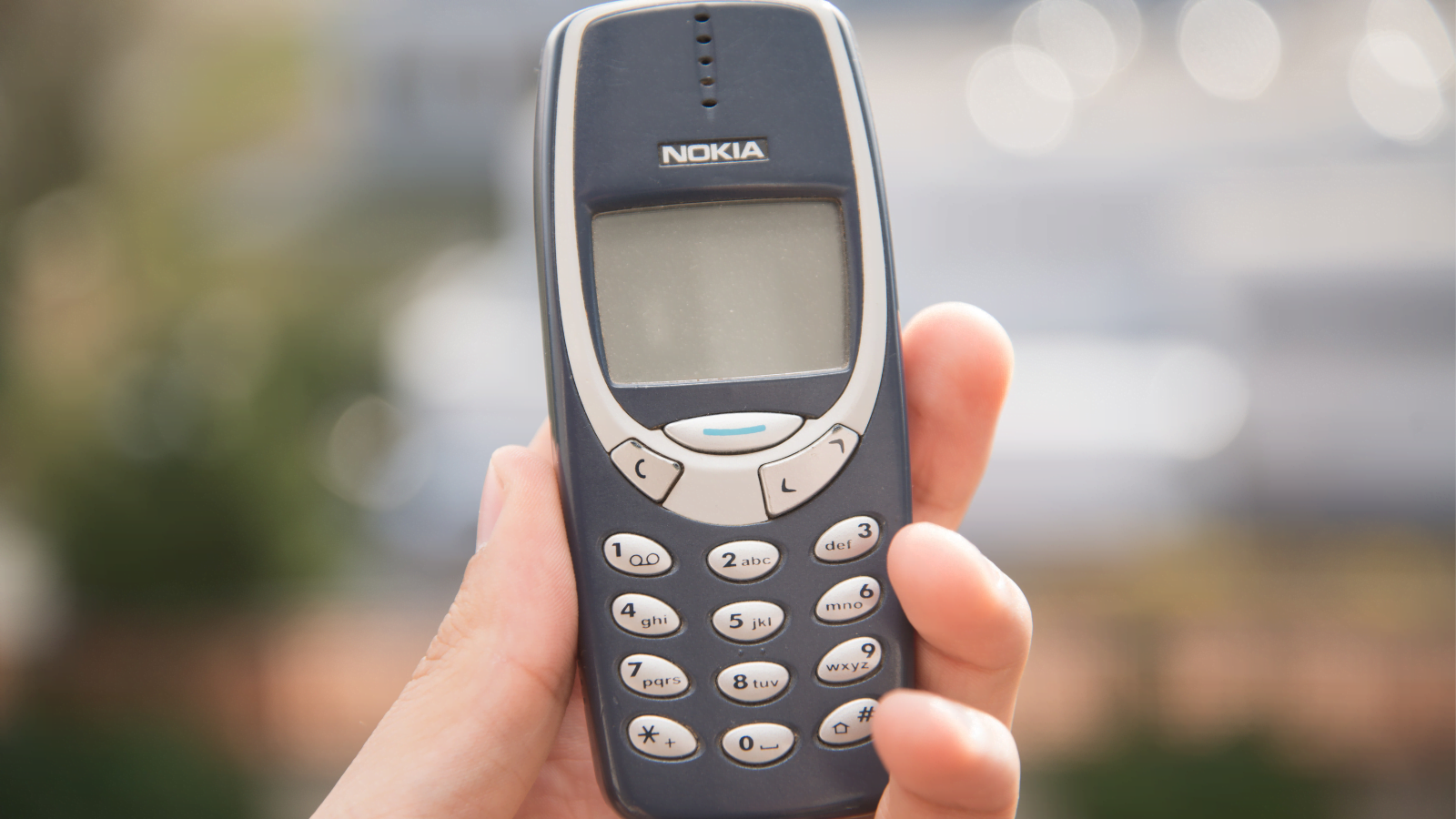
Once the undisputed ruler of mobile phones, Nokia’s decline seemed irreversible after smartphones took over. But its comeback focused on durability, nostalgia, and simplicity. Instead of competing with flagship giants, Nokia revived its classic models like the 3310 with modern updates, appealing to minimalists and older users. The brand also launched affordable Android devices with sleek Scandinavian design and long battery life. This pivot towards reliability and nostalgia rather than innovation gave Nokia a steady second act in a market obsessed with constant upgrades.
Blockbuster

After famously being defeated by Netflix, Blockbuster surprised many with its ironic pop culture revival. While only one physical store remains in Oregon, the brand reemerged online through social media humor and retro merchandise. The “Last Blockbuster” became a tourist destination and a Netflix documentary subject, reviving interest in the brand as a symbol of simpler times. Its Twitter presence, filled with self-deprecating humor, attracted millions of nostalgic followers. Though it’s no longer renting DVDs, Blockbuster’s digital persona made it a nostalgic icon reborn through wit.
Crocs

Once mocked relentlessly, Crocs engineered one of fashion’s biggest turnarounds. The brand rebranded its clunky image by collaborating with high-fashion names like Balenciaga and streetwear icons such as Salehe Bembury. Suddenly, the foam clog became a symbol of comfort-meets-style. Crocs leaned into irony, comfort culture, and influencer partnerships to win over Gen Z. Annual revenue surpassed $3 billion by 2023, proving that self-awareness, bold design, and clever collaborations can turn ridicule into relevance faster than anyone expected.
Old Spice

Once seen as your grandfather’s cologne, Old Spice reinvented itself through genius advertising. The “Smell Like a Man, Man” campaign with Isaiah Mustafa flipped the brand’s perception overnight. Humorous, confident, and weirdly self-aware, Old Spice became the gold standard for brand rejuvenation. By targeting younger audiences with viral videos and bold packaging, it turned from outdated to iconic. Sales reportedly doubled within a year of the campaign, showing that humor and modern masculinity could revive even the dustiest bathroom shelf item.
LEGO
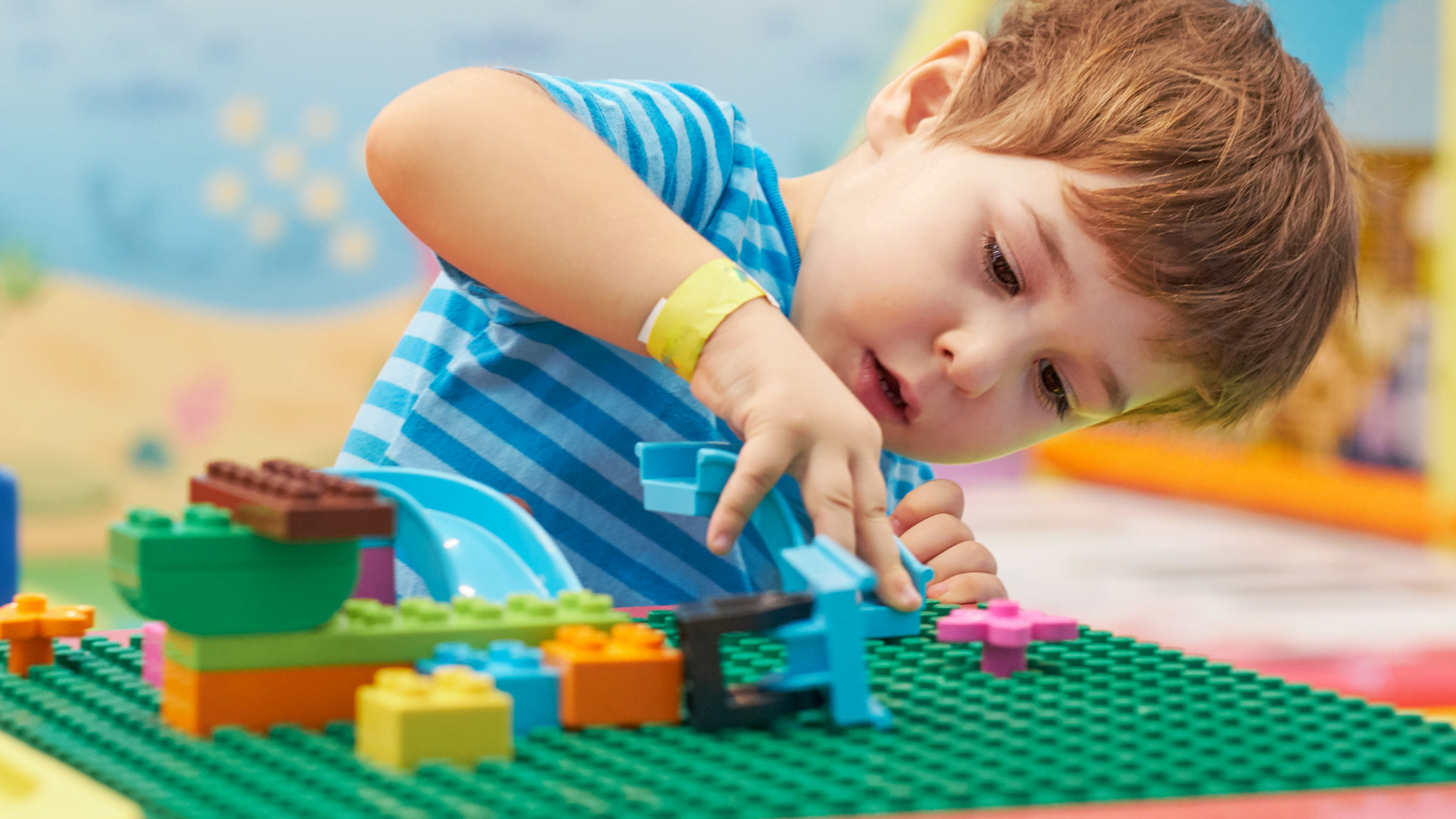
In the early 2000s, LEGO faced financial trouble, struggling against video games and short attention spans. Its comeback began with storytelling, partnering with Star Wars, Harry Potter, and Marvel franchises. LEGO movies and interactive digital sets bridged physical and digital play. The company also embraced adult fans with advanced sets like the LEGO Architecture and Botanical collections. This combination of nostalgia, creativity, and innovation transformed LEGO into one of the world’s most profitable toy brands again, proving that imagination never really goes out of style.
Barbie

After years of criticism over unrealistic beauty standards, Barbie reinvented herself through inclusivity. Mattel introduced dolls of all skin tones, body types, and careers, aligning Barbie with modern values. Collaborations with feminist icons and STEM organizations further modernized her image. The 2023 “Barbie” film by Greta Gerwig amplified this transformation, generating over $1.4 billion at the box office and reintroducing the brand as culturally relevant and self-aware. Barbie’s evolution from outdated stereotype to empowerment icon became one of the most successful brand reinventions of the decade.
RadioShack

Once a dying electronics retailer, RadioShack’s comeback was as unexpected as it was unconventional. The brand reappeared online in 2022 with a bold, edgy social media voice that went viral. This digital rebrand tapped into crypto culture and internet humor, reintroducing RadioShack to a younger, meme-savvy audience. While the tone shocked older customers, it brought massive visibility. The brand leaned into irreverance to stay relevant, proving that sometimes, breaking all the old rules can bring a legacy name back into the conversation.
Converse

Converse’s Chuck Taylor sneakers have existed for over a century, but their revival in the 2010s was intentional. The brand embraced its heritage while collaborating with artists and designers like Comme des Garçons and Tyler, The Creator. It shifted from a retro basketball shoe to a streetwear essential. Marketing focused on self-expression and individuality, appealing to both nostalgic millennials and creative Gen Zers. By balancing classic design with limited editions and cultural relevance, Converse managed to stay timeless and trendy at once.
Kodak
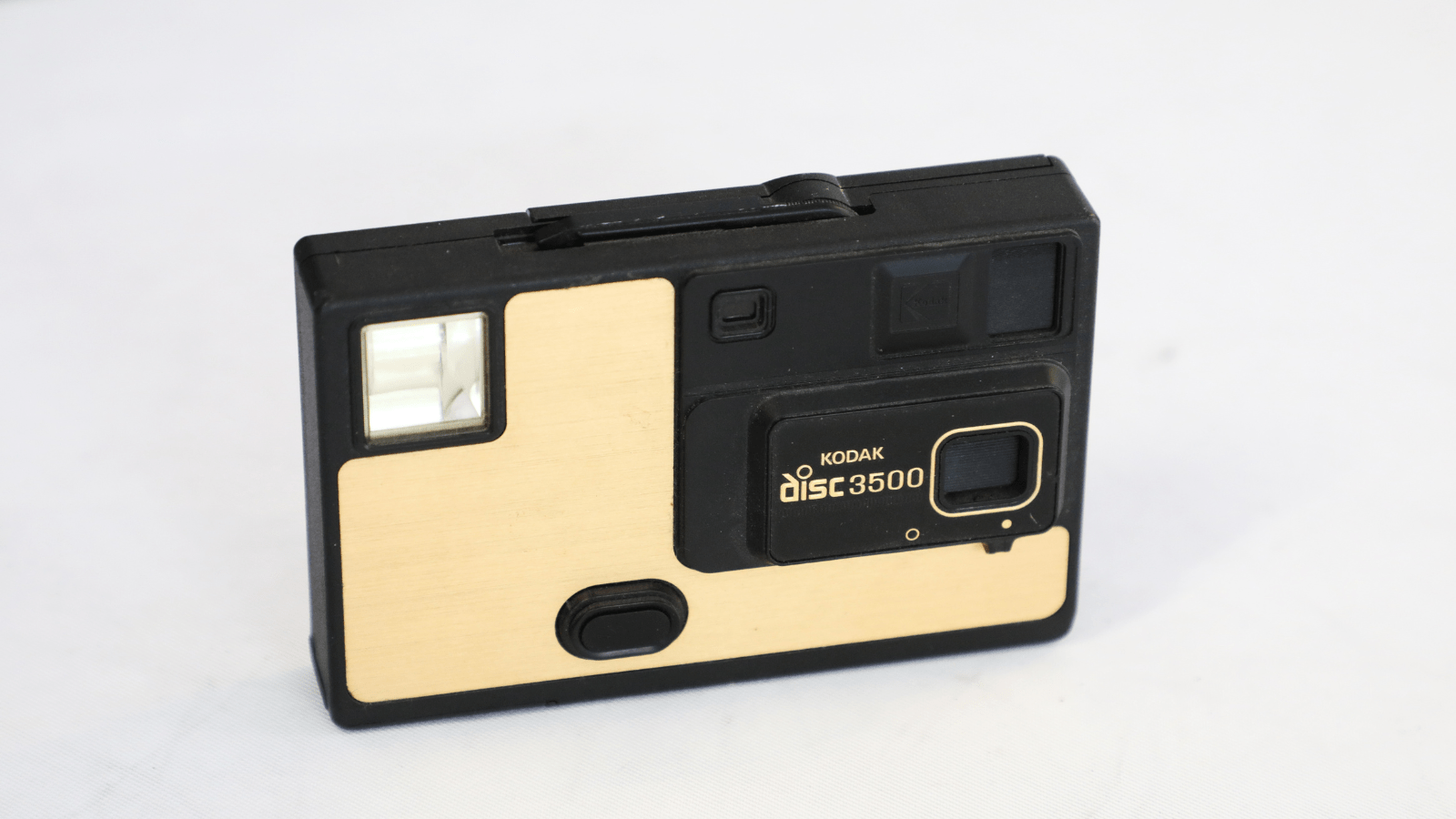
Kodak’s near-collapse after the rise of digital photography was a cautionary tale, but the company slowly reinvented itself. Instead of fighting digital, Kodak embraced it by focusing on professional imaging, printing tech, and creative partnerships. The launch of the Kodak Ektra smartphone and its retro-inspired cameras brought the brand back into relevance for photography lovers. Kodak also tapped into nostalgia through influencer collaborations and film photography resurgences. Its identity shifted from outdated to authentic, reminding users why its name was once synonymous with capturing memories.
Abercrombie & Fitch

The early 2000s mall staple lost ground after criticism for exclusivity and oversexualized marketing. Its revival began with a complete brand overhaul—diverse casting, neutral aesthetics, and modern fits replaced its old image. New collections focused on quality and comfort rather than logo dominance. Influencer partnerships and TikTok styling videos brought it back into mainstream relevance. Sales surged, and shoppers began referring to it as a “quiet luxury” brand. Abercrombie’s transformation from outdated teen store to inclusive lifestyle label showed that humility and reinvention can rebuild credibility.
Toys “R” Us

After bankruptcy and closures, the toy giant made a surprising return through partnerships with Macy’s stores and online relaunches. The brand leveraged nostalgia with its mascot, Geoffrey the Giraffe, aiming to remind adults of their childhood experiences while captivating a new generation of parents. By combining in-store experiences with e-commerce, Toys “R” Us bridged digital and physical shopping. The comeback strategy focused on emotional connection rather than pure retail, helping it slowly rebuild its legacy as the go-to toy destination once again.
Champion

The athletic wear brand quietly re-entered the fashion scene by embracing its heritage. Once dismissed as budget sportswear, Champion repositioned itself through retro aesthetics, minimalist design, and high-quality basics. Collaborations with Supreme, Urban Outfitters, and influencers boosted its streetwear credibility. Its signature “C” logo became a status symbol again, and the brand saw massive growth in global sales. Champion’s revival showed that authenticity and consistent quality can turn a once-forgotten brand into a modern staple in the athleisure movement.
MySpace

After Facebook dominated social media, MySpace seemed extinct. But it resurfaced quietly as a music-focused platform for artists and indie creators. The company leveraged its early association with music discovery, becoming a niche site for musicians to share and promote content. While no longer a mainstream social network, its focused revival showed adaptability and awareness of its unique strength. MySpace’s return as a music hub proved that reinvention doesn’t always mean reclaiming the spotlight, it can mean finding the right one.
Vans
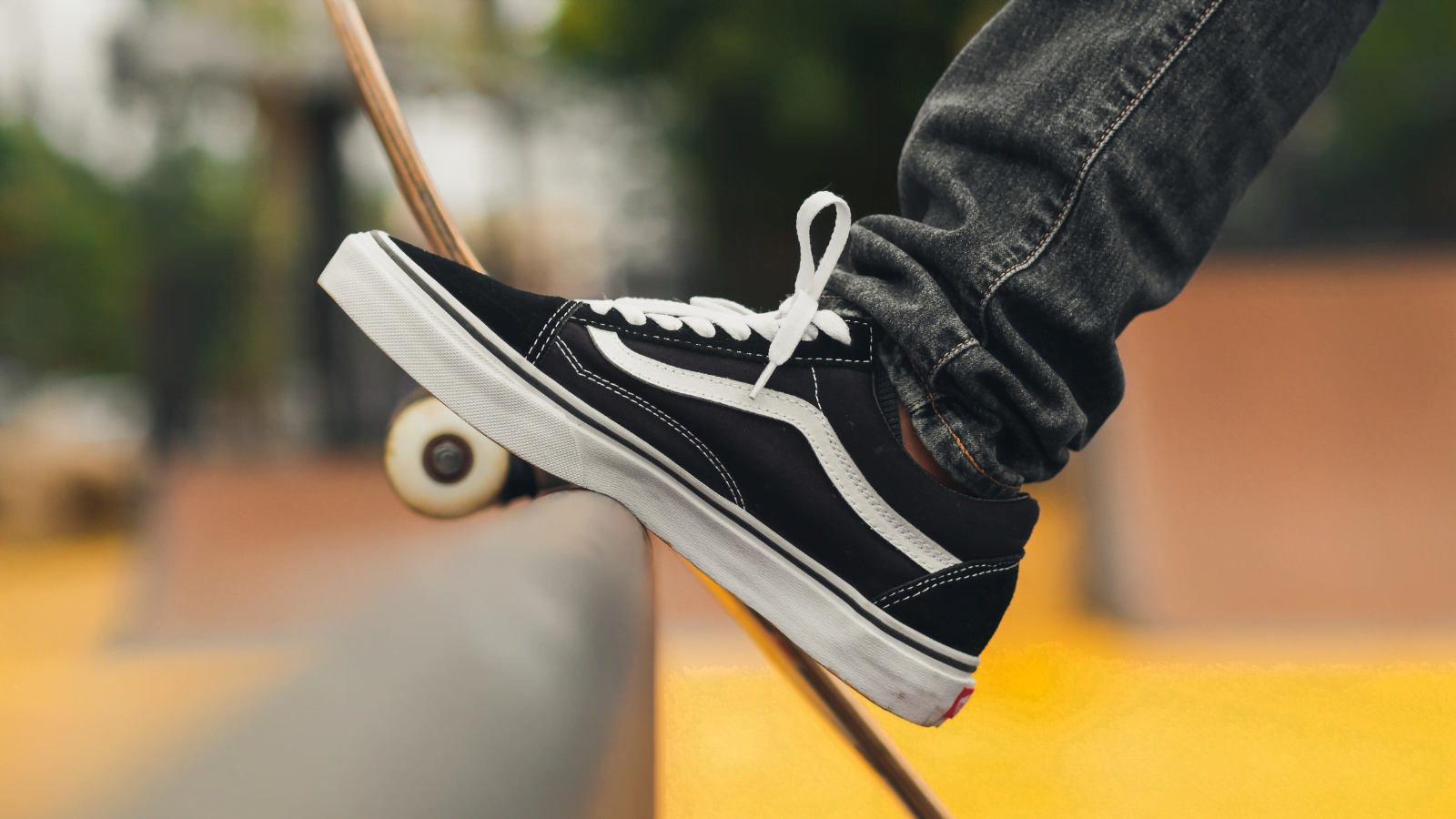
Known in the 1990s for skate culture, Vans faded before staging a massive revival by merging authenticity with pop culture. Collaborations with Netflix’s “Stranger Things,” Disney, and artists reignited its relevance. The brand invested in sustainable materials and lifestyle storytelling, appealing to both skaters and style enthusiasts. Its shoes became synonymous with casual cool again, driven by loyal communities and nostalgia-driven marketing. Vans’ resurgence highlighted how staying rooted in subculture while embracing mainstream fashion can strike the perfect balance for a comeback.
21 Products Canadians Should Stockpile Before Tariffs Hit

If trade tensions escalate between Canada and the U.S., everyday essentials can suddenly disappear or skyrocket in price. Products like pantry basics and tech must-haves that depend on are deeply tied to cross-border supply chains and are likely to face various kinds of disruptions
21 Products Canadians Should Stockpile Before Tariffs Hit
This Options Discord Chat is The Real Deal
While the internet is scoured with trading chat rooms, many of which even charge upwards of thousands of dollars to join, this smaller options trading discord chatroom is the real deal and actually providing valuable trade setups, education, and community without the noise and spam of the larger more expensive rooms. With a incredibly low-cost monthly fee, Options Trading Club (click here to see their reviews) requires an application to join ensuring that every member is dedicated and serious about taking their trading to the next level. If you are looking for a change in your trading strategies, then click here to apply for a membership.