35,000+ smart investors are already getting financial news, market signals, and macro shifts in the economy that could impact their money next with our FREE weekly newsletter. Get ahead of what the crowd finds out too late. Click Here to Subscribe for FREE.
When the lights return after a power outage, relief can make a household feel as though the emergency has ended. In reality, restoration is often the moment when hidden problems begin revealing themselves. Damaged electrical equipment may become energized again, thawing food can create health risks, and heating or water systems may not restart safely.
A careful inspection does not require technical expertise, but it does require patience and attention. These 20 things Canadians should never ignore after a power outage cover the most important electrical, food, water, heating, health and property concerns. Catching a warning sign early can prevent a manageable inconvenience from turning into an electrical fire, flooded basement, insurance dispute or medical emergency.
Downed or Sagging Power Lines
20 Things Canadians Should Never Ignore After a Power Outage
- Downed or Sagging Power Lines
- Floodwater Near Electrical Equipment
- Flickering Lights or Partial Power
- Turning Everything Back On at Once
- Burning Smells, Buzzing or Repeated Breaker Trips
- An Improperly Shut Down Generator
- Carbon Monoxide Alarms or Unexplained Symptoms
- Smoke and Carbon Monoxide Alarm Operation
- Refrigerator Temperature
- Thawing Freezer Food and Leaking Packages
- Refrigerated Medication and Medical Equipment
- Drinking Water Notices and Private Wells
- Sump Pumps and Sewage Systems
- Natural Gas Odours or Damaged Connections
- Blocked Heating and Water-Heater Vents
- Frozen Pipes and Hidden Plumbing Leaks
- Damage to the Service Mast, Roofline or Trees
- Dangerous Indoor Heat or Cold
- Communication, Alarm and Control Systems
- Undocumented Damage and an Empty Emergency Kit
- 16 Costco Canada Habits That Could Be Costing Shoppers More Than They Save
A power line lying across a lawn or road may look harmless once neighbourhood lights come back on. That appearance can be dangerously misleading. Damaged, sagging and fallen lines should always be treated as energized, even when they are silent, motionless and producing no sparks. Electricity can also travel through nearby soil, standing water, fences, vehicles, trees and other objects touching the line.
Canadian utility guidance commonly recommends remaining at least 10 metres away—approximately the length of a city bus—and calling 911 to report the danger. Children, neighbours and pets should be kept out of the area until emergency personnel or the local utility declares it safe. A homeowner should never attempt to move a wire with a broom, branch, rope or vehicle. Restored electricity can re-energize storm-damaged infrastructure without warning, making a line that appeared inactive moments earlier suddenly lethal.
Floodwater Near Electrical Equipment
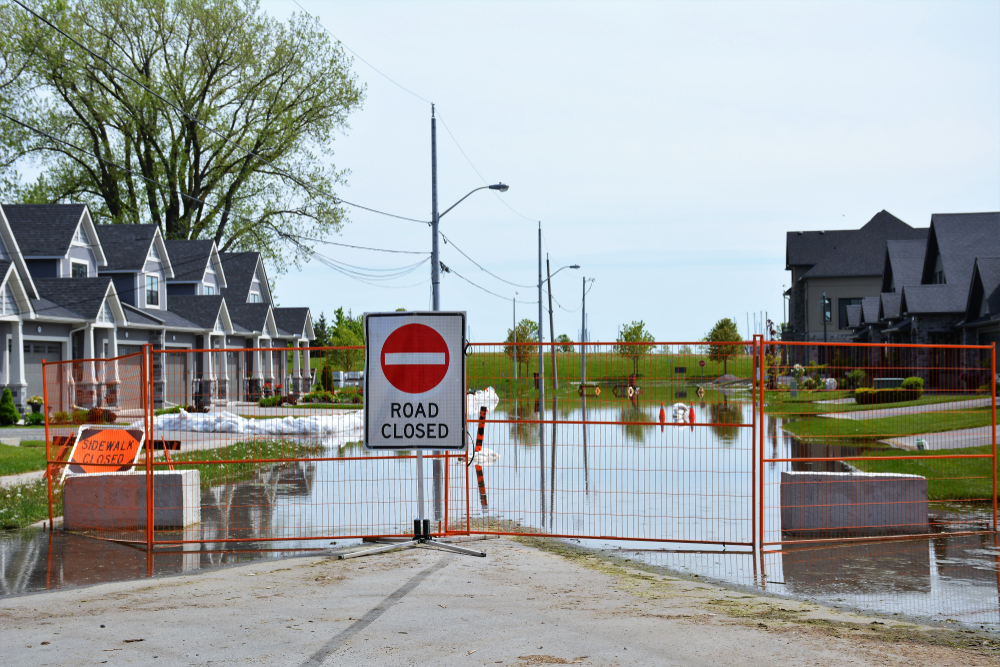
Basement water deserves immediate attention after an outage, but entering the area too quickly can be more dangerous than the flooding itself. Water that has risen above outlets, baseboard heaters, a furnace or electrical equipment may be energized. Even shallow water on a concrete floor can create a serious shock hazard if damaged wiring or equipment remains connected to the electrical system.
No one should enter a flooded electrical area until the local utility has disconnected the property or a qualified professional has confirmed that it is safe. Appliances exposed to floodwater should not simply be dried, plugged in and tested. Internal components can remain contaminated or damaged after the outside appears dry. A licensed electrical contractor may need to inspect wiring, panels, receptacles and customer-owned service equipment before reconnection. This extra step can feel frustrating when neighbouring homes already have power, but energizing water-damaged equipment may cause electrocution, short circuits or fire.
Flickering Lights or Partial Power
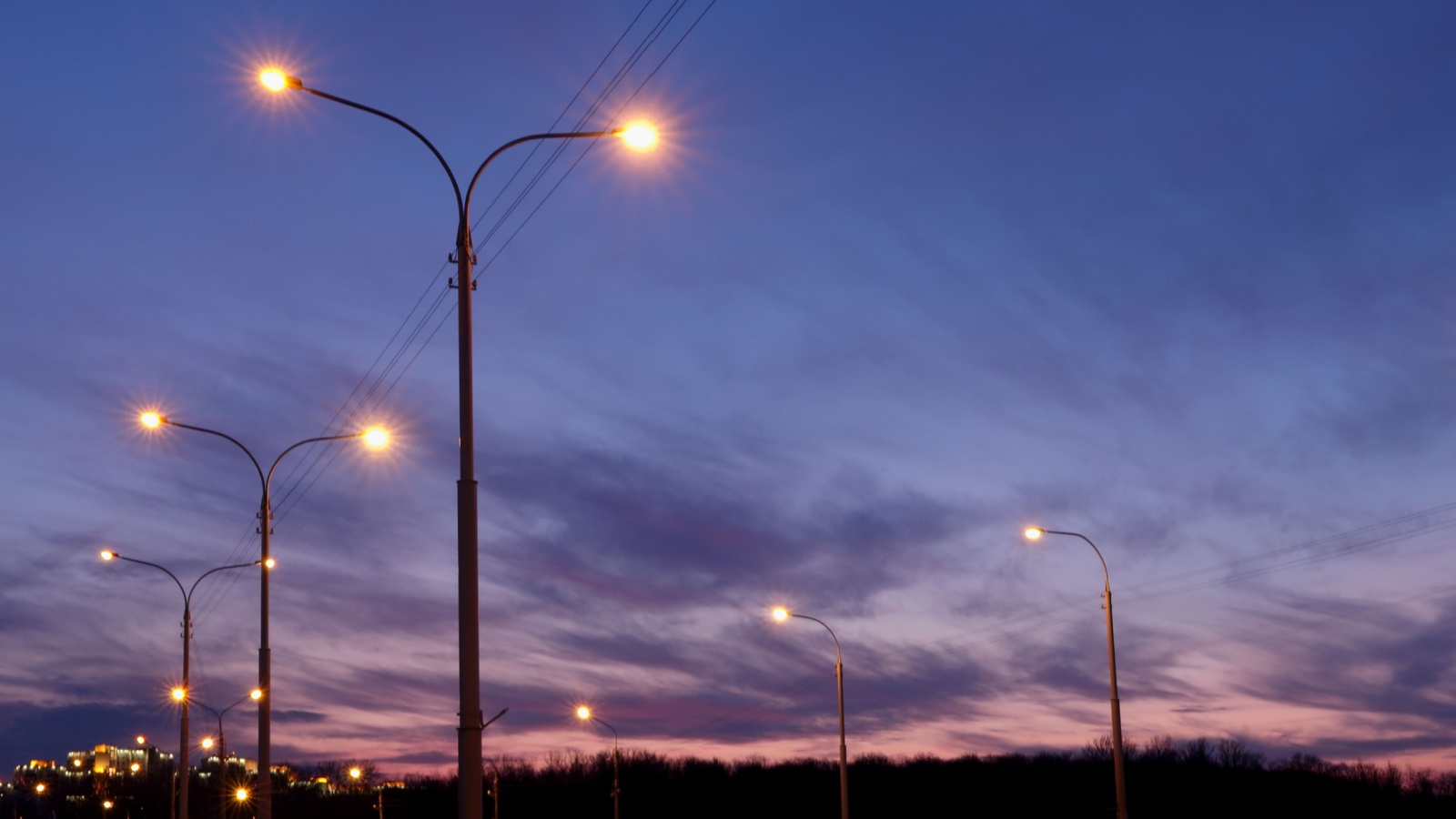
Power restoration should not leave half the house working normally while the other half remains dark. Flickering, dimming, unusually bright lights or electricity reaching only certain rooms can indicate a continuing utility problem, damaged service equipment or an issue within the home. These symptoms should not be dismissed as the grid merely “settling down,” especially when they persist or return repeatedly.
Large appliances should remain off while the problem is investigated. A stove, dryer or central air conditioner can place a significant load on an already unstable electrical supply. The local utility should be contacted when flickering or partial power appears related to restoration, and a qualified electrician may be needed when the fault is on the customer’s side of the connection. One house can experience a service problem even while the homes next door appear normal. Waiting for the symptoms to disappear could expose sensitive electronics and motors to abnormal voltage or allow damaged electrical connections to overheat.
Turning Everything Back On at Once

The return of electricity often triggers a rush to restart the furnace, television, laundry machines, computers and kitchen appliances simultaneously. Canadian emergency guidance recommends a more gradual approach. The electrical system should be given time to stabilize, with essential equipment restored first rather than every household load being reconnected at the same moment.
Heating controls can be returned to their normal setting first, followed by the refrigerator and freezer. Other appliances and tools can generally wait another 10 to 15 minutes. This sequence reduces the sudden demand placed on the home and the recovering local grid. It also gives residents an opportunity to notice abnormal sounds, smells or electrical behaviour before more equipment is energized. Electric water heaters require special care: the tank should be full before power is restored to the heating elements. Energizing an empty or partially drained tank can damage the equipment and create an expensive repair just as the household is returning to normal.
Burning Smells, Buzzing or Repeated Breaker Trips

The smell of hot plastic, unusual buzzing, crackling sounds, scorched outlets or a breaker that repeatedly trips should never be treated as a minor post-outage annoyance. Storm damage and voltage disturbances may affect wiring, service equipment or appliances. A damaged connection can continue producing heat even when lights and devices appear to work normally.
Equipment showing these warning signs should be switched off only when doing so is safe. A breaker should not be reset again and again in an attempt to force a circuit to remain energized. Repeated tripping is a protective response, not an obstacle to be defeated. Smoke, visible arcing, sparks or rapidly increasing heat require immediate emergency attention. Less dramatic symptoms still justify an inspection by a qualified electrician. In many Canadian homes, the service mast, meter base and wiring attached to the building are customer-owned, meaning utility crews may restore neighbourhood power without repairing damage to those components.
An Improperly Shut Down Generator
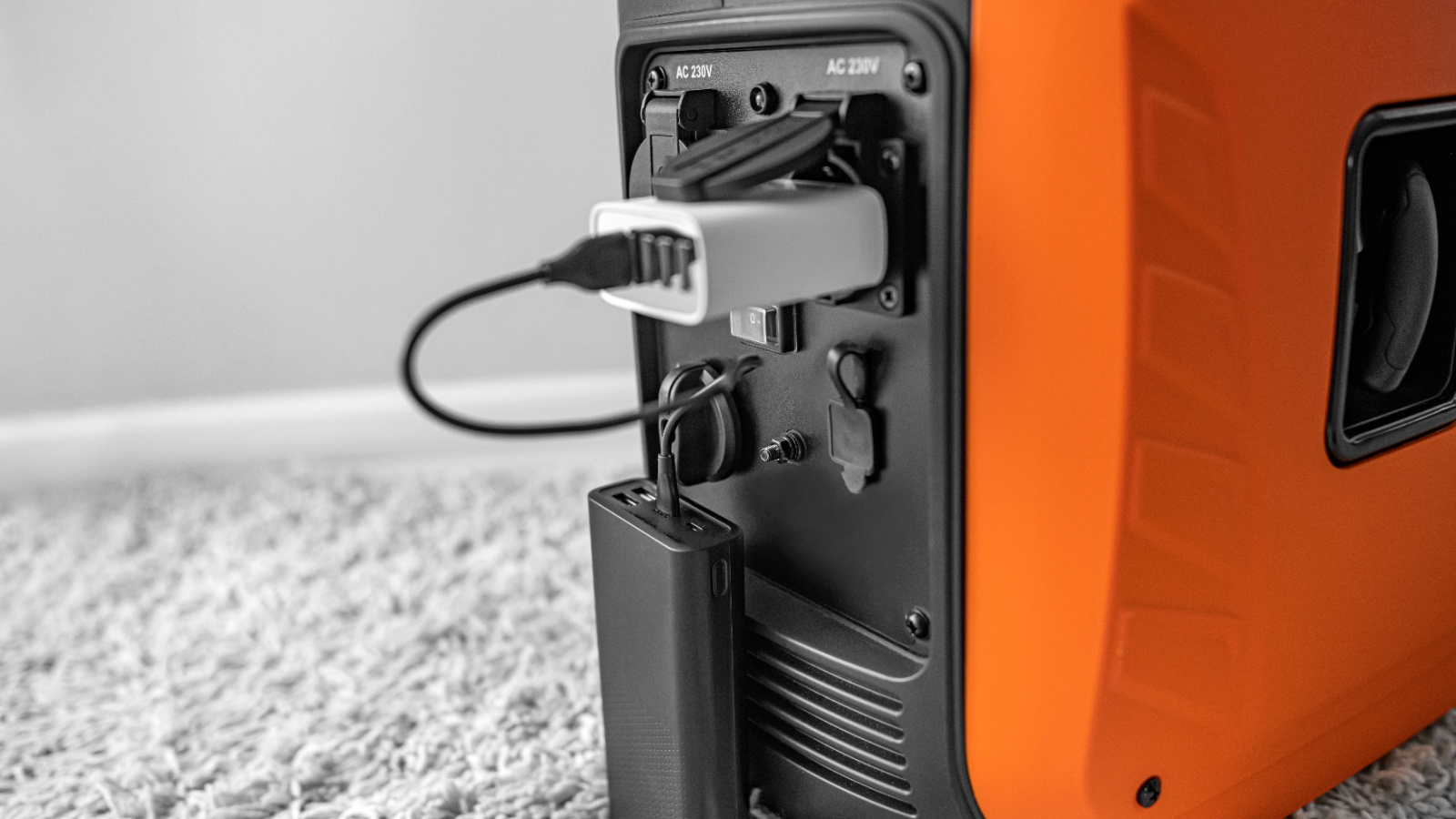
A portable fuel-burning generator remains hazardous even after utility power returns. It should be turned off and allowed to cool before fuel is added, drained or the machine is moved into storage. Gasoline spilled onto a hot engine can ignite. The generator should also remain outside while running, positioned at least six metres from homes and other buildings with its exhaust directed away from windows, doors and air intakes.
A generator must never be connected to a household circuit by plugging it into a wall receptacle. This practice, sometimes called backfeeding, can energize utility lines and put repair crews, neighbours and household members at risk. A generator connected to a home’s electrical system requires an approved transfer panel and switch installed by a qualified electrician. Extension cords should be correctly rated and carry recognized Canadian certification. Once grid power is stable, generator-fed loads should be disconnected according to the manufacturer’s instructions rather than through improvised switching.
Carbon Monoxide Alarms or Unexplained Symptoms
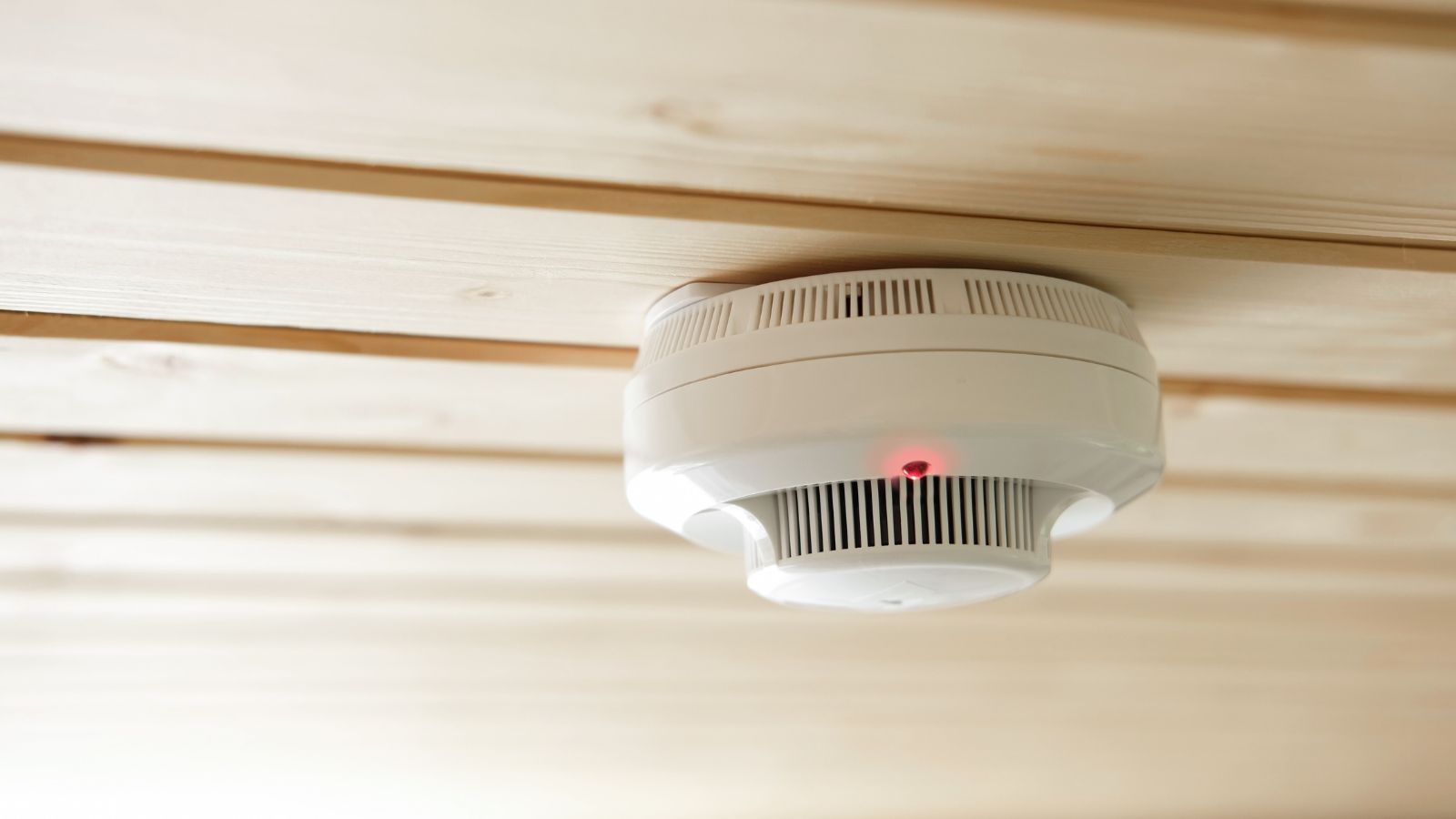
Carbon monoxide is colourless and odourless, so the absence of smoke or a fuel smell does not prove that the air is safe. Generators, vehicles, camp stoves, barbecues and other fuel-burning equipment used during an outage can produce carbon monoxide that enters a home through doors, windows, vents or attached garages. The gas may remain a danger even when the lights have returned.
A sounding carbon monoxide alarm requires everyone to leave immediately and move into fresh air. Emergency services should be called from outside, and no one should re-enter until qualified responders confirm that it is safe. Headache, dizziness, nausea, shortness of breath, confusion and unusual fatigue can be warning signs of exposure, particularly when several people or pets become ill at the same time. Opening windows is not a substitute for evacuation. Residents should not search for the source themselves, because concentration can rise quickly and impair judgment before the danger is visible.
Smoke and Carbon Monoxide Alarm Operation
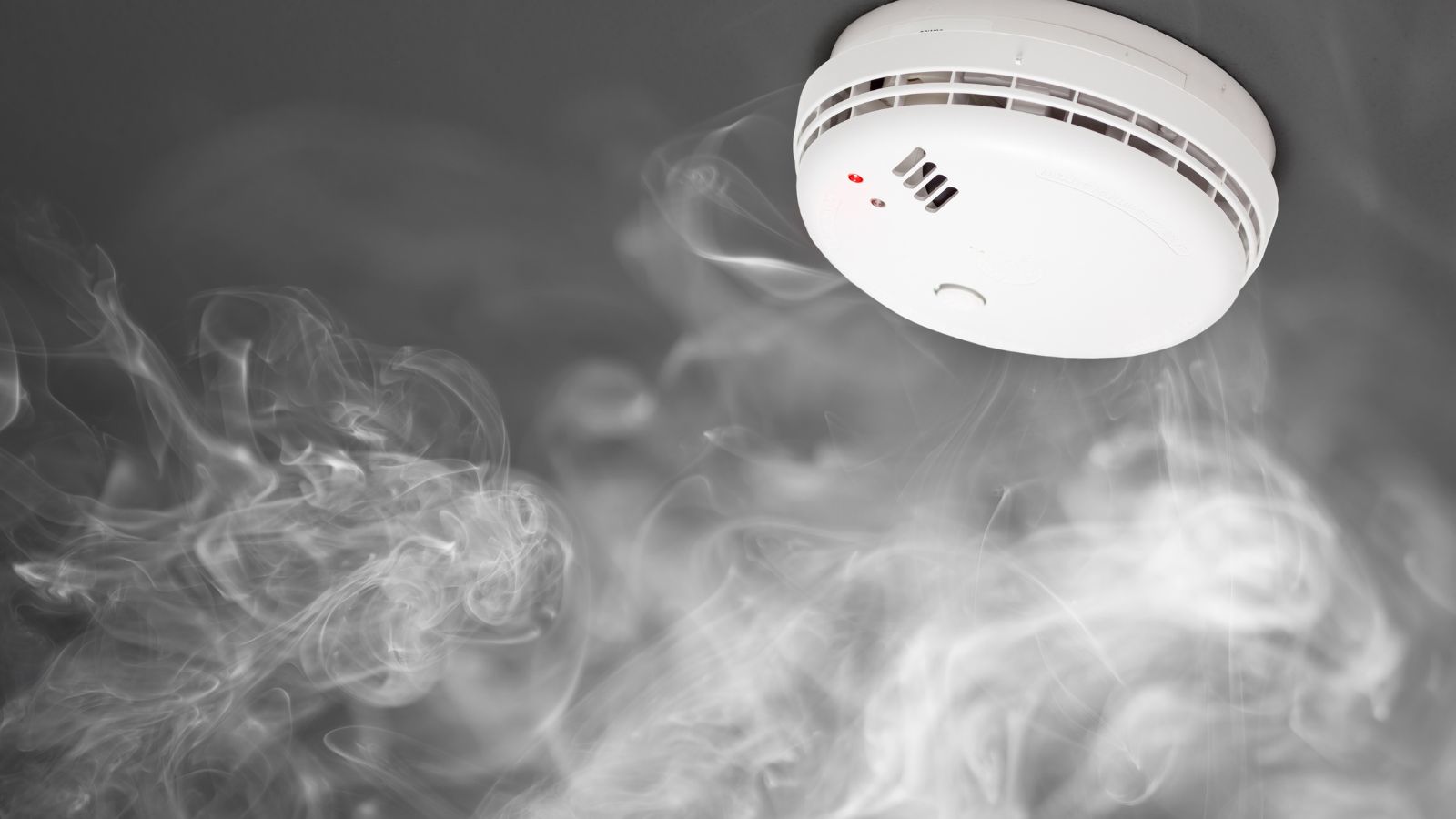
Hard-wired smoke and carbon monoxide alarms may include backup batteries, but their status should never be assumed after an extended outage. Every alarm should be checked using its test button, and any low-battery warning should be addressed immediately. Devices that fail to sound, display an error or continue chirping after a battery change may require replacement or professional servicing.
An outage is also an opportunity to confirm that alarms were not unplugged, covered or temporarily disabled while cooking, using backup heat or dealing with generator noise. Canadian safety guidance recommends maintaining working smoke and carbon monoxide alarms with battery backup. Manufacturers commonly specify regular testing, and some Canadian housing guidance calls for monthly button tests. A restored furnace, fireplace or generator creates precisely the conditions in which these alarms may be needed most. Families should also recognize the difference between a test signal, low-battery chirp and full emergency alarm so there is no hesitation when immediate evacuation is required.
Refrigerator Temperature
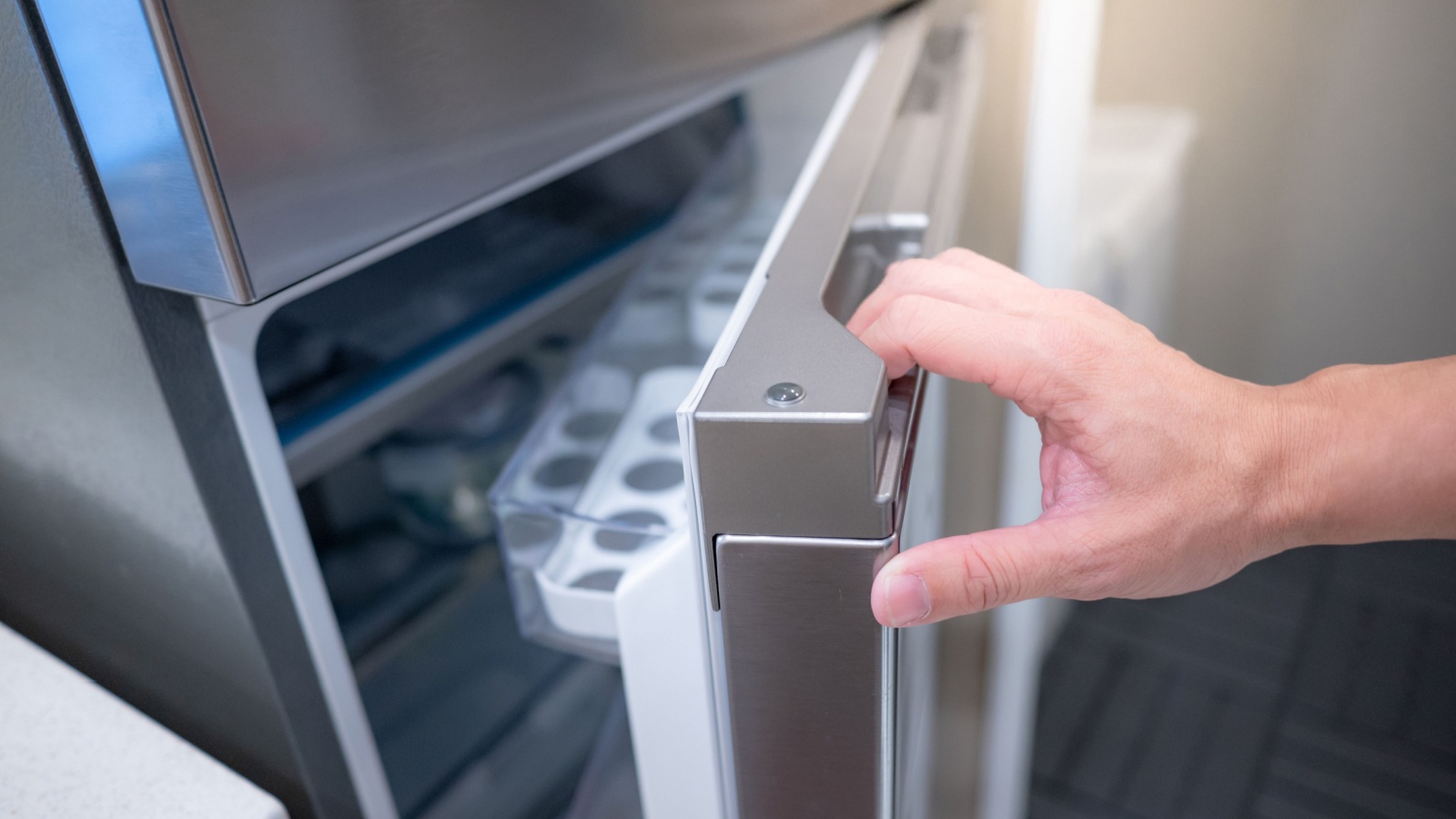
A refrigerator that feels somewhat cool is not necessarily keeping food at a safe temperature. Health Canada recommends a refrigerator temperature of 4°C or lower. During an outage, an unopened refrigerator generally keeps food cold for approximately four hours. Once that window has passed, time, temperature and the type of food become more important than appearance or smell.
A refrigerator thermometer provides better evidence than touching a package or guessing from the room temperature. Meat, seafood, eggs, dairy products and leftovers deserve particular caution. Food can contain harmful microorganisms without looking spoiled, and tasting it is not a safe test. Items that have remained above 4°C for too long may need to be discarded, even if doing so feels wasteful after an expensive grocery trip. Residents who are uncertain should consult current public-health guidance rather than relying on childhood habits or advice circulating on social media. Keeping a written outage timeline can make these decisions considerably easier.
Thawing Freezer Food and Leaking Packages

Freezers usually preserve food longer than refrigerators, but their protection is not unlimited. A full, unopened freezer can keep food frozen for roughly 48 hours, while a half-full freezer may provide about 24 hours. Food that still contains ice crystals or remains refrigerator-cold may often be safely refrozen, although its texture and quality can decline.
Packages should be inspected for thawing, leaks and contact between raw meat juices and other foods. A leaking roast on an upper shelf can contaminate containers below it even when those items remain partly frozen. Health Canada advises cleaning surfaces contacted by raw meat juices with soap and hot water, followed by sanitizing. Its emergency food guidance provides an example mixture of 750 millilitres of water and five millilitres of unscented household bleach. Food exposed to floodwater should be treated separately and generally discarded because the contamination may include sewage, fuel, chemicals or microorganisms.
Refrigerated Medication and Medical Equipment

The household refrigerator rules used for milk and leftovers should not automatically be applied to medication. Different medicines have different approved temperature ranges and tolerances. Insulin, biologic drugs, liquid antibiotics and other temperature-sensitive products may not show any visible change after warming. Their safety or effectiveness cannot be determined by smell, colour or a quick inspection.
The medication label, manufacturer’s instructions, pharmacist or prescribing professional should guide the decision. Residents should note how long the power was out, the refrigerator’s highest known temperature and whether the medicine remained in an insulated container. Electrically powered medical devices also require a post-outage check. Oxygen equipment, CPAP machines, infusion devices, mobility equipment and internet-dependent medical alert systems may have depleted batteries, lost settings or failed to reconnect. Public Safety Canada advises households to create specific outage plans for powered devices and refrigerated medicines. After restoration, the backup plan should be replenished rather than assumed ready for another interruption.
Drinking Water Notices and Private Wells

Electricity returning does not automatically guarantee that tap water is safe. Municipal treatment and distribution systems depend on pumps, pressure and monitoring equipment. A power failure or loss of pressure can contribute to a boil-water advisory, so residents should check notices from their municipality, public health unit or provincial authority before assuming the problem ended with the outage.
Private-well owners face additional concerns. An electric well pump normally maintains pressure that helps prevent contaminants from entering the system. If the system lost all pressure or no water came from the taps during the outage, Health Canada recommends testing the well water before use. Once power returns, lines should be flushed for several minutes to clear stagnant water, and treatment systems should be checked for normal operation. A well affected by flooding requires professional inspection before the pump is energized because wet wiring creates a shock risk and floodwater can introduce microbial or chemical contamination.
Sump Pumps and Sewage Systems
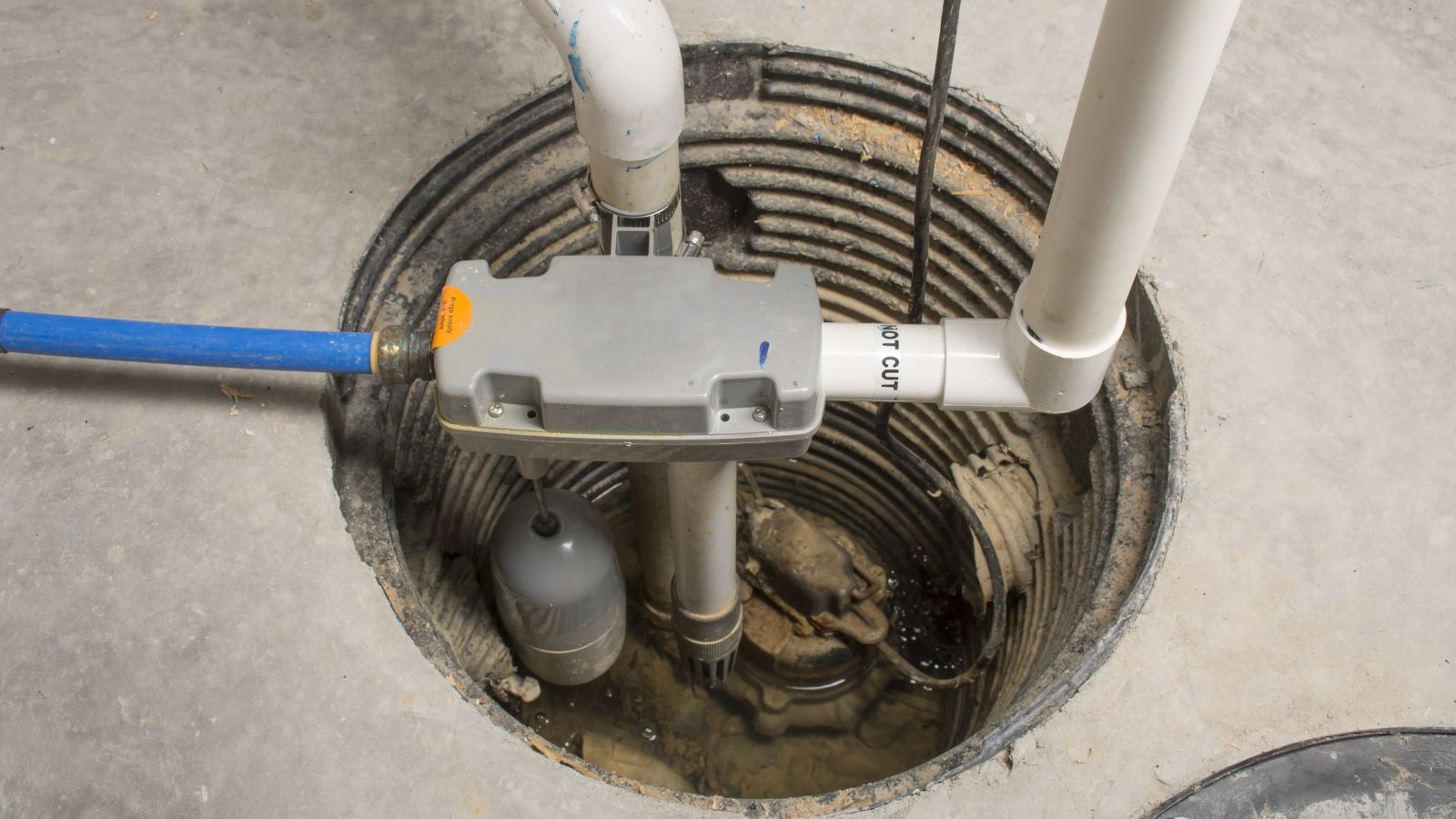
A sump pump may restart quietly after the lights return, but that does not prove it kept up with water entering the basement during the outage. The pit, discharge line and surrounding floor should be checked from a safe, dry location. A jammed float, blocked outlet or failed pump can allow water to continue rising after the storm has passed.
Homes with sewage ejector pumps, powered septic components or high-water alarms should also be inspected. These systems may stop moving wastewater during an outage, increasing the risk of backups or overflows when normal water use resumes. Toilet flushing, laundry and long showers should be limited until the equipment is confirmed operational. A backwater valve can reduce the risk of municipal sewage entering a home, but it requires correct installation and maintenance. Where flooding has reached electrical equipment, residents should not enter the area to check a pump. The utility or a qualified professional must first eliminate the electrical hazard.
Natural Gas Odours or Damaged Connections

A rotten-egg or sulphur-like smell after an outage may indicate a natural gas leak. Other warning signs include hissing, whistling or visible damage around a gas appliance or connection. The correct response is to leave immediately and call 911 or the local gas utility from a safe location. No one should remain inside to find the source.
Lights, switches, phones, vehicles and other electrical equipment should not be operated near a suspected leak because a small spark could ignite accumulated gas. Matches, candles and cigarettes create the same danger. Appliances with electronic ignition may fail to restart normally after a power interruption, but residents should follow manufacturer instructions rather than improvising repairs or relighting procedures. Gas appliances require adequate airflow and intact venting that terminates outdoors. A furnace, boiler, fireplace or water heater showing damage, unusual flame behaviour or repeated shutdowns should be inspected by a qualified gas technician before continued use.
Blocked Heating and Water-Heater Vents
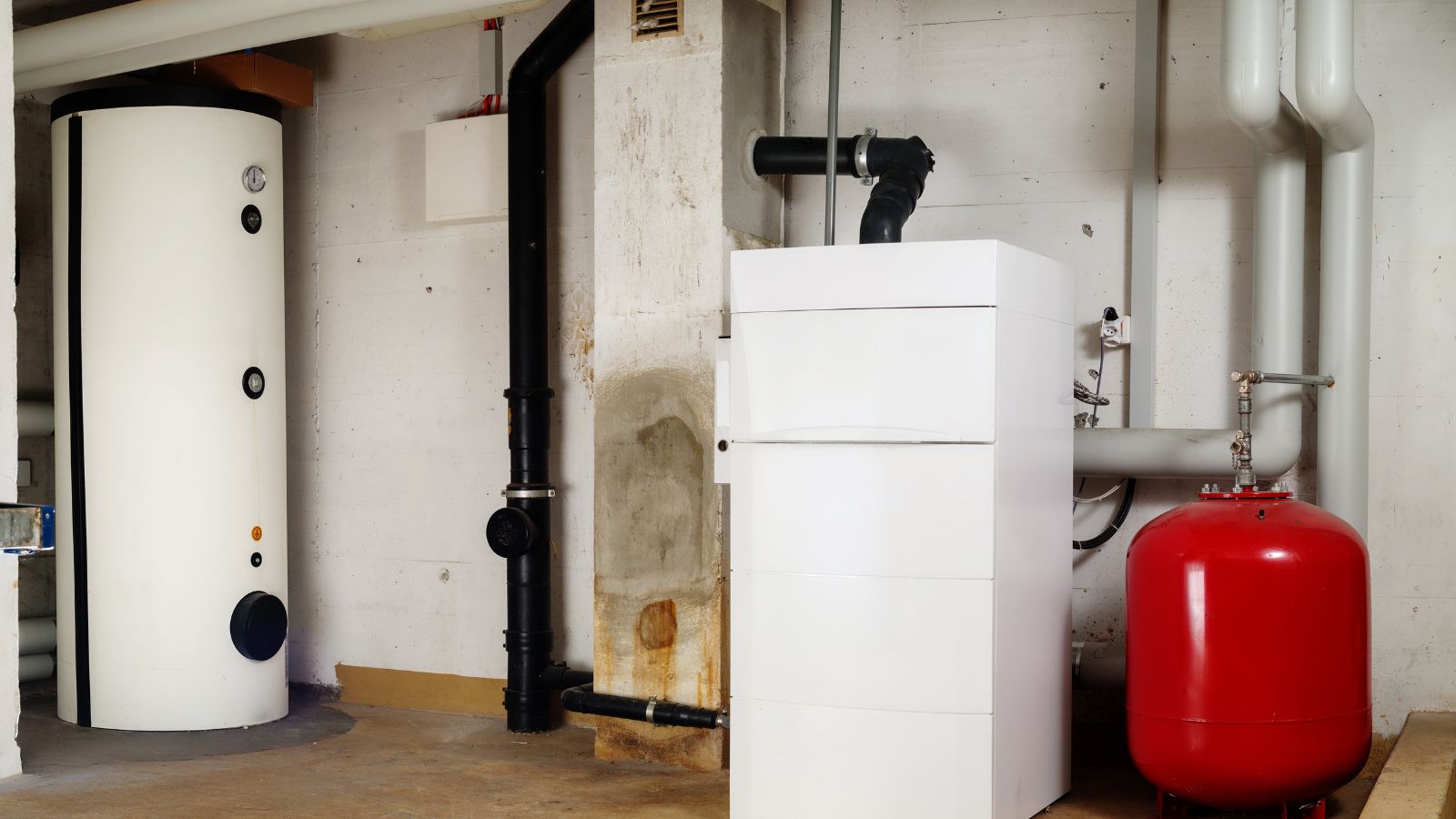
Winter outages often occur during snow, freezing rain and high winds—the same conditions that can block outdoor appliance vents. Once electricity returns, a furnace or boiler may restart while its exhaust remains obstructed by snow, ice or storm debris. Blocked venting can interfere with combustion and allow carbon monoxide to accumulate indoors.
Exterior intake and exhaust openings should be visually checked from a safe location and cleared without damaging the equipment. Chimneys and vent pipes should also be examined for displacement, cracks or fallen branches. A gas stove or oven should never be used as a substitute for home heating. Electric water heaters present a different concern: Public Safety Canada advises confirming that the tank is full before restoring power. If a heating appliance fails to start, cycles repeatedly or produces unusual odours or sounds, continually resetting it can make the situation worse. A qualified heating contractor should determine whether the problem involves power, controls, venting or appliance damage.
Frozen Pipes and Hidden Plumbing Leaks
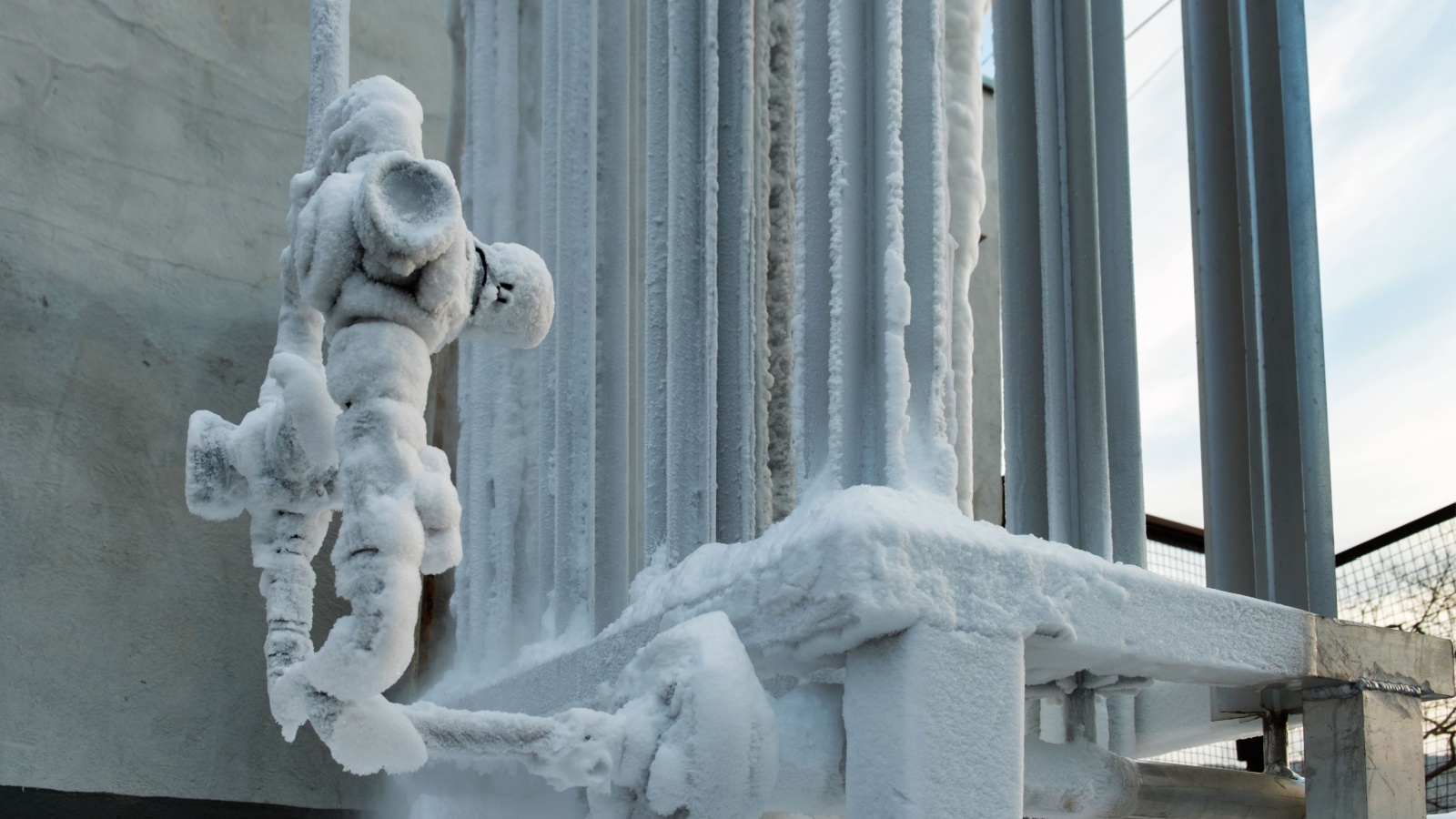
A winter outage can allow pipes in exterior walls, crawlspaces, attics and unheated basements to freeze. The damage may not become obvious until the house warms and the ice begins to thaw. Water expands when it freezes, potentially splitting a pipe while temporarily sealing the opening with ice. Once thawed, the pipe may release water behind a wall or ceiling.
Residents should watch for reduced water pressure, damp drywall, discolouration, dripping sounds, swollen flooring and unexplained movement on a water meter. Areas beneath sinks, around washing machines and near exterior walls deserve extra attention. Public Safety Canada warns that some leaks may be difficult to notice because they occur behind finished surfaces. The main water shutoff should be used when a significant leak appears, provided it can be reached safely. Wet materials should be dried quickly, and affected areas should be monitored for mould. A frozen private-well system may require advice from a licensed well contractor or plumber before being returned to service.
Damage to the Service Mast, Roofline or Trees
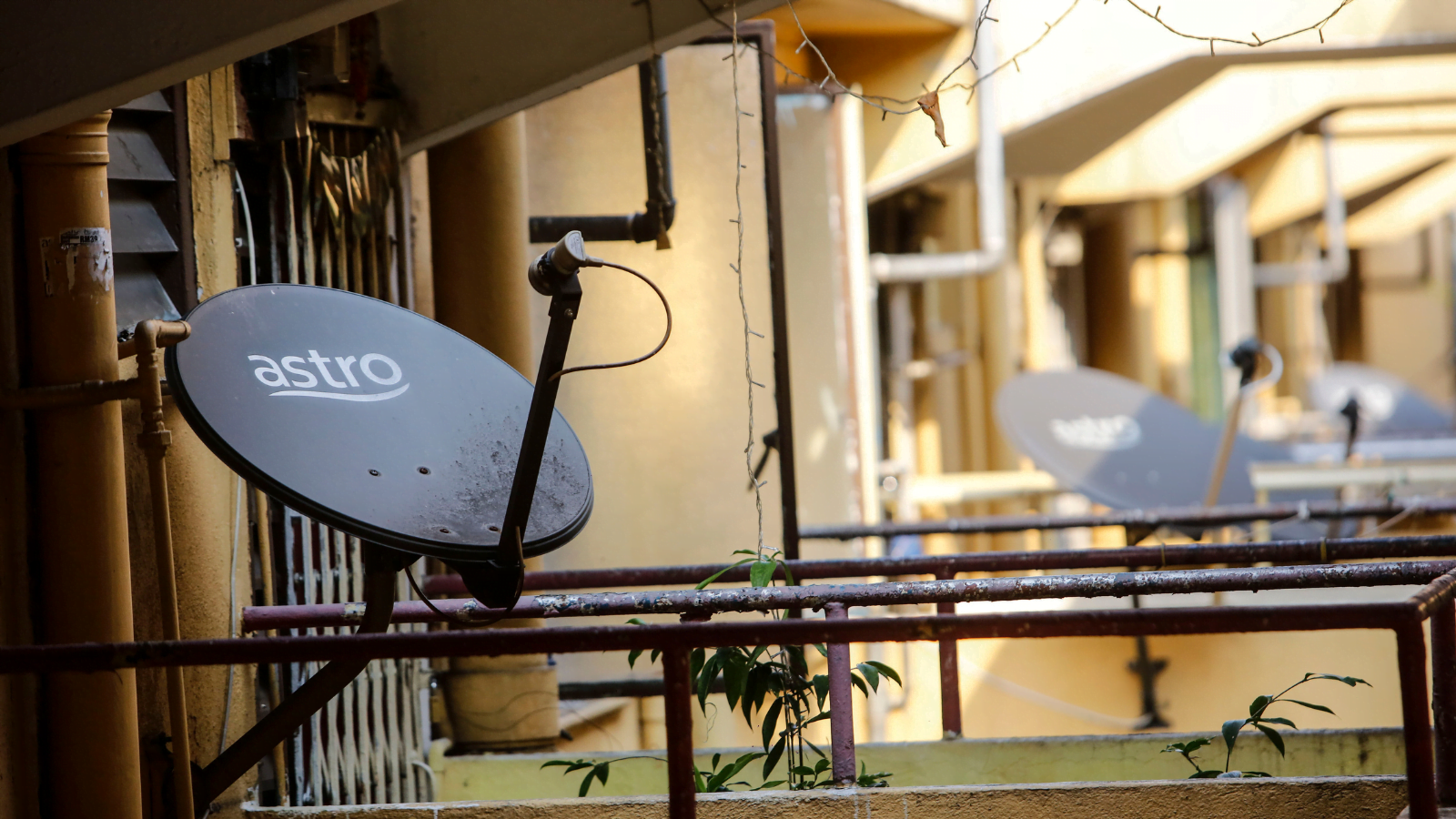
Utility crews may restore electricity to a street while damage remains on an individual property. The service mast, meter base and wiring attached to the home often belong to the property owner rather than the electrical utility. A bent mast, torn conduit, loose attachment or cable pulled away from the building can remain energized and should never be touched.
A visual inspection from a safe distance can also identify broken branches resting on wires, roof damage, hanging gutters or debris near electrical equipment. Residents should not climb a ladder near a service line or attempt to cut a branch touching electrical infrastructure. The utility may need to disconnect the property before a licensed electrical contractor can make repairs. In Ontario, the Electrical Safety Authority notes that storm-damaged customer-owned equipment may require inspection before reconnection. Photographs taken from a safe location can help a contractor or insurer understand the damage without placing the homeowner in danger.
Dangerous Indoor Heat or Cold

The return of electricity may come too late for a home that became dangerously hot or cold. Indoor conditions should be checked rather than assuming the heating or cooling system will quickly correct them. Older adults, infants, young children and people with chronic illnesses can face greater risks from temperature extremes. Some medications and health conditions can also affect the body’s ability to cope.
Canada’s 2021 extreme heat event caused at least 619 deaths in British Columbia, illustrating how seriously dangerous indoor heat can become. Health Canada notes that many heat deaths are believed to occur indoors. Cold homes can create risks of hypothermia and frostbite, especially for seniors, infants and people with certain medical conditions. After an outage, neighbours and relatives who live alone should be contacted, even if their power has returned. A restored thermostat does not confirm that the furnace, heat pump or air conditioner is functioning, nor does it show whether a vulnerable person remained safe throughout the interruption.
Communication, Alarm and Control Systems
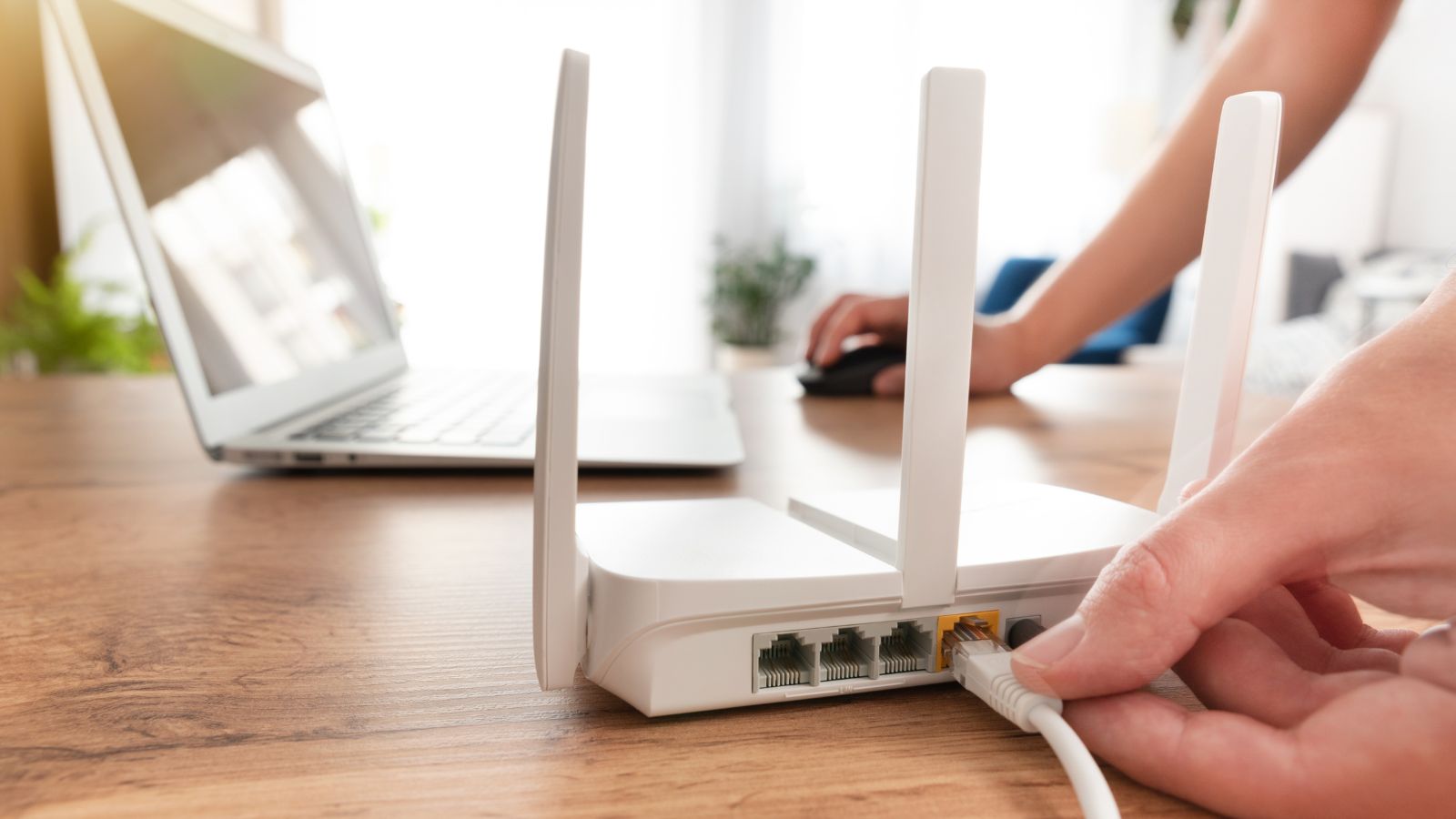
Internet routers, cordless phones, monitored security systems, medical alerts and smart-home devices may not reconnect automatically after an outage. A household can appear fully powered while an alarm panel remains offline or a router requires restarting. Electric clocks, appliance timers and scheduled controls may also reset to incorrect times, affecting lighting, heating and security routines.
Emergency information should continue to be monitored after restoration because evacuation orders, water advisories, road closures and severe-weather warnings can remain active. Canada’s Alert Ready system delivers critical alerts through television, radio and compatible wireless devices, while local authorities and utilities provide regional updates. Innovation, Science and Economic Development Canada also recommends battery-powered radio as a backup when telecommunications are disrupted. Once systems reconnect, residents should verify that important contacts, notification settings and monitoring services are functioning. A green power light alone may not confirm that a device is communicating with the outside network.
Undocumented Damage and an Empty Emergency Kit

Cleanup should not begin so quickly that evidence of damage disappears. When it is safe, photographs should be taken of spoiled food, damaged appliances, flooded rooms, electrical equipment and structural problems. A written timeline of the outage, restoration, weather conditions and subsequent damage can support an insurance claim. Receipts for emergency lodging, food, cleanup and repairs should also be retained.
The Insurance Bureau of Canada advises policyholders to document damaged property, keep detailed notes and contact their insurer promptly. Dangerous or contaminated items may need immediate disposal, but the insurer should be consulted when practical. The emergency kit should then be replenished with batteries, water, food, medication, fuel and other supplies that were used. Canadian preparedness guidance recommends enough essentials for at least 72 hours. Finally, the household should review what worked and what failed. A depleted power bank, missing thermometer or unsuccessful medical-device plan is valuable information when corrected before the next outage rather than rediscovered during it.
16 Costco Canada Habits That Could Be Costing Shoppers More Than They Save

The Executive Membership can feel like an obvious upgrade because the 2% annual reward sounds straightforward. For households that spend heavily at Costco Canada, the extra fee may be easy to justify. But the habit becomes costly when shoppers upgrade first and calculate later. A Gold Star Membership costs less, while Executive costs more and only pays off if eligible annual spending is high enough to offset the difference.
16 Costco Canada Habits That Could Be Costing Shoppers More Than They Save
This Options Discord Chat is The Real Deal
While the internet is scoured with trading chat rooms, many of which even charge upwards of thousands of dollars to join, this smaller options trading discord chatroom is the real deal and actually providing valuable trade setups, education, and community without the noise and spam of the larger more expensive rooms. With a incredibly low-cost monthly fee, Options Trading Club (click here to see their reviews) requires an application to join ensuring that every member is dedicated and serious about taking their trading to the next level. If you are looking for a change in your trading strategies, then click here to apply for a membership.