35,000+ smart investors are already getting financial news, market signals, and macro shifts in the economy that could impact their money next with our FREE weekly newsletter. Get ahead of what the crowd finds out too late. Click Here to Subscribe for FREE.
An electric bike or scooter can look like a simple shortcut to cheaper, cleaner transportation, but the purchase carries more fine print than many Canadians expect. Laws can change across provincial and municipal borders, batteries behave differently in winter, and a model that seems portable online may become awkward on stairs or transit. Safety certification, repair access, theft protection, warranty terms and realistic range can matter more than flashy top-speed claims. These 17 checks explain what Canadians should examine before paying, with practical examples drawn from current rules, public-safety guidance and transportation policies. The goal is not to discourage micromobility, but to make sure the machine fits the rider, route, climate and local law.
Start With the Legal Definition
17 Things Canadians Should Know Before Buying an E-Bike or Scooter
- Start With the Legal Definition
- E-Scooter Legality Can Change by City
- Motor Power and Speed Claims Need Scrutiny
- Age and Helmet Rules Are Not Uniform
- Where It Can Be Ridden Matters
- Licensing, Registration and Insurance Are Separate Questions
- Battery Certification Is a Safety Feature
- Charging Habits Matter as Much as the Battery
- Canadian Winter Changes the Ownership Experience
- Advertised Range Is Not Everyday Range
- Weight Can Ruin Portability
- Brakes and Tires Must Match the Added Mass
- Fit and Handling Still Matter
- Theft Protection Should Be Budgeted Up Front
- Serviceability Can Outlast the Warranty
- The Real Price Includes More Than the Sticker
- Cargo and Passenger Plans Need a Reality Check
- 16 Costco Canada Habits That Could Be Costing Shoppers More Than They Save
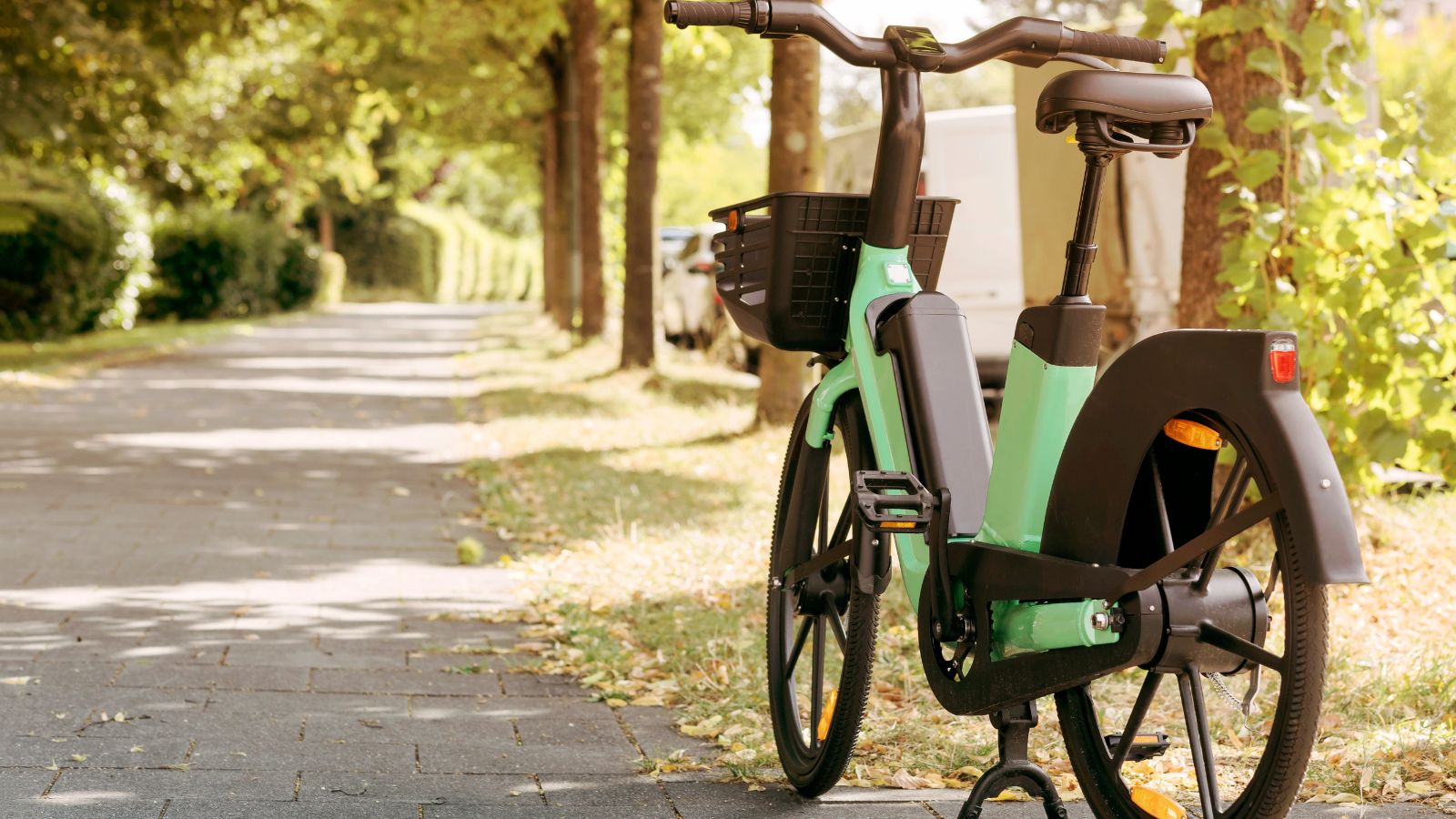
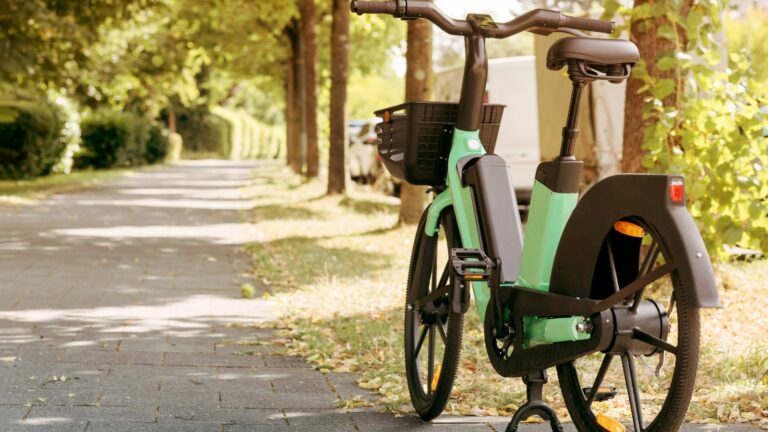
The label “e-bike” does not automatically make a machine road legal. Provinces define power-assisted bicycles through combinations of motor output, assisted speed, pedals, weight and equipment. Ontario, for example, generally limits a conventional e-bike to a 500-watt motor, 32 km/h assisted speed and 120-kilogram maximum weight. British Columbia now separates standard e-bikes from a lighter class, with different age, power and speed limits. Quebec applies its own equipment and rider requirements.
That matters when a retailer advertises a machine as an e-bike even though its throttle, power or speed may place it closer to a moped, motorcycle or off-road vehicle under local rules. A high-powered model can still be legally sold while being unsuitable for public roads or cycling infrastructure. Before paying, buyers should compare the exact specification sheet with the province’s definition, not rely on the product name. The safest paperwork includes rated continuous motor power, maximum assisted speed, pedal operation, vehicle weight and any class designation recognized where it will be ridden.
E-Scooter Legality Can Change by City
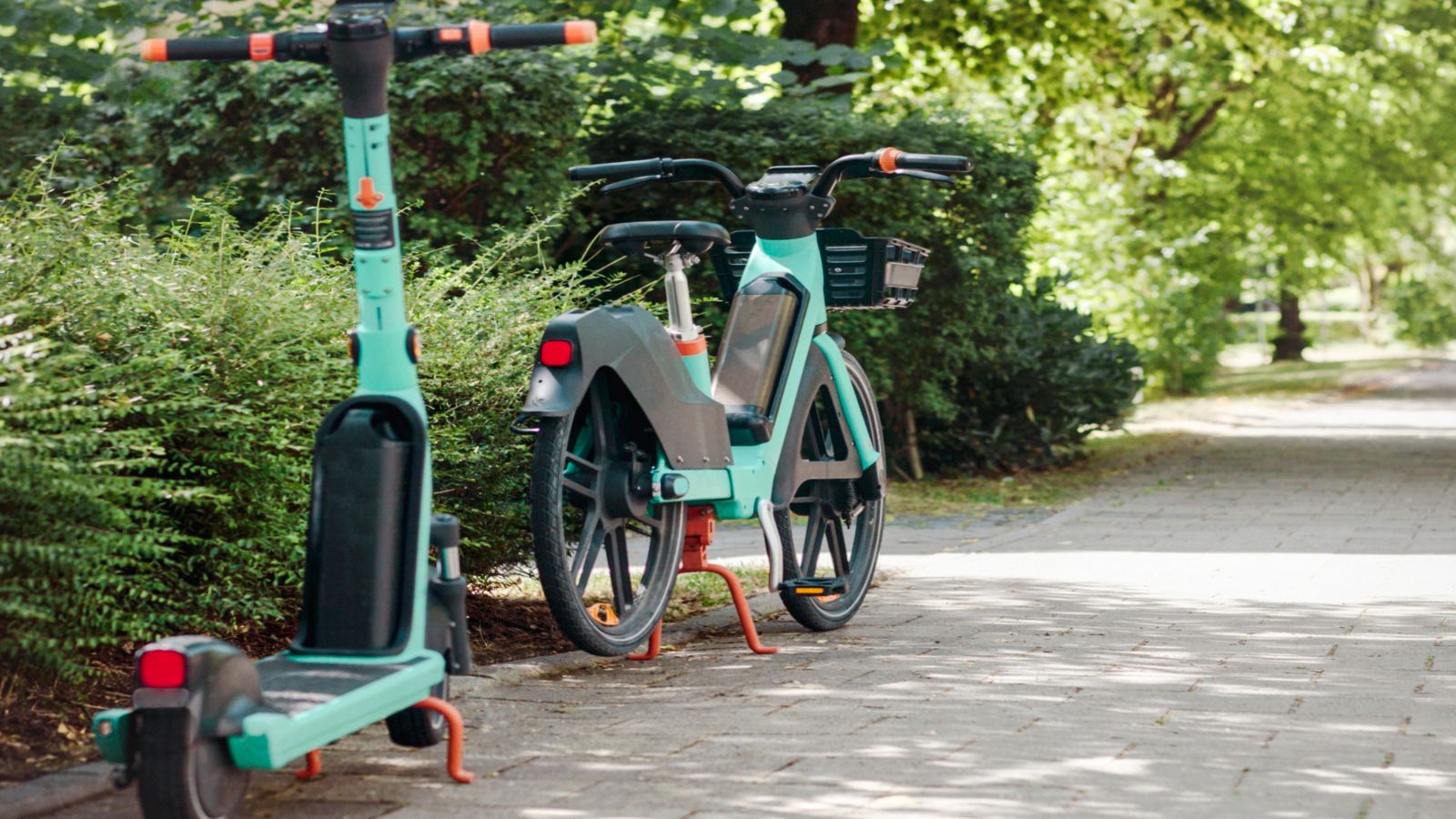
Private electric kick scooters occupy an especially uneven legal landscape. Toronto states that e-scooters cannot be ridden on public roads, sidewalks or trails, even though stores may sell them. Vancouver permits electric kick scooters in approved places and requires riders to follow local and provincial rules. Calgary allows privately owned e-scooters on its pathway network but not generally on roads or sidewalks without an exemption. Ottawa operates under another municipal framework with designated restrictions.
The practical lesson is that purchase availability does not prove public-use legality. A commuter can buy a scooter online, assemble it at home and discover that the intended route is prohibited. Municipal rules may also distinguish between privately owned devices and shared fleets, because rental operators can be covered by permits, insurance and geofenced speed controls that personal devices do not have. Buyers should check the city bylaw, neighbouring municipalities and any destination reached during a normal trip. A scooter that works for recreation on one pathway may be useless for a cross-town commute that enters a different jurisdiction.
Motor Power and Speed Claims Need Scrutiny

Power and speed are often marketed as upgrades, but larger numbers can create legal and practical problems. Ontario and Alberta use 500 watts and 32 km/h as important thresholds for conventional power-assisted bicycles. British Columbia’s standard e-bike class also uses a 500-watt continuous-power ceiling and 32 km/h maximum motor-assisted speed, while its light e-bike class is limited to lower power and speed. Those figures refer to legal classification, not a recommendation to ride at the limit in every setting.
Retail listings sometimes emphasize peak wattage instead of continuous rated output, making comparisons confusing. A motor advertised at a dramatic peak number may still have a lower legal continuous rating, or it may exceed the local definition entirely. Buyers should ask for the compliance label and written rated specifications rather than accept a salesperson’s verbal assurance. They should also be cautious about settings, apps or modifications that unlock higher speeds. Once a device no longer meets the legal e-bike or scooter definition, licensing, insurance, equipment and road-access consequences may change, while a warranty claim could become harder.
Age and Helmet Rules Are Not Uniform

Age and helmet rules differ enough that a family purchase can be legal for one rider and prohibited for another. Ontario requires e-bike riders to be at least 16 and to wear an approved bicycle or motorcycle helmet. In Quebec, electric-bike riders generally must be 18, although people aged 14 to 17 may ride with the appropriate moped or scooter licence; helmets are mandatory. British Columbia sets different minimum ages for its standard and light e-bike classes.
Scooter rules add another layer. British Columbia’s electric kick-scooter pilot requires riders to be at least 16, while Quebec allows covered motorized personal transportation devices from age 14 and requires a properly fitted helmet. Municipal programs can impose stricter conditions, especially on shared fleets. Parents should not treat a fast electric device as a toy simply because it is compact or sold near recreational products. Before buying for a teenager, the household should verify age, helmet, passenger and location rules together. A legal helmet also needs to fit correctly; an oversized adult helmet bought “to grow into” cannot provide the intended protection.
Where It Can Be Ridden Matters

A machine can meet the technical definition of an e-bike and still be restricted from a particular sidewalk, trail, park or pathway. British Columbia’s guidance distinguishes among e-bike classes and notes that trail access can depend on the land manager. In BC Parks, lower-powered pedal-assist models may have broader access than throttle-equipped or faster classes. Municipalities can also establish speed limits and local access rules on multi-use paths, while ordinary sidewalk cycling restrictions may apply.
This is why the route should be tested on a map before the product is chosen. A fat-tire model bought for a scenic commute may be excluded from a favourite trail, and a scooter may have to be walked across sidewalks or through certain parks. Buyers should check every part of a typical trip: residential street, bridge, pathway, transit connection and destination storage. They should also look for seasonal closures and rules posted by conservation authorities, universities or private property managers. Route legality is a core feature of the purchase; an impressive device that cannot use the safest corridor may force the rider onto a busier road.
Licensing, Registration and Insurance Are Separate Questions
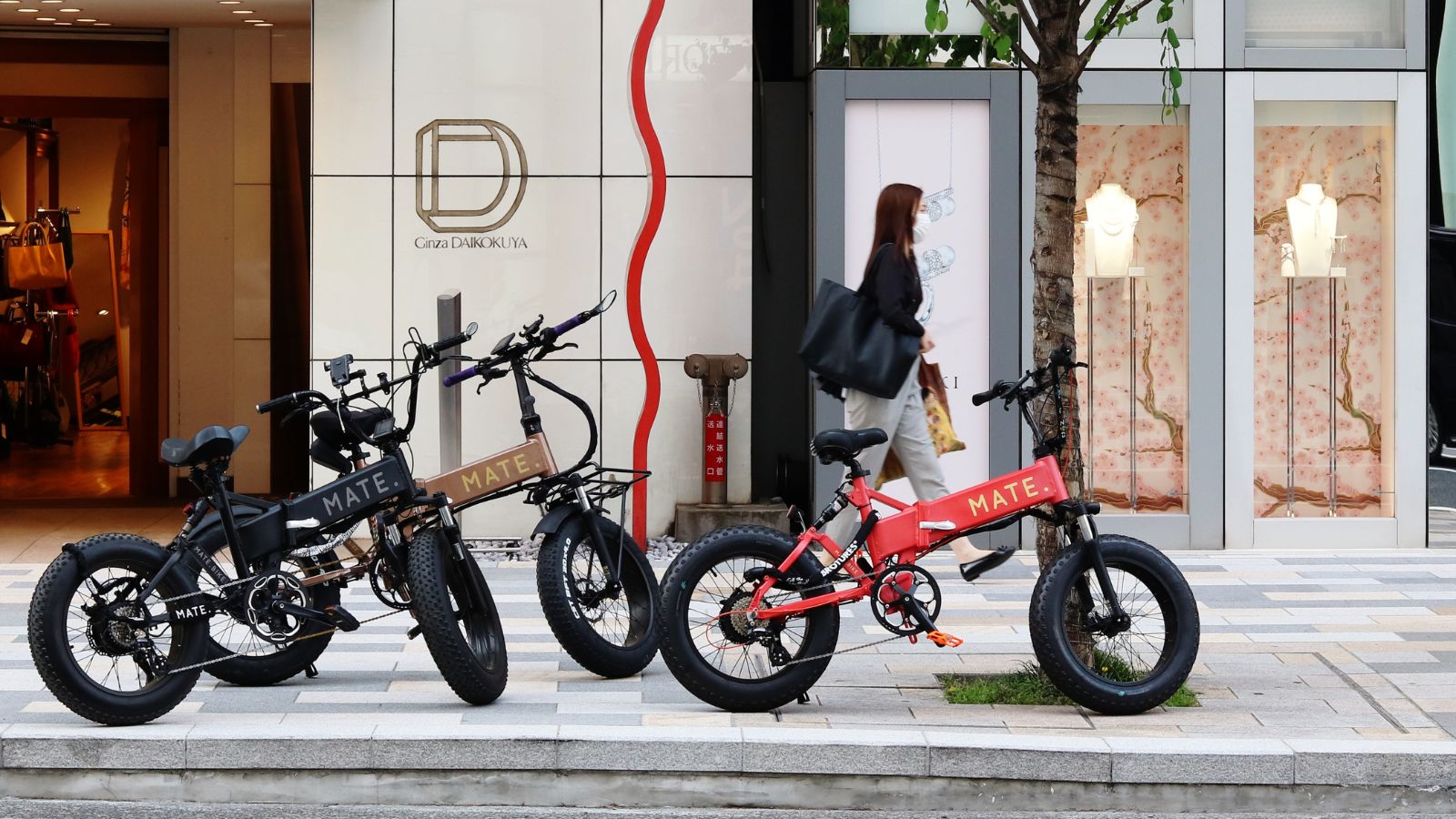
A standard legal e-bike may not require a driver’s licence, licence plate or motor-vehicle insurance in some provinces, but that does not mean every electric two-wheeler receives the same treatment. Ontario’s conventional e-bike framework avoids the normal motor-vehicle licensing package when the machine meets the definition. British Columbia’s electric kick-scooter pilot similarly says riders do not need a licence or insurance. Devices that exceed legal speed or power limits can fall outside those exemptions.
Insurance also has two meanings: mandatory road insurance and optional financial protection. Even when no policy is legally required, a costly e-bike can create theft, damage and personal-liability exposure. Canadian home or tenant policies may provide some coverage, but limits, deductibles, business-use exclusions and motorized-vehicle wording vary. Delivery work can be treated differently from personal commuting. Buyers should ask an insurer to confirm coverage in writing using the exact make, model, value, motor rating and intended use. Assuming that “no insurance required” means “fully covered already” can produce an expensive surprise after a theft or collision.
Battery Certification Is a Safety Feature
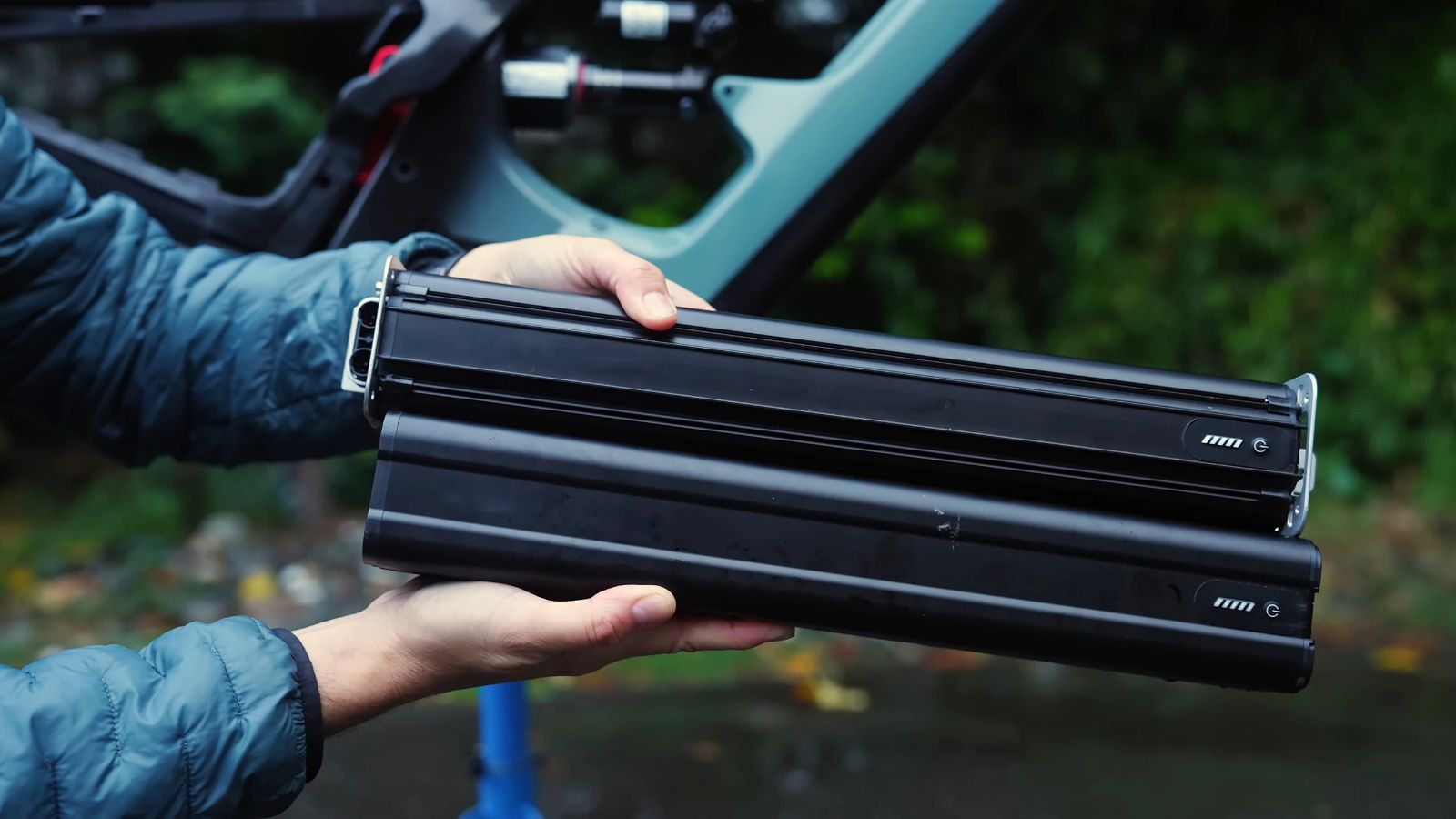
Battery capacity attracts attention because it affects range, but electrical-system certification deserves equal billing. Health Canada advises shoppers to look for compliance with ANSI/CAN/UL 2849 for e-bikes and ANSI/CAN/UL 2272 for personal e-mobility devices. UL 2849 evaluates the combination of the e-bike’s electrical drive train, battery and charger system for fire, shock and related electrical hazards. A battery logo alone is not the same as certification of the complete system.
The concern is not theoretical. Toronto Fire Service reported 76 lithium-ion battery fires in 2024, up 38 per cent from 55 in 2023, across products that include e-bikes and other battery-powered devices. Improper modification, physical damage and incompatible charging equipment are recurring warnings in Canadian safety guidance. Buyers should ask for the certification standard, certifying organization and model number, then verify the listing rather than trusting a vague “UL tested” claim. Counterfeit labels and certification language that applies only to one component should be treated as red flags, particularly on unusually cheap marketplace imports.
Charging Habits Matter as Much as the Battery
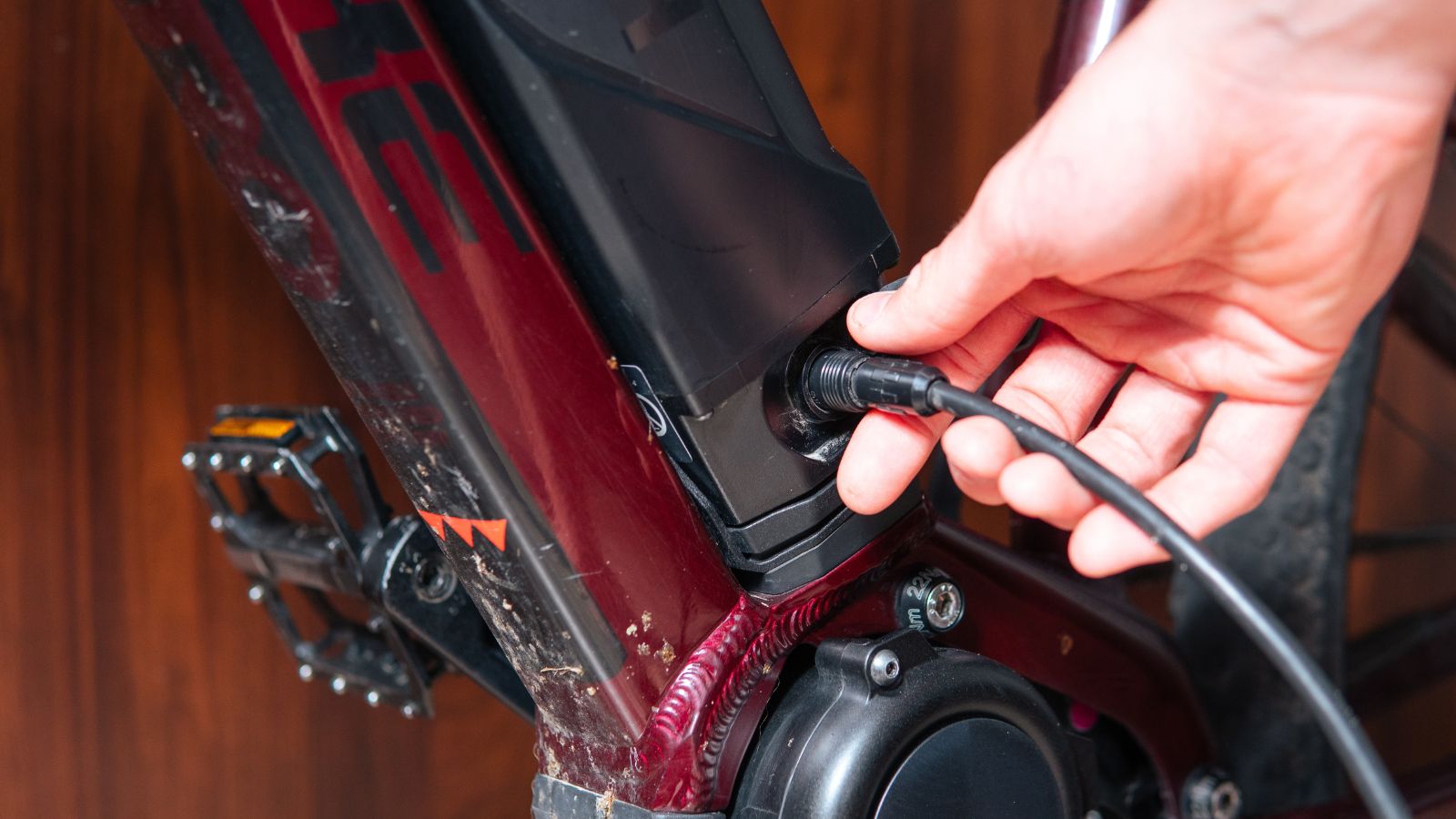
A safe battery can still be mistreated. Health Canada recommends charging lithium-ion devices according to manufacturer instructions, at room temperature, where the device can be seen, away from soft surfaces and away from exit doors. It also warns against charging longer than recommended because overheating can lead to fire or explosion. Original or manufacturer-approved batteries and chargers are important because voltage, connectors and battery-management systems are designed to work together.
The home setup should be considered before purchase, especially in an apartment. A heavy non-removable battery may force the entire bike indoors, while a removable battery can simplify charging but adds another lock and connector to maintain. Buyers should confirm whether the landlord, condominium, workplace or campus has rules on storage and charging. The planned charging spot should be dry, ventilated and clear of combustible clutter. Damaged packs, swelling, unusual heat, odour, hissing or popping are warning signs that demand immediate attention. A bargain replacement charger from an unrelated seller is not a sensible way to reduce ownership costs.
Canadian Winter Changes the Ownership Experience

Cold weather reduces lithium-ion battery performance, so a summer test ride does not reveal the full Canadian ownership experience. Bosch advises that performance declines below freezing and recommends warming a battery to room temperature before a winter ride. Cycling UK likewise recommends storing and charging batteries in a dry indoor environment rather than leaving them in an unheated space. Slush, road salt and repeated freeze-thaw cycles also increase the importance of cleaning, connector care and corrosion checks.
Winter can affect transportation plans beyond range. The Toronto Transit Commission prohibits e-bikes and e-scooters on its vehicles and property from November 15 to April 15 each year. Montréal’s transit agency bars electric personal transportation devices, including electric bikes, from buses and métro infrastructure. These policies can remove the backup option a rider expected to use during storms or battery depletion. Before buying, Canadians should decide where the battery will warm, where the machine will dry, and how the trip will be completed when conditions deteriorate. A removable battery, accessible service support and a realistic winter route can matter more than maximum summer range.
Advertised Range Is Not Everyday Range
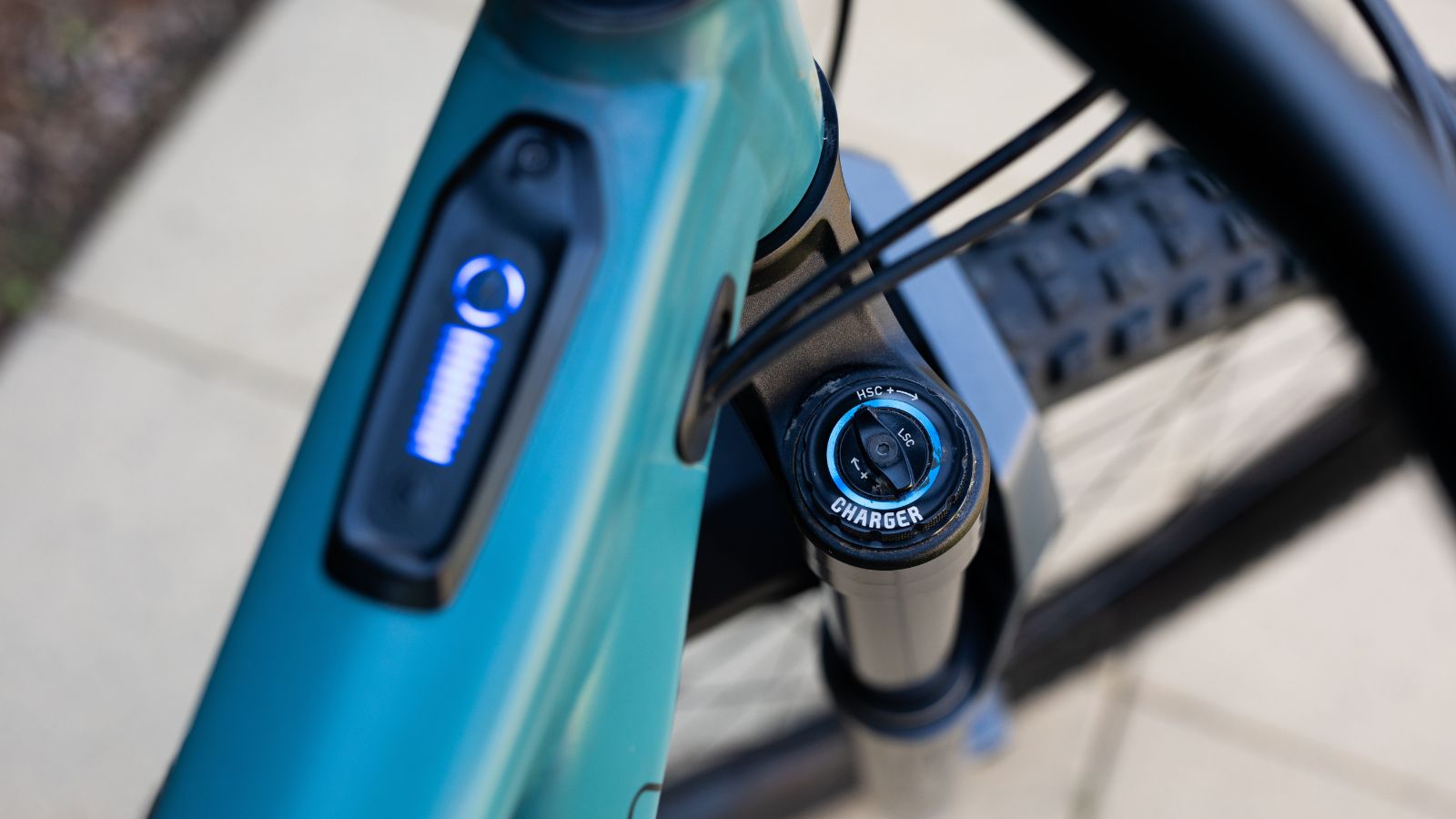
Range figures are estimates produced under selected conditions, not guarantees for every rider. Bosch’s range tools account for variables such as assistance level, terrain, wind, temperature, surface and rider-related factors. Cycling guidance similarly notes that power setting, rider weight, hills and weather can cause major variation. A large battery measured in watt-hours generally offers more stored energy, but efficiency and riding conditions determine how far that energy carries the machine.
The best buying test is a route-based calculation with a safety reserve. A commuter should consider the round trip, hills, headwinds, cargo, winter temperature, stop-and-start traffic and battery aging. Riders who cannot charge at work need more margin than those with reliable daytime access to an outlet. It is also worth asking whether the display estimates remaining range dynamically or simply shows battery bars. A long claimed range achieved in the lowest assistance mode may not reflect how the bike will be used on a steep Canadian commute. Choosing a battery solely from the largest number in an advertisement invites range anxiety later.
Weight Can Ruin Portability
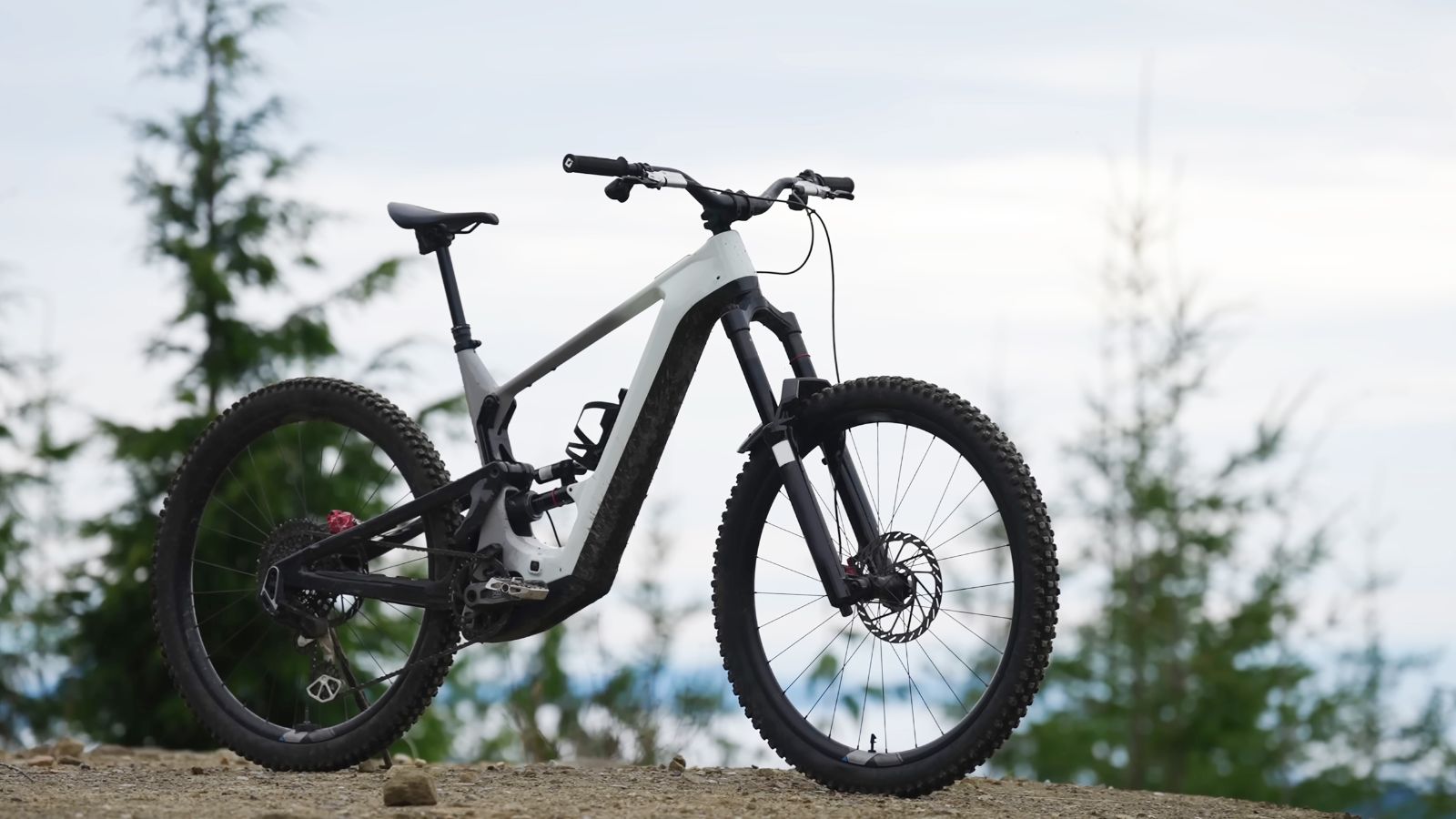
Electric assistance can make a heavy machine feel effortless while riding, then disappear the moment stairs, a car rack or transit vehicle enters the trip. Ontario permits conventional e-bikes weighing up to 120 kilograms, far beyond what most people could lift. GO Transit sets its own practical limits: e-bikes can weigh up to 55 kilograms on trains, while an e-bike placed on a GO bus must weigh no more than 25 kilograms with the battery removed. TransLink bus racks also impose size and weight conditions.
That gap explains why “folding” does not always mean portable. A compact e-bike or scooter may still be awkward because the battery, frame and motor create a dense package with poor handholds. Buyers should lift the exact model, carry it around a corner and imagine a dead elevator, icy steps or a crowded vestibule. They should also measure storage spaces and confirm that wheel size, tire width and fenders fit existing racks. A removable battery can reduce lifting weight, but only if it is easy to release and safe to carry. Portability should be demonstrated, not assumed from product photos.
Brakes and Tires Must Match the Added Mass
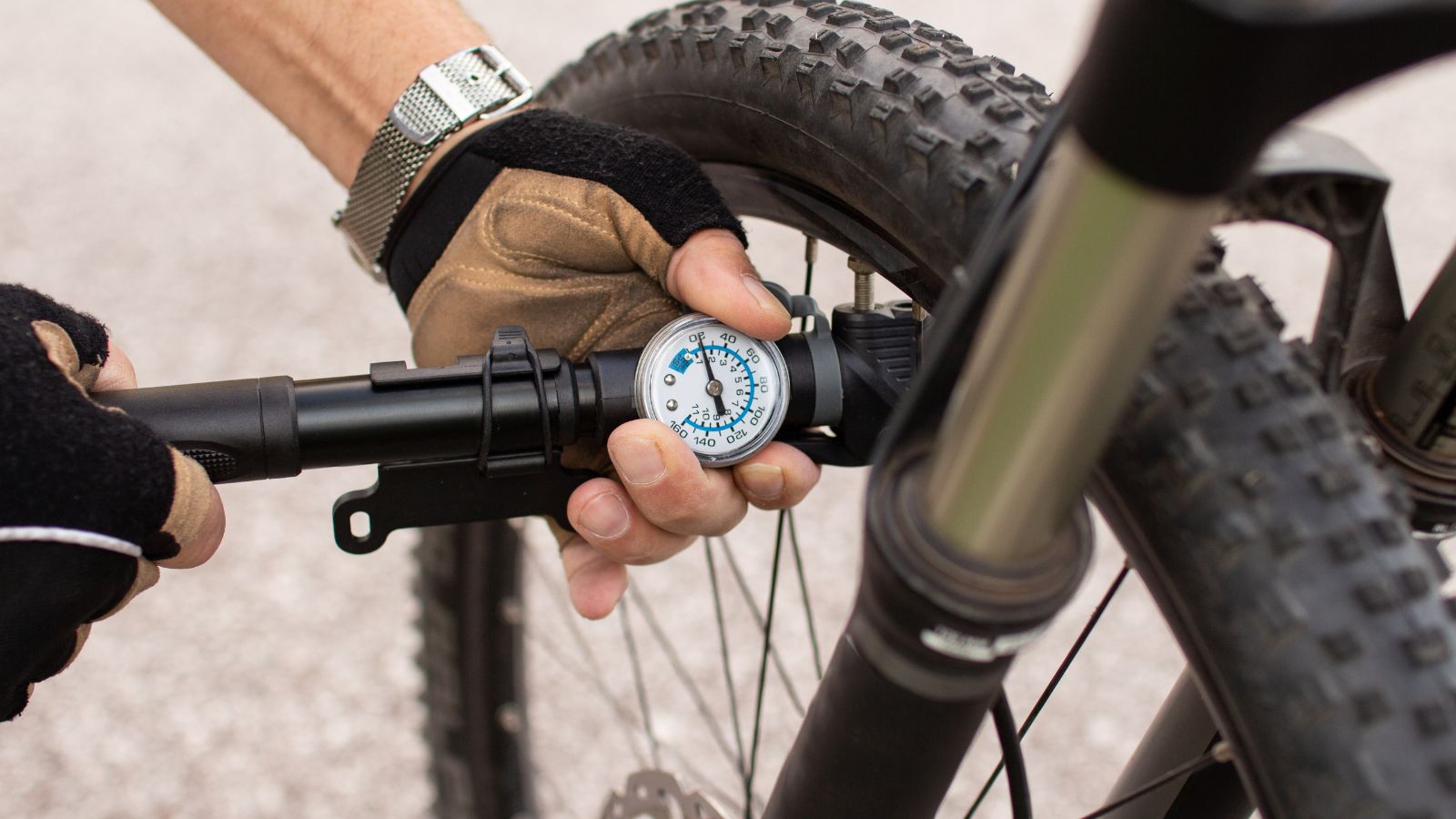
Electric bikes and scooters combine added weight with quicker acceleration, making brake quality and tire condition central buying issues. Alberta requires bicycles to have at least one brake capable of locking a wheel on dry, clean, level pavement and advises riders to allow extra stopping distance in wet weather. Ontario’s e-bike framework includes a maximum braking-distance requirement. Calgary also warns that e-bikes and e-scooters bring added weight and speed to shared pathways.
A showroom inspection should go beyond squeezing a brake lever. Buyers should ask whether the brakes are hydraulic or mechanical, how easily pads and rotors can be sourced, and whether the system is sized for the vehicle’s loaded weight. Tires should suit the expected pavement, rain, gravel and winter conditions, with enough clearance for replacement options. Small scooter wheels can be particularly sensitive to potholes and uneven surfaces, while heavily loaded cargo bikes demand strong braking performance. A test ride should include controlled stops, low-speed turns and rough pavement. Cosmetic features matter far less than predictable stopping and stable grip.
Fit and Handling Still Matter
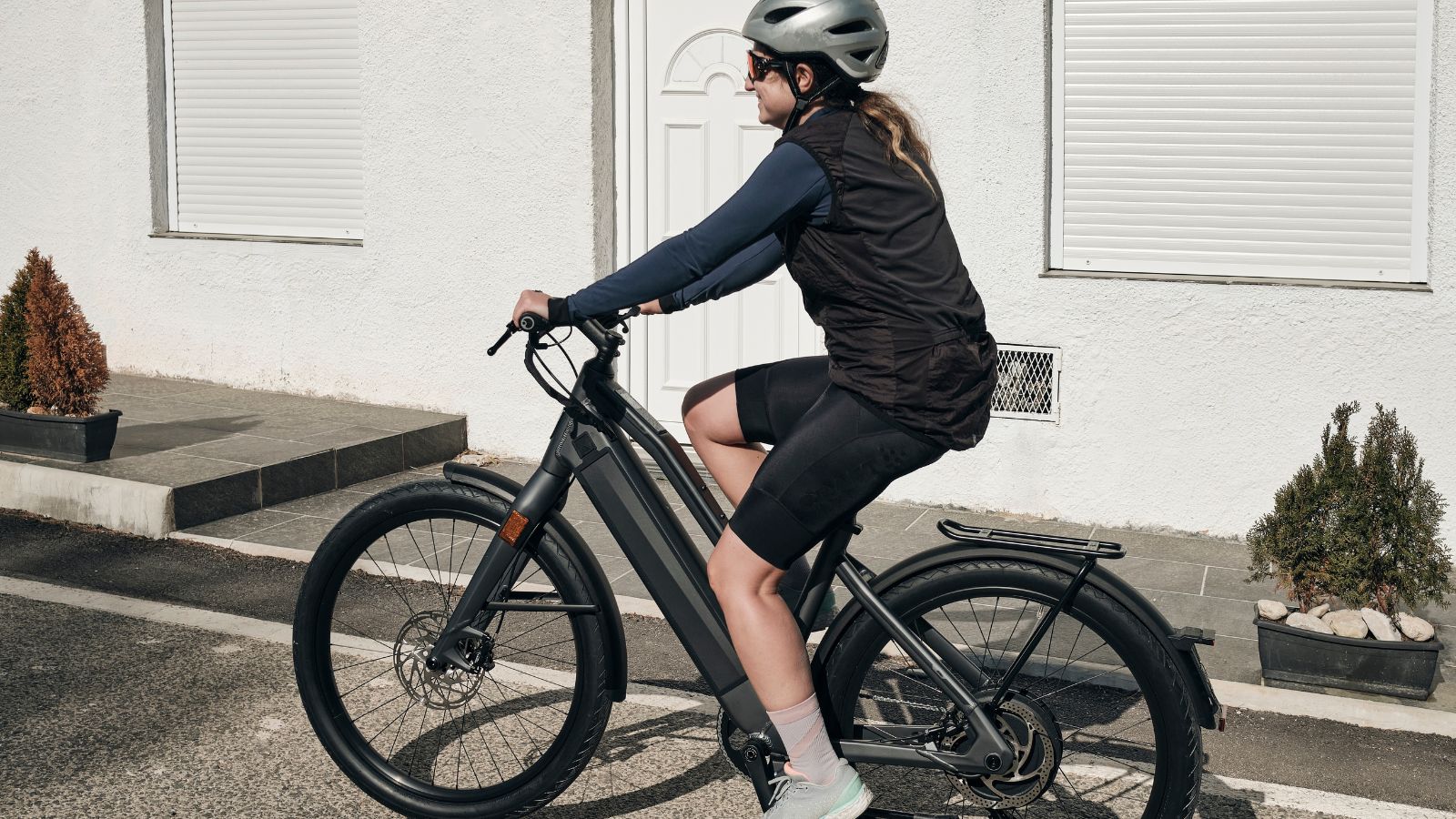
A motor can hide poor fit during a short test ride. The rider may feel powerful while the saddle is too high, the reach is too long or the frame is difficult to mount. Ontario’s bicycle-safety guidance treats proper fit and equipment checks as basic safety measures. Battery position also affects handling: guidance on e-cycle batteries notes that weight kept low and central generally handles better than weight mounted high and rearward, especially when the bike is carrying additional cargo.
Buyers should test the machine at walking speed, not only in a straight line under power. Starting on a hill, making a tight turn, stopping suddenly and pushing the bike by hand reveal problems that a smooth parking-lot lap may hide. Step-through frames can help riders with limited mobility, but frame stiffness and load capacity still matter. Scooter buyers should check deck size, handlebar height and steering stability, while e-bike buyers should confirm saddle, stem and handlebar adjustability. The best motor cannot compensate for numb hands, unstable balance or a frame that discourages the rider from using the machine regularly.
Theft Protection Should Be Budgeted Up Front
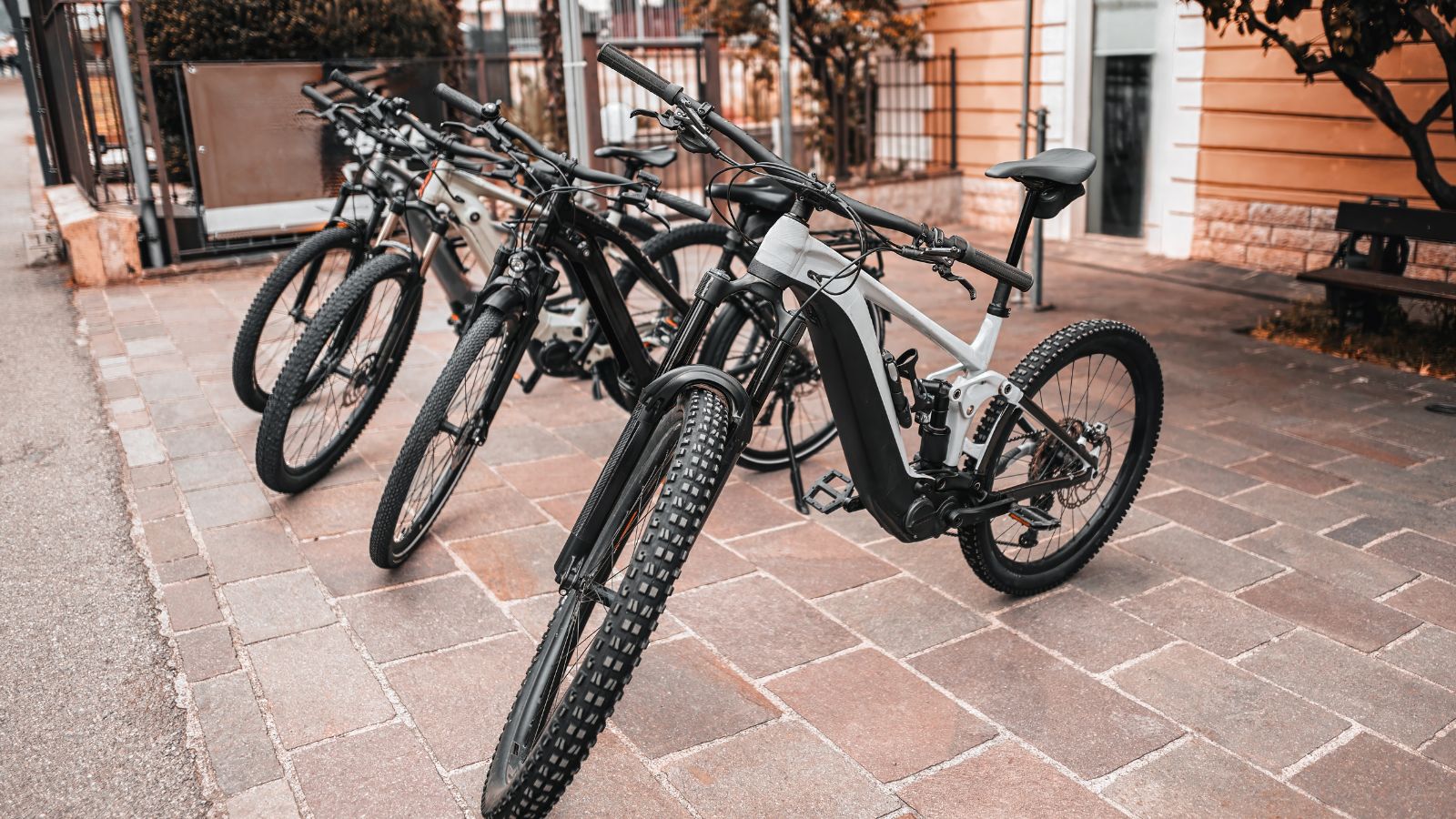
E-bikes are attractive theft targets because they are valuable, portable and filled with resellable components. Registration services such as Project 529 allow owners to record serial numbers and check whether a used bike has been reported missing. The program says thousands of stolen bicycles have been recovered through its network, and Canadian police services participate in local registration efforts. Recording the serial number after a theft is often too late if the receipt and packaging are gone.
A serious security plan includes more than the thin cable lock often bundled with a bike. The frame and a wheel should be secured to a solid rack with a high-quality lock, while removable batteries, displays and accessories may need separate protection. Buyers should photograph the machine, receipt, serial number and distinguishing marks on the day of purchase. Insurance terms should be checked for lock requirements, overnight restrictions, deductibles and coverage limits. GPS or cellular tracking can help locate a bike, but it does not replace a strong lock or police report. Security costs belong in the original budget, not as an afterthought.
Serviceability Can Outlast the Warranty
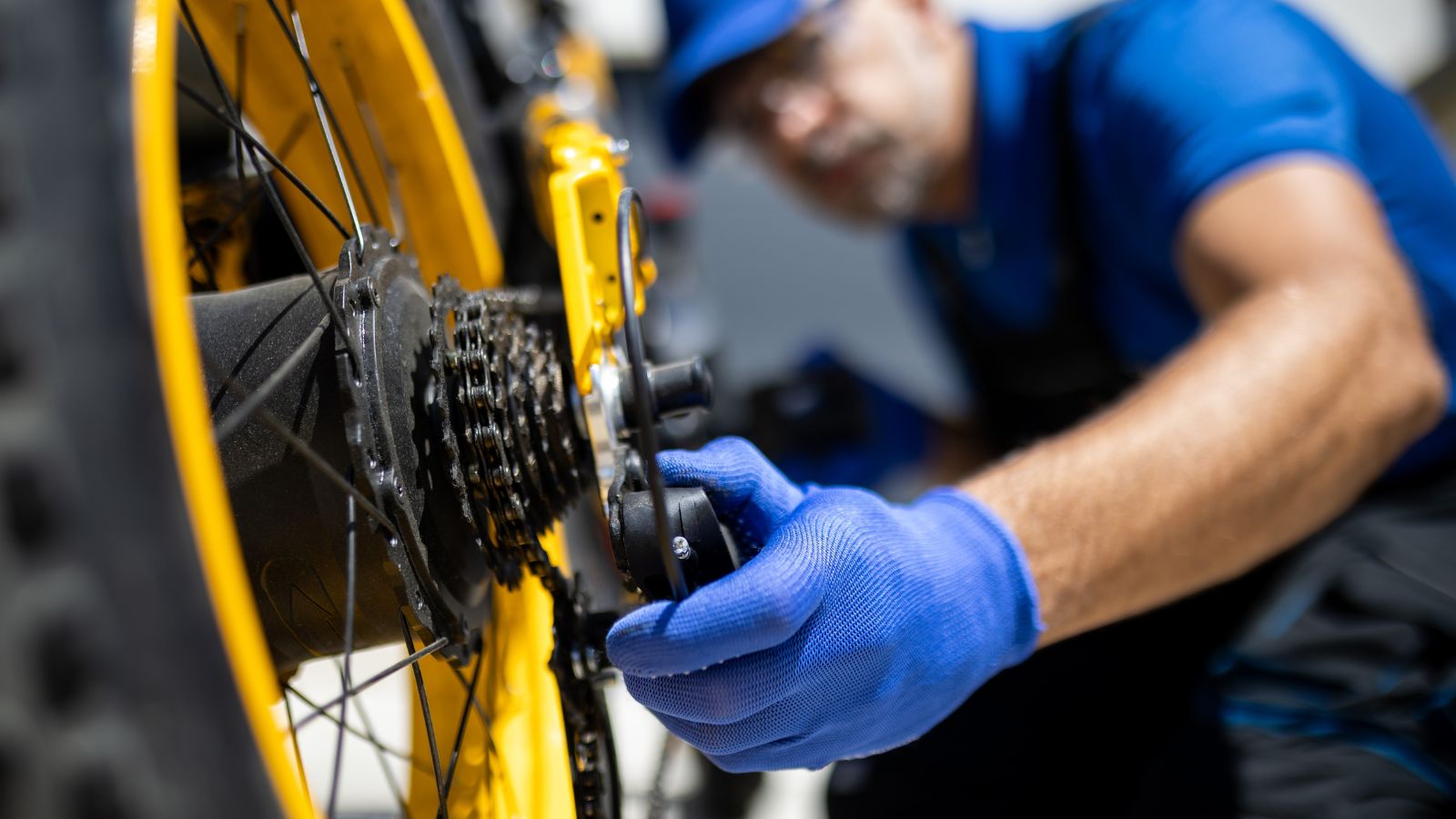
An e-bike or scooter is a mechanical vehicle wrapped around a proprietary electrical system. Tires, chains, cables and brake pads may be routine, but motors, controllers, displays, sensors and battery mounts can require brand-specific parts and diagnostic tools. Cycling UK notes that some shops will not service unfamiliar electrical systems or direct-to-consumer models because of parts access and liability concerns. A low purchase price loses appeal when no local technician will accept the machine.
Before buying, Canadians should call nearby shops and ask whether they service that exact brand, not simply “e-bikes.” The buyer should also check parts availability, diagnostic fees, shipping responsibility and how warranty labour is handled. Ontario consumer guidance recommends asking who provides the warranty, what it covers and whether shipping or handling charges apply. Quebec’s consumer framework also includes an availability warranty for parts, repair services and maintenance information in covered situations. A dependable local dealer with parts access can be worth more than a longer paper warranty from a distant seller that disappears after the sale.
The Real Price Includes More Than the Sticker
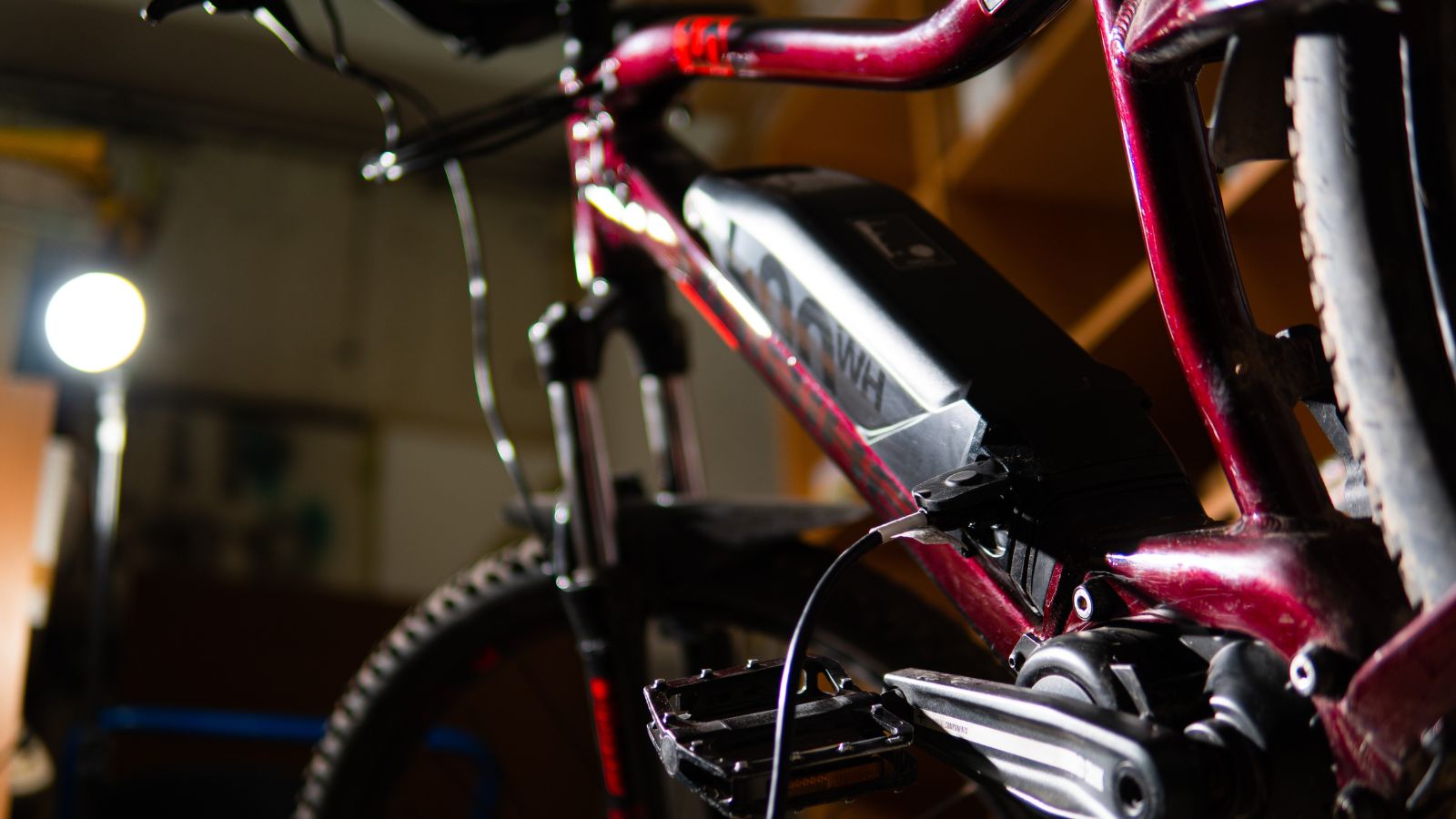
The purchase price is only the opening line of an ownership budget. A compliant helmet, strong lock, lights, fenders, rack, weather gear, spare charger, storage solution and periodic brake or tire service can materially change the total. A replacement battery may eventually become a major repair expense, so buyers should ask for its current price and expected availability before choosing a proprietary system. Financing charges can make an inexpensive-looking monthly payment much more costly.
Taxes, rebates and return rights also deserve attention because they change by place and date. British Columbia’s current tax guidance recognizes qualifying electric bicycles and tricycles under its PST rules, while the province has announced changes taking effect October 1, 2026. Ontario warns that there is no general legal right to return or exchange ordinary goods simply because the buyer changes their mind; store policy may control. Canadians should obtain the full out-the-door price, written return terms and warranty exclusions before paying. A test ride and serviceable model may be worth more than a discount that cannot be returned.
Cargo and Passenger Plans Need a Reality Check
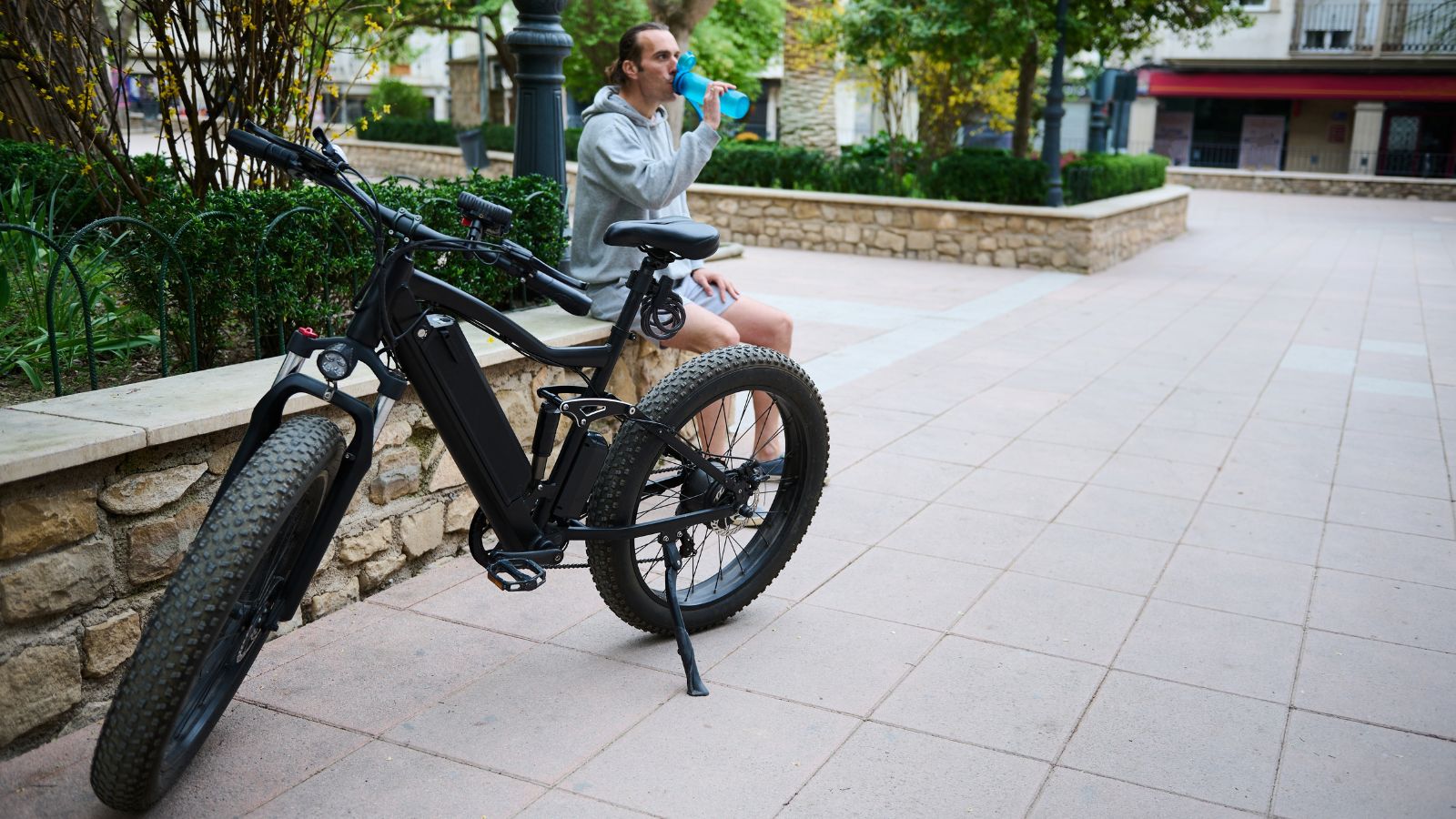
A device intended to carry groceries, children or delivery loads must be chosen around rated capacity and legal rules, not appearance. Ontario’s cargo e-bike pilot, extended to March 1, 2031, sets specific vehicle and operating requirements and still allows municipalities to control where cargo e-bikes may travel. British Columbia restricts passenger carrying in certain age situations, and Calgary prohibits passengers on shared e-scooters. Most standing scooters are designed for one rider, regardless of deck size.
Buyers should add the rider, passenger, cargo, locks and accessories when checking the manufacturer’s maximum load. They should confirm that seats, footrests, handholds and child restraints are approved for the model, rather than improvised after purchase. Extra mass changes acceleration, range, braking and low-speed balance, so a loaded test ride is more informative than an empty one. Families should also measure doors, elevators and parking spaces because long-tail and front-box cargo bikes can be difficult to store. The right machine is the one that safely carries the real load on the real route while staying within local rules.
16 Costco Canada Habits That Could Be Costing Shoppers More Than They Save

The Executive Membership can feel like an obvious upgrade because the 2% annual reward sounds straightforward. For households that spend heavily at Costco Canada, the extra fee may be easy to justify. But the habit becomes costly when shoppers upgrade first and calculate later. A Gold Star Membership costs less, while Executive costs more and only pays off if eligible annual spending is high enough to offset the difference.
16 Costco Canada Habits That Could Be Costing Shoppers More Than They Save
This Options Discord Chat is The Real Deal
While the internet is scoured with trading chat rooms, many of which even charge upwards of thousands of dollars to join, this smaller options trading discord chatroom is the real deal and actually providing valuable trade setups, education, and community without the noise and spam of the larger more expensive rooms. With a incredibly low-cost monthly fee, Options Trading Club (click here to see their reviews) requires an application to join ensuring that every member is dedicated and serious about taking their trading to the next level. If you are looking for a change in your trading strategies, then click here to apply for a membership.