
35,000+ smart investors are already getting financial news, market signals, and macro shifts in the economy that could impact their money next with our FREE weekly newsletter. Get ahead of what the crowd finds out too late. Click Here to Subscribe for FREE.
Canada is steadily emerging as a global technology leader, with cities, universities, and Indigenous communities driving innovation across multiple sectors. From artificial intelligence and cybersecurity to clean energy, medical technology, and advanced manufacturing, the country is fostering high-value industries that generate skilled employment, attract investment, and strengthen international competitiveness. Here are 21 reasons Canada is quietly becoming a tech power.
Toronto Leading in Fintech Innovation
21 Reasons Canada Is Quietly Becoming a Tech Power
- Toronto Leading in Fintech Innovation
- Montreal’s Rapid Growth in Artificial Intelligence Research
- Vancouver’s Green Technology and Clean Energy Startups
- Waterloo as a Hub for Cybersecurity Development
- Ottawa Advancing Aerospace and Defence Technologies
- Calgary Investing in Clean Hydrogen and Energy Diversification
- Edmonton’s Biotech and Health Research Expansion
- Quebec City Strengthening Medical Technology Manufacturing
- Kitchener Building a Robotics and Hardware Startup Ecosystem
- Halifax Advancing Ocean Technology and Marine Science
- Winnipeg Driving Agricultural Technology Innovation
- Victoria Fostering Sustainable Tourism and Clean Tech Integration
- Sherbrooke Developing Advanced Materials and Battery Technologies
- Hamilton Modernizing Advanced Manufacturing with Tech Integration
- London Scaling Food Processing and Agri Innovation Through Tech
- Charlottetown Expanding Pharmaceutical and Bio Manufacturing
- Northern Communities Leveraging Renewable Energy and Microgrids
- Indigenous Tech Initiatives Supporting Cultural Preservation and Innovation
- Canadian Universities Leading in Research Commercialization
- Government Policies Supporting Tech Investment and Startups
- International Tech Firms Choosing Canada for Expansion and Talent
- 21 Products Canadians Should Stockpile Before Tariffs Hit

Toronto has emerged as a major global fintech hub, leveraging its strong banking sector, regulatory support, and access to skilled talent. Startups and established firms focus on digital payments, investment platforms, blockchain solutions, and cybersecurity for financial services. Collaboration between banks, universities, and incubators accelerates innovation and commercialization. Toronto’s fintech ecosystem attracts international investment and provides employment across technical and professional roles. Government programs support research and early-stage development.
Montreal’s Rapid Growth in Artificial Intelligence Research

Montreal has become one of the world’s leading cities for artificial intelligence research. Universities, research institutes, and startups collaborate on machine learning, natural language processing, computer vision, and robotics. Federal and provincial funding supports talent retention, advanced computing infrastructure, and the commercialization of AI solutions. International companies establish research offices in Montreal to leverage skilled labor and participate in the innovation ecosystem. Montreal’s AI cluster contributes to economic growth, job creation, and global competitiveness.
Vancouver’s Green Technology and Clean Energy Startups

Vancouver has developed a strong clean technology ecosystem, focusing on renewable energy, energy storage, and low-carbon solutions. Startups work on solar, wind, and battery technologies, as well as sustainable transportation and smart grid solutions. Provincial policies and municipal sustainability goals encourage investment and innovation. Collaboration with universities and research centers accelerates commercialization and applied research. Vancouver attracts international companies seeking to test and deploy green technologies in a supportive environment.
Waterloo as a Hub for Cybersecurity Development

Waterloo has positioned itself as a leading centre for cybersecurity innovation. The city’s universities, research institutes, and startup ecosystem focus on encryption, threat detection, secure communications, and digital identity solutions. Partnerships with large tech firms and government agencies facilitate product development and talent acquisition. Incubators and accelerators provide funding, mentorship, and technical support for early-stage companies. Waterloo’s cybersecurity sector generates high-skilled employment and attracts international collaboration, enhancing Canada’s global presence in digital security.
Ottawa Advancing Aerospace and Defence Technologies

Ottawa’s aerospace and defence sector continues to grow through innovation in communications systems, aviation technology, and national security solutions. Collaboration between federal agencies, research institutions, and private companies supports R&D, testing, and commercialization. The city’s workforce includes engineers, designers, and technical specialists who contribute to high-value projects. Investments in advanced manufacturing and prototyping help firms participate in international supply chains. Ottawa’s aerospace and defence initiatives strengthen Canada’s technological capabilities, generate employment, and promote exports.
Calgary Investing in Clean Hydrogen and Energy Diversification

Calgary is advancing its clean hydrogen and energy diversification strategies through research, pilot projects, and industrial partnerships. Local firms develop low-carbon hydrogen production, storage, and distribution technologies for industrial and transportation applications. Universities and research centers collaborate to improve efficiency and reduce emissions. Government incentives and private investment support the commercialization and scaling of technologies. Calgary’s energy sector innovation creates skilled employment, supports the transition from traditional oil and gas, and enhances Canada’s role in global clean energy solutions.
Edmonton’s Biotech and Health Research Expansion

Edmonton has strengthened its biotechnology and health research sector by combining university expertise, hospital networks, and private industry. Areas of focus include pharmaceuticals, diagnostics, digital health systems, and clinical research. Federal and provincial investments support lab infrastructure, workforce development, and commercialization programs. Collaboration with startups accelerates the translation of research into products and services. Edmonton’s biotech growth provides high-skilled employment, improves healthcare outcomes, and positions the city as a centre for life sciences innovation.
Quebec City Strengthening Medical Technology Manufacturing

Quebec City has expanded its medical technology sector through advanced manufacturing, research partnerships, and skilled labor development. Companies produce diagnostic equipment, surgical devices, and patient care technologies. Collaboration with universities, hospitals, and regulatory agencies ensures high-quality standards and innovation. Investments in automation and production efficiency allow firms to scale and compete internationally. Quebec City’s medical technology industry generates high-value employment, supports export growth, and contributes to Canada’s position as a global hub for health technology.
Kitchener Building a Robotics and Hardware Startup Ecosystem

Kitchener has developed a thriving robotics and hardware startup ecosystem. Companies focus on automation, sensors, drones, and industrial robotics, benefiting from proximity to universities and research institutions. Incubators and accelerators provide mentorship, funding, and technical support for early-stage ventures. Collaboration with larger technology firms helps startups scale production and access global markets. Kitchener’s ecosystem generates skilled employment, encourages innovation, and attracts international attention.
Halifax Advancing Ocean Technology and Marine Science

Halifax has become a centre for ocean technology and marine science innovation. The city supports the development of underwater sensors, vessel navigation systems, and marine robotics. Universities, research institutes, and private companies collaborate on applied projects and commercialization. Public investment in infrastructure, laboratories, and testing facilities enables innovation in harsh ocean environments. Halifax’s ocean technology sector creates employment, attracts international collaboration, and strengthens Canada’s role in marine research.
Winnipeg Driving Agricultural Technology Innovation

Winnipeg has emerged as a leader in agricultural technology, supporting precision farming, crop analytics, and sustainable food production solutions. Companies collaborate with universities and federal research centers to develop technologies suited to Canadian climates. Investments in data analysis, automation, and testing infrastructure improve efficiency and yield for local and international markets. Winnipeg’s agri tech sector generates skilled employment, supports rural communities, and enhances Canada’s global competitiveness in food technology. These initiatives demonstrate how combining innovation, research, and industry expertise can transform traditional sectors.
Victoria Fostering Sustainable Tourism and Clean Tech Integration

Victoria is advancing its economy by integrating clean technology with sustainable tourism. The city promotes eco-friendly travel experiences while supporting clean tech solutions in energy, waste management, and environmental monitoring. Collaboration between universities, research institutions, and local businesses drives innovation and commercialization. Victoria’s green initiatives attract investment, create skilled employment, and reduce environmental impacts. Combining tourism and technology strengthens both economic and sustainability goals. The city demonstrates how smaller urban centers can leverage local expertise, research collaboration, and environmental awareness to develop specialized industries.
Sherbrooke Developing Advanced Materials and Battery Technologies
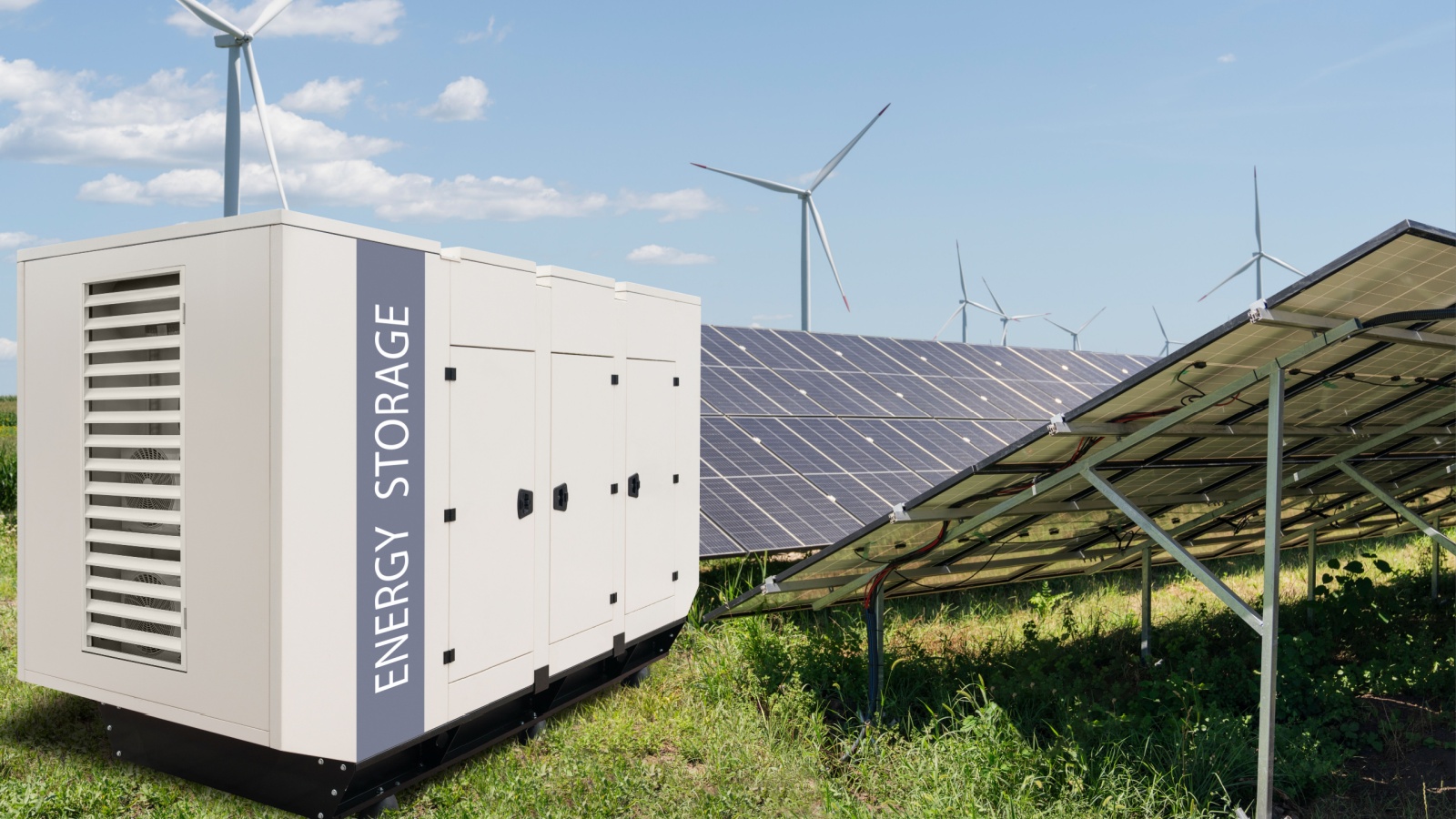
Sherbrooke has become a hub for advanced materials and battery technology innovation. Research centers and companies focus on high-performance composites, energy storage systems, and solid-state batteries. Collaboration with universities and clean tech firms supports the commercialization and scaling of new technologies. Sherbrooke’s sector attracts investment, creates technical employment, and positions Canada as a leader in next-generation materials and energy solutions. Public funding, specialized infrastructure, and skilled talent ensure continued growth.
Hamilton Modernizing Advanced Manufacturing with Tech Integration

Hamilton is transforming its manufacturing sector through the integration of advanced technology and automation. Companies focus on robotics, additive manufacturing, precision engineering, and smart production systems. Collaboration with research institutions and technology providers accelerates innovation and operational efficiency. Hamilton’s modernization initiatives create high-skilled employment, reduce production costs, and increase competitiveness in global markets. Investments in workforce training ensure local talent can operate advanced systems. The city demonstrates how traditional industrial hubs can leverage technology to reinvent manufacturing.
London Scaling Food Processing and Agri Innovation Through Tech

London is growing its food processing and agricultural technology sector by integrating automation, data analytics, and precision farming solutions. Local companies develop equipment, packaging technologies, and sustainable production methods to improve efficiency and safety. Collaboration with universities and research centers drives innovation and commercialization of new technologies. Investments in infrastructure and workforce training help scale operations to meet domestic and international demand. London’s agri tech sector creates employment, strengthens supply chains, and enhances Canada’s global competitiveness in food production.
Charlottetown Expanding Pharmaceutical and Bio Manufacturing

Charlottetown has expanded its pharmaceutical and biomanufacturing capabilities through research partnerships, infrastructure development, and skilled labor initiatives. Companies produce vaccines, biologics, and diagnostics for domestic and international markets. Collaboration with universities, hospitals, and regulatory authorities ensures high quality and compliance. Investments in automation, laboratory facilities, and workforce training accelerate production and commercialization. Charlottetown’s biotech and pharmaceutical sector creates specialized employment opportunities and supports economic diversification.
Northern Communities Leveraging Renewable Energy and Microgrids

Northern Canadian communities are implementing renewable energy projects and microgrids to improve energy reliability and sustainability. Solar, wind, and battery storage systems reduce dependence on diesel and fossil fuels. Collaboration with local governments, Indigenous communities, and engineering firms ensures projects are environmentally and culturally appropriate. Investments in technology, training, and infrastructure create jobs and enhance technical expertise in remote regions. These renewable energy initiatives reduce costs, lower emissions, and increase resilience in harsh climates.
Indigenous Tech Initiatives Supporting Cultural Preservation and Innovation

Indigenous communities across Canada are developing technology initiatives that preserve cultural heritage while fostering innovation. Programs include digital archives, language learning apps, virtual museums, and e-commerce platforms for crafts and local products. Collaboration with universities, tech firms, and government agencies provides funding, mentorship, and technical expertise. These initiatives strengthen cultural identity, generate employment, and create entrepreneurial opportunities. Indigenous tech projects also contribute to broader innovation ecosystems by introducing unique solutions and perspectives.
Canadian Universities Leading in Research Commercialization

Canadian universities play a central role in turning research into commercially viable technologies. Institutions focus on artificial intelligence, clean energy, biotechnology, and advanced materials. Partnerships with startups, established firms, and government programs accelerate technology transfer and entrepreneurship. Universities provide incubators, funding, and mentorship to researchers and students. Successful commercialization creates high-value jobs, attracts investment, and strengthens local and national economies. Canadian universities have also become hubs for international collaboration, further enhancing the country’s tech ecosystem.
Government Policies Supporting Tech Investment and Startups

Canadian government policies actively support technology investment and startup growth. Federal and provincial programs offer funding, tax incentives, research grants, and regulatory support for tech companies. Initiatives focus on innovation hubs, incubators, and accelerators, helping entrepreneurs scale businesses. Policies also prioritize talent development, immigration for skilled workers, and international collaboration. These measures reduce barriers to entry, encourage experimentation, and stimulate investment in high-tech sectors. Government support has enabled Canada’s startups and established firms to compete globally, foster innovation, and generate employment.
International Tech Firms Choosing Canada for Expansion and Talent

Canada has become a destination for international technology companies seeking skilled talent, stable infrastructure, and favorable business conditions. Cities like Toronto, Montreal, Vancouver, and Waterloo attract firms specializing in AI, software, fintech, and clean energy. Access to universities, research institutions, and innovation hubs facilitates collaboration and rapid development. Canadian policies supporting R&D, immigration, and investment make expansion viable and cost-effective. International firms create high-value employment, stimulate local economies, and contribute to knowledge transfer.
21 Products Canadians Should Stockpile Before Tariffs Hit

If trade tensions escalate between Canada and the U.S., everyday essentials can suddenly disappear or skyrocket in price. Products like pantry basics and tech must-haves that depend on are deeply tied to cross-border supply chains and are likely to face various kinds of disruptions
21 Products Canadians Should Stockpile Before Tariffs Hit
This Options Discord Chat is The Real Deal
While the internet is scoured with trading chat rooms, many of which even charge upwards of thousands of dollars to join, this smaller options trading discord chatroom is the real deal and actually providing valuable trade setups, education, and community without the noise and spam of the larger more expensive rooms. With a incredibly low-cost monthly fee, Options Trading Club (click here to see their reviews) requires an application to join ensuring that every member is dedicated and serious about taking their trading to the next level. If you are looking for a change in your trading strategies, then click here to apply for a membership.