
35,000+ smart investors are already getting financial news, market signals, and macro shifts in the economy that could impact their money next with our FREE weekly newsletter. Get ahead of what the crowd finds out too late. Click Here to Subscribe for FREE.
Canada has a long history of developing practical innovations that emerged directly from urgent needs in medicine, engineering, communication, transportation, and public safety. These inventions were created to solve real problems in communities, workplaces, remote regions, and national institutions. Many of these breakthroughs later became essential tools used across the world in healthcare, science, emergency response, and daily life. Here are 22 Canadian innovations born out of necessity and how they shaped global progress.
Insulin Discovery Revolutionizing Diabetes Treatment
22 Canadian Innovations Born Out of Necessity
- Insulin Discovery Revolutionizing Diabetes Treatment
- Pacemaker Development for Heart Health
- Life-Saving CPR Techniques Standardized Worldwide
- Electric Wheelchair Invention Improving Mobility
- Medical Imaging Advances: CT and PET Scans
- Pioneering Artificial Heart Valve Technology
- Development of Canola Oil for Healthier Diets
- The Snowmobile for Remote Transportation
- Air Cushion Vehicle for Arctic and Wetlands Access
- The Electron Microscope Enhancing Scientific Research
- Advancements in Water Purification Systems
- Standardized Neonatal Incubators Saving Infant Lives
- Portable Defibrillator for Emergency Cardiac Response
- Early Development of the Telephone Answering Machine
- The Zipper Design for Everyday Use
- Snow Goggles for Extreme Weather Conditions
- Emergency Alert Systems and Disaster Management Tools
- Hockey Helmet and Protective Sports Gear Innovations
- Insulated Clothing for Extreme Cold Environments
- Emergency Medical Kits for Remote Communities
- The Robertson Screw for Industrial Efficiency
- Wireless Heart Rate Monitors and Fitness Devices
- 21 Products Canadians Should Stockpile Before Tariffs Hit

The discovery of insulin in 1921 by Canadian scientists Frederick Banting and Charles Best transformed the treatment of diabetes worldwide. Before insulin, diabetes was often fatal, with no effective therapy available. This groundbreaking innovation allowed patients to regulate blood sugar levels, greatly extending life expectancy and improving quality of life. The research was conducted at the University of Toronto and rapidly led to global production and distribution. Insulin remains an essential medical therapy today.
Pacemaker Development for Heart Health

Canada played a pivotal role in developing the cardiac pacemaker, a device that regulates heart rhythm for patients with heart conditions. Innovators, including John Hopps, contributed to early designs combining electrical engineering and medical knowledge. Pacemakers have saved millions of lives by preventing heart failure and irregular heartbeat complications. Canadian hospitals and research teams collaborated with engineers to refine device safety and functionality. This medical breakthrough demonstrates how necessity and expertise combined to address life-threatening conditions.
Life-Saving CPR Techniques Standardized Worldwide
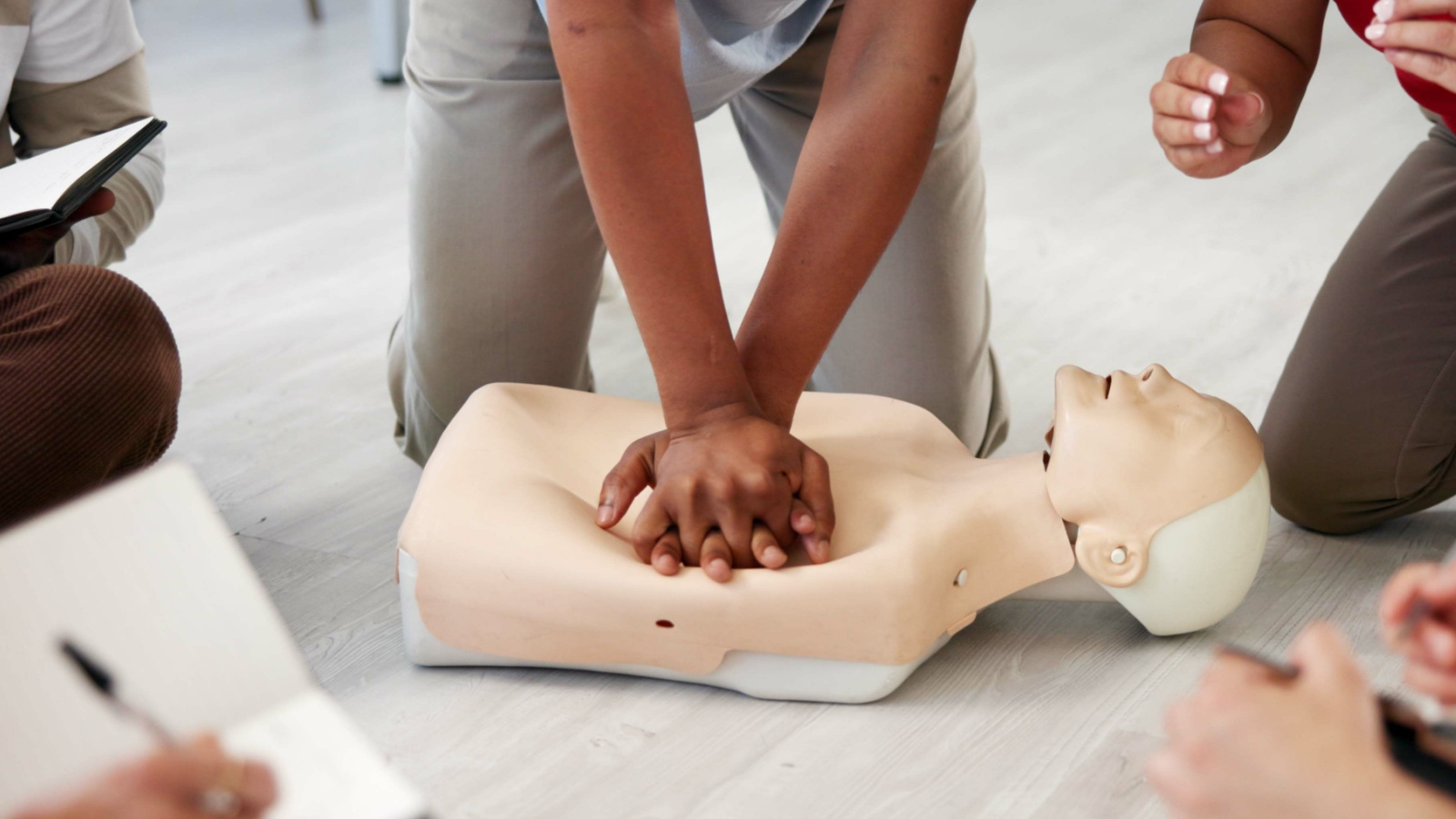
Canadian researchers and medical practitioners were instrumental in standardizing cardiopulmonary resuscitation (CPR) techniques, saving countless lives in emergency situations. The development of consistent guidelines for chest compressions, ventilation, and emergency response protocols enabled widespread adoption in hospitals, ambulances, and communities. Training programs in Canada and internationally ensured that both medical professionals and laypeople could perform CPR effectively. This innovation highlights Canada’s commitment to public health and practical solutions.
Electric Wheelchair Invention Improving Mobility

The electric wheelchair was developed in Canada to enhance mobility for individuals with severe physical disabilities. Early designs prioritized accessibility, independence, and ease of use, allowing users to navigate daily environments with greater freedom. Canadian engineers and medical experts collaborated to address ergonomic and safety concerns, leading to widely adopted models that improved quality of life. The invention reflects Canada’s focus on inclusive technology and healthcare innovation.
Medical Imaging Advances: CT and PET Scans
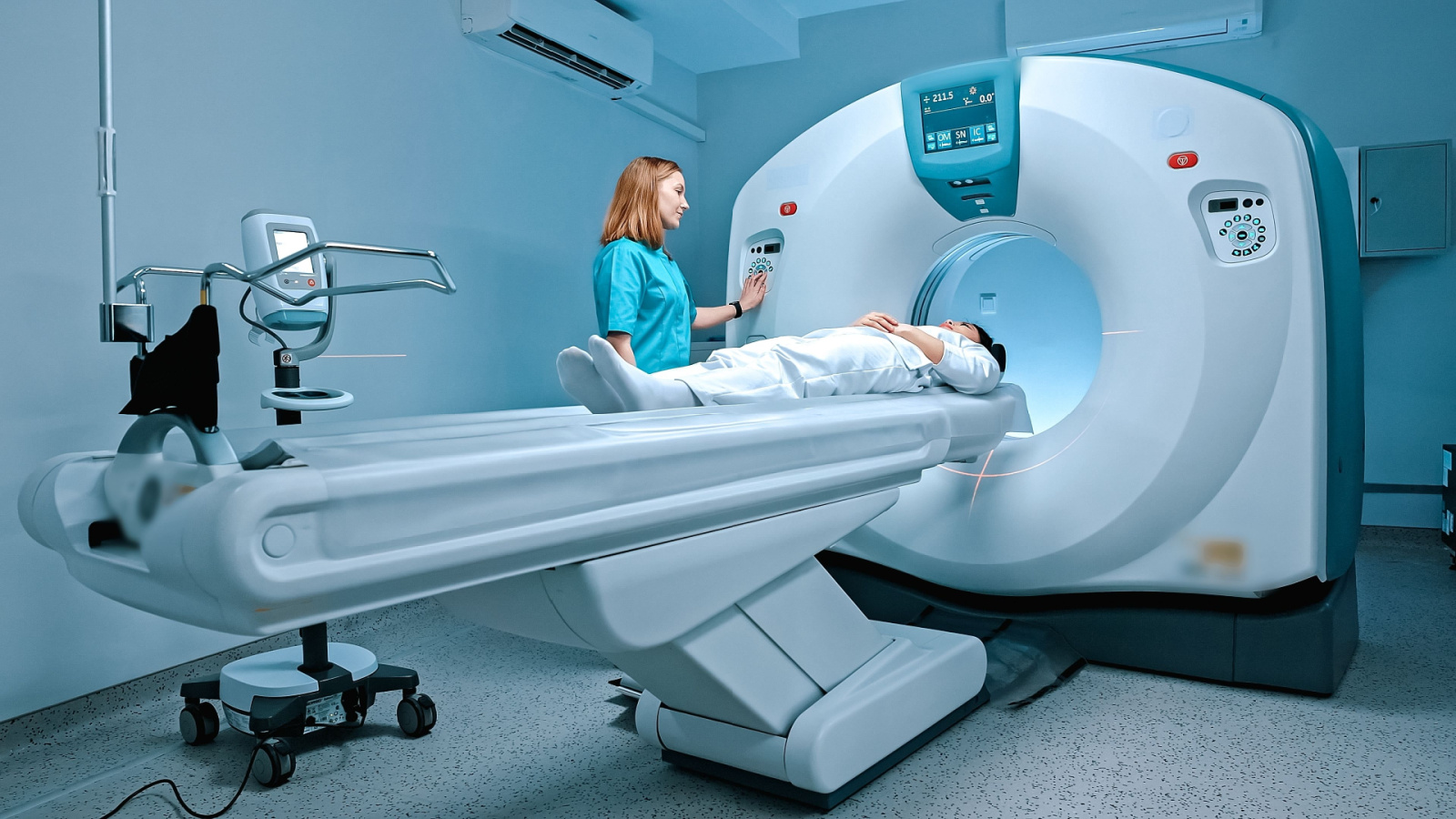
Canadian researchers contributed significantly to the development of advanced medical imaging technologies such as computed tomography (CT) and positron emission tomography (PET) scans. These innovations allow detailed visualization of internal organs and physiological processes, improving diagnosis and treatment of conditions such as cancer, neurological disorders, and cardiovascular disease. Collaboration between physicists, engineers, and medical practitioners in Canada facilitated these breakthroughs. The widespread use of CT and PET scanning has transformed healthcare globally.
Pioneering Artificial Heart Valve Technology

Canada was at the forefront of developing artificial heart valves, providing critical treatment options for patients with heart valve disease. Researchers and surgeons designed valves that improved blood flow, durability, and compatibility with the human body. Clinical trials and refinements conducted in Canadian medical centers ensured safety and effectiveness, leading to international adoption. This innovation addressed a pressing medical need and reduced mortality associated with valve failure. Canada’s contributions to artificial heart valve technology highlight the country’s ability to merge engineering, medical research, and patient care.
Development of Canola Oil for Healthier Diets

Canola oil was developed in Canada through agricultural research to create a healthier alternative to traditional oils. Scientists selectively bred rapeseed varieties to reduce erucic acid and glucosinolates, producing an oil low in saturated fat and high in beneficial omega-3 fatty acids. This innovation improved public health and became a major Canadian export, influencing diets worldwide. Canola oil is now a staple in households and the food industry.
The Snowmobile for Remote Transportation

The snowmobile was invented in Canada to address transportation challenges in snowy and remote regions. Designed for efficiency, mobility, and safety, snowmobiles enabled access to isolated communities, resource sites, and emergency services. Canadian inventors responded directly to environmental and practical needs, combining mechanical engineering with local expertise. The snowmobile revolutionized winter travel, supporting economic activity, tourism, and rescue operations in harsh climates.
Air Cushion Vehicle for Arctic and Wetlands Access

The air cushion vehicle, also known as the hovercraft, was advanced in Canada to support transportation in Arctic regions and wetlands where traditional vehicles could not operate. Its ability to travel over ice, water, and soft terrain made it essential for remote community access, research missions, and supply transport. Canadian engineers improved stability, lift systems, and reliability to suit northern conditions. The technology was adopted by environmental teams, the Coast Guard, and rescue units.
The Electron Microscope Enhancing Scientific Research

Canada contributed key developments to electron microscopy, particularly through innovations at the University of Toronto and other research institutions. Canadian scientists improved imaging resolution and stability, helping researchers observe structures at atomic and molecular scales. These advancements supported breakthroughs in materials science, biology, and medical research. Electron microscopes became essential tools in laboratories, enabling detailed study of viruses, cell structures, and advanced materials. Canadian engineering and academic collaboration strengthened global scientific capabilities.
Advancements in Water Purification Systems

Canada played an important role in advancing water purification technologies, particularly for rural, Indigenous, and remote communities dealing with unsafe water sources. Canadian researchers worked on membrane filtration, ultraviolet disinfection, and portable purification units used globally in emergency and disaster zones. These systems improved access to clean drinking water and supported public health across varied environments. Canadian engineering firms and universities worked together to solve contamination challenges and reduce the risk of waterborne diseases.
Standardized Neonatal Incubators Saving Infant Lives

Canadian medical teams contributed to standardizing neonatal incubator design to improve the survival rates of premature and low birth-weight infants. Early efforts focused on regulating temperature, humidity, and oxygen levels to create a stable environment for newborns. Canadian hospitals helped refine safety features and protocols, ensuring consistent care across facilities. These innovations became widely used in neonatal intensive care units worldwide. Standardized incubators reduced infant mortality and improved long-term health outcomes.
Portable Defibrillator for Emergency Cardiac Response

Canadian researchers helped advance early versions of portable defibrillators that made life-saving cardiac intervention accessible outside hospitals. These devices allowed first responders and trained individuals to deliver controlled electrical shocks to restore normal heart rhythm during cardiac arrest. Improvements focused on portability, automated instructions, and safety features to support rapid deployment in emergencies. Portable defibrillators quickly became standard equipment in public spaces, aircraft, workplaces, and community centers.
Early Development of the Telephone Answering Machine

Canada contributed to the early development of telephone answering machine technology through innovations in magnetic recording and telecommunications research. Canadian engineers and inventors worked on mechanisms that allowed callers to leave recorded messages when recipients were unavailable. These developments supported the growth of modern communication systems and improved accessibility for households and businesses. Telephone answering machines became widespread during the twentieth century, streamlining communication across time zones and schedules.
The Zipper Design for Everyday Use

Canada played a major role in the development and popularization of the modern zipper through the work of inventor Gideon Sundback, who lived and worked in Ontario. Sundback improved early fastening devices by creating a more reliable interlocking system that could be mass-produced. His design became widely used in clothing, luggage, and industrial applications. The zipper addressed the need for a fast, secure, and simple fastening method that replaced hooks and buttons. This practical innovation demonstrated how engineering improvements in Canada led to a globally adopted solution used in everyday life.
Snow Goggles for Extreme Weather Conditions

Snow goggles were refined in Canada to address visibility and eye protection challenges in harsh winter climates. Indigenous Inuit designs inspired early versions that prevented snow blindness by limiting light exposure and reducing glare across snow-covered landscapes. Modern Canadian developments incorporated durable materials, improved lenses, and ventilation to support winter sports, military operations, and Arctic travel. These goggles protected users from ultraviolet radiation and extreme cold. The innovation grew from a practical need in northern regions and influenced global designs used in skiing, snowboarding, and outdoor winter activities.
Emergency Alert Systems and Disaster Management Tools

Canada contributed to the development of modern emergency alert and disaster management systems designed to protect the public during crises. Canadian agencies and researchers helped standardize communication tools that deliver warnings through television, radio, and mobile devices. These systems improved coordination during natural disasters, severe weather events, and public safety threats. Canadian engineering and policy innovations supported real-time alerts, automated monitoring, and reliable nationwide coverage. The technology addressed the urgent need for faster communication and improved community preparedness.
Hockey Helmet and Protective Sports Gear Innovations

Canada played a central role in improving hockey helmets and protective sports gear to reduce injuries in high-impact activities. Research from Canadian universities, medical institutions, and equipment manufacturers led to stronger shells, better padding, and more secure fastening systems. These innovations were driven by the need to prevent concussions and facial injuries common in early hockey. Safety standards introduced in Canada influenced global regulations and equipment design across many sports. Protective gear advancements improved athlete well-being and performance.
Insulated Clothing for Extreme Cold Environments

Canada advanced the development of insulated clothing designed for extreme cold conditions experienced in Arctic regions and northern communities. Researchers and outdoor gear manufacturers focused on materials that retained heat, reduced moisture buildup, and improved mobility. Innovations such as layered insulation, wind-resistant fabrics, and moisture-wicking liners supported workers, explorers, and military personnel. These advancements were essential in environments where exposure risks were severe. Canadian cold-weather clothing set global standards for durability and protection.
Emergency Medical Kits for Remote Communities

Canada developed specialized emergency medical kits tailored for remote and rural communities where access to hospitals can be limited. These kits included essential supplies for trauma care, childbirth, infection control, and stabilization until transport arrives. Canadian health practitioners and researchers designed guidelines to ensure kits were easy to use, portable, and adapted to regional needs. This innovation supported remote Indigenous communities, mining camps, and northern settlements. The kits improved survival rates and emergency readiness.
The Robertson Screw for Industrial Efficiency

The Robertson screw, invented by Canadian Peter L. Robertson, improved industrial efficiency by providing a square-shaped socket that reduced slippage and improved torque control. This design offered safer handling and faster assembly compared to slotted screws. It became widely used in manufacturing, construction, and woodworking across Canada. Although adoption in the United States took longer due to licensing disagreements, the Robertson screw remains popular for its reliability. Its contribution to industrial processes demonstrates how a simple, practical improvement can address workplace challenges and enhance productivity in multiple sectors.
Wireless Heart Rate Monitors and Fitness Devices

Canada made important contributions to wireless heart rate monitoring through advancements in sensor technologies and wearable devices. Canadian researchers and companies developed systems that accurately recorded heart rate data during exercise without requiring wired connections. These innovations supported athletes, healthcare providers, and individuals tracking personal fitness. Improvements focused on comfort, battery life, and signal accuracy. Wireless heart rate monitors became foundational tools for modern fitness trackers and smart wearables used worldwide.
21 Products Canadians Should Stockpile Before Tariffs Hit

If trade tensions escalate between Canada and the U.S., everyday essentials can suddenly disappear or skyrocket in price. Products like pantry basics and tech must-haves that depend on are deeply tied to cross-border supply chains and are likely to face various kinds of disruptions
21 Products Canadians Should Stockpile Before Tariffs Hit
This Options Discord Chat is The Real Deal
While the internet is scoured with trading chat rooms, many of which even charge upwards of thousands of dollars to join, this smaller options trading discord chatroom is the real deal and actually providing valuable trade setups, education, and community without the noise and spam of the larger more expensive rooms. With a incredibly low-cost monthly fee, Options Trading Club (click here to see their reviews) requires an application to join ensuring that every member is dedicated and serious about taking their trading to the next level. If you are looking for a change in your trading strategies, then click here to apply for a membership.