
35,000+ smart investors are already getting financial news, market signals, and macro shifts in the economy that could impact their money next with our FREE weekly newsletter. Get ahead of what the crowd finds out too late. Click Here to Subscribe for FREE.
Parenting in Canada blends compassion, balance, and inclusivity in ways that many countries could learn from. From encouraging kids to play outdoors year-round to promoting emotional intelligence and equality, Canadian parents focus on raising confident, kind, and adaptable children. Here are 15 Canadian parenting habits that the world should copy.
Encouraging Outdoor Play in All Seasons
15 Canadian Parenting Habits The World Should Copy
- Encouraging Outdoor Play in All Seasons
- Teaching Kids Respect for Nature and Wildlife
- Promoting Multicultural Awareness from a Young Age
- Valuing Work-Life Balance for Family Time
- Supporting Children’s Independence Early On
- Prioritizing Emotional Intelligence and Empathy
- Emphasizing Politeness and Kindness in Daily Life
- Letting Kids Experience Failure and Learn from It
- Focusing on Inclusive and Supportive Education
- Making Sports and Physical Activity Accessible to All
- Involving Kids in Community and Volunteer Work
- Discussing Mental Health Openly at Home
- Encouraging Bilingual or Multilingual Learning
- Practicing Gender Equality in Parenting Roles
- Celebrating Cultural Diversity in Family Traditions
- 21 Products Canadians Should Stockpile Before Tariffs Hit

Canadian parents believe outdoor play is essential for children’s growth, regardless of the weather. Kids are encouraged to enjoy nature year-round, from skating and sledding in winter to hiking and swimming in summer. Schools and communities support this mindset by maintaining parks, rinks, and trails across the country. This habit builds resilience, creativity, and physical fitness. Studies show children who spend time outdoors are more focused and less stressed. By embracing all four seasons, Canadian families teach kids that fresh air and exploration are vital parts of a healthy, balanced childhood.
Teaching Kids Respect for Nature and Wildlife

In Canada, respect for the environment begins early. Parents teach children to appreciate nature through simple practices like recycling, conserving water, and observing wildlife without disturbing it. Family trips to national parks or lakes often include lessons on environmental stewardship. Schools reinforce this by integrating sustainability topics into the curriculum. These small habits help kids grow into environmentally conscious adults. With Canada’s rich natural landscapes, this approach fosters gratitude and awareness of the planet’s fragility. It’s a parenting value that encourages responsibility beyond the home and into the broader world.
Promoting Multicultural Awareness from a Young Age

Canadian families raise children to appreciate diversity as a core value. Parents expose kids to different languages, cuisines, and cultural celebrations from an early age. Schools and communities also reflect this multicultural fabric, helping children understand and respect people from varied backgrounds. This exposure promotes empathy and inclusion, shaping open-minded adults who value equality. Whether attending local festivals or sharing meals from multiple cultures, these experiences build social awareness and reduce prejudice. Canada’s approach shows how embracing multiculturalism at home nurtures global citizens with respect for difference and community harmony.
Valuing Work-Life Balance for Family Time

Canadian parenting emphasizes maintaining a healthy balance between work and family life. Parents prioritize time together through shared meals, outdoor activities, or weekend trips. Many workplaces support this by offering flexible hours or parental leave, allowing parents to stay involved in their children’s early years. This balance helps reduce burnout and strengthens family bonds. Studies show that kids benefit emotionally when parents are present and engaged. By setting boundaries between work and home, Canadian families model the importance of self-care and meaningful time spent together.
Supporting Children’s Independence Early On

Canadian parents encourage independence by allowing kids to make small decisions and take on age-appropriate responsibilities. From walking to school to managing their own schedules, children learn accountability and confidence early. Parents act as guides rather than controllers, promoting self-reliance while ensuring safety. This balanced approach helps kids develop problem-solving skills and adaptability. By trusting their children to learn from experience, Canadian parents foster maturity and resilience. These habits prepare young people to handle challenges responsibly and transition smoothly into adulthood.
Prioritizing Emotional Intelligence and Empathy

Parents in Canada place strong importance on emotional awareness. Children are taught to recognize and express their feelings respectfully while understanding others’ emotions. Open conversations about mental health, kindness, and empathy are common at home and in schools. This focus helps kids develop better communication skills and stronger relationships. Encouraging empathy also reduces bullying and improves teamwork. By treating emotional intelligence as essential as academics, Canadian parents raise compassionate, thoughtful individuals who value understanding over judgment in daily life and social interactions.
Emphasizing Politeness and Kindness in Daily Life

Politeness is deeply ingrained in Canadian culture, and parents make it a priority from early childhood. Kids learn to say “please,” “thank you,” and “sorry” not out of habit but from genuine respect. Parents model courteous behavior at home and in public, reinforcing that kindness and humility matter. Schools and community programs also emphasize social manners and community cooperation. These consistent lessons teach children that respect for others builds stronger connections. The result is a culture of civility where consideration and kindness shape everyday interactions both inside and outside the home.
Letting Kids Experience Failure and Learn from It

Canadian parents understand that failure is a crucial part of growth. Instead of shielding children from disappointment, they allow them to face challenges and learn problem-solving skills. Whether it’s losing a game or missing a goal, parents focus on effort and perseverance rather than perfection. This approach builds resilience and helps kids handle setbacks with confidence. By treating mistakes as learning opportunities, children develop independence, self-awareness, and grit. The Canadian parenting philosophy values process over results, preparing kids to navigate life’s ups and downs with emotional strength and optimism.
Focusing on Inclusive and Supportive Education

Canada’s education system is designed to be inclusive and supportive of every learner. Parents actively advocate for equitable classrooms where children of all abilities, backgrounds, and learning styles can thrive. Teachers work closely with families to adapt teaching methods and ensure every student feels valued. This environment encourages empathy, teamwork, and understanding among peers. Canadian parents also emphasize kindness and cooperation over competition. By creating an inclusive educational experience, families help children grow into compassionate individuals who appreciate diversity and believe in fairness for everyone.
Making Sports and Physical Activity Accessible to All

In Canada, parents promote physical activity as a part of daily life rather than a privilege. Community centers and schools offer affordable access to sports and recreation, ensuring every child can participate regardless of income. Parents encourage outdoor activities like skating, biking, or hockey to keep kids active and social. This habit promotes teamwork, discipline, and health from an early age. More importantly, it fosters a sense of belonging and community spirit. By making sports inclusive and affordable, Canadian families build both physical strength and lifelong social connections.
Involving Kids in Community and Volunteer Work

Canadian parents believe that community engagement shapes character. Children are encouraged to participate in volunteer work, local cleanups, or charity drives to understand the value of giving back. These experiences teach empathy, social responsibility, and teamwork. Parents often lead by example, volunteering alongside their kids to instill a sense of civic duty. Schools also integrate community projects into learning. This early exposure helps children appreciate the impact of collective effort and kindness. Through service, they learn that small actions can make a meaningful difference in the lives of others.
Discussing Mental Health Openly at Home
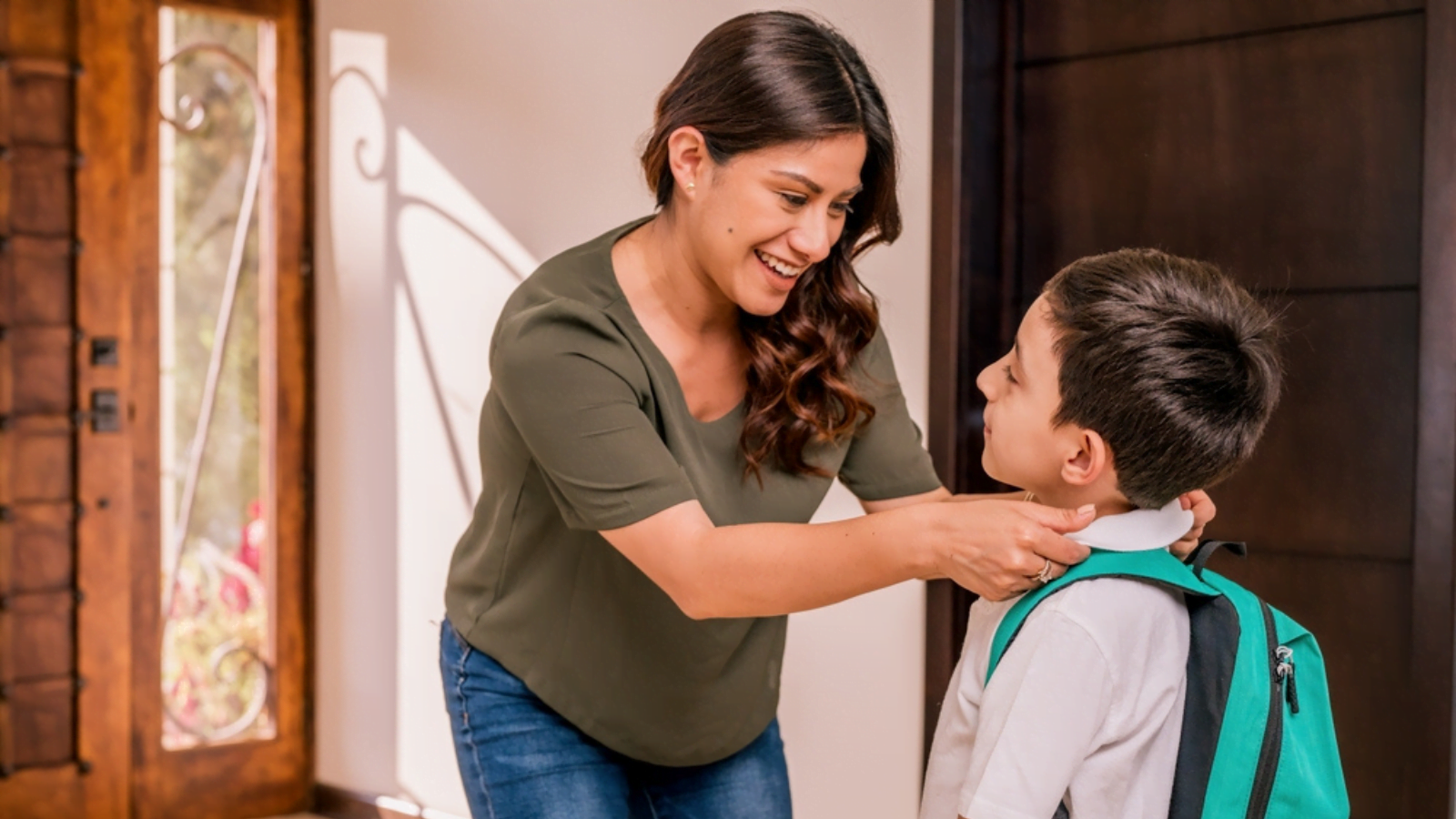
Mental health awareness is a core part of modern Canadian parenting. Parents normalize conversations about stress, anxiety, and emotional well-being from a young age. By creating a safe and nonjudgmental space, children feel comfortable expressing their feelings. Families discuss coping strategies and the importance of seeking help when needed. Schools and communities support this by promoting mental wellness programs. This openness helps reduce stigma and builds emotional resilience. Through these discussions, Canadian parents teach kids that mental health is just as important as physical health for overall happiness and stability.
Encouraging Bilingual or Multilingual Learning

Canada’s bilingual heritage makes language learning a natural part of parenting. Many families raise children to speak both English and French, and some introduce a third language tied to cultural roots. Parents understand that bilingualism enhances communication skills, creativity, and global awareness. Early exposure to multiple languages improves brain development and cognitive flexibility. Schools also support immersion programs, making it easier for children to master more than one language. By valuing linguistic diversity, Canadian parents help their kids connect with different cultures and broaden their understanding of the world.
Practicing Gender Equality in Parenting Roles

Canadian families strive for balance in household and parenting responsibilities. Both parents often share duties such as cooking, childcare, and decision-making. This equality sets a powerful example for children about fairness and respect between genders. Kids grow up seeing collaboration rather than traditional role divisions. Canadian workplaces also support this mindset with parental leave policies for both mothers and fathers. By modeling shared responsibility, parents teach boys and girls alike that respect and partnership form the foundation of healthy family and social relationships.
Celebrating Cultural Diversity in Family Traditions

Canada’s multicultural landscape allows families to celebrate a wide range of cultural traditions at home. Parents introduce their children to various festivals, foods, and customs—both from their heritage and others’. This practice fosters curiosity, tolerance, and appreciation for diversity. Families may celebrate Diwali, Lunar New Year, or Canada Day together, highlighting unity through shared experiences. Schools often mirror this inclusivity by organizing multicultural events. By honoring diversity within the home, Canadian parents teach children that understanding and respect across cultures enrich both family life and national identity.
21 Products Canadians Should Stockpile Before Tariffs Hit

If trade tensions escalate between Canada and the U.S., everyday essentials can suddenly disappear or skyrocket in price. Products like pantry basics and tech must-haves that depend on are deeply tied to cross-border supply chains and are likely to face various kinds of disruptions
21 Products Canadians Should Stockpile Before Tariffs Hit
This Options Discord Chat is The Real Deal
While the internet is scoured with trading chat rooms, many of which even charge upwards of thousands of dollars to join, this smaller options trading discord chatroom is the real deal and actually providing valuable trade setups, education, and community without the noise and spam of the larger more expensive rooms. With a incredibly low-cost monthly fee, Options Trading Club (click here to see their reviews) requires an application to join ensuring that every member is dedicated and serious about taking their trading to the next level. If you are looking for a change in your trading strategies, then click here to apply for a membership.